“Everything You Need to Know About Mold: From Basics to Pro-Level Prevention”
2025/07/25
Mold is often dismissed as a minor nuisance, but it can spread quickly and remain hidden until it causes major health or property damage
This article covers the fundamentals of mold, its causes, health risks, self-care methods, and when to seek professional help—explained step-by-step.
You'll gain a deeper understanding of mold, learn practical strategies to prevent it, and feel confident maintaining a clean and safe living space.
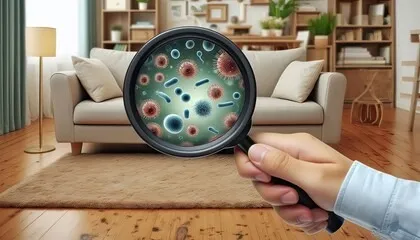
1. What Is Mold? Basic Knowledge Overview
Mold is a common presence in our daily lives, but many people do not truly understand what it is. While it may appear to be just a surface stain, mold is a type of microorganism that can significantly impact both health and the living environment. In this section, we’ll explain the basic nature of mold, how it differs from other microbes, and how it reproduces and spreads.
1-1. Mold as a Type of Fungus—Difference from Bacteria and Viruses
Mold is classified as a “fungus,” which is a type of microorganism with a cell nucleus that cannot move on its own. Although mold may look similar to bacteria or viruses, its structure and behavior are quite different. Bacteria are single-celled organisms that reproduce through cell division, and viruses cannot live or reproduce on their own without a host cell. Mold, on the other hand, consists of multiple cells with a filamentous structure and spreads by producing spores that disperse through the air. Understanding these differences is essential for effective mold prevention and treatment.
1-2. Mold Structure and Reproduction Cycle
Mold grows by extending thread-like structures called “hyphae,” which form a network known as a colony. Once mature, mold produces tiny spores that are released into the air. When these spores land in suitable environments—such as those with high humidity and a food source—they germinate and begin to grow again. Mold follows a cycle of spore → germination → hyphal growth → spore production. This continuous cycle allows it to spread rapidly, often without being noticed. In particular, when humidity exceeds 60%, mold reproduction can accelerate quickly, making early detection and control crucial.
2. Conditions and Factors for Mold Growth
Mold can grow virtually anywhere, but certain conditions can cause it to spread rapidly. Even in a home that appears clean and well-maintained, mold-friendly environments may be developing unnoticed. This section explains the environmental conditions mold thrives in, as well as physical and lifestyle factors that contribute to its growth.
2-1. Key Factors: Temperature, Humidity, pH
The two most critical factors for mold growth are temperature and humidity. Mold becomes highly active when humidity levels exceed 60%. It thrives in temperatures between 20°C and 30°C (68°F to 86°F), which coincides with typical indoor comfort levels. That means mold can spread even in climate-controlled environments if humidity is not managed. Mold also prefers environments with a pH between 4 and 7, slightly acidic to neutral—conditions commonly found on food surfaces, wood, and paper materials in the home.
2-2. Nutrients, Oxygen, and Dust as Contributing Elements
Mold requires nutrients to survive, and these are abundant in everyday life. Common sources include skin oils, dust, soap scum, food particles, wood, and paper. Mold is also aerobic—it requires oxygen to grow. Even in enclosed spaces like closets or cabinets, a small amount of air circulation can supply enough oxygen for mold to thrive. Dust is particularly problematic because it absorbs moisture and provides a perfect landing site for mold spores. Once settled, spores germinate quickly if moisture is present. That’s why eliminating dust and controlling indoor air quality are essential parts of mold prevention.
3. Types and Classifications of Mold
Although we often refer to “mold” as a single entity, there are actually thousands of species, each with different characteristics, appearances, and effects. Understanding the specific type of mold growing in your environment is essential to properly treating and preventing it. In this section, we will explore common classifications of mold and the types most often found in everyday life.
3-1. Classification of Filamentous Fungi: Aspergillus, Penicillium, and More
Most molds are classified as “filamentous fungi,” named for their long, thread-like structures called hyphae. These hyphae form dense networks called colonies. One of the most common genera is Aspergillus, which is widespread in the air and often appears on building materials and wallpaper. It is also known to trigger asthma and allergic reactions in sensitive individuals. Another well-known genus is Penicillium, commonly seen as blue-green mold on food or damp walls. It produces a distinctive odor and can spread rapidly under the right conditions. These molds are highly adaptable and can grow quickly when temperature and humidity levels are favorable.
3-2. Common Household Mold Types and Characteristics
Several types of mold are particularly common in residential environments. One of the most recognizable is Cladosporium, often found in bathrooms and characterized by black, slimy patches on walls and grout. It thrives on soap residue and moisture. Rhizopus, known as the typical bread mold, grows quickly on food at room temperature and is one of the first molds to appear on spoiled items. Trichoderma, another frequent offender, appears greenish and is commonly found inside air conditioners and ventilation systems, contributing to musty odors. Understanding the types of mold in your home—based on color, smell, and location—can help determine the best treatment and prevention strategy.
4. Health Risks Caused by Mold
Mold is more than just an unsightly problem—it can pose serious health risks, especially for young children, the elderly, and individuals with allergies or respiratory conditions. Depending on the species, concentration, and exposure duration, mold can negatively impact various parts of the body, particularly the respiratory system and skin. In this section, we highlight the most common health issues associated with mold exposure.
4-1. Allergies and Respiratory Issues
The most frequent health concern caused by mold is allergies. Mold spores floating in the air can be inhaled and trigger symptoms such as sneezing, runny nose, coughing, and itchy eyes. These symptoms are similar to hay fever but can persist year-round since mold is not limited to a particular season. Certain mold types, like Aspergillus, are known to aggravate asthma and can even lead to conditions like allergic bronchopulmonary aspergillosis (ABPA) when inhaled repeatedly over time. People with pre-existing respiratory issues are especially at risk and should be particularly cautious of mold exposure indoors.
4-2. Danger of Mycotoxins (Mold Toxins)
Some molds produce toxic compounds called mycotoxins, which can have serious health effects when ingested or inhaled. These toxins are commonly found in spoiled foods and can damage the liver, kidneys, and immune system. A well-known example is aflatoxin, produced by certain molds that grow on grains, nuts, and dried foods. Aflatoxins are highly carcinogenic and have been linked to long-term health problems. Even if food looks fine, mold toxins may be present, which is why proper storage and adherence to expiration dates are essential. Always dispose of any food suspected of mold contamination, even if mold is not visibly present.
5. How Fast Does Mold Spread?
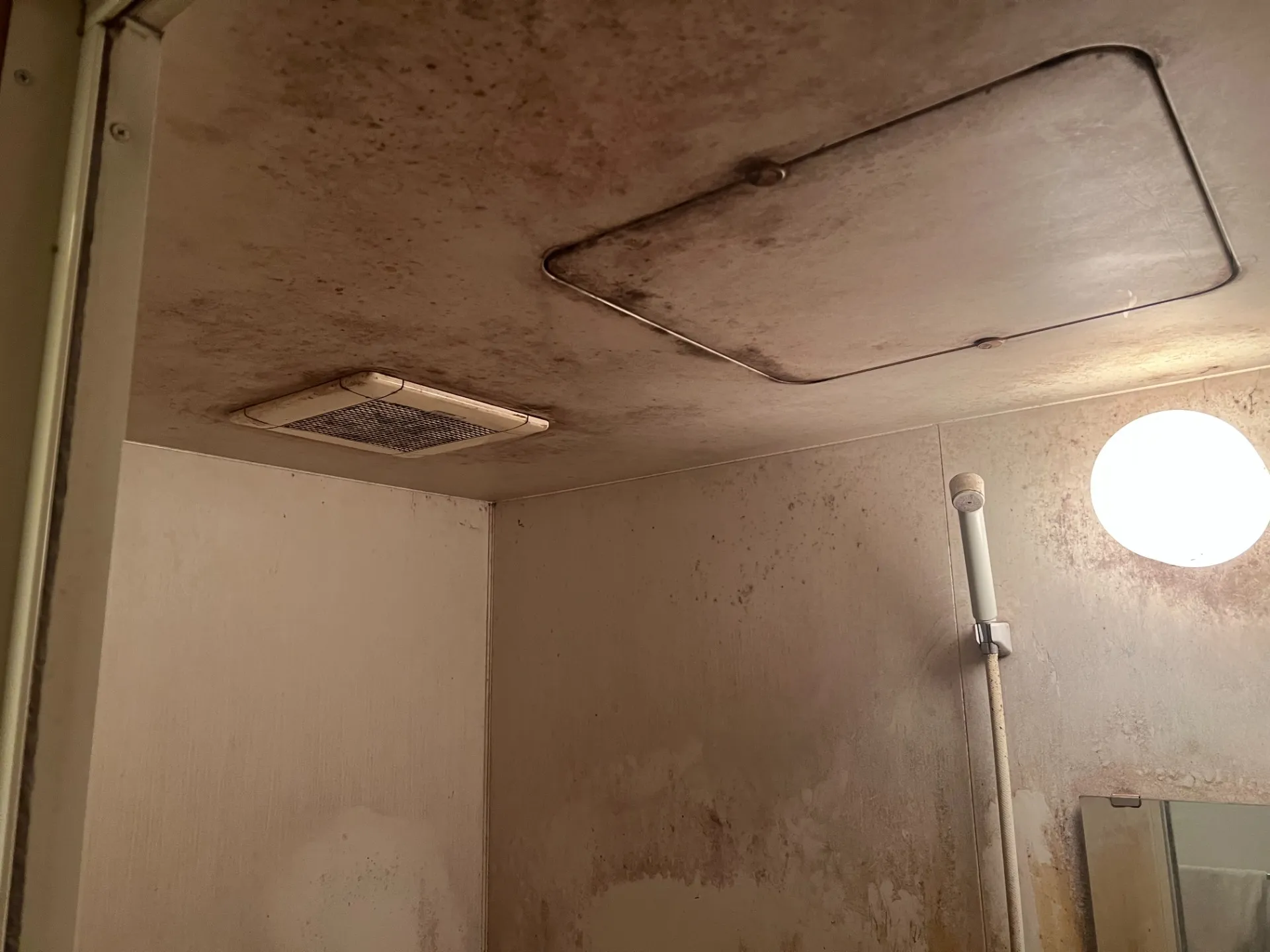
Mold often spreads silently and invisibly, growing behind walls, under flooring, or inside ventilation systems before any visible signs appear. Especially during the humid months, mold can spread rapidly within a matter of hours. This section explains the typical speed of mold growth and why immediate action is essential.
5-1. Reproduction Speed by Humidity and Temperature
Mold thrives in environments with temperatures between 20°C and 30°C (68°F to 86°F) and humidity levels above 60%. When humidity exceeds 70%, mold spores can begin germinating within hours and start forming hyphae in less than a day. For example, if a bathroom is left unventilated after a shower, mold can begin forming overnight. Even hidden spaces—such as behind furniture or inside closets—can support rapid mold growth if they trap humidity. The longer mold is left unchecked, the deeper it penetrates into materials like wood, wallpaper, and insulation, making it much harder to remove later.
5-2. Importance of Quick Action
When it comes to mold, time is of the essence. Once mold becomes visible, it often indicates that it has already spread beneath the surface. Waiting to treat it can lead to more serious infestations and even structural damage. Signs like musty odors, increased humidity, or persistent allergy symptoms can all be early indicators that mold is present. Over-the-counter sprays may temporarily remove surface spores, but they often fail to eliminate mold roots embedded deep within porous materials. Acting quickly not only reduces the risk of recurrence but also helps prevent health hazards and costly repairs. Prevention and early detection are far more effective than trying to fix extensive damage later.
6. Basic Mold Prevention Techniques
The most effective way to deal with mold is to prevent it from growing in the first place. Prevention doesn’t require specialized equipment—it often comes down to maintaining the right indoor conditions and adopting simple daily habits. In this section, we’ll cover practical and effective strategies you can apply today to create a mold-resistant living space.
6-1. Controlling Humidity Below 60% and Importance of Ventilation
Humidity control is the cornerstone of mold prevention. Mold begins to thrive when indoor humidity exceeds 60%. Using dehumidifiers or running your air conditioner’s dehumidifying function can help regulate moisture levels, especially during the rainy season or hot, humid weather. It's a good idea to monitor humidity with a hygrometer and adjust accordingly. Ventilation is just as critical. Be sure to open windows regularly and use exhaust fans in moisture-prone areas like bathrooms and kitchens. Poor ventilation allows moisture to linger on walls, ceilings, and furniture, which encourages mold growth.
6-2. Cleaning, Disinfecting, and Practical Methods
Regular cleaning plays a key role in mold prevention. Mold feeds on dust, grease, soap scum, and organic debris, so it’s important to keep these under control. Focus especially on corners, ceilings, and other often-overlooked areas. Disinfecting surfaces with alcohol-based sprays or anti-mold agents can add an extra layer of protection, particularly in damp areas. In closets and under beds, consider placing moisture absorbers or silica gel packets to maintain dryness. After indoor drying of clothes or rainy days, be extra diligent about cleaning and ventilation. A few small changes in your cleaning habits can drastically reduce the chances of mold appearing.
7. Mold Prevention by Location
Mold can grow in any area of your home, but some places are more prone to it due to constant exposure to moisture or poor ventilation. To effectively prevent mold, it’s important to understand the unique conditions of each space. In this section, we focus on two key areas—wet zones and storage spaces—and explain how to keep mold from taking hold in these environments.
7-1. Bathrooms, Kitchens, and Other Moist Areas
Bathrooms and kitchens are hotspots for mold because of their high humidity and frequent water use. In bathrooms, mold tends to develop on walls, ceilings, and silicone sealants around tubs and sinks. To prevent this, always run the exhaust fan or open a window after showering, and wipe down wet surfaces like tiles and mirrors. Weekly use of anti-mold sprays can also help stop spores from spreading.
In kitchens, mold can hide under sinks, behind appliances, and in cabinets—anywhere that food particles, grease, or moisture accumulate. It’s essential to clean regularly and remove any residue that mold could feed on. Pay particular attention to drains and garbage disposals, as these often retain moisture and organic matter. Cleaning these areas with bleach or specialized drain cleaners can prevent mold from building up where it’s hard to see.
7-2. Closets and Storage Spaces
Storage areas like closets and wardrobes often have poor air circulation and can easily trap moisture—especially when packed with fabric, paper, or cardboard. To prevent mold here, always store clothes and bedding only after they are thoroughly dried. Using desiccants such as moisture absorbers, charcoal, or even newspaper can help regulate humidity. Open the closet doors periodically to let fresh air in, especially during humid seasons.
When organizing your closet, avoid cramming items together. Leave space between clothing for airflow and, if possible, place items on elevated surfaces like wooden racks or slatted boards to keep them off the floor. Check for early signs of mold during seasonal wardrobe changes so you can act quickly before the problem worsens.
8. When to Call the Professionals
While regular cleaning and preventative care can keep most mold problems under control, there are situations where professional help is not only helpful but necessary. Mold that spreads rapidly, keeps returning, or affects hidden areas often requires expert assessment and treatment. In this section, we’ll explain how to recognize when it’s time to call a mold removal specialist and how to choose a reliable service.
8-1. Signs of Severe Mold Problems
If you notice black or green patches growing across large wall or ceiling areas, or if a musty odor lingers throughout your home, there’s a good chance that mold has deeply penetrated the materials. These are not just surface-level issues—mold could already be growing inside walls, insulation, or HVAC systems. In such cases, basic cleaning won’t be enough. Another sign to watch for is recurring mold, even after repeated cleaning. That usually indicates an underlying moisture problem or hidden mold colonies.
You should also consider calling a professional if you or your family members experience unexplained allergy symptoms or respiratory issues that worsen indoors. Mold spores can affect air quality, and prolonged exposure can lead to serious health concerns. Professionals can inspect areas that are difficult to access, identify the root cause, and propose a long-lasting solution.
8-2. Choosing a Mold Removal Company and What to Expect
When selecting a mold removal company, look for one with proven experience and transparent methods. A reliable provider should explain their process clearly, from inspection to treatment, and offer tailored solutions based on the severity and location of the mold. It’s also important to confirm that the company uses safe, non-toxic products—especially in homes with children, elderly individuals, or pets.
Some companies rely on abrasive cleaning methods like scraping or sanding, which may damage surfaces. Look for specialists who use non-invasive techniques that effectively remove mold without harming materials. During consultations, ask whether they also provide preventive treatments, such as anti-mold coatings or moisture control recommendations. A thorough and customer-focused company will provide detailed explanations, safety measures, and support even after the job is completed—giving you peace of mind and lasting protection against mold.
9. Mold’s Role in Life and the Environment
Mold is often viewed only as a harmful or unpleasant nuisance, but it also plays important roles in nature and even in our daily lives. While it’s essential to control mold growth in our homes, it’s equally interesting to explore its positive contributions. This section highlights mold’s surprising benefits in food production and environmental cycles.
9-1. Positive Aspects: Mold in Food and Fermentation
Mold is essential in the production of many traditional and gourmet foods. In Japan, koji mold is used to ferment staples like miso, soy sauce, and sake. In Western cuisine, cheeses such as blue cheese and Camembert owe their distinct flavor and texture to carefully cultured molds. These molds are safe, carefully managed during food production, and can even offer health benefits like supporting digestion and improving nutrient absorption.
Thanks to its enzymatic activity, mold helps break down complex ingredients into simpler forms, enhancing both taste and digestibility. The controlled use of mold in fermentation is an example of how humans have harnessed natural organisms to create flavorful, nutritious, and culturally significant foods.
9-2. Mold’s Role in Ecosystem Cycles
In the natural world, mold is a powerful decomposer. It breaks down dead plants, fallen leaves, and animal remains, returning nutrients to the soil and supporting the life cycle of ecosystems. Without mold and other fungi, organic waste would accumulate and disrupt ecological balance.
Recent innovations also explore mold’s potential in environmental cleanup. Certain mold species are used in bioremediation—the process of using living organisms to neutralize or remove pollutants from the environment. For example, molds can help degrade oil spills or detoxify contaminated soils. In this way, mold demonstrates its capacity not just as a threat to health, but as an ally in sustainability and environmental restoration.
10. Conclusion: Understand Mold and Take Smart Action
Mold is a common part of our environment, but when left unchecked, it can lead to serious health issues and property damage. The good news is that with the right knowledge and habits, you can control and prevent mold effectively. In this final section, we summarize simple, practical steps you can take and provide guidance on what to explore next.
10-1. Five Habits You Can Start Today
Preventing mold doesn’t require high-tech tools or expensive services. Simple daily routines can significantly reduce your risk. First, improve ventilation by opening windows or using fans regularly. Second, wipe down wet surfaces after using the bathroom or kitchen. Third, use dehumidifiers or air conditioners to keep humidity below 60%. Fourth, dry all clothing and bedding thoroughly before storing them. And fifth, clean overlooked areas weekly—especially corners, ceilings, and storage zones. These small habits, when practiced consistently, form a powerful barrier against mold.
10-2. Additional Resources and Next Steps
This guide has covered everything from the science of mold to actionable prevention strategies, but your home’s needs may vary. If you live in a particularly humid area or are already dealing with persistent mold, it may be time to consider expert consultation. Future steps could include learning about specific removal techniques, choosing safe anti-mold treatments, or even upgrading your living space through mold-resistant renovations.
To maintain a clean, healthy, and mold-free environment, combine what you’ve learned here with vigilance, routine care, and—when needed—professional support. By understanding how mold works and taking proactive steps, you can create a living space that’s both safer and more comfortable for you and your family.
Mold Removal & Prevention with Kabibusters Osaka and Kabitori Reform Tokyo & Nagoya
If you're struggling with recurring mold in your home or business, Kabibusters Osaka and Kabitori Reform Tokyo & Nagoya are your trusted solutions. Operated by Taiko Kensou Co., Ltd., we are one of the few companies in Japan capable of providing comprehensive mold removal and home renovation services together, ensuring long-term results and total peace of mind.
Our proprietary MIST Method® is a safe, non-destructive mold removal technique that penetrates deeply into materials without damaging them. It uses specially developed, human-safe mold removal agents that are strong enough to eradicate mold at the root while being gentle on delicate surfaces. This makes it ideal for hospitals, schools, nursing homes, and homes with children or elderly residents.
What sets Taiko Kensou apart is our dual expertise in mold control and renovation. After removing mold, we don't stop there—we also handle the necessary repairs and upgrades to ensure your home doesn’t become a mold hotspot again. Whether it's replacing water-damaged walls, improving insulation, redesigning poorly ventilated spaces, or installing mold-resistant materials, our integrated services deliver complete solutions.
Our renovation division provides a wide range of construction and remodeling services including interior redesign, exterior wall painting, kitchen and bathroom renovations, and even layout modifications to improve airflow and moisture control. We tailor each renovation project to suit both aesthetic goals and long-term durability, especially in humid environments where mold thrives.
Choosing Kabibusters Osaka or Kabitori Reform Tokyo & Nagoya means you're not just getting rid of visible mold—you're transforming your space to prevent it from coming back. With thorough on-site inspections, personalized recommendations, and detailed aftercare, our team at Taiko Kensou Co., Ltd. ensures you receive expert-level service at every stage.
If you want to eliminate mold from its root and upgrade your home’s comfort and value at the same time, trust the professionals at Kabibusters Osaka and Kabitori Reform Tokyo & Nagoya. Contact us today for a consultation.
---------------------------------------------------------------------
カビ取リフォーム
東京営業所
〒141-0022
東京都品川区東五反田2-5-2 YHE CASK GOTANDA6階
電話番号:090-8321-4408
名古屋本社
〒465-0028
愛知県名古屋市名東区猪高台1-1301 タイコウビル1F
電話番号 : 0120-588-766
サイト:https://taikou-kensou.co.jp/
大阪営業所
〒532-0003
大阪府大阪市淀川区宮原1-19-23
電話番号:080-6978-3068
カビバスターズ大阪
https://kabibusters-osaka.com/
【検査機関】
一般社団法人微生物対策協会
https://kabikensa.com/
----------------------------------------------------------------------