Is Your Home Safe? A Complete Guide to Mold Risks in Condos and Houses
2025/05/31
Thank you for visiting our blog today.
Have you ever wondered which type of housing—condominiums or detached houses—is more prone to mold growth? In fact, mold susceptibility greatly varies depending on a home’s structure and location.
This article explains in detail the different mold risks associated with condos and houses, including where mold is most likely to grow, the causes, and effective prevention methods. By understanding the tendencies and countermeasures for each type of home, you'll be able to make informed decisions to maintain a comfortable and healthy living environment. You'll also learn practical prevention strategies recommended by professionals.
1. Mold Occurrence Trends Based on Differences Between Condos and Houses
Mold in residential settings is not just an aesthetic issue—it can affect your health and the longevity of your building. This makes the question “Which is more mold-prone: a condo or a house?” a pressing concern for many people. The truth is that both types of residences come with their own unique risk factors for mold, heavily influenced by differences in structure, location, and lifestyle.
1-1. Condo Structures and Causes of Mold Growth
Most condominiums are constructed with reinforced concrete, offering high airtightness and insulation. While this enhances energy efficiency for heating and cooling, it also limits air circulation, causing moisture to accumulate. In winter, the temperature difference between the inside and outside leads to condensation on windows and walls, which in turn causes mold.
Condos are typically surrounded by neighboring units on all sides, making natural ventilation difficult and increasing dependence on mechanical systems and air conditioning. If residents do not ventilate adequately, humidity quickly builds up, creating ideal conditions for mold.
In addition, many condo layouts concentrate wet areas such as bathrooms and kitchens, making it difficult for steam to escape, further contributing to moisture retention. Ground-floor and north-facing rooms receive less sunlight and are generally cooler, creating an environment where humidity rises and mold thrives.
1-2. House Structures and Causes of Mold Growth
Detached houses are usually built with wood or light steel frames and generally have lower insulation and airtightness compared to condos. While this allows for better ventilation, moisture resistance varies depending on the construction quality. Older homes, in particular, tend to be more susceptible to external moisture intrusion.
In houses, areas like crawl spaces and attics—places not usually visible—can trap moisture and become breeding grounds for mold. Crawl spaces are especially vulnerable to ground moisture. If the vents are blocked or if the area is poorly designed for airflow, condensation and mold risks rise sharply.
The surrounding environment also plays a role. Homes in shaded areas surrounded by trees receive less sunlight, making it harder for walls and exterior surfaces to dry. During the rainy season or winter, moisture can accumulate in attics, leading to unseen mold growth.
In conclusion, neither condos nor houses are inherently better or worse when it comes to mold; they each carry different types of risks. Without appropriate countermeasures tailored to the specific structure and environment, serious mold problems can arise in either type of residence.
2. Mold Growth Conditions and Risks by Housing Type
Mold doesn't simply grow just because there is moisture—its rapid proliferation requires several conditions to be met. Condos and houses provide different environments for mold depending on their structure, building materials, and location. This section outlines the conditions mold thrives in and explains the specific risks associated with each type of residence.
2-1. The Impact of Humidity and Temperature on Mold
The two most critical factors for mold growth are humidity and temperature. Mold thrives in environments with humidity levels above 60%, and it grows rapidly when levels exceed 70%. The optimal temperature range for mold is between 20°C and 30°C, which closely matches the temperature range most comfortable for humans.
In other words, the indoor environment where we feel most comfortable is also ideal for mold to flourish. During the rainy season and winter months, humidity often spikes due to condensation, creating perfect conditions for mold.
Condos maintain consistent indoor temperatures year-round due to high insulation and airtightness. This consistency can lead to mold outbreaks when humidity rises even slightly. In contrast, detached houses often have temperature variations between rooms. If moisture accumulates in one particular area, it increases the risk of localized mold growth.
2-2. Risks Due to Differences in Ventilation and Insulation
Ventilation and insulation also significantly influence mold development. Condos typically have fewer windows and thick walls shared with neighboring units, resulting in poor ventilation. Residents often rely on exhaust fans or 24-hour mechanical ventilation systems, but this reliance can limit natural airflow and prevent moisture from escaping.
Excessive insulation can also lead to internal condensation caused by temperature differences between indoor walls and outside air. Moisture can become trapped within the insulation, leading to mold that eats away at the wall from the inside—a serious problem.
Detached houses, while generally better ventilated, can suffer from low-quality or deteriorated insulation materials. This allows external moisture or cold air to penetrate easily, making temperature control more difficult. Older homes often lack sufficient insulation in crawl spaces or attics, which commonly become breeding grounds for mold.
Additionally, since houses are built directly on the ground, moisture from the soil can rise and permeate the structure. Poor underfloor ventilation or blocked foundation vents can trap moisture under the house, leading to wood rot and mold.
By understanding the conditions mold requires to grow, homeowners can better identify and manage the risks hidden in both condos and houses. Next, we’ll explore the specific locations in each type of home where mold is most likely to appear and why.
3. Common Mold Growth Areas and Their Causes: Differences Between Housing Types
While mold can grow in any type of residence, the specific locations and causes often differ between condominiums and detached houses. These differences are influenced by building structure, ventilation, insulation layout, and even daily habits. In this section, we’ll take a closer look at the areas most prone to mold growth in each housing type and the reasons behind them.
3-1. Mold-Prone Areas Specific to Condos
① North-Facing Rooms
In condos, north-facing rooms are particularly vulnerable to mold. Due to limited sunlight, these rooms tend to be cooler, and when heating is used, the resulting temperature difference can easily cause condensation. Additionally, if furniture is placed flush against the walls, it can block airflow, trapping moisture and encouraging mold to spread along wall surfaces.
② Around Windows and Window Frames
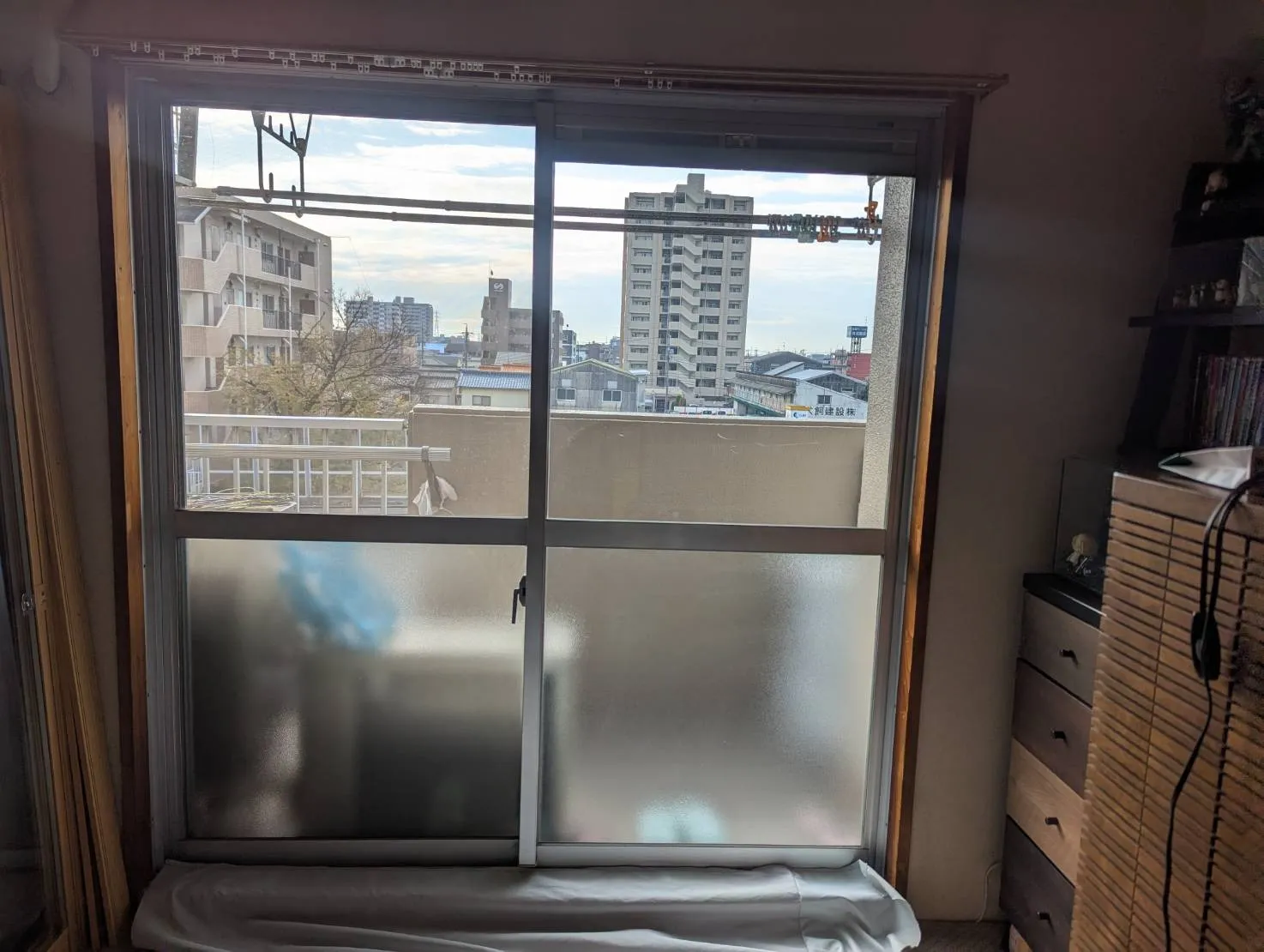
Because of their airtight construction, condos often experience significant condensation on windows and frames during winter. If this condensation is not regularly wiped away, it creates a damp environment where mold can thrive—especially on curtains or wooden frames.
③ Bathrooms and Kitchens
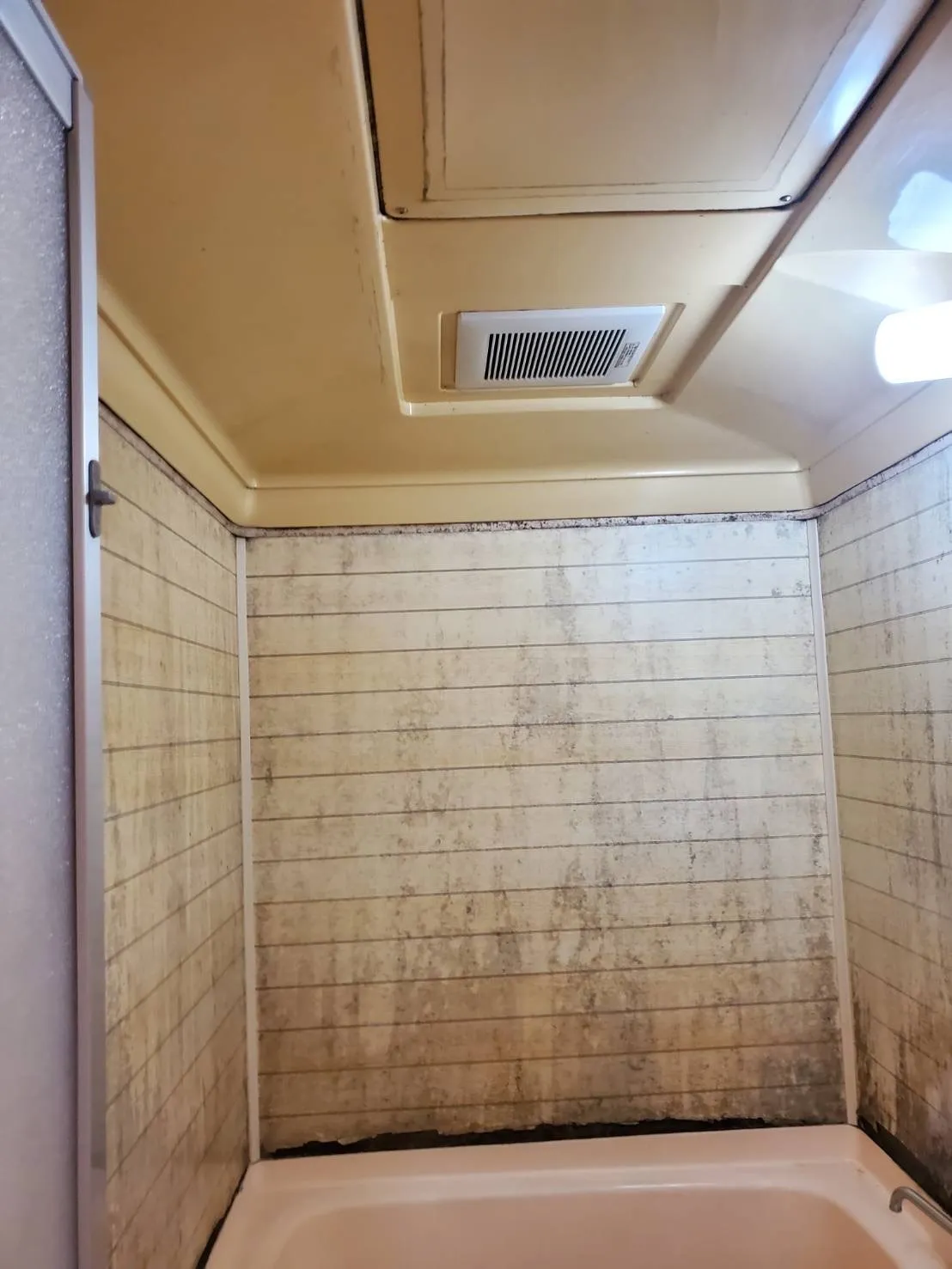
Many condos feature unit-style bathrooms where steam tends to linger on walls and ceilings. Inadequate ventilation can result in black mold developing rapidly. Kitchens also generate a lot of steam during cooking, increasing humidity levels. Without proper ventilation, mold can form on ceilings and walls in these spaces as well.
④ Entrances and Closets
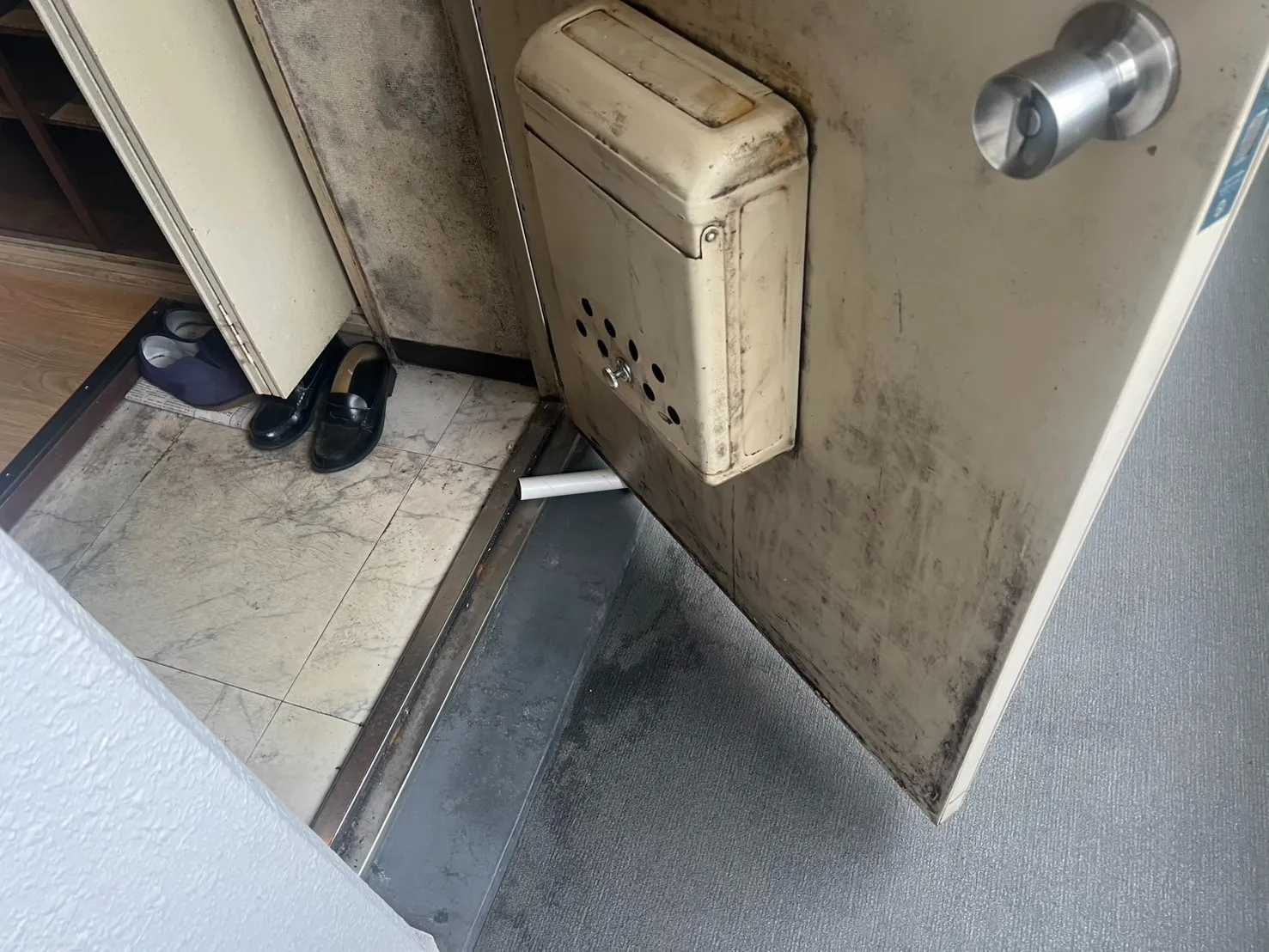
Entrances and closets are typically kept closed, which restricts airflow and traps humidity. In entrance areas, external temperature differences can also lead to condensation, promoting mold growth on shoes and storage shelves.
3-2. Mold-Prone Areas Specific to Houses
① Crawl Spaces
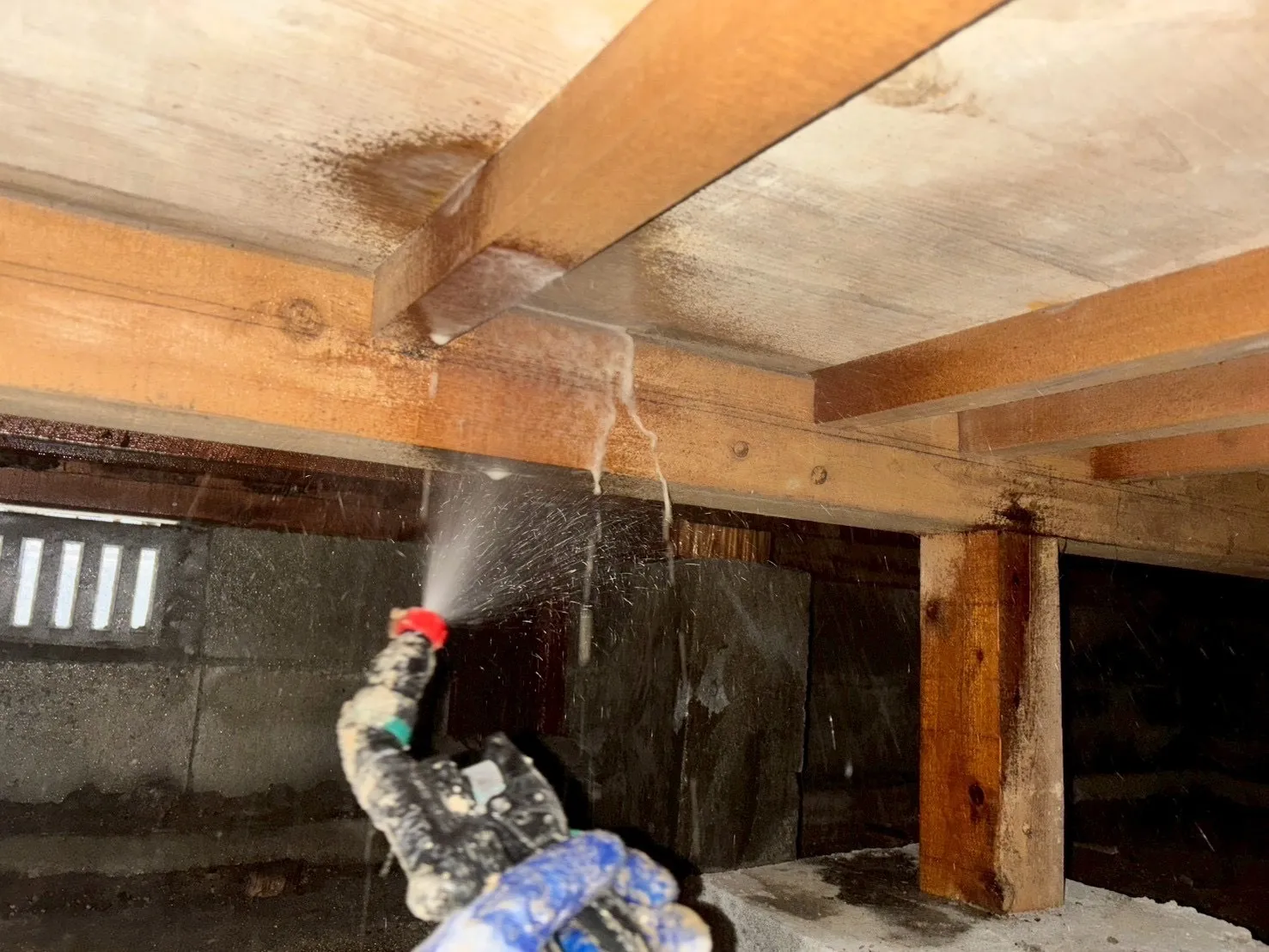
One of the biggest vulnerabilities in detached homes is the crawl space. In older homes or in regions with high ground moisture, crawl space humidity can exceed 90% if ventilation is poor. This creates a high risk of wood decay and rapid mold spread. Even the concrete foundation can harbor mold if neglected.
② Attics and Roof Spaces
Attics often suffer from poor insulation and ventilation, leading to condensation in winter and high humidity in summer. If ventilation vents are blocked or insulation materials have deteriorated, stagnant air and moisture create the ideal environment for mold growth.
③ Washrooms and Bathrooms
Water-prone areas in houses are also highly susceptible to mold. Washrooms are typically small and poorly ventilated, causing moisture from activities like brushing teeth or washing the face to linger. Mold can form on wallpaper or storage shelves in these areas.
④ Closets and Storage Spaces
Closets in traditional Japanese-style rooms (washitsu) are often tightly sealed with little airflow, making them prone to moisture buildup. This leads to mold growth on futons and other bedding. Overfilled storage spaces also hinder air circulation, further increasing mold risks.
4. Practical Mold Prevention Measures in Condominiums
Due to their structural characteristics, condominiums are particularly susceptible to trapped moisture and mold growth. However, with some simple adjustments in daily routines, it is possible to prevent mold effectively. In this section, we’ll introduce realistic and effective mold prevention strategies specifically suited for condo living.
4-1. Ventilation Systems and How to Use Them Effectively
The first and most important step in preventing mold in a condo is conscious ventilation. Because of high airtightness, moisture easily becomes trapped indoors if windows are not opened regularly. The following ventilation strategies can help reduce mold risks:
① Use the 24-Hour Ventilation System Continuously
Many modern condos come with a 24-hour ventilation system. However, residents often turn it off due to noise or cold drafts in winter. Simply keeping this system running consistently can greatly improve airflow and reduce moisture accumulation.
② Use Exhaust Fans Proactively
In bathrooms and kitchens, it's ideal to run the exhaust fan for 30 minutes to 1 hour after use. Steam from hot baths or showers creates very high humidity, and if not properly ventilated, mold can quickly develop on ceilings and walls.
③ Open Windows for Natural Ventilation
On sunny days, open windows regularly to let in fresh air. This is especially important for north-facing rooms, where moisture tends to accumulate. Even just a few minutes a day can be effective. Opening at least two windows on opposite sides of a room (cross-ventilation) enhances efficiency.
4-2. Condensation Prevention and Dehumidification Techniques
One of the major causes of mold in condominiums is condensation, especially in winter when temperature differences between indoor and outdoor air create moisture on windows and walls. The following methods help prevent condensation and associated mold problems:
① Apply Anti-Condensation Films and Insulating Sheets
Installing condensation-prevention films or insulation sheets on windows reduces temperature differences and minimizes moisture buildup. These also improve energy efficiency, making them eco-friendly.
② Use Dehumidifiers and Circulators Together
During high humidity seasons or when drying laundry indoors, using a dehumidifier is very effective. Ideally, keep indoor humidity below 60%. Adding a circulator fan to keep air moving also prevents moisture from concentrating in one area.
③ Wipe Off Condensation Regularly
When condensation forms on windows or sashes, wipe it off promptly with a towel or specialized wiper. Leaving it unchecked can lead to black mold on window frames, wood rot, and allergic reactions.
④ Be Strategic with Furniture Placement
Placing furniture directly against walls traps air and moisture behind it, creating ideal mold conditions. Leave a 5 to 10 cm gap between furniture and walls to ensure air circulation and significantly reduce mold growth.
By incorporating these preventive methods into your daily routine, you can drastically reduce mold risks in a condominium. During the winter and rainy seasons especially, humidity control and ventilation awareness are key to maintaining a healthy living space.
5. Practical Mold Prevention Measures in Detached Houses
Detached houses face different mold risks compared to condominiums due to their structure and larger lot size. Areas like crawl spaces and attics—often hidden from view—can harbor mold that spreads unnoticed. This section introduces concrete and effective mold prevention methods that homeowners can implement in detached houses.
5-1. Ensuring Ventilation in Crawl Spaces and Attics
One of the most critical aspects of mold prevention in detached houses is proper ventilation in crawl spaces and attics. These hidden areas often accumulate moisture, allowing mold and wood-decaying fungi to spread quietly.
① Inspect and Clear Crawl Space Vents
Crawl spaces typically include vents, but these can be blocked by flower pots, trash, or fallen leaves. Clearing these obstructions helps restore natural airflow and allows moisture to escape. If ventilation is still insufficient, installing a ventilation fan can further reduce humidity.
② Install Moisture Barriers (Vapor Barriers)
To block moisture rising from the ground, laying down plastic moisture barrier sheets in crawl spaces is highly effective. These sheets physically prevent ground moisture from entering the space. This method is especially beneficial in rainy or high-humidity regions.
③ Check Roof Ventilation Systems
Attics can easily trap moisture. Check for the presence and condition of ridge vents or soffit vents to ensure proper airflow. If insulation materials are blocking the vents, consult a contractor to correct the issue and restore ventilation.
5-2. Waterproofing and Insulation for Exterior Walls and Roofs
Since detached houses have more exterior surfaces directly exposed to weather, the state of waterproofing and insulation greatly affects mold development. Older homes often require more frequent maintenance in these areas.
① Inspect Walls and Roofs for Cracks
Cracks in walls and roofs allow rainwater to seep in, moistening insulation and support beams, and creating conditions for mold. Even small cracks, if neglected, can worsen over time, leading to costly repairs. Perform regular visual inspections and schedule professional checks every five years.
② Check Window Caulking for Deterioration
The caulking around windows prevents water intrusion. If it deteriorates, water may penetrate the walls, soaking the insulation and causing internal condensation and mold. If the caulking feels brittle or cracked, it should be repaired promptly.
③ Reevaluate Exterior Wall and Roof Coatings
Waterproof coatings on exterior walls and roofs degrade over time due to UV rays and weather exposure. Fading paint or peeling layers signal the need for repainting. Using mold-resistant paint can enhance waterproofing and prevent future mold growth.
While detached homes offer greater freedom in design and structure, mold prevention requires ongoing management by the homeowner. Regular inspections and prompt maintenance are key to maintaining a healthy and mold-free home.
6. Mold Risks Based on Age of the House: New Builds vs. Older Homes
The risk of mold in a home is not determined solely by its type (condo or house) but also varies significantly based on its age. A common misconception is that "new homes are safe" and "old homes are dangerous," but the truth is more nuanced. This section explains how mold risks shift depending on the home's age and what preventive measures are appropriate.
6-1. Hidden Risks in New or Recently Built Homes
Homes built within the past five years—commonly referred to as “new” or “recent builds”—often boast the latest construction techniques, insulation, and airtightness. While these features provide a comfortable and energy-efficient living environment, they can also increase hidden mold risks.
① Lack of Ventilation Due to Airtight Construction
New homes are designed to be airtight to maintain a stable indoor temperature, but this also restricts the natural airflow needed to release humidity. Even with a built-in 24-hour ventilation system, many homeowners turn it off due to noise or discomfort in winter, inadvertently raising indoor humidity and encouraging mold growth.
② Residual Moisture from Construction
Newly built homes often contain residual moisture in materials like concrete, wood, and drywall. If the home is occupied before this moisture has fully evaporated, it can remain trapped inside and cause mold to grow in hidden areas like walls, closets, and window frames.
③ Internal Condensation (Interstitial Condensation)
Highly insulated homes may suffer from internal condensation, where moisture becomes trapped inside walls, floors, or ceilings. This can lead to prolonged dampness within insulation or structural components, creating a hidden breeding ground for mold. Left untreated, this can result in extensive mold damage that requires major repairs.
6-2. Mold Factors Common in Older Homes
Homes over 20 years old typically face different mold risks, mostly related to aging materials and outdated construction standards. However, these risks can often be prevented or resolved through regular inspections and renovations.
① Decline in Waterproofing Due to Material Aging
Paint coatings on exterior walls and roofs, as well as caulking around windows, deteriorate over 10–15 years. If neglected, even minor cracks or peeling can let rainwater in, soaking insulation and support structures and leading to mold growth.
② Poor Ventilation in Crawl Spaces and Attics
Many older homes were not designed with adequate ventilation in these hidden areas. Vents may be blocked by debris or simply missing. The resulting trapped humidity not only supports mold but can also attract pests like termites.
③ Insufficient Insulation
Insulation materials used in older homes often do not meet modern standards. As a result, large temperature differences between interior and wall cavities can cause condensation. Prolonged dampness can lead to mold behind wallpaper or within insulation, causing musty odors and potential health hazards.
④ Deterioration of Plumbing in Wet Areas
Bathrooms, kitchens, and laundry areas often suffer wear and tear over time. Older pipes, flooring, and wall coverings may develop leaks, leading to persistently high humidity and mold-prone conditions.
As you can see, both new and old homes carry unique mold risks. The key is not to assume safety based solely on the age of your home. Instead, regular inspections and proactive maintenance are essential for identifying and mitigating mold before it becomes a serious problem.
7. How Regional Climate Conditions Affect Mold in Homes
Mold development is not only influenced by a building’s structure or age, but also heavily affected by the climate conditions of the region where the home is located. Even homes with identical designs can have vastly different mold risks depending on whether they are in humid or dry environments. In this section, we examine mold patterns across various parts of Japan and the unique risks tied to specific climates.
7-1. Mold Issues in Humid Regions
① Warm and Humid Coastal Regions (Kanto to Kyushu)
Much of Japan belongs to a humid subtropical climate, particularly along the Pacific side. During the rainy season and summer months, it’s not uncommon for humidity levels to exceed 80%. These conditions create an ideal breeding ground for mold year-round, making homes in these areas especially vulnerable.
In condos, this often leads to condensation and mold in closets, while in detached houses, mold frequently appears under floors and on north-facing walls. Summer heat combined with high humidity causes rapid mold growth, especially in moisture-prone areas such as bathrooms, kitchens, and even inside air conditioners.
② Subtropical Climate in Okinawa
Okinawa experiences high temperatures and humidity throughout the year, making mold a constant concern. While most homes are built with concrete for durability, their low insulation and airtightness lead to frequent condensation due to the temperature gap between indoors and outdoors. Although dehumidifiers and air conditioners are essential for moisture control, the extremely high outdoor humidity makes full dehumidification difficult, often overwhelming basic preventive efforts.
7-2. Mold Risks Unique to Cold and Snowy Regions
① Cold Climates in Hokkaido and Tohoku
In colder regions like Hokkaido and northern Tohoku, strong indoor heating during winter creates a large temperature difference between indoor and outdoor air. This results in interstitial condensation near windows and inside walls, which can go unnoticed and cause mold to grow inside insulation and wood framing. If neglected, it can lead to mold spreading into the living space, causing unpleasant odors and health issues.
Another issue in snowy areas is the formation of ice dams—melting snow on the roof refreezes at the eaves and forces water into the attic. This water infiltration can cause mold to grow on the underside of the roof or on ceiling panels. Inadequate roof ventilation or insulation design can exacerbate the problem.
② Don't Let Your Guard Down in Dry Regions
Dry areas may seem mold-free, but localized moisture from humidifiers and daily activities can still create mold problems indoors. Mold may grow around windows or inside closets, particularly in winter when overuse of humidifiers can result in indoor condensation. Black mold frequently develops along window frames and wall edges in these cases.
As this section shows, mold types and growth patterns vary greatly depending on the local climate. No matter where you live in Japan, it’s essential to take region-specific preventive measures. Adjusting your home’s ventilation, insulation, and waterproofing strategies to match the local weather is the first step toward effective mold control.
8. Real Mold Cases: What We Can Learn from Actual Consultations
Mold is a common household issue, but in reality, many people experience it as a persistent and worsening problem—“It was already widespread when I noticed it,” or “It keeps coming back even after I clean it.” In this section, we’ll look at real-life cases of mold problems in both condominiums and detached houses, and discuss the causes and countermeasures taken in each case.
8-1. Case Studies from Condominiums
Case 1: Mold Covering the Back Wall of a Closet (8-Year-Old Condo, Tokyo)
A resident noticed that the futon stored inside a closet felt unusually damp. Upon inspection, they found the back wall entirely covered in black mold. The room was north-facing with poor sunlight exposure, and airflow was restricted. Additionally, furniture had been placed flush against the wall, preventing air circulation and creating ideal mold conditions.
Countermeasures:
Moisture-absorbing materials were placed inside the closet, and furniture was rearranged to leave a 5 cm gap from the wall. The closet doors were opened periodically to promote air circulation, and a dehumidifier was installed. The wall was treated with anti-mold coating to prevent recurrence.
Case 2: Persistent Mold on Window Frames (5-Year-Old Condo, Osaka)
Each winter, condensation would cover the windows and aluminum frames, and no matter how often it was wiped, black mold would return. This problem was especially noticeable in the bedroom, and the resident also became concerned when their child developed a persistent cough.
Countermeasures:
Thermal insulation film was applied to the windows to reduce condensation. Indoor humidity levels, which had been above 70%, were brought under control, and the use of humidifiers was reviewed. A circulator was used to improve airflow, and ventilation frequency was increased. Mold removal and anti-mold treatment were also applied to the window frames.
8-2. Case Studies from Detached Houses
Case 1: Mold-Induced Wood Rot in Crawl Space (22-Year-Old House, Chiba)
The homeowner noticed a persistent musty smell throughout the house. A professional inspection revealed that mold had infested the wooden beams in the crawl space, leading to wood rot. The crawl space vents had been blocked by leaves and debris, and no moisture barrier was in place.
Countermeasures:
The crawl space was cleaned, and the vents were cleared to restore airflow. A moisture barrier sheet was installed on the ground, and a ventilation fan was added. The wooden structure was treated with antifungal and anti-rot chemicals, and a regular inspection schedule was set.
Case 2: Attic Mold Leading to Ceiling Stains (15-Year-Old House, Hokkaido)
Stains appeared on the ceiling, accompanied by a moldy odor. Investigation showed condensation in the attic during winter, caused by the temperature difference between the heated indoor space and the cold exterior. Mold had spread through the insulation. It was also found that the ridge vent was blocked by insulation, disabling airflow.
Countermeasures:
Ventilation paths in the attic were reestablished, and the insulation material was repositioned. Additional ridge vent fans were installed to improve air movement. The attic was treated with anti-mold coating to reduce the risk of future outbreaks.
These real-world examples show that mold often originates in hidden or overlooked areas and is commonly caused by minor oversights. The key takeaway is: recognizing early warning signs and consulting a professional as soon as possible is essential to prevent escalation.
9. Recommended Products and Equipment for Mold Prevention
While daily ventilation and cleaning are important, effectively preventing mold—and avoiding its recurrence—can also be greatly enhanced by using specialized products and equipment. This section introduces items and systems that are particularly effective for mold prevention, along with tips on their features, how to use them, and how to choose the right ones.
9-1. Choosing Dehumidifiers and Ventilation Systems
① Dehumidifiers: Essential for Humidity Control
Dehumidifiers are the most basic and essential tool in mold prevention. During the rainy season or winter (when condensation is common), indoor humidity can easily exceed 60%, but with a dehumidifier, it can be kept in the ideal range of 50–60%. There are several types:
Compressor type: Effective in summer; energy-efficient
Desiccant type: Works well in cold weather; operates quietly
Hybrid type: Maintains stable performance throughout the year
Dehumidifiers are especially helpful in condos, where airtightness is high. Placing them in bedrooms or closets where air circulation is poor can provide immediate benefits.
② 24-Hour Ventilation System: Use and Maintenance
Modern condos and houses are legally required to have a 24-hour ventilation system, which is the first line of defense against mold. However, its effectiveness drops drastically if the system is turned off or the filters become clogged. Regularly clean the filters and make sure the system is always running.
③ Local Ventilation Fans (Bathrooms, Toilets, Attics)
For areas prone to mold—like bathrooms—automatic or timer-equipped fans are highly effective. In bathrooms, fans should ideally operate for at least 30 minutes after use. In attics or crawl spaces, fans equipped with humidity or temperature sensors can help expel moisture from hard-to-reach areas.
9-2. Using Anti-Mold Paints and Building Materials
① Anti-Mold Paints: Direct Wall and Ceiling Protection
Applying mold-resistant paints to frequently damp areas like bathrooms, kitchens, or washrooms can be a powerful defense. These paints contain antimicrobial agents and, though they tend to cost more than regular paints, they offer long-term savings by reducing cleaning and repainting frequency.
Many products now also avoid using volatile organic compounds (VOCs), making them safe for use around children and pets.
② Humidity-Regulating Materials: Breathable Wall Finishes
Materials like Eco-Carat tiles and diatomaceous earth coatings absorb excess humidity and release it when the air is dry. Installing them in bedrooms, closets, or living rooms can help maintain balanced humidity levels naturally—creating an environment that's hostile to mold.
③ Mold Prevention Interior Items
Other useful products include anti-mold wallpaper, dehumidifying sheets, and mold-blocking liners. These are especially effective inside storage areas like closets, pantries, or shoe cabinets, where airflow is limited and moisture tends to build up.
By incorporating these targeted mold-prevention tools and materials, you can maintain proper humidity levels and air quality in your home, minimizing the risk of mold—even in places you can't see. The most important thing is to choose the right product for your home's structure, location, and lifestyle, and use it consistently and appropriately.
10. When and Why to Call a Mold Removal Specialist
Many people think mold is manageable with a simple wipe or commercial cleaning product. However, mold often hides in unseen areas and can pose serious health risks. So, when should you call a professional mold removal company? This section explains the right timing, the reasons to consult specialists, and the advantages of relying on expert help.
10-1. The Limits of DIY Mold Removal
① If Mold Keeps Coming Back
If you remove mold with a store-bought product but see it reappear within a few weeks, that’s a sign the mold roots (hyphae) are still alive deep inside the material. Surface cleaning alone won’t eliminate the source, and the problem will quickly recur. In such cases, DIY efforts reach their limit.
② If Mold Is in Hidden Areas (Behind Wallpaper, in Crawl Spaces, Attics, etc.)
If there’s a musty smell but no visible mold—or if wallpaper is lifting or stains appear on ceilings or floors—it’s possible that mold is growing behind the surfaces. These areas require specialized equipment and inspection techniques, which are typically beyond a homeowner's capabilities.
③ If Health Symptoms Are Appearing
Mold spores can cause allergies, asthma, skin irritation, and other health issues. If children, elderly family members, or people with respiratory conditions live in the home and start experiencing symptoms, it's essential to consult a specialist immediately to prevent further harm.
10-2. The Strengths and Safety of the MIST Method by Kabi Busters
There are many mold remediation companies, but Kabi Busters stands out with its original and highly acclaimed MIST Method®. Here’s why this approach is trusted across Japan:
① Proprietary Method That Won’t Damage Materials
The MIST Method uses customized, proprietary mold treatment solutions tailored to each site and material. There’s no scrubbing or sanding. Instead, the mold is broken down at the root and rinsed away, which makes it safe for use on delicate materials like wood, plaster, and stone.
② High Safety Standards and Environmental Considerations
All chemicals used in the MIST Method have passed industrial wastewater safety tests and are formulated with low-toxicity ingredients. The method is safe for use in nurseries, eldercare homes, and medical facilities, with minimal risk of allergic reactions or other health concerns.
③ Complete Solution: Removal + Mold Prevention
Unlike basic cleaning services, the MIST Method includes a final anti-mold treatment. A fine mist of antimicrobial agents is dispersed throughout the affected space, eliminating airborne mold spores and preventing future growth. This treatment is fast-acting, long-lasting, and safe, offering strong protection from reoccurrence.
④ Trusted by Cultural Institutions and Historic Sites
Kabi Busters has a proven track record of treating valuable and historic structures, which speaks to their technical skill and reputation for care and professionalism.
The bottom line: the best time to contact a mold specialist is as soon as you notice something is wrong. Don’t wait for the problem to get worse. Acting quickly can protect your home, your health, and your family’s well-being.
For Professional Mold Removal and Prevention, Trust Kabi Busters Osaka and Kabi Torireform Nagoya & Tokyo
Mold is not just a cosmetic problem—it can seriously affect your health and the durability of your home. No matter how diligent you are with cleaning and ventilation, mold can still appear in unexpected places depending on your home’s structure, location, and climate. That’s why, when problems arise, you need expert support from professionals who truly understand mold.
Kabi Busters Osaka provides high-quality mold removal services throughout the Kansai region using its proprietary MIST Method®, a safe and highly effective technique. The MIST Method thoroughly decomposes and washes away mold at the root without damaging materials. It also includes a long-lasting anti-mold treatment to prevent recurrence. The method is safe for delicate materials like wood and plaster, and is used successfully in everything from traditional homes to modern buildings.
Meanwhile, Kabi Torireform Nagoya & Tokyo offers not just mold removal but comprehensive remodeling solutions aimed at creating mold-resistant homes. Their approach focuses on long-term prevention by improving insulation, ventilation, and waterproofing—creating living environments where mold is far less likely to return. As one of the few specialist teams in the Kanto and Chubu regions that can integrate both mold treatment and home renovation, they’ve earned strong trust from local residents.
Both companies use specially developed, non-toxic solutions that are safe for children and the elderly. Their post-treatment antifungal services are fast, long-lasting, and eliminate airborne spores—offering total peace of mind.
“There’s mold that won’t go away no matter how much I wipe.”
“It keeps coming back and I’m frustrated.”
“I’m worried about the impact on my family’s health and the house itself.”
If any of these concerns sound familiar, don’t hesitate to contact Kabi Busters Osaka or Kabi Torireform Nagoya & Tokyo. With a professional eye, they will identify the root cause of the mold and provide a comprehensive, lasting solution.
---------------------------------------------------------------------
カビ取リフォーム
東京営業所
〒141-0022
東京都品川区東五反田2-5-2 YHE CASK GOTANDA6階
電話番号:090-8321-4408
名古屋本社
〒465-0028
愛知県名古屋市名東区猪高台1-1301 タイコウビル1F
電話番号 : 0120-588-766
サイト:https://taikou-kensou.co.jp/
大阪営業所
〒532-0003
大阪府大阪市淀川区宮原1-19-23
電話番号:080-6978-3068
カビバスターズ大阪
https://kabibusters-osaka.com/
【検査機関】
一般社団法人微生物対策協会
https://kabikensa.com/
----------------------------------------------------------------------