Keep Your Clothes Safe: How to Protect Your Closet from Mold with Zero Humidity
2025/11/13
Thank you for visiting our blog again today.
Have you ever been startled to find black spots or a musty smell inside your closet? In fact, closets—being enclosed spaces—often meet all three conditions mold needs to grow: humidity, warmth, and a food source. Without realizing it, mold can begin to damage your clothes and storage areas. This article will help you clearly understand how mold forms, the risks it poses to your health and clothing, what to do when you find it, and practical habits to prevent it from coming back. Let’s learn how to start protecting your wardrobe and create a cleaner, healthier storage space—starting today.
1. Unexpected Causes of Mold in Your Closet
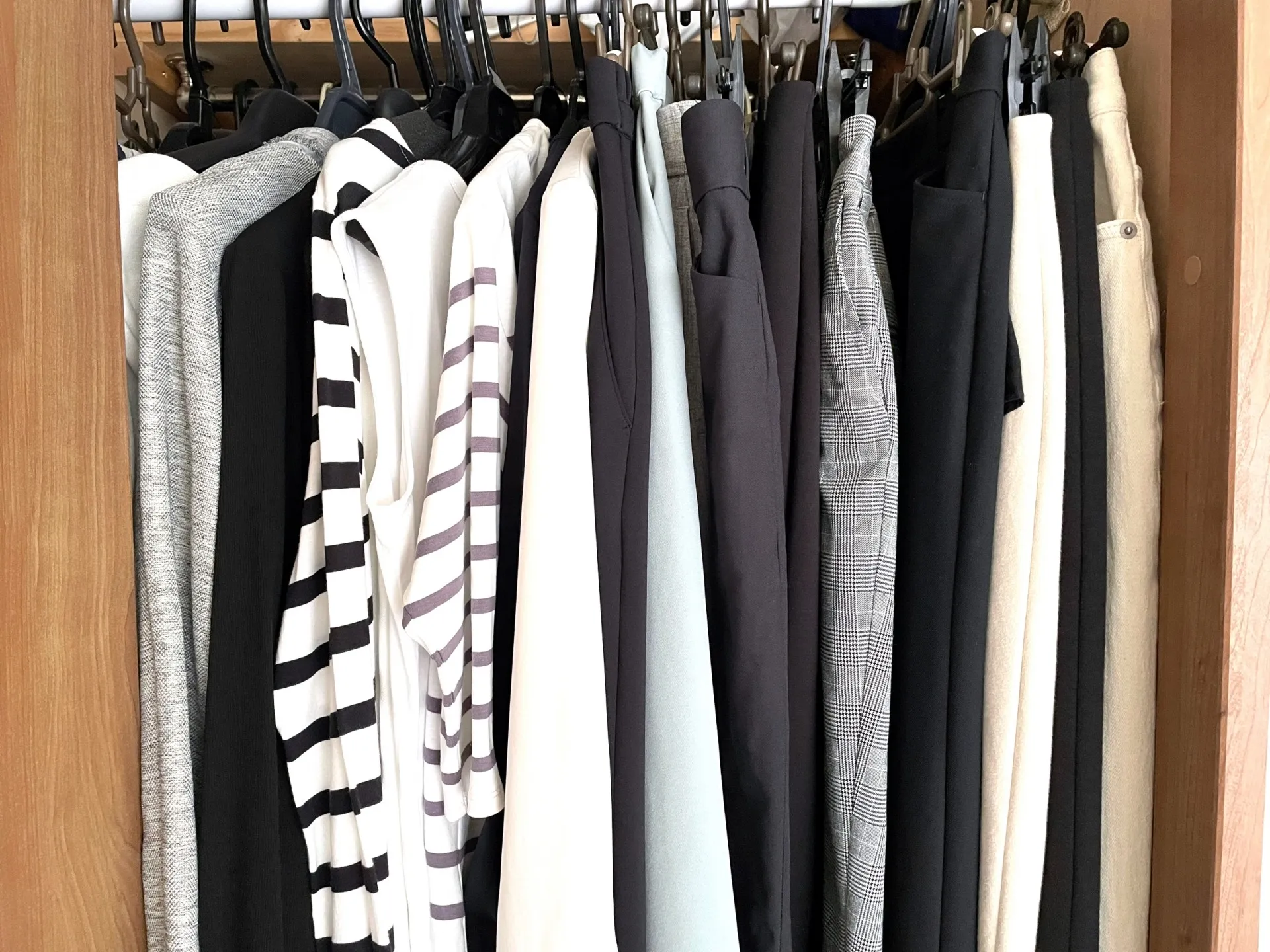
Closet mold isn't just caused by humidity—everyday habits may be setting the stage. Here we explore how mold thrives in closed spaces and what unseen factors contribute to its spread.
1-1. A Sealed Space with Humidity, Heat, and Nutrition
Closets are poorly ventilated, making them prone to trapped moisture, especially in rainy or winter seasons. The consistent temperature, lack of airflow, and even traces of oxygen allow mold to thrive quietly behind closed doors.
1-2. Sweat, Body Oils, and Dust Feed Mold Growth
Clothing items worn once and stored without washing often carry sweat and oils—perfect food sources for mold. Dust and lint at the bottom of closets can also feed mold growth, creating a hidden hazard in what seems like a clean space.
1-3. Why Dehumidifiers and Anti-Mold Products Often Fail
Commercial dehumidifiers and mold preventatives only work to a certain extent. Oversaturation, poor air circulation, and existing mold colonies can reduce their effectiveness. Without regular ventilation and cleaning, these tools fall short.
2. How Mold Damages Clothes and Affects Your Health
Mold doesn’t just stain your favorite outfits—it damages fabrics and poses health risks. Let’s look at what it does to your wardrobe and your body.
2-1. Why Mold Causes Stains, Odor, and Fabric Damage
Once mold attaches to fibers, it can cause dark spots and odors that resist washing. Delicate natural fabrics like wool or linen are especially vulnerable, and mold may permanently alter texture or color.
2-2. Hidden Health Risks: Allergies and Respiratory Reactions
Airborne mold spores can trigger asthma, allergic reactions, or skin irritation—especially in children, the elderly, or those with sensitivities. Even brief exposure to moldy clothes can cause sneezing, coughing, or rashes.
2-3. Wearing Moldy Clothes Without Knowing It
Clothing with hidden mold can spread spores around your home—onto furniture, bedding, or other garments in the wash. Even if mold is invisible, it may cause skin irritation or worsen respiratory symptoms.
3. Immediate Steps to Take When You Find Closet Mold
If you spot mold, don’t delay. Here’s how to remove it properly—both from your closet and your clothes.
3-1. Empty the Closet and Thoroughly Ventilate
Remove all items, open doors and windows, and vacuum dust before wiping surfaces with alcohol-based disinfectants. Allow everything to dry completely afterward.
3-2. Care Tips Based on Material Type
Machine-washable clothes can be treated with oxygen bleach, while delicate or leather items should be professionally cleaned. Wood, fabric, or plastic surfaces each require specific cleaning agents and careful drying.
3-3. Commonly Missed Spots Where Mold Returns
Ceilings, corners, shelf undersides, and saturated dehumidifiers are often overlooked during cleaning. Use a flashlight to check for hidden mold and replace ineffective dehumidifiers regularly.
4. Four Mold Prevention Habits That Actually Work
Daily habits can make or break your mold defense. Here are four essential strategies.
4-1. Increase Airflow Using Slatted Platforms or Leaving Doors Open
Using slatted boards (like pallet bases) lifts stored items off the floor, while keeping closet doors slightly open encourages airflow. Hanging storage systems also promote ventilation.
4-2. Always Store Clean and Dry Items
Never store damp or worn clothes—moisture and body oils feed mold. Use an iron or steamer to dry and sanitize before storing.
4-3. Routine Cleaning and Visual Checks
Monthly cleaning and inspections prevent mold buildup. Wipe shelves, check corners, and replace saturated dehumidifiers to maintain a mold-free environment.
5. Seasonal Mold-Fighting Tips
Mold risks shift with the seasons—adjust your approach accordingly.
5-1. Summer & Rainy Season: High-Humidity Dangers
Use dehumidifiers or air conditioners to reduce moisture. Avoid sealing items in airtight containers and ventilate regularly.
5-2. Winter & Spring: Watch for Condensation
Condensation from heating can cause hidden moisture issues. Spring also signals rising humidity—clean and air out storage before seasonal transitions.
5-3. Allergy & Dust Season: Invisible Threats
Pollen and fine dust can also feed mold. Brush off clothes after outdoor use and clean shelves frequently to remove hidden organic matter.
6. Mold Prevention by Item Type
Different stored items have different mold vulnerabilities.
6-1. Infrequently Used Items: Clean and Air Before Storing
Before storing off-season clothing, luggage, or bedding, ensure everything is thoroughly dry. Use breathable storage like non-woven bags and rotate items every few months.
6-2. Material-Specific Tips: Wool, Leather, Synthetics
Natural fibers absorb moisture easily—air-dry thoroughly before storage. Leather requires dry, cool storage and anti-mold sprays. Synthetics are more resistant but still require clean, dry storage.
6-3. Choose Storage Tools That Prevent Mold
Avoid plastic bins that trap humidity. Instead, opt for breathable boxes and natural dehumidifiers like bamboo charcoal. Choose tools that encourage air circulation and easy maintenance.
7. When DIY Doesn’t Work: Call in the Professionals
Sometimes, household solutions aren’t enough. Here’s how to recognize when expert help is necessary.
7-1. Signs of Deep-Rooted Mold in Closet Walls
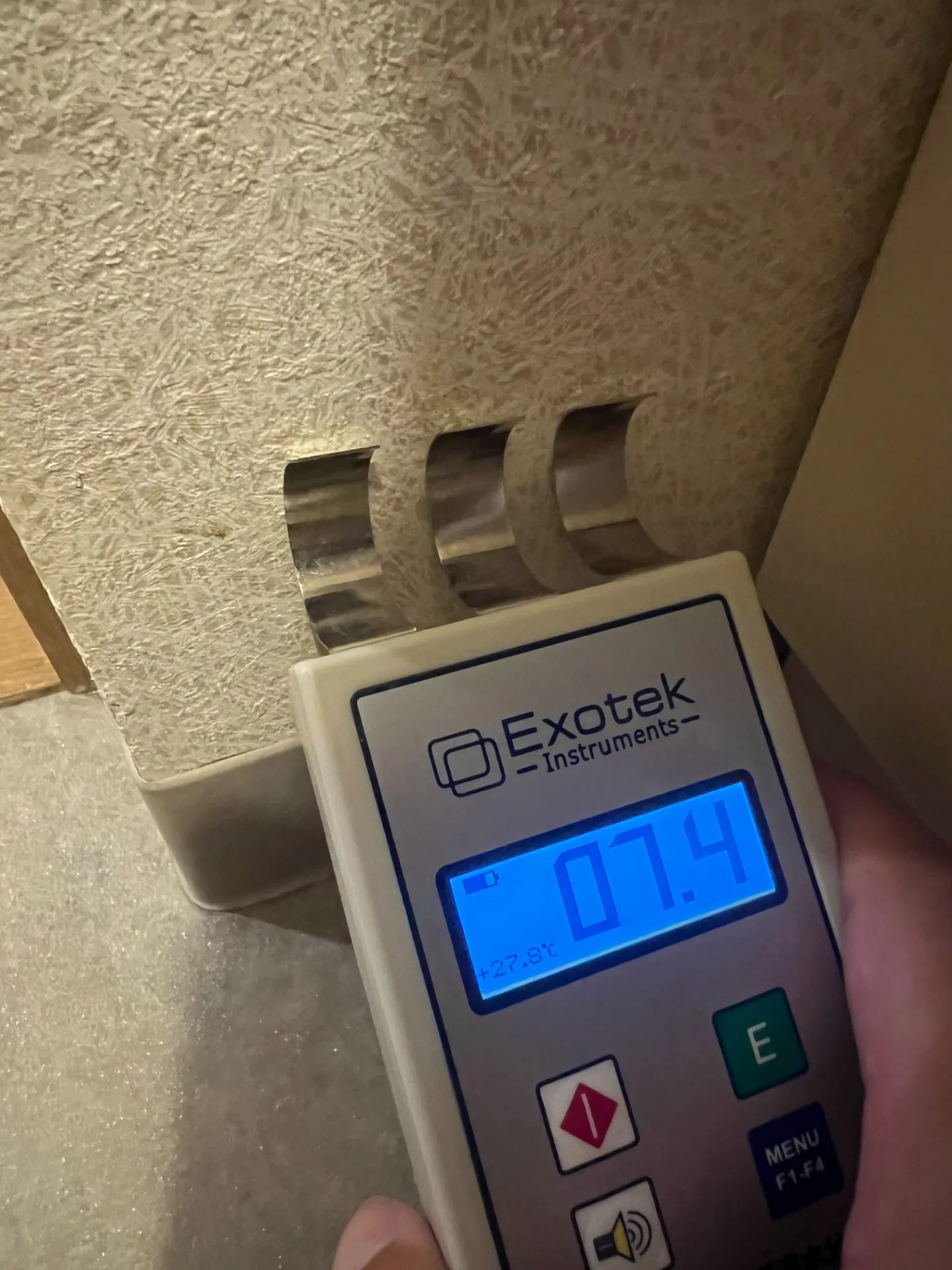
Persistent black spots, musty odors, or mold reappearing after cleaning can signal mold inside walls or structural materials. Left untreated, it can spread to other rooms or damage your home.
7-2. Safe, Non-Damaging Mold Removal with MIST Method®
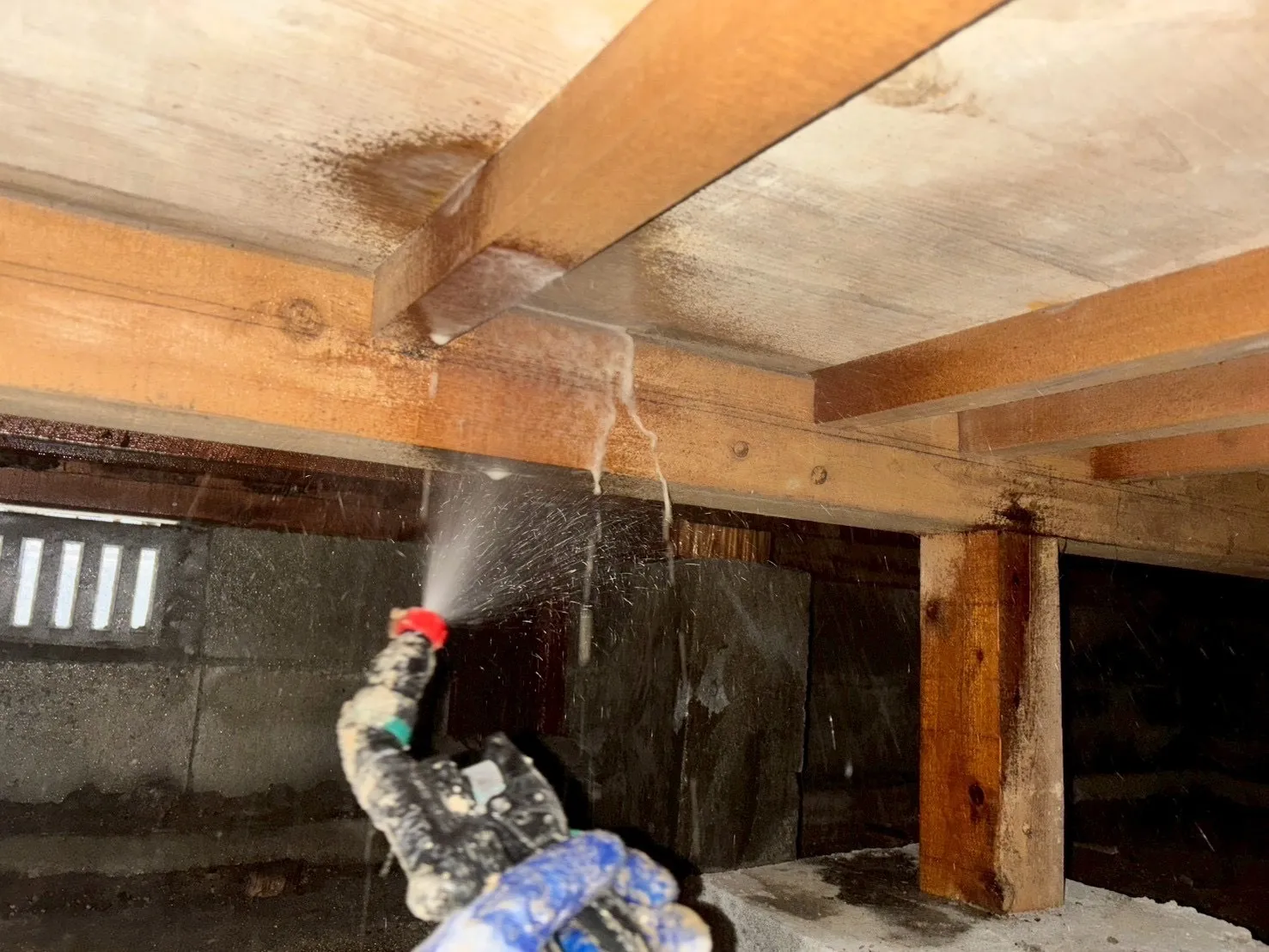
MIST Method®, used by Kabitore Reform Tokyo/Nagoya and KabiBusters Osaka, is a gentle yet effective mold removal technique. It targets deep-rooted mold using a fine mist that penetrates materials without scrubbing or scraping.
This method uses safe, eco-friendly agents tailored to each surface—ideal for wood, fabric, or delicate materials. After cleaning, a special anti-mold treatment is applied to prevent recurrence. It’s proven safe for families, children, and care facilities.
8. Mold Isn’t Just in Your Closet: Other Storage Risks
Closet mold may be a symptom of a wider indoor issue. Look beyond the wardrobe.
8-1. Shared Risks in Storage Boxes, Shoe Cabinets, and Drawers
Low ventilation and high humidity affect all enclosed storage areas. Dust, moisture, and enclosed air create perfect mold conditions in places like shoe closets and under-bed boxes.
8-2. Managing Humidity in the Whole Room is Crucial
Closet air is part of the room’s overall atmosphere. Poor airflow and high humidity encourage mold. Use room-wide ventilation and dehumidification to support your closet's condition.
Professional Help with Closet Mold: Kabitore Reform Tokyo/Nagoya and KabiBusters Osaka
If you’re tired of repeated mold outbreaks or just want a safe, permanent solution, trust the professionals.
Kabitore Reform Tokyo/Nagoya and KabiBusters Osaka use the MIST Method®, which removes mold at its root without damaging materials.
Unlike harsh cleaning techniques, MIST uses a specially formulated mist that penetrates materials, disintegrates mold, and then washes it away safely. It finishes with an anti-mold coating that prevents future outbreaks—ideal for sensitive areas and valuable fabrics.
All products are certified safe for children, the elderly, and even medical environments. Whether you’re protecting cherished clothes or your family’s health, professional intervention ensures peace of mind.
---------------------------------------------------------------------
カビ取リフォーム
東京営業所
〒141-0022
東京都品川区東五反田2-5-2 YHE CASK GOTANDA6階
電話番号:090-8321-4408
名古屋本社
〒465-0028
愛知県名古屋市名東区猪高台1-1301 タイコウビル1F
電話番号 : 0120-588-766
サイト:https://taikou-kensou.co.jp/
大阪営業所
〒532-0003
大阪府大阪市淀川区宮原1-19-23
電話番号:080-6978-3068
カビバスターズ大阪
https://kabibusters-osaka.com/
【検査機関】
一般社団法人微生物対策協会
https://kabikensa.com/
----------------------------------------------------------------------