"Protect Your Property Value: Mold Risks and Solutions for Villas and Resort Condos"
2025/10/25
Even luxury villas and resort properties can be secretly threatened by mold. If left unchecked, it can seriously damage not only the appearance but also the market value of your real estate investment.
This article explores how mold affects luxury properties, its impact on value, and how to prevent it. You’ll gain practical insights into mold control tailored for second homes and investment properties.
With the right knowledge and strategy, property owners can maintain long-term value, ensure a safe living environment, and avoid costly repairs or lawsuits caused by mold.

1. The Hidden Mold Risks in Luxury Properties
Luxury villas and resort condos, while designed for comfort and beauty, are often exposed to hidden risks—mold being one of the most overlooked. When these properties are left unoccupied for long periods, they become ideal environments for mold growth. This not only affects aesthetics but can significantly diminish property value.
1-1. Why Mold Easily Grows in Vacation Homes and Luxury Residences
Many luxury properties are located in humid regions like mountainsides or coastal areas, making them naturally prone to mold. These homes are often used seasonally and remain unoccupied for months, leading to poor air circulation and increased humidity—perfect conditions for mold growth. Moreover, the use of natural materials such as wood, plaster, or diatomaceous earth in high-end interiors makes them more vulnerable to absorbing moisture and supporting mold formation.
1-2. Unique Moisture Challenges in Resort Condos
Resort condos are often exposed to fog, sea air, and high humidity, especially those near oceans or in mountainous areas. Even units on higher floors can experience moisture retention in closets, behind furniture, or within wallpaper, leading to mold growth. HVAC systems, if not running consistently, fail to regulate humidity, especially when the unit is unoccupied. In many cases, owners discover mold problems only when they return, often noticing odors or stains that indicate significant spread.
2. The Serious Impact of Mold on Property Value
Mold doesn't just affect appearance or hygiene—it can drastically reduce the value of your property. In luxury real estate, where finishes and materials are premium, even minor mold issues can cause significant damage and cost. Once mold is present, potential buyers and investors may see the property as poorly maintained, unsafe, or not worth the asking price.
2-1. How Mold Affects First Impressions and Sale Price
Buyers of high-end properties inspect every detail carefully. If they detect mold odor, discoloration on walls, or water stains during a showing, their interest can drop immediately. Even if the mold is limited to one area, it can raise concerns about maintenance and hidden structural issues. This often leads to lower offers or outright withdrawal from negotiations, making the property harder to sell and decreasing its market value.
2-2. Increased Repair Costs and Reduced Return on Investment
Once mold takes hold, surface cleaning is rarely enough. Deep cleaning, material replacement, and mold-proofing treatments are often necessary—especially in properties that use natural, porous materials. These repairs can be costly and eat into your projected ROI. Furthermore, preventing future outbreaks requires professional ongoing maintenance, which adds to the long-term ownership cost. The longer the mold is left untreated, the more it spreads and the more expensive it becomes to restore the property’s original value.
3. Mold Risks and Countermeasures in Investment Properties
Mold presents a serious but often underestimated risk in investment properties. For real estate intended to generate revenue—such as vacation rentals or long-term leases—mold can lead to increased vacancies, tenant complaints, and expensive repairs. Managing these risks is essential for maintaining consistent income and long-term property value.
3-1. Maintaining Trust and Reliability in Rental Properties
Tenant satisfaction is crucial in rental property management. If mold-related health concerns or discomfort arise, tenants may demand early termination or refuse to renew leases. In some cases, negative reviews or word-of-mouth complaints can damage the property’s reputation, making future leasing efforts more difficult. Worse yet, property owners could face legal claims if mold is proven to have caused health problems. Regular inspections, thorough cleanings between tenancies, and documented maintenance efforts help maintain trust and prevent such issues.
3-2. The Need for Scheduled Mold Prevention in Long-Term Investments
Properties held for long-term investment require ongoing mold prevention strategies. Installing ventilation systems with timers, using dehumidifiers, and scheduling professional inspections at least once or twice a year are highly recommended. It's especially important to monitor hidden areas such as behind walls, under flooring, or in attics—where mold can spread unnoticed. If allowed to grow unchecked, mold can eventually compromise the structure itself, leading to renovation costs far beyond typical maintenance. Proactive, scheduled intervention is the key to preserving both the property’s functionality and its financial performance.
4. Health Risks from Mold and How to Manage Them
Mold is more than just an aesthetic issue—it poses real threats to human health. In high-end properties where guests, tenants, or family members frequently stay, mold exposure can lead to serious health concerns. Property owners must be aware of these risks and take proactive steps to manage them, not only to protect occupants but also to avoid potential legal and financial consequences.
4-1. Health Issues Faced by Tenants and Guests
Inhaling mold spores can trigger allergic reactions, asthma attacks, and other respiratory problems, particularly in vulnerable individuals like children, the elderly, or those with weakened immune systems. There have been many reported cases of guests falling ill during stays in mold-affected vacation properties, even when the mold was not visibly apparent. Complaints of musty odors or physical symptoms can lead to negative reviews or refund requests—both of which harm the property's reputation and profitability.
4-2. When Mold Problems Lead to Legal Action
In some instances, unresolved mold issues have escalated into lawsuits. Tenants who suffer health problems linked to mold may sue property owners for negligence, especially if there is evidence that the issue was known but not addressed. These legal disputes can result in costly settlements, mandatory repairs, and damage to the owner's credibility. For investment property owners, such risks highlight the importance of regular inspections, documentation of maintenance efforts, and immediate action when mold is detected. Proper risk management protects both the property's value and the owner's legal standing.
5. How to Protect Property Value Through Mold Prevention
Once mold develops, removal can be time-consuming and costly—not to mention damaging to your property’s marketability. That’s why preventive action is essential, especially for luxury or investment properties. Proactively managing indoor humidity and relying on professional services can help safeguard long-term property value.
5-1. Consistent Ventilation and Humidity Control
The first step in mold prevention is maintaining appropriate humidity levels—ideally between 40% and 60%. Properties located in humid regions like coastal or mountainous areas are especially prone to moisture buildup. Installing dehumidifiers and automatic ventilation systems can help regulate air quality, even when the property is unoccupied. Periodic on-site inspections and seasonal airings also help prevent stale air and mold growth. Additionally, moisture-absorbing agents and raised shelving (such as slatted wood panels) in closets and behind furniture can minimize moisture accumulation in hidden spaces.
5-2. Professional Maintenance and the Importance of Early Response
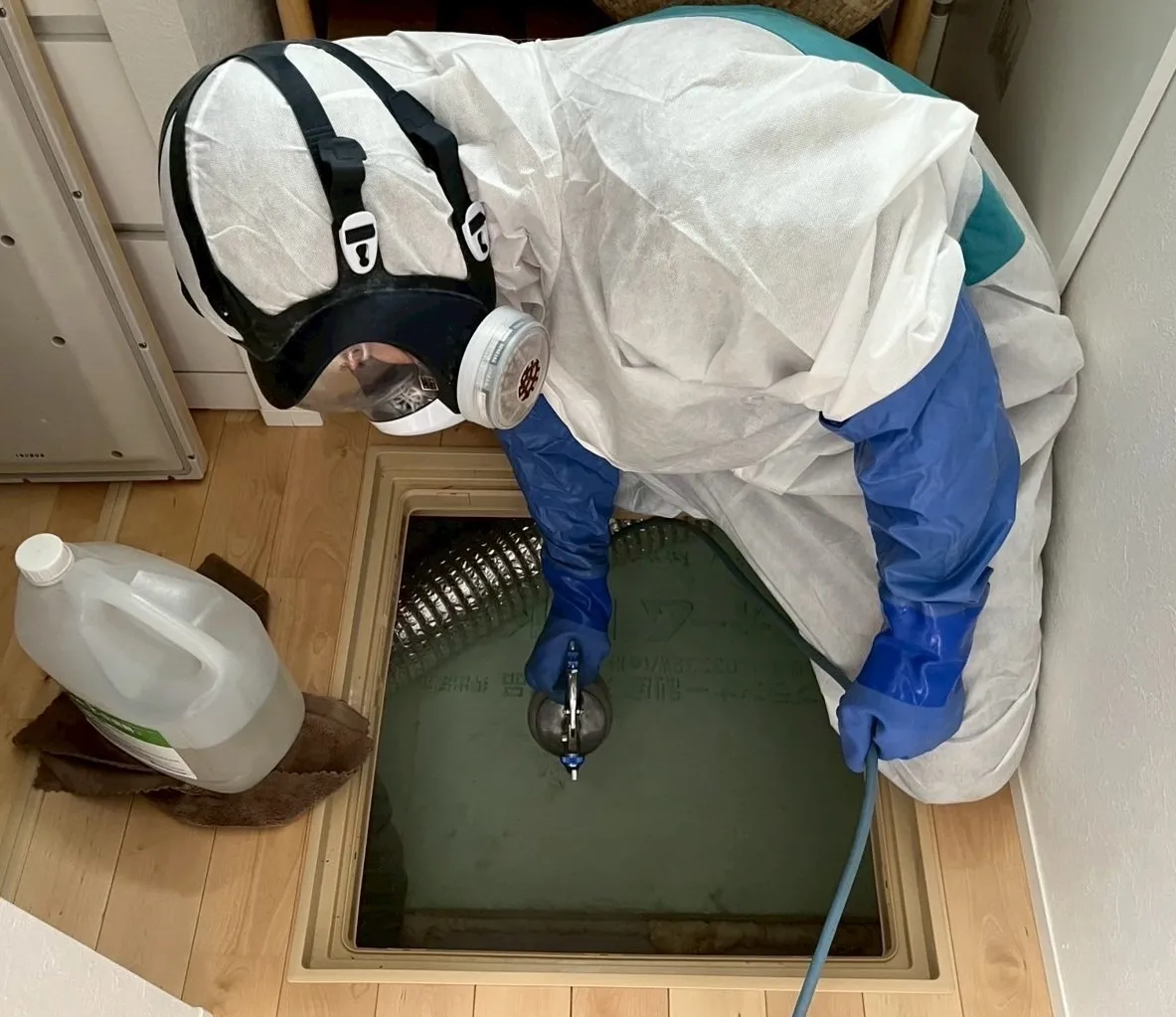
While basic upkeep is important, professional inspections are essential for thorough mold prevention. Specialists can detect early-stage mold in areas invisible to the untrained eye and recommend treatments tailored to the property's structure and materials. When mold is found, early intervention minimizes damage and reduces repair costs. For instance, with advanced methods like the MIST Method® used by professionals at Mold Busters, mold can be removed deeply and effectively without harming delicate surfaces. Relying on professional oversight not only ensures better results but also gives property owners peace of mind—protecting both aesthetics and asset value.
6. Mold Control in Luxury Properties with the MIST Method®
In high-end real estate, where aesthetics and materials are top-tier, conventional mold removal methods may cause more harm than good. Scrubbing or using harsh chemicals can damage delicate surfaces like wood or plaster. The MIST Method®, developed by Mold Busters, offers a solution that effectively eliminates mold at its root—without compromising the integrity of valuable materials.
6-1. Why the MIST Method® Removes Mold Without Damaging Materials
The MIST Method® uses a proprietary formula tailored to the type of surface and mold present. It decomposes and destroys mold without the need for abrasive cleaning or scraping. This non-invasive approach protects sensitive materials such as wood, diatomaceous earth, or natural plaster, preserving the property’s original appearance and structure. Moreover, the method is safe for human health, making it ideal for homes with children, elderly residents, or guests. By combining deep mold removal with gentle application, the MIST Method® offers a rare balance of power and care—ideal for luxury environments.
6-2. Trusted for Use in Historical Buildings and Valuable Assets
The MIST Method® is not only used in residential properties, but also in the restoration of historical buildings and cultural landmarks. Its ability to remove mold without altering original materials has earned it high praise in the preservation field. For luxury villas and resort condos, this means mold can be eradicated without compromising architectural details or design finishes. Investing in this method ensures both aesthetic preservation and long-term mold resistance—critical for maintaining the asset’s beauty, safety, and value over time.
7. Essential Mold Prevention Knowledge for Luxury Property Owners
Owning a luxury property comes with a responsibility to maintain not just its beauty, but also its structural integrity and indoor environment. Mold is a silent enemy that can damage both. To preserve property value and ensure a safe, healthy living space, owners must understand the basics of mold prevention and act proactively.
7-1. How to Identify Mold—Even as a Beginner
Mold isn’t always obvious. While black spots or white fuzz on walls and ceilings are clear indicators, mold can also hide behind furniture, within closets, or under flooring. A musty odor is often the first clue. Common problem areas include bathrooms, kitchens, window frames, and air conditioning systems—especially in properties located in humid regions. If you suspect mold, it’s best to photograph the area and consult a professional before attempting any cleaning yourself. Early detection is key to preventing more serious damage.
7-2. What to Include in a Regular Mold Inspection Checklist
Regular inspections—ideally once or twice a year—are crucial for luxury properties. A comprehensive checklist should cover ventilation systems, water-prone areas like bathrooms and kitchens, storage spaces, and hard-to-access zones like attics or underfloor areas. Properties with past mold issues require extra attention, as those areas are more likely to see recurrence. Keeping a log of inspection results, even if nothing is found, helps detect patterns and identify risks early. This structured approach enables property owners to catch mold before it spreads—and take action while the solution is still simple and affordable.
---------------------------------------------------------------------
カビ取リフォーム
東京営業所
〒141-0022
東京都品川区東五反田2-5-2 YHE CASK GOTANDA6階
電話番号:090-8321-4408
名古屋本社
〒465-0028
愛知県名古屋市名東区猪高台1-1301 タイコウビル1F
電話番号 : 0120-588-766
サイト:https://taikou-kensou.co.jp/
大阪営業所
〒532-0003
大阪府大阪市淀川区宮原1-19-23
電話番号:080-6978-3068
カビバスターズ大阪
https://kabibusters-osaka.com/
【検査機関】
一般社団法人微生物対策協会
https://kabikensa.com/
----------------------------------------------------------------------