Luxury Isn’t Enough! Comprehensive Guide to Mold Issues in Embassy Homes
2025/10/21
Even in luxury-level diplomatic residences, mold can become a serious issue. Hidden moisture and poor ventilation can turn a pristine home into a health hazard without warning.
This article covers why mold occurs in embassy housing, real-life case studies, how to safely remove it, and long-term preventive solutions tailored for sensitive or high-end materials.
Learn how to identify mold early, prevent expensive damage, and maintain a healthy environment for diplomats and their families—all while protecting the beauty and function of your home.
1. What Are Mold Issues in Embassy Housing?
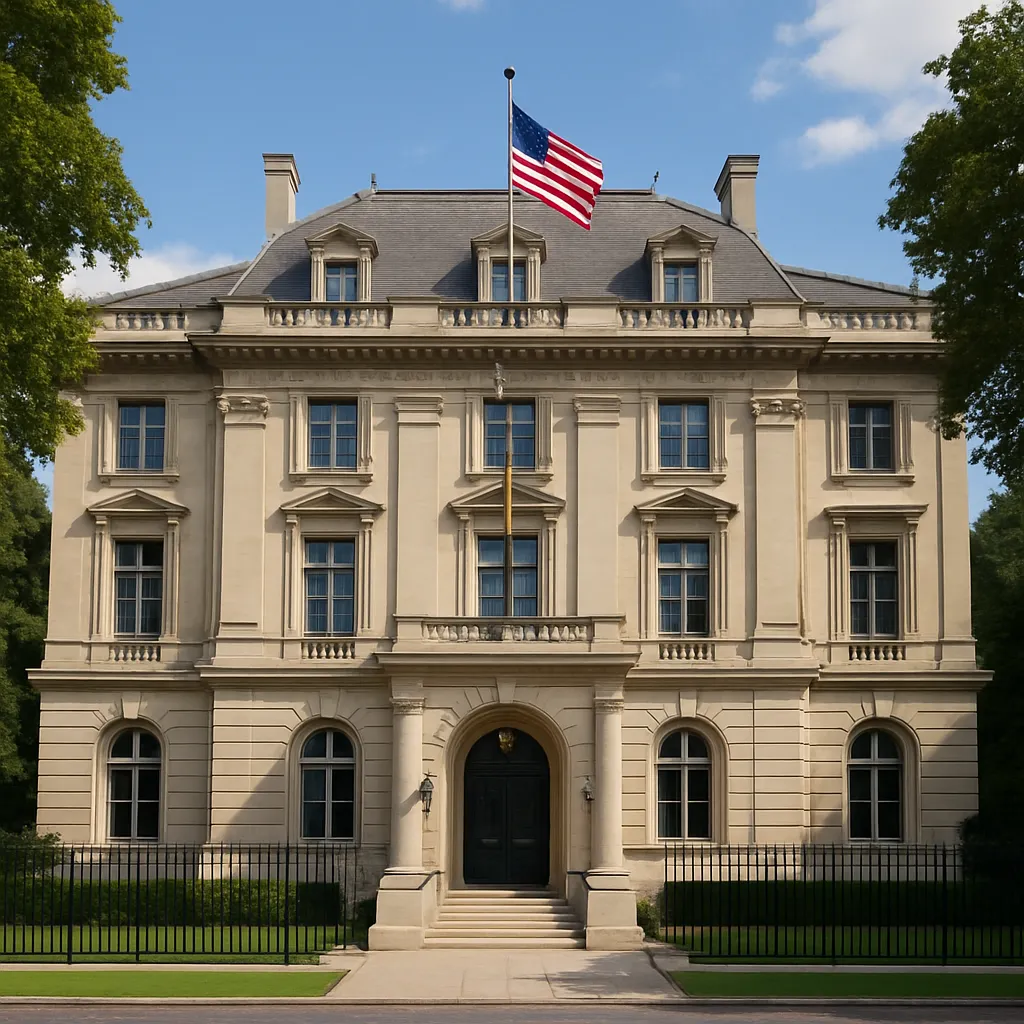
Embassy residences are often associated with luxury, comfort, and top-tier security. Located in upscale neighborhoods, these homes typically feature premium materials and modern finishes. However, even in these high-end environments, mold can become a serious and hidden threat—particularly in Japan’s humid climate. Mold doesn’t discriminate based on the appearance or cost of a property. For diplomats and their families, unseen mold can trigger health problems and significantly affect their quality of life.
1-1. Why Mold Grows Easily in Diplomatic Residences
Embassy housing is often built with unique designs tailored to foreign lifestyles. Many such homes incorporate Western-style layouts and airtight construction for soundproofing and privacy. However, this high level of insulation often traps moisture indoors, creating ideal conditions for mold.
Diplomats coming from drier climates may not be familiar with Japan’s high humidity, particularly during the rainy season and summer months. Without adequate ventilation or dehumidification, spaces like closets, behind furniture, and along windows can quickly become breeding grounds for mold. Additionally, imported furniture and belongings—often made of moisture-sensitive materials—can absorb humidity and worsen the problem.
Frequent turnover among residents also contributes to mold issues. One family may leave behind hidden moisture or insufficiently cleaned areas, which then become problem spots for the next tenants. In many cases, residents don’t notice the mold until it becomes visible or starts affecting their health.
1-2. Why Luxury Homes Aren’t Immune to Mold in Japan
People tend to assume that luxury homes are free from mold issues, but in Japan’s unique climate, even the most well-built structures are vulnerable without proper management. Tokyo and Osaka frequently experience humidity levels above 80% during the summer, and condensation forms easily on walls and windows, even in newer buildings.
Natural materials used in luxury homes—such as hardwood flooring, plaster walls, and diatomaceous earth finishes—are beautiful but also porous. These materials absorb moisture easily and dry slowly, which can lead to internal mold growth if not properly maintained.
Moreover, spacious rooms and minimalist design elements may look clean but often result in poorly circulated air in certain corners. Mold tends to grow silently in these “dead air” zones—behind furniture, in corners, or inside wall cavities. In some cases, mold even penetrates deeply into walls and structural materials before it’s detected, leading to extensive and costly remediation.
In short, even the most luxurious diplomatic residences require climate-specific mold prevention and regular monitoring. Without this, the combination of high humidity and poorly ventilated spaces can silently degrade both the home and the health of its residents.
2. Real Cases of Mold Damage in Diplomatic Residences
Mold problems in embassy and diplomatic housing aren't just theoretical concerns—they are real, costly, and sometimes hazardous to health. Despite being high-end homes, many embassy residences in Japan have reported significant mold issues. In this section, we’ll explore actual case studies that reveal the causes and consequences of mold in diplomatic housing.
2-1. Mold Trouble in a Luxury Embassy Home in Tokyo
In an upscale neighborhood of Tokyo, a diplomatic residence designed for foreign embassy staff began experiencing severe mold issues. The resident, a foreign diplomat, noticed a musty smell during the humid summer months and found that clothing in the closet felt damp. Upon further inspection, mold was discovered beneath the wallpaper and had spread across multiple walls.
Despite being a relatively modern concrete structure, the building had poor air circulation and outdated HVAC systems. The central air conditioning didn’t effectively manage humidity, and the airtight construction trapped moisture inside. The family frequently left the home during the day, meaning the air systems were often turned off—leading to consistent buildup of moisture.
Once the family began experiencing health symptoms, a professional inspection was conducted. The results showed deep mold contamination, requiring full-scale remediation. Damaged furniture and parts of the interior had to be replaced, costing several million yen (tens of thousands of USD) in repairs.
2-2. Mold Incidents in Diplomatic Homes in Osaka and Kobe
In western Japan, similar problems have been documented in diplomatic residences located in cities like Osaka, Kobe, and the affluent areas of Ashiya. These regions feature many imported homes or foreign-style constructions that, while visually appealing, often lack the ventilation systems necessary to handle Japan’s humid environment.
One notable case involved a foreign diplomat’s home with a spacious underground storage area. Mold had overtaken suitcases and clothing stored there due to consistent humidity levels above 70%. Investigations revealed that the underground space lacked proper ventilation, causing condensation and persistent dampness.
In another case, a family living in a high-rise apartment in Osaka discovered mold on the walls and curtains in the northern-facing bedrooms and children’s rooms. Although the southern living room was bright and dry, the rear rooms had poor airflow. When the family’s child began showing allergy-like symptoms, a mold inspection confirmed significant mold growth behind wallpaper and furniture. Prompt action from a professional mold service resolved the issue and prevented further damage.
These cases reveal a common misconception: that luxury housing automatically ensures a mold-free environment. In reality, without proper moisture control, even top-tier diplomatic residences are at risk of mold growth. Moreover, the foreign design features of many embassy homes—tight insulation, thick walls, and minimal ventilation—can inadvertently create ideal conditions for mold to thrive.
3. Why Is Mold Prevention So Difficult in Embassy Housing?
Mold problems can occur in any residence, but embassy housing presents unique challenges that make mold prevention more complex. From architectural design to the cultural habits of its international residents, several overlapping factors increase the risk of mold in diplomatic homes. Understanding these challenges is crucial for implementing effective, long-term solutions.
3-1. Structural and Equipment-Related Challenges
Many embassy residences are built with specifications that cater to foreign preferences, often incorporating Western-style construction. These homes typically have excellent insulation and soundproofing, but that very airtightness can create an environment where moisture is trapped.
Japan’s climate—with high humidity throughout much of the year—requires homes to have strong ventilation and dehumidification systems. However, some embassy housing lacks adequate ventilation infrastructure, making it difficult for trapped moisture to escape. This stagnant air contributes to mold growth in hidden places like wall cavities, behind furniture, or underneath flooring.
Additionally, luxury embassy homes often feature delicate materials such as solid wood floors, natural stone surfaces, and imported wallpaper. While beautiful, these materials absorb moisture easily and are difficult to dry out. Without regular maintenance, these surfaces can become deeply infected with mold, making remediation more difficult and costly.
In some homes, improper installation of insulation or poor architectural design allows condensation to form inside the structure. These internal moisture problems often go undetected until they have caused extensive mold damage. Only professional inspection can uncover such hidden risks.
3-2. Cultural and Lifestyle Differences Among Residents
Diplomats and their families come from all over the world, and their lifestyle habits often differ from those of local Japanese residents. For individuals from dry climates, Japan’s humid summers and rainy season can be unfamiliar and overwhelming. Many residents are unaware of the need for frequent ventilation or may not use the dehumidifier or air conditioning regularly.
Common habits—such as rarely opening windows, drying laundry indoors, or placing furniture flush against walls—can unintentionally increase indoor humidity and block airflow, creating perfect conditions for mold.
Language barriers and cultural differences also play a role. Some foreign residents may hesitate to report housing issues to property managers or embassy maintenance staff, or may attempt to handle the problem themselves. This delay in professional intervention allows mold to spread, often invisibly, until health symptoms or visible damage occur.
In summary, embassy housing is particularly vulnerable to mold because of its unique blend of foreign architecture, delicate materials, and the unfamiliarity of its residents with Japan’s humid climate. Without proactive management and targeted solutions, mold problems can quickly spiral into serious health and property concerns.
4. Health Risks Mold Poses to Diplomats and Their Families
Mold is not just an aesthetic or structural issue—it can have serious health consequences, especially in the enclosed environments of embassy residences. When mold spores become airborne, they can be inhaled daily by residents, triggering a range of physical symptoms. For diplomats, whose professional lives demand optimal health and concentration, the effects of mold exposure can be particularly disruptive.
4-1. Symptoms and Health Effects Caused by Mold
The most common health effects of mold exposure involve the respiratory system. Inhaling mold spores can lead to sneezing, persistent coughing, nasal congestion, and throat irritation—symptoms often mistaken for seasonal allergies or common colds. People with existing sensitivities, such as allergies or asthma, may experience more intense and prolonged reactions.
Mold can also trigger or worsen asthma, especially in individuals with already compromised immune systems. It may also cause eye irritation, skin rashes, headaches, and fatigue. In some cases, long-term exposure to indoor mold has been linked to symptoms of "sick building syndrome," a condition where prolonged time spent in a contaminated building results in chronic discomfort or illness.
For diplomats juggling demanding schedules, global responsibilities, and public appearances, such ongoing symptoms can negatively affect performance and well-being. Constant fatigue or respiratory issues can impair concentration, reduce productivity, and lead to absenteeism or missed diplomatic engagements.
4-2. Why Children, Elderly Family Members, and Pets Are at Greater Risk
While mold poses a risk to all residents, its effects are especially pronounced among those with weaker immune systems. Young children and elderly family members are particularly vulnerable to mold exposure. In children, ongoing coughing at night, skin irritation, or watery eyes could be early signs of mold-related illness.
For households with pets—a common feature in diplomatic families—mold also presents health risks. Animals with long fur can absorb moisture from the environment, making them prone to skin infections or respiratory issues. Pet bedding, rugs, and plush toys can quickly become breeding grounds for mold if not cleaned regularly or if used in high-humidity areas.
Moreover, the spacious and often quiet layouts of embassy housing can unintentionally foster low airflow in some parts of the home. Even if the adults feel fine, children or pets spending time in more enclosed areas—such as playrooms or basements—may be exposed to concentrated mold levels.
Maintaining a healthy indoor environment is crucial not only for physical well-being but also for ensuring that diplomats and their families can carry out their daily responsibilities without undue stress or illness. Recognizing and addressing mold-related health risks early is essential for safeguarding both the people and the purpose of diplomatic missions.
5. How to Detect Mold in Embassy Housing and What to Do First
Even in well-maintained, luxurious embassy housing, mold can quietly spread behind the scenes. Detecting it early and responding appropriately are essential steps to protect both your health and the property. In this section, we explain how to identify mold warning signs and the best first actions to take if mold is discovered in a diplomatic residence.
5-1. Common Signs of Mold That Often Go Unnoticed
Mold doesn’t always start with visible spots. Often, the first indicator is an unpleasant, musty odor—something sour or earthy that lingers in the air when you enter a room. This is especially common during humid months and may point to mold growth behind walls, under flooring, or inside closets.
Other signs include wallpaper bubbling or peeling, discoloration near windows, or persistent condensation on glass and metal surfaces. In embassy homes with solid insulation and tight seals, these subtle signs may appear gradually and be easy to miss at first.
Furniture placed flush against walls is another hidden risk. Mold tends to grow behind large wardrobes, beds, or cabinets due to limited air circulation. Periodically moving furniture away from walls and checking for stains, odor, or surface damage is a vital mold prevention habit.
Don’t overlook air conditioning units and ventilation systems either. Dirty filters can harbor mold spores, which are then spread throughout the home every time the system runs. If you're noticing respiratory symptoms that seem to worsen indoors, this could be a clue that mold is circulating through the HVAC system.
5-2. Musty Odors, Wallpaper Issues, and Furniture Stains: Time to Take Action
Once mold is suspected or spotted, the first step is to assess the situation without delay. Small, isolated spots on washable surfaces may be manageable, but widespread mold or recurring odors require professional attention—especially in embassy housing, where materials and furnishings are often high-end or imported.
Begin by ventilating the space as much as possible. Open windows and doors to encourage air circulation. If weather conditions are too humid, use dehumidifiers or air conditioners on “dry” mode to help remove moisture.
For visible mold, it’s tempting to use strong bleach or disinfectant sprays, but these can cause damage to natural materials like wood or wallpaper. Embassy residences often contain delicate finishes that can easily discolor or degrade when exposed to harsh chemicals. Always avoid abrasive scrubbing or strong acid-based cleaners.
Instead, use a mild alcohol-based disinfectant to wipe the area gently, then monitor for any return of mold or stains. If mold keeps coming back or spreads quickly, professional intervention is essential.
Before contacting a management company or embassy maintenance team, take clear photos and note the locations, size, and severity of the mold. This documentation will help facilitate faster response and appropriate decisions about next steps.
Early action and careful documentation can make the difference between a minor issue and a costly, large-scale mold remediation.
6. The Dangers of DIY Mold Removal: When Home Remedies Make Things Worse
Upon discovering mold in their home, many people instinctively reach for store-bought cleaners and attempt to remove the problem themselves. While this approach may seem quick and cost-effective, it can backfire—especially in high-end or specialized environments like embassy housing. In this section, we examine common DIY mold mistakes and how they can lead to costly secondary damage.
6-1. When Store-Bought Mold Cleaners Shouldn't Be Used
Commercial mold cleaners, especially bleach-based sprays, may seem like a convenient fix. These products are effective on bathroom tiles or simple kitchen surfaces, but they’re often too harsh for the delicate materials found in diplomatic residences.
Embassy housing frequently includes natural wood flooring, imported wallpapers, and specialty wall finishes—all of which can be permanently damaged by strong chemicals. For example, using chlorine-based cleaners on hardwood floors can strip color, cause warping, or degrade the surface. Likewise, imported wall coverings can become discolored or brittle.
There are also health concerns. Many mold removal sprays contain volatile chemicals that can irritate the eyes, throat, or skin. In closed indoor environments—particularly those with limited ventilation—these fumes can pose a risk to children, the elderly, or pets.
Additionally, DIY cleaning may only remove surface mold while leaving the root structure intact. Mold often grows deeper into porous materials or behind walls, meaning it will likely return unless properly treated by professionals.
6-2. How Aggressive Cleaning Can Cause More Harm Than Good
Another common DIY mistake is physically scrubbing or scraping mold too aggressively. Using hard brushes, scouring pads, or even sandpaper can cause micro-damage to surfaces, making them more absorbent and prone to future mold growth. This also spreads spores into the air, increasing contamination.
Sensitive finishes such as plaster, wooden furniture, or custom cabinetry can lose their texture or aesthetic value through over-cleaning. In embassy residences, these finishes may be expensive or difficult to replace, making mistakes all the more costly.
Even more dangerous is the mixing of cleaning agents. Some people, out of frustration, combine bleach with vinegar or other acid-based products—unaware that this can produce toxic gas (chlorine gas), especially in enclosed spaces. This is not only harmful but potentially fatal, depending on exposure levels.
Ultimately, mold removal may look easy on the surface, but for specialized homes, the risk of secondary damage—from health hazards to irreversible material damage—is too high. In such cases, consulting a professional service ensures a thorough, safe, and long-lasting solution.
7. The Best Mold Prevention and Treatment Methods for Embassy Housing
Embassy housing requires more than standard cleaning when it comes to mold. With its delicate materials, unique layouts, and international occupants, mold prevention in these homes must be both highly effective and extremely gentle. In this section, we explore the ideal mold solutions specifically suited for embassy residences and diplomatic housing.
7-1. The Need for Non-Damaging, Safe Mold Removal
Many embassy residences are furnished with natural wood flooring, imported wallpaper, stone finishes, and special insulation materials. These surfaces are highly sensitive to traditional mold removers, which often contain bleach or other harsh chemicals. Using such products risks discoloration, warping, or permanent damage.
For this reason, embassy housing requires advanced, non-invasive mold treatment methods. One such method is the MIST工法® (MIST Method), a proprietary technology that applies a fine mist of specially formulated solution to penetrate deep into surfaces. This method decomposes and eliminates mold at its roots—without the need for scrubbing or physical abrasion.
Because MIST工法® is designed to be gentle, it preserves the beauty and integrity of materials, making it ideal for high-end interiors. It also uses certified safe chemicals that pose no harm to humans or pets, even in enclosed environments.
This approach is especially important in homes where children, elderly residents, or pets are present. Safety cannot be compromised, and the treatment must be both effective and non-toxic. Professional services using such methods can ensure mold is eradicated without compromising the safety or aesthetics of the home.
7-2. Long-Term Prevention Through Professional Anti-Mold Treatment
Eliminating visible mold is only part of the solution. In high-humidity environments like Japan, mold will quickly return unless the space is protected with long-lasting prevention measures. For embassy housing, a comprehensive mold control plan includes post-removal treatments such as antimicrobial and anti-fungal applications.
These preventative treatments often consist of two steps:
1.Disinfection – to remove airborne mold spores and prevent them from settling again.
2.Antimicrobial Coating – applied to walls, furniture backs, closets, and other vulnerable surfaces. This barrier prevents mold from growing even when moisture is present.
These coatings are designed to be safe, invisible, and effective for months or even years. Unlike temporary sprays, they bond to surfaces and provide round-the-clock protection.
Such long-term solutions are especially critical in embassy housing, where families live for extended periods and where environmental control is essential for health and comfort. Periodic re-application, combined with routine inspections, ensures that the space remains mold-free throughout the residency.
In short, embassy residences demand professional-grade mold solutions—not just for removal, but for prevention. The key is a tailored, sensitive approach that protects both people and property.
8. Everyday Moisture Management Techniques to Prevent Mold
In Japan’s humid climate, controlling indoor moisture is the single most important step in preventing mold—even in embassy residences. No matter how luxurious or well-built a home is, excessive humidity will inevitably lead to mold if not addressed properly. In this section, we’ll introduce practical, daily humidity management techniques to maintain a clean and mold-free living environment in diplomatic housing.
8-1. Using Air Conditioners, Dehumidifiers, and Ventilation Effectively
The most effective mold prevention strategy is a combination of three elements: air conditioning, dehumidifiers, and natural ventilation. Modern air conditioners often come with a “dry” mode that lowers humidity, but this function alone may not be enough in larger embassy residences or in homes with multiple rooms.
Dehumidifiers allow for more targeted moisture control. For example, placing one in a closet, basement room, or north-facing bedroom can help maintain ideal humidity levels below 60%. Many models let you set a specific humidity target and will automatically adjust to keep the space dry.
Natural ventilation is equally important. Opening windows and doors regularly helps remove trapped moisture and circulate fresh air. However, it’s important to be strategic—during rainy or extremely humid weather, it’s best to limit outside air and instead rely on mechanical dehumidification. Early mornings and sunny days are ideal times to ventilate naturally.
Embassy homes often include sealed doors, large rooms, or imported windows that may not be optimized for airflow. Therefore, it’s essential to check every room, including storage spaces, to ensure proper ventilation is taking place throughout the house.
8-2. Furniture Placement, Curtains, and Window Area Adjustments
Mold often develops in places that are overlooked—behind large furniture, inside closets, or around window frames. One simple but effective practice is to keep a 5 to 10 cm gap between furniture and walls to allow airflow. Avoid pressing wardrobes, beds, or sofas directly against walls, especially external ones.
Curtains also deserve attention. During the rainy season, they can absorb a lot of moisture and become moldy if not washed regularly. Use lightweight, breathable materials and clean them monthly. Pay special attention to curtain rails and window sills, where condensation tends to build up and promote mold growth.
Daily wiping of window condensation—especially in the morning—can also make a big difference. Mold spores love to grow in damp areas, and window corners or frames are often the first places they appear.
Lastly, be mindful of decorative items that produce moisture, such as indoor plants or fish tanks. While these add beauty and tranquility to a home, they can also contribute to elevated humidity. Try to balance design with practical ventilation to keep the overall environment stable.
By incorporating these small but effective habits into daily life, you can significantly reduce the risk of mold—without compromising the beauty or comfort of your embassy residence.
9. When and How to Report Mold Issues to Property Management or the Embassy
In embassy housing, the responsibility for property maintenance is often clearly defined. However, when mold appears, many residents are unsure when and how to report it, or whether it’s serious enough to involve the property manager or embassy facility team. Delaying communication can lead to bigger problems, so understanding the right timing and reporting method is key.
9-1. What to Include in Your Mold Report and When to Send It
The moment you notice mold—or even suspect its presence—is the time to act. Start by documenting the situation. Take clear photos of the affected areas, note any smells, the size of the mold spots, and where they’re located. Record when you first noticed the issue and whether it has spread or worsened.
You should report the issue immediately if any of the following apply:
The mold cannot be removed with basic cleaning
It's affecting your health (e.g., respiratory issues, skin irritation)
Damage to walls, flooring, or furniture is visible
You’re unsure how to treat the materials involved (e.g., wallpaper, wood)
When reporting the issue, include the following details to help the property manager or embassy staff respond quickly:
Location and estimated size of the mold
When you first noticed it
Any actions you’ve taken (e.g., ventilation, cleaning)
Whether you or your family are experiencing health symptoms
Photos or videos of the affected area
Being proactive and clear in your communication can make the process faster and more efficient. It also helps prevent disputes later about responsibility or costs.
9-2. Understanding Responsibilities and How to Approach Negotiations
In most embassy housing arrangements, maintenance and repairs are handled by a designated management company or the embassy’s facilities division. Residents are usually not allowed to carry out repairs or chemical treatments themselves without permission.
However, one key issue is determining who is responsible for the mold. If it was caused by structural problems (like poor insulation or ventilation), then the management side is typically responsible. But if the mold is due to lifestyle habits—such as constantly drying clothes indoors or never using ventilation systems—then the cost of cleanup might fall on the resident.
To avoid this gray area, it’s helpful to maintain a record of your preventative efforts. Use of dehumidifiers, regular cleaning, and ventilation habits can all serve as evidence that you’ve been maintaining the home properly.
When discussing the problem with management or embassy staff, approach it calmly and clearly. Explain that:
Mold poses a health risk, especially to children and sensitive individuals
You’re concerned about the long-term effects on the property
Professional treatment is necessary to ensure it’s removed safely
If the management team is slow to respond, you may also suggest using a certified mold remediation company—especially one with experience in treating high-end or embassy homes. Presenting options and showing your willingness to cooperate often leads to a more productive outcome.
10. Why Professional Mold Removal Is Essential in Embassy Housing
Mold is more than just a surface-level problem. In high-end environments like embassy residences, mold can penetrate deep into walls, floors, and furnishings—especially when moisture is trapped inside. Removing mold safely and thoroughly in these specialized homes requires professional expertise. In this section, we’ll explain why hiring a certified mold remediation specialist is the best and safest choice.
10-1. Special Considerations for Luxury and Custom-Built Homes
Embassy housing often contains imported materials, delicate finishes, and complex architecture. These residences may feature natural wood, imported wallpaper, custom cabinetry, and sophisticated ventilation systems. Using store-bought products or standard cleaning techniques on these materials can cause irreversible damage.
Some materials are so delicate that harsh chemicals like bleach can discolor or degrade them. Scrubbing or sanding can destroy surfaces and lower the home’s value. What looks like a simple stain could actually be mold embedded deep within the structure. Only professionals with the right tools and knowledge can remove such contamination without causing further damage.
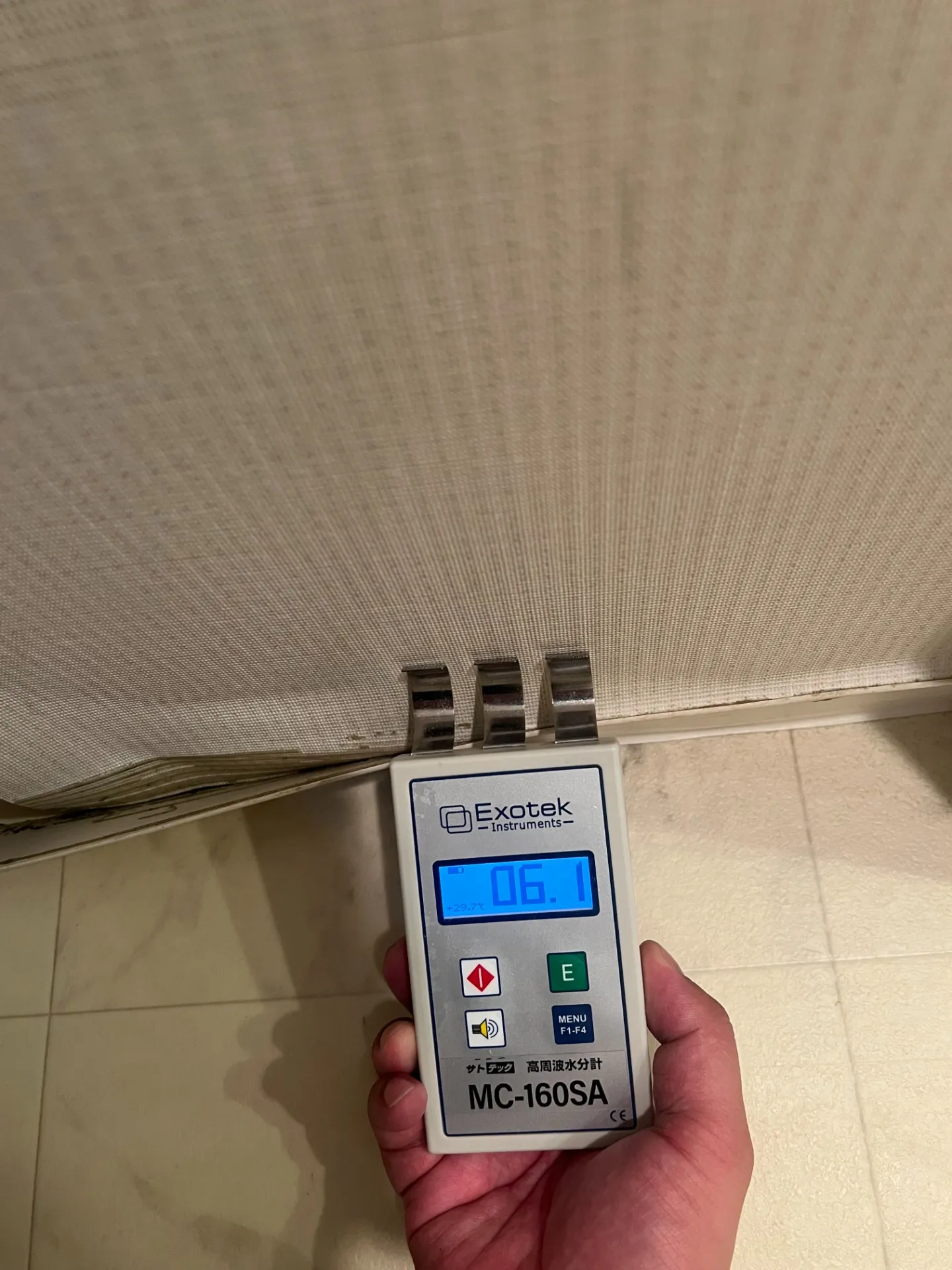
In addition, many embassy residences have layered walls or advanced insulation systems that can hide mold growth. These spaces require moisture sensors, infrared scanners, and expertise to properly diagnose and remediate the issue—something only specialists can provide.
Professional mold services conduct thorough assessments to identify both visible and hidden mold. They tailor their approach based on the building’s age, layout, materials, and environmental conditions. This ensures mold is eliminated at its source, not just temporarily covered up.
10-2. Safe, Surface-Specific Treatments Offer Peace of Mind
A major advantage of professional remediation is the use of specialized, non-invasive methods like the MIST工法® (MIST Method). This technique disperses a fine mist of mold-killing solution that penetrates porous surfaces, reaching mold deep within walls or flooring. Unlike abrasive cleaning or chemical soaking, this method preserves the original materials.
What’s more, these professional solutions are certified safe for humans and pets, making them ideal for families with young children, elderly members, or animals. Embassy housing often requires this level of safety, as residents expect both discretion and care.
In addition to removing existing mold, professionals provide long-lasting protection through antimicrobial coatings. These treatments prevent spores from attaching to surfaces and create an environment that actively resists future growth. This proactive approach ensures mold doesn’t return, even in high-humidity conditions.
When a mold issue occurs in diplomatic housing, it’s not just a cleaning task—it’s a matter of preserving a valuable property and protecting the well-being of international families. Hiring professionals ensures the job is done thoroughly, safely, and discreetly, giving residents peace of mind and long-term protection.
Mold Removal & Prevention by Kabi Busters Osaka and Kabi Reform Tokyo & Nagoya
Even the most luxurious embassy residences are not immune to mold, and ordinary cleaning methods often fall short—especially when dealing with delicate materials and complex structures. That's where Kabi Busters Osaka and Kabi Reform Tokyo & Nagoya come in.
Our group uses the proprietary MIST工法® (MIST Method)—a unique, non-abrasive mold removal system that safely eliminates mold without scrubbing or damaging surfaces. This technique penetrates deep into materials and removes mold at the root, all while preserving the aesthetic and structural integrity of your home.
Our specially formulated treatment solutions are both powerful and certified safe for humans, children, and pets, making them ideal for sensitive environments like embassy housing. We don’t just eliminate mold—we also provide long-term protection with our antimicrobial treatments that prevent future growth, ensuring a clean, safe, and comfortable living space.
One-Stop Mold Removal and Renovation Services by Taikou Kensou Co., Ltd.
At Taikou Kensou Co., Ltd., we are one of the few companies in Japan offering both mold remediation and renovation services under one roof. This integrated approach is especially valuable for embassy residences and high-end homes, where mold often causes structural damage or aesthetic deterioration that requires expert repair.
Instead of hiring separate contractors, our clients can rely on us to manage the entire process—from mold removal to post-treatment renovations. This saves both time and cost, while ensuring consistency in quality and safety.
About Our Renovation Services
Taikou Kensou doesn’t just fix what’s broken—we help upgrade homes to prevent future mold problems. Our renovation solutions are designed with long-term protection, comfort, and beauty in mind:
Insulation and Humidity Control Renovations
We redesign wall and floor structures using moisture-resistant insulation and vapor barriers to reduce condensation and mold risk.
Anti-Mold Interior Finishes
We use mold-resistant paints, wallpapers, and construction materials to protect living spaces from recurring mold.
Ventilation System Upgrades
We install or improve 24-hour ventilation and dehumidification systems to keep humidity in check year-round.
Waterproofing for Kitchens, Bathrooms, and Laundry Areas
We reinforce high-risk areas with advanced waterproofing and drainage solutions.
Custom Storage and Furniture Revisions
We redesign closets, cabinetry, and built-in furniture to improve air circulation and reduce mold buildup.
Our renovation team focuses on preserving the elegance and functionality of high-end homes while enhancing their durability. Whether you're responding to mold damage or proactively improving your living environment, Taikou Kensou offers tailor-made renovation plans to suit your needs.
Get a Consultation Today
If you are living in an embassy residence, diplomatic housing, or a high-end home and are experiencing:
Persistent mold or musty smells
Health symptoms possibly caused by mold
Uncertainty about safe mold removal methods
A need to restore and protect delicate interiors
Reach out to Kabi Busters Osaka, Kabi Reform Tokyo & Nagoya, or Taikou Kensou Co., Ltd. today. Our experienced teams will assess your home and recommend the safest, most effective solution—whether it's precision mold removal, expert renovation, or both.
---------------------------------------------------------------------
カビ取リフォーム
東京営業所
〒141-0022
東京都品川区東五反田2-5-2 YHE CASK GOTANDA6階
電話番号:090-8321-4408
名古屋本社
〒465-0028
愛知県名古屋市名東区猪高台1-1301 タイコウビル1F
電話番号 : 0120-588-766
サイト:https://taikou-kensou.co.jp/
大阪営業所
〒532-0003
大阪府大阪市淀川区宮原1-19-23
電話番号:080-6978-3068
カビバスターズ大阪
https://kabibusters-osaka.com/
【検査機関】
一般社団法人微生物対策協会
https://kabikensa.com/
----------------------------------------------------------------------