[Warning] The Hidden Threat of Mold in Complex Facilities and How to Deal With It
2025/09/16
In complex buildings that combine commercial, residential, and public spaces, hidden mold problems are becoming increasingly serious due to varying humidity levels and air circulation in each area.
This article explores the causes of mold in complex facilities, real-life case studies, and practical countermeasures—including the safe and effective MIST method® used for mold removal and prevention.
Facility managers and building owners will gain valuable knowledge to prevent mold issues, identify early signs of damage, and choose the right professional solutions to maintain building health and occupant safety.
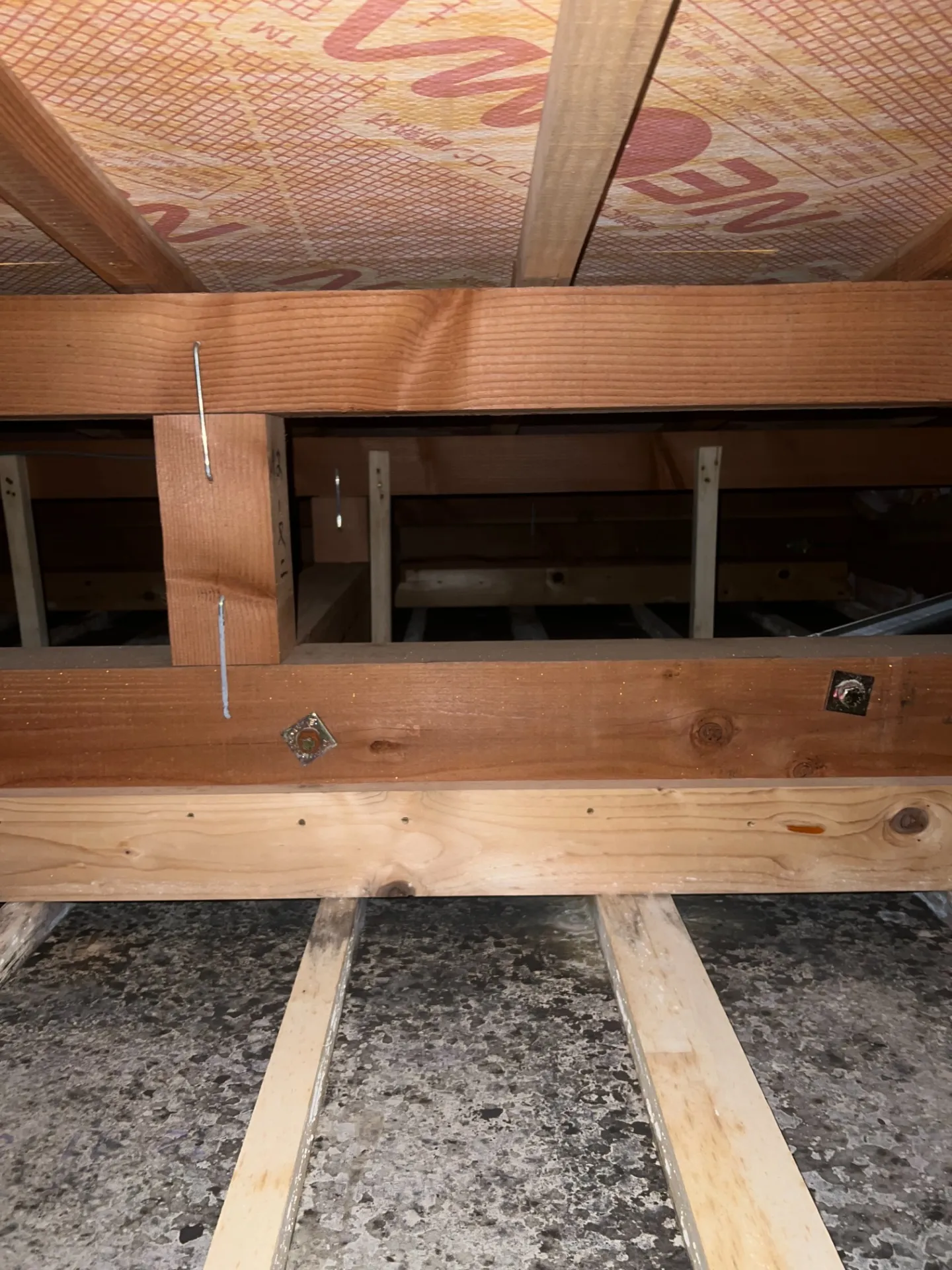
1. Characteristics of Mold Growth in Complex Facilities
Complex facilities—such as those combining commercial spaces, offices, residences, and underground parking—present unique challenges when it comes to mold. Each zone has different environmental conditions, including humidity, temperature, and air circulation. These variations create ideal conditions for mold to thrive and spread from one area to another. In this section, we’ll examine what makes mold more likely to occur in complex buildings.
1-1. Mold Risks in Mixed-Use Spaces
In complex buildings, commercial areas and residential spaces often coexist within the same structure. For example, lower floors may house restaurants or shops that use water frequently, while upper floors are used for living spaces. Moisture from the lower floors can easily rise, increasing humidity throughout the building. HVAC systems may not be able to manage these fluctuations adequately, leading to localized areas of trapped humidity.
In addition, 24-hour businesses and round-the-clock operations disrupt the natural ventilation rhythm, creating temperature differences between day and night. These fluctuations often result in condensation—one of the main triggers for mold. If airflow is poor, airborne mold spores can move from one part of the facility to another, causing widespread contamination. To combat this, moisture control strategies must be tailored to each type of space.
1-2. Structural and Shared Space Factors That Lead to Mold
The structural design of complex buildings also contributes to mold risks. Areas like basements, mechanical rooms, and shared corridors are especially vulnerable due to limited sunlight and inadequate ventilation. These conditions create perfect breeding grounds for mold.
Additionally, when HVAC or plumbing systems are centralized, even a small issue—like a leak in one unit—can affect the entire facility. For instance, in one case, a leak went unnoticed for months and resulted in severe mold growth inside walls. Problems like these often go undetected until damage has already spread.
Newly constructed or renovated buildings may also develop mold quickly due to poor workmanship or overlooked design flaws. A lack of insulation or airtight sealing may trap moisture, and if ventilation systems are improperly installed or blocked, moisture buildup becomes inevitable.
Understanding these vulnerabilities is essential for implementing long-term mold prevention strategies and protecting the facility as a whole.
2. Real-World Mold Incidents and Root Cause Analysis
Mold problems in complex buildings go far beyond surface stains or unpleasant odors—they can affect the facility’s operations, user trust, and even legal liability. To effectively prevent and manage mold, it’s essential to understand how and why these issues occur. In this section, we explore real-life examples of mold outbreaks in complex buildings and analyze the underlying causes.
2-1. Mold in Basements Caused by Rainwater and Moisture
Basements in complex facilities often serve as parking lots, storage areas, or mechanical rooms—making them particularly prone to mold. During rainy seasons or in cases of poor drainage design, rainwater or groundwater can seep through gaps in the building structure, leading to moisture buildup in walls and floors.
In one case, mold was found spreading inside the wall of a large commercial complex’s basement, months after a minor pipe leak near a joint went unnoticed. Because the issue was not visible externally, it wasn’t discovered until the mold had already spread extensively. Limited airflow and naturally humid conditions in basements further accelerate mold growth.
This example illustrates how hidden moisture problems can turn into serious mold infestations if not detected early. Proactive monitoring and drainage management are essential in basement areas of complex buildings.
2-2. Unexpected Mold Recurrence Right After Construction
Shockingly, mold can sometimes appear even in newly built or recently renovated buildings. This usually stems from construction defects or oversights during design, such as insufficient insulation or lack of ventilation.
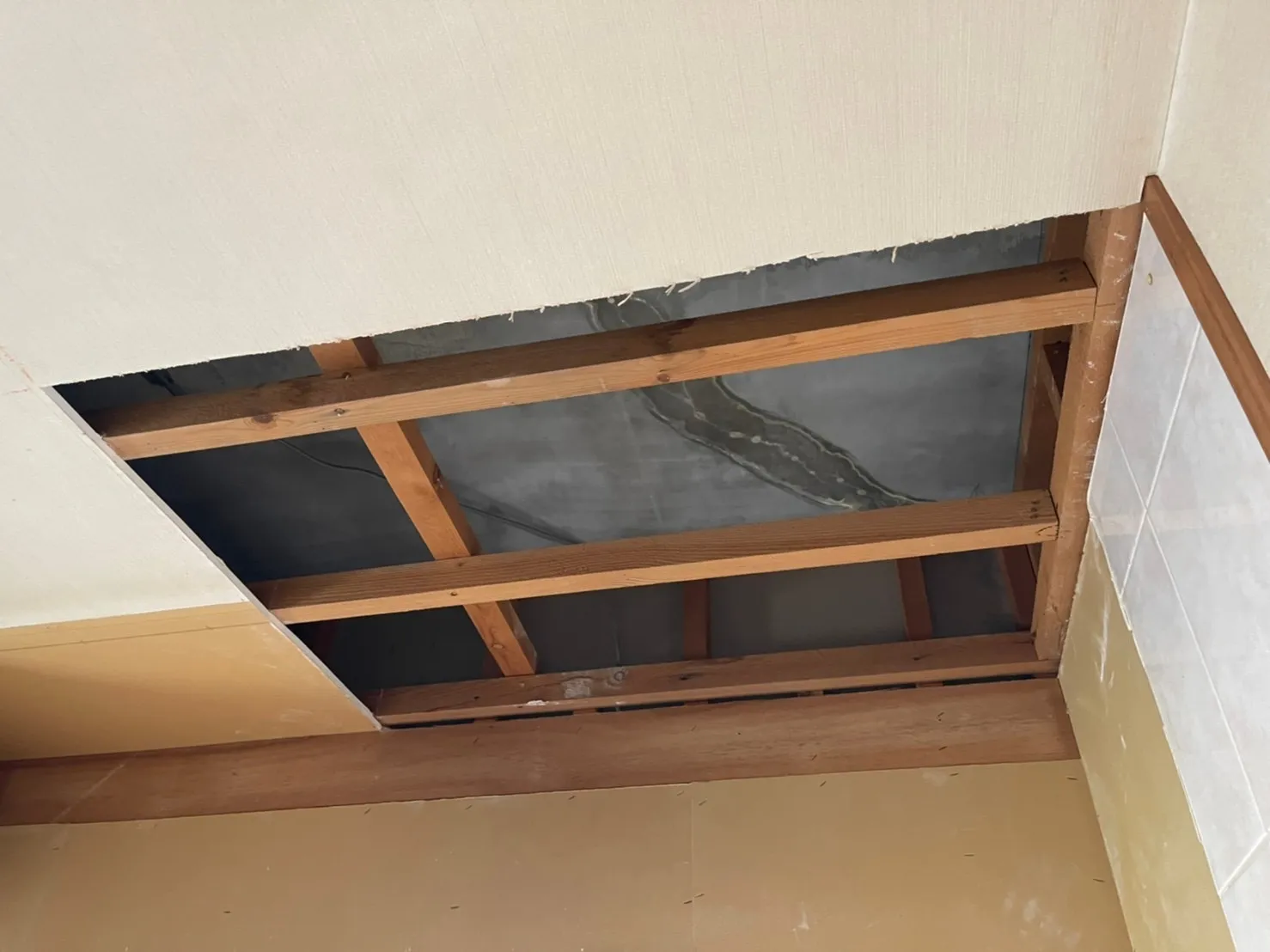
In one office building, mold appeared in the ceiling only six months after completion. Upon investigation, it was discovered that the attic ventilation duct had been sealed off, causing air to stagnate and moisture to build up. Although the space looked clean and new, poor airflow created ideal conditions for mold behind the scenes.
These cases highlight the importance of thorough inspections after construction, especially in areas that are difficult to access. Facility managers should not rely solely on the contractor’s final check but implement their own routine assessments to prevent mold from developing unnoticed.
3. The Multifaceted Impact of Mold
Mold is not just a cosmetic or hygiene issue—it can have serious consequences for building infrastructure, occupant health, and long-term operational costs. In complex buildings, where different types of users share interconnected spaces, mold issues in one area can quickly affect the entire facility. This section outlines the two primary categories of mold-related damage: human health and facility deterioration.
3-1. Health Risks and Reputational Damage Leading to Property Devaluation
Environments affected by mold can cause more than just discomfort due to odor or appearance—they can lead to respiratory issues, allergies, skin irritation, and asthma, especially in vulnerable populations like children and the elderly.
For commercial tenants or residents, these health effects can trigger complaints, negative reviews, or even public backlash on social media. Once a facility gains a reputation as "mold-infested," its value can rapidly decline. Potential tenants may avoid signing leases, and existing ones may choose to leave, leading to higher vacancy rates and reduced revenue.
A tarnished reputation is difficult to recover from, and the presence of mold—even if removed—can have lasting effects on public perception and future tenant acquisition.
3-2. Structural Damage and Escalating Maintenance Costs
Mold doesn’t just affect people—it also eats away at the building itself. Materials like drywall, wood, and insulation can deteriorate when exposed to moisture and mold. When mold infiltrates the internal structure, serious damage can occur behind the walls or under the floors, often out of sight.
What begins as a small patch of mold may eventually require large-scale renovations if it spreads unchecked. Superficial cleaning methods are usually insufficient, and proper remediation often involves specialized treatment, which can be costly.
Moreover, without solving the root cause—whether it’s poor ventilation, leaks, or insulation issues—mold will almost certainly return. The cycle of repeated cleaning and repair increases long-term maintenance expenses, drains operational budgets, and reduces the facility’s overall asset value.
In short, proactive and comprehensive mold management is far more cost-effective than reactive repair once significant damage has already occurred.
4. Practical Mold Prevention Strategies for Complex Facilities
In complex facilities, mold prevention must go beyond post-outbreak cleanup. A successful approach requires a proactive strategy that spans from architectural design to ongoing facility management. This section outlines specific, actionable steps that should be implemented to prevent mold growth throughout the lifecycle of a building.
4-1. Preventive Measures During the Design and Construction Phase
Effective mold control begins before the first tenant moves in—during the design and construction stage. It’s essential to integrate moisture-resistant building materials and insulation in areas prone to dampness, such as basements, north-facing rooms, and mechanical spaces.
Proper architectural planning should ensure sufficient airflow, including the thoughtful placement of vents, windows, and HVAC systems. Drainage systems must be designed with optimal slope and waterproofing to prevent rainwater intrusion. Roofs, walls, and windows should be sealed to withstand seasonal moisture variations.
In addition, choosing mold-resistant finishes and materials—like non-porous wall coverings and treated wood—can greatly reduce the likelihood of mold growth. It’s also important to design the building for easy access to potential problem areas so that inspections and maintenance can be conducted efficiently.
4-2. Ongoing Maintenance: Inspections, Cleaning, and Ventilation Management
Even the best-designed buildings require continuous oversight. Regular inspections of hidden and high-risk areas—such as ceiling voids, HVAC ducts, underfloor spaces, and plumbing systems—are essential. These checks should be scheduled at least biannually and include monitoring temperature and humidity trends.
Cleaning routines should go beyond surface wiping. Mold spores often hide in air ducts and internal wall cavities, so specialized deep cleaning by trained professionals is often necessary. Failure to clean these areas properly allows mold to recirculate and spread through air systems.
Ventilation is another critical factor. Inconsistent air circulation, especially during humid seasons, can create stagnant zones where mold thrives. Adjusting humidity levels and airflow by area, and upgrading to smart climate control systems where possible, will enhance mold prevention.
In summary, mold prevention in complex buildings requires a long-term, layered approach—starting from thoughtful design and continuing through consistent maintenance, cleaning, and monitoring.
5. Why the MIST Method® by Kabibusters Is the Preferred Solution
In complex facilities, mold removal must be safe, effective, and long-lasting. Over-the-counter products and superficial cleaning rarely address the root cause, often leading to recurring problems. That’s why many facility managers are turning to Kabibusters’ MIST Method®, a proprietary mold removal system developed for delicate, large-scale environments.
This advanced technique not only eliminates mold at the source but also preserves building materials and prioritizes occupant safety—making it ideal for spaces where commercial, residential, and public functions coexist.
5-1. Safe and Effective Mold Removal Tailored for Complex Buildings
The MIST Method® stands out because it removes mold without scrubbing or sanding, which helps preserve the natural properties of surfaces such as wood, wallpaper, and drywall. This makes it highly suitable for commercial interiors, historical buildings, and residential spaces alike.
The specialized cleaning agent used in this method is adjusted to match the pH and condition of each material, ensuring maximum decomposition power without harming people or property. This is crucial in environments with vulnerable individuals, such as children, the elderly, or patients in medical facilities.
Another key feature of the MIST Method® is its fog-like application, which allows the treatment to reach into cracks, gaps, and behind surfaces—areas where traditional cleaning methods fail. This results in deep, thorough, and wide-area coverage while minimizing disruption to facility operations.
5-2. Long-Lasting Protection Through Removal and Prevention
Unlike conventional mold treatments, the MIST Method® goes beyond removal—it provides long-term protection through a post-treatment anti-mold coating. This specialized agent continues working even after application, targeting airborne mold spores and neutralizing them before they can attach to surfaces.
The treatment works by disrupting the mold cell membrane and inhibiting regeneration, significantly lowering the chance of recurrence. This long-lasting effect reduces the need for frequent cleaning or re-treatment, helping to lower operational costs over time.
For complex facilities where mold can easily spread from one area to another, this combination of removal and prevention is a game-changer. With the MIST Method®, you’re not just reacting to mold—you’re actively safeguarding your building against future outbreaks.
6. The Importance of Early Detection in Mold Prevention
Mold can spread silently and quickly. By the time it becomes visible, significant damage may have already occurred—both to the building and to the health of its occupants. That’s why early detection is one of the most critical components of mold control, especially in complex buildings where the layout and usage vary widely. This section outlines key signs to watch for and how to implement an effective monitoring system.
6-1. Subtle Warning Signs You Shouldn’t Ignore
Mold isn’t always visible. In many cases, early signs manifest as unusual smells or shifts in humidity, rather than black spots or visible stains. Here are some common warning indicators:
A musty or sour odor, especially in enclosed areas
Frequent condensation on windows or walls, particularly in basements or north-facing rooms
Peeling wallpaper, warped flooring, or discoloration on surfaces
Poor ventilation in restrooms, mechanical rooms, or storage areas
Pay attention to reports from tenants or employees—comments like “it smells damp” or “this wall feels moist” could be early clues. Often, these minor complaints are the first signs of a larger, hidden mold problem. Promptly investigating such feedback can prevent costly remediation later.
6-2. How to Prevent Mold with Scheduled Monitoring
Preventing mold means tracking environmental conditions proactively. Mold thrives in environments where humidity exceeds 60%, so installing humidity and temperature sensors is highly effective. Modern IoT-based systems even allow remote monitoring and alerts when thresholds are exceeded.
Regular inspections should also be scheduled—annually or semi-annually—especially in high-risk zones like ceiling cavities, HVAC ducts, plumbing areas, and basement walls. Engaging a professional mold inspection service can uncover hidden risks using moisture meters, infrared cameras, and surface testing.
Customizing the frequency and scope of these checks to match the layout and usage of your facility helps you build a comprehensive risk management system, reducing the chance of unexpected mold outbreaks.
7. Legal Responsibilities and Obligations of Facility Managers
When mold is discovered in a complex facility, it’s not just a maintenance issue—it can quickly escalate into a legal matter. Depending on the severity and impact, facility owners and managers may be held liable for health problems, property damage, or operational losses caused by mold. This section explores the legal risks associated with mold, and the preventive steps managers can take to protect themselves and their properties.
7-1. Legal Liability for Mold in Buildings
Under Japanese civil law, landlords and building managers are expected to maintain a safe and usable environment—a responsibility known as the “duty of care.” Failure to address known mold risks may result in compensation claims from tenants or occupants who suffer health issues or property damage.
For example, if residents develop allergies or respiratory problems due to mold, or if commercial tenants lose business because of contamination, the facility owner may be sued for damages. In some cases, courts have ordered millions of yen in compensation due to mold-related negligence.
Letting mold persist without prompt action can be viewed as gross negligence, especially if complaints were previously filed but ignored. In worst-case scenarios, mold can trigger legal disputes, lease cancellations, or administrative penalties that damage the reputation and profitability of the facility.
7-2. How to Avoid Legal Trouble Through Proactive Management
To avoid legal problems, facility managers must prioritize early response and thorough documentation. This includes:
Keeping detailed records of tenant complaints and inspection reports
Responding quickly to any signs of mold or water leaks
Retaining proof of preventive actions and maintenance routines
Conducting professional inspections and repairs when necessary
It’s also advisable to create a formal mold response policy, outlining how reports are handled, who is responsible for follow-up, and when external contractors are brought in. This ensures consistent action and demonstrates that the facility is being managed responsibly.
Additionally, implementing scheduled mold inspections—especially in high-risk areas like basements, restrooms, or HVAC systems—helps establish a pattern of due diligence. If a legal claim arises, this history of care and action can serve as crucial evidence in your defense.
8. Immediate Actions Facility Managers Should Take to Combat Mold
In complex facilities, time is critical when it comes to mold. The longer an issue goes undetected or unresolved, the more extensive and expensive the damage becomes. Mold not only spreads physically, but it also erodes the confidence of tenants and visitors. That’s why facility managers must take immediate, practical steps to strengthen mold control systems. This section outlines what you can start doing today.
8-1. Conduct a Comprehensive Mold Risk Assessment
The first step in any effective mold strategy is to identify high-risk areas within your facility. This goes beyond surface-level inspections—a full-scale risk assessment evaluates humidity, air circulation, condensation, past leak history, and even structural weak points.
Key areas to focus on include basements, mechanical rooms, restrooms, HVAC systems, and behind interior walls. If possible, hire a professional mold inspection service to obtain accurate environmental data, including moisture levels and airborne spore counts.
Based on the results, you can prioritize interventions, create a timeline for repairs, and plan future inspections more strategically. A documented assessment also shows stakeholders and regulators that mold prevention is being taken seriously.
8-2. Build a Maintenance Plan and Emergency Response System
Preventing mold isn’t a one-time project—it requires a systematic, ongoing maintenance plan. For example:
Inspect and clean HVAC systems every 6 months
Increase anti-mold treatment frequency during humid seasons
Establish humidity monitoring with alerts in key areas
In addition, having a clear emergency response manual ensures that your team can act quickly if mold is discovered. The manual should define responsibilities (who gets notified, who investigates), steps for temporary containment, and the criteria for calling in professional help.
Don’t forget to educate your tenants or employees. Encourage them to report signs of mold early, and make it easy to submit maintenance requests. The more eyes you have on the ground, the faster you can detect issues.
Ultimately, success in mold control comes from creating a facility-wide culture of awareness and responsibility, backed by solid procedures and professional support.
9. How to Choose the Right Mold Remediation Contractor
In large-scale facilities like mixed-use complexes, managing mold internally can be incredibly difficult. That’s why outsourcing to a professional mold remediation company is often necessary. However, not all contractors deliver the same level of quality, safety, or reliability. Choosing the wrong provider can lead to recurring issues, wasted budgets, and even legal trouble. In this section, we cover key points to evaluate when selecting a mold remediation contractor.
9-1. Check for Experience, Technical Skill, and Safety Standards
Start by confirming the contractor’s track record and experience—especially with projects similar in size and complexity to your facility. Ask if they’ve handled commercial properties, residential towers, or mixed-use buildings before, and whether they can provide case studies or references.
It’s also crucial to review the techniques and chemicals used. The ideal contractor offers a balance between powerful mold removal and non-toxic, human-safe solutions, especially important in spaces used by vulnerable populations (e.g., children, the elderly, or those with allergies).
Additionally, confirm whether the contractor offers post-treatment support and warranties for their services. Mold can return if root causes aren't addressed, so a trustworthy provider should offer long-term guidance and follow-up inspections to prevent recurrence.
9-2. Demand Transparent Estimates and Tailored Proposals
When requesting a quote, examine whether the estimate is clear and itemized. A professional contractor will break down costs for labor, materials, equipment, and square footage. Be wary of vague, lump-sum pricing that lacks explanation—it can be a red flag for substandard service.
Avoid selecting contractors based solely on price. Extremely low bids may reflect inadequate cleaning, use of harsh chemicals, or lack of follow-up support—all of which can lead to greater expenses down the road.
Finally, a reliable mold remediation company will always conduct a site inspection before proposing a solution. They’ll evaluate your facility’s layout, humidity levels, materials, and ventilation before making specific recommendations. This attention to detail shows a true understanding of mold dynamics—and gives you the best chance at permanent removal.
Mold Remediation and Renovation in One Stop: Kabibusters Osaka & Kabi-Tori Reform Tokyo/Nagoya
In complex facilities, mold removal often goes hand in hand with structural or interior restoration. When mold damages ceilings, walls, or flooring, it’s not enough to simply clean the surface—you also need professional repair and renovation to restore safety, appearance, and functionality.
That’s why we recommend Kabibusters Osaka and Kabi-Tori Reform Tokyo/Nagoya, operated by Taikou Kensou Co., Ltd. Our company is uniquely positioned to offer both mold remediation and building renovation as an integrated service, saving clients time, cost, and coordination stress.
Safe and Effective Mold Removal with the MIST Method®
At the heart of our service is the proprietary MIST Method®, developed by Kabibusters. This technique uses a fine mist of specialized agents to penetrate deep into materials and eliminate mold at its root—without scrubbing, sanding, or damaging the surface.
It’s safe for use in facilities frequented by children, seniors, or those with health concerns. After treatment, we apply a long-lasting anti-mold coating that prevents recurrence by disrupting mold growth at the cellular level. This makes it ideal for complex buildings with diverse occupants and sensitive environments.
Full-Scope Renovation Services by Taikou Kensou Co., Ltd.
As a general renovation company, Taikou Kensou offers a wide range of building services, including:
Interior remodeling (walls, floors, ceilings)
Bathroom and kitchen renovations
Waterproofing and exterior repair
Roofing and drainage system upgrades
Energy-efficient insulation and ventilation improvements
We tailor every renovation to address not only visible damage but also the underlying causes of mold, such as poor airflow, trapped moisture, and thermal bridging. This ensures your facility isn’t just repaired—it’s upgraded to resist future problems.
From emergency restoration to long-term facility planning, we’re here to support your building’s health, safety, and value.
Our Service Areas
Kabibusters Osaka: Serving the Kansai area with expert mold removal in offices, commercial spaces, medical facilities, and residential complexes.
Kabi-Tori Reform Tokyo: Focused on the Tokyo metropolitan area, with quick response times and tailored mold-renovation solutions.
Kabi-Tori Reform Nagoya: Covering the Chubu region, including commercial buildings, residential towers, and mixed-use facilities.
If you’re looking for a trusted partner who can both remove mold safely and restore your building professionally, contact Taikou Kensou Co., Ltd. today.
We deliver complete, worry-free solutions to keep your facility clean, safe, and future-ready.
---------------------------------------------------------------------
カビ取リフォーム
東京営業所
〒141-0022
東京都品川区東五反田2-5-2 YHE CASK GOTANDA6階
電話番号:090-8321-4408
名古屋本社
〒465-0028
愛知県名古屋市名東区猪高台1-1301 タイコウビル1F
電話番号 : 0120-588-766
サイト:https://taikou-kensou.co.jp/
大阪営業所
〒532-0003
大阪府大阪市淀川区宮原1-19-23
電話番号:080-6978-3068
カビバスターズ大阪
https://kabibusters-osaka.com/
【検査機関】
一般社団法人微生物対策協会
https://kabikensa.com/
----------------------------------------------------------------------