Why Is Mold Growing in Your Office? Key Causes and Immediate Countermeasures
2025/09/04
Did you know that mold might be lurking in your office? When left unchecked, hidden mold can impact employee health and productivity, leading to serious workplace issues.
This article explains the main causes of mold in offices, common areas where it forms, practical prevention steps, and when to call in professionals for help.
You’ll gain knowledge to maintain a healthy, mold-free office environment. This leads to better staff well-being, improved workspace hygiene, and a more professional atmosphere.
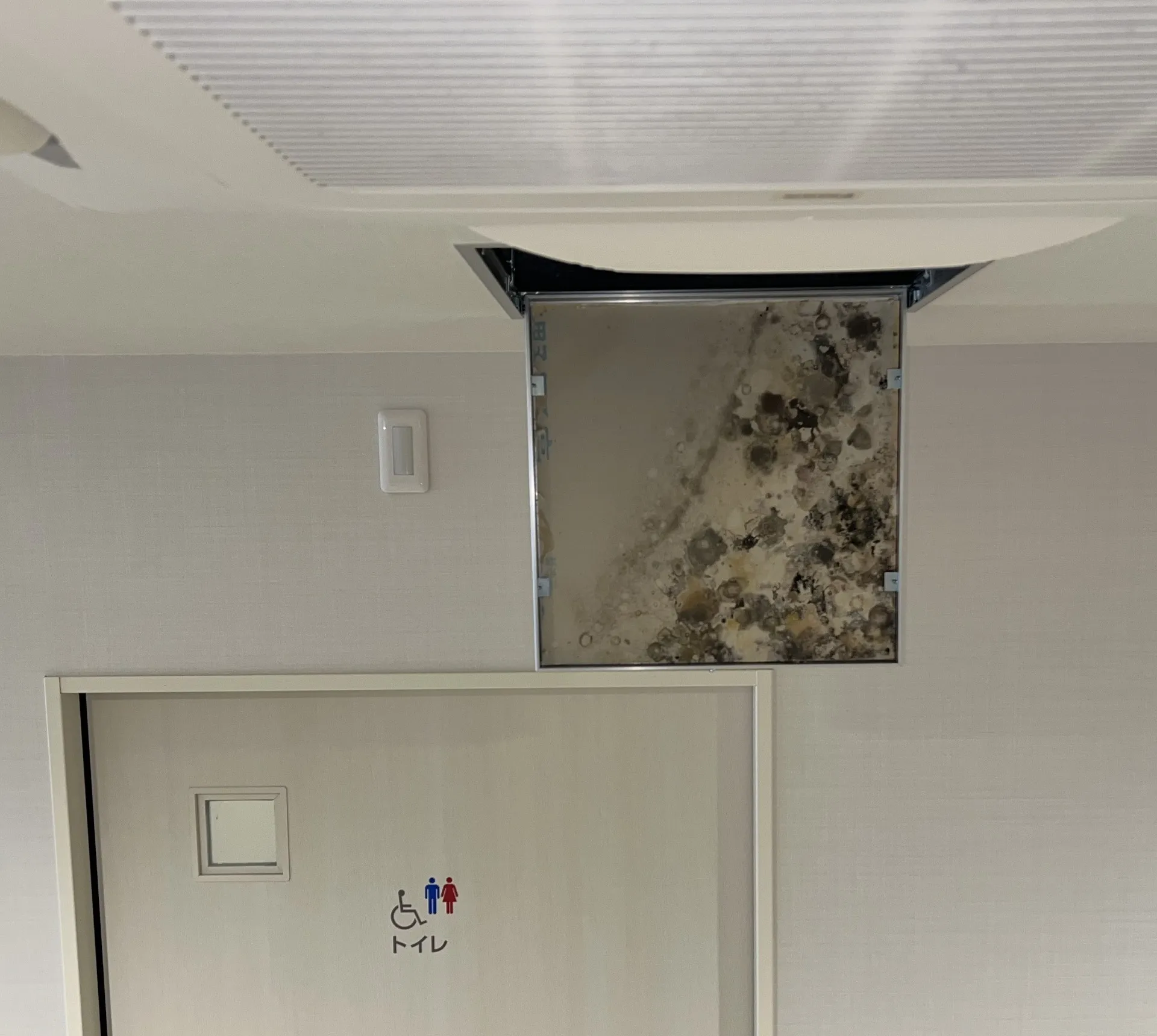
1. What Causes Mold Growth in Offices?
Mold thrives in warm, humid environments, and office spaces are no exception. When ventilation is poor, or there are hidden sources of moisture such as leaks, mold can grow unnoticed and spread quickly. In this section, we’ll explore the most common causes of mold growth in office environments.
1-1. High Humidity and Condensation as Mold Breeding Grounds
One of the biggest contributors to mold in offices is excess humidity. When the indoor humidity exceeds 60%, it creates a favorable environment for mold to grow. This often happens during the rainy season or in winter, when condensation forms on windows and walls due to temperature differences. Additional sources of moisture include frequent use of copiers and the presence of many people, both of which raise humidity levels. These conditions are especially problematic in poorly ventilated spaces, where mold can develop behind cabinets, under carpets, or within walls—often without being noticed.
1-2. Water Leaks, Pipe Damage, and Moisture Infiltration
Leaks from aging pipes, damaged walls, or poorly maintained roofs can introduce moisture into building structures, making them vulnerable to mold. Areas like underneath sinks, ceiling panels, and floors near plumbing are high-risk zones. Leaks in air conditioning drain pipes or behind appliances also often go unnoticed. Even small amounts of persistent moisture can lead to mold deep within walls or ceilings, requiring professional treatment. By the time visual signs appear, the damage is often more widespread than it seems.
2. The Impact and Risks of Mold in Office Environments
Mold doesn’t just affect appearances—it can also significantly impact the health of employees and the condition of the building itself. In many cases, people don’t even realize that ongoing discomfort or performance issues are related to mold. Understanding these risks is essential for maintaining a safe and productive workplace.
2-1. Health Effects: Allergies, Respiratory Issues, and Decreased Focus
Mold spreads spores into the air that are often inhaled without notice. These spores can trigger a range of health problems, especially in those with allergies or asthma. Common symptoms include nasal congestion, eye irritation, coughing, and fatigue. Even mild symptoms can reduce focus and energy levels, leading to decreased work performance across the office. Left unaddressed, mold exposure can result in long-term health concerns for employees.
2-2. Structural Damage and Negative Visual Impact
Beyond health concerns, mold can also cause serious damage to office interiors. It can stain walls, cause wallpaper to peel, and even lead to rotting in wooden structures. If left untreated, this damage can require expensive repairs or even renovation. Additionally, mold growth gives off a musty odor and creates an unsanitary impression, which can be off-putting to clients and visitors. Ultimately, this could harm your company’s reputation and image.
3. Common Office Areas Where Mold Grows and Key Inspection Points
Mold tends to develop in areas with high humidity and limited airflow—many of which are overlooked in daily office routines. Identifying these high-risk zones and implementing regular inspections can prevent mold before it becomes a serious problem. Below are the main areas in an office where mold is likely to appear.
3-1. Kitchens, Restrooms, and Storage Rooms with Poor Ventilation
Office kitchens, break rooms, and restrooms are naturally prone to moisture, making them ideal environments for mold. Under sinks, behind appliances, and around drains are especially vulnerable. Storage rooms and supply closets often have poor air circulation and may contain cardboard, paper, and fabrics—all materials that absorb moisture and promote mold growth. If you notice a musty smell when opening a door, mold may already be present inside.
3-2. Inside Air Conditioners, Vents, and Filters—Hidden Hotspots
HVAC systems are one of the most overlooked sources of mold in office buildings. Air conditioner units, especially those that cool and reheat air, generate condensation inside, creating an ideal breeding ground for mold. If filters are not cleaned regularly, they can spread spores throughout the office. Mold can also accumulate in ducts and vents where it’s not easily visible. Without regular maintenance, these hidden areas can silently worsen indoor air quality.
4. Basic Preventive Measures to Stop Mold Before It Starts
Preventing mold is far easier and less costly than removing it after it appears. That’s why daily awareness and basic environmental control are essential. Two of the most effective prevention methods are managing indoor humidity and maintaining proper air circulation. Here’s how to implement these strategies in your office.
4-1. Humidity Control: Use Dehumidifiers, A/C Settings, and Hygrometers
Keeping indoor humidity below 60% is key to preventing mold growth. Seasonal changes like the rainy season or winter heating can easily push humidity above safe levels. Installing a hygrometer in common areas allows you to monitor conditions regularly. Dehumidifiers and air conditioners with a dehumidify function can help control moisture in high-risk areas such as storage rooms or basements. For offices that remain closed over weekends or nights, automatic dehumidifiers can maintain ideal levels even when no one is present.
4-2. Enhance Airflow: Open Windows, Use Ventilation Fans and Circulators
Stagnant air causes moisture to accumulate in specific spots, creating a mold-friendly environment. Regular ventilation—even for a few minutes each morning or evening—helps refresh the air. Ventilation fans should run continuously in areas like restrooms and break rooms. For enclosed rooms with limited airflow, using air circulators can keep humidity levels more consistent throughout the space. For meeting rooms or storage areas with no windows, mechanical ventilation systems can be especially helpful.

5. Daily Cleaning Habits to Prevent Mold in the Office
Preventing mold doesn't always require special equipment—consistent daily cleaning can go a long way. By eliminating the dirt, dust, and moisture that mold feeds on, you significantly reduce the chances of it taking hold. Here are practical cleaning practices that can keep your office mold-free.
5-1. Regular Dusting and Dirt Removal to Eliminate Mold Nutrients
Dust, skin particles, and food debris are all sources of nutrients for mold. That’s why it’s important to clean not only visible areas but also often-forgotten spots like behind computers, under furniture, and along window sills. Wipe surfaces with a damp cloth instead of just vacuuming, to remove fine dust more effectively. Don't forget to clean trash cans regularly—not just empty them, but also wash and disinfect the bins themselves. Shared spaces such as meeting rooms and lounge areas should also be wiped down daily to avoid hidden moisture buildup.
5-2. Thorough Drying and Cleaning Around Water Sources
Water sources like break room sinks, restrooms, and kitchenettes are high-risk zones for mold. Always dry surfaces around faucets, sinks, and floors after use. Moisture left behind can quickly become a breeding ground, especially in dark corners or under sinks. It’s also important to keep cleaning tools like mops and cloths dry after use, as they can harbor mold if left wet. Periodically replacing or washing these items further reduces risk and helps maintain overall hygiene.
6. What to Do When You Discover Mold and When to Call a Professional
Even with the best preventive measures, mold can still appear. When it does, the key is to act quickly and appropriately. A delayed response can allow mold to spread, increasing both health risks and cleanup costs. This section outlines what you should do immediately and how to know when it’s time to contact a mold removal expert.
6-1. Take Action Within 48 Hours to Clean, Dry, and Contain the Mold
If you find mold, the golden rule is to respond within 48 hours. Mold can spread rapidly when moisture is present, so quick intervention is essential. First, dry the affected area completely—wipe down surfaces and eliminate any water sources. Then, clean using alcohol or a mold removal spray, taking safety precautions such as wearing gloves and ensuring proper ventilation. Be sure to check surrounding areas, as mold rarely stays isolated. Identifying the source of moisture is crucial to preventing regrowth.
6-2. Call a Specialist for Widespread or Hidden Mold Problems
If the mold covers a large area or is located in hard-to-access places—such as behind walls, under flooring, or inside HVAC units—it’s time to contact a professional. Store-bought solutions only clean the surface, leaving deeper mold untouched. This can result in the mold returning quickly. If you notice strong odors, visible staining over a wide area, or if employees are experiencing health issues, don’t wait. A mold remediation expert can assess the situation, treat the root cause, and apply long-term prevention methods to ensure safety.
7. Mold Prevention Through Proper HVAC Maintenance
HVAC systems (Heating, Ventilation, and Air Conditioning) play a central role in maintaining air quality in offices. If not properly maintained, these systems can become a source of mold growth and spread spores throughout the entire building. Below are essential tips for managing your HVAC systems to prevent mold buildup.
7-1. The Importance of Regular Filter Cleaning and Inspection
HVAC filters are designed to trap dust, allergens, and mold spores—but if they’re not cleaned regularly, they can become breeding grounds for mold themselves. Filters should be inspected and cleaned or replaced every 1–2 months, especially during seasons when air conditioning or heating is heavily used. In commercial systems, it’s wise to establish a maintenance schedule to ensure consistency and accountability. A clean filter not only helps prevent mold but also improves air circulation and energy efficiency.
7-2. Internal Duct and Air Conditioner Maintenance
Mold often forms inside air conditioners and ductwork due to condensation. If you notice mold spots on vents or detect a musty odor when the system is running, it’s likely that mold has developed inside. These internal components are difficult to access and should not be cleaned without proper expertise, as doing so may cause damage. It's recommended to have HVAC systems professionally inspected and cleaned at least once or twice a year. Routine servicing not only helps with mold control but also extends the life of the equipment and maintains a healthier work environment.
8. Using Anti-Mold Products and Physical Countermeasures
In addition to regular cleaning and humidity control, incorporating anti-mold products and physical preventive tools can further reduce the risk of mold in office spaces. Especially during seasons with high humidity or condensation, these solutions play an important role in long-term mold prevention. Here are some effective tools and how to use them.
8-1. Anti-Mold Sprays and Sheets: Usage and Effectiveness
Anti-mold sprays are easy to use and ideal for application on window sills, corners of walls, and air conditioning vents—anywhere mold is likely to grow. These sprays form a protective barrier that inhibits mold development. Anti-mold sheets can be placed in storage areas, under desks, or inside cabinets. They absorb moisture and help prevent mold buildup in confined spaces. While these products don’t provide instant or permanent solutions, they are highly effective when used regularly alongside routine cleaning.
8-2. Insulation and Condensation Prevention Tools to Lower Risk
In colder seasons, condensation becomes a key factor in mold growth. Installing insulation films on windows reduces the temperature difference between indoors and outdoors, which helps prevent water droplets from forming. Condensation-absorbing tapes placed along window frames can soak up moisture and stop mold from taking hold. For exterior-facing walls or corners prone to moisture, adding thermal insulation panels can reduce cold spots and maintain a more stable indoor environment. These physical countermeasures provide long-term value and are especially beneficial for offices with chronic humidity issues.
9. How to Make Mold Prevention Part of Your Office Culture
Mold prevention shouldn’t be the responsibility of a few—it requires ongoing awareness and participation from everyone in the office. Even with excellent infrastructure and cleaning systems, daily habits can undermine prevention efforts. This section explains how to establish a company-wide mindset and routine around mold control.
9-1. Educating Employees About Mold Causes and Risks
Start by raising awareness among employees about how mold forms and the risks it poses—not just to health but also to work performance and facility maintenance. Use internal emails, posters, or short presentations during meetings to share real examples of office mold problems. When people understand the concrete consequences, such as respiratory issues or costly repairs, they are more likely to take preventive actions seriously. Awareness is the foundation for lasting change.
9-2. Establish Mold Check Habits and Office-Wide Prevention Rules
Integrate mold checks into regular office routines. For example, designate a specific day each month for facility walkthroughs or assign staff to monitor moisture-prone areas. Create simple rules like “wipe down the sink after use” or “empty and clean trash bins daily.” You can also assign teams to monitor hygrometers in key locations and report humidity levels weekly. These tasks don’t require much effort individually, but together they build a culture where everyone actively contributes to a clean and mold-free workspace.
10. Building a Long-Term System to Maintain a Mold-Free Office
Temporary cleaning efforts are not enough to keep mold away. Long-term prevention requires a structured system of routine checks, environmental monitoring, and, when needed, professional support. In this section, we explore how to create a sustainable strategy for keeping your office mold-free.
10-1. Implement Routine Inspections, Humidity Tracking, and Professional Checks
Start by scheduling weekly or monthly inspections of high-risk areas such as kitchens, restrooms, and HVAC units. Use hygrometers to track humidity levels and keep a log of daily or weekly readings. If levels begin to rise, act quickly before mold forms. It's also important to partner with professional mold inspection and cleaning services at least once or twice a year. These experts can identify hidden risks and ensure thorough removal of mold in hard-to-reach places. Keeping detailed maintenance records allows you to compare trends and detect changes over time.
10-2. Integrate Mold Prevention Into Overall Facility Management
When dealing with mold-prone environments, consider professional anti-mold treatments as part of a larger facility care plan. Services like MIST Method®, which use specialized, material-safe agents, can remove mold without damaging surfaces. These treatments are safe for people and highly effective for long-term control. After removal, protective coatings or sprays can be applied to prevent future growth. Combining daily maintenance with expert care creates a comprehensive, proactive approach that protects both the workspace and the health of everyone in it.
Mold Removal and Office Renovation with Kabi Busters Osaka & Kabi Reform Tokyo/Nagoya
If mold appears in your office, simply cleaning it up visually won't solve the problem at its root. At Taikou Kensou Co., Ltd., we offer a unique one-stop solution: Kabi Busters Osaka and Kabi Reform Tokyo/Nagoya, which combine professional mold removal with full renovation services under a single roof.
Our proprietary MIST Method® uses specially developed mold removal agents that are gentle on materials but powerful against mold. Unlike conventional methods, we do not scrape or scrub surfaces—instead, we deeply penetrate materials to remove mold at the root without causing damage. Our agents are also safe for humans and suitable for sensitive environments like offices, elderly care centers, and nurseries.
After mold removal, we apply long-lasting anti-mold treatments that prevent regrowth. But that’s not all—Taikou Kensou also offers full renovation services. Whether your walls, flooring, or ceilings have been damaged by mold, or you simply want to revamp your office space for better hygiene and functionality, we can handle everything from design to construction.
With extensive experience in offices, commercial buildings, public facilities, and more, we deliver spaces that are clean, safe, and designed for long-term use. Our goal is to protect your work environment both aesthetically and structurally.
If you're looking for a reliable, comprehensive solution to mold problems in your office, Kabi Busters Osaka and Kabi Reform Tokyo/Nagoya—powered by Taikou Kensou Co., Ltd.—are your trusted partners for professional results.
---------------------------------------------------------------------
カビ取リフォーム
東京営業所
〒141-0022
東京都品川区東五反田2-5-2 YHE CASK GOTANDA6階
電話番号:090-8321-4408
名古屋本社
〒465-0028
愛知県名古屋市名東区猪高台1-1301 タイコウビル1F
電話番号 : 0120-588-766
サイト:https://taikou-kensou.co.jp/
大阪営業所
〒532-0003
大阪府大阪市淀川区宮原1-19-23
電話番号:080-6978-3068
カビバスターズ大阪
https://kabibusters-osaka.com/
【検査機関】
一般社団法人微生物対策協会
https://kabikensa.com/
----------------------------------------------------------------------