Protecting Home Value: Essential Mold Countermeasures Every Homebuilder Should Implement
2025/08/31
Thank you for visiting our blog today.
As highly airtight and insulated homes become the standard, mold has emerged as an invisible risk. The more comfort-focused the design, the more prone the home becomes to trapped moisture—a structural trait that often leads to mold issues after handover.
In this article, we provide a practical guide for homebuilders on how to effectively address the rising risk of mold in modern, high-performance homes. We cover specific strategies during the design, construction, and aftercare stages, supported by real-world examples and the latest technologies.
You’ll gain a clear understanding of how to select the right building materials, implement proper ventilation systems, and establish a reliable aftercare framework that builds trust with homeowners. This knowledge will help you protect both the quality of your homes and the value of your brand.
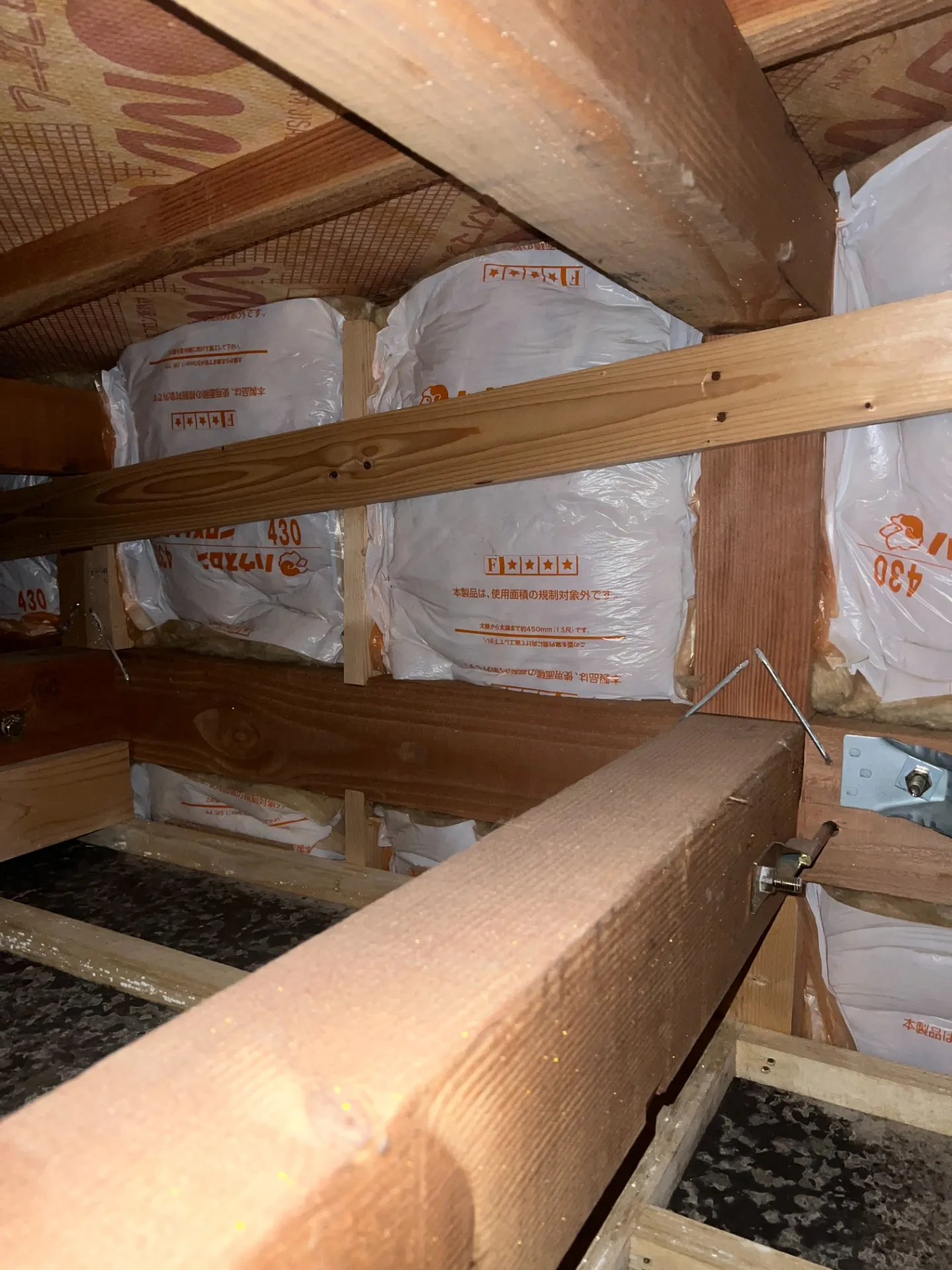
1.The Reality of Mold Risks in Highly Airtight and Insulated Homes
In recent years, homes have increasingly adopted high airtightness and insulation to enhance energy efficiency and indoor comfort. These specifications are highly valued by homeowners for reducing the impact of outdoor air and improving heating and cooling efficiency. However, this shift has also brought about a new, often overlooked challenge—the risk of mold growth in unseen areas of the home.
Highly airtight homes are designed to allow very little outside air in and trap indoor air inside. While insulation helps to minimize temperature fluctuations, the moisture generated inside the home—from breathing, cooking, bathing, indoor laundry drying, and humidifiers—has nowhere to escape. This leads to the accumulation of humidity indoors, creating ideal conditions for mold: moisture, warmth, and a food source. As a result, mold can quietly spread in areas that remain out of sight.
In fact, many residents of airtight, well-insulated homes report issues like “heavy condensation on windows during winter” or “mold forming behind furniture placed against the walls.” While condensation around windows is relatively noticeable, mold growth inside walls, beneath floors, or in attics can go undetected—progressing silently and eventually leading to material deterioration or structural damage.
Moreover, if insulation is improperly installed or if there are insufficient ventilation layers during the design or construction phase, internal condensation becomes more likely, accelerating mold growth in those areas. In wooden houses, this is particularly problematic, as beams and pillars easily absorb moisture. Once mold takes root inside the wood, it can spread internally, making it prone to recurrence even after surface cleaning.
For homebuilders, high-performance housing represents a critical product value, but it must be accompanied by proper risk management. Mold often becomes a post-construction issue that damages homeowner trust and can incur significant costs in aftercare and brand reputation. Therefore, it is essential to anticipate mold risks and incorporate countermeasures during the design phase.
As demand for airtight, insulated homes continues to grow, homebuilders must maximize performance while proactively addressing mold prevention through humidity control, ventilation planning, and appropriate material selection. A home that balances high performance with peace of mind is what today’s homeowners truly seek in their “ideal home.”
2.The Latest Ventilation Technologies Homebuilders Should Implement
As airtight and highly insulated homes become increasingly common, the quality of indoor air has come under renewed scrutiny. At the heart of this concern lies ventilation. In these airtight spaces, natural air exchange is negligible, making carefully planned ventilation systems absolutely essential. Without proper ventilation, indoor humidity accumulates—leading not only to mold and condensation, but also to elevated levels of carbon dioxide and harmful pollutants that can negatively impact occupants' health.
Today, many homebuilders include 24‑hour ventilation systems as a standard feature—also required by regulations. However, not all ventilation systems are created equal, and choosing the right method is crucial when aiming to prevent mold.
One particularly effective approach is the Type‑1 Mechanical Ventilation System, which actively manages both supply and exhaust air. Equipped with a heat exchanger, it adjusts the temperature and humidity of incoming outdoor air, bringing it to indoor comfort levels. For example, drawing in cold, dry air directly during winter can cool the interior and trigger condensation. The Type‑1 system avoids this by tempering incoming air close to room conditions, while efficiently expelling moisture-laden air to stabilize indoor humidity and significantly reduce mold risk.
Among advanced heat‑exchange systems, there are total heat exchangers and sensible-only (latent) heat exchangers, each with different performance and cost profiles. For homes in climates like Japan’s where humidity is high, especially during the rainy season and winter, total heat exchange systems are more effective because they help regulate humidity as well as temperature, maintaining a consistently comfortable indoor environment.
Moreover, the emerging field of smart ventilation systems—leveraging AI and IoT—allows for real-time monitoring of humidity, temperature, and CO₂ levels, automatically adjusting airflow without requiring user intervention. These systems offer peace of mind, particularly for dual-income families or households with elderly residents where constant manual control may not be feasible.
For homebuilders, ventilation is more than just an equipment feature—it represents invisible comfort and a commitment to occupant health. If you market high-performance homes, effectively communicating the system’s design and benefits to homeowners—and protecting against long-term air‑quality risks like mold—can be a powerful differentiator in your offerings.
3.Mold Prevention in Materials and Design: What Does a Moisture-Resistant Structure Look Like?
To prevent mold before it starts, everyday measures like dehumidification and cleaning are important—but even more effective is integrating mold-risk-reducing strategies during the material selection and structural design stages. For homebuilders, designing with a “mold-resistant home” mindset from the start is a powerful way to enhance both property value and homeowners’ satisfaction.
One key strategy is using moisture-regulating building materials. Interior wall finishes such as diatomaceous earth and Eco‑Carat automatically absorb moisture when humidity is high and release it when dry, helping to stabilize indoor humidity naturally. Installing these materials in areas prone to poor airflow—like bedrooms or closets—can be especially effective at preventing invisible mold growth.
Equally critical is the precision of insulation installation. Gaps between insulation and building surfaces allow cold air infiltration, which can lead to internal condensation, promoting mold growth within walls and eventually causing wood decay and structural deterioration. Thus, it’s not just about installing insulation, but doing it correctly—minimizing thermal bridges with rigorous workmanship. Strengthening technician training and inspection protocols enhances reliability in quality control for homebuilders.
Additionally, incorporating ventilation-friendly design is essential. Airtight modern homes tend to trap moisture indoors; therefore, design features like built‑in vents inside storage or creating airflow channels in walls or floors help facilitate natural air movement. This is particularly important in unseen areas like crawlspaces and attic spaces—improving ventilation there contributes significantly to long-term mold prevention.
Finally, water-prone areas, such as bathrooms, washrooms, and kitchens, require special attention in configuration and waterproof design. Using moisture-resistant materials for subfloors and surfaces, incorporating pitched surfaces to prevent pooling, and installing localized ventilation or dehumidification in areas like laundry or changing rooms—these steps reduce the risk of mold formation.
By embedding these considerations into architectural design—not just reacting to mold after it appears—homebuilders can substantially reduce future issues. Proposing a “design that prevents mold from taking hold in the first place,” rather than simply treating it once it appears, builds long-term trust and elevates brand value.
4.Learning from Real-World Cases: Mold Prevention Approaches by Homebuilders
As housing performance evolves, real-world construction and occupancy scenarios continue to present challenges—most notably, post-handover mold issues. Even if a newly completed dwelling shows no initial problems, mold frequently manifests after one or two years, directly impacting homeowner trust and satisfaction. How are homebuilders addressing this?
One proactive approach involves integrating airflow into the design phase, particularly at moisture-prone zones like storage areas or laundry spaces. For example, designers may incorporate small ventilation openings inside closets or around washing machines and arrange layouts that create natural airflow paths. These design choices help maintain better humidity control within the home.
In the construction phase, quality assurance becomes critical. Some builders have implemented detailed training programs and installation checklists to ensure insulation is tightly fitted and waterproofing is conducted with precision. By minimizing gaps between thermal insulation and structural elements—and confirming moisture barrier installation—these measures help prevent internal condensation and mold within walls.
After handing over the home, effective mold prevention continues through comprehensive inspections. During routine maintenance visits, builders visually check areas that are hidden but prone to mold, such as under floors, in attics, and inside built-in cabinetry. By catching potential issues before homeowners notice them, such inspections enhance after-sales satisfaction.
Some builders also provide new homeowners with a Mold Prevention Guide before move-in. This guide offers practical advice—how to use humidifiers, optimal ventilation duration, how to position furniture away from walls, and more. Reports show this guidance has led to reduced mold occurrence among residents.
These practices demonstrate that mold prevention isn’t achieved through a single solution or material, but through integrated strategies across design, construction, and aftercare. For builders looking to convey a sense of “lasting peace of mind,” both thoughtful building design and homeowner education are essential.
As housing performance levels rise, so does the importance of addressing the invisible adversary: humidity. By learning from these case studies and refining design, construction, and service practices accordingly, homebuilders can sustainably shape the future of the housing industry.

5. MIST Method® and the Reliability of Professionals: Safe Because It's Gentle on Materials
5. MIST Method® and the Reliability of Professionals — Safe Because It's Gentle on Materials
Effective mold control in housing goes beyond thoughtful design and construction—it also requires reliable follow-up actions when issues arise. Mold often embeds itself deeply in building materials, making surface cleaning insufficient to fully eliminate it. That’s why partnering with trusted specialists for mold remediation can significantly enhance homeowner confidence and the quality of after-sales support.
One standout solution is the proprietary MIST Method®, a versatile mold-removal and prevention technique. This method tailors its chemical strength and application process to match the specific material and type of mold, eliminating mold at its source without relying on abrasive scraping or harsh treatments. This gentle approach preserves the appearance and integrity of delicate surfaces such as wood, wallpaper, and tatami—an invaluable benefit for homebuilders who prioritize refined living environments.
Safety is another major advantage. The MIST Method uses powerful mold-breaking agents that are formulated with the well-being of people and pets in mind. This makes it suitable even for homes with small children or elderly residents. The combination of effectiveness and safety strengthens homeowner trust and helps minimize complaints.
Partnering with professional responders offers the greatest benefit: the assurance that deeply embedded mold can be addressed effectively. Accessible inspection isn’t sufficient for difficult-to-reach areas such as inside walls, under floors, or in attics. Attempting to tackle these issues in-house risks damaging materials and undermining customer trust. A dependable specialist bolsters the homebuilder’s support capabilities.
Moreover, the MIST Method doesn’t just remove mold—it includes a preventative treatment using a fine, penetrating mist that reaches deep into materials to stave off reoccurrence. This long-lasting protection preserves a home’s value and safeguards occupant health and peace of mind.
In summary, working with mold remediation experts plays a critical role in ensuring housing quality. For homebuilders, it’s not just about building homes—it’s about building homes that endure and earn lasting trust.
6.Post-Construction and After-Sales Mold Response Systems That Set Builders Apart
6. Post-Construction & After-Sales Mold Response Systems That Set Homebuilders Apart
It’s no exaggeration to say that a home’s true value is determined not at the moment of completion, but by the peace of mind it continues to deliver once occupants move in. Mold often emerges over time—months or even years after handover—and a “build and forget” approach can quickly erode homeowner trust. That’s why, for homebuilders, the quality of post-construction mold management within after-sales service has become indispensable.
A key strategy is incorporating mold-risk assessments into regular maintenance checks. This means proactively inspecting areas prone to moisture accumulation—such as attics, crawlspaces, north-facing walls, closets, and storage spaces—during routine visits. Visual inspections, supplemented by tools like hygrometers and infrared cameras, help detect hidden mold or internal condensation early, offering homeowners tangible reassurance.
Equally important is providing homeowners with actionable mold prevention guidance. Distributing a Mold Prevention Guide at handover or during the first annual inspection—covering topics like humidity control, furniture placement, and ventilation—is highly effective. This not only preserves comfort and longevity in their homes but also enhances the perceived value of your “educational” after-sales service.
Establishing a clear mold-response workflow is also crucial. For minor mold concerns, internal teams can follow standardized first-response procedures; for more severe cases, swift coordination with specialized professionals—such as experts using the MIST Method®—ensures efficient resolution and minimizes complaint escalation. Critical to this process are speed, transparency, and thoroughness. Any delay or vague communication can greatly damage brand perception.
Forward-thinking homebuilders are now adopting IoT-powered air quality monitoring services. These systems remotely track indoor humidity, temperature, and CO₂ levels, triggering alerts when anomalies arise. Providing this kind of “invisible reassurance” not only differentiates your brand, but also increases overall homeowner satisfaction and generates valuable referrals.
In today’s market for high-performance homes, after-sales service quality is a major differentiator. Instead of viewing mold control as mere cleanup or patchwork, it should be regarded as part of a broader branding strategy to maintain reliability over time. Homes age with their occupants, and so must your commitment to care—continuing long after the blue tape is removed.
7.Conclusion: A Comprehensive Overview of Mold Prevention Strategies for Homebuilders
So far, we’ve explored mold risks in high-performance homes—from design and construction to aftercare—and introduced specific countermeasures that homebuilders can implement. In this final chapter, we’ll synthesize these insights to outline a holistic mold-prevention strategy and offer practical guidance for future residential development.
First and foremost, mold prevention must be treated as an integral component of overall home performance. Just as homeowners value comfort and energy efficiency, they also expect a safe indoor environment free from excess moisture. High-performance homes, despite their many benefits, pose unique challenges in managing airflow and humidity. Proactive mitigation of these “invisible risks” is essential.
Mold prevention is inherently cross-cutting, involving design, materials, construction, ventilation, and aftercare:
Design Stage: Incorporate breathable structural layouts, airflow within storage areas, and moisture-resistant water zone configurations.
Material Selection: Use interior finishes with humidity-regulating or mold-resistant properties.
Construction: Ensure tight installation of insulation and reliable waterproofing to prevent moisture breaches.
Ventilation: Go beyond basic code-compliant systems by considering advanced options like Type 1 mechanical ventilation (with heat and moisture exchange) or smart IoT-enabled ventilation. These solutions should be tailored according to occupant lifestyle and local climate considerations.
After-Sales Service: Establish routines for inspecting moisture-prone areas, provide homeowners with actionable mold-prevention guidance, and maintain partnerships with mold specialists for rapid response.
Mold is a stubborn adversary—it can visibly appear within days and damage a home’s structure within months. However, most issues can be prevented with early intervention and informed practices. By clearly communicating these prevention strategies to clients, companies provide comfort, differentiate themselves, and build trust.
In the modern housing market, tomorrow’s top builders will deliver not just performance, but comfort and safety as well. Mold prevention underpins this “invisible quality.” If homebuilders revisit fundamentals—redefining what makes a mold-resistant home—and embed that mindset across all processes, they will truly represent the trusted, durable brands of the future.
How about enhancing your home's quality and reliability with professional mold solutions?
– Introducing Mold Removal Reform Tokyo & Nagoya, and Mold Busters Osaka-
As advancements in home performance continue, addressing the invisible threat of mold has become an unavoidable challenge for homebuilders. No matter how thoroughly preventive measures are incorporated during design and construction, unforeseen humidity issues or residents’ lifestyle habits can still lead to mold growth after handover. Having a reliable partner to address these concerns professionally and confidently can greatly enhance your brand’s credibility.
We are Mold Removal Reform Tokyo & Nagoya and Mold Busters Osaka, specialists in mold remediation and prevention using our exclusive MIST Method®. This technique customizes treatment based on the specific material and mold condition, eliminating mold at its core—without scraping, abrasion, or damage to the material’s surface. Our eco-conscious formula is gentle on both people and the environment, making it safe even in homes with small children or elderly family members.
After mold removal, we apply a fine mist of anti-mold agent that penetrates deeply into building materials to deliver long-lasting protection. This method is trusted even for preserving historic architecture, offering a powerful way to protect your home’s asset value.
Whether you require mold response during construction, aftercare support, or mold assessment during routine inspections, we are here to assist across many scenarios. To add genuine peace of mind to home performance, consider consulting mold experts like us.
---------------------------------------------------------------------
カビ取リフォーム
東京営業所
〒141-0022
東京都品川区東五反田2-5-2 YHE CASK GOTANDA6階
電話番号:090-8321-4408
名古屋本社
〒465-0028
愛知県名古屋市名東区猪高台1-1301 タイコウビル1F
電話番号 : 0120-588-766
サイト:https://taikou-kensou.co.jp/
大阪営業所
〒532-0003
大阪府大阪市淀川区宮原1-19-23
電話番号:080-6978-3068
カビバスターズ大阪
https://kabibusters-osaka.com/
【検査機関】
一般社団法人微生物対策協会
https://kabikensa.com/
----------------------------------------------------------------------