The Hidden Threat of Mold at Construction Sites: Types and Prevention Explained
2025/08/23
Thank you for reading our blog today.
One unexpected issue that can arise at construction sites is mold that develops during the building process. It often spreads in hidden areas, and if left unchecked, can lead to major problems after completion.
In this article, we’ll explain the types of mold commonly found during construction, explore the causes of their growth, and provide detailed guidance on effective prevention and treatment methods.
We’ll introduce practical steps you can implement on-site to reduce risks.
By understanding this information, you can improve quality control at your construction site and prevent future complaints—helping you deliver high-quality buildings that satisfy your clients.
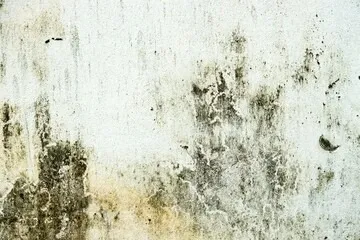
1. Common Types of Mold That Occur During Construction
Construction sites often create temporary environments where humidity and temperature conditions are ideal for mold growth. This is especially true because materials like wood and board products, which contain a high amount of organic matter, are commonly used. When humidity is not properly controlled, various types of mold can easily develop.
In this section, we’ll explain the most common types of mold that require special attention on-site.
1-1. Black Mold (Cladosporium)
Black mold is one of the most commonly observed types of mold on construction sites. It appears quickly in areas with high humidity and poor ventilation. Visually, it ranges from black to dark green and often grows on the surface of wood, wall materials, and joints in concrete. Belonging to the genus Cladosporium, this mold is not only unsightly but can also trigger allergies and respiratory problems, making it essential not to ignore. In its early stages, it can be removed using alcohol or sodium hypochlorite solutions, but if it has penetrated the material, professional treatment is required. Special care should be taken in areas where rainwater has entered and drying has been insufficient.
1-2. Fusarium Mold
Fusarium mold tends to grow when wood or building materials contain high moisture levels. It often spreads quietly in hidden areas such as insulation, inside walls, or wooden frames during construction. Fusarium may appear pinkish or whitish, making it harder to detect compared to black mold. However, it can deeply invade materials and weaken their structural integrity. Some types also produce mycotoxins, which are harmful to human health. Therefore, early detection and removal are crucial to prevent serious damage and health risks.
1-3. Other Common Household Molds (Aspergillus, Trichoderma, Alternaria, etc.)
In addition to black mold and Fusarium, other types like Aspergillus (commonly known as koji mold), Trichoderma (red mold), and Alternaria (sooty mold) can also appear on-site. These molds are often mistaken for dust or dirt at first glance but can rapidly spread across surfaces over time. This is especially true in tightly sealed new constructions, where limited airflow increases the risk of mold growth. Some of these molds can even break down paints and adhesives, leading to potential construction defects.
2. Main Causes of Mold Growth During Construction
Mold that develops during construction often goes unnoticed until visible damage appears. If mold is discovered after the building is completed, it can lead to serious trust issues with clients. That’s why it’s essential to understand the causes correctly and take thorough preventive measures. In this section, we’ll break down the main factors that commonly lead to mold growth on construction sites.
2-1. High Humidity and Poor Ventilation (Especially in Airtight, Highly Insulated Structures)
Modern buildings are increasingly designed with airtight and highly insulated structures to enhance energy efficiency. However, this creates an environment where moisture has no escape, and poor ventilation can lead to localized high humidity. During the rainy season or on consecutive rainy days, moisture from the outside can be easily absorbed by building materials, and construction may continue before these materials have fully dried. Additionally, the temporary enclosure of construction sites often traps moisture, further exacerbating the issue. These conditions combine to create an ideal environment for mold spores to germinate and spread.
2-2. High Moisture Content in Wood and Building Materials / Inadequate Drying
Wood and other building materials such as boards are typically shipped with controlled moisture levels. However, when materials are delivered in rainy weather or stored temporarily on-site, they can reabsorb moisture. Structural wood, in particular, must be thoroughly dried throughout—not just on the surface—as retained moisture can become a hidden breeding ground for mold. Boards and plywood may appear dry on the outside while remaining damp inside. If construction proceeds without confirming complete dryness, mold can emerge within just a few days. Moisture content checks before installation are a critical step in the construction process.
2-3. Nutrient-Rich Materials (Paint, Adhesives, Vinyl Wallpaper, etc.)
Mold requires not only moisture but also a source of nutrients to grow. Many materials used on construction sites contain substances that can feed mold. For example, water-based paints, wood adhesives, and plasticizers in vinyl wallpaper are common sources. When these materials are still drying or curing under humid conditions, they provide an ideal breeding ground for mold. Additionally, some materials contain hormones or organic compounds that attract specific types of mold. Proper handling and drying time management of these materials are essential on-site to prevent mold growth.
3. The Impact of Mold During Construction
Mold that appears during the construction phase is more than just a cosmetic issue—it can significantly affect both the integrity of building materials and the long-term health of future occupants. If left unaddressed, it may compromise structural components, lead to costly repairs, and damage the builder’s reputation. In this section, we’ll explore the two main areas of impact: material degradation and health risks.
3-1. Material Degradation and Rot (Wood Decay, Vinyl and Coating Deterioration)
The most serious issue mold causes for building materials is the deterioration and decay of the materials themselves. For example, black mold and red mold can penetrate from the surface into the interior of wood, significantly weakening its structural integrity over time. When mold appears on boards or plywood, wiping the surface is not enough—roots may remain inside and continue to spread later. If mold embeds itself in vinyl wallpaper or adhesives, it can cause bubbling in the coating or a loss of adhesive strength, leading to construction defects. Repairing such damage after completion can be extremely costly and time-consuming. That’s why it is critical to prevent mold growth during the construction phase.
3-2. Health Risks (Allergies and Respiratory Issues)
Mold poses not only aesthetic problems but also health risks by releasing spores into the air, affecting both workers and future occupants. Certain types, such as black mold and some strains of Aspergillus (koji mold), are known to trigger allergic reactions and may cause respiratory illnesses, skin irritation, headaches, and more. For construction workers, prolonged exposure to mold can lead to physical discomfort or health problems. If mold remains in a home after completion, it can harm the health of residents and severely damage the builder’s reputation. Therefore, mold should never be taken lightly—early detection and thorough removal are essential.
4. Preventive Measures You Can Take During Construction
4-1. Ensuring Ventilation and Managing Humidity (Important for Airtight Homes)
In highly airtight and insulated homes, airflow is restricted, making it easy for indoor humidity levels to rise rapidly. In such environments, simply opening windows or temporary doors is often not enough to ensure proper ventilation, leading to moisture buildup. To counter this, using forced ventilation methods—such as temporary fans or dehumidifiers—is highly effective. This is especially important during the rainy season or after wet weather, when materials take longer to dry. It's also recommended to install humidity sensors tailored to the characteristics of each site and monitor humidity regularly throughout the construction process.
4-2. Managing Wood Drying and Checking Moisture Content
Wood readily absorbs moisture, and when its moisture content rises, it becomes an ideal breeding ground for mold. Ideally, building materials should be delivered during dry weather, but if delivery during rain is unavoidable, it’s crucial to immediately wipe the materials with towels and dry them thoroughly in a well-ventilated area. When the moisture content exceeds 20%, the risk of mold growth increases dramatically. It’s essential to use moisture meters to perform regular checks and avoid progressing with construction in areas where the readings are high. Even if the surface appears dry, moisture may remain inside, so relying on measurements rather than visual inspection ensures more accurate assessments.
4-3. Choosing Mold-Resistant Materials (Such as Plaster and Antimicrobial Paints)
A final and highly effective prevention strategy is to select materials that are naturally resistant to mold. For example, traditional Japanese plaster (shikkui) is known for its excellent moisture regulation properties and mold-inhibiting effects. Additionally, many base materials and paints with antimicrobial and anti-mold properties are now widely available. These are especially recommended for moisture-prone areas like behind walls and around bathrooms. By selecting materials that match site conditions and client needs, you can help prevent long-term issues. Making smart material choices from the design stage is a key step in mold prevention.
5. How to Handle Mold When It Appears on Site
No matter how careful you are, mold can still develop due to weather conditions or construction schedules. What’s most important is early detection and proper response. If action is delayed, mold can spread to hidden areas, making the damage much more severe. In this section, we’ll explain two practical steps you can take on-site to effectively address mold when it appears.
5-1. Early Detection and On-Site Response (Cleaning, Drying, and Ventilation)
Regular site inspections are essential for early detection of mold. After rainy days or during the humid rainy season, special attention should be paid to areas prone to moisture buildup—such as behind walls, under floors, and around window frames. If mold is found, the first priority is to dry the affected area thoroughly. When possible, natural sunlight can be used; otherwise, fans and dehumidifiers are effective tools. Surface mold should be carefully wiped away using alcohol or mold removal sprays, taking care not to damage the materials. It's also important to identify the underlying cause of moisture and take corrective measures to prevent recurrence.
5-2. Inspection and Removal by Professionals (Scientific Analysis, Moisture Testing, etc.)
If mold is widespread, deeply embedded in materials, or accompanied by a persistent odor, it’s best to consult a professional mold remediation service. Experts can conduct scientific analyses to identify the type and depth of mold growth—something not visible to the naked eye—and recommend the most effective removal method. Techniques like the MIST Method® allow for deep cleaning without damaging the material and also include preventive treatments to stop regrowth. In addition, using specialized equipment to test for moisture content can help pinpoint the root cause of dampness, allowing for more effective, long-term solutions. While professional services may incur costs, early intervention can prevent major post-construction problems, making it a worthwhile investment.
Mold Removal and Prevention by Kabi Reform Tokyo & Nagoya, and Kabi Busters Osaka
Mold that develops during construction isn’t just a visual problem—it can lead to material degradation, future structural failures, and even pose health risks. That’s why Kabi Reform Tokyo & Nagoya and Kabi Busters Osaka are here to provide expert solutions backed by proven technology.
Our signature MIST Method® is an original mold removal technique designed to eliminate mold down to its roots without damaging the material. Unlike conventional methods that involve scrubbing or scraping, the MIST Method uses specially formulated agents tailored to each surface type, making it safe for use on wood and delicate construction materials. After removing mold, we also apply an anti-mold treatment to ensure long-term prevention and protection.
What’s more, our proprietary solutions have passed safety tests, including industrial wastewater standards, making them safe for use in facilities occupied by children and the elderly. With Kabi Busters, you can protect the aesthetic and structural integrity of your buildings without compromise.
If you notice any signs of mold at your construction site, don’t ignore them. Reach out to us as early as possible. We’ll assess the situation and propose the most effective treatment plan tailored to your project. Discover why builders who value quality and trust choose our professional mold prevention and remediation services.
---------------------------------------------------------------------
カビ取リフォーム
東京営業所
〒141-0022
東京都品川区東五反田2-5-2 YHE CASK GOTANDA6階
電話番号:090-8321-4408
名古屋本社
〒465-0028
愛知県名古屋市名東区猪高台1-1301 タイコウビル1F
電話番号 : 0120-588-766
サイト:https://taikou-kensou.co.jp/
大阪営業所
〒532-0003
大阪府大阪市淀川区宮原1-19-23
電話番号:080-6978-3068
カビバスターズ大阪
https://kabibusters-osaka.com/
【検査機関】
一般社団法人微生物対策協会
https://kabikensa.com/
----------------------------------------------------------------------