How to Prevent Mold Problems in Houses: A Complete Guide by Experts
2025/08/18
Thank you for reading our blog today.
Even in detached houses, mold is a problem that cannot be overlooked. It can develop at any time depending on the living environment, building materials, and construction methods. Many people feel uneasy knowing that mold can even occur in newly built homes.
In this article, we thoroughly explain the causes of mold in detached houses, the damage it can cause to both health and the building itself, effective prevention and removal methods, and when it’s best to consult a professional.
By reading this, you'll gain practical knowledge to prevent mold in your daily life and learn how to avoid recurrence—empowering you to maintain a safe and comfortable home.
1.What Causes Mold to Grow in Detached Houses?
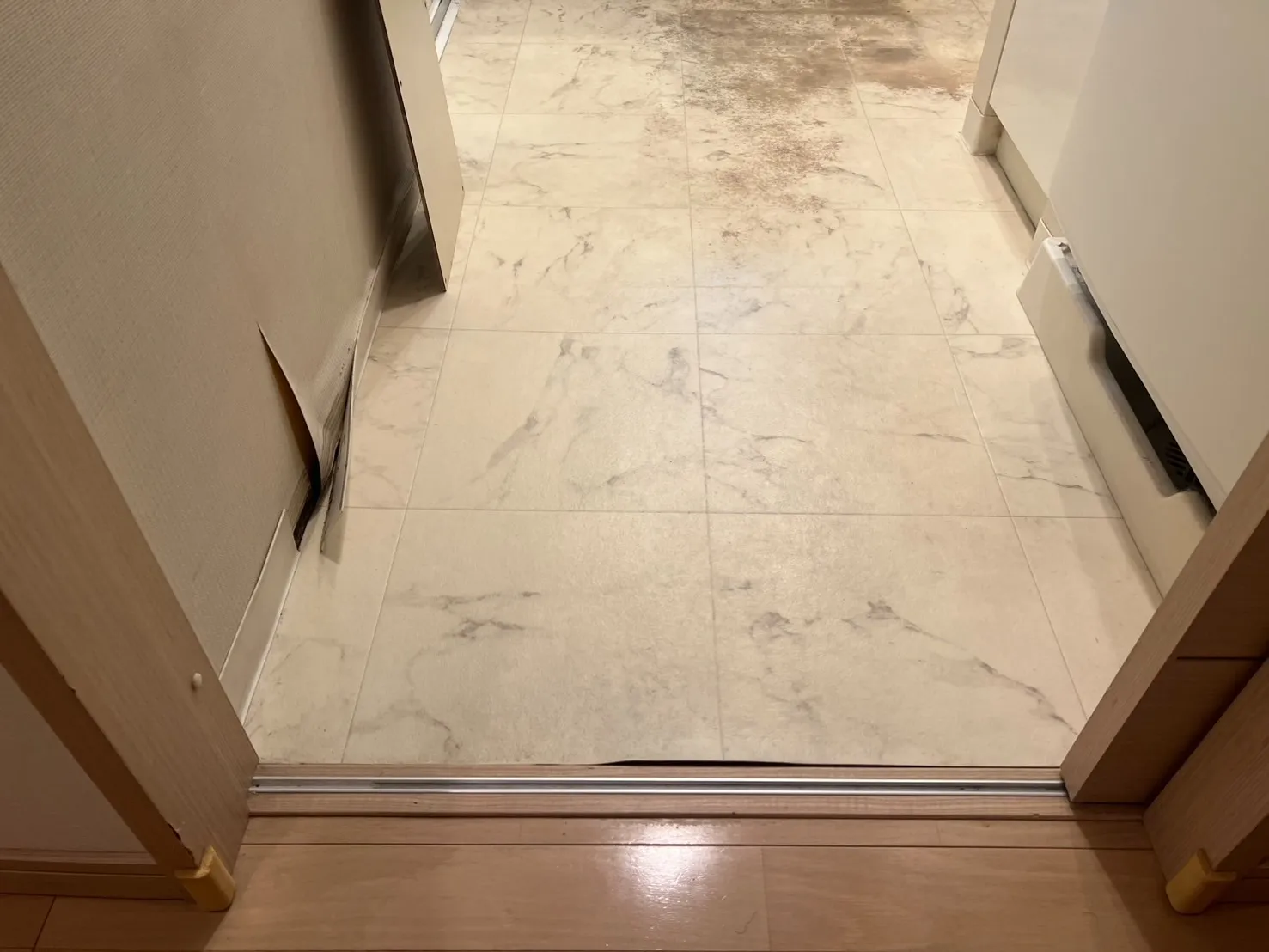
Mold can grow anywhere as long as there is moisture and a food source, but detached houses have some unique contributing factors. Modern homes, in particular, tend to be highly airtight and well-insulated, which can restrict airflow and trap moisture. As a result, mold can quietly spread in hidden areas without being noticed.
1-1. The Hidden Moisture Risks in Airtight, Well-Insulated Homes
In recent years, detached houses have commonly been built with airtight and highly insulated designs to improve energy efficiency. While this structure may seem comfortable at first glance, it actually increases the risk of trapped moisture, creating ideal conditions for mold to grow. A typical example of this is window condensation in winter, which indicates that indoor moisture is not escaping easily. Especially when the 24-hour ventilation system is turned off, the air becomes stagnant, and high humidity levels—favorable to mold—persist for extended periods. Areas with frequent moisture, such as bathrooms and kitchens, are particularly vulnerable. Without adequate ventilation, mold can quickly spread across walls and ceilings. Daily humidity control is crucial.
1-2. Mold Growth Due to Insufficient Drying of Building Materials or Poor Construction
If building materials are not sufficiently dried during the construction phase, residual moisture can later become a source of mold. In some new homes, interior work proceeds before the foundation concrete has fully dried, leaving behind moisture that may seep into walls or under floors. Additionally, if wood that has been exposed to rain is used during construction, mold can begin growing from that area and gradually spread. Furthermore, if moisture barriers or insulation are poorly installed, condensation may form inside the walls, providing an ideal breeding ground for mold. Therefore, quality control during construction—especially in unseen areas—is critically important.
1-3. How Land and Site Conditions Contribute to Mold Growth
In detached houses, not only the building structure and materials but also the land and site conditions significantly influence mold development. For example, homes built near rivers or on reclaimed land tend to have higher humidity levels year-round, which naturally encourages mold growth. In densely built-up areas, tall surrounding buildings can block sunlight and airflow, making it harder for indoor spaces to stay dry. Additionally, homes built on north-facing lots receive less sunlight, leading to exterior walls or certain interior areas remaining damp throughout the day. When these site conditions overlap, even regular indoor ventilation may not be enough to eliminate moisture problems at the root. Therefore, checking for good sunlight exposure and ventilation when building or choosing a home is the first step in mold prevention.
2.Dangerous If Overlooked! The Damage Mold Can Cause in Detached Houses
Mold doesn't just cause unpleasant sights and odors—it can also pose serious threats to both your health and the structure of your home. If left unnoticed and untreated in its early stages, it can lead to irreversible damage. That's why early detection and prompt action are absolutely essential.
2-1. Health Hazards and Allergy Triggers
One of the most serious problems caused by mold is its impact on human health. Mold is especially dangerous for those with allergies, young children, and the elderly. Inhaling airborne mold spores can lead to symptoms such as asthma, allergic rhinitis, and skin irritation. Mold hidden behind walls or in ceiling cavities, even if invisible, can spread through the air and negatively affect indoor air quality, often leading to health issues before anyone realizes the cause. Since we spend so much time in our homes, being aware of air quality is crucial for maintaining good health.
2-2. Aesthetic Damage, Structural Deterioration, and Property Value Loss
As mold spreads, it creates dark stains and discoloration on walls, ceilings, and floors, diminishing the home's appearance. This alone can affect the comfort of living, but the damage doesn't stop there. When mold roots penetrate deep into building materials, such as wood and insulation, it accelerates deterioration and compromises the structural integrity of the house. The longer it is left untreated, the more expensive the repairs become—and in severe cases, extensive renovations may be required. Additionally, if you plan to sell your home in the future, visible signs of mold can leave a negative impression on buyers and significantly reduce property value. Early mold detection and treatment are essential to preserving both aesthetics and functionality.
2-3. The Hidden Mold That Affects the Entire Home
The danger of mold lies not only in what you can see. Mold often grows in areas you can’t easily inspect—inside walls, under floors, or above ceilings. When mold develops in these hidden areas, its spores can spread unnoticed through the air, eventually reaching every corner of the house. These spores may circulate through ventilation systems or air conditioners, creating a chain reaction where mold reappears in multiple rooms. Mold growing within walls can also speed up the deterioration of building materials, reduce insulation effectiveness, and even corrode structural elements. Because these areas are out of sight, the damage is often severe by the time it is discovered, sometimes requiring large-scale repairs. Regular home inspections and professional mold assessments are vital for identifying and mitigating these hidden risks early.
3.Don't Let Your Guard Down—Mold Risks in Newly Built Detached Houses
Many people are surprised to find mold in a brand-new home. However, just because a building is new doesn’t mean it’s immune to mold. In fact, depending on construction practices and site conditions, new homes can sometimes be even more prone to mold growth.
3-1. Mold Caused by Foundation Moisture and Humidity During Construction
Even in newly built homes, moisture generated during the construction process can lead to mold growth. Concrete foundations, for example, retain a significant amount of moisture for some time after pouring. If interior work proceeds before the foundation has fully dried, moisture can become trapped inside walls or under floors. Additionally, using wood or insulation materials that got wet from rain during construction can leave residual moisture behind. Even if the house appears clean and finished on the surface, these hidden areas can quietly become a breeding ground for mold. To avoid such risks, it is essential to ensure thorough drying during construction and verify the builder’s quality control and moisture management practices.
3-2. How Location and Floor Plan Affect Moisture Accumulation
In new homes, site conditions and floor plan design can greatly influence how easily moisture builds up, which increases the risk of mold. For example, homes built in densely packed areas with poor airflow or on north-facing lots with limited sunlight are more likely to trap humidity indoors. Also, if storage spaces are tightly enclosed or ventilation outlets are poorly placed, air circulation becomes inefficient, making it harder for moisture to escape. Closets and built-in storage areas are particularly prone to high humidity, so it’s important to ensure proper airflow in these spaces from the design stage. Never underestimate how much location and layout impact your mold prevention efforts.
3-3. Key Points to Prevent Mold in New Homes
To prevent mold in newly built detached houses, measures should be taken not only after construction but from the very beginning of the building process. The first thing to check is the construction company’s quality management practices. It's important to confirm how well they handle building materials during rainy weather, manage humidity on-site, and ensure proper drying times during construction. Ventilation planning during the design stage is also critical. This includes checking for a 24-hour ventilation system, vents in closets and storage areas, and powerful exhaust systems in bathrooms and kitchens. Additionally, consider using a floor plan that promotes airflow and incorporating moisture-regulating building materials. After moving in, maintain indoor humidity between 40–60%, use dehumidifiers if necessary, and be strategic with furniture placement to ensure a mold-free living environment—even in a brand-new home.

4.What You Can Do Yourself: Everyday Measures to Prevent Mold
Mold prevention doesn't always require special construction work—there are many simple actions you can take in your daily life. By adopting a few small habits, you can significantly reduce the risk of mold throughout your entire home.
4-1. Control Humidity and Ventilation to Suppress Mold Growth
Mold begins to thrive when indoor humidity exceeds 60%. Therefore, keeping humidity levels in check is the first step in mold prevention. The ideal indoor humidity is between 40–60%, and using a dehumidifier or the dehumidifying mode on an air conditioner is highly effective. Proper ventilation is also crucial. In addition to running a 24-hour ventilation system correctly, simply opening windows in the morning and evening to refresh the air can help prevent trapped moisture. During moisture-heavy activities like cooking or bathing, be sure to use exhaust fans actively. For day-to-day monitoring, placing a hygrometer in your living room or bedroom is a smart way to keep tabs on humidity levels.
4-2. Wiping Condensation and Key Cleaning Tips
Window condensation in winter can easily lead to mold if left unattended. Make it a daily routine to wipe off moisture that collects on windows and sashes. Mold also feeds on dust and dirt, so regular cleaning is highly effective for prevention. Focus especially on areas prone to moisture buildup, such as behind furniture, inside closets, and around bathroom rubber seals. In closets or storage spaces, use dehumidifying agents or slatted shelves (like wooden grates) to ensure airflow. When cleaning, applying alcohol sprays or anti-mold sprays in mold-prone areas can further strengthen your prevention efforts.
4-3. Furniture Placement and Storage Tips to Encourage Airflow
Maintaining good air circulation indoors is essential for mold prevention. However, when large furniture is placed flush against walls, airflow behind the items is blocked, allowing moisture to accumulate. This trapped moisture can create an ideal environment for mold to grow behind walls or on the backs of furniture. To avoid this, leave a gap of about 5 to 10 cm between furniture and walls to allow air to flow. In storage areas, avoid overpacking and make sure ventilation openings aren't blocked. For enclosed spaces like closets or storage compartments, using slatted shelves and placing dehumidifiers can help prevent humidity from rising. Additionally, make a habit of regularly opening closet doors to refresh the air inside. Small adjustments in how you place and organize furniture can go a long way in preventing mold.
5.What to Do If Mold Appears: Proper Removal Methods and Key Precautions
No matter how careful you are, mold can sometimes develop without you noticing in your daily life. When that happens, the most important thing is to stay calm and handle it using the correct method. Using the wrong approach can actually cause the mold to spread further, so caution is essential.
5-1. Precautions When Using Store-Bought Mold Removers
Store-bought mold removers can be a convenient solution for tackling light mold problems. However, if used incorrectly, not only may they be ineffective, but they can also damage surfaces or pose health risks. Always ensure proper ventilation before use, and wear gloves and a mask to protect yourself. Since some materials may react negatively to bleach or other chemicals, it’s best to test the product on an inconspicuous area first. When treating rubber seals or wallpaper, avoid scrubbing the mold forcefully—instead, let the solution soak in and gently wipe it away. Scrubbing too hard can spread mold spores into the air. After treatment, be sure to wipe the area thoroughly with clean water and dry it completely.
5-2. When to Call a Professional Before Mold Spreads
If mold has spread over a large area or may be growing behind walls, under floors, or in ceiling cavities, it’s best to call a professional rather than trying to handle it yourself. Frequent recurrence of mold, even after cleaning, often indicates underlying issues like condensation, poor ventilation, or moisture trapped in building materials—all of which require expert evaluation. Professionals can identify the type of mold and its source, then use specialized solutions and techniques to eliminate it completely without damaging the surface. They also provide anti-mold treatments to prevent future growth. To protect your home and peace of mind, early consultation with a mold specialist is essential.
5-3. Aftercare to Prevent Mold from Returning
The most important step after removing mold is ensuring it doesn’t come back. Even if the mold is gone, leaving the same conditions in place often leads to a quick recurrence. The first priority is thorough drying of the area. Strengthen ventilation and use fans or dehumidifiers to eliminate remaining moisture. Applying anti-mold sprays or antibacterial coatings can also be effective for long-term prevention. Spaces prone to moisture, such as bathrooms, kitchens, and closets, require regular treatment. If the environment hasn’t changed since the mold appeared, a fundamental review may be necessary—rearrange furniture for better airflow, install a hygrometer, and keep indoor humidity at optimal levels. Mold often returns due to minor oversights, so paying attention to small daily details is key to maintaining a mold-free home.
6.Essential Preventive Measures to Keep Mold from Coming Back
6-1. Using Moisture-Control Building Materials and Anti-Mold Paint
To prevent mold from returning, reconsidering the building materials used in your home can be highly effective. Materials with moisture-regulating properties—such as certain wall and ceiling panels—can absorb and release moisture from the air, helping to maintain stable indoor humidity levels. For example, natural materials like diatomaceous earth and plaster, commonly used in traditional Japanese rooms, offer excellent humidity control and mold resistance. There are also many modern options, including moisture-regulating panels and insulation materials that blend seamlessly into Western-style interiors. Additionally, using anti-mold paints that contain fungicidal components can help create wall and ceiling surfaces where mold struggles to take hold. These materials offer long-term protection and can be easily incorporated during renovation projects.
6-2. Optimizing Furniture Placement and Indoor Airflow
How you arrange your furniture and manage your indoor space plays a key role in preventing mold from coming back. When furniture is placed flush against walls, airflow is blocked, creating pockets of trapped moisture. Leave a small gap—about a few centimeters—between furniture and the wall to promote ventilation. In storage areas, avoid overpacking and make sure not to block air vents. Regularly opening closet or cupboard doors helps refresh the air inside and prevents stagnant humidity. For overall humidity control, install a hygrometer to monitor levels, and use dehumidifiers or circulators as needed. Being aware of invisible moisture patterns and maintaining airflow throughout the house is one of the most effective strategies for mold prevention.
6-3. Seasonal Moisture Control for Year-Round Mold Prevention
While mold growth is most common during the rainy season and summer, consistent moisture control throughout the year is essential for preventing recurrence. Each season brings unique humidity challenges, and responding to them proactively ensures a cleaner, more comfortable home environment year-round.
In spring, as temperatures rise, humidity begins to increase—start using dehumidifiers early and ensure airflow in storage areas. During rainy and summer months, humidity peaks, so make full use of air conditioning’s dehumidifying function and enhance ventilation in kitchens and bathrooms.
In winter, the temperature difference between indoor and outdoor air leads to condensation. Wipe away window moisture promptly, and consider using insulation films or double-glazed windows to reduce condensation formation.
Also, consider rearranging furniture and storage spaces with each season to improve airflow and prevent moisture buildup in hidden corners. By regularly asking yourself, “What moisture countermeasures are needed right now?”, you can effectively and consistently prevent mold from returning throughout the year.
7.Architectural and Renovation Strategies That Effectively Prevent Mold
By choosing mold-resistant structures and materials during home design or renovation, you can implement long-term mold prevention measures. Making thoughtful decisions in the early stages of building your home can reduce daily maintenance while creating a safer and more comfortable living environment.
7-1. Structural Moisture Control with Vapor Barriers and Insulation
One of the main sources of mold growth is moisture trapped inside walls or under floors. To prevent this, the proper installation of vapor barriers and insulation is highly effective. Vapor barriers help stop moisture from rising up from the ground, especially when installed beneath the foundation or under flooring, helping to stabilize humidity levels throughout the home. Insulation, when placed correctly, prevents condensation caused by temperature differences between indoors and outdoors—reducing the risk of mold developing inside walls. In recent years, insulation materials with built-in humidity control have become available, enabling even more advanced moisture management. These structural improvements not only extend the lifespan of your home but also reduce the effort required for everyday mold prevention.
7-2. Improving Layouts in Humid Areas and Ensuring Airflow
When renovating, adjusting layouts in areas prone to high humidity is also essential. Bathrooms, kitchens, and laundry rooms without windows are especially vulnerable to moisture buildup. Adding ventilation windows or installing high-powered exhaust fans in these spaces can promote airflow and help reduce dampness. If storage areas are too tightly enclosed, humidity can accumulate inside, creating a breeding ground for mold. Installing vents or airflow grilles in closets or built-in storage spaces encourages air circulation and keeps mold at bay. Designing the floor plan with natural air pathways in mind across the entire house also helps regulate overall humidity, creating an environment where mold is less likely to develop.
7-3. Interior Materials That Resist Mold—Smart Renovation Choices
Renovation is the perfect opportunity to build a mold-resistant home, especially when it comes to choosing the right interior materials. The first thing to consider is moisture-regulating wall and ceiling materials. For instance, diatomaceous earth and EcoCarat tiles naturally absorb and release moisture, helping to maintain a balanced indoor humidity level. When choosing wallpaper, opt for products with anti-mold treatments, which are especially useful in rooms prone to high humidity. For flooring, vinyl or tile materials with excellent moisture resistance are ideal for bathrooms and kitchens, as they are water-resistant and easy to clean. By choosing materials based not only on design but also on functionality, you can create a home that balances mold prevention with long-term comfort and convenience.
8.Which Professional Services Can You Rely On for Mold Prevention in Detached Houses?
When mold has spread extensively or keeps coming back no matter how often you clean, there's a limit to what you can do on your own. That’s when it's time to call on professionals who specialize in mold removal and prevention. With their expert knowledge and techniques, they can provide a thorough and lasting solution to the problem.
8-1. Understanding Your Home’s Condition Through a Mold Inspection Service
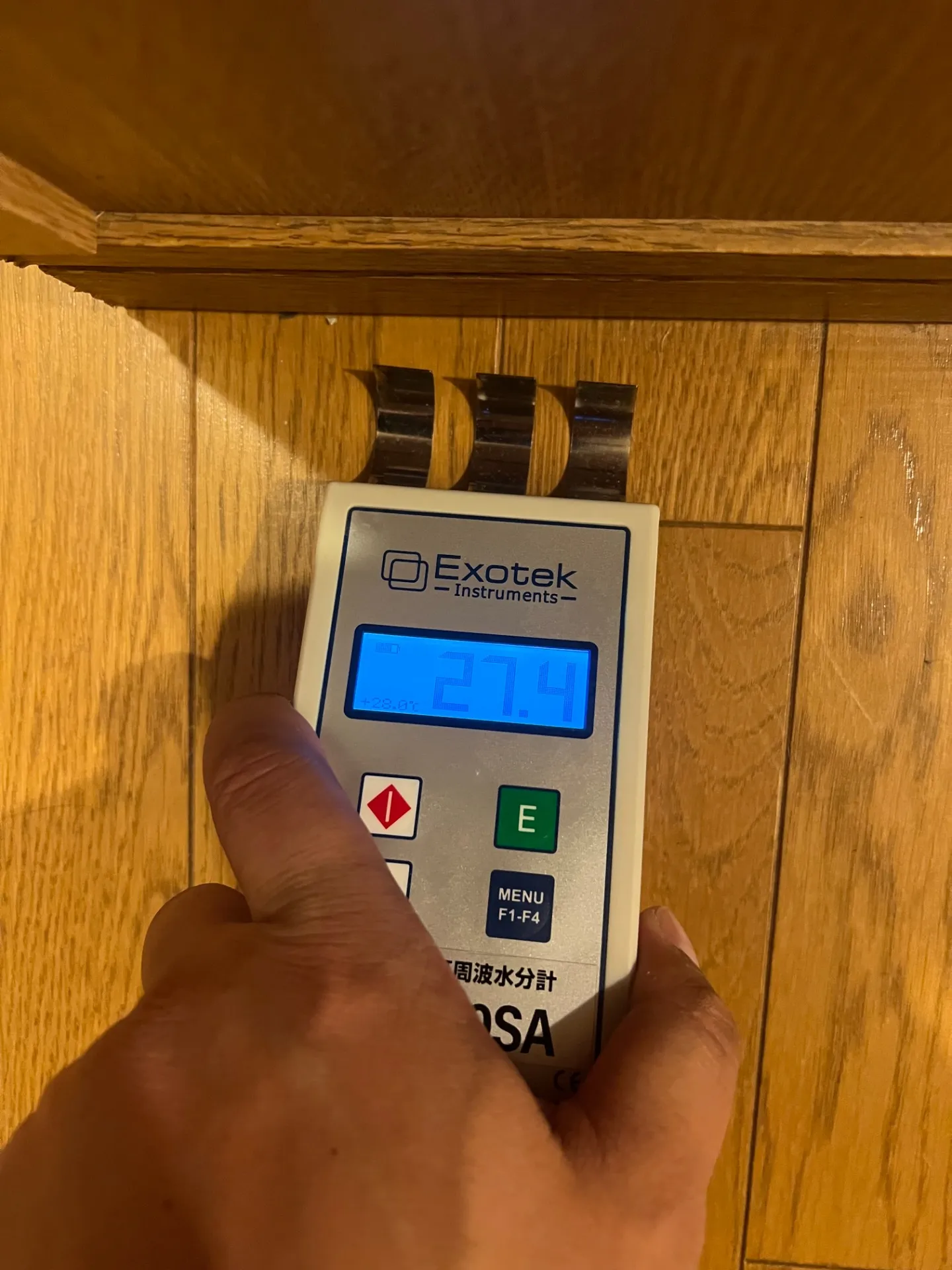
The first step in effectively tackling mold is understanding the current condition of your home and identifying the root cause. Professional mold inspection services go beyond visible mold—they assess hidden areas such as inside walls, under floors, and above ceilings. They also evaluate humidity distribution, condensation, and ventilation status, helping uncover issues that might be hard to detect on your own. This is especially useful for older homes or those where mold frequently appears during the rainy season. Based on the inspection results, professionals can recommend the most effective solutions, helping you avoid unnecessary treatments and costs.
8-2. The Mold Removal & Prevention Process and the Importance of Professional Consultation
When hiring a professional, the process typically begins with an on-site inspection to assess mold growth and the home’s structure. From there, the contractor will recommend the necessary removal procedures, types of treatment agents, and estimated duration of the work. Many reputable companies use specially formulated agents that are safe for humans and do not damage building materials. These agents allow for mold to be chemically broken down rather than physically scrubbed or scraped.
After the removal, anti-mold treatments are usually applied to prevent recurrence. Since each home presents unique conditions, thorough pre-consultation is essential. Costs can vary depending on the extent of mold, the material conditions, and required procedures. That’s why it’s important to reach out to a trusted professional, request a detailed quote, and fully understand the proposed services. Rather than guessing your way through the problem, relying on professional insight ensures a safe and reliable solution.
8-3. Key Points for Choosing a Reliable Mold Specialist
When hiring a mold remediation professional, choosing someone you can trust is critical. The most important factors to look for are proven experience and technical expertise. A contractor with specific knowledge in residential mold problems can offer tailored solutions based on your home’s structure and materials. Reviewing case studies and customer feedback on their website can give you a good sense of their reliability and capabilities.
During the diagnosis and quote process, observe whether they clearly and thoroughly explain the treatment plan. Avoid companies that proceed without transparent pricing or detailed explanations. Also, be sure to confirm the safety of the chemicals they use and whether they offer post-treatment support or warranties. For the health of your family and the safety of your living space, it’s vital to prioritize not just quick fixes, but long-lasting and safe solutions.
If you feel uncertain, consulting multiple companies for comparison is also a smart approach. Choosing a trustworthy professional is the first step toward effectively and permanently resolving your mold issues.
9.Mold Removal and Home Renovation? Trust "Kabitoreform Tokyo & Nagoya" and "Kabi Busters Osaka"!
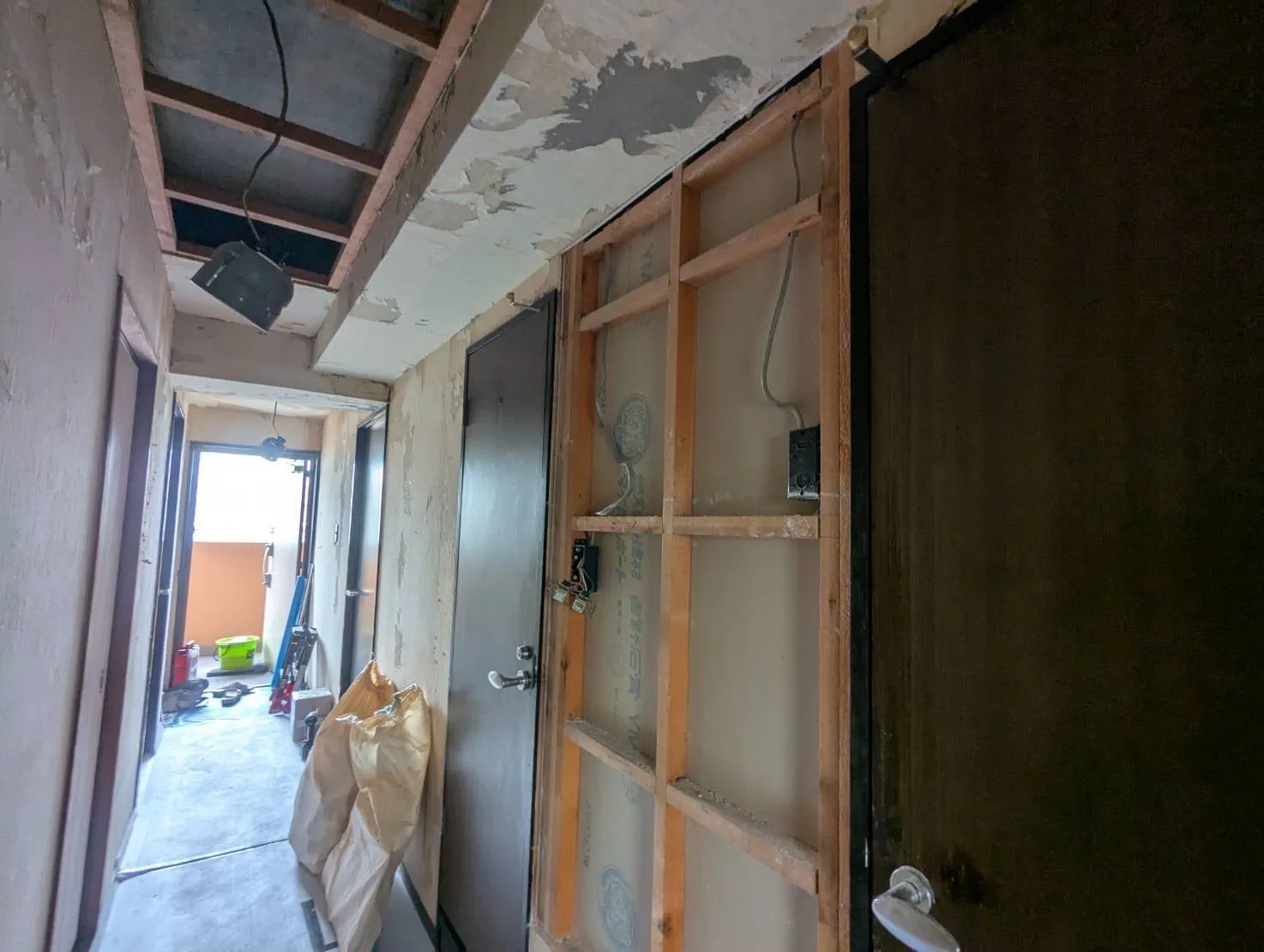
Mold problems in detached houses go far beyond unpleasant smells or unsightly stains—they can seriously affect both the structural integrity of the home and the health of its occupants. Mold that spreads in hidden areas such as inside walls, under floors, or above ceilings is particularly difficult to remove using household cleaners or store-bought products. That’s where we come in—“Kabi Busters Osaka” and “Kabitoreform Tokyo & Nagoya”.
These services are both operated by Taiko Kensō Co., Ltd., and our greatest strength lies in providing one-stop solutions that combine professional mold removal and home renovation. We not only eliminate mold but also address its root causes—such as structural vulnerabilities, poorly ventilated areas, and damaged materials—by offering comprehensive repair and remodeling. This eliminates the need to coordinate multiple contractors, saving both time and money while ensuring smoother service delivery.
We use our proprietary MIST Method®, which completely removes mold at the root without damaging delicate materials like wood or specialty surfaces. This advanced technique includes thorough anti-mold treatment after removal, dramatically reducing the risk of recurrence. All products used are safe for humans, making our service ideal for households with young children or the elderly.
In addition, Taiko Kensō’s renovation division goes beyond basic repairs. We specialize in designing comfortable living spaces that are resistant to humidity and mold recurrence. Our renovation work includes the use of moisture-regulating materials, improvements to ventilation and insulation, and layout modifications to eliminate moisture-prone zones. We have extensive experience in practical, mold-integrated renovations and offer full support—from pre-inspection to post-service follow-ups—to enhance the safety, comfort, and long-term value of your home.
---------------------------------------------------------------------
カビ取リフォーム
東京営業所
〒141-0022
東京都品川区東五反田2-5-2 YHE CASK GOTANDA6階
電話番号:090-8321-4408
名古屋本社
〒465-0028
愛知県名古屋市名東区猪高台1-1301 タイコウビル1F
電話番号 : 0120-588-766
サイト:https://taikou-kensou.co.jp/
大阪営業所
〒532-0003
大阪府大阪市淀川区宮原1-19-23
電話番号:080-6978-3068
カビバスターズ大阪
https://kabibusters-osaka.com/
【検査機関】
一般社団法人微生物対策協会
https://kabikensa.com/
----------------------------------------------------------------------