Moisture-Resistant Renovation: Essential Strategies to Prevent Mold in Wet Areas
2025/08/05
Thank you for visiting our blog today.
Bathrooms, kitchens, and other wet areas tend to trap moisture, making them prime spots for mold growth. Not only does mold negatively impact the appearance of your home, but it can also pose serious health risks. That’s why it’s essential to address the issue at its root through proper renovation rather than leaving it unattended.
In this article, we explore why mold forms, practical moisture-control strategies for wet areas, key points for effective renovations, precautions to consider, and estimated costs.
By reading this article, you'll gain practical knowledge to improve your home's wet-area environment. It's your first step toward preventing mold recurrence and achieving a cleaner, more comfortable living space.
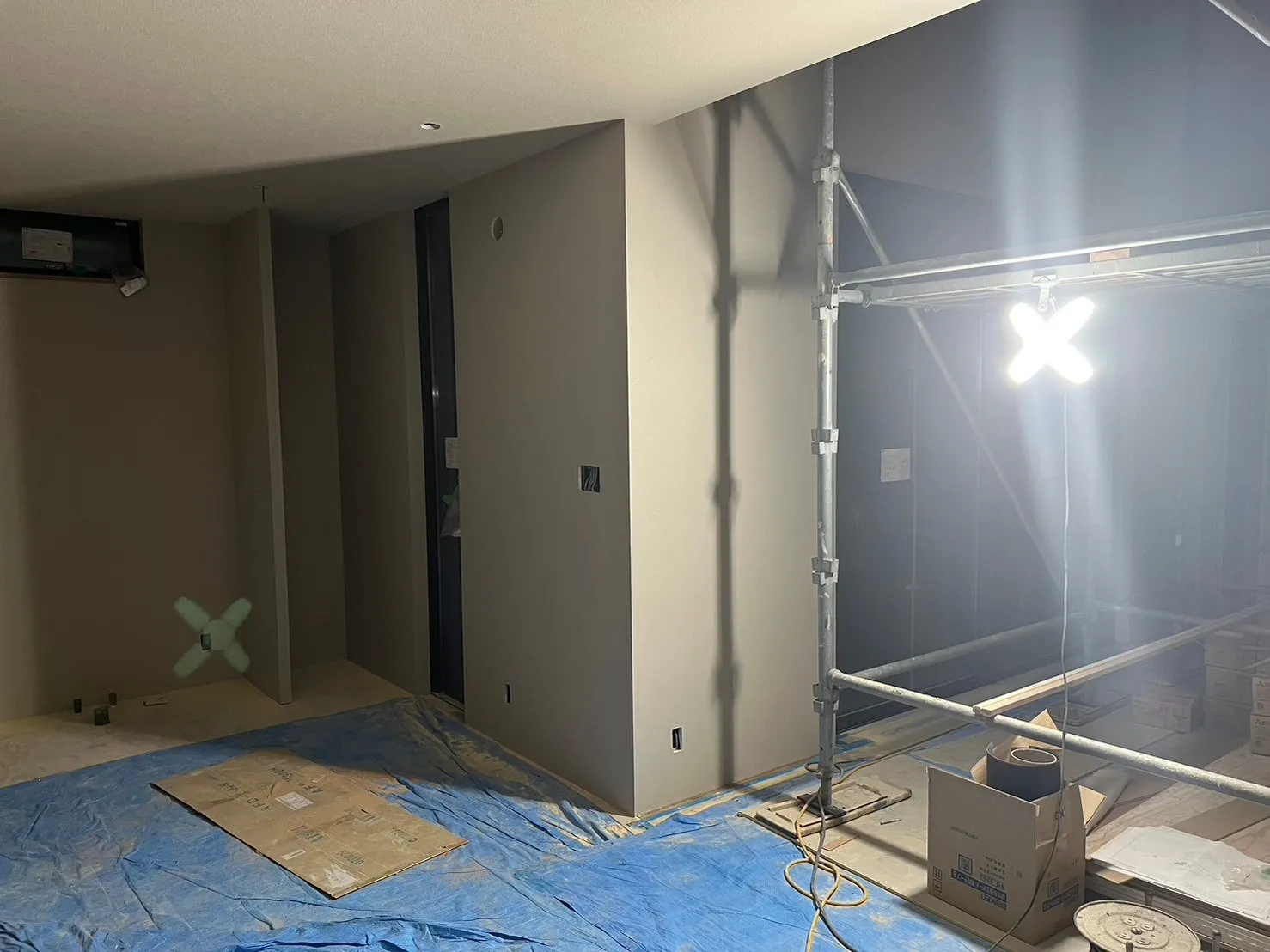
1. Basics of Renovation and Mold Prevention
When considering a home renovation, it’s important to focus not only on aesthetics and functionality but also on mold prevention. This is especially crucial in wet or poorly ventilated areas, where mold growth can accelerate the deterioration of the building and negatively impact residents’ health. To effectively resolve this issue through renovation, it’s essential to first understand the causes of mold and how renovation can be used as a solution.
1-1. Causes and Impact of Mold Growth
Mold thrives when three key conditions are present: temperature, humidity, and nutrients. Japan’s humid climate, especially in summer, creates ideal breeding grounds for mold in areas like bathrooms, around windows where condensation occurs, and poorly ventilated storage spaces. If left untreated, mold doesn’t just stain surfaces—it can corrode building materials and even cause allergies or respiratory illnesses. In other words, mold is not just a cosmetic issue; it poses a serious threat to the safety and quality of your living environment.
1-2. Mold Prevention Measures Possible Through Renovation
Mold prevention through renovation can be divided into two main strategies: removal and prevention. First, existing mold must be completely eliminated by professionals. Then, preventive measures should be implemented—such as applying mold-resistant paints or replacing wall materials, improving ventilation systems, and upgrading insulation. Incorporating these measures into your renovation plan helps not only improve aesthetics but also create a long-lasting, clean, and healthy living space.
1-3. Why Mold Prevention Should Be Part of Your Renovation Plan
A renovation is the perfect opportunity to implement mold prevention because it provides access to hidden structural areas. Mold growing behind walls or beneath floors can’t be reached through ordinary cleaning, and if overlooked, it can reappear after the renovation. During construction, it’s also easier to install ventilation upgrades, improve insulation, and apply anti-mold materials efficiently. To maintain a mold-free and comfortable home, it's essential to address the root causes—not just the visible symptoms. That’s why including mold prevention in your renovation plan is not just recommended—it's essential.
2. Common Areas Where Mold Tends to Grow and Their Characteristics
Certain areas in the home are particularly prone to mold growth, and they share some common characteristics: high humidity, poor air circulation, and accumulated dirt or moisture. To implement effective mold prevention through renovation, it’s important to first identify these mold-prone areas and understand why they are vulnerable. In this section, we’ll take a closer look at the most common places where mold tends to appear and the specific conditions that make them susceptible.
2-1. Wet Areas (Bathrooms, Kitchens, and Washrooms)
Wet areas such as bathrooms, kitchens, and washrooms are constantly exposed to large amounts of water, resulting in consistently high humidity—an ideal environment for mold. Mold tends to spread in hard-to-clean spots like tile grout, caulking, and behind sinks. Bathrooms, in particular, often retain heat, creating conditions that are especially favorable for mold growth. During renovation, it’s crucial to improve ventilation and use building materials with mold-resistant properties to prevent moisture buildup.
2-2. Areas Prone to Moisture Accumulation (Walls, Windows, and Crawl Spaces)
Mold is also frequently found behind walls, around windows, and in crawl spaces. In winter, condensation can deposit significant moisture on walls and window frames. If this moisture doesn’t dry out completely, mold will quickly develop. Crawl spaces, which lack sunlight and airflow, are especially prone to trapped humidity and hidden mold growth. Effective renovation for these areas includes installing insulation, using moisture-regulating building materials, and applying mold-resistant coatings. Since mold can be difficult to detect in these areas, thorough pre-renovation inspections are essential.
2-3. Poorly Ventilated Spaces Like Closets and Storage Areas
Closets and storage spaces are often sealed shut for long periods, limiting airflow and allowing even small amounts of moisture to linger and accumulate. These areas commonly contain moisture-absorbing items like futons, clothing, and cardboard boxes, which serve as ample nutrients for mold. Renovation efforts should include installing ventilation vents, replacing interior materials, and incorporating humidity-regulating solutions. Adding ventilation or dehumidification features inside storage spaces can significantly reduce the risk of mold recurrence.
3. Specific Mold Prevention Strategies Through Renovation
When renovating for mold prevention, it's not enough to simply refresh the appearance of your home—functional improvements are essential to prevent mold from coming back. The key lies in choosing the right materials and incorporating appropriate systems. In this section, we’ll introduce specific renovation techniques that have proven to be effective in controlling mold.
3-1. Using Mold-Resistant Paints and Antibacterial Materials
For large surfaces such as walls and ceilings, applying mold-resistant paint or installing mold-resistant wall materials can provide long-term protection. In high-humidity areas like bathrooms and kitchens, it’s wise to use surfaces that are less likely to support mold growth or are treated with water-repellent coatings. Similarly, choosing antibacterial and mold-resistant flooring—such as certain vinyl or cushioned materials—can help suppress the growth of invisible microorganisms. These materials also come in a variety of designs, allowing you to maintain a stylish interior while improving hygiene and comfort.
3-2. Installing Ventilation Systems, Enlarging Windows, and Enhancing Insulation
Creating airflow is fundamental to preventing moisture accumulation. Renovations that include adding ventilation fans or installing advanced ventilation systems are highly effective. In enclosed areas like bathrooms, washrooms, and closets, systems that offer 24-hour ventilation are especially recommended. Enlarging windows or repositioning them can also promote natural airflow. Additionally, reinforcing insulation or replacing single-pane windows with double-glazing helps reduce condensation, which in turn lowers the risk of mold. These combined improvements in ventilation and insulation are key to long-lasting mold prevention.
3-3. Insulating and Controlling Moisture in Floors and Walls
One often overlooked source of mold is the hidden moisture within walls and beneath floors. Crawl spaces in particular tend to trap humidity due to poor airflow, making them susceptible to mold growth on wood and insulation materials. A smart approach during renovation is to re-evaluate the type and placement of insulation. Materials with humidity-regulating properties can naturally absorb moisture when it’s high and release it when it’s dry, helping maintain balanced humidity levels. Installing moisture barriers or additional vents in crawl spaces also helps create airflow and remove trapped moisture. Paying attention to these unseen areas is essential for maintaining a healthy home over the long term.
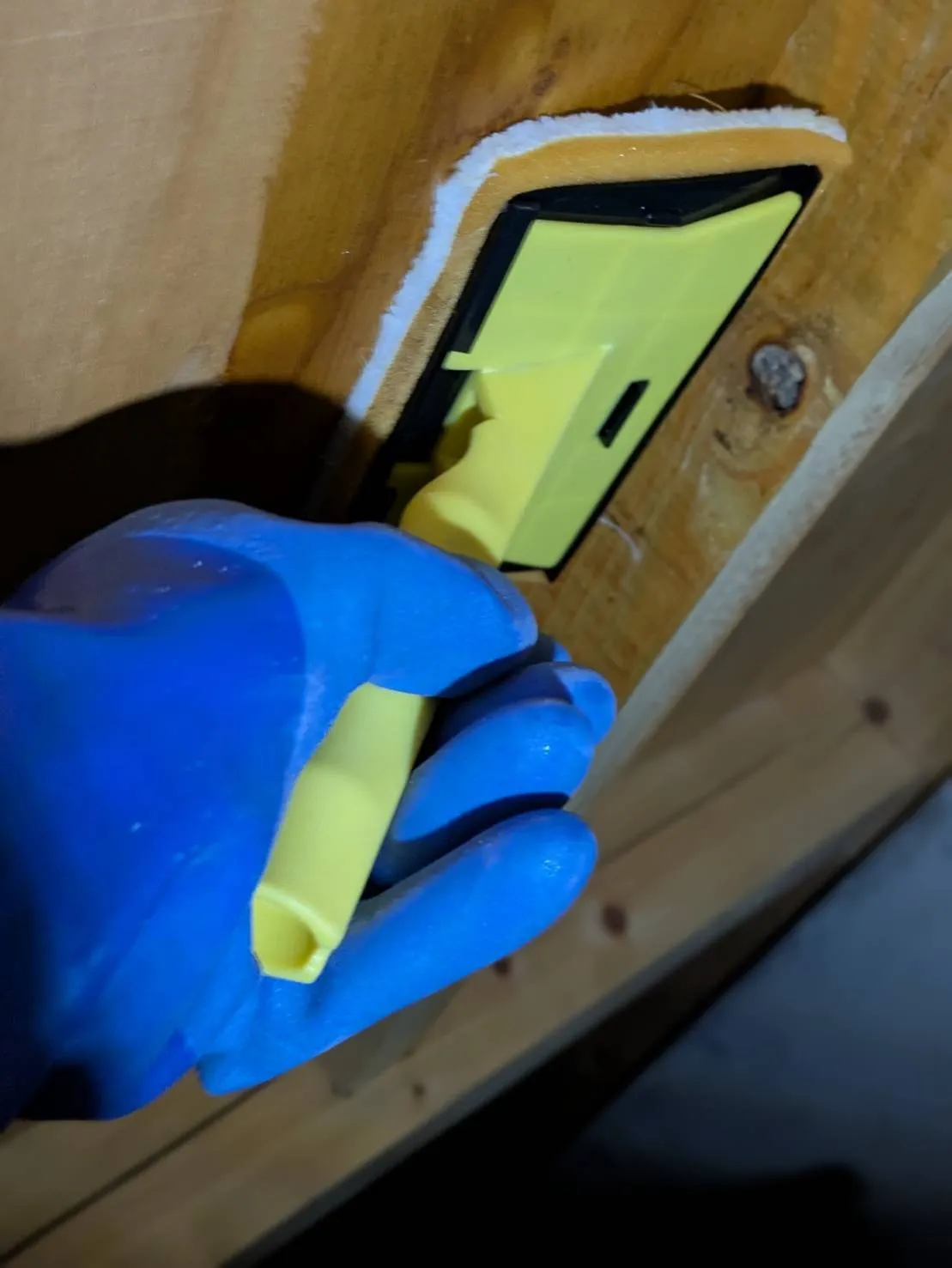
4. Mold Removal Before Renovation and Key Precautions
To ensure the success of a mold-prevention renovation, it is crucial to thoroughly remove any existing mold before the renovation work begins. Simply cleaning the surface is not enough—if mold remains inside walls or materials, it can regrow and ultimately undermine the entire renovation. In this section, we’ll explain why pre-renovation mold removal is necessary and highlight key precautions to take during the process.
4-1. Why You Should Remove Existing Mold Before Renovation
During renovation, it’s common to tear off parts of walls or floors and layer new materials over existing structures. If mold remains underneath, it can begin to spread again behind the new materials, remaining hidden from view. This can lead to mold gradually developing beneath the surface and reappearing years later—even though everything looks clean on the outside. Materials like wood and insulation, which retain moisture easily, are particularly vulnerable and can be extremely difficult to clean once mold takes hold. This is why a thorough inspection and professional mold removal are essential before starting any renovation work.
4-2. DIY Risks vs. Professional Mold Removal
When mold is visible, many homeowners think, “I’ll just clean it myself before renovating.” However, over-the-counter cleaners and bleach can only remove surface mold. Most of the time, the mold’s roots remain inside the material and are not fully eliminated. Worse, improper handling can release spores into the air and cause the mold to spread to other parts of the home. In contrast, professional mold specialists can identify the mold type and extent of growth, and apply targeted treatments and materials tailored to the surface involved. They also provide follow-up treatments such as anti-mold coatings, ensuring the home stays clean even after renovation. For lasting peace of mind, relying on professional expertise is the safest approach.
4-3. Commonly Overlooked Mold Hotspots
Many areas that should be checked for mold before renovation are not visible on the surface. Mold often hides in unexpected places—such as behind wallpaper, deep in closets, inside air conditioning units, in attics, and beneath floors. These spots tend to trap moisture and lack proper airflow, making them perfect breeding grounds for mold. Telltale signs include slightly peeling wallpaper or a faint musty odor, which could indicate mold activity behind the scenes. Mold can also accumulate inside AC units and be released throughout the room during operation. Crawl spaces, in particular, are highly susceptible to moisture and can lead to wood rot if not addressed. Having a mold specialist inspect these commonly overlooked areas before renovation is a vital step toward building a safe and mold-free home.
5. Moisture Control Including Condensation Prevention
Moisture—the main cause of mold—is closely linked to condensation, which occurs especially during the winter months. When warm indoor air comes into contact with cold windows or walls, it turns into water droplets. If this moisture remains on surfaces such as wallpaper, flooring, or window frames, it can become a starting point for mold growth. In renovation projects, controlling moisture is a critical element of effective mold prevention. By improving insulation, enhancing ventilation, and incorporating humidity-regulating materials, you can create a more comfortable and mold-resistant living environment.
5-1. Improving Temperature and Humidity Balance Through Insulation Renovation
The root cause of condensation is the difference in temperature between indoor and outdoor environments, which causes moisture in the air to condense. To eliminate this temperature gap, insulation renovation is highly effective. For example, applying high-performance insulation to exterior walls, ceilings, and floors helps stabilize indoor temperatures and prevent condensation. Window upgrades are particularly impactful—replacing old windows with double-glazed glass or insulated vinyl frames can stop cold window surfaces from producing condensation. This kind of temperature management also supports humidity control, helping to create an environment where mold is less likely to develop.
5-2. Utilizing Crawl Space Ventilation and Humidity-Control Materials
Moisture tends to accumulate in hidden spaces like inside walls or beneath floors. One effective countermeasure is to improve ventilation in these areas. Installing crawl space ventilation fans or natural air vents encourages airflow and helps expel moisture rising from the ground. Additionally, humidity-regulating materials—which absorb moisture when it’s high and release it when it’s dry—are gaining popularity. Incorporating these materials into walls and ceilings allows for automatic indoor humidity control. Including such features during renovation can prevent moisture buildup in hidden areas and dramatically reduce the risk of mold.
5-3. Combining Better Living Habits with Renovation
Alongside renovation-based solutions, reviewing daily habits can greatly enhance moisture control efforts. For instance, avoid drying clothes indoors, ventilate rooms frequently, and keep furniture slightly away from walls to allow airflow. These small changes can go a long way in preventing trapped humidity. It's also important to adopt habits like wiping down the bathroom after use or opening windows to release steam. Even if insulation and ventilation are improved through renovation, moisture-accumulating behavior in daily life can undermine the benefits. That’s why renovation is a great opportunity to raise your family’s awareness of moisture management and create a cleaner, healthier indoor environment that actively prevents mold from returning.
6. Tips and Precautions to Avoid Failure in Mold-Related Renovations
Renovations aimed at mold prevention can sometimes lead to unexpected problems or raise concerns. To avoid issues during or after construction, it’s important to understand common pitfalls and frequently asked questions in advance. In this section, we’ll clearly explain real-world scenarios where problems often occur—and provide practical strategies to prevent them.
6-1. Impact of Renovation on Daily Life
During renovation work, noise, dust, and the movement of construction workers can affect your daily routine. In particular, when wet areas like bathrooms or kitchens are being renovated, these facilities may be temporarily unavailable. This makes it essential to coordinate schedules in advance and confirm whether temporary alternatives will be provided. For households with small children or pets, additional safety precautions are also necessary. To proceed with peace of mind, it’s important to get a clear explanation of the scope of work, duration, and how the renovation may affect daily life—well before construction begins.
6-2. Causes of Mold Recurrence and How to Prevent It
Many homeowners experience mold recurrence even after renovation. In most cases, this happens because the visual aspects were improved, but the underlying moisture problem was not properly addressed. Additionally, poor post-renovation habits—such as inadequate ventilation—can also contribute to mold returning. To prevent recurrence, it's essential to combine thorough mold removal with anti-mold treatments, while also tackling the root causes like insufficient insulation or poor ventilation. Regular airflow and cleaning after the renovation are also key to keeping mold at bay. When selecting a contractor, it's crucial to choose one with proven experience in long-term mold prevention.
7. Real-Life Cases and Proven Results
Mold prevention renovation isn’t just about theory—real-life success stories can help you better understand how effective these measures are and what makes them work. In this section, we’ll introduce two actual renovation cases and explain how each addressed mold issues and what results were achieved.
7-1. Condominium Improvement with Insulation and Ventilation Upgrades
Mr. A, living in a 20-year-old condominium, experienced severe condensation around the bedroom windows every winter, which led to blackened wallpaper from mold growth. An inspection revealed that poorly insulated aluminum window frames and inadequate ventilation were the main causes. In response, the windows were upgraded to high-performance double-glazed glass, and a 24-hour ventilation system was installed. Additionally, mold-resistant paint was applied to the walls, and humidity-controlling wall materials were used to regulate indoor moisture. After the renovation, condensation virtually disappeared, and no mold was observed. Mr. A reported greater comfort in daily living and even saw a reduction in utility costs.
7-2. Fundamental Mold Removal Using a Specialized Method (MIST Method®)
Ms. B, who lives in a detached house, had long struggled with persistent mold in her bathroom and closet. Despite repeated surface cleaning, the mold kept coming back. Recognizing the need for a permanent solution, she opted for the specialized MIST Method®, a professional mold removal technique. The process began with thorough removal of existing mold using a proprietary cleaning agent that preserved the integrity of the materials. This was followed by an anti-mold treatment. The concentration of the agent was adjusted according to the material type, combining powerful decomposition with high safety. After treatment, there was no sign of recurrence, and even the musty smell in the air improved. Over a year later, the space remains clean and mold-free—an excellent example of how detailed treatment, even in hidden areas, can restore a safe and comfortable living environment.

For Integrated Mold Removal and Renovation, Trust Kabi-Tori Reform Tokyo & Nagoya and Kabi Busters Osaka
For Mold Removal and Prevention, Trust “Kabi-Tori Reform Tokyo & Nagoya” and “Kabi Busters Osaka”
To protect the comfort and health of your home, it’s essential to not only remove mold from visible surfaces but also eliminate it at the root—and design renovations that prevent its recurrence. Superficial cleaning may make things look better, but mold left behind can quickly grow again, leading to structural damage and health hazards.
At Taikou Kensou Co., Ltd., we operate two specialized mold removal brands: Kabi-Tori Reform Tokyo & Nagoya and Kabi Busters Osaka. These services offer one-stop solutions that combine mold removal with home renovation.
Our strength lies in our fully in-house operation, ensuring seamless project coordination, and our advanced mold removal technique known as the MIST Method®. This proprietary method safely decomposes and eliminates mold without damaging materials, making it suitable for use on wood, wallpaper, concrete, and more. It uses specially developed agents that are safe for human health, making it ideal for households with children or elderly family members, as well as for schools, daycare centers, and medical facilities.
After mold removal, we apply a long-lasting anti-mold treatment to ensure that your living space remains clean and protected for years to come. By integrating mold removal and renovation simultaneously, we can deliver high-quality results while saving time and cost.
Additionally, Taikou Kensou Co., Ltd. offers a wide range of renovation services—including interior and exterior remodeling, insulation upgrades, waterproofing, bathroom and kitchen renovations, exterior wall painting, and roofing work. With experience across detached homes, condominiums, commercial buildings, and public facilities, we tailor our proposals and craftsmanship to meet each client’s specific needs and consistently deliver satisfaction.
If you're considering renovation and want to tackle mold issues at the same time, or you're looking to prevent mold from returning after construction, don’t hesitate to contact Kabi-Tori Reform Tokyo & Nagoya or Kabi Busters Osaka. Our professional staff will conduct a thorough inspection and provide customized solutions for your area with care and expertise.
---------------------------------------------------------------------
カビ取リフォーム
東京営業所
〒141-0022
東京都品川区東五反田2-5-2 YHE CASK GOTANDA6階
電話番号:090-8321-4408
名古屋本社
〒465-0028
愛知県名古屋市名東区猪高台1-1301 タイコウビル1F
電話番号 : 0120-588-766
サイト:https://taikou-kensou.co.jp/
大阪営業所
〒532-0003
大阪府大阪市淀川区宮原1-19-23
電話番号:080-6978-3068
カビバスターズ大阪
https://kabibusters-osaka.com/
【検査機関】
一般社団法人微生物対策協会
https://kabikensa.com/
----------------------------------------------------------------------