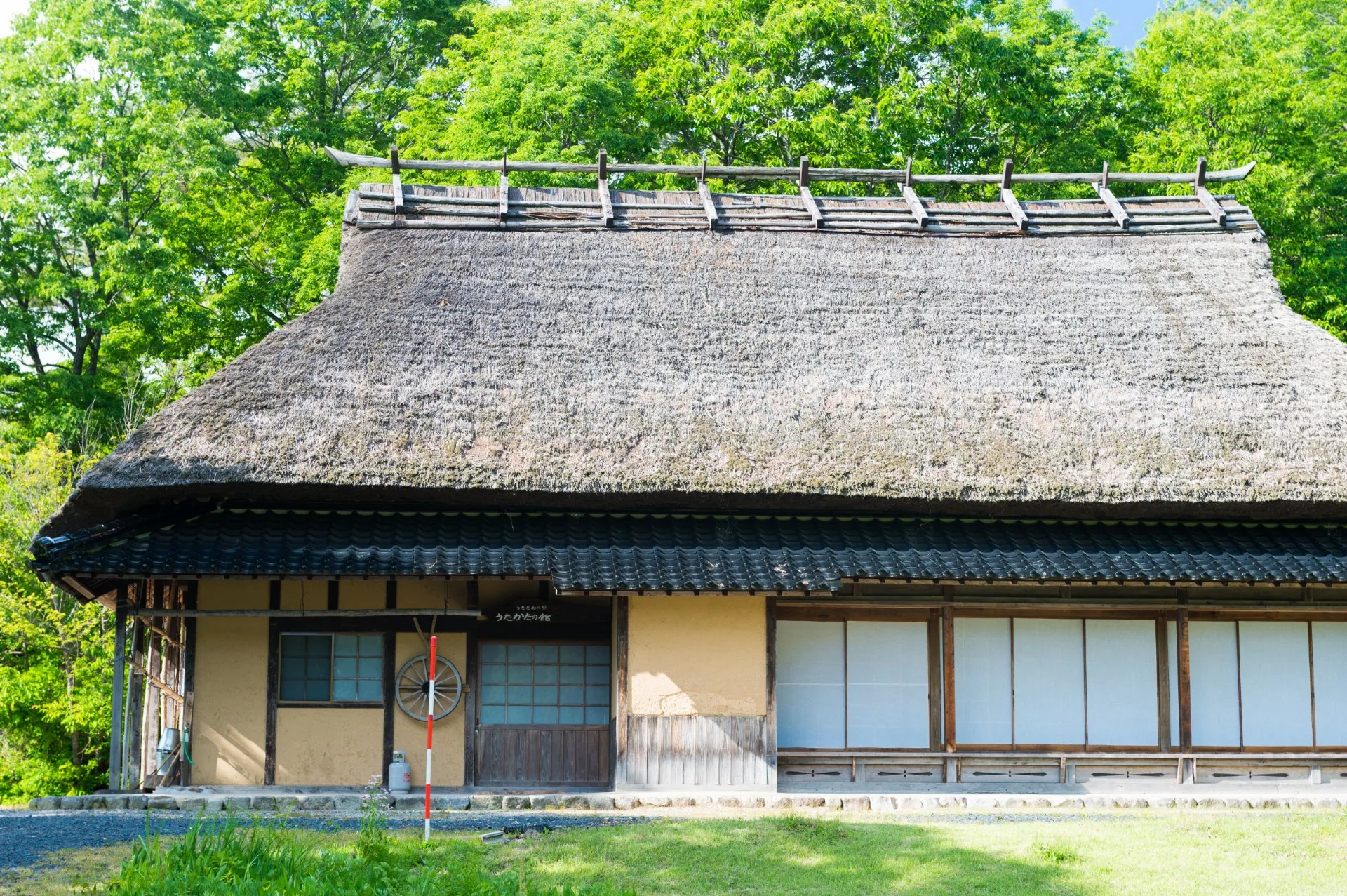
“Ultimate Guide to Shoe Closet Mold Prevention – Say Goodbye to Smells & Moisture”
2025/07/28
Shoe cabinets and entryways tend to trap moisture, making them hotspots for mold and unpleasant odors. If left untreated, mold can damage your footwear and compromise your home’s hygiene.
This article covers everything from how to dry your shoes properly, to best practices for ventilation, choosing dehumidifiers, using anti-mold items, cleaning up mold, and how to prevent it from coming back.
By applying these simple habits and tools, you can maintain a clean entryway, preserve your favorite shoes, and create a more comfortable and hygienic living environment.
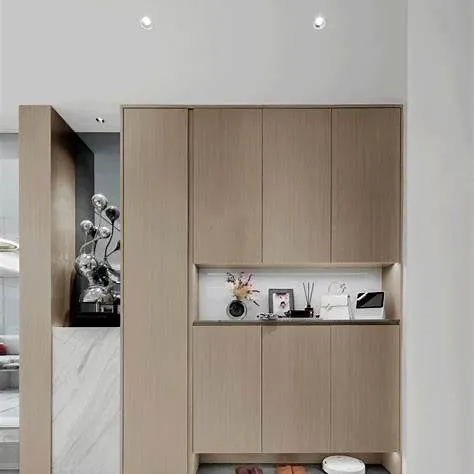
1. Causes of Mold Growth in Entryways and Shoe Closets
Entryways and shoe closets are spaces that tend to trap humidity and dirt due to their enclosed structure and low ventilation. These conditions create an ideal environment for mold to thrive. In this section, we’ll explore the main causes behind mold formation in these areas.
1-1. Structural Traps for Humidity and Seasonal Influences
Shoe closets and entryways often lack windows or proper ventilation, making it difficult for moisture to escape. This is especially problematic during the rainy season or winter months when condensation builds up from temperature differences between indoor and outdoor air. These areas also tend to have limited foot traffic, meaning air circulation is minimal and the space remains enclosed for long periods. Prolonged humid weather increases airborne moisture, which settles onto walls, shelves, and shoes—creating a breeding ground for mold.
1-2. Moisture and Dirt Brought in by Shoes
Shoes worn outdoors collect sweat, rainwater, and dirt, making them surprisingly damp when taken off. Storing them in a closed cabinet without drying traps that moisture inside, rapidly increasing humidity levels. In addition, organic debris such as mud, leaves, and dust stuck to soles can feed mold. Leather shoes and sneakers, in particular, can become visibly moldy after just a few days of neglect. Because shoes are used daily, managing their moisture and cleanliness is essential to mold prevention.
2. Basic Daily Practices to Prevent Mold
Preventing mold doesn’t always require special tools—simple daily habits are often the most effective. By making small changes to how you handle shoes and manage airflow in your entryway or shoe closet, you can greatly reduce the risk of mold. This section outlines practical steps you can easily incorporate into your routine.
2-1. Always Dry Shoes Before Storing Them
Even if your shoes don’t get wet from rain, they still retain moisture from sweat. Storing them right away traps that moisture in a confined space, creating the perfect condition for mold growth. Ideally, leave shoes out in a well-ventilated area for 1–2 hours after use. To speed up drying, insert newspaper or a moisture-absorbing material like silica gel inside the shoes. For shoes that aren’t worn often, occasionally take them out to air them. Proper drying before storage is one of the most important steps in mold prevention.
2-2. Make Air Circulation a Daily Habit
Stagnant air allows moisture to build up, so regular ventilation is essential. Open the shoe closet doors daily—especially after returning home or in the morning—to let fresh air in. Using a small fan or air circulator can help move air through tight spaces. If there’s an exhaust fan in the area, be sure to use it regularly. If not, keep dehumidifiers or moisture absorbers in place at all times. This is especially critical during the rainy season or in winter when condensation is common. Routine ventilation goes a long way in preventing mold buildup.
3. Choosing the Right Dehumidifying and Anti-Mold Products for Shoe Cabinets
Managing humidity in your shoe storage area is much easier with the help of commercial dehumidifying and anti-mold products. With so many options available, it can be overwhelming to know which ones are best for your needs. In this section, we’ll introduce the most popular types and how to choose the right ones for your shoe cabinet.
3-1. Comparing Silica Gel, Charcoal, Baking Soda, and Newspaper
Common and easy-to-use dehumidifiers include silica gel packs, bamboo charcoal, baking soda, and even newspaper. Silica gel is compact, highly effective, and widely used in shoe-specific dehumidifiers designed to fit neatly into cabinets. Bamboo charcoal absorbs both moisture and odors, making it a popular natural solution that also looks stylish. Baking soda, when placed in small containers or tea bags, neutralizes odors and absorbs some moisture—though it may be less effective in very humid environments. Newspaper is the most budget-friendly option and works by absorbing moisture when placed inside shoes or on shelves, but it needs frequent replacement to remain effective.
3-2. Using Anti-Mold Sheets and Sprays Effectively
Anti-mold sheets can be laid under shoes or stuck to the inside of shelves, where they passively suppress mold growth. Sprays are ideal for applying directly to shoes before storing them—especially leather or fabric footwear—to help inhibit bacterial and fungal development. However, anti-mold sprays need to be reapplied regularly (about once every 1–2 weeks) for continued effectiveness. When choosing products, consider the size of your storage space, the humidity level, and how often you’re willing to replace or maintain the items. Matching the product to your environment ensures lasting mold protection.
4. Proper Steps to Remove Mold When It Appears
If mold has already appeared, immediate action is crucial to prevent it from spreading. However, choosing the right cleaning method based on the severity and material is just as important to avoid damaging shoes or cabinetry. This section outlines safe and effective ways to remove mold, from light cases to more stubborn black mold.
4-1. Using Ethanol for Light Mold
In early stages, mold may appear as faint white fuzz or slight discoloration—this can often be treated with ethanol (rubbing alcohol). Ethanol neutralizes mold spores and is relatively safe on most materials, making it ideal for shoe and shelf cleaning. Start by wiping away visible mold with a dry cloth, then spray ethanol directly or apply it to a cloth and wipe the affected areas. After treatment, ensure everything is thoroughly air-dried in a well-ventilated space. Always wear gloves and a mask during cleaning, and keep the area ventilated to avoid inhaling spores or fumes.
4-2. Removing Stubborn Black Mold with Bleach-Based Cleaners
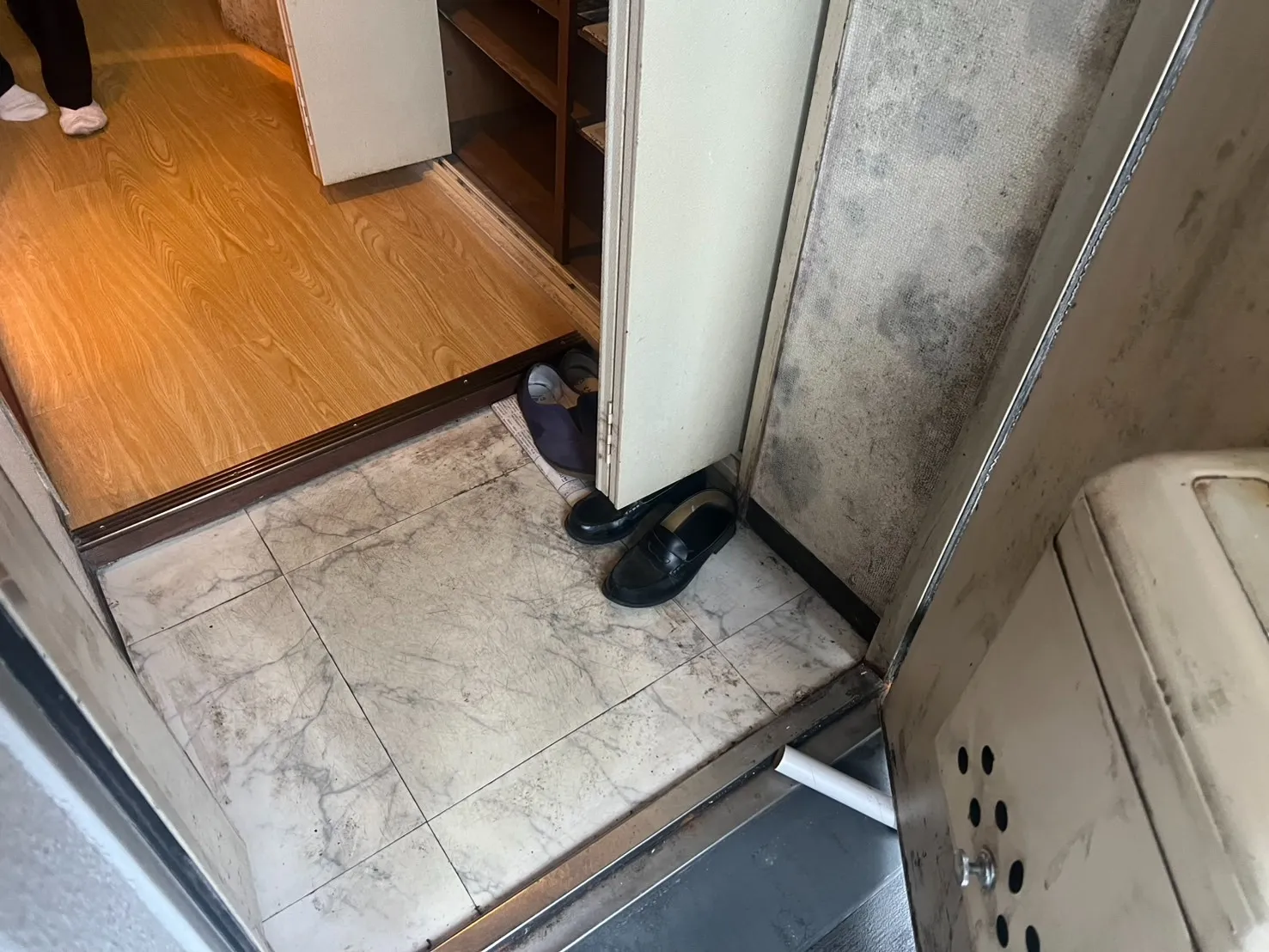
For deeper, black mold stains that have penetrated surfaces, ethanol alone won’t suffice. In these cases, diluted chlorine bleach can be used to remove the mold. However, bleach can discolor or damage certain materials, so always test a small, hidden area first. To use, dilute the bleach with water, apply it with a cloth to the moldy surface by dabbing gently, and then wipe it clean with plain water. Allow the area to dry completely. For wood or other porous surfaces, use mold-specific cleaners designed for delicate materials to avoid damage. Always take care when working with strong chemicals.
5. How to Clean and Disinfect the Entire Shoe Cabinet or Closet
To effectively prevent mold, it’s important to clean and disinfect not just the shoes and shelves but the entire shoe storage area. Mold spores and moisture can linger in the air and on hidden surfaces, so regular deep cleaning helps maintain a hygienic environment. This section explains how to clean and sanitize your shoe cabinet or closet thoroughly.
5-1. Remove All Shoes for Sun-Drying and Interior Cleaning
Start by taking all shoes out of the cabinet or closet and setting them outside or in a well-ventilated space to air out. This allows moisture and odors to dissipate and also gives you full access to clean the interior. Use a soft cloth or duster to remove dust from shelves, walls, and corners. For any sticky spots or dirt, use a diluted neutral detergent on a damp cloth to gently wipe down the surfaces. Pay special attention to corners and vents, where dust tends to accumulate. After cleaning, use a dry cloth to remove any moisture and allow the interior to air dry completely before moving to disinfection.
5-2. Alcohol Disinfection and Final Drying Steps
After cleaning, use alcohol spray to disinfect all surfaces. Alcohol kills mold and bacteria and is perfect for finishing up the cleaning process. Spray it directly onto shelves, walls, and other surfaces, then wipe with a soft cloth. For porous materials like wood, apply alcohol to the cloth rather than spraying directly to avoid over-saturation. Once disinfection is complete, leave the cabinet doors open for at least 30 minutes to allow thorough drying and air circulation. Only return the shoes to storage after confirming the entire area is completely dry—this prevents reintroducing moisture and mold.
6. How to Care for Leather and Delicate Materials Without Damage
Leather shoes, suede, and other delicate materials are particularly sensitive to moisture and mold. However, over-drying or using harsh chemicals can damage them. In this section, you’ll learn how to protect these types of shoes while effectively preventing mold.
6-1. Tips for Shaded Drying—Avoid Direct Sunlight and Heat
When drying wet shoes, avoid placing them in direct sunlight or in front of heaters. This is especially important for leather shoes, as excessive heat can cause hardening or cracking. The best method is to place them in a shaded, well-ventilated area and insert newspaper or shoe trees to help absorb moisture and maintain their shape. Replace the newspaper every few hours for optimal moisture absorption. Aim to dry the shoes for at least half a day or until they are completely dry before storing them again.
6-2. Combining Mold Prevention and Material Protection for Leather
For leather shoes, it’s important to not only dry them but also replenish their oils to keep the material supple. After drying, apply leather cream or conditioner to nourish the leather and prevent cracking, while also providing mild mold protection. Before storing, use a mold prevention spray designed for shoes. In addition, place dehumidifying items like silica gel in the shoe cabinet to maintain a dry environment. For suede or fabric shoes, use soft brushes and appropriate care products to clean and protect them without damage. These steps help preserve the shoe’s quality while keeping mold at bay.
7. Structural and Design Improvements for Floors, Walls, and Shelves
To truly prevent mold at its source, it's essential to look beyond cleaning and focus on the structure of the shoe closet or entryway itself. Poorly ventilated or tightly sealed designs create an environment where moisture easily builds up. This section covers architectural improvements and smart layout tips that help reduce humidity and mold risk.
7-1. Add Windows or Ventilation Fans for Better Airflow
The most effective structural change is improving airflow. If possible, installing a small window in the shoe closet provides natural ventilation. When windows aren’t an option, adding a wall vent or a small exhaust fan can help remove stagnant air and bring in fresh air. You can also opt for closet doors with built-in ventilation slits. Even opening the doors for a few hours each day significantly reduces moisture buildup and lowers the risk of mold formation.
7-2. Storage Layout Strategies to Minimize Humidity Traps
How you arrange your storage can also affect how moisture accumulates. Overstuffing shelves restricts air circulation and causes pockets of humidity where mold can grow. Leave space between shelves and avoid placing shoes too closely together to allow airflow. Shelves slightly elevated from the floor can help avoid contact with floor moisture. Additionally, placing breathable mats or wooden slats under shoes allows moisture to dissipate more easily. Thoughtful layout and structural choices make your shoe closet much more resistant to mold.
8. Routine Checks and Habits to Prevent Mold from Coming Back
Even after removing mold, the risk of recurrence remains high if preventive habits aren't maintained. Mold spores can linger in the air or on surfaces and grow again under the right conditions. This section explains how regular inspections and simple routines can help keep mold away for good.
8-1. Monthly Visual Checks and Light Cleaning Recommended
At least once a month, open your shoe cabinet or closet and inspect all surfaces—walls, shelves, and shoes—for early signs of mold. Look for white fuzz, faint stains, or dark spots, which may indicate mold growth. Catching it early allows you to clean it quickly before it spreads. During this check, also look at your dehumidifiers—if they’ve absorbed too much moisture and hardened, it’s time to replace them. Even a light cleaning—wiping shelves, shifting shoes to allow air movement—goes a long way in maintaining a mold-free space.
8-2. Timely Replacement of Dehumidifiers and Anti-Mold Sheets
Dehumidifiers and anti-mold sheets lose effectiveness over time. Most moisture absorbers need to be replaced every 1–2 months, depending on the humidity level and product type. Always follow the manufacturer’s recommended replacement schedule. To avoid forgetting, set reminders on your phone or calendar. Anti-mold sheets should also be refreshed regularly to maintain their protective effect. These simple routines help ensure your shoe storage remains dry and clean year-round.
9. Tips for Odor and Hygiene Control in Shoe Storage Areas
Where there's mold, unpleasant odors and hygiene concerns usually follow. Shoe cabinets are enclosed spaces that easily trap moisture and smells, making them prone to becoming musty. In this section, we explore effective ways to keep your storage area fresh and sanitary.
9-1. Deodorizing and Moisture Absorption with Baking Soda and Charcoal
Natural materials like baking soda and bamboo charcoal are great for tackling both odor and humidity. Baking soda neutralizes acidic compounds that cause bad smells—just place it in small containers or tea bags inside the cabinet. It also absorbs some moisture, making it a double-duty solution. Bamboo charcoal has micropores that absorb odors and humidity, helping to prevent mold. It also has a stylish, natural look and many versions are reusable after sun-drying. Regularly refreshing these materials helps maintain their effectiveness over time.
9-2. Choosing the Right Commercial Sheets and Mold Prevention Products
There are many commercial products designed for odor and mold control, including sheets, gels, and sprays. When choosing, consider three factors: how long the product lasts, how easy it is to replace, and whether it has a scent. Unscented options are ideal if you want to avoid mixing fragrances, while scented ones can refresh the air in your entryway. Some multipurpose products offer both deodorizing and mold prevention, providing all-in-one convenience. To maintain a consistently fresh environment, replace these products before they lose effectiveness.
10. Daily Shoe Care and Maintenance to Keep Them Mold-Free and Long-Lasting
Beyond mold prevention, taking care of your shoes properly ensures they remain in good condition for years. With consistent, thoughtful maintenance, you not only protect against mold but also extend the life and comfort of your footwear. This section introduces daily care practices and storage techniques tailored to different materials.
10-1. Drying, Deodorizing, and Caring for Shoe Materials
After wearing, shoes often retain sweat and moisture, especially inside. Insert shoe trees or newspaper to help them dry while maintaining their shape. Leather shoes in particular should never be stored wet, as this promotes mold and odor. Remove insoles when possible and let them air out separately. Use odor-absorbing sprays or sprinkle baking soda inside for natural deodorizing. Regular brushing and applying creams or conditioners tailored to the shoe’s material keep them clean, flexible, and less prone to mold. Simple daily habits like these make a big difference.
10-2. Proper Storage and Cleaning by Material Type for Longevity
Different materials require different storage and cleaning methods. Leather shoes should be kept in well-ventilated areas, away from direct sunlight and humidity, and should be conditioned regularly to maintain softness and shine. For suede, use a specialized brush to remove dust and maintain texture, and treat stains with dedicated suede cleaners. Fabric sneakers should be washed gently and air-dried away from heat. Regardless of the material, always ensure shoes are completely dry before putting them back in the cabinet, and store them in a breathable environment. These methods help shoes last longer and stay mold-free.
Mold Removal and Prevention by Kabi Busters Osaka & Mold Removal Renovation Tokyo/Nagoya
If you're struggling with mold in your entryway or shoe closet, leave it to Kabi Busters Osaka and Mold Removal Renovation Tokyo/Nagoya. We use our proprietary MIST Method®, a revolutionary mold removal technique that completely eliminates mold without damaging materials. Unlike conventional methods that involve scrubbing or scraping, our process uses specially formulated, human-safe agents to break down and eliminate mold deep within the surface—safely and effectively.
Our system is safe for homes with children, elderly residents, or sensitive individuals, and goes beyond removal with a powerful anti-mold treatment that prevents future growth. The MIST Method’s finishing step involves applying a long-lasting antimicrobial coating that protects your space from airborne mold spores, keeping your entryways, closets, and interiors clean and healthy.
One-Stop Mold Removal and Renovation by Taikou Kensou Co., Ltd.
At Taikou Kensou Co., Ltd., we don't just stop at mold removal—we also provide comprehensive renovation services, making us one of the few companies in Japan capable of handling both mold remediation and structural repairs in one seamless process. Whether your walls, floors, or storage shelves have been damaged by mold, we can repair, replace, and improve them all at once.
Our mold removal team and renovation experts work together to restore both the cleanliness and the livability of your home or business. We specialize in improving poor ventilation, installing new windows or exhaust systems, redesigning storage layouts, and replacing mold-damaged materials with mold-resistant alternatives.
From private homes and apartments to daycare centers, eldercare facilities, and commercial spaces, our renovation services are tailored to your needs. With locations in Osaka, Tokyo, and Nagoya, we provide fast, professional service with a strong track record of successful mold prevention and interior upgrades.
If you want to eliminate mold at its source and create a cleaner, healthier living space, contact Kabi Busters Osaka or Mold Removal Renovation Tokyo/Nagoya, operated by Taikou Kensou Co., Ltd. We’re here to provide total solutions—from removal to renovation—for long-term peace of mind.
---------------------------------------------------------------------
カビ取リフォーム
東京営業所
〒141-0022
東京都品川区東五反田2-5-2 YHE CASK GOTANDA6階
電話番号:090-8321-4408
名古屋本社
〒465-0028
愛知県名古屋市名東区猪高台1-1301 タイコウビル1F
電話番号 : 0120-588-766
サイト:https://taikou-kensou.co.jp/
大阪営業所
〒532-0003
大阪府大阪市淀川区宮原1-19-23
電話番号:080-6978-3068
カビバスターズ大阪
https://kabibusters-osaka.com/
【検査機関】
一般社団法人微生物対策協会
https://kabikensa.com/
----------------------------------------------------------------------