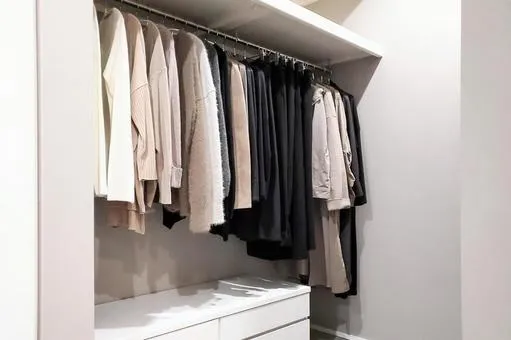
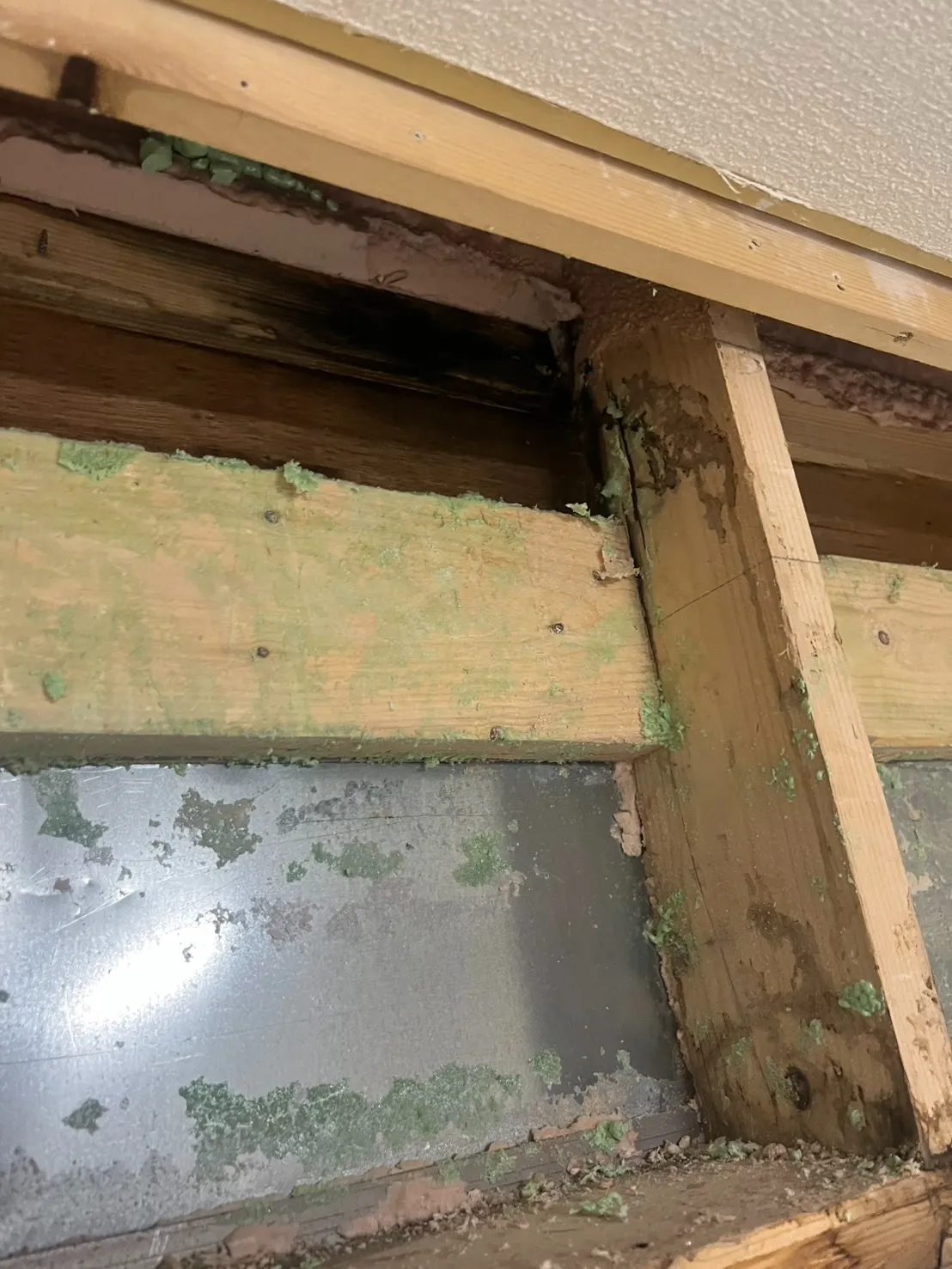
“Ultimate Mold Prevention for Clothes & Closets: 10 Easy Actions You Can Start Today”
2025/07/02
Closets are naturally humid and poorly ventilated, making them perfect environments for mold to grow on clothes. However, with the right moisture control and simple changes in storage habits, you can protect your wardrobe. This article walks you through easy humidity control, how to use dehumidifiers, and step-by-step mold removal methods. By applying these tips, you’ll prevent damage, odors, and stress caused by mold, creating a cleaner, healthier storage space.
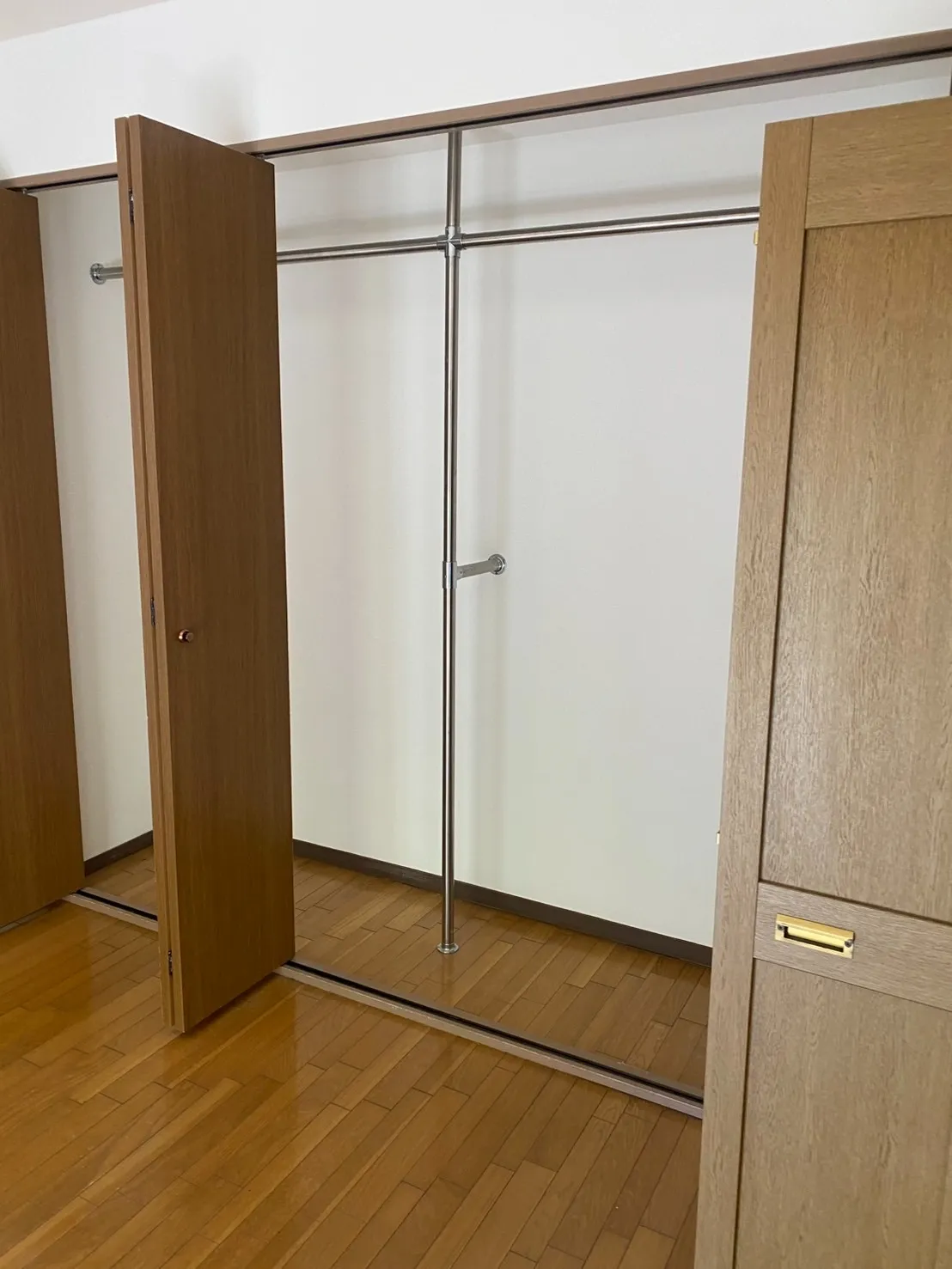
1. What Causes Mold in Closets?
Closets are naturally enclosed and poorly ventilated spaces, which makes them highly susceptible to mold growth. Especially during humid seasons like the rainy season or summer, the risk of mold forming on clothes, walls, or storage items significantly increases. In this section, we’ll explain the main reasons why mold develops in closets, categorized into two key factors.
1-1. High Humidity and Enclosed Environment Fuel Mold Growth
Humidity is the primary factor in mold development. When the relative humidity exceeds 70%, mold begins to thrive rapidly. Since closets are usually kept closed, air circulation is minimal, allowing moisture to accumulate easily. Additionally, condensation can occur due to temperature differences between the indoor air and closet surfaces, further encouraging mold growth. Areas that are hard to reach, such as corners, under storage bins placed directly on the floor, or spots behind closet walls, often become mold hotspots due to stagnant air.
1-2. Dust, Sweat, and Dirt Serve as Mold Nutrients
Moisture alone isn’t enough for mold to grow—it also needs a food source. In closets, this often includes dust, sweat, body oils, and detergent residue left on clothes. Clothes that have been worn and stored without proper airing or cleaning provide the perfect breeding ground for mold. Even freshly washed clothes that aren’t fully dry before being put away can trap moisture inside, creating a hidden mold risk. In short, even small oversights in daily routines can unknowingly invite mold into your closet.
2. Controlling Humidity to Prevent Mold
Managing humidity is the cornerstone of effective mold prevention. In enclosed spaces like closets, moisture builds up quickly and creates an ideal environment for mold to flourish. In this section, we’ll introduce practical and easy-to-implement ways to control humidity, along with tips on choosing the right tools.
2-1. Choosing Effective Dehumidifiers and Moisture Absorbers
One of the simplest ways to reduce humidity in your closet is by using moisture absorbers or dehumidifying products. Popular options like disposable moisture traps (such as silica gel-based units) are compact and easy to place in corners or under shelves. Depending on the size and contents of your closet, using multiple units placed evenly is often the most effective approach. Natural options like activated charcoal, diatomaceous earth, or baking soda are also great for absorbing excess moisture while being eco-friendly and reusable. Regardless of the type you choose, make sure to replace or recharge them regularly to maintain their effectiveness.
2-2. Benefits of Using Dehumidifiers and Humidity Meters
For more comprehensive control, especially during humid seasons, a portable dehumidifier can be a smart investment. While a full-sized dehumidifier may not fit inside the closet, placing one in the room and keeping the closet door open allows moisture to be drawn out effectively. Pairing it with a fan or air circulator improves air movement and enhances drying. Additionally, installing a small humidity meter inside your closet helps you monitor moisture levels. Keeping the relative humidity between 40% and 60% significantly reduces the risk of mold formation. These tools not only help maintain a mold-free closet but also improve the overall comfort of your living environment.
3. Improving Air Circulation in Your Closet
Poor air circulation is one of the biggest culprits behind humidity buildup in closets. Even with moisture absorbers, trapped air can limit their effectiveness. By promoting better airflow, you can prevent moisture from settling and reduce the risk of mold. This section outlines practical strategies to enhance ventilation inside your closet.
3-1. Open the Doors and Use a Circulator or Fan
One of the simplest ways to improve ventilation is to open the closet doors regularly—especially on dry, sunny days. Letting fresh air in for just a few hours can significantly reduce trapped humidity. Using a fan or air circulator pointed toward the open closet can further accelerate airflow and dry out the interior more efficiently. Establishing a weekly routine to air out your closet helps prevent moisture buildup and keeps your clothes fresher longer.
3-2. Use Slatted Shelving and Storage Solutions That Promote Airflow
How you store items in your closet also affects ventilation. Avoid placing items directly on the floor—instead, use slatted wooden boards (like pallets or “suno-ko” mats) to elevate storage bins and allow air to flow underneath. Choose breathable storage containers, such as fabric bins or mesh boxes, over sealed plastic ones. Overpacking your closet also restricts airflow between garments, so leave enough space between clothes—aim for at least a finger-width gap between hangers. These small adjustments can dramatically improve air movement and prevent stagnant moisture.

5. What to Do When Clothes Get Moldy
Even with careful prevention, mold can sometimes sneak in. When that happens, it’s essential to act quickly and correctly. Improper cleaning methods can spread mold spores or damage the fabric. In this section, we’ll guide you through safe home remedies and when it’s time to call a professional.
5-1. Safe DIY Mold Removal Techniques
If the mold is limited to small spots—especially white mold on the surface—you can often remove it at home. Gently brush off the affected area using a soft garment brush and air the item in direct sunlight for several hours. Follow up with a thorough wash using an oxygen-based bleach that’s safe for colors. This helps kill residual mold and remove stains. For black mold, which tends to root deeper into fabrics, you’ll need to use stronger cleaning agents like specialty mold removers designed for textiles. Always test any product on a hidden area first to avoid discoloration or fabric damage. After washing, dry the clothing completely—preferably outdoors—to ensure no moisture remains.
5-2. When to Seek Professional Cleaning Services
If mold covers a large area, has penetrated deep into the fabric, or emits a strong odor, professional help is often the best solution. Professional dry cleaners have the expertise and specialized products to remove mold without damaging delicate materials like wool or silk. Many also offer anti-microbial treatments to prevent future outbreaks. For valuable or sentimental garments, trusting a pro can save the item and spare you the frustration of repeated mold issues. When choosing a cleaner, ask if they provide mold-specific services and check their handling of different fabric types to ensure proper care.
6. Cleaning and Disinfecting the Closet
If you’ve found mold on your clothes, chances are it didn’t start there. Mold spores often originate from the closet itself—on walls, shelves, or corners—and can easily spread to your belongings. Regular cleaning and disinfection of your closet are crucial for maintaining a mold-free environment. Here’s how to do it safely and effectively.
6-1. Routine Cleaning for Dust and Dirt
Start by removing all items from the closet so you can clean every surface thoroughly. Begin by wiping down the ceiling, walls, shelves, and floor with a dry cloth or a dusting tool. For tight corners and crevices, use a toothbrush or cotton swabs to remove accumulated dust. Once the dry cleaning is done, follow up with a damp cloth to wipe down all surfaces. Finally, use a dry towel to remove any remaining moisture to prevent dampness. Performing this cleaning routine at least once a month—or biweekly during the rainy season—greatly reduces the likelihood of mold growth.
6-2. How to Properly Use Ethanol or Bleach for Disinfection
After cleaning, disinfecting the surfaces helps eliminate any invisible mold spores. One of the safest and most effective options is 70–80% rubbing alcohol (ethanol). Spray it evenly across closet walls, shelves, and corners, then wipe with a clean cloth and allow it to air dry. For visible mold stains or tough spots, diluted bleach can be used cautiously. However, bleach is strong and may discolor certain surfaces or materials, so always test a small area first. Be sure to ventilate the area well and wear gloves during use. After disinfection, allow the closet to dry completely before returning any items.
7. Strengthening Prevention with Anti-Mold Products
While controlling humidity and improving airflow are essential, using anti-mold products adds another layer of protection to keep your closet mold-free. From store-bought solutions to natural alternatives, a variety of options are available. In this section, we’ll compare popular choices and offer tips on how to use them effectively.
7-1. Comparing Commercial Anti-Mold and Insect Repellent Products
Commercial anti-mold products are convenient and highly effective, especially those designed for closets. These include hanging types, sheet-style absorbers, and sprays. Hanging gel or block-type mold preventers release agents into the air to inhibit mold growth on surrounding items. Some also double as insect repellents, offering dual protection. For households with children or sensitive individuals, it's best to choose fragrance-free or low-irritation varieties. When using these products, be sure to place them evenly throughout the closet and replace them according to the manufacturer’s recommendations to maintain their effectiveness.
7-2. Using Natural Materials Like Charcoal and Baking Soda
For those who prefer a more natural or eco-friendly approach, materials like activated charcoal, bamboo charcoal, and baking soda are excellent options. These items absorb moisture and odors without the use of chemicals. You can place them in breathable cloth bags and hang them alongside clothing or place them on shelves. Baking soda works well when poured into an open container or fabric pouch and left in corners of the closet. To keep them effective, remember to air-dry or replace these natural materials regularly. Not only are they safe and affordable, but they also offer a sustainable way to maintain a fresh, dry closet.
8. Seasonal Care Tips (Rainy Season, Summer, Winter)
Mold prevention isn’t a one-size-fits-all approach—it requires seasonal adjustments. Different weather conditions create unique challenges, from extreme humidity in summer to condensation in winter. This section outlines tailored strategies to protect your closet and clothes throughout the year.
8-1. Humidity Control Tools for Rainy Season & Summer
During the rainy season and summer, the air becomes naturally humid, making mold prevention more challenging. In this period, dehumidifiers and moisture absorbers are essential. A small room dehumidifier, combined with opening closet doors and running a fan, can effectively reduce moisture. Anti-mold sprays can also be applied monthly to reinforce protection. When drying laundry indoors, avoid placing clothes near the closet, as the humidity can transfer and build up. Additionally, regular use of humidity meters can help you keep the ideal indoor level between 40% and 60%.
8-2. Winter Condensation & Temperature Difference Countermeasures
Although winter tends to be dry, mold can still form due to condensation caused by temperature differences between indoor air and cold walls. Closets located along exterior walls are particularly vulnerable. To counter this, use wooden slats or “suno-ko” panels between storage items and the wall to create airflow. Applying insulation sheets inside the closet can also help minimize condensation. Furthermore, when using a heater or humidifier, monitor humidity levels carefully and ventilate regularly to avoid over-humidifying the air. Balancing warmth and ventilation is the key to preventing winter mold growth.
9. Rethinking Closet Storage
How you organize and store your clothes plays a crucial role in preventing mold. Poor storage habits can restrict airflow and trap moisture, creating the perfect breeding ground for mold. In this section, we’ll explore smart storage practices and how to manage clothing volume for a healthier closet environment.
9-1. Tips for Seasonal Wardrobe Rotation and Organization
Changing seasons provide the perfect opportunity to reassess your closet. Start by removing all items and sorting through what you really need. Clothes that haven’t been worn for a long time, are damaged, or no longer fit can be donated or discarded. When putting clothes back, arrange them by usage frequency—keep regularly worn items in easy-to-reach spots and place seasonal or rarely used items in less accessible areas. Using transparent or semi-transparent storage boxes helps reduce the need for frequent opening and closing, minimizing humidity exposure. Also, avoid stacking items too high, as this compresses airflow and can trap moisture between layers.
9-2. Managing the Right Amount of Clothing
An overstuffed closet not only makes it hard to find items but also restricts airflow, increasing the risk of mold. A good rule of thumb is to keep your closet about 70% full, leaving space between garments. Aim to keep at least a finger-width gap between hanging clothes to allow for proper ventilation. For off-season clothing, consider storing them in vacuum-sealed bags or moving them to a different storage area to reduce clutter. Regularly reviewing your wardrobe and keeping only what you truly wear helps maintain order and reduce mold-prone congestion in your closet.
10. When to Consider Hiring a Professional Mold Removal Service
Sometimes, no matter how diligent you are with prevention, mold problems continue to return. In such cases, it may be time to seek help from professionals. Mold growth isn’t always due to humidity alone—it can stem from structural issues, poor airflow, or hidden moisture sources. Professional intervention can help address the root causes and ensure a lasting solution.
10-1. Benefits of Hiring Professionals and What to Expect
Professional mold removal services bring expertise and specialized tools that go beyond what typical home remedies can achieve. They assess the extent and origin of mold growth and apply tailored treatment methods to fully eliminate it. With professional-grade equipment and mold-killing agents, they can clean even hard-to-reach areas like behind walls or deep inside materials. Additionally, many providers use safe and non-damaging treatments suitable for delicate surfaces, ensuring your home remains safe for children, the elderly, and pets. Before hiring, it's essential to review their credentials, understand the scope of services offered, and clarify what’s included in the treatment and follow-up process.
10-2. Creating a Mold-Free Environment After Treatment
The best mold removal services don’t just eliminate visible mold—they also help you create an environment that prevents its return. This might include recommendations for improving ventilation, sealing moisture entry points, or applying anti-mold coatings. Services like the MIST Method®, for example, use specially formulated, material-safe agents to kill mold at the root without damaging the surface. These treatments often include protective coatings that provide long-lasting resistance to mold regrowth. Some companies also offer aftercare plans or maintenance support, ensuring your space stays mold-free for the long term. Choosing a provider that emphasizes both removal and prevention will give you peace of mind and a healthier living environment.
For Professional Mold Removal, Trust Kabi Busters Osaka and Kabi-Tori Reform Nagoya & Tokyo
If you’ve struggled with persistent mold problems in your closet or clothing—even after trying various home remedies—then it’s time to consider professional support. With specialized techniques and deep expertise, the professionals at Kabi Busters Osaka and Kabi-Tori Reform Nagoya & Tokyo offer reliable, safe, and lasting mold removal services.
Kabi Busters Osaka uses the innovative MIST Method®, a proprietary mold removal technology designed to eliminate mold without damaging delicate materials. This method carefully adjusts the concentration of specially developed agents according to the mold’s growth level and the nature of the affected surface. It removes mold at the root without scrubbing or scraping, preserving the original quality of wood, wallpaper, and other sensitive materials. Despite its powerful mold-killing action, the MIST Method® uses agents that are safe for humans—making it ideal for households with children or elderly residents.
Meanwhile, Kabi-Tori Reform Nagoya & Tokyo specializes not only in mold removal but also in creating mold-resistant environments. Their services include deep disinfection and preventive treatments that address airborne mold spores within closet spaces. By applying fine mist coatings, they ensure deep penetration into surfaces, followed by finishing layers of long-lasting, anti-mold protection. These treatments offer fast action, long-term effectiveness, and are safe for indoor use. They also provide solutions tailored to historic buildings or delicate structures, ensuring value preservation while eliminating microbial contamination.
If you're tired of recurring mold or are unsure where it’s coming from, don't wait. Reach out to the experts at Kabi Busters Osaka or Kabi-Tori Reform Nagoya & Tokyo for a thorough, safe, and lasting solution. Let the professionals create a truly mold-free space—protecting both your home and your peace of mind.
---------------------------------------------------------------------
カビ取リフォーム
東京営業所
〒141-0022
東京都品川区東五反田2-5-2 YHE CASK GOTANDA6階
電話番号:090-8321-4408
名古屋本社
〒465-0028
愛知県名古屋市名東区猪高台1-1301 タイコウビル1F
電話番号 : 0120-588-766
サイト:https://taikou-kensou.co.jp/
大阪営業所
〒532-0003
大阪府大阪市淀川区宮原1-19-23
電話番号:080-6978-3068
カビバスターズ大阪
https://kabibusters-osaka.com/
【検査機関】
一般社団法人微生物対策協会
https://kabikensa.com/
----------------------------------------------------------------------