“Ultimate Guide to Silica Gel & Desiccants: Uses & Where to Buy (100 Yen Shops to Amazon!)”
2025/06/28
Silica gel and desiccants are common household items, yet many people wonder which type to choose or worry about their safety. Without proper usage, their effectiveness may be compromised, leading to wasted time and money.
By reading this article, you’ll understand the different types of silica gel, how to choose them based on purpose, and where to buy—from 100 yen shops to online stores. You’ll also learn how to reuse them and assess their safety.
This article will help you choose the right silica gel for your food, shoes, or electronics, save money with reuse tips, and optimize your moisture control efforts. It’s your one-stop resource for all things silica gel.
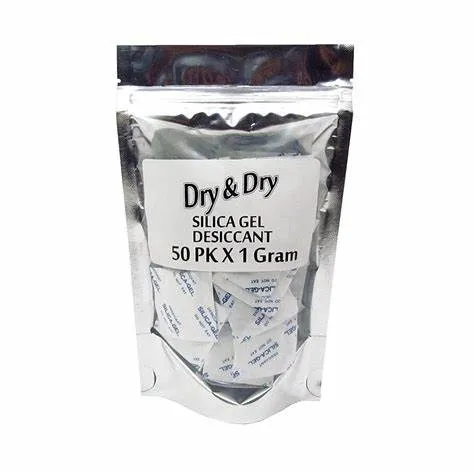
1. What Are Silica Gel and Desiccants? Basic Knowledge
Silica gel and desiccants are essential tools for protecting valuable items from moisture in everyday life. However, many people are still unclear about how they work or how they differ from each other. This section explains in simple terms what silica gel is, how it functions, and how it compares to other types of desiccants available on the market.
1-1. Composition and Characteristics of Silica Gel
Silica gel is a porous form of silicon dioxide—a naturally occurring compound that appears as clear or white beads. What makes it special is its vast surface area filled with tiny pores that can adsorb moisture from the surrounding air. Unlike materials that absorb water into their structure, silica gel holds moisture on its surface, making it highly effective as a drying agent. One of its advantages is that it maintains its physical appearance even after absorbing moisture. It's commonly used in small packets placed in packages of snacks, electronics, shoes, or medicine bottles. Another benefit is that silica gel can often be reactivated and reused by removing the moisture through heat.
1-2. Differences from Other Desiccants (e.g., Calcium Chloride, Zeolite)
While silica gel is one of the most common desiccants, it's not the only type. Calcium chloride-based desiccants, for example, absorb moisture and turn it into liquid, which makes them ideal for closets or under-bed storage. Zeolite, a naturally occurring mineral, has high moisture resistance and is often used in construction materials. Compared to these, silica gel offers moderate moisture control but excels in safety and reusability. It's non-toxic, which makes it ideal for use near food or sensitive electronics, and its moisture absorption doesn’t result in leakage. Understanding the functional differences between these desiccants is key to choosing the right one for your specific needs.
2. Types of Silica Gel and How to Choose
Although "silica gel" is commonly used as a general term, it actually comes in several types, each with its own characteristics and best-use scenarios. Selecting the right type for your needs will ensure optimal moisture control. In this section, we’ll explain the main types of silica gel—Type A and B, the difference between indicator and non-indicator types, and the various forms available.
2-1. Differences Between Type A and Type B and How to Use Them
Silica gel comes mainly in two types: Type A and Type B. Type A silica gel has small pores and a high surface area, making it extremely efficient at absorbing moisture in low-humidity environments. It’s ideal for preserving items like food, electronics, and medications. Type B silica gel, on the other hand, has larger pores and is better suited for environments with high humidity, such as closets or storage rooms. It helps regulate moisture over time rather than rapidly drying an enclosed space. Choosing the correct type based on your storage environment can prevent both excess humidity and over-drying.
2-2. Indicator vs. Non-Indicator Types
Silica gel is also classified based on whether it has a moisture indicator. Indicator silica gel changes color to show its saturation level—commonly from blue or orange when dry to pink or green when saturated. This makes it easy to monitor when it needs to be replaced or reactivated. Non-indicator silica gel does not change color, so it’s usually used in low-risk applications or where cost is a primary concern, such as food packaging. For delicate items like cameras or instruments, the indicator type provides added peace of mind and ease of maintenance.
2-3. Types by Shape: Beads, Cans, Sheets, etc.
Silica gel is available in many shapes and packaging styles. The most common are bead packs—small sachets filled with silica gel beads used in everything from snack packs to shoe boxes. Canisters, often used for camera storage or document boxes, provide a resealable and reusable option with a larger volume. Sheet or strip types are flexible and ideal for use in tight spaces like drawers or shoe interiors. Each form has its own advantages depending on the space and moisture control requirements, so it’s important to choose accordingly.
3. Purpose-Specific Uses and Recommended Quantities
Silica gel is highly versatile and can be used for a wide range of moisture-control applications. However, to get the best results, it's essential to understand how much to use and how to apply it correctly for each specific purpose. This section outlines the best practices for using silica gel in food storage, clothing and footwear care, and the protection of cameras and electronic devices.
3-1. How to Use for Food Storage (Dried Goods, Snacks)
Moisture can ruin dried foods, snacks, and seasonings by causing them to spoil, mold, or lose flavor. For food storage, use food-grade silica gel packets to keep items dry. A general rule of thumb is to use about 1 gram of silica gel for every 100 grams of food. For example, a 300g bag of cookies or crackers would benefit from about 3g of silica gel. Always ensure that the packet does not come into direct contact with the food by using pre-sealed sachets labeled as “do not eat.” Many 100-yen stores offer food-specific desiccants that are both affordable and effective, making them a great choice for daily use.
3-2. Using in Shoes and Clothing—Tips and Tricks
Shoes and clothing, especially when stored long-term or in humid seasons, are prone to mold and odors caused by trapped moisture. For shoes, place 10–20g of silica gel inside each pair after use, especially during the rainy season or after heavy sweating. Choose breathable cloth pouches or sachets for the best effect. For clothing storage, such as inside drawers or closets, 20–30g of silica gel per drawer can effectively absorb moisture and protect sensitive fabrics like wool or silk. Using reusable silica gel makes this not only effective but also budget-friendly.
3-3. Moisture Control for Cameras and Electronics
Cameras, lenses, and electronic devices are particularly vulnerable to moisture damage, including rust and lens fungus. To prevent this, store devices in airtight containers or dry boxes with 10–30g of silica gel. Indicator-type silica gel is highly recommended for this application as it allows easy visual monitoring of moisture levels. Regularly check the color and replace or reactivate the silica gel as needed. Especially in regions with high humidity or during seasons with frequent rain, extra attention to moisture control can extend the life and performance of your valuable equipment.
4. How to Reuse and Reactivate Silica Gel
One of the most appealing features of silica gel is that it can be reused after absorbing moisture. By removing the moisture content, you can restore its drying capabilities and continue using it multiple times. This section introduces two common and effective methods for reactivating silica gel: using heat appliances like a microwave or oven, and sun-drying. We’ll also go over important precautions for each method.
4-1. Instructions for Microwave and Oven Reactivation
The quickest way to reactivate silica gel is by heating it in a microwave or oven. If you're using indicator-type silica gel, you’ll notice that its color changes (typically from blue or orange to pink or green) when it has absorbed moisture. Spread the silica gel beads evenly on a microwave-safe dish and heat them at 500–600W for about 1–2 minutes. For larger amounts, divide them into batches and heat in intervals. When using an oven, set the temperature to under 100°C (212°F) and dry the silica gel for 1–2 hours. Always ensure that the silica gel is not in a plastic packet while heating, and do not overheat it, as excessive heat may alter its properties or even cause damage. Monitor the color change to know when the gel has dried out.
4-2. Sun-Drying Techniques and Cautions
If you don’t have access to a microwave or oven, sun-drying is a simple and eco-friendly method to reactivate silica gel. On a sunny day, spread the beads out on aluminum foil or newspaper in a single layer and leave them in direct sunlight for 4–6 hours. This allows a fair amount of moisture to evaporate naturally. However, this method is not as thorough as heat-based reactivation and may not restore the silica gel to 100% capacity, especially for applications that require high absorbency, such as for electronics or precision tools. After sun-drying, store the silica gel in an airtight container to prevent it from reabsorbing moisture before reuse.
5. Where to Buy Silica Gel and Desiccants
Silica gel and desiccants are surprisingly easy to find and are available at a variety of stores, ranging from budget-friendly 100-yen shops to well-stocked online marketplaces. Each purchasing option offers different benefits in terms of price, product variety, and convenience. In this section, we’ll explore where to buy them and what to keep in mind at each location.
5-1. Product Lineup at 100 Yen Shops (Daiso, Seria, Can★Do)
100-yen shops are among the most accessible places to buy silica gel and desiccants. Stores like Daiso, Seria, and Can★Do offer purpose-specific products such as shoe deodorizers, closet moisture absorbers, and food-safe desiccants. Most are sold in small packets or cases, making them ideal for beginners or light use. Popular items include reusable shoe drying sachets and indicator silica gel that changes color to show when it needs reactivation. These products are great for casual household use, though their limited volume may not be sufficient for large storage needs or industrial-scale moisture control.
5-2. Buying from Drugstores, Supermarkets, and Home Centers
Drugstores and supermarkets typically carry moisture absorbers for use in closets, drawers, or under sinks. These products often use calcium chloride that turns into gel after absorbing moisture. While silica gel is less commonly found in these stores, food sections may offer small desiccant packs for dried goods. Home centers are more likely to carry large-volume silica gel or reusable types, and often include detailed product labels for different use cases. Prices usually range from ¥100 to several hundred yen, depending on size and quality. Shopping at these locations allows you to compare items in person and ask staff for advice.
5-3. Choosing from Online Stores and Average Prices
Online platforms like Amazon, Rakuten, and Yahoo! Shopping offer a vast array of silica gel products. You can easily find specific items like food-safe packs, industrial-grade options, indicator types, and even specialty desiccants for drying flowers. These platforms often provide product reviews and detailed descriptions, making it easier to choose based on your needs. Prices vary depending on volume and function, but common bulk options (500g to 1kg) typically cost around ¥1,000–¥2,000. Multi-pack sets and refillable containers are also widely available, making online stores the best choice for regular users or large storage applications.
6. Recommended and Popular Products
With so many types of silica gel and desiccants available, it can be overwhelming to choose the right one. In this section, we’ll introduce some of the most popular and reliable products currently available, dividing them into two categories: affordable picks from 100 yen shops and specialized options from online retailers.
6-1. Common Products from 100 Yen Shops and How to Use Them
One of the biggest advantages of 100-yen shops is the wide variety of moisture-control products tailored for everyday needs. For example, Daiso’s shoe deodorizers double as moisture absorbers and can be reused after drying. Seria offers indicator-type silica gel packs that change color when saturated, making it easy to know when to reactivate them. Can★Do features food-grade desiccants that are perfect for storing snacks or dried goods in small containers. These products are affordable, practical, and excellent for household-level moisture prevention. They’re also a good way to experiment and discover which type suits your storage needs best.
6-2. Popular Bulk and Flower Drying Types Online
Online stores offer an expansive selection of silica gel products, including large-capacity packs and specialized types. One highly rated option on Amazon is the 1kg resealable bag of indicator silica gel, ideal for camera gear or electronics storage. These gels change color as they absorb moisture and can be reactivated repeatedly, offering great value over time. For craft enthusiasts, silica gel specifically designed for drying flowers—often in fine-grain or crystal form—is a best-seller on Rakuten. These desiccants preserve the color and shape of blossoms beautifully. You can also find stylish canisters and refill kits, which combine practicality with an appealing design. The variety and functionality of online products make them ideal for those with more demanding or specific needs.
7. Safety and Cautions
While silica gel and other desiccants are convenient for managing moisture, using them incorrectly can pose risks to health and safety—especially in homes with children or pets. This section covers essential safety information and precautions to help you use these products responsibly.
7-1. Safety Around Food, Children, and Pets
Silica gel is generally non-toxic, and accidental ingestion of a small amount is unlikely to cause harm. However, it is not edible and should always be kept out of reach of children and pets. Colorful indicator gels—such as those in blue or orange—can be mistaken for candy or toys, so extra caution is necessary. Always use sealed packets and store them in containers with clear labels such as "Silica Gel – Do Not Eat." In food-related settings, be sure to use food-grade silica gel approved for contact with consumables. Safety also depends on proper placement—never leave loose packets in areas where they could be accidentally accessed.
7-2. Differences from Toxic Deoxidizers
Silica gel is sometimes confused with oxygen absorbers (deoxidizers), which often contain iron powder or other chemicals and are far more dangerous if ingested or mishandled. Unlike silica gel, oxygen absorbers should never be microwaved or exposed to heat, as they can release toxic gases or even catch fire. Always read the packaging carefully to identify whether you’re using a desiccant or an oxygen absorber. If unsure, avoid mixing different types in storage areas and never attempt to reuse oxygen absorbers.
7-3. Disposal and Environmental Concerns
Used silica gel can usually be disposed of with regular non-burnable household waste, but regulations vary by region—check with your local municipality for proper guidance. To prevent accidental ingestion or spillage, seal used silica gel packets in a plastic bag before disposal. For environmentally conscious users, eco-friendly alternatives like clay or charcoal-based desiccants are also available and can be safely composted or biodegraded. Regardless of the type, always consider the environmental impact and aim to reuse silica gel when possible, rather than discarding it after a single use.
8. Troubleshooting and Creative Uses
Silica gel is not just a passive moisture absorber—it can also serve as an emergency solution and a multipurpose tool in various situations. In this section, we explore creative ways to use silica gel beyond standard applications, including emergency water damage response, comparisons with other moisture-control products, and combining silica gel with other materials for enhanced effects.
8-1. Emergency Use for Wet Smartphones and Cameras
If your smartphone or camera gets wet due to rain or accidental submersion, silica gel can be a lifesaver. First, power off the device immediately and remove the battery, SIM card, or memory card if possible. Gently dry the exterior with a towel. Then place the device and a generous amount of silica gel in an airtight container for 12–24 hours. The silica gel will help draw out moisture trapped inside. Although this method isn’t guaranteed to fully recover the device, it greatly increases the chances of survival compared to doing nothing. While alternatives like rice are often suggested, silica gel is more effective and much safer for delicate electronics.
8-2. Differences from Room-Based Moisture Absorbers
Room dehumidifiers, particularly those based on calcium chloride, work by absorbing moisture and turning it into liquid. They are excellent for use in large spaces like closets, under sinks, or storage rooms. However, they’re not suitable for small, enclosed areas or for direct contact with sensitive items. Silica gel, by contrast, is perfect for small-scale moisture control and doesn’t leak or create messes. For optimal results, use silica gel for enclosed spaces like boxes, containers, or cabinets, while using room dehumidifiers for ambient moisture control in larger areas. Combining both can provide comprehensive humidity protection in the home.
8-3. How to Combine with Other Materials like Diatomaceous Earth
Diatomaceous earth is another excellent natural material with moisture-absorbing properties. It’s often used in products like bath mats, coasters, and drawer liners. While silica gel is ideal for enclosed spaces and specific item storage, diatomaceous earth excels at covering large surfaces and open-air areas. By combining these two materials, you can achieve a full-spectrum approach to moisture management. For example, place silica gel inside sealed containers and use diatomaceous earth mats in entryways or closets. Both materials can be reactivated and reused, making them eco-friendly and budget-conscious choices for long-term use.
Mold Removal and Prevention: Trust Kabibusters Osaka and Mold Removal Reform Nagoya & Tokyo
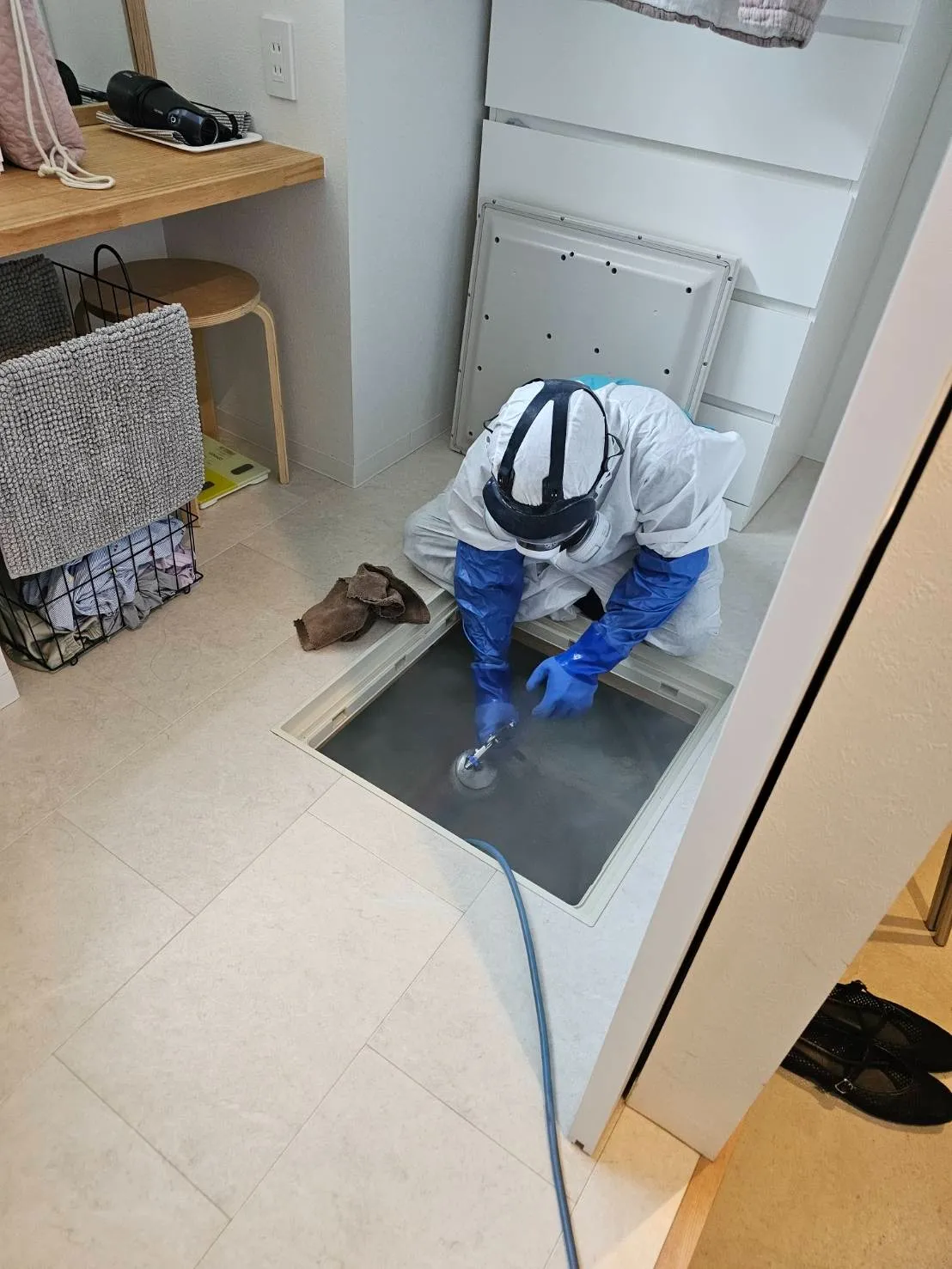
In Japan's humid climate, silica gel and desiccants alone are often not enough to combat serious mold problems. When mold appears deep inside walls, ceilings, or storage areas, over-the-counter products simply don’t cut it. That’s where Kabibusters Osaka and Mold Removal Reform Nagoya & Tokyo come in.
We use our proprietary MIST Method®, a specialized mold-removal technique developed in-house. Unlike conventional cleaning, our method doesn't require scrubbing or scraping—so there’s no risk of damaging delicate surfaces. We customize our anti-mold solutions based on the material and mold condition, making it safe and highly effective even for wood, wallpaper, and fabrics.
What sets us apart is that we don’t just remove mold—we also apply long-lasting anti-mold treatments using specially developed sprays that are safe for people and pets. These treatments offer excellent durability and can be used in sensitive environments like hospitals, kindergartens, and care facilities.
If your home or facility has already suffered mold damage, Mold Removal Reform Nagoya & Tokyo can also take care of structural repairs and renovations. From initial inspection to full restoration, we offer a comprehensive one-stop solution.
Whether you're struggling with musty odors, recurring mold outbreaks, or ineffective DIY treatments, we’re here to help. Free consultations are available, and our professional team will conduct a thorough on-site assessment and suggest the best solution tailored to your situation.
When it comes to complete mold control, leave it to the professionals—trust Kabibusters Osaka and Mold Removal Reform Nagoya & Tokyo for reliable results.
---------------------------------------------------------------------
カビ取リフォーム
東京営業所
〒141-0022
東京都品川区東五反田2-5-2 YHE CASK GOTANDA6階
電話番号:090-8321-4408
名古屋本社
〒465-0028
愛知県名古屋市名東区猪高台1-1301 タイコウビル1F
電話番号 : 0120-588-766
サイト:https://taikou-kensou.co.jp/
大阪営業所
〒532-0003
大阪府大阪市淀川区宮原1-19-23
電話番号:080-6978-3068
カビバスターズ大阪
https://kabibusters-osaka.com/
【検査機関】
一般社団法人微生物対策協会
https://kabikensa.com/
----------------------------------------------------------------------