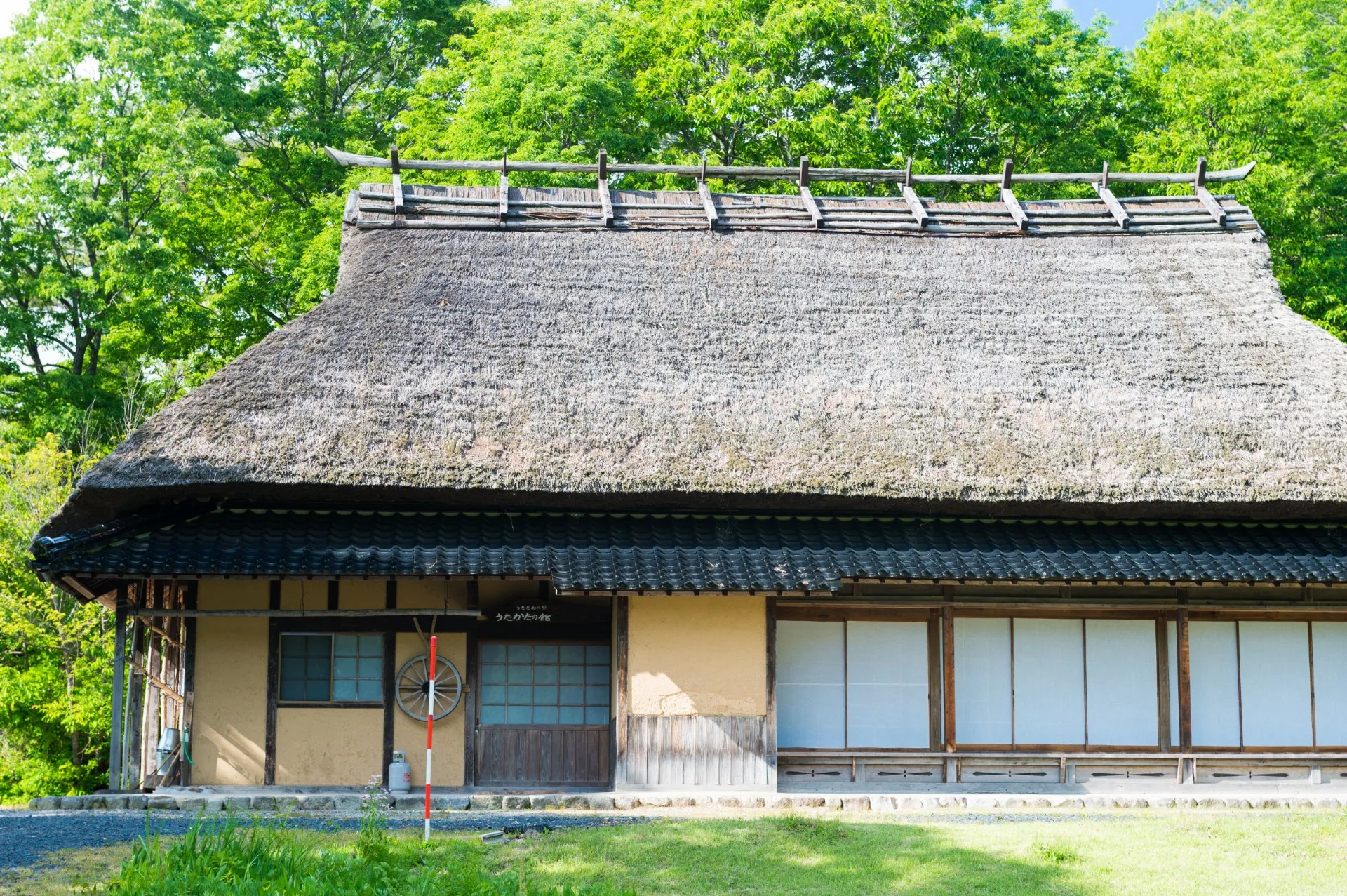
"Why Consular Residences Are Prone to Mold (and What You Can Do)"
2025/06/12
Diplomatic accommodations may look pristine, but hidden mold can endanger the health of residents and compromise the integrity of buildings if left unchecked.
This article explores the causes of mold in consular housing, its health impacts, structural vulnerabilities, practical countermeasures, and proven professional solutions including case studies.
By understanding and applying the right strategies, you’ll protect not only your living environment but also the health and safety of consular staff and their families—today and into the future.
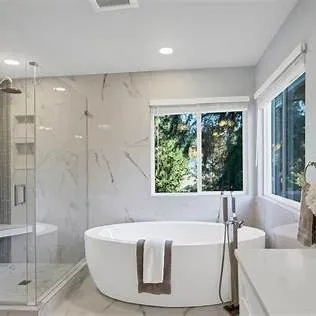
1. The Mold Issue in Consular Housing
Consular staff accommodations often face hidden mold problems. Structural differences and high humidity in many host countries can lead to mold growing in unseen areas. Without timely action, this doesn’t just damage buildings—it poses health risks to occupants.
1.1. Underlying Causes: Humidity, Ventilation, and Construction
Mold thrives in environments with moisture, food sources like dust, and moderate temperatures. In consular housing, tightly sealed buildings and older ventilation systems often cause humidity to build up. Without regular airing, bathrooms, closets, and behind walls are prone to invisible mold growth.
1.2. Severity Demonstrated by Domestic and Global Cases
There have been reported mold issues in diplomatic quarters, with staff suffering health problems. In Japan, older properties with inadequate maintenance are also affected. In tropical or subtropical regions, air conditioning can create condensation that leads to mold inside walls and windows, proving that superficial cleaning alone is not enough.
2. Health Impacts of Mold
Mold isn’t just unsightly—it can profoundly affect health. Long-term exposure to airborne mold spores in living spaces can trigger respiratory illnesses and allergic reactions, especially in vulnerable individuals.
2.1. Links to Asthma and Allergies
People with asthma or allergies often experience worsened symptoms when inhaling mold spores. Certain molds can cause “fungal allergies,” leading to chronic coughing, runny nose, or itchy eyes. If symptoms persist after recovery from a cold, mold exposure should be considered.
2.2. Risks to People with Weakened Immunity
Infants, the elderly, and those with health conditions or weakened immunity are at higher risk. Certain molds like Aspergillus can cause respiratory infections. In enclosed environments like consular housing, spores can circulate easily, increasing the danger of infections. Ensuring a mold-free environment is essential to protect these populations.
3. Structural Characteristics of Consular Housing That Increase Mold Risk
While consular housing is designed for security and comfort, its construction can paradoxically encourage mold. Higher airtightness and inconsistent insulation standards abroad can create hidden mold spots.
3.1. High Humidity from Balconies and Wet Areas
Balconies and multiple bathrooms can raise indoor humidity. In many countries, bathroom exhaust fans are underpowered. Combined with humid climates, this leads to moisture buildup behind walls, under floors, and in storage areas—perfect conditions for mold growth.
3.2. Risk of Condensation Due to Insulation Design
Highly airtight buildings frequently lead to condensation on exterior walls or windows, especially in climates with significant temperature differences. Poor insulation allows cold air to penetrate and warm, humid indoor air to condense. Hidden mold can develop inside walls, making detection and treatment difficult.

4. Daily Maintenance Measures Against Mold
Preventing mold requires consistent habits and structural awareness. Even without special tools, sensible humidity control and ventilation can greatly reduce mold risk.
4.1. Keep Humidity at 40–60%
Mold becomes active above 60% humidity. Maintain indoor humidity between 40–60% using hygrometers. Dehumidifiers, air conditioners in dry mode, and avoiding indoor drying of laundry help. Proper management, especially in rainy seasons, is key to prevention.
4.2. Ventilation Practices and Furniture Placement
Ventilate twice daily for 10–15 minutes to clear spores and moisture. Pay special attention to kitchens and bathrooms. Furniture should be placed a few centimeters from walls to allow airflow and reduce condensation. Sun-drying carpets and fabrics also helps prevent mold growth.
5. Professional Fungal Inspection and Analysis
Visible mold may be only the tip of the problem. Accurate mold assessment often requires professional testing to detect airborne spores and hidden infestations.
5.1. Importance of the Inspection Process
Inspection begins with visible assessments, followed by surface and air sampling in a lab. Testing identifies mold species like Cladosporium or Aspergillus, which have different health risks. In shared housing, early detection protects all occupants and aids targeted remediation.
5.2. Tailored Remediation Based on Results
Inspection results drive effective countermeasures. High spore counts may necessitate air system and ventilation upgrades, while wall infestations may require material removal and replacement. A data-driven approach ensures cost-effective and comprehensive treatment, essential in budget-managed consular housing.
6. DIY Mold Removal Methods
When professional services aren't immediately available, effective DIY methods can help. However, using proper techniques is crucial to avoid spreading mold or damaging materials.
6.1. Safe Use of Cleaning Agents and Bleach
Common household treatments include chlorine bleach, oxygen bleach, and alcohol-based cleaners. Chlorine bleach is powerful but must be used with protective equipment and proper ventilation—it also may damage metal or fabrics. Alcohol-based sprays are safer and useful for regular mold prevention.
6.2. Material-Specific Care: Wood, Walls, Furniture
Mold on wood requires careful treatment: first wipe off dust, then apply alcohol-based solution, and sand if needed. Apply an anti-mold coating afterwards. Walls with mild mold can be cleaned gently with diluted neutral detergent; severe cases may require professional repainting. For furniture and fabrics, wash or sun-dry removable covers to fully eliminate moisture.
7. The Value of Professional Mold Remediation Services
Despite DIY efforts, professional services are essential for large or hidden mold issues. They ensure long-term safety and valuable investment in health and property.
7.1. Introducing Advanced Techniques Like MIST® Method
One leading professional method is the proprietary MIST Method®, which uses specialized non-damaging agents delivered as a fine mist. This penetrates deep into building materials and corners, reaching unseen mold spores without abrasion. It protects delicate surfaces and ensures occupant safety—ideal for environments with children or seniors.
7.2. Ongoing Maintenance and Prevention
Professional services don’t stop at mold removal. MIST treatment includes anti-mold sealing to reduce airborne spores and regular follow-ups. In rotating-occupancy housing like consular accommodation, ongoing monitoring and treatment help catch issues early and save on future repair and health costs.
8. Real-World Mold Remediation Cases in Consular Housing
Case studies help validate the effectiveness of mold strategies. Below are examples from consular housing.
8.1. Before‑and‑After Results of Remediation
In one consular residence, mold was visible on bathroom ceilings, storage spaces, and window frames during inspection. After using MIST Method®, the mold disappeared, and lingering odors were eliminated. No mold returned even after six months, showing both immediate and lasting efficiency.
8.2. Resident Feedback on Improvements
Post-remediation surveys noted easier breathing, reduced allergy symptoms in children, and no moldy odors even after drying laundry indoors. Regular checkups prevented larger issues before they developed. For diplomatic families, mold remediation wasn’t just an upgrade—it was essential to a safe, comfortable home.
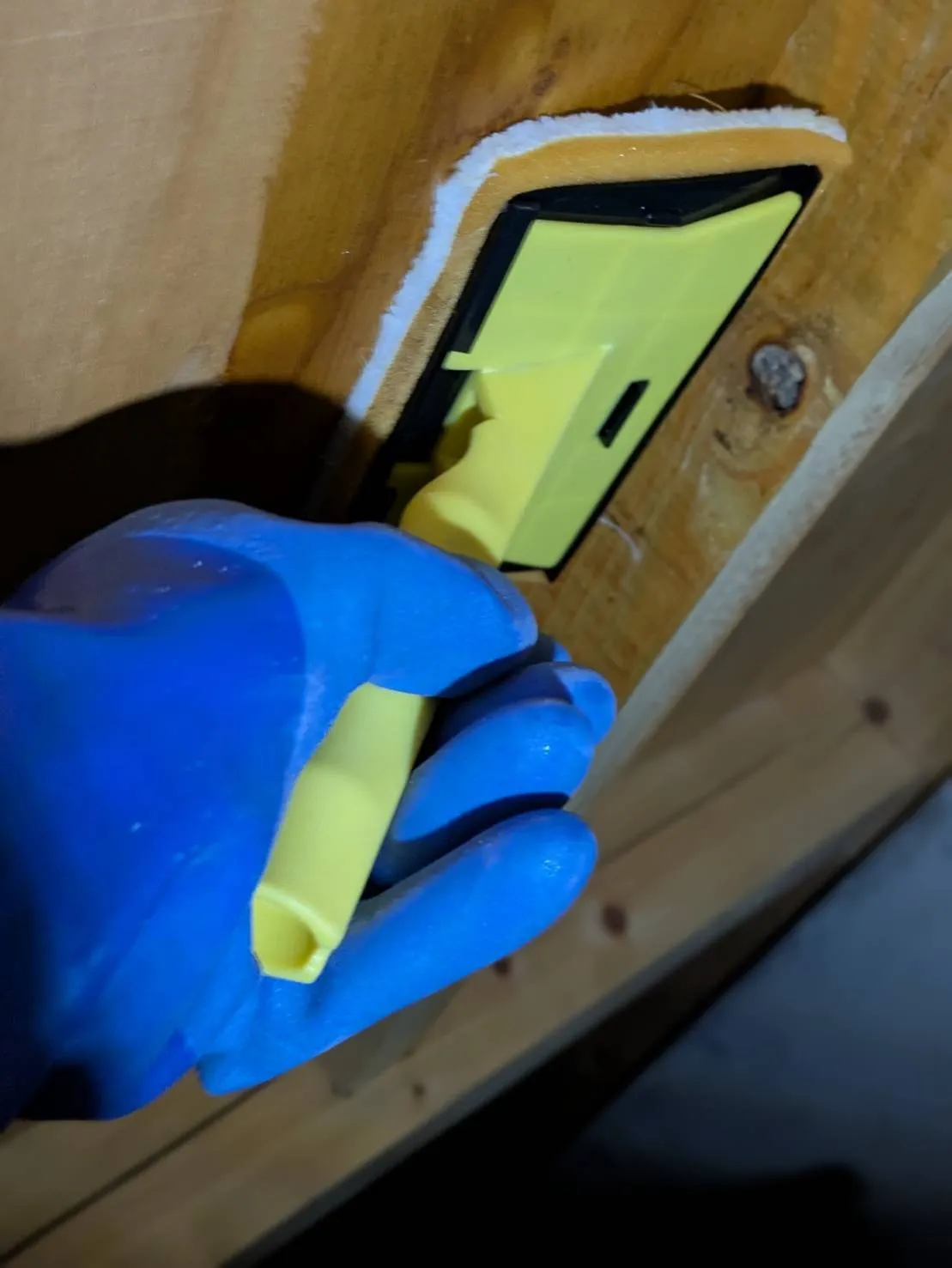
Mold Remediation Services in Osaka, Nagoya & Tokyo
For specialized environments like consular housing, mold control is too critical to delay. We invite you to contact Kabi Busters Osaka or Kabi‑Tori Reform Nagoya & Tokyo, both offering the exclusive MIST Method® for effective and safe mold elimination.
Their approach uses carefully formulated agents that eradicate mold even in hidden areas without scraping or damaging surfaces. They also provide residual anti-mold treatment to neutralize airborne spores—ensuring quick, long-lasting, and safe protection for families and institutions.
Trusted by heritage buildings, luxury homes, and medical facilities, their techniques are proven and reliable. Whether you're in Osaka or in Nagoya/Tokyo, they have extensive experience handling high-standard environments like consular residences.
Don’t wait until mold becomes a serious health threat. Contact Kabi Busters Osaka or Kabi‑Tori Reform Nagoya & Tokyo today for a professional assessment, rapid remediation, and future prevention plan for a healthier, mold-free living space.
---------------------------------------------------------------------
カビ取リフォーム
東京営業所
〒141-0022
東京都品川区東五反田2-5-2 YHE CASK GOTANDA6階
電話番号:090-8321-4408
名古屋本社
〒465-0028
愛知県名古屋市名東区猪高台1-1301 タイコウビル1F
電話番号 : 0120-588-766
サイト:https://taikou-kensou.co.jp/
大阪営業所
〒532-0003
大阪府大阪市淀川区宮原1-19-23
電話番号:080-6978-3068
カビバスターズ大阪
https://kabibusters-osaka.com/
【検査機関】
一般社団法人微生物対策協会
https://kabikensa.com/
----------------------------------------------------------------------