Growing in Hidden Places? The Threat of Mold Starting from Water Leaks
2025/06/05
If a water leak is left untreated, mold can silently spread throughout your home, potentially causing serious harm to both your health and the structure of the building. Mold that hides in invisible areas is especially difficult to detect, making early discovery a real challenge.
This article provides a comprehensive explanation of the mechanisms behind mold growth caused by leaks, its impact on health, how to detect and respond to it, and preventative measures to avoid recurrence.
To prevent mold-related health issues and structural damage, accurate knowledge and proper action are essential. By reading this article, you'll be equipped to respond confidently, even in the event of a sudden water leak.

What Causes Mold to Grow from Water Leaks?
At first glance, a water leak may seem like just a moisture issue, but in reality, it creates an ideal breeding ground for mold. Once moisture enters a home or facility, it becomes trapped, making it difficult to escape and providing perfect conditions for mold to thrive. If left unaddressed, mold can spread throughout building materials and interiors, potentially leading to serious health problems and structural damage.
1-1. The Impact of Moisture on Mold and Conditions for Growth
Several factors contribute to mold growth, but the most crucial is "humidity." Typically, mold begins to grow when humidity exceeds 60%, and it multiplies rapidly above 80%. Right after a leak, humidity levels can spike quickly, saturating wall interiors and the undersides of flooring materials. In just a few days, mold spores can settle in these hidden areas and form colonies over a wide area. Japan's hot and humid climate further accelerates this process, and it's not uncommon for mold to become visibly noticeable within a few days if the leak is left untreated.
1-2. The Risk of Mold Hidden in Invisible Areas
One of the most problematic aspects of leak-related mold is that it often develops in places you can't see. Behind wallpaper, inside insulation, beneath floorboards, or above ceilings—these unseen areas are prone to moisture buildup and become ideal environments for mold growth. These spots tend to have poor air circulation, trapping moisture and encouraging mold to spread quickly once it begins. Even if there are no visible signs, people often notice a musty odor or experience health issues, which lead to discovering the mold. If ignored, the mold can cause wood to rot or attract termites, ultimately compromising the building's structural integrity. Early detection and swift action are essential.
1-3. The Pitfall of Relying on Natural Drying Alone
Many people believe that simply allowing a water-damaged area to air dry is enough, but this is a major mistake. Natural drying often fails to eliminate moisture that has deeply penetrated building materials, leaving dampness hidden inside. As a result, even if the surface appears dry, mold may continue to grow quietly within. Materials like insulation, plywood, and drywall are particularly prone to absorbing and retaining water, making surface drying alone insufficient. After a leak, it's critical to assess the internal dryness of affected materials. If necessary, enlist professionals for thorough dehumidification and drying to prevent mold from returning.

2. Health Hazards Caused by Mold from Water Leaks
Mold is more than just an unsightly problem—it can have serious impacts on our health. Mold that develops as a result of water leaks often thrives in enclosed spaces, making it easier for its spores to disperse throughout the air. When inhaled, these spores can lead to a range of health issues such as allergies, asthma, and even pneumonia. In many cases, people suffer from unexplained health problems, only to later discover that mold in their living environment was the underlying cause.
2-1. Allergies and Respiratory Issues
Among the various health problems caused by mold, allergic reactions and respiratory issues are the most common. Mold spores, which are about 0.003 to 0.01 millimeters in size, float in the air and can enter the nose, bronchial tubes, and lungs. This can lead to symptoms similar to hay fever, such as sneezing, runny nose, and itchy eyes, which may persist chronically. Reports also include worsened bronchitis, asthma flare-ups, shortness of breath, and respiratory distress. Additionally, severe fungal infections like aspergillosis—where mold grows inside the lungs—can occur, posing life-threatening risks for individuals with weakened immune systems. It’s essential to stay vigilant and take early action.
2-2. Increased Risks for Children and the Elderly
Among those most vulnerable to mold-related health effects are young children and the elderly. Children have underdeveloped immune systems, making them more susceptible to airborne irritants and pathogens. Exposure to mold spores can heighten the risk of developing conditions like atopic dermatitis or asthma, and may even contribute to indirect issues such as decreased concentration and sleep disturbances. Elderly individuals, many of whom have existing health conditions, are also at greater risk, as mold can aggravate respiratory problems or lead to lung inflammation. In places like nursing homes and hospitals, mold outbreaks can result in widespread infections and serious health threats, highlighting the need for swift and professional intervention.
2-3. How to Detect and Respond to Mold-Related Health Risks
To prevent health damage caused by mold, it’s crucial to notice its presence early and take immediate action. Since mold isn’t always visible, people should be alert to changes like lingering nasal congestion, chronic coughs, or worsened symptoms when entering specific rooms. If your home has a history of water leaks, there’s a possibility that mold is growing out of sight—in walls, under floors, or in ceilings. If symptoms persist, it’s recommended to consult both a medical professional and a mold remediation specialist. Because mold is directly linked to health risks, recognizing the warning signs early and responding appropriately can help avoid more serious problems in the future.
3. Detecting Mold from Water Leaks and Initial Response Procedures
Mold caused by water leaks must be detected early and dealt with promptly to minimize damage. The longer it’s left untreated, the deeper mold roots itself, increasing the risk of serious health issues and structural damage. That’s why it’s essential to develop an awareness of subtle changes in your living environment and learn the proper steps to take when mold is suspected. This section offers practical guidance—from identifying mold to performing emergency actions and planning follow-up measures—to help you manage the situation effectively.
3-1. Signs of Water Leaks and How to Detect Mold
Detecting mold early starts with recognizing the signs of water leaks. Common physical indicators include wallpaper that’s bubbling or lifting, softened floor materials, or brown stains appearing on the ceiling. A faint musty smell upon entering a room may also suggest mold growing behind walls or beneath the floor. Additionally, if you experience coughing when turning on the air conditioner, a scratchy throat, or itchy eyes, these could be symptoms of airborne mold. Areas frequently affected by condensation, such as around water fixtures, behind furniture, closets, and above ceilings, are often overlooked. Make it a habit to regularly inspect these spots and check for trapped moisture, especially in hidden or poorly ventilated areas.
3-2. Emergency Measures and Key Points for Drying
Once you confirm a water leak or mold presence, your first priority is to prevent the situation from worsening. Start by shutting off the water source and inspecting for pipe damage or malfunctioning appliances. If the issue lies with plumbing or drainage, call a professional for repairs. Then, promptly remove moisture from the affected area—not just by wiping, but using dehumidifiers, fans, and air circulators to improve airflow and help dry the space. Materials like carpet, tatami mats, and insulation absorb water deeply, so even if the surface feels dry, the interior may still be damp. In some cases, these items should be removed, dried thoroughly, or replaced. Continue the drying process for at least several days, using a hygrometer to monitor the environment and keep indoor humidity below 50% for optimal results.
3-3. Steps to Prevent Mold from Returning After Initial Response
Even after you’ve completed emergency response and drying, don’t assume the problem is solved. Mold spores often remain airborne and can quickly begin growing again once humidity rises. That’s why disinfection and mold prevention treatments are essential. While store-bought disinfectants may work for surface-level mold, deeply rooted or hidden infestations require specialized products or professional treatment. Areas like inside walls or under floors are especially difficult to handle without expert equipment and knowledge.
To prevent recurrence, consistent humidity control is crucial. Use dehumidifiers in moisture-prone rooms, regularly run ventilation fans, and rearrange furniture to improve airflow. If the initial damage was extensive, it’s also wise to evaluate your home’s structure and plumbing systems to reduce the risk of future leaks. Taking these steps ensures a long-lasting, mold-free living environment.
4. Effective Mold Removal Methods and Important Precautions
Mold doesn’t go away on its own, and once it appears, removing it completely without professional help can be extremely challenging. This is especially true for mold that develops after a water leak, as it often spreads into humid structural spaces and hidden areas where it’s hard to detect. Simply cleaning the surface is rarely enough—mold frequently returns unless thorough and appropriate treatment is applied. Effective mold control requires precise removal methods tailored to the specific materials and conditions involved. Using the wrong approach can not only fail to eliminate the mold but also cause it to spread further or damage the building materials themselves.
4-1. Differences Between Store-Bought Products and Professional Services
Store-bought mold removal products are easily accessible and convenient, but their effectiveness is limited. Chlorine-based cleaners, for example, can quickly bleach away surface mold but often fail to reach mold that has deeply rooted itself in porous materials. These products may also cause discoloration or deterioration of surfaces like wallpaper and wood. Moreover, their strong odor and potential health risks—especially for households with children or pets—require careful handling.
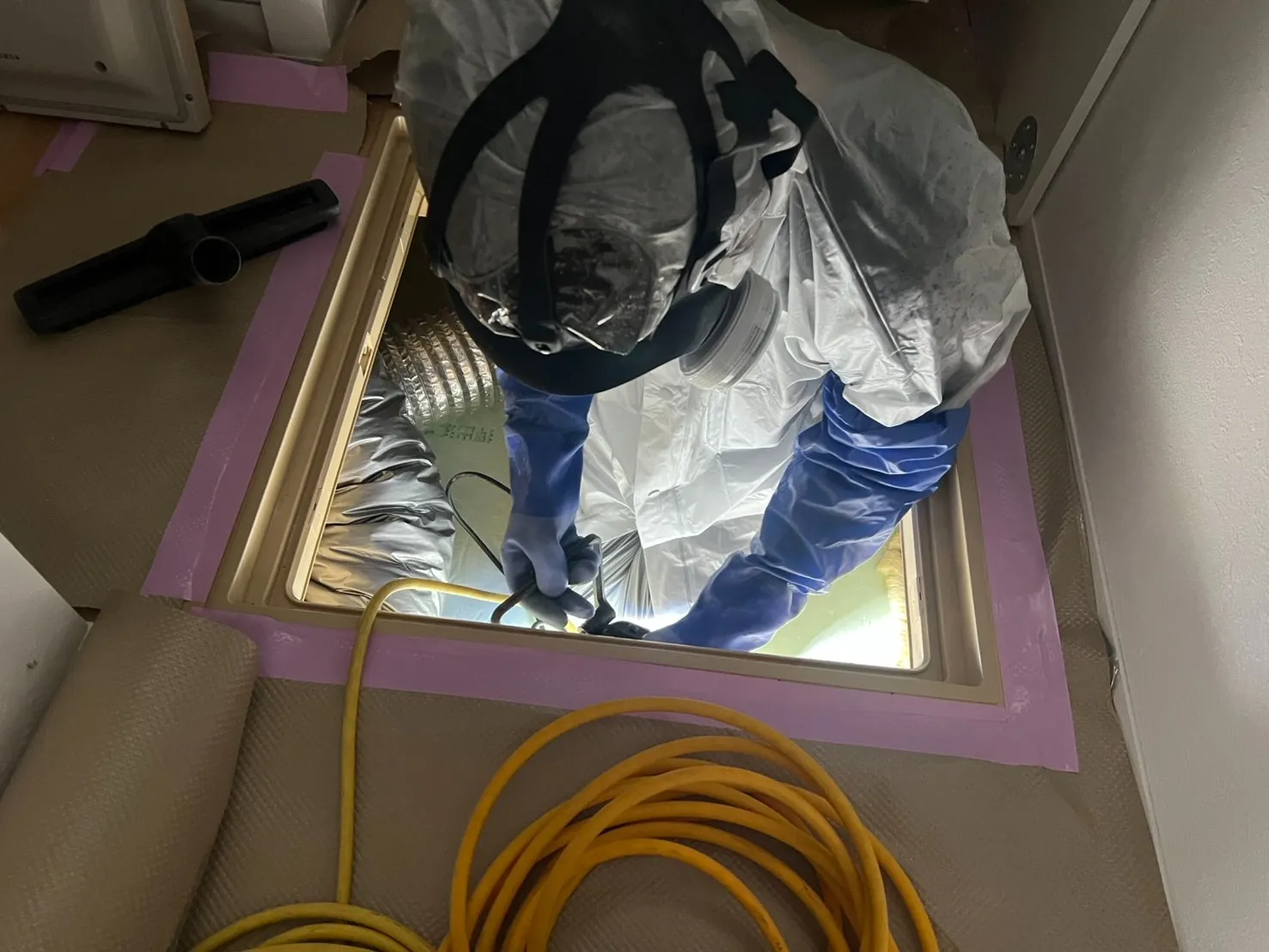
In contrast, professional mold removal services assess the type of mold and the material affected to apply targeted treatment using specialized products and techniques. For example, the MIST method® eliminates mold by chemically breaking it down without scrubbing, preserving the integrity of materials while ensuring thorough removal and prevention of recurrence. Professionals can also treat hard-to-reach areas like inside walls, ceilings, and under floors—places where store-bought sprays simply can’t penetrate. For widespread or persistent mold issues, hiring a professional is a reliable and effective solution.
4-2. How to Remove Mold Without Damaging Surfaces
When removing mold, it’s essential to avoid damaging the surfaces being treated. Materials like wood, wallpaper, and fabric are particularly sensitive; using harsh chemicals or scrubbing vigorously can cause surface abrasion, weakening the material. In many cases, mold that appears to be gone returns quickly from spores left embedded in the surface.
To remove mold effectively while preserving surfaces, it's vital to choose treatments based on the specific characteristics of each material. For example, weakly acidic agents can chemically break down mold without abrasion, and mist-based solutions can deeply penetrate porous materials without the need for force. Incorporating mold prevention treatments after removal further reduces the risk of recurrence. For historic structures or homes with natural materials, it’s especially important to use gentle, non-destructive methods—another reason professional services are often the best choice.
4-3. Common Mistakes to Avoid When Removing Mold
In the rush to clean up mold, many people make critical mistakes that can worsen the situation. One of the most common is scrubbing mold, which may seem effective but actually disperses spores into the air, spreading the mold further. Dry-wiping mold is particularly dangerous, as it can launch spores across the room.
Some people try to tackle mold with natural remedies like alcohol or baking soda. While these may help with light surface mold, they’re generally ineffective against deeply embedded or water-leak-induced mold. Superficial cleaning often only hides the problem temporarily, leading to quick recurrence and potentially greater damage.
Ignoring mold or assuming it will disappear with time or natural drying is another serious error. Mold can become visibly noticeable in just a few days if conditions are right, and can lead to health issues and structural decay if left unchecked. This is especially dangerous in leak situations where moisture lingers beneath the surface.
To address mold correctly, assess the situation thoroughly, avoid disturbing spores, and select methods appropriate for the material and mold type. To prevent regrets and ensure lasting results, avoid DIY fixes for significant mold issues—consulting a knowledgeable professional is always the safest course of action.
5. Daily Inspections to Prevent Water Leaks
To prevent mold at its root, it’s essential to address the primary cause: water leaks. While leaks may seem like sudden accidents, they often show early warning signs or subtle changes that can be detected with regular attention. Routine inspections and mindful observation around the home can make all the difference in catching problems early and preventing extensive damage. This section introduces practical ways to inspect your home for potential leaks and reduce the risk of water damage before it starts.
5-1. Key Inspection Points for Plumbing and Drainage
The most common cause of water leaks is deterioration, loosened joints, or clogs in the plumbing system. Areas around sinks, bathrooms, washing machines, and kitchens should be checked regularly. Focus on connections between pipes, the base of faucets, and drainage hose junctions. Signs such as water stains, rust, or a musty smell could indicate a leak. Slow drainage or foul odors from drains may suggest clogs or backflow, which can lead to water buildup and eventual leakage inside walls or floors.
In older homes, aging pipes are also a concern. It’s advisable to have a professional inspection using a pipe camera about once a year to catch potential issues before they escalate.
5-2. Preventing Roof Leaks and Condensation
Leaks don’t just come from inside plumbing—water intrusion from outside is another major risk, especially during Japan’s rainy season or typhoon periods. If roofs, exterior walls, or window seals become compromised, rainwater can seep in. Check for cracked roof tiles, gaps in exterior walls, and deteriorated caulking. Clogged gutters are another hidden hazard, as backed-up water can overflow and enter the building. Clean gutters of leaves and debris regularly.
Condensation is another common and underestimated form of minor leakage, especially in winter. When left unchecked, moisture from condensation can seep into window frames, walls, and floors, eventually leading to mold growth. Prevent this by managing indoor temperature and humidity. Consider upgrading insulation, installing double-pane windows, and adjusting the use of humidifiers or dehumidifiers depending on seasonal needs.
5-3. Tips for Making Routine Inspections a Habit
One-time inspections won’t prevent leaks—consistency is key. But incorporating regular checks into daily life isn’t always easy, which is why a simple and repeatable routine helps.
Try setting a “Water Check Day” once a month—say on the 1st or 15th. Use that day to inspect your kitchen, bathroom, laundry area, and toilet. Focus on faucet bases, pipe joints, drainage flow, and any signs of water spots on floors. Smartphone calendars and reminders can help you stay on track.
It’s also a good idea to perform exterior checks seasonally. Before and after rainy or typhoon seasons—or before winter—inspect the roof, walls, windows, and gutters for cracks, deterioration, or blockages. If it’s hard to do this yourself, consider hiring a professional for regular maintenance checks.
Most importantly, don’t aim for perfection. Even a 5- or 10-minute check is enough to start. Small, consistent habits can prevent large-scale water damage and costly repairs in the future.
6. When to Call a Professional and How to Choose the Right One
Mold caused by water leaks affects not only the appearance of your home but also your health and the building's structural integrity. While prompt emergency action is crucial, there are times when seeking professional help is the smartest—and safest—choice. It’s important to recognize the limits of DIY approaches and know when the situation requires expert intervention. Choosing a trusted, qualified professional can make a significant difference in minimizing damage and ensuring a thorough, long-term solution.
6-1. The Limits of DIY and When to Seek Professional Help
When mold appears, many people first turn to store-bought products or simple cleaning methods. However, if mold roots have penetrated deep into building materials, or if it’s caused by hidden water leaks, these DIY efforts often fall short and lead to quick recurrence.
You should consult a professional mold remediation service if you notice any of the following:
Mold keeps returning, even after cleaning
Discoloration or warping of walls or floors
A musty smell has spread throughout the house
Ongoing respiratory issues or allergy symptoms
You can’t identify or fix the source of the leak
In cases where mold has spread widely or may be hiding under floors or behind ceilings, DIY solutions are not recommended. Incomplete or incorrect treatment can make the problem worse, so it’s best to act early and involve specialists.
6-2. What to Look for When Choosing a Professional Mold Removal Service
When it comes time to hire a mold removal expert, many people are unsure how to choose the right one. While there are numerous companies specializing in mold remediation, their experience, techniques, and service quality can vary widely. Here are key points to help you evaluate a reliable service provider:
A proven track record of successful mold removal
Ability to perform both mold removal and long-term prevention treatments
Use of methods that don’t damage materials or surfaces
Assurance that the chemicals used are safe for people and pets
Clear, detailed explanations and quotes without hidden costs
Companies that also offer solid aftercare services tend to be more trustworthy, as they are more likely to respond quickly if issues arise post-treatment. It’s also wise to check customer reviews, examples of past work, and before-and-after photos. Because mold tends to spread and worsen if neglected, it’s crucial to choose a provider based not only on price but also on their professionalism, transparency, and ability to deliver lasting results.
Worried About Mold? Let the Pros Handle It! Safe Removal and Prevention by Kabibusters Osaka & Kabi Reform Nagoya/Tokyo
Mold damage from water leaks often spreads out of sight. Trust experienced professionals with proven expertise to protect your home and your family’s health.
Mold Removal and Prevention? Trust Kabibusters Osaka and Kabi Reform Nagoya/Tokyo
Mold caused by water leaks can have a serious impact on both your health and your home's longevity. That’s why early detection and professional intervention are essential. However, mold often spreads silently in hidden places, making it nearly impossible to fully remove and prevent with DIY methods alone. That’s where we come in—Kabibusters Osaka and Kabi Reform Nagoya/Tokyo.
We utilize the MIST Method®, an advanced mold removal technique that breaks down mold at its roots without damaging materials. There's no need for scrubbing or scraping, and it’s safe for delicate surfaces such as wood or historical structures—our portfolio includes high-end homes and heritage buildings. The special solutions we use are both powerful and safe for human health, so you can breathe easy even after treatment.
In addition to mold removal, we also provide thorough anti-mold treatments to prevent airborne spores from resettling. For those looking to maintain a clean living environment long-term, we offer regular inspections and personalized consultations.
If you’ve had a leak and notice musty odors, unseen moisture, or family members experiencing persistent health issues—don’t wait. We're ready to respond swiftly and carefully throughout Osaka, Nagoya, and Tokyo.
Let go of mold worries and reclaim a safe, comfortable home.
Contact Kabibusters Osaka or Kabi Reform Nagoya/Tokyo—our experienced team is here to help.
---------------------------------------------------------------------
カビ取リフォーム
東京営業所
〒141-0022
東京都品川区東五反田2-5-2 YHE CASK GOTANDA6階
電話番号:090-8321-4408
名古屋本社
〒465-0028
愛知県名古屋市名東区猪高台1-1301 タイコウビル1F
電話番号 : 0120-588-766
サイト:https://taikou-kensou.co.jp/
大阪営業所
〒532-0003
大阪府大阪市淀川区宮原1-19-23
電話番号:080-6978-3068
カビバスターズ大阪
https://kabibusters-osaka.com/
【検査機関】
一般社団法人微生物対策協会
https://kabikensa.com/
----------------------------------------------------------------------