A Must After Luxury Home Renovation! The Complete Guide to Protecting Your Library and Walk-in Closet from Mold
2025/12/02
Spacious libraries and walk-in closets created through luxury home construction or renovation may look elegant, but they often carry hidden risks—poor ventilation, trapped humidity, and a high likelihood of mold growth.
By reading this article, you'll learn comprehensive methods for humidity control, ventilation, non-damaging mold removal, and effective prevention strategies, including key design-phase considerations.
This empowers you to maintain your luxury space in optimal condition, safeguarding both your health and the value of your home.

1. Why Mold Tends to Appear in Luxury and Renovated Homes
While luxury homes and renovated properties are often designed for maximum comfort, their highly insulated and airtight structures can inadvertently create ideal conditions for mold growth. Especially in enclosed areas like libraries and walk-in closets, the lack of airflow and persistent humidity make it difficult to manage moisture effectively. In this section, we explore two key reasons why mold is more likely to appear in these upscale living spaces.
1-1. Hidden Moisture and Condensation Risks in High-Insulation, Airtight Homes
Modern luxury homes are typically built with high insulation and airtight construction to improve energy efficiency and indoor comfort. However, this also reduces natural air circulation, causing moisture to become trapped indoors. During colder months, condensation often forms on windows or behind walls due to temperature differences between the inside and outside, creating a perfect breeding ground for mold. Radiant floor heating systems, which raise indoor air temperature, can further increase humidity and spread moisture into furniture, storage areas, and walls. Ironically, the very features that make these homes comfortable can also make them more prone to mold issues.
1-2. Poor Ventilation in Library and Walk-in Closet Structures
Spaces like libraries and walk-in closets are often enclosed with little or no windows and are frequently kept shut, making proper ventilation difficult. In particular, walk-in closets filled with clothing create a microclimate where humidity accumulates as fabrics absorb and release moisture. Lighting fixtures and human activity can also cause subtle temperature changes that lead to condensation. When this continues unchecked, mold can spread across walls, ceilings, and even stored items. Without built-in ventilation or airflow systems from the design stage, addressing mold later becomes far more difficult and costly.
2. Health Risks and Property Value Loss Caused by Mold in Libraries and Closets
Mold might not always be visible at first glance, but if left untreated, it can pose serious risks to both your health and your home’s long-term value. This is especially true in luxury homes, where high-quality materials and valuable possessions are stored in enclosed spaces like libraries and walk-in closets. Even minor mold damage can lead to significant losses. In this section, we break down how mold affects your health and how it can undermine your property’s worth.
2-1. Health Hazards: Allergies and Respiratory Issues Triggered by Mold Spores
Mold releases microscopic spores into the air that can easily be inhaled. This can lead to various health problems such as allergies, asthma, sinus congestion, skin irritation, and more. Enclosed areas like closets and libraries often trap these spores, allowing them to accumulate and circulate in the indoor air. Children, elderly individuals, and those with pre-existing respiratory conditions are particularly vulnerable. Mold levels can become dangerously high even if visible signs are absent, which is why regular checks are essential. A musty smell from books or clothing may be an early warning sign of hidden mold.
2-2. Material Damage and Property Devaluation
Mold doesn’t just cause stains—it also breaks down materials over time. In libraries and closets, where wood, wallpaper, and fabric finishes are commonly used, mold can eat into surfaces, causing discoloration, warping, and structural deterioration. In luxury homes, the interior finish plays a major role in property value. Visible mold damage or even just staining can significantly affect resale or rental appeal. If the mold appears soon after a renovation, it may feel like the investment was wasted. For these reasons, prompt detection and treatment of mold are crucial to preserving the home’s condition and value.
3. Essential Humidity and Ventilation Tips for Libraries and Closets
In enclosed spaces like libraries and walk-in closets, preventing mold starts with the basics: humidity control and ventilation. These storage areas often lack natural airflow and can quickly become humid, especially in highly insulated luxury homes. Even if the space looks clean and stylish, stagnant air and excess moisture create an ideal environment for mold. This section covers fundamental strategies to help you manage moisture and air circulation effectively in these delicate areas.
3-1. Maintaining Optimal Indoor Humidity Between 40–60%
Mold thrives in environments with humidity levels above 60%. Therefore, keeping indoor humidity between 40–60% is crucial for mold prevention. Install a hygrometer to monitor humidity levels regularly. Using a dehumidifier—especially during the rainy season or in colder months—can help maintain a stable environment. You can also place moisture-absorbing materials like charcoal or diatomaceous earth in shelves and corners to naturally control humidity. These materials are discreet and require no electricity, making them perfect for enclosed spaces. Staying consistent with humidity control is your first line of defense against mold.
3-2. Encouraging Airflow Through Design and Routine Ventilation
Proper airflow is essential in preventing moisture buildup. Libraries and closets often remain closed for long periods, which causes air to stagnate and humidity to rise. Make it a habit to open doors and cabinets regularly to refresh the air. Installing ventilation fans or placing small circulators inside the room can help move air and prevent damp spots. Also, consider leaving small gaps between furniture and walls or between storage boxes and shelves to promote air circulation. If you're planning a renovation or new build, incorporate vents or airflow systems into the design to make long-term mold prevention much easier.
4. Everyday Habits and Storage Tips to Prevent Mold
Because libraries and closets are used daily, simple routines and thoughtful storage practices can go a long way in preventing mold. While it’s impossible to eliminate all moisture, small, consistent efforts can keep the space clean, dry, and mold-free. In this section, we introduce practical, low-effort habits and storage strategies that help maintain a healthy environment.
4-1. Ensuring Items Are Dry and Clean Before Storing
The most important rule when storing anything in a closet or library is to avoid introducing moisture. Clothes worn recently or books brought in from outside often carry unseen humidity or sweat. Storing them without proper drying can raise humidity levels inside and create a breeding ground for mold. Make sure to air-dry garments thoroughly or sun-dry them when possible. Books and other items should also be wiped clean to remove dust, which can serve as a food source for mold. These small habits are simple yet highly effective in preventing mold buildup over time.
4-2. Using Breathable Storage Boxes and Mold Prevention Products
The type of storage box you use matters. Airtight plastic containers tend to trap moisture, while fabric or nonwoven material boxes offer better breathability. Consider adding dehumidifying agents or anti-mold products to each box—natural options like charcoal blocks, hinoki wood, or anti-mold sheets are highly effective and safe. It’s also important to leave space between boxes or between furniture and walls to allow air circulation. These small design and storage considerations significantly reduce the risk of mold in enclosed spaces and help keep your valuables in pristine condition.
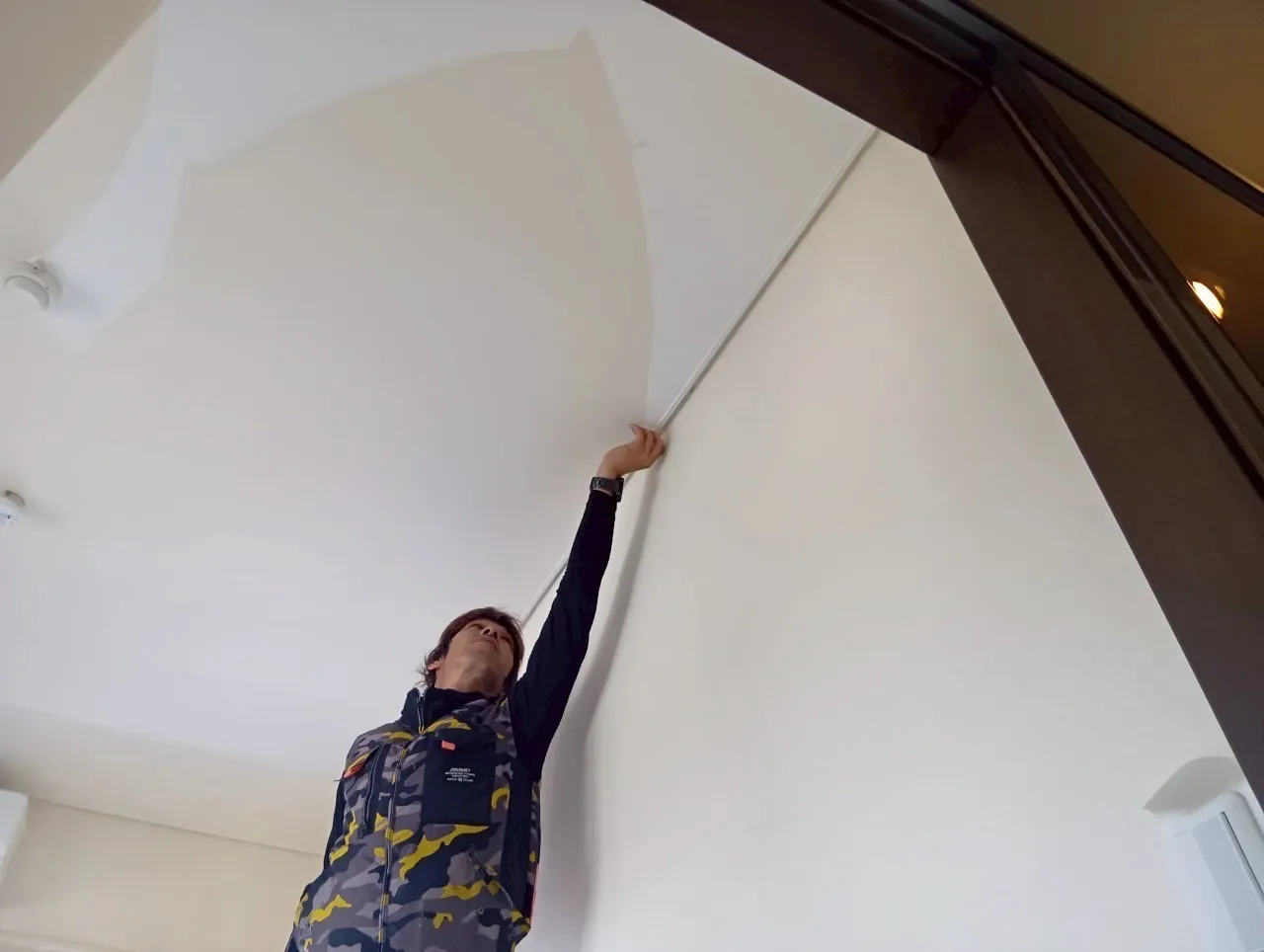
5. How to Safely Remove Mold and What to Watch Out For
No matter how careful you are, mold can still develop—especially during humid seasons or in poorly ventilated spaces. When mold appears, it’s crucial to act quickly and correctly. However, using the wrong removal method can damage materials or even make the problem worse. This section explains how to safely remove mold and highlights important precautions, especially in high-end interiors.
5-1. Choosing Safe Mold Removal Methods for Wood and Delicate Finishes
In libraries and closets, delicate materials such as wood, wallpaper, and fabric are common. Using harsh, bleach-based mold removers on these surfaces can cause discoloration, fading, or permanent damage. This is particularly risky in luxury homes where high-end materials are involved. Instead, opt for neutral pH cleaners or natural mold removers designed specifically for interior surfaces. Always test a small hidden area first to ensure compatibility. Rather than scrubbing mold, which can damage surfaces and spread spores, it's better to use a method that lifts mold gently for safe wiping. Prioritizing both safety and effectiveness is essential when dealing with premium interiors.
5-2. DIY vs. Professional Mold Removal: How to Decide
While some minor surface mold can be handled through DIY methods, many situations require professional help. If mold has penetrated walls, wood, or other porous materials, surface cleaning won’t be enough and may lead to recurrence. Additionally, if mold odors are strong or if health concerns arise, it's best to consult an expert. Professionals can not only remove visible mold but also treat hidden areas and apply long-lasting anti-mold coatings. Their knowledge of material compatibility and specialized tools ensures a safer, more effective solution. Knowing when to call in the pros is key to avoiding larger issues down the line.
6. Professional Mold Removal Methods and Long-Term Prevention for High-End Libraries and Closets
In luxury homes and high-end renovated spaces, closets and libraries often feature expensive, delicate materials that are easily damaged by standard mold treatments. In these cases, generic cleaning methods are not enough. What’s needed is a specialized, non-invasive approach that protects the integrity of the materials while eliminating mold at its source. This section introduces professional mold removal techniques suited to premium interiors and outlines effective strategies to prevent recurrence.
6-1. Advantages of Non-Scrubbing Mold Removal Methods
Traditional mold removal methods often involve scrubbing or abrasion, which can severely damage sensitive surfaces like wood, wallpaper, or cloth. These methods are not appropriate for luxury homes. That’s why newer techniques that don’t require physical contact—such as mist-based treatments—are gaining attention. For example, specialized anti-mold solutions can be sprayed as a fine mist, penetrating deep into materials to dissolve mold at the root without damaging the surface. These methods maintain the original beauty and finish of the materials while effectively eliminating mold. Plus, the treatment has minimal odor or disruption, allowing you to continue using the space during and after application.
6-2. Post-Treatment Prevention and the Importance of Regular Maintenance
Even after mold is removed, prevention is key to avoiding future problems. Professional services include post-treatment with anti-mold agents that create a protective barrier on surfaces, stopping spores from taking hold again. These solutions can also neutralize airborne spores, offering long-lasting protection throughout the room. To maintain this effect, it’s important to schedule regular inspections—ideally once a year—to check humidity levels and catch early signs of mold. Investing in long-term maintenance upfront can save you from costly repairs and protect the value of your luxury property over time.
7. Mold Prevention Design Tips to Consider During Renovation or Planning
Mold prevention in libraries and closets should begin at the design stage—not after mold has already appeared. This is especially important in renovation projects, where existing structural limitations must be addressed while improving ventilation and moisture control. Taking proactive steps during the planning phase can dramatically reduce future risks. This section introduces key design considerations that help keep mold at bay from the very start.
7-1. Installing Ventilation Systems: Fans, Windows, and Airflow Planning
Air stagnation and moisture buildup are the two biggest causes of mold. When designing or renovating libraries or closets, it’s essential to prioritize airflow. Adding a small window or a ventilation fan can make a big difference in keeping humidity low. Combining exhaust fans with small circulator fans enhances air movement throughout the space. In newer systems, humidity sensors can be linked to automated fans that activate when moisture levels rise. Structurally, ensure air can flow around and behind furniture or built-in shelving. Designing for airflow prevents invisible mold risks that can be difficult and costly to correct later.
7-2. Choosing Mold-Resistant Materials and Finishes
Another effective mold prevention strategy is to select materials that are naturally resistant to moisture and mold. For example, using mold-resistant plywood or moisture-proof wall panels for shelving and walls can limit mold growth. Anti-mold coatings and treated wallpapers are also widely available and suitable for luxury interiors. For flooring, consider natural wood with good breathability or specialty materials that offer humidity regulation. By thoughtfully selecting these components, you can balance elegance and function—protecting your investment while preserving the aesthetic appeal of your home.
8. Mold Prevention Tips Based on Storage Use: Books, Clothing, or Both
Libraries and closets serve different purposes depending on what they store—books, clothing, or a combination of both. Each type of item reacts differently to moisture and requires specific care to prevent mold. By tailoring your mold prevention approach to the room’s primary use, you can keep your storage space clean and your items safe for the long term. This section provides practical tips for managing mold based on how your space is used.
8-1. Managing Humidity and Mold for Book-Focused Libraries
Books are particularly sensitive to moisture, as paper absorbs humidity easily. Over time, high humidity can cause pages to warp, develop stains, or grow mold. For book-heavy spaces, constant humidity control is essential. Use a dehumidifier, especially during the rainy season or in high-humidity climates. Don’t overstuff shelves—leave space behind books and between rows for airflow. You can also place moisture-absorbing materials like charcoal or silica gel near bookshelves. For rare or valuable books, consider airing them out once or twice a year to keep them dry and well-preserved.
8-2. Preventing Mold in Clothing-Centered Closets
When storing clothing, leftover sweat and body moisture can cause significant mold problems, especially in enclosed closets. Always let clothes dry completely before storing them. In walk-in closets, avoid cramming clothes together—leave room between hangers to allow air to circulate. Use natural dehumidifiers like cedar blocks, hinoki wood chips, or charcoal bags in drawers and shelves. Small fans or circulators can help maintain even airflow. It’s also helpful to rotate your wardrobe seasonally and inspect lesser-used items regularly. These small efforts ensure your clothes remain fresh and mold-free year-round.
9. Routine Maintenance and Checklist: Habits to Prevent Mold Before It Starts
Once mold begins to grow, it’s difficult to completely remove—and the risk of recurrence remains high. That’s why prevention through routine maintenance and regular inspections is crucial, especially in closed-off areas like libraries and closets. Often, mold spreads silently in places that aren’t regularly checked. In this section, we explain how to build mold prevention into your habits with seasonal maintenance and a practical checklist.
9-1. Seasonal Inspections and Humidity Monitoring
Mold tends to thrive during specific times of year—rainy seasons, autumn, and winter months when condensation is common. These periods require extra vigilance. Set a seasonal schedule for inspections, such as late May before the rainy season, mid-September before fall humidity peaks, and November when heaters begin to run. Use a hygrometer to ensure humidity levels stay within the ideal range of 40–60%. Don’t forget to check hidden areas such as the backs of bookshelves, inside storage boxes, and ceiling corners. If you notice a musty smell or discoloration, it could be an early sign of mold and should be addressed immediately.
9-2. Reviewing Storage Layout to Promote Airflow
Maintaining good airflow is essential for mold prevention. That means you should periodically reevaluate how items are stored. If certain shelves or bins are overly packed and haven’t been touched in months, take time to remove and air them out. Reduce density where possible to allow for airflow between and around stored items. Leave small gaps between furniture and walls or under shelves to encourage ventilation. As part of your checklist, also replace dehumidifiers and anti-mold products regularly—these lose effectiveness over time. Turning this process into a routine makes mold prevention easy and sustainable.
10. Creating a Comfortable, Long-Lasting Luxury Space with Mold Prevention in Mind
Luxury homes and renovated properties often feature beautiful libraries and closets, but to preserve these spaces over the long term, mold prevention must be built into the foundation. Beyond aesthetics and functionality, durability is key—and that starts with proactive moisture control and thoughtful design. This section explores how mold prevention plays a vital role in maintaining health, value, and comfort in your high-end living environment.
10-1. Holistic Design to Protect Health, Property Value, and Comfort
Mold prevention isn’t just about cleanliness—it’s a strategy to protect your home’s structural integrity, indoor air quality, and long-term value. Libraries and closets store sensitive items like books and clothing, as well as expensive materials and finishes. That’s why they require “holistic design” that includes proper ventilation, humidity control, and material selection. For example, creating intentional airflow paths, choosing mold-resistant finishes, and allowing for easy maintenance access all contribute to a resilient and luxurious environment. Mold resistance should be viewed as an integral part of the design, not an afterthought.
10-2. Why Professional Services Are Worth Considering Alongside DIY
While daily maintenance and small adjustments can prevent mold, some issues go beyond what homeowners can manage on their own—especially in spaces made with delicate or high-end materials. Attempting to clean deeply rooted mold without the right tools or knowledge may cause irreversible damage. That’s where professional mold removal and prevention services become essential. Experts can provide safe, non-invasive solutions and apply protective treatments that prevent recurrence. In high-value properties, investing in professionals not only saves time and reduces risk—it preserves the beauty, health, and value of your home for years to come.
Mold Removal and Renovation Services by Kabi Busters Osaka & Kabitori Reform Tokyo/Nagoya
If you're struggling with mold issues in your library or walk-in closet—especially in luxury homes or renovated spaces—it's essential to work with professionals who understand both interior preservation and long-term prevention. That’s where Kabi Busters Osaka and Kabitori Reform Tokyo/Nagoya come in. These specialized mold removal services are operated by Taikou Kensou Co., Ltd., a company uniquely positioned to provide both professional mold removal and high-quality renovation in one seamless process.
Unlike other services that require separate contractors for mold removal and repair, Taikou Kensou offers a one-stop solution. We conduct in-depth mold inspections, apply our original MIST Method® (which eliminates mold without scrubbing or damaging materials), and follow up with professional renovation tailored to your space’s function and design. This approach ensures faster turnaround, lower overall costs, and better long-term protection for your property.
Taikou Kensou’s renovation business covers a wide range of services—from full-scale home remodeling to targeted upgrades for specific rooms like libraries, closets, and bathrooms. Our team focuses on both aesthetics and durability, offering moisture-resistant designs, breathable material selection, and mold-conscious construction techniques. Whether you're renovating a classic home or updating a modern space, we integrate functionality and style to enhance your living environment while safeguarding against future mold growth.
For those looking to protect their investment, improve indoor comfort, and maintain the beauty of their luxury space, Kabi Busters Osaka and Kabitori Reform Tokyo/Nagoya, operated by Taikou Kensou Co., Ltd., are the trusted professionals to contact.
---------------------------------------------------------------------
カビ取リフォーム
東京営業所
〒141-0022
東京都品川区東五反田2-5-2 YHE CASK GOTANDA6階
電話番号:090-8321-4408
名古屋本社
〒465-0028
愛知県名古屋市名東区猪高台1-1301 タイコウビル1F
電話番号 : 0120-588-766
サイト:https://taikou-kensou.co.jp/
大阪営業所
〒532-0003
大阪府大阪市淀川区宮原1-19-23
電話番号:080-6978-3068
カビバスターズ大阪
https://kabibusters-osaka.com/
【検査機関】
一般社団法人微生物対策協会
https://kabikensa.com/
----------------------------------------------------------------------