Why Does Your Closet Smell Musty? Causes and Quick Fixes You Can Try Today
2025/11/19
Thank you for visiting our blog today.
Have you ever opened your closet to find a musty odor or noticed black stains on your clothes? These issues can be more than just an inconvenience—if left untreated, they may lead to damage to your belongings and even pose health risks.
In this article, we thoroughly explain the causes of mold growth in closets, practical prevention and cleaning methods you can do yourself, and when it’s time to call in a professional.
By reading this, you'll learn how to create an environment where mold is less likely to return, gaining practical knowledge to maintain a clean and comfortable storage space.
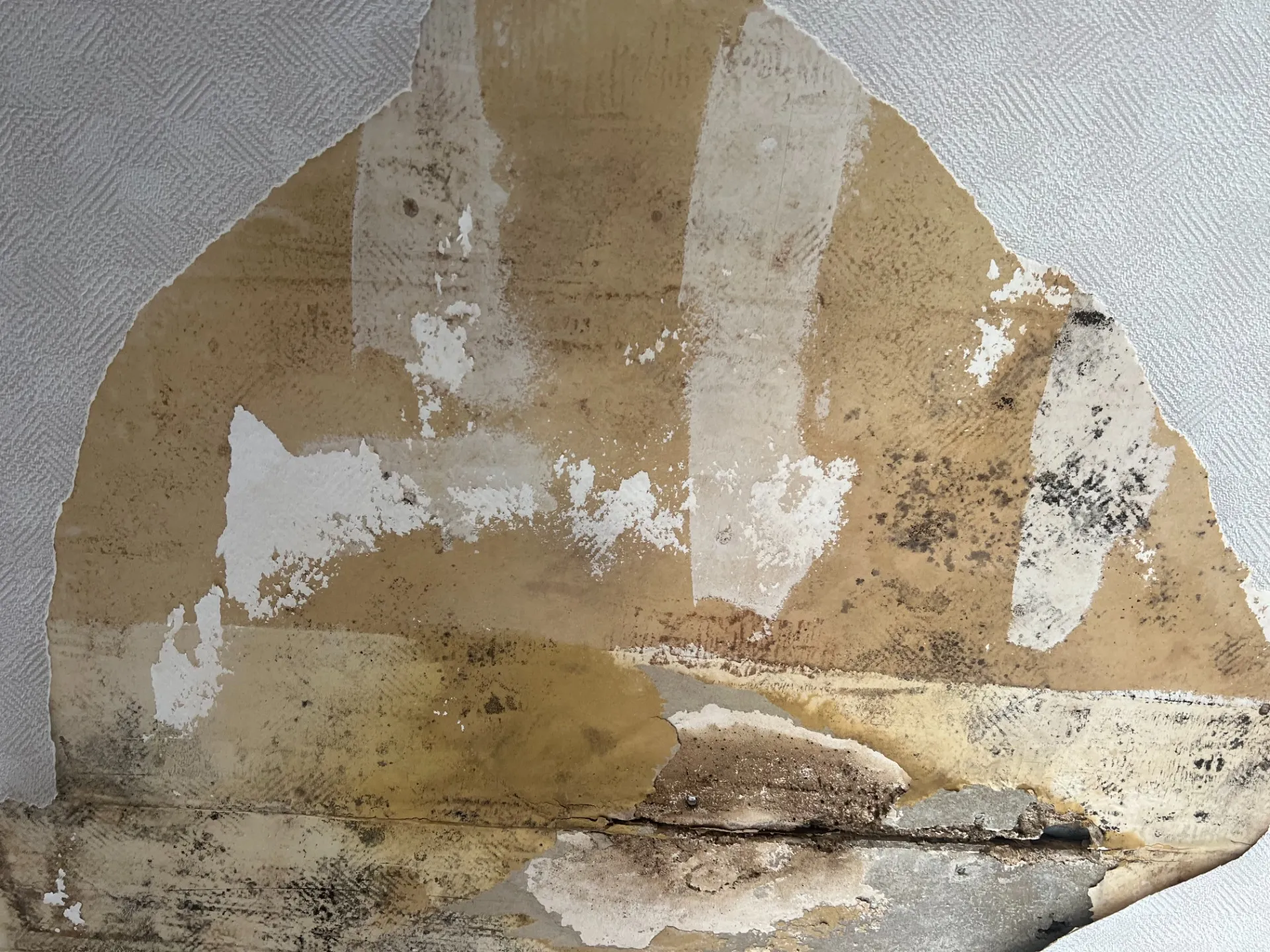
1. Closet Mold Problems: Causes and Hidden Risks Explained
Mold growing inside a closet can go unnoticed for a long time, yet it may cause serious damage to clothing and even affect your health. In this section, we explain why mold develops in closets and what risks it brings, helping you understand the underlying issues and how to address them effectively.
1-1. Main Causes of Mold Growth Inside Closets
The primary cause of mold growth inside closets is moisture. This is especially common during Japan’s rainy season or in winter due to condensation, combined with poor ventilation. When closet doors are kept closed, airflow is cut off, causing humidity to build up. Additionally, storing clothes that aren’t completely dry after washing introduces moisture into the space. Closets located in north-facing rooms or those with limited sunlight are more prone to condensation caused by temperature differences, making them a perfect environment for mold to thrive.
1-2. Negative Effects of Mold on Health and Clothing
Mold doesn’t just create an unpleasant appearance—it can seriously affect both clothing and health. Mold causes stains, discoloration, and musty odors, and it can even damage fabric, especially natural fibers that are more susceptible. Once mold takes hold, it can be extremely difficult to remove completely. Furthermore, mold spores can easily become airborne and, when inhaled, may trigger allergies, asthma, or skin issues. For children, the elderly, or anyone with weakened immune systems, mold exposure can be especially dangerous, so early detection and intervention are essential.
1-3. Early Warning Signs of Closet Mold Often Overlooked
Mold inside a closet often goes unnoticed in its early stages because there may be no visible black or white spots. However, there are subtle signs to watch for: a damp or musty smell when opening the closet, clothes taking on a moldy odor, or slight discoloration on walls and ceilings. A strong odor may indicate mold growing in hidden areas such as the corners or deep inside the closet. Even if there are no visual signs, any strange smells or stale air should prompt a thorough inspection of the closet interior.
2. What Makes Closets Prone to Mold Growth
Mold tends to thrive in environments where specific conditions overlap. Closets often become hotspots for mold due to a combination of structural features, how they’re used, and seasonal factors. In this section, we’ll break down the types of environments mold loves and help you assess whether your own closet might be at risk.
2-1. The Impact of Climate, Humidity, and Ventilation
Mold thrives under specific conditions: humidity above 70%, temperatures between 20–30°C (68–86°F), and the presence of organic matter like dust, skin oils, or fabric fibers. Japan’s climate, especially during the rainy season and summer, naturally creates these high-humidity conditions. When closet doors remain closed during these periods, the trapped moisture creates a perfect breeding ground for mold. Even in winter, temperature differences between indoor and outdoor air can lead to condensation, which contributes to hidden moisture inside closets. Poorly ventilated rooms—such as those facing north or lacking windows—are especially vulnerable to moisture buildup, increasing the risk of mold proliferation.
2-2. Common Cases in Sealed Closets
When closet doors remain tightly shut, airflow is severely restricted, allowing moisture to accumulate. This stagnant air creates ideal conditions for mold growth. Mold often forms behind storage boxes pressed against the wall, underneath items placed directly on the floor, or in the corners where air rarely circulates. Closets that are rarely opened or are packed too tightly with clothing are particularly at risk, as the dense storage limits air movement even further. In some cases, condensation from adjacent exterior walls seeps into the closet, allowing mold to grow behind walls or in unseen areas. Without regular inspection, these hidden spots can develop significant mold infestations over time.
2-3. Structural Features That Make Closets Mold-Prone
In some cases, the closet’s physical design itself increases the risk of mold. For example, closets lacking insulation in the walls or those built against exterior walls are more susceptible to condensation caused by temperature differences. Additionally, traditional Japanese-style closets, or those installed directly on the floor, may be exposed to rising moisture from beneath, especially in older buildings. Closets with tightly sealed sliding doors or completely enclosed structures have little to no natural airflow, which traps humidity inside. These subtle structural traits—often overlooked at first glance—can significantly impact how easily mold takes hold and spreads within the space.
3. Quick and Easy Mold Prevention Tips for Your Closet
Once mold begins to grow in your closet, removing it can be quite difficult—so daily prevention is the key. Fortunately, you don’t need special equipment to keep mold at bay. With just a few simple adjustments, you can effectively reduce the risk of mold growth. In this section, we introduce practical and easy-to-implement strategies you can start using right away.
3-1. Proper Storage Methods and Ensuring Airflow
The foundation of mold prevention is maintaining good airflow within your closet. Avoid overstuffing your closet—leave space between each piece of clothing to allow air to circulate. Also, refrain from placing items directly on the floor; instead, leave at least a 10cm gap to prevent moisture buildup. During seasonal wardrobe changes, take the opportunity to wipe down the interior surfaces and remove dust, which serves as a food source for mold. Simply opening the closet doors once or twice a week for ventilation can greatly reduce humidity and keep the space fresh.
3-2. How to Use Dehumidifiers and Anti-Mold Products Effectively
Dehumidifiers and anti-mold agents are highly effective in controlling closet humidity, but they must be used correctly. Place dehumidifiers in the lower corners of the closet, where moisture tends to accumulate. For anti-mold products, avoid direct contact with clothes—place them on upper shelves or at the back of the closet for optimal coverage. It's important to regularly check and replace dehumidifiers, especially during humid seasons, as they lose effectiveness once saturated. Consistent use of these products can significantly reduce the chances of mold taking hold.
3-3. Routine Maintenance Habits for a Mold-Free Closet
Developing simple maintenance habits is key to preventing mold in the long run. Make it a routine to inspect your closet monthly—look for early signs of mold on walls, ceilings, or clothing, especially in hidden corners and behind storage boxes. On dry, sunny days, fully open your closet for 30 minutes to an hour to let fresh air circulate. Using a small fan or air circulator can help improve ventilation even more. Installing a humidity gauge lets you monitor conditions more accurately, making it easier to act quickly when humidity levels rise. With consistent maintenance, you can maintain a clean, mold-free storage space year-round.
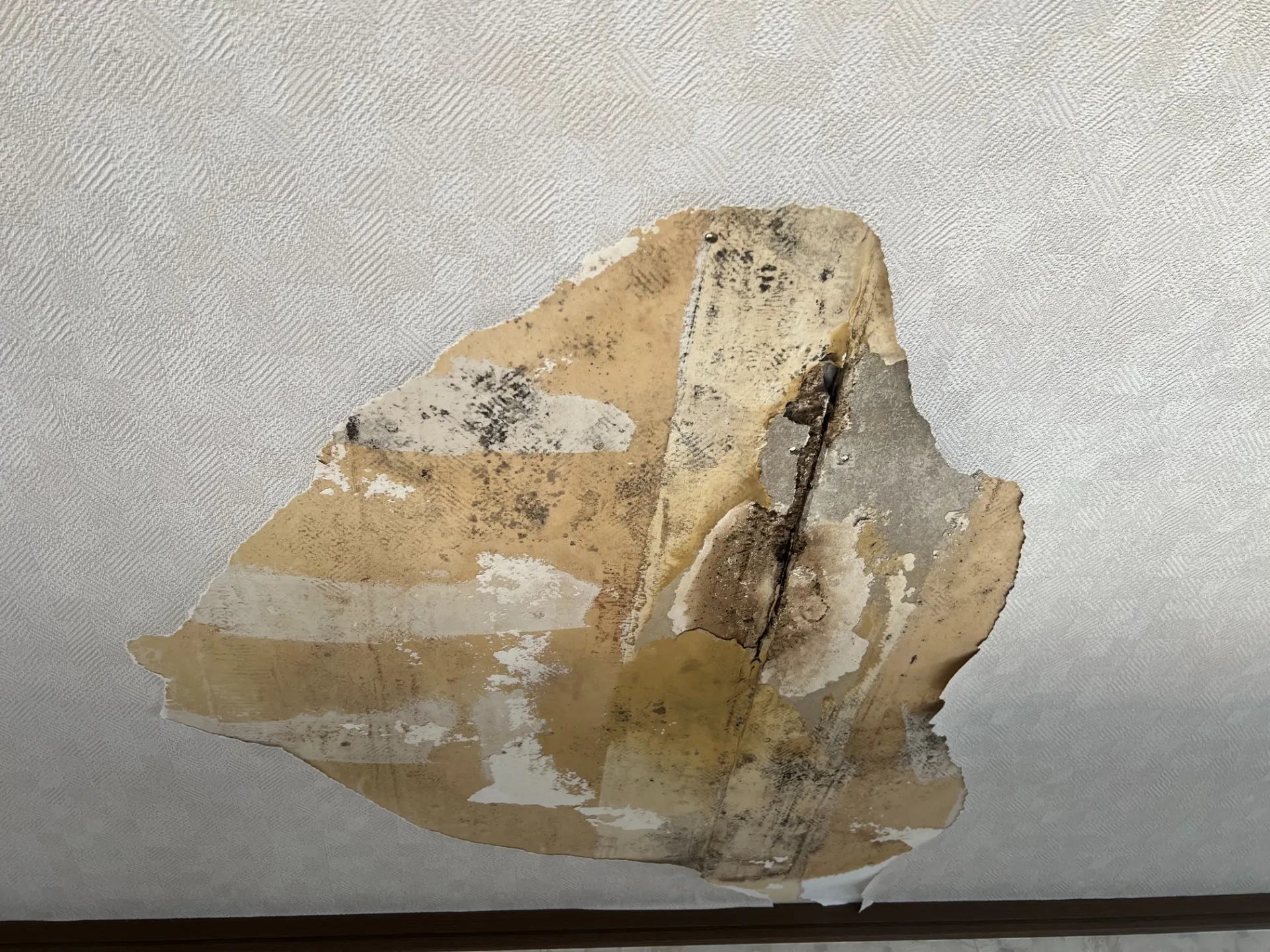
4. What to Do When You Find Mold in Your Closet
Discovering mold in your closet can be alarming, but it’s important to stay calm and respond with the proper steps. In this section, we’ll explain what you can safely handle on your own and what precautions you need to take during the process.
4-1. How to Handle Mold on Clothes and Closet Surfaces
When you discover mold in your closet, start by removing the affected items to prevent it from spreading to other clothes or surfaces. For clothing, make sure they are completely dry and check whether bleach or mold-removal products are safe for the fabric before washing. For walls, shelves, or other hard surfaces, you can spray diluted vinegar or a mold remover, let it sit for 10 to 15 minutes, and then gently wipe it off with a soft brush or sponge. During cleaning, always wear gloves and a mask, and keep the room well-ventilated. After treatment, ensure everything is thoroughly dried and monitor the area for signs of mold reappearing over the next few days or weeks.
4-2. Precautions and Limitations When Removing Mold Yourself
While it's possible to remove small patches of mold on your own, there are limits to DIY methods. If the affected area is large, if the mold has penetrated the walls or materials, or if you notice ongoing moisture issues like leaks or condensation, it’s best to consult a professional. Safety is also critical—be sure to protect your respiratory system, skin, and eyes during cleaning. If the mold is embedded deep into porous materials or keeps returning after repeated cleaning, you may need to replace the affected parts or address structural causes. Monitor the situation closely, and don’t hesitate to seek expert advice when needed.
4-3. Post-Cleanup Measures to Prevent Mold from Returning
After removing mold, the next crucial step is preventing it from coming back. Start by ensuring the entire area is thoroughly dried—use fans or air circulators to promote airflow. Apply an anti-mold spray or solution as a final treatment to create a protective barrier on the cleaned surfaces. Place fresh dehumidifiers in the closet and check them regularly, especially during humid seasons, to maintain low moisture levels. Keep the closet doors open periodically for ventilation, even when you’re not cleaning. Mold tends to recur easily, so consistent care and preventive habits are essential to keeping your closet mold-free over time.
5. When Should You Call a Professional for Mold Removal?
5-1. Signs That Mold Removal Should Be Left to Professionals
There are certain situations where mold has progressed beyond what can be handled with DIY cleaning. If the mold covers a wide area, has penetrated deeply into walls or flooring, or if the cause—such as leaks or ongoing condensation—hasn’t been resolved, professional intervention is necessary. Mold that repeatedly returns despite cleaning efforts is also a red flag. Additionally, in households with children, elderly family members, or people with respiratory issues, it’s safer to rely on experts who can carry out the removal using appropriate protective measures and effective techniques.
5-2. How to Choose a Reliable Mold Removal Service and Understand Costs
When choosing a mold removal service, look for companies with experience, clear explanations of their methods, and a focus on both removal and prevention. They should be able to tailor their treatment based on the type of mold and the materials affected. Be sure to get a detailed estimate with transparent pricing. Costs can vary depending on the size of the affected area, materials, and difficulty of access, but small closet jobs often start in the lower tens of thousands of yen. It’s also a good idea to compare several companies before making a decision. Don't forget to confirm what’s included—like aftercare or a warranty for recurrence.
5-3. Key Points to Check and Ask When Hiring a Professional
Before committing to a mold removal service, there are a few important things to clarify. Ask whether the service includes mold source investigation, preventive treatments, and follow-up inspections. Make sure they explain what products will be used, and confirm that the treatments are safe for children, pets, and sensitive materials. Also, check how long the work will take and whether you need to leave the area during treatment. Providing photos or detailed descriptions during the consultation helps them assess the situation accurately. Many companies offer free consultations, so take advantage of that to ask plenty of questions and compare options.
6. Environmental Improvements to Prevent Mold at Its Source
The most reliable way to prevent mold is to create an environment where it can’t grow in the first place. In this section, we’ll introduce specific approaches to improving your closet environment to stop mold before it starts.
6-1. Remodeling Your Closet to Control Moisture
If your closet is prone to moisture due to its structure—such as being built against an exterior wall or lacking insulation—then a structural upgrade may be necessary. Solutions include adding insulation to reduce temperature-related condensation, installing moisture barriers under flooring, or creating ventilation openings in tightly sealed closets. Replacing solid doors with vented ones or adding louvered panels can also help improve airflow. These improvements reduce the likelihood of trapped humidity and create an environment where mold is less likely to grow.
6-2. Strengthening Mold Prevention Through Daily Habits
Simple lifestyle changes can go a long way in preventing mold. Make sure clothes are fully dry before storing them. On humid days, leave closet doors slightly open to allow airflow. Installing a humidity monitor helps track moisture levels and alerts you when the air is too damp. Keep humidity below 60% whenever possible. Regularly cleaning and rearranging closet items also prevents mold by removing dust and allowing air to circulate through different areas of the closet.
6-3. Setting Priorities for Long-Term Mold Prevention
To maintain long-term protection against mold, it’s important to prioritize your efforts. Start with basic measures like using dehumidifiers and improving ventilation. Then, focus on habit changes—drying clothes thoroughly, rotating stored items, and monitoring humidity levels. If these steps aren’t enough, move on to structural improvements, such as adding insulation or ventilation systems. By layering these actions based on urgency and impact, you can build a comprehensive mold prevention plan that protects your closet and your health over the long term.
7. Mold Prevention When Your Closet Is Overstuffed
Overloading your closet with too many items can severely reduce airflow, greatly increasing the risk of mold growth. In this section, we’ll explain the problems caused by overpacking and offer specific solutions to help you manage your storage more effectively.
7-1. How Overstuffing Causes Moisture Buildup
When your closet is packed too tightly, airflow becomes limited and moisture gets trapped easily. Clothes pressed together block ventilation, creating warm, damp spaces that mold thrives in. Items like storage boxes placed directly against the walls or on the floor prevent moisture from escaping, especially in corners and lower areas. These conditions provide the perfect environment for mold to develop. The more items you store, the harder it becomes for the closet to “breathe,” making regular ventilation and organization essential for prevention.
7-2. Smart Storage Layouts to Keep Mold Away
To improve airflow, consider the layout of your closet. Leave a few centimeters of space between each hanger to allow circulation. Keep boxes or storage containers slightly away from the walls, and avoid placing them directly on the floor—use shelving or risers instead. This creates an air gap underneath and allows humidity to escape. Make use of upper shelves and underutilized areas to reduce crowding. Reorganizing your closet seasonally also helps reduce buildup and ensures every part of the space gets fresh air regularly.
7-3. How Reorganizing Your Closet Helps Prevent Mold
Regularly reviewing your closet’s contents not only keeps it tidy but also directly helps prevent mold. Decluttering reduces the number of items that can trap moisture, and cleaning hidden areas removes dust and dirt that serve as food for mold. During seasonal changes, take time to clean, dry, and rotate your stored items. This not only prevents mold but also extends the life of your clothes and storage containers. Treat your closet organization as part of your routine mold prevention strategy, not just a one-time effort.

8. Complete Mold Removal and Prevention with the MIST Method
Conventional mold removal methods often only clean the surface, leaving a high risk of recurrence. The MIST Method is a unique technique designed to eliminate mold at its root without damaging the underlying materials. In this section, we’ll explain the features and advantages of the MIST Method in detail.
8-1. What Is the MIST Method and How Is It Different?
The MIST Method is an original mold removal technique developed by Kabi Reform Tokyo & Nagoya and Kabi Busters Osaka. Unlike traditional approaches that rely on scrubbing, scraping, or bleaching, this method uses specially formulated cleaning agents adjusted for each specific mold condition and material type. It effectively penetrates and breaks down mold at the root without damaging delicate surfaces such as wood, fabric, or wallpaper. Instead of just cleaning what’s visible, the MIST Method targets mold embedded deep within materials, preserving the natural appearance and texture of the surface while achieving a thorough removal.
8-2. Safe and Long-Lasting Mold Prevention Treatment
Another key advantage of the MIST Method is its balance of safety and long-term effectiveness. The cleaning agents used are safe for people of all ages, making them suitable for homes, childcare centers, and elderly care facilities. After removing the mold, a special anti-mold treatment is applied to prevent regrowth. This treatment is sprayed in a fine mist, allowing it to deeply penetrate surfaces and form a protective barrier. The result is not only immediate mold elimination but also extended protection that can last for months. The treatment also neutralizes airborne mold spores, helping to maintain a cleaner, healthier indoor environment overall.
Mold Removal and Prevention by Kabi Reform Tokyo & Nagoya and Kabi Busters Osaka
Are you constantly struggling with mold in your closet? Even if you clean the surface, mold often returns quickly. This is because surface-level treatments aren’t enough—what you need is complete root-level removal. At Kabi Reform Tokyo & Nagoya and Kabi Busters Osaka, we use our original MIST Method®, a unique mold removal technique that eliminates mold at its source without damaging the material.
Our MIST Method is tailored to each situation. We adjust the treatment formula based on the extent of mold growth and the type of material affected, ensuring safe and precise removal. Unlike traditional methods that involve scrubbing or scraping, our approach is gentle enough for delicate surfaces like wood, wallpaper, and fabric. Plus, the treatment is safe for humans, making it ideal for homes with small children or elderly residents, as well as care facilities.
After removal, we apply a long-lasting anti-mold treatment that thoroughly prevents recurrence. This treatment also targets airborne mold spores, helping to keep the entire room clean, fresh, and safe.
If you’re ready to break free from the cycle of recurring mold, protect your healthy home, and maintain a clean space for your clothes and storage, don’t hesitate to contact Kabi Reform Tokyo & Nagoya or Kabi Busters Osaka. We offer free on-site inspections and estimates, and will recommend the best mold solution tailored to your needs.
---------------------------------------------------------------------
カビ取リフォーム
東京営業所
〒141-0022
東京都品川区東五反田2-5-2 YHE CASK GOTANDA6階
電話番号:090-8321-4408
名古屋本社
〒465-0028
愛知県名古屋市名東区猪高台1-1301 タイコウビル1F
電話番号 : 0120-588-766
サイト:https://taikou-kensou.co.jp/
大阪営業所
〒532-0003
大阪府大阪市淀川区宮原1-19-23
電話番号:080-6978-3068
カビバスターズ大阪
https://kabibusters-osaka.com/
【検査機関】
一般社団法人微生物対策協会
https://kabikensa.com/
----------------------------------------------------------------------