“More Than Just Character: What You Need to Know About Mold in Traditional Home Renovation”
2025/11/17
When renovating traditional homes, hidden mold can pose serious risks to both your building and your health. This article covers everything from the causes of mold in kominka, preventive measures, material choices, to maintenance tips—helping you achieve a safe and successful renovation.
1. Why Hidden Mold Often Emerges During Kominka Renovation
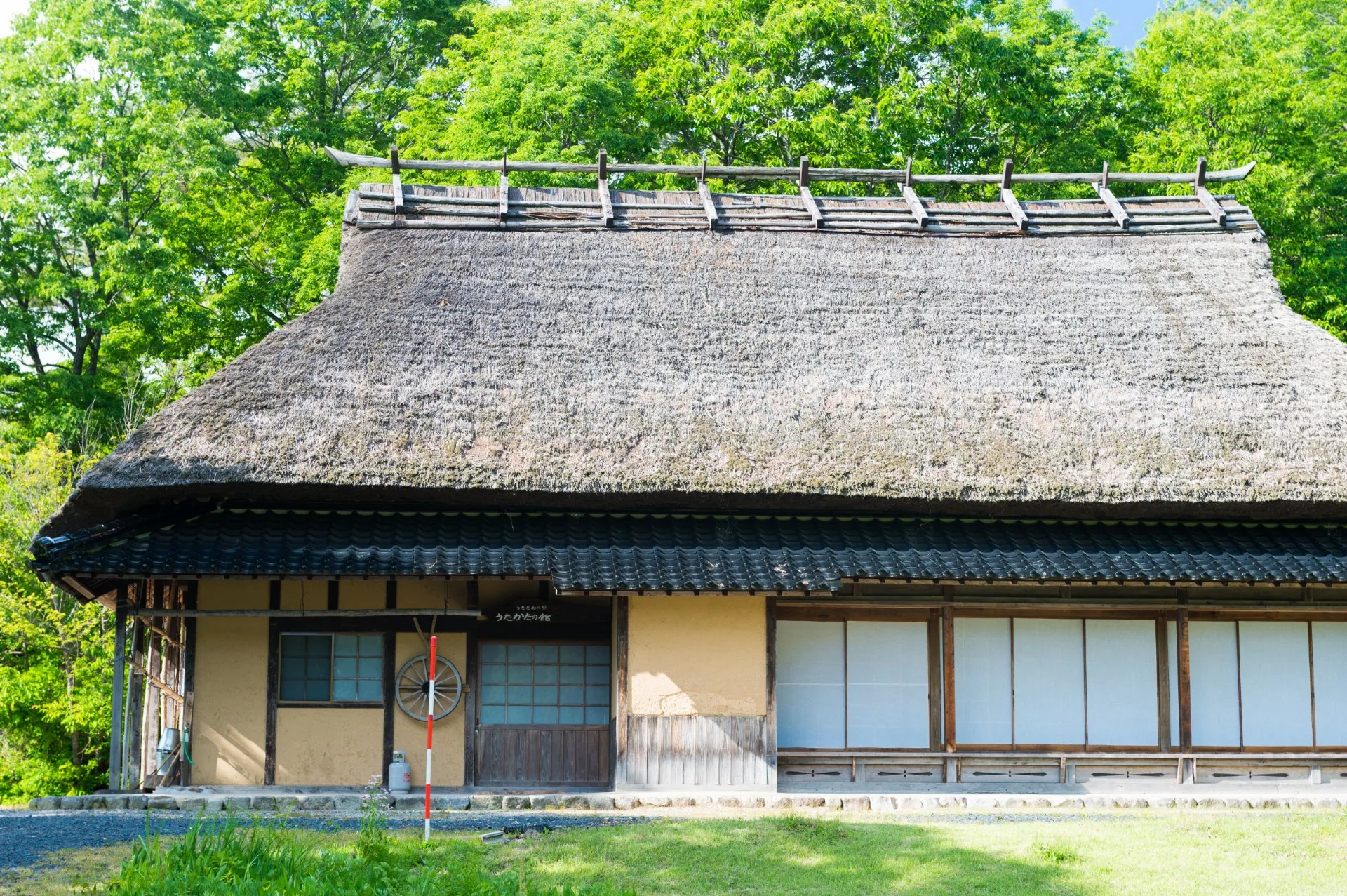
When renovating traditional Japanese houses known as kominka, it’s common to discover hidden mold in places that are usually out of sight. Due to their unique structure and natural materials, as well as decades of environmental exposure, kominka tend to accumulate moisture in ways that modern houses do not. It’s often only when walls or floors are removed during renovation that mold is detected—by then, the damage may already be significant. In this section, we’ll explore the main reasons why hidden mold frequently appears during these renovations.
1-1. Moisture Accumulation from Aging and Natural Materials
Kominka often feature materials such as wood, earthen walls, and traditional plaster (shikkui), which naturally absorb and release moisture. Over many years, however, they tend to absorb more moisture than they can expel—especially in poorly ventilated areas. This trapped moisture becomes the perfect breeding ground for mold. Additionally, many kominka have shallow foundations close to the ground, allowing moisture from the earth to easily rise into the structure. These cumulative conditions create an environment where mold can thrive unnoticed for years.
1-2. Condensation Caused by Changed Ventilation Structures
Many kominka renovations aim to improve insulation and airtightness to make the home more energy-efficient. However, altering these aspects can disrupt the natural airflow originally designed into the house, leading to increased condensation. This is particularly problematic in areas where temperature differences between inside and outside are large, as it can result in moisture buildup inside walls and ceilings. Since condensation often occurs in places that aren’t visible—like behind walls or above ceilings—it can foster hidden mold growth that goes undetected until renovation work begins.
2. The Impact of Hidden Mold on Buildings and Residents
Hidden mold found during kominka renovations can cause serious damage—not only to the structure of the building but also to the health of those who live in it. Since mold often spreads in concealed areas like behind walls or under flooring, it can go unnoticed until its effects become visible or problematic. In this section, we’ll explain how hidden mold affects both the building materials and the well-being of residents.
2-1. Deterioration and Shortened Lifespan of Wood, Earth Walls, and Plaster
Mold doesn’t just grow on the surface—it penetrates deep into materials. In kominka, wood, earth walls (tsuchikabe), and plaster are particularly vulnerable. When mold infiltrates wood, it weakens the fibers, reducing the structural integrity of key components like beams and columns. In earth walls, mold can cause surface discoloration, crumbling, and even wall separation. Plaster, though naturally resistant to mold due to its alkalinity, can still become compromised when dust or moisture accumulates on the surface. If left untreated, this kind of deterioration can drastically reduce the building’s lifespan and safety.
2-2. Health Risks, Odors, and Allergies
Mold spores released into the air can negatively affect the indoor environment. Inhaling these spores can trigger allergic reactions such as sneezing, skin irritation, asthma, and other respiratory issues. This is especially dangerous for vulnerable groups like children, the elderly, or individuals with weakened immune systems. Additionally, musty odors caused by mold can make the living space unpleasant and uninviting. If the air feels stale or smells musty, it may be a sign of hidden mold. Even without visible symptoms, these signs should prompt an immediate inspection.
3. Signs of Hidden Mold to Check Before Renovation
To ensure a successful kominka renovation, it’s crucial to inspect for signs of hidden mold before starting any construction work. Mold often develops in areas that are not visible in daily life—such as behind walls, under floors, or in crawl spaces. If left undetected, mold can delay your project and increase repair costs. This section highlights key signs to look for during the planning stage.
3-1. Moisture and Condensation Marks in Crawl Spaces, Attics, and Wall Cavities
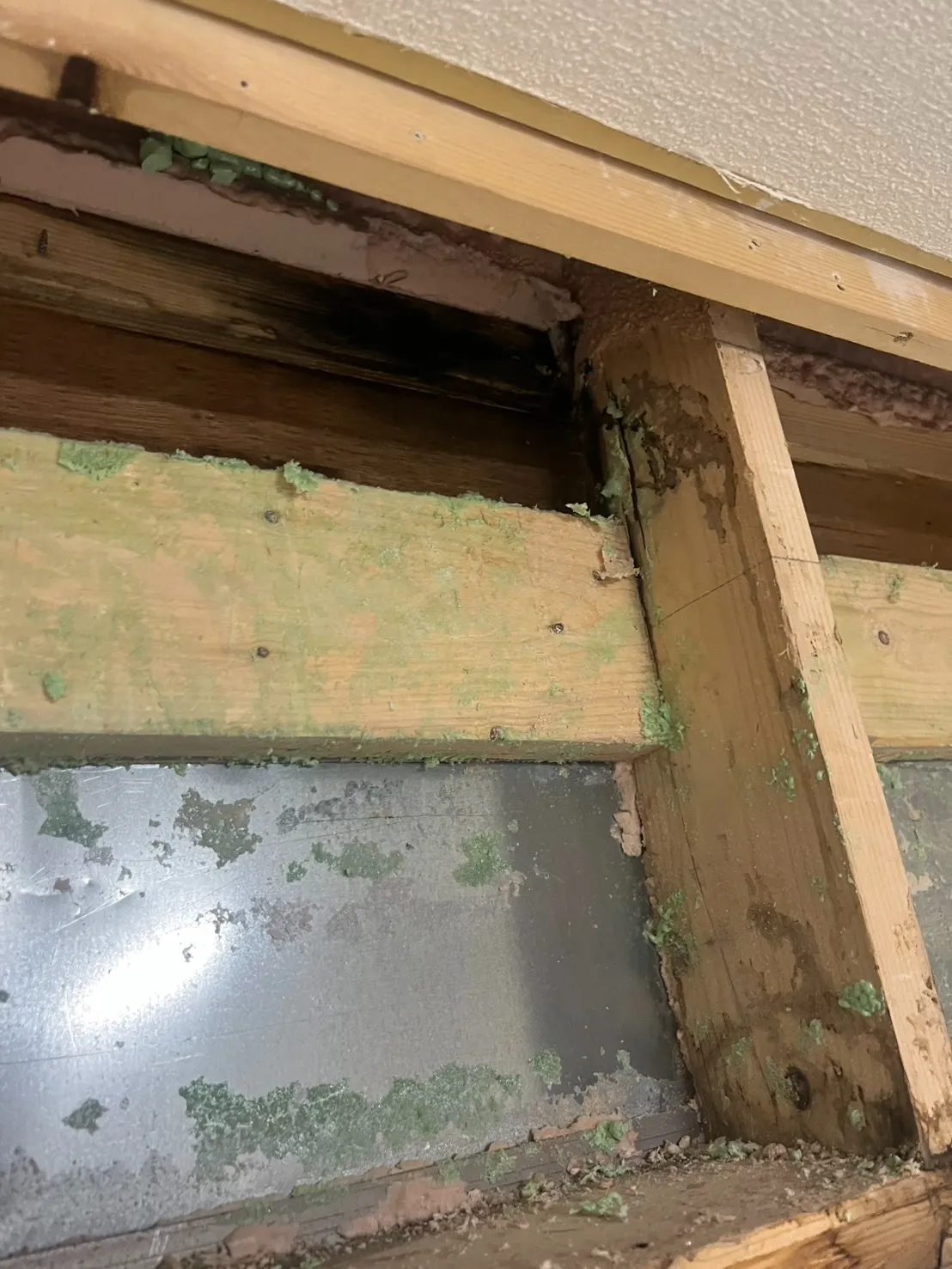
Some of the most mold-prone areas in a kominka are crawl spaces under the floor, attic spaces, and inside walls—places that often lack ventilation. These areas tend to trap moisture from the ground or the outside air. Signs to look for include dark stains on wooden beams, damp insulation, or a musty smell. In colder seasons, condensation may form inside these enclosed spaces, leading to mold growth without any visible damage on the surface. Swelling, warping, or staining in wall materials can also indicate internal moisture. A thorough inspection of these zones before starting renovation is essential.
3-2. Discoloration or Odor in Fittings, Tatami, Closets, and Window Frames
Certain parts of a kominka—such as wooden sliding doors, tatami mats, storage closets, and window frames—tend to trap humidity and are common hotspots for mold. If you notice black or green spots on the underside of tatami, the back wall of closets, or around windows, it’s a strong indicator of mold. Even if there are no visible stains, a musty smell or unusually heavy air can signal hidden mold. Rooms that haven’t been used in a long time or have been closed off are especially vulnerable. Carefully checking these areas can help you catch mold early and avoid bigger issues later in the renovation.
4. Key Points for Kominka Renovation with Mold Prevention in Mind
To carry out a successful renovation of a kominka, it’s essential to preserve its unique aesthetic while also implementing effective mold prevention measures. Hidden mold can easily develop if moisture control isn’t properly addressed during renovation. The key is to balance modern performance upgrades with traditional materials and structure. This section outlines practical strategies to achieve both functionality and preservation.
4-1. Incorporating Moisture Control While Preserving Natural Materials
Natural materials such as wood, plaster, and earthen walls are the hallmark of kominka charm, but they are also highly susceptible to moisture. The goal is to enhance their benefits while minimizing mold risk. For example, installing moisture-regulating materials under the floor—such as charcoal or humidity-control mats—can stabilize indoor humidity. Inside walls and ceilings, vapor barriers or breathable membranes can be used to reduce moisture buildup while maintaining airflow. These solutions allow for the integration of moisture control without compromising the beauty or integrity of original materials.
4-2. Balancing Airtightness/Insulation with Ventilation and Airflow
Modern renovations often aim to improve insulation and airtightness for energy efficiency. However, over-sealing a kominka can trap moisture, leading to condensation and mold. Traditionally, these homes were designed to allow air to flow freely through gaps in the structure. When modifying this, it's crucial to introduce mechanical ventilation or strategically placed vents to ensure proper airflow. Careful placement of insulation and the use of breathable materials help maintain a healthy interior environment. In essence, successful renovation requires balancing comfort upgrades with the home’s original breathing architecture.

5. Construction Techniques and Material Selection for Mold Prevention
In kominka renovation, the choice of construction methods and materials is critical—not only for aesthetics and comfort but also for preventing mold. Mishandling natural materials or selecting incompatible finishes can lead to moisture retention and mold growth. To avoid such issues, it’s important to carefully select materials and apply methods suited to both traditional architecture and modern living standards.
5-1. Considerations for Using Natural Materials like Wood, Plaster, and Earth Walls
Natural materials commonly found in kominka—such as wood, earthen walls (tsuchikabe), and plaster—have excellent moisture-regulating properties, but they are also vulnerable to mold if not properly managed. When reusing original materials like earth walls, it’s essential to ensure they are thoroughly dried. Wooden components should be treated with mold- and insect-resistant agents that are compatible with traditional materials and do not block breathability. Plaster walls (shikkui) naturally resist mold due to their alkalinity, but they still require regular cleaning to remove dust and stains that can reduce effectiveness. Understanding each material's properties and applying the correct protective measures is crucial to long-term durability and hygiene.
5-2. Choosing Mold-Resistant and Antimicrobial Treatments and Finishes
The materials used in the finishing stage—such as paints, wallpapers, and flooring—play a major role in mold prevention. In humid climates, breathable wallpapers or coatings with mold-resistant properties can significantly reduce the risk. It’s also important to treat underlying surfaces, such as wall framing or subfloors, with mold control agents before they are sealed off. These areas cannot be accessed after construction, so thorough preparation is essential. Working with professionals experienced in both traditional and modern building methods can help you select safe and effective materials that enhance comfort and prevent future mold problems.
6. Mold Prevention Habits to Maintain After Renovation
Even after a successful renovation, especially in a traditional kominka, mold can reappear if daily maintenance is neglected. Because these homes often use moisture-sensitive materials and are exposed to varying environmental conditions, it's essential to adopt ongoing mold prevention habits. Consistent upkeep not only preserves the home’s condition but also protects the health of those living in it.
6-1. Importance of Regular Ventilation, Humidity Control, and Inspections
The foundation of mold prevention is managing humidity. This is particularly important during the rainy season, in winter when condensation is common, and in areas with poor airflow. Make it a habit to ventilate rooms daily, especially in the morning and evening. Spaces like closets, underfloor compartments, and bathrooms require special attention. Installing a hygrometer can help monitor humidity levels, ideally keeping them below 60%. Additionally, schedule a full inspection of the home at least twice a year. Check for signs like musty odors, wall discoloration, or surface warping, which may indicate mold development in hidden areas.
6-2. Why You Should Consult a Specialist as Soon as Mold Is Suspected
If you notice any unusual smells, stains, or humidity after your renovation, don’t ignore them—early consultation with a mold specialist is critical. Surface cleaning with commercial mold sprays is often not enough, especially when the mold has penetrated deeply into materials. In kominka, where many components are natural and delicate, using the wrong treatment can cause more harm than good. Professionals can assess the situation accurately and apply the right methods to remove mold without damaging materials. Taking action early prevents further damage and minimizes repair costs in the long run.
7. Case Study: From Mold Discovery to Restoration
In real-life kominka renovations, it's not uncommon for hidden mold to be discovered during construction. In this section, we’ll explore a practical case study showing how mold was detected and removed, and how the building was successfully restored. We’ll also examine a failed example to highlight common mistakes and how to avoid them when planning your own renovation.
7-1. Real Example: Mold Discovery and Improvement in an 80-Year-Old Kominka
In one case, an 80-year-old kominka was undergoing a renovation focused on the living room. As the flooring was removed, a large amount of black mold was discovered under the floorboards. The cause was poor ventilation in the crawl space and rising ground moisture that had been accumulating over decades. The renovation team first carried out full mold removal and drying in the underfloor area. Moisture-proof sheets and new vents were then installed to improve airflow. In addition, wooden structural parts were treated with a mold-safe, non-damaging antimicrobial solution. The result was not only a mold-free living space but also a stronger and more durable building.
7-2. Pitfalls and Lessons from a Failed Renovation Case
In contrast, another renovation focused purely on cosmetic updates without inspecting for hidden mold or addressing ventilation issues. A few months after completion, wall coverings began to peel and a musty smell returned. Upon reopening the walls, moisture-soaked insulation and mold growth were discovered. The problem stemmed from sealing off the structure too tightly, preventing proper airflow and trapping residual moisture inside. This case illustrates the importance of thorough pre-renovation assessments and highlights that skipping mold diagnostics or structural checks can lead to major setbacks and increased costs later on.
8. Key Points to Know When Hiring a Professional
Tackling hidden mold in a kominka is often beyond the scope of DIY solutions. When mold is deeply embedded in materials or structural elements, it requires specialized assessment and treatment. If you plan to hire a professional, it’s important to know what to look for in a contractor and what questions to ask. This section outlines how to choose a trustworthy expert and what details to confirm before signing any agreements.
8-1. What to Look for in Mold Diagnosis and Choosing a Reliable Contractor
A reliable mold remediation contractor should begin with a thorough inspection—not just a quick visual check. Moisture readings, air quality assessments, and careful examination of wall interiors and underfloor areas are essential. Contractors who pressure you to start work immediately without providing detailed findings should raise red flags. Instead, choose someone who takes the time to explain the results, presents multiple options, and has documented experience with traditional buildings like kominka. Ask to see past project examples and ensure the contractor understands how to work with natural materials and historical structures.
8-2. What to Confirm in Quotes, Work Plans, and Aftercare
Before committing to any service, check that the quote includes a detailed breakdown of the work—avoid vague terms like “mold removal: lump sum.” The plan should clearly state which areas will be treated, what products will be used, and how long the work will take. Also confirm the aftercare policy: Does the company offer post-treatment inspections? Are there warranties or guarantees in case of mold recurrence? A good contractor will also provide guidance on how to maintain a mold-free environment after the job is complete. Verifying these points up front ensures transparency and peace of mind.
9. Frequently Asked Questions About Hidden Mold
People considering a kominka renovation often have many concerns about hidden mold. Since mold can grow unnoticed in concealed spaces, it’s natural to have questions and anxieties. In this section, we address two of the most common inquiries based on expert insights, helping you prepare for a mold-free renovation.
9-1. “Will Renovation Eliminate Mold Completely?” — The Real Answer
The short answer is: not always. Simply renovating a space does not guarantee that all mold will be removed. If the renovation focuses only on surface updates, mold hidden behind walls, under floors, or inside insulation can go undetected and reappear later. In fact, sealing up areas without addressing internal moisture problems may worsen the issue. To effectively eliminate mold, a thorough pre-renovation inspection and targeted mold remediation are essential. Real success in mold prevention means not just a beautiful exterior, but a healthy and clean internal structure as well.
9-2. “How Much Repair Is Enough?” — Costs and Scope of Work
The extent of necessary mold remediation depends on how far the mold has spread and the condition of the building. In mild cases, localized surface treatment and improved ventilation might suffice, costing only a few hundred dollars. But if mold has deeply penetrated wood or insulation, it may require partial demolition and replacement, with costs ranging from thousands to over $10,000. It’s critical to get a professional diagnosis before starting any work. Investing in proper mold removal early on can prevent larger expenses and structural damage in the future.
10. Summary and Advice for Those Planning a Kominka Renovation
Renovating a traditional kominka is a valuable opportunity to blend timeless charm with modern comfort. However, ignoring the risks of hidden mold can undermine the entire effort. As this article has shown, mold doesn’t just affect appearance—it impacts the structure’s durability and the health of its residents. A successful renovation means more than aesthetic upgrades; it requires attention to the unseen elements as well.
10-1. The Mindset Needed to Avoid Overlooking Hidden Mold
Before renovating, it’s important to look beyond visible deterioration and consider what might be hiding behind walls, under floors, or in the attic. These out-of-sight areas are often where mold thrives. When hiring contractors, be sure to request a thorough inspection of these vulnerable zones. If mold is found, don’t settle for quick fixes—use the right removal methods based on material and condition. Being proactive and vigilant about these invisible risks is key to long-term safety and success.
10-2. Preserving the Charm of a Kominka While Ensuring Safety and Comfort
What makes a kominka special is its natural materials and historic character. To preserve these while creating a comfortable living space, proper humidity control, ventilation planning, and material selection are essential. Even after renovation, regular maintenance like airing out rooms and checking for early signs of moisture must become part of your routine. With the right approach, you can continue enjoying the unique atmosphere of a kominka while living in a mold-free, healthy environment. Balancing beauty and wellbeing is the key to truly revitalizing an old home.
Mold Removal and Prevention: Trust "Kabibusters Osaka" and "Kabitore Reform Tokyo & Nagoya"
If you're facing hidden mold issues during your kominka renovation, look no further than Kabibusters Osaka and Kabitore Reform Tokyo & Nagoya. These are specialized services operated by Taiko Kensou Co., Ltd., one of the few companies in Japan that can handle both mold remediation and home renovation in one unified process.
Unlike other service providers where mold removal and renovation require coordination between different contractors, Taiko Kensou Co., Ltd. offers an all-in-one solution. Our team conducts detailed inspections, identifies mold problems, and integrates appropriate removal methods directly into your renovation plan—ensuring long-term results and reducing the chance of mold recurrence.
Safe and Effective Mold Removal with Our Proprietary MIST Method®
We use our original MIST Method®, a proprietary mold remediation technology designed to treat even the most delicate natural materials—such as wood, earth walls, and plaster—without scrubbing, sanding, or causing damage. This method penetrates deep into materials to break down and eliminate mold at the root, using solutions that are powerful against mold yet safe for humans and the environment.
After treatment, we apply a long-lasting antimicrobial coating to prevent future outbreaks. The MIST method combines immediate effectiveness, lasting protection, and high safety, making it suitable for homes, facilities, and heritage structures where health and preservation are equally important.
Our Renovation Expertise at Taiko Kensou Co., Ltd.
With over 30 years of experience in the renovation industry, Taiko Kensou Co., Ltd. has earned a reputation for delivering comprehensive home improvement solutions, especially for traditional wooden homes, commercial properties, and public buildings.
We specialize in full renovations including kitchens, bathrooms, exteriors, roofing, insulation upgrades, plumbing systems, and even seismic reinforcements. Our work is guided by three principles: comfort, safety, and aesthetics. Because we understand how mold and moisture affect structures, we’re able to incorporate prevention strategies directly into our remodeling work.
If you notice musty odors, discoloration, or feel that the air is unusually humid, our team can diagnose, treat, and remodel—all under one roof. Our knowledge of both building science and mold behavior makes us uniquely equipped to protect your home from the inside out.
For safe, healthy, and beautiful kominka restoration, trust Kabibusters Osaka and Kabitore Reform Tokyo & Nagoya, proudly operated by Taiko Kensou Co., Ltd.—your partner in total building renewal.
---------------------------------------------------------------------
カビ取リフォーム
東京営業所
〒141-0022
東京都品川区東五反田2-5-2 YHE CASK GOTANDA6階
電話番号:090-8321-4408
名古屋本社
〒465-0028
愛知県名古屋市名東区猪高台1-1301 タイコウビル1F
電話番号 : 0120-588-766
サイト:https://taikou-kensou.co.jp/
大阪営業所
〒532-0003
大阪府大阪市淀川区宮原1-19-23
電話番号:080-6978-3068
カビバスターズ大阪
https://kabibusters-osaka.com/
【検査機関】
一般社団法人微生物対策協会
https://kabikensa.com/
----------------------------------------------------------------------