Protect Your Clothes! Complete Guide to Closet Organization, Storage Ideas, and Mold Prevention
2025/11/06
Are your clothes getting wrinkled, musty, or even moldy inside your closet? Since it’s a space you use daily, rethinking your organization, storage methods, and humidity control can greatly reduce stress.
By reading this article, you'll understand everything from the fundamentals of closet storage to the root causes of mold—and discover clear, practical steps to create a cleaner, more comfortable space.
By applying these methods, you’ll keep your clothes in better condition for longer and transform your closet into a safer, more organized environment.
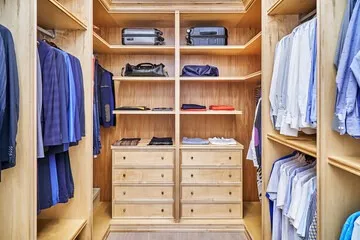
1. Closet Storage Basics: Building a Foundation for Organization and Storage
Before you dive into fancy storage solutions or creative ideas, the most important step is to lay a solid foundation. That means organizing what you own and setting clear rules for where and how things should be stored. Without this base, even the best storage ideas can quickly fall apart.
1-1. What to Do Before You Start Storing Anything
The first step is not adding more shelves or containers—it's sorting. Take everything out of your closet and evaluate each item. Ask yourself: Do I still wear this? Does it fit? Have I worn it in the last year? If not, it's time to let it go. Divide everything into three groups: keep, store for another season, and donate or discard.
This process might seem tedious, but it's essential. Without decluttering, your closet will stay cramped and chaotic no matter how well you try to organize it. By reducing what you own to only what you truly use or love, you’ll free up space and make it easier to maintain order going forward.
1-2. Basic Rules for Positioning Clothes and Items
Once you've decluttered, it's time to plan your layout. A good rule of thumb is: store frequently used items at eye level and within easy reach, while out-of-season or rarely used items should go higher up or deeper inside the closet.
Separate clothing by type—shirts, pants, coats, accessories—and assign them clear zones. Use hanging space for wrinkle-prone items, drawers for folded clothes, and bins for small accessories. Grouping similar items together helps you find what you need quickly and prevents clutter from creeping back in.
Sticking to these basic placement rules keeps your closet intuitive, efficient, and ready for everyday use.
2. Closet Storage Ideas: How to Maximize Every Inch of Space
A closet may seem small, but with the right ideas and tools, you can dramatically increase its capacity and usability. By making smart use of shelves, drawers, vertical space, and even hidden areas, you can create a tidy, stress-free storage environment that actually works for your daily life.
2-1. Use Shelves, Drawers, and Hangers to Combine “Display” and “Hide” Storage
Maximizing closet space starts with using layers—think vertically. Install shelves or place stackable drawers below your hanging clothes to use the lower area efficiently. Hanging organizers are also great for storing lightweight items like scarves or T-shirts, without needing extra furniture.
For a clean look, keep visually appealing items like coordinated outfits or neatly hung jackets in plain sight, and use drawers or opaque bins for miscellaneous or less attractive items. This balance between open and hidden storage helps your closet feel both functional and visually tidy. Dividing your closet into zones based on item type and frequency of use will make getting dressed faster and more enjoyable.
2-2. Use Wall Space, Door Backs, and Hidden Corners for Extra Storage
Don’t overlook the hidden potential of walls, door backs, and corners. These often-ignored areas can hold a surprising number of items with the right tools. Try adhesive hooks or over-the-door racks to hang bags, belts, or hats. You can also add magnetic organizers or pocket-style storage units for small accessories.
The upper section of your closet is ideal for off-season items like winter coats or extra bedding. Use labeled bins or transparent containers so you can easily see what’s inside without digging. By customizing these tricky spaces with simple solutions, you can transform even the smallest closet into a high-functioning storage zone.
3. How to Keep Clothes Fresh and Lasting Longer: Accessibility & Maintenance Tips
Closet organization isn’t just about where things go—it’s also about how you care for what’s inside. If you want your clothes to stay fresh, clean, and wearable for years, it’s important to store them correctly and adopt simple habits that prevent damage, odors, and mold.
3-1. Smart Storing and Switching for Easier Seasonal Transitions
To make seasonal wardrobe changes easier, it’s essential to create a system. Before storing off-season clothes, always wash or dry clean them thoroughly. Even invisible traces of sweat or body oils can cause yellowing, odors, or mold over time.
Store clean clothes in breathable garment bags or fabric bins instead of airtight plastic, which can trap moisture. Fold clothes carefully and avoid overpacking, so items stay neat and wrinkle-free. When switching seasons, take time to reassess what you still wear and reorganize accordingly. Using labeled or transparent containers can help you locate items easily and speed up your morning routine.
3-2. Don’t Store Clothes While Damp: Easy Care Habits to Protect Your Closet
Even if a shirt looks clean, if it’s damp or recently worn, it shouldn’t go back into the closet right away. Moisture is a major contributor to odor and mold. Instead, air out clothes overnight on a hanger in a well-ventilated area before returning them to storage.
Get in the habit of brushing off lint or dust from jackets, especially those worn outdoors, and airing out shoes and bags after use. These simple habits keep your closet clean and reduce the buildup of bacteria or allergens. Caring for clothes before storing them not only preserves fabric quality but also helps maintain a fresh, healthy closet environment.
4. Why Does Mold Grow in Your Closet? The Hidden Causes of Moisture Buildup
Have you ever opened your closet and noticed a musty smell or even visible mold on clothes or walls? Mold doesn’t appear out of nowhere—it thrives in specific conditions that are surprisingly common inside closets. Understanding what causes mold is the first step toward preventing it.
4-1. The Three Conditions Mold Loves: Moisture, Warmth, and Organic Matter
Mold needs three things to grow: humidity, warmth, and something to feed on. Unfortunately, closets often provide all three. The enclosed space traps moisture, especially during humid seasons like summer or the rainy months. Clothes themselves, especially if stored while slightly damp or dirty, can become a perfect breeding ground.
Add in warm indoor temperatures and dust or skin particles, and you’ve got an environment mold loves. Once mold starts, it can spread quickly—often unnoticed until it damages clothes or causes odors. That’s why staying aware of these conditions is so important.
4-2. Common Mistakes That Lead to Mold: Overpacking, Floor Storage, and Damp Clothes
Several everyday habits can unintentionally create ideal mold conditions. Overpacking your closet restricts air circulation, trapping moisture between clothes. Storing items directly on the floor—especially in corners or against exterior walls—can also lead to dampness and condensation.
Another major mistake is putting away clothes that aren’t fully dry. Even small amounts of leftover moisture can trigger mold growth. These seemingly minor choices add up over time and increase the risk of both visible mold and hidden damage. By being mindful of how you store and arrange items, you can greatly reduce the chances of mold developing in the first place.
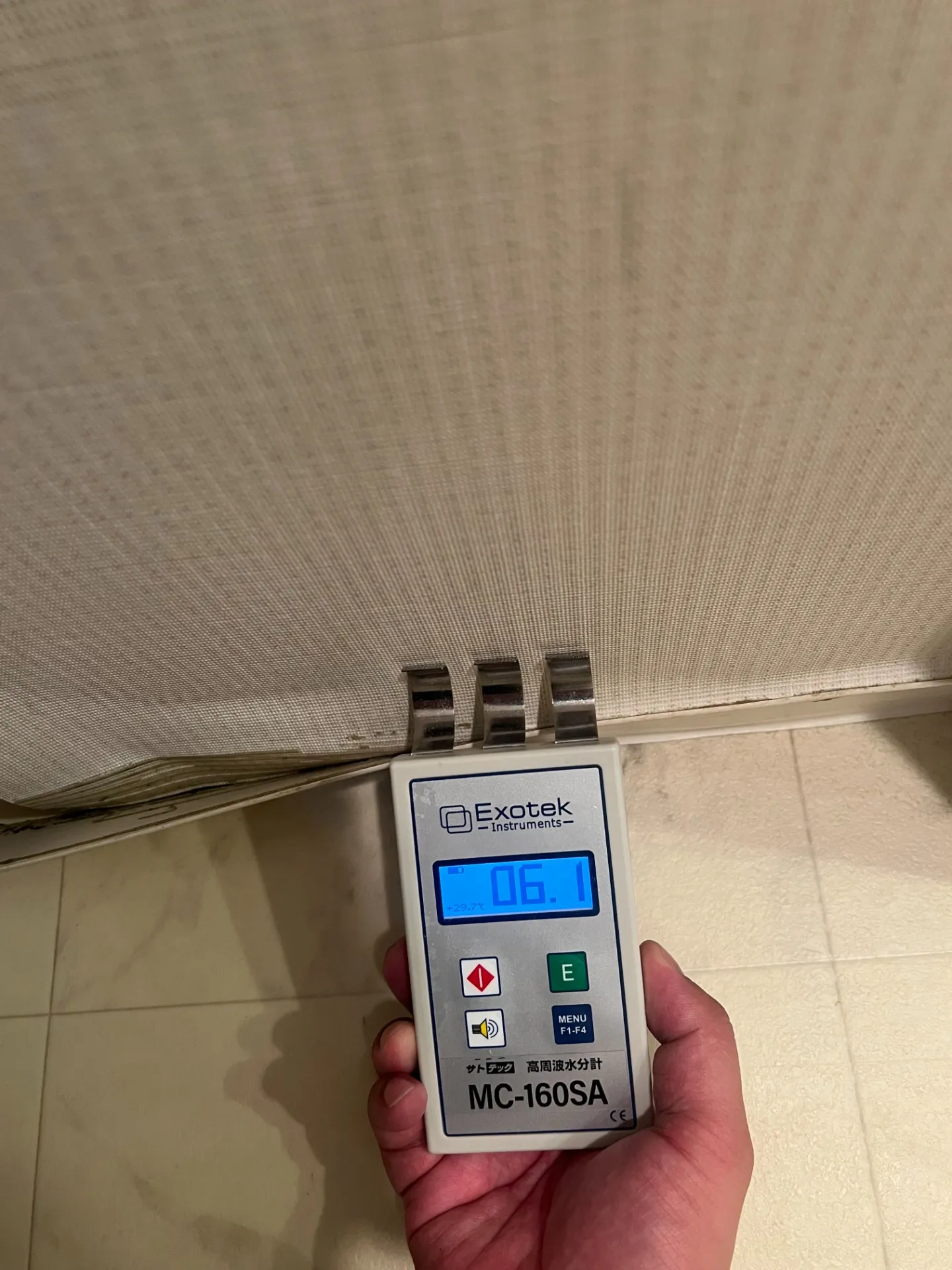
5. Closet Mold Prevention: How to Keep Out Moisture, Dust, and Dirt
Preventing mold in your closet doesn’t require expensive tools—it starts with simple, consistent habits. By keeping moisture, dust, and dirt out of your closet, you can stop mold before it starts and maintain a clean, safe space for your clothes all year round.
5-1. Regular Ventilation, Dehumidifying, and Reducing Storage Volume
Closets are often sealed tight, which traps humidity inside. Make it a habit to open your closet doors daily—even for just a few minutes—to let air circulate. During humid seasons like summer or the rainy months, using a dehumidifier or moisture absorbers (like silica gel, charcoal, or baking soda) can make a big difference.
Also, avoid overstuffing your closet. Leaving some space between hangers allows air to flow and helps keep your clothes dry. Ideally, your closet should be filled to about 70–80% capacity—not 100%. This balance makes it easier to maintain cleanliness and airflow, both essential for preventing mold.
5-2. Cleaning Dust, Drying Clothes Properly, and Using Moisture Absorbers
Dust might seem harmless, but it’s actually a food source for mold. The floor and corners of your closet collect dust quickly, so wipe or vacuum them at least once a month.
Always make sure your clothes are completely dry before storing them. Even slightly damp items can cause humidity to rise inside your closet. This is especially important for thick garments like coats, which retain moisture longer.
Lastly, don’t forget to replace your moisture absorbers regularly. Many people leave them in for months without checking, but they lose effectiveness over time. Fresh absorbers, combined with basic cleaning and drying habits, can significantly lower the risk of mold forming in your closet.
6. If Mold Appears: How to Deal with Mold on Clothes, Walls, and Furniture
Even with the best prevention, mold can still find its way into your closet. If you discover it, don’t panic—but act quickly and carefully. Whether it’s on your clothes, closet walls, or shelves, handling mold properly will help stop it from spreading and protect your home and health.
6-1. How to Safely Handle Moldy Clothes
When mold appears on clothing, isolate the affected items immediately to prevent spores from spreading to other garments. For light mold, gently treat the area with diluted alcohol or a disinfectant suitable for fabrics. Then, air dry the clothing thoroughly in a shaded, ventilated space.
If the mold is extensive or the fabric is delicate—like silk or wool—it’s best to consult a professional dry cleaner. Attempting to scrub mold out yourself can damage the fabric and push the spores deeper into the material. After treatment, using anti-mold sprays and storing garments with moisture absorbers can help prevent recurrence.
6-2. Cleaning Mold from Closets and Furniture: What to Know
If mold has spread to your closet walls, shelves, or furniture, start by removing all contents from the affected area. Wear gloves and a mask, and ensure the room is well-ventilated. Clean the moldy surfaces with rubbing alcohol or a mild detergent.
Be especially cautious with wood surfaces, as mold can penetrate deep into the grain. After cleaning, allow all surfaces to dry completely—ideally for several hours to a full day. Then, apply an anti-mold treatment or spray to reduce the chance of future outbreaks.
Finally, don’t forget to replace any used dehumidifiers or moisture control items, and monitor the area regularly. A single cleanup isn’t always enough—staying vigilant is key to long-term mold prevention.
7. Seasonal Closet Care: Humidity & Mold Prevention Throughout the Year
Each season brings its own challenges when it comes to keeping your closet dry, clean, and mold-free. By adjusting your storage habits and moisture control techniques to match the weather, you can protect your clothes and maintain a healthier storage environment year-round.
7-1. Summer & Rainy Season: Managing High Humidity and Improving Airflow
In humid seasons like summer or during the rainy months, closets become especially prone to moisture buildup. To combat this, open your closet doors regularly to let fresh air circulate. Using a fan or placing a small dehumidifier nearby can help keep humidity levels in check.
Before storing clothes, make sure they’re completely dry—even if they don’t feel damp. Clothes that are only “slightly used” or line-dried indoors can still hold enough moisture to trigger mold. Adding moisture absorbers or natural dehumidifiers like charcoal or baking soda in fabric pouches can also help. These simple steps can make a big difference during the most humid times of year.
7-2. Winter & Spring: Preventing Condensation and Managing Seasonal Transitions
During winter, warm indoor air and cold walls can cause condensation—especially in closets placed against exterior walls. Avoid storing items directly on the floor or tightly against the wall, as this traps moisture. Leave a few centimeters of space to allow air circulation.
As spring approaches and you prepare for seasonal wardrobe changes, be extra mindful of how you store winter clothes. Clean and thoroughly dry all garments before packing them away. Use breathable storage bags, and add both anti-mold and anti-moth products for long-term protection.
Spring is also a great time to clean out your closet, check for any early signs of mold, and freshen up the space before humidity rises again in summer.
8. Material-Specific Tips: Storing Wool, Leather, Bedding, and Bags Safely
Not all items in your closet are created equal. Different materials require different care—especially when it comes to humidity and mold prevention. Natural fibers, leather, and bulky seasonal items like bedding or bags are especially vulnerable and need thoughtful storage techniques.
8-1. How to Store Moisture-Sensitive Materials Like Wool and Leather
Wool, cashmere, and other natural fibers easily absorb moisture and can develop mold or odors if stored improperly. Before putting these items away, air them out in a shaded, well-ventilated area and ensure they are completely dry. Use breathable garment bags and add anti-mold and moth-repellent products to the storage area.
For leather goods, avoid storing them in airtight plastic containers, as leather needs to breathe. Instead, use fabric covers or dust bags and stuff the items with tissue paper to help them retain their shape. Regularly air out leather items—even those in storage—to prevent both mold and drying or cracking.
8-2. Long-Term Storage for Seasonal Items: Prevent Mold on Bulky Items
Storing seasonal items like bedding, heavy coats, or bags for extended periods requires extra care. When using vacuum-sealed storage bags, make sure the items are 100% dry before sealing—and always include moisture absorbers to prevent trapped humidity from causing mold.
Bags should be emptied, cleaned, and filled with soft material to maintain their shape. You can also place silica gel packets inside to reduce moisture. Store them upright if possible, and avoid stacking heavy items on top.
For all large or long-term storage, label containers clearly, and choose breathable, stackable bins that allow some airflow. With a little planning, even the bulkiest items can be stored safely, without falling victim to mold or material damage.
9. Extra Closet Hacks: Use 100-Yen Items, DIY, and Storage Tools to Improve Your Space
Even after organizing and decluttering, your closet might still feel cramped or inefficient. That’s where small hacks and affordable tools come in handy. By using budget-friendly items or DIY upgrades, you can significantly increase your storage capacity and ease of use—without breaking the bank.
9-1. Budget-Friendly Storage Tools You Can Get for Cheap
Many Japanese 100-yen shops (like Daiso or Seria) offer surprisingly effective storage solutions. Hanging organizers can turn unused vertical space into extra shelves for shirts, bags, or towels. Tension rods are perfect for creating an extra row for hanging clothes or accessories.
Clear plastic boxes with labels make it easy to identify contents, saving you time and frustration. Drawer dividers, shelf risers, and small bins also help group items and prevent clutter from piling up. These low-cost tools let you customize your closet based on your habits and needs—and because they’re so affordable, it’s easy to adjust or upgrade over time.
9-2. Simple DIY Ideas to Boost Airflow and Control Moisture
If you're comfortable with a little hands-on work, DIY solutions can make your closet more breathable and mold-resistant. For example, building simple shelves with wooden slats or using a wooden “shelf liner” can increase airflow under folded clothes or storage boxes.
Adding perforated wall panels (pegboards) gives you more hanging options while encouraging air circulation. You can also create your own moisture-control tools using fabric pouches filled with charcoal, baking soda, or silica gel—great for placing in corners or inside boxes.
With a few tools and a little creativity, DIY upgrades help you build a closet that’s both more functional and better protected against mold.
10. Final Tips: Simple Actions to Keep Your Closet Fresh and Mold-Free
A well-organized closet isn’t just visually satisfying—it also protects your clothes and creates a more comfortable living environment. With a few simple habits and regular check-ins, you can keep your closet clean, dry, and free from mold all year round.
10-1. Three Easy Steps You Can Start Today
You don’t need to overhaul your entire closet to make a difference. Start with three simple actions:
Declutter and sort your clothes—get rid of items you no longer wear.
Place moisture absorbers or anti-mold products in key areas of your closet.
Open your closet doors regularly to improve airflow, especially during humid seasons.
These small steps can greatly reduce the risk of mold growth and make it easier to maintain your closet over time. Consistency is more important than perfection—building habits is key.
10-2. Create a Maintenance Routine and Monthly Checklist
To keep your closet mold-free long term, set up a simple monthly routine. This can include:
Checking for musty smells or visible mold.
Replacing dehumidifiers or moisture absorbers.
Vacuuming or wiping down corners and floors.
Airing out clothes and rotating items if needed.
Also, plan to review your storage layout at the change of each season. This helps ensure that off-season items are properly stored and that your closet remains tidy and functional. A small amount of regular attention goes a long way in preserving both your clothes and the quality of your storage space.
Mold Removal and Renovation? Trust Kabibusters Osaka and Kabi Reform Tokyo & Nagoya
If you're struggling with mold in your closet, walls, or storage areas, Kabibusters Osaka and Kabi Reform Tokyo & Nagoya are your trusted professional teams for total mold treatment and prevention. Whether you're in Kansai, Tokyo, or the Nagoya area, our expert services are here to protect your living space from mold—safely and effectively.
We are operated by Taikou Kensou Co., Ltd., a company that offers both mold removal and home renovation in one seamless service. Unlike companies that only handle one or the other, we provide a comprehensive solution—from eliminating mold at its root to repairing and renovating the affected areas, all under one roof. This saves you the time, cost, and stress of coordinating between multiple contractors.
Our unique MIST Method® is a proprietary mold removal technique that eliminates mold without scrubbing, scraping, or damaging the original materials. It uses specialized mold-killing agents that are powerful yet safe for humans and pets. Once the mold is removed, we apply a long-lasting anti-mold coating to help prevent future outbreaks—giving you peace of mind and cleaner air.
About Our Renovation Services
At Taikou Kensou, we go beyond mold treatment. Our renovation division specializes in:
Closet and storage remodeling
Wall, flooring, and ceiling restoration
Moisture control improvements (ventilation, insulation)
Water damage repairs
Anti-mold wallpaper installation
Custom-built storage solutions
Whether it's a small refresh or a full-scale renovation, our team ensures the design is functional, aesthetically pleasing, and protected from future mold growth. By combining mold removal with renovation, we deliver long-term solutions that not only restore your space but also transform it into a safer, healthier home.
---------------------------------------------------------------------
カビ取リフォーム
東京営業所
〒141-0022
東京都品川区東五反田2-5-2 YHE CASK GOTANDA6階
電話番号:090-8321-4408
名古屋本社
〒465-0028
愛知県名古屋市名東区猪高台1-1301 タイコウビル1F
電話番号 : 0120-588-766
サイト:https://taikou-kensou.co.jp/
大阪営業所
〒532-0003
大阪府大阪市淀川区宮原1-19-23
電話番号:080-6978-3068
カビバスターズ大阪
https://kabibusters-osaka.com/
【検査機関】
一般社団法人微生物対策協会
https://kabikensa.com/
----------------------------------------------------------------------