Stronger Than Sea Winds and Humidity: Exterior Wall Maintenance for Beachside Living
2025/11/10
Living near the ocean or rivers offers beautiful scenery, but also brings risks such as salt damage and persistent moisture that can cause mold to form on exterior walls, impacting both the appearance and durability of the home.
This article explains why mold tends to form on coastal homes, which areas to inspect, and the practical steps homeowners can take to protect their walls from moisture, salt, and mold.
By understanding the causes and countermeasures for exterior mold, you can prevent costly damage, maintain a clean and healthy living environment, and extend the life of your home—even in challenging coastal conditions.
1. Why Mold Easily Forms on Exterior Walls of Coastal and Riverside Homes
Homes located near the ocean or rivers are surrounded by beautiful nature, but they also face a higher risk of mold developing on exterior walls. The primary reasons are the constant exposure to salt-laden air and high humidity. These environmental factors not only stain the exterior but also gradually damage the materials, creating the perfect conditions for mold growth. Below, we explain in detail why mold tends to appear on the exterior walls of homes in coastal or riverside areas from two key perspectives.
1-1. Impact of Salt-Laden Air (Salt Damage) on Exterior Materials
Sea breezes carry a significant amount of salt, which adheres to the surface of exterior walls and damages paint and construction materials. Salt attracts moisture, leaving the surface in a constantly damp condition—an ideal environment for mold to thrive. Moreover, the salt can accelerate corrosion in metal parts, creating cracks and openings in the walls where moisture, dirt, and mold spores can accumulate. Without regular cleaning and salt removal, mold can spread across the entire wall surface within just a few years in coastal regions.
1-2. How Humidity, Condensation, and Poor Ventilation Promote Mold Growth
Riverside homes tend to exist in high-humidity environments year-round. Particularly during mornings and nights with temperature fluctuations, condensation forms on exterior surfaces. If the surface doesn’t receive enough sunlight or airflow, the moisture remains for extended periods. In homes with poor ventilation design, internal dampness becomes trapped, allowing mold to grow from within. Over time, this hidden mold can penetrate deep into the wall materials, compromising both appearance and durability. This makes humidity control and proper ventilation crucial for mold prevention in coastal and riverside homes.
2. Architectural Conditions and Locations Where Exterior Mold is Likely to Develop
Even among homes located in humid areas such as near the ocean or rivers, mold growth on exterior walls tends to be more severe in certain architectural settings and locations. Factors such as building orientation, ventilation, the materials used, and the surrounding environment all contribute to mold risk. This section explores the specific conditions and locations that make mold more likely to form on a home's exterior.
2-1. Environmental Factors: Orientation, Wind Direction, and Sunlight Exposure
The risk of mold growth significantly depends on how a home is positioned. Homes facing the sea, where salt-laden winds frequently blow, are constantly exposed to moisture and salt buildup. Walls facing north or areas that are shaded for long periods receive less sunlight, making it harder for condensation to dry. This keeps surfaces damp and highly prone to mold growth. In areas where airflow is limited—such as between buildings or in sheltered corners—humidity tends to linger, further encouraging mold formation. These environmental conditions must be considered when planning exterior maintenance or selecting materials.
2-2. Influence of Exterior Materials, Finishes, and Maintenance Levels
The choice of materials and the condition of the wall finish play a critical role in mold resistance. For instance, porous materials such as mortar or untreated concrete tend to absorb moisture easily and retain it longer, making them ideal surfaces for mold. In contrast, walls coated with mold-resistant paint or high-durability sealants are much less susceptible. Additionally, if the protective paint layer has deteriorated due to aging or lack of maintenance, the wall surface becomes vulnerable. In such cases, moisture and dirt can penetrate more easily, accelerating mold growth. Regular inspections and upkeep of exterior finishes are essential for preventing long-term damage and mold proliferation.
3. Basic Daily Measures to Prevent Mold and Control Moisture
Once mold appears on exterior walls, it not only affects the visual appeal of your home but also accelerates the deterioration of building materials. This is especially true for homes near the sea or rivers, where constant exposure to moisture and salt increases the risk of mold. Fortunately, there are simple, practical steps you can take on a daily basis to prevent mold and manage humidity. In this section, we’ll explore how to build mold resistance into your home maintenance routine.
3-1. Daily Habits to Improve Ventilation, Dehumidification, and Air Circulation
One of the most effective ways to prevent mold is by promoting good air circulation throughout and around your home. For example, regularly opening windows—especially after rain—allows fresh air to dry damp areas. Creating airflow under eaves and around walls can help naturally reduce moisture. In seasons with high humidity, using dehumidifiers or exhaust fans is also beneficial. Installing a fan or air circulator in corners where airflow is poor can further reduce stagnant moisture. The key to mold prevention lies in consistently keeping surfaces dry and well-ventilated.
3-2. Regular Washing and Inspection to Remove Salt and Dirt from Exterior Walls
In coastal and riverside environments, salt particles, dust, and pollutants tend to accumulate on exterior walls. When combined with moisture, these residues create a thin, damp film that becomes a breeding ground for mold. Regularly rinsing your walls with water can effectively prevent mold growth, even without professional cleaning. Using a hose or soft brush to gently remove buildup is often sufficient. Additionally, clogged gutters and downspouts can trap water and increase humidity near walls, so it's important to check and clean these areas a few times a year. Consistent, simple maintenance like this can significantly reduce the risk of mold on exterior walls.
4. Exterior and Structural Techniques for Mold Prevention
While daily care plays an important role in preventing exterior wall mold, homes near the ocean or rivers often require more robust, structural-level solutions. Salt exposure, high humidity, and poor ventilation can create a hostile environment for building materials. Therefore, it’s essential to consider technical strategies that enhance durability and prevent mold at a fundamental level. In this section, we’ll explore two key approaches involving exterior design and material selection.
4-1. Importance of Ventilated Construction, Insulation, and Airtight Design
Modern homes increasingly adopt a “ventilated wall system,” which creates a gap between the outer wall and insulation to allow airflow. This design helps discharge moisture trapped in the wall structure, reducing mold risk. Additionally, proper insulation minimizes temperature differences between indoors and outdoors, preventing condensation on walls. An airtight construction further protects the building by reducing the infiltration of moisture-laden air from the outside. When combined, these three features—ventilation, insulation, and airtightness—greatly enhance the home’s ability to resist mold and extend the lifespan of its structure.
4-2. Choosing Mold-Resistant, Salt-Tolerant Exterior Materials and Coatings
In coastal environments, salt can deteriorate exterior walls rapidly. That’s why it’s important to choose materials with high salt resistance, such as galvanized steel panels or ceramic-based siding. These materials are less prone to moisture absorption and degradation. Additionally, mold- and algae-resistant paints and coatings are highly recommended. These products form a surface that repels water and prevents microorganisms from taking root, keeping walls clean for longer periods. When repainting or renovating, consult with a specialist to select coatings specifically designed for humid, coastal conditions. The right choice of materials can significantly reduce the frequency and cost of future maintenance.
5. Key Points to Check During Exterior Wall Renovation or Repainting
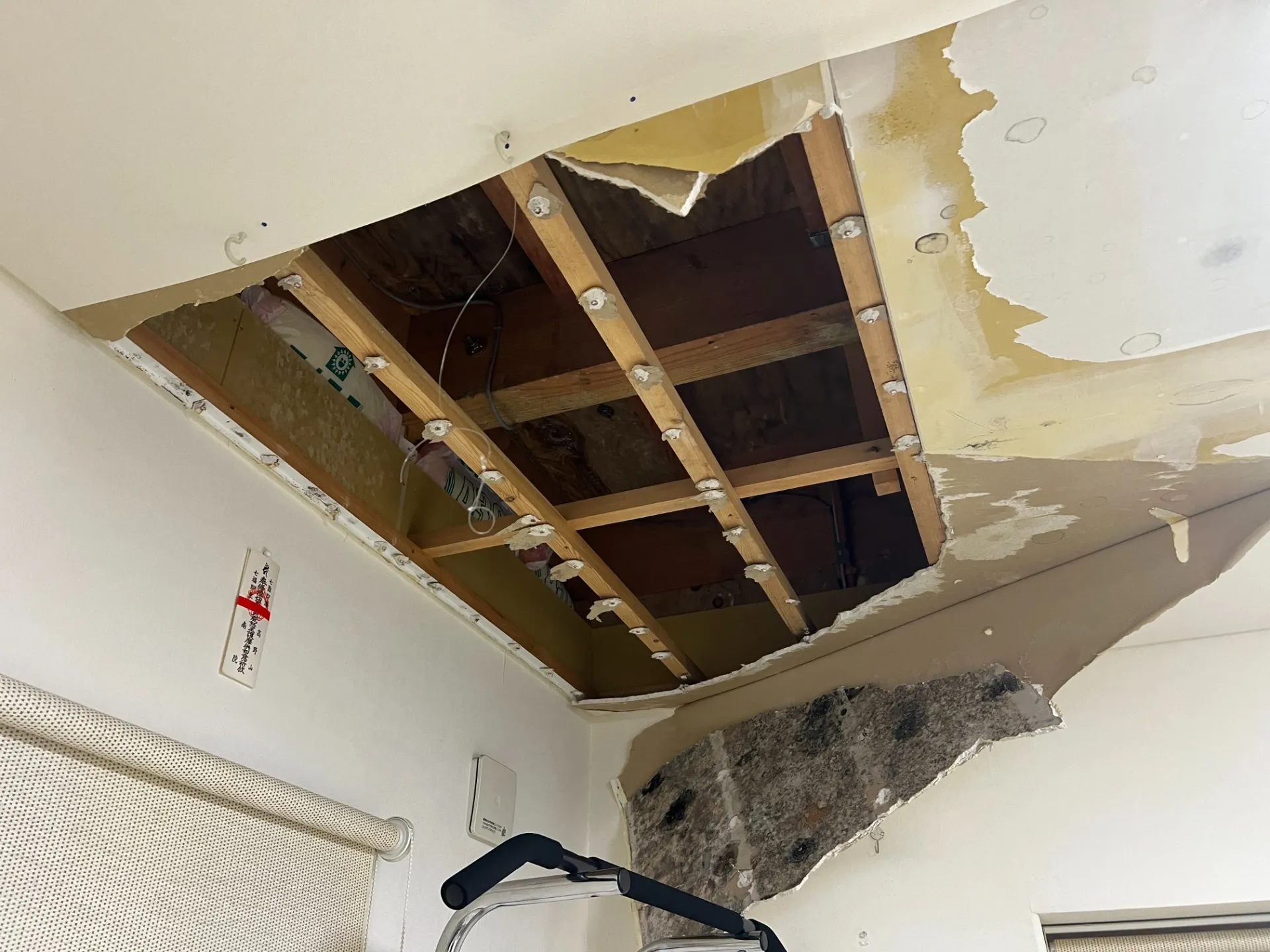
When mold appears on exterior walls or the paint starts to peel, it's a clear sign that your home may need renovation or repainting. For homes in coastal or riverside areas, where salt and humidity accelerate deterioration, proactive and well-planned maintenance is especially critical. In this section, we highlight what to focus on during exterior wall renovations to ensure lasting protection against mold and environmental damage.
5-1. Selecting Paints and Coatings with Mold, Algae, and Salt-Resistant Properties
When repainting exterior walls, aesthetics are important—but durability and function should take priority, especially in salt-exposed areas. Using paints with mold- and algae-resistant features can significantly reduce the risk of staining and microbial growth. High-performance coatings such as silicone-based or fluorine-based paints offer strong resistance to UV rays, moisture, and salt corrosion. It’s also crucial to match the paint to the surface material—mortar, concrete, and metal all have different characteristics and require compatible coatings. Always consult with a professional to select paint products that meet the demands of coastal environments and provide long-term protection.
5-2. Structural Elements to Inspect: Sashes, Metal Fittings, Foundations, and Drainage
Protecting your walls from mold isn’t just about surface treatment—it also requires maintaining the entire building envelope. Mold and moisture often infiltrate through cracks around window sashes, deteriorated sealants, or poor drainage systems. In coastal homes, metal fittings and frames are especially vulnerable to rust, which can lead to gaps and water intrusion. Blocked gutters or misaligned downspouts can also cause rainwater to flow down walls, trapping moisture. Therefore, during any renovation, it’s vital to inspect not only the wall itself but also nearby structural components. Addressing these areas together ensures more comprehensive and lasting mold prevention.
6. Unique Maintenance Frequency and Cost Considerations for Coastal and Riverside Homes
Homes near the ocean or rivers are exposed to harsher environmental conditions compared to inland properties. As a result, they require more frequent and thorough maintenance to prevent issues like mold, corrosion, and material deterioration. This section explores how often maintenance should be performed and what kind of costs homeowners can expect in these challenging environments.
6-1. Recommended Maintenance Cycles and Signs of Damage in Harsh Environments
In coastal and riverside areas, the typical maintenance cycle of repainting every 10 years may not be sufficient. Instead, it’s advisable to plan for exterior maintenance every 7–8 years, including repainting and mold prevention treatments. Salt and moisture cause slow, invisible deterioration, so proactive action is crucial. Watch for signs such as fading paint, white powder (chalking), cracks, moss or mold buildup, and rust on metal fixtures. These are early warnings that your home’s protective layers are weakening. Prompt response can prevent more serious damage and higher repair costs in the future.
6-2. Long-Term Cost Efficiency and Preserving Property Value
While regular maintenance comes with a cost, neglecting it can lead to much more expensive repairs down the road. Comprehensive renovation work—such as treating structural damage, replacing materials, or repairing severe mold infestations—can cost hundreds of thousands of yen (or thousands of dollars). On the other hand, routine upkeep using mold-resistant paints, drainage checks, and salt removal treatments can significantly prolong your home’s lifespan. This proactive approach helps preserve the home’s value, enhances comfort, and reduces unexpected expenses. For homeowners in coastal or riverside locations, viewing maintenance as a long-term investment is both practical and cost-effective.
7. Health and Structural Risks of Leaving Mold and Moisture Untreated
Some homeowners may consider exterior mold a purely cosmetic issue, but in reality, ignoring mold and moisture can lead to serious consequences. Especially in coastal or riverside areas, where humidity levels remain high, the damage can spread quickly—affecting both the building structure and the health of its occupants. This section explores the risks of neglecting mold, from structural deterioration to health problems.
7-1. Deterioration of Building Materials, Corrosion, and Termite Infestation
Persistent moisture leads to the breakdown of protective paint layers, allowing water to seep into underlying materials. Wooden structures can begin to rot, metal components may rust, and in severe cases, the building's structural integrity can be compromised. Wood that remains damp becomes a prime target for termites, which can spread rapidly and cause extensive hidden damage. These issues often develop unnoticed until they become major—and costly—problems. In many cases, visible mold on the exterior is an early sign of deeper structural issues, making prompt inspection and treatment essential.
7-2. Impact on Indoor Air Quality, Allergies, and Living Comfort
Exterior mold problems often extend indoors. Moisture and mold spores can travel through wall cracks or poorly sealed joints, eventually reaching interior spaces. This can lead to hidden mold growth behind walls or under flooring, contributing to poor indoor air quality. Mold spores can trigger allergies, respiratory issues, and skin irritations, especially in young children, the elderly, or individuals with weakened immune systems. Furthermore, high humidity levels inside the home can affect sleep, mood, and overall comfort. Mold is not just a visual nuisance—it directly impacts the health and well-being of those living in the space.
8. Case Studies: Success and Failure Patterns in Coastal Home Mold Management
While coastal homes offer scenic views and a relaxed lifestyle, they also come with unique environmental challenges—particularly salt exposure and persistent humidity. Understanding how other homeowners have successfully addressed or struggled with these issues can provide valuable lessons. This section presents real-life examples of both successful and failed approaches to mold prevention and maintenance in seaside environments.
8-1. Success Story: Mold-Free Living Through Preventive Design and Regular Care
One home located along the coast in Kanagawa, Japan, has remained virtually mold-free even after ten years. The secret? From the planning stage, the owners focused on mold and moisture prevention. They adopted a ventilated exterior wall system and used fluorine-based paint with high resistance to salt and UV damage. Additionally, they perform gentle exterior washing and basic inspections every three years. North-facing walls are kept free of dense vegetation to encourage airflow and sun exposure. This combination of preventive design and consistent maintenance has preserved both the appearance and durability of the home, allowing the family to enjoy coastal living without mold-related concerns.
8-2. Failure Example: Neglected Maintenance Leads to Widespread Damage
In contrast, a home along the coast of Kyushu suffered major mold and structural problems after ten years of neglect. The owners did not perform any maintenance since construction, and salt accumulated on the walls unchecked. As the protective paint wore off, moisture seeped in, allowing mold and algae to spread rapidly. Cracks formed, metal fittings rusted, and unpleasant odors began entering the interior. By the time they sought help, repairs required extensive work—including repainting, material replacement, and indoor mold remediation. This case highlights the cost and consequences of ignoring early warning signs, and the importance of regular maintenance in harsh environments.
9. Partial Fixes vs. Total Solutions: Where Should You Start?
When dealing with mold on exterior walls, many homeowners face the dilemma of choosing between quick, localized treatments and full-scale renovations. This decision is particularly important for homes near the ocean or rivers, where environmental factors continuously promote mold growth. In this section, we explore when a simple fix is enough—and when it's time to consider a more comprehensive approach.
9-1. Start with Easy Measures for Mild or Early-Stage Issues
If mold is limited to a small area and the structure is still sound, you may start with simple, low-cost solutions. For example, pressure washing, applying surface mold treatments, or visually inspecting the walls can help control early growth. It’s also worth clearing blocked gutters, sealing window frames, and repairing small cracks—these minor improvements can prevent water and moisture buildup. Starting with these basic steps allows you to take action quickly without major financial burden, while assessing whether deeper issues are present.
9-2. When to Consider a Full-Scale Approach for Long-Term Protection
If mold recurs frequently, or if a large area of the exterior shows signs of deterioration, partial fixes may no longer be effective. Situations like peeling paint, deep cracks, moisture damage to inner layers, or visible structural corrosion call for a comprehensive mold prevention strategy. This could involve repainting with specialized coatings, upgrading to a ventilated wall system, or even reconstructing compromised areas. Homes that are over 10 years old or have never undergone proper maintenance should undergo a full inspection. Investing in total protection ensures not only better mold resistance but also improved structural health and long-term property value.
10. Conclusion: Key Points for Comfortable and Safe Living in Coastal and Riverside Homes
Living near the ocean or rivers offers beautiful scenery and a peaceful atmosphere, but it also comes with environmental risks such as salt damage, high humidity, and mold growth. If left unaddressed, these issues can not only reduce your home’s appearance but also shorten its lifespan and affect your comfort and health. The good news is that with the right knowledge and proactive maintenance, you can enjoy this unique environment without worry.
10-1. Three Simple Actions You Can Start Today
You don’t need to take drastic measures immediately—start with basic inspections and small efforts. First, check your exterior walls regularly for signs of discoloration, peeling paint, or mold. Second, rinse off salt and dirt with water to prevent buildup. Third, inspect gutters and drainage systems for blockages that may lead to moisture retention. These simple actions, if done consistently, can significantly reduce mold risks and maintain your home’s condition.
10-2. Long-Term Perspective: Reducing Costs While Protecting Value
While exterior renovations and repainting may seem costly, they are far less expensive than repairing structural damage caused by prolonged neglect. Choosing durable, mold- and salt-resistant materials and scheduling regular maintenance can extend your home’s lifespan and preserve its value. A proactive approach prevents emergencies and allows you to spread costs over time, making home care more manageable. In high-moisture environments, early and ongoing care is not just smart—it’s essential for lasting comfort and protection.
Mold Removal and Home Renovation? Leave It to Kabi Busters Osaka & Kabi Reform Tokyo/Nagoya
If you're dealing with exterior mold, salt damage, or persistent humidity in your coastal or riverside home, Kabi Busters Osaka and Kabi Reform Tokyo/Nagoya, operated by Taikou Kensou Co., Ltd., offer a complete solution. What sets us apart is our ability to handle both professional mold removal and full-scale home renovation—under one roof.
One-Stop Mold Removal & Renovation Services
Many companies only offer mold removal or general renovation—but not both. At Taikou Kensou, we provide an integrated service that includes identifying the root cause of mold, eliminating it safely, and performing all necessary repairs or renovations. From exterior wall treatment to full interior remodeling, you can rely on us for comprehensive support with consistent quality and speed.
We proudly serve clients through our three specialized brands:
Kabi Busters Osaka – Specializing in mold remediation with advanced, material-safe methods.
Kabi Reform Tokyo – Combining mold control and interior/exterior renovations tailored for the urban and humid environments of Tokyo.
Kabi Reform Nagoya – Focused on mold prevention and renovation in central Japan, with expertise in traditional and modern homes.
Advanced Mold Removal with MIST Method®
Our unique MIST Method® uses a specially developed agent that penetrates deep into materials without scratching or damaging surfaces. This method kills and removes mold at the root, even on delicate materials such as wood or historical structures. It is safe for children and elderly residents and has been proven safe through industrial water discharge and environmental tests.
After removal, we apply a long-lasting anti-mold coating to prevent future outbreaks. The fine mist penetrates deeply and ensures both immediate and lasting protection for your walls and surfaces.
Full-Scope Home Renovation Services
As a licensed renovation company, Taikou Kensou offers a wide range of remodeling services:
Exterior wall repairs, painting, and waterproofing
Roof inspections and replacements
Bathroom, kitchen, and toilet remodeling with mold-resistant features
Moisture and ventilation system upgrades
Structural repairs to wood, foundation, and insulation affected by mold or water damage
We approach every project with the mindset of restoring and extending the life of your home, not just fixing visible issues. Our renovation solutions are carefully tailored to match the region’s environment—especially in moisture-prone areas.
Request a Free Consultation Today
Whether you're facing visible mold or just concerned about the long-term durability of your seaside or riverside home, don’t wait. Contact Kabi Busters Osaka or Kabi Reform Tokyo/Nagoya for a free consultation and diagnosis.
Taikou Kensou Co., Ltd.—Your trusted partner for total mold removal and renovation.
---------------------------------------------------------------------
カビ取リフォーム
東京営業所
〒141-0022
東京都品川区東五反田2-5-2 YHE CASK GOTANDA6階
電話番号:090-8321-4408
名古屋本社
〒465-0028
愛知県名古屋市名東区猪高台1-1301 タイコウビル1F
電話番号 : 0120-588-766
サイト:https://taikou-kensou.co.jp/
大阪営業所
〒532-0003
大阪府大阪市淀川区宮原1-19-23
電話番号:080-6978-3068
カビバスターズ大阪
https://kabibusters-osaka.com/
【検査機関】
一般社団法人微生物対策協会
https://kabikensa.com/
----------------------------------------------------------------------