Must-Read for Expats in Japan: Why Are Japanese Homes So Prone to Mold?
2025/11/07
For many foreign residents, mold problems in Japanese homes are an unexpected reality. Hidden behind the climate, building materials, and cultural practices are reasons why mold is more prevalent in Japan than in other countries.
This article reveals why Japanese homes are especially prone to mold and provides foreign residents and embassy staff with clear, practical solutions to detect, remove, and prevent mold in everyday living.
By reading this article, you'll gain valuable knowledge to prevent mold issues before they arise and maintain a comfortable, safe living environment in Japan.
1. Why Mold Is So Common in Japanese Homes
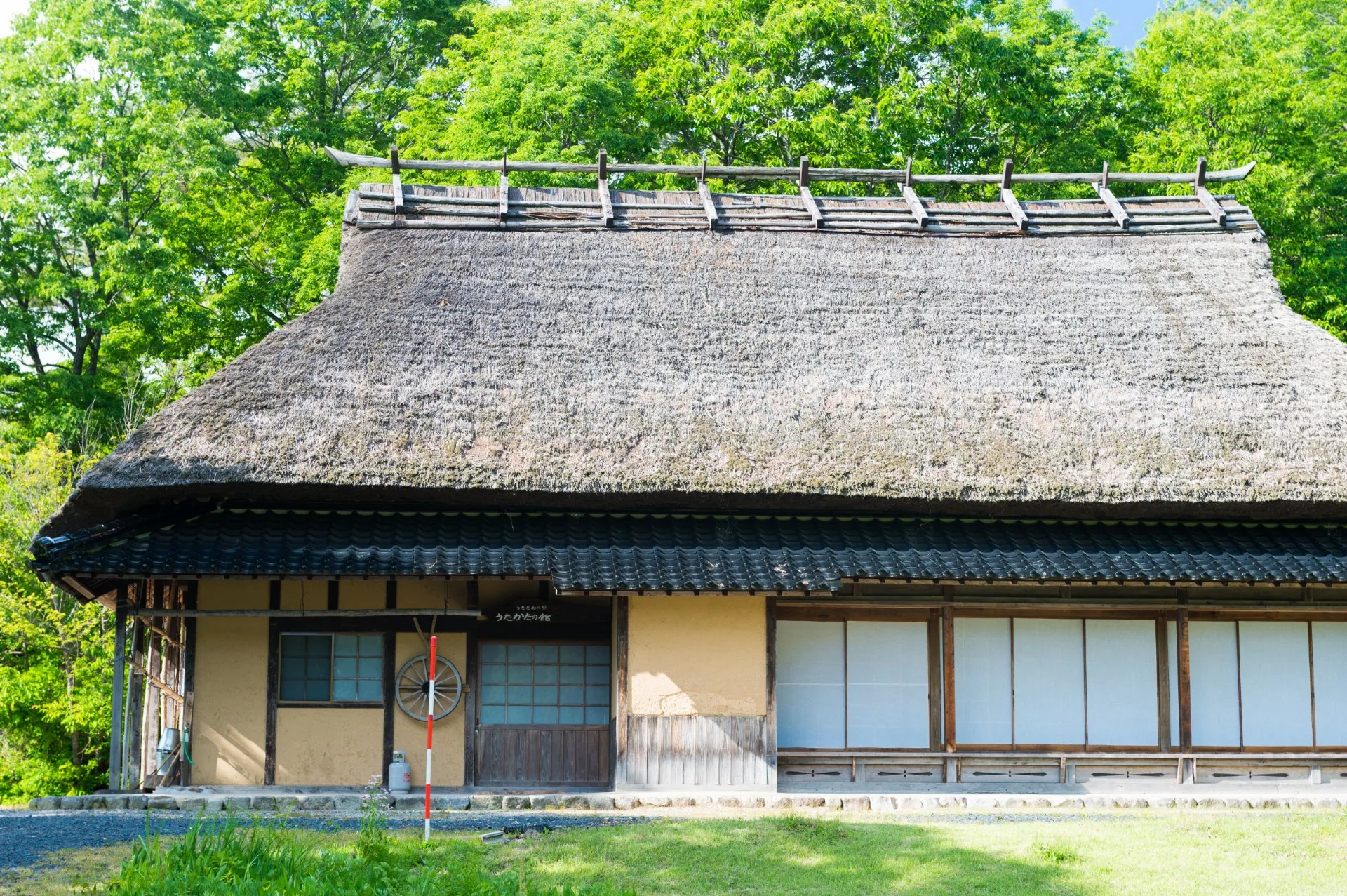
The prevalence of mold in Japanese homes is not just a coincidence. A unique blend of climate, construction methods, and cultural habits contributes to an environment where mold thrives. For foreign residents unfamiliar with these factors, mold can appear unexpectedly—even in clean, well-maintained homes. In this section, we’ll explore the two main reasons why mold is so common in Japan.
1-1. The Effects of Japan’s Humid Climate and Indoor Environments
Japan’s climate, especially during the rainy season and summer, creates ideal conditions for mold growth. Mold tends to thrive when temperatures are between 20–30°C and humidity exceeds 70%—conditions that are common from June to September. In addition, modern Japanese homes are often built to be airtight, which improves energy efficiency but traps moisture indoors. This issue is compounded by daily habits such as closing windows for air conditioning or drying laundry indoors, both of which increase indoor humidity. Poor air circulation leads to moisture accumulating in hidden areas like behind walls or under the ceiling, creating an ideal breeding ground for mold.
1-2. How Japanese Housing Structures and Materials Encourage Mold
Traditional Japanese homes are often wooden, designed to breathe and allow airflow. However, modern homes now emphasize airtightness and insulation, which can inadvertently trap moisture. Features like tatami mats and built-in closets, common in Japanese homes, tend to retain humidity and limit air movement. Furthermore, cultural habits such as removing shoes indoors can cause temperature imbalances between rooms and entryways, leading to condensation. These structural and cultural elements can be unfamiliar to foreign residents, making it more difficult to recognize and prevent mold in everyday life.
2. Mold Issues Specific to Foreign Residents and Embassy Housing
For foreign residents and embassy staff living in Japan, mold often presents itself as a surprising and frustrating challenge. Despite appearing clean and modern, many Japanese homes contain hidden moisture traps that can lead to mold growth. These issues often stem from differences in climate, housing design, and daily habits that may be unfamiliar to those from drier regions. In this section, we highlight the unique mold-related problems often encountered by foreign residents.
2-1. Environmental Differences and Cultural Gaps in Home Habits
Foreign residents from drier countries may experience a significant gap between their expectations and the reality of Japanese housing. In many Western countries, homes are built with high ventilation and moisture control in mind. In contrast, Japanese homes often lack mechanical ventilation systems and rely on manual airing out, which isn’t always intuitive for newcomers. Spaces like tatami rooms or closets require frequent airing, but this practice is not well-known to those unfamiliar with Japanese homes. As a result, foreign residents may unknowingly allow moisture to build up, creating an environment ideal for mold.
2-2. Invisible Mold Risks Foreign Residents Often Overlook
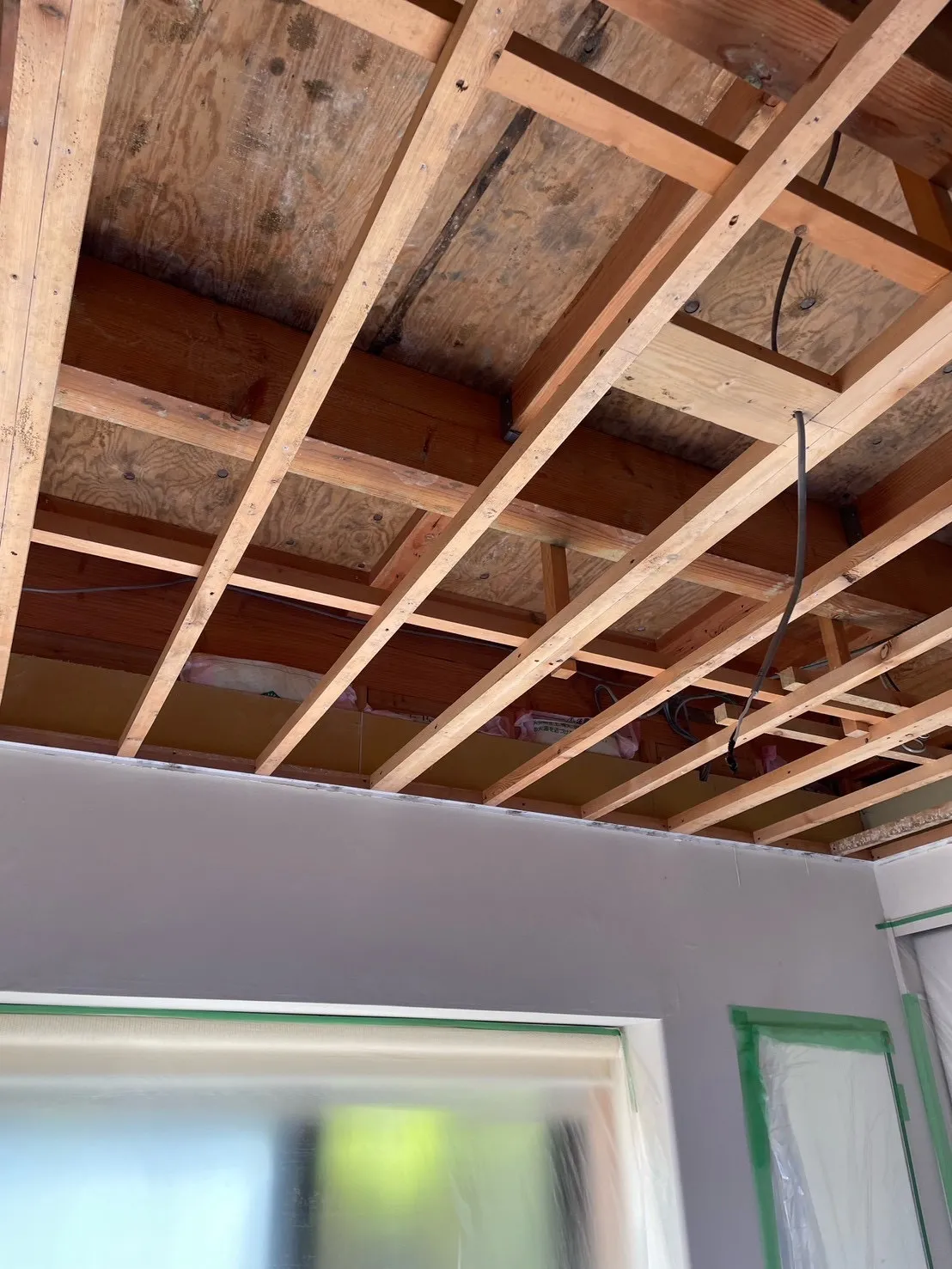
One of the most serious issues is “invisible mold.” This refers to mold that grows behind furniture, under floors, or within walls—areas that are rarely inspected. In embassy housing or high-end apartments, appearances can be deceiving. A unit may look pristine upon move-in, but hidden moisture problems from past tenants or poor ventilation design can result in hidden mold infestations. Foreign residents may not notice these issues until symptoms like respiratory irritation, mold smells, or visible spots appear. For families with children or individuals with allergies, this can quickly become a health hazard.
3. Structural, Construction, and Ventilation Issues Behind Mold
The design and construction of a home play a critical role in whether mold becomes a recurring problem. In Japan, architectural choices aimed at energy efficiency and space-saving often have unintended consequences—namely, creating environments where mold can flourish. Many of these problems are not immediately visible, which makes them even more difficult for foreign residents to identify or address. Below, we explore how specific building factors contribute to mold growth.
3-1. How Airtightness, Insulation, and Condensation Encourage Mold
Modern Japanese homes are often built with airtight and well-insulated structures to reduce energy consumption. However, these features can also trap humidity indoors. During winter, the temperature difference between indoor air and cold exterior walls or windows can result in condensation—a major trigger for mold. Water droplets forming on windowsills or along walls often go unnoticed until mold spots appear. Without proper airflow, moisture remains trapped in small spaces like wall cavities, under floorboards, or behind wallpaper. Once mold takes hold in these areas, it can spread quickly, even without visible signs.
3-2. How Poor Ventilation Traps Moisture and Causes Mold
In many Japanese homes, ventilation systems are limited or manually operated, relying heavily on residents to open windows or run fans. This dependence on manual ventilation can be problematic, especially in bathrooms, kitchens, or laundry rooms—places where humidity builds up quickly. If a fan is not used long enough or a window remains closed, moisture accumulates and creates the perfect breeding ground for mold. Additionally, when furniture is placed directly against walls, airflow is blocked, which can lead to hidden mold behind beds, wardrobes, or bookshelves. Even in newly built homes, insufficient ventilation planning during construction can result in long-term mold risks, especially when materials retain moisture from the building process.
4. How Cultural Habits Impact Mold Prevention
Mold prevention isn’t only about architecture or climate—it also depends heavily on how people live in their homes. Cultural differences in household habits can significantly affect whether mold appears or not. For foreign residents, adjusting to Japanese lifestyle practices can be the key to keeping their homes mold-free. This section explores how Japanese routines—while normal to locals—can seem unfamiliar and lead to accidental mold issues for newcomers.
4-1. Common Japanese Habits That Trap Moisture Indoors
In Japan, it's common to keep windows closed for long periods, use indoor drying racks, and rely on natural ventilation instead of mechanical systems. During the rainy season or winter, these habits help conserve energy and maintain comfort—but they also increase indoor humidity. Areas like tatami rooms, built-in closets (oshiire), and wooden flooring are particularly prone to trapping moisture if not regularly aired out. Japanese residents may instinctively use dehumidifiers, open windows briefly even in winter, or rotate stored items to prevent mold, but foreign residents unfamiliar with these practices may not realize the need for such actions until it’s too late.
4-2. Japanese Home Practices Foreign Residents Should Understand
Some Japanese habits may seem unusual to newcomers—for example, removing shoes at the entrance, using bath lids, or wiping down bathroom walls after use. However, these small routines are all part of moisture control and mold prevention. Hanging wet towels in a closed bathroom or placing furniture directly against walls may go unnoticed by new residents, but they can contribute to hidden mold growth. Understanding and adopting these Japanese home care customs can make a significant difference in maintaining a clean, healthy indoor environment. For foreign residents, becoming aware of these cultural practices is a crucial step in adapting to life in Japan and avoiding preventable mold problems.
5. Where Mold Commonly Hides and How to Detect It
Mold isn’t always visible on the surface. In fact, some of the most serious mold infestations grow silently in areas we rarely check. Japanese homes, with their specific design features and high humidity, offer many such hidden spots. For foreign residents, knowing where mold tends to hide—and how to spot it early—is essential for preventing long-term damage and health risks.
5-1. Bathrooms, Laundry Rooms, and Other Moisture-Prone Areas
Bathrooms, laundry areas, and changing rooms are among the most common places for mold to appear. Warm and wet, these spaces often retain moisture long after use. Mold frequently forms on bathroom ceilings, walls, and around silicone seams. Washing machine areas and drains also accumulate grime and humidity, creating ideal breeding grounds for mold. These areas require regular ventilation, drying, and cleaning with anti-mold products. Running exhaust fans for extended periods, leaving bathroom doors open after use, and using dehumidifiers are simple but effective ways to control moisture.
5-2. Behind Furniture, Inside Closets, and Other Hidden Spaces
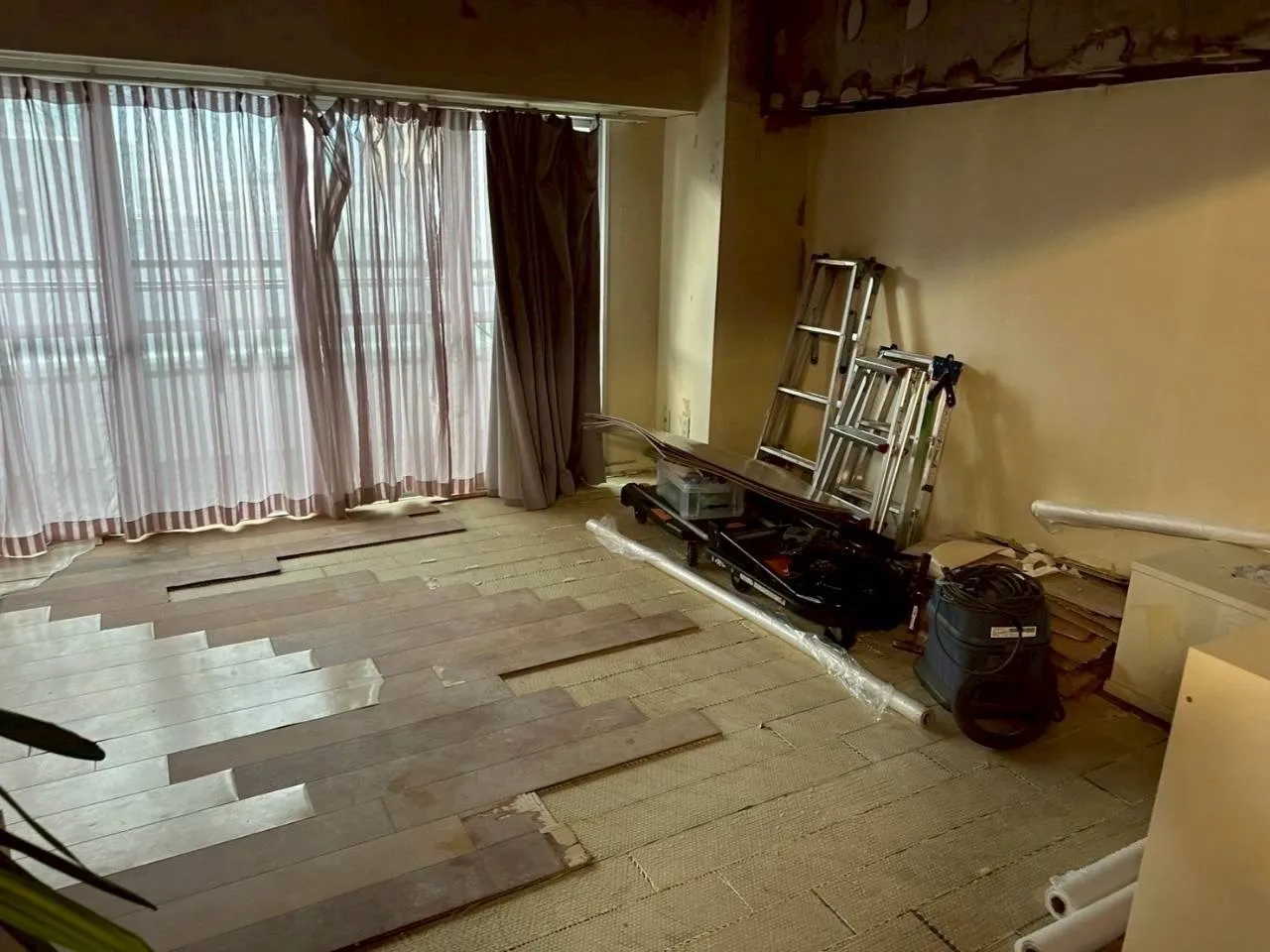
Mold often grows where air circulation is poor—such as behind large furniture placed flush against the wall, inside storage closets, or underneath flooring. Built-in storage spaces like oshiire (closets) and under-bed compartments are particularly prone to mold due to limited airflow. Residents may not notice a problem until mold starts affecting clothes, bedding, or walls. To detect early signs, periodically move furniture away from walls, use slatted boards under stored items, and place dehumidifying agents in closed spaces. Doing monthly checks in these “invisible” areas can help prevent serious mold buildup and protect your health and belongings.
6. Health Risks and Property Damage Caused by Mold
Once mold begins to grow, the consequences go far beyond unpleasant smells or unsightly stains. Mold spores can seriously affect your health, especially when they linger in the air and are breathed in daily. Beyond health, mold can also damage the structure of your home and the items you own. For foreign residents living in unfamiliar environments, it’s important to understand the full scope of risks associated with mold.
6-1. Mold and Respiratory Issues: How Damp Homes Affect Health
Mold spores are airborne and can be inhaled easily without notice. In people with allergies, asthma, or weakened immune systems, this can cause sneezing, coughing, skin irritation, or even serious respiratory problems. Children and the elderly are especially vulnerable to mold exposure. In humid Japanese homes, even healthy individuals may begin experiencing discomfort due to long-term exposure to indoor mold. You may not see mold, but if you often feel unwell indoors, the air quality might be compromised by hidden spores. This is why early detection and prevention are essential to maintaining a healthy home environment.
6-2. Mold’s Impact on Home Value and Household Items
Mold doesn’t just affect your health—it can also damage your property. When mold penetrates wood, wallpaper, or insulation, it can lead to permanent deterioration. Repairs can be expensive, especially if the mold has spread behind walls or under flooring. Mold odor is also persistent and may reduce the appeal and value of the property, which is a concern for both owners and renters. Additionally, mold can ruin furniture, clothes, books, and electronics—many of which are difficult or impossible to restore. For renters, this may also lead to disputes over responsibility and cleaning fees upon moving out.
7. Mold Prevention Tips for Expats and Embassy Homes
Preventing mold in Japanese homes requires more than just occasional cleaning—it takes daily awareness and proactive habits, especially for foreign residents who may not be used to Japan’s high humidity and housing styles. By learning a few simple techniques and asking the right questions before moving in, embassy staff and expats can create a safer, mold-free living environment.
7-1. Easy-to-Understand Moisture and Ventilation Tips for Expats
Controlling humidity is the most effective way to prevent mold. Use a dehumidifier regularly, especially during the rainy season and summer. Many air conditioners in Japan have a “dry” mode—use it to reduce moisture in the air. It’s also helpful to place hygrometers in several rooms to monitor indoor humidity; try to keep it below 60%. Open windows periodically to improve air circulation, even in winter. After showers, keep the bathroom fan running or leave the door open to allow moisture to escape. If drying laundry indoors, place it near a window or dehumidifier and avoid trapping moisture in closed rooms.
7-2. What to Check for Mold Prevention Before Signing a Lease
When choosing a rental property in Japan, mold prevention should be part of your decision-making process. Ask the landlord or agent if the home has a proper ventilation system and whether there have been any past mold issues. Check for signs of water damage, condensation, or musty smells during your property visit. Look at the placement of closets and windows—do they allow airflow? In older buildings, make sure you understand the condition of insulation and ventilation. It’s also wise to confirm if the lease agreement covers mold-related repairs or responsibilities. Being informed at the beginning can save you from future trouble.
8. Choosing Professional Mold Removal and Prevention Services
While do-it-yourself solutions may work for minor mold, professional help is often necessary when the problem becomes severe or recurring. For foreign residents in Japan—especially those living in embassy housing or long-term rentals—choosing a reliable mold removal service is essential. This ensures both effective removal and long-term prevention without compromising safety or the home’s structure.
8-1. What to Look for in a Reliable Mold Removal Specialist
When selecting a mold removal company, look for one with proven experience across various property types—especially wooden homes, apartments, and embassy residences. Ask if they use safe, non-toxic treatments that are gentle on building materials and safe for families and pets. It’s also important to confirm if they offer a warranty or follow-up support in case the mold returns. A detailed explanation of their cleaning process, areas of treatment, and post-cleaning air quality measures can also indicate professionalism. For expats, companies that provide communication in English or multilingual support can make the entire process smoother and stress-free.
8-2. Long-Term Mold Prevention Through Professional Treatment
Mold removal should not end with cleaning. Long-lasting protection requires preventive measures—such as applying anti-mold coatings or improving ventilation in vulnerable areas. Some advanced services, like the MIST Method®, use specially formulated solutions that deeply penetrate materials and eliminate mold at the root without abrasion. After treatment, professionals may also recommend installing ventilation systems or making small structural adjustments to reduce future risk. Regular inspections and scheduled maintenance can also ensure continued protection, especially in properties prone to moisture issues. For embassy housing or long-term stays, investing in professional care offers peace of mind and a healthier living space.
9. Designing a Long-Term Mold-Free Living Environment
Effective mold prevention goes beyond short-term fixes—it requires a long-term strategy that addresses both the physical features of the home and the lifestyle of the residents. For foreign residents and embassy households in Japan, creating a mold-resistant living space involves improving the building’s performance and integrating preventive habits into daily routines. This section focuses on sustainable solutions for keeping mold at bay.
9-1. Improving Airtightness, Insulation, and Ventilation
Three key factors for mold prevention in building design are airtightness, insulation, and ventilation. Poor insulation can cause condensation, while excessive airtightness can trap moisture. To improve these areas, consider upgrading to double-glazed windows, adding insulation materials, or replacing old ventilation systems with modern, energy-efficient models. Even in rental properties, small steps like installing portable air purifiers or using window sealing kits can make a difference. For long-term residents or homeowners, renovations that target heat retention and airflow can dramatically reduce the chance of mold developing in hidden areas such as inside walls or under floors.
9-2. Building Daily Habits and Maintenance Routines to Prevent Mold
Prevention also comes from consistent habits. Rearranging furniture to allow airflow, opening closets and storage regularly, and using dehumidifiers routinely should become part of your lifestyle. Setting monthly reminders to check for signs of moisture behind furniture or in tight spaces is a simple but effective way to stay ahead of problems. Foreign residents can benefit from creating a personalized mold-prevention checklist, ideally available in both English and Japanese, to ensure nothing is overlooked. By combining smart home design with daily mindfulness, you can maintain a comfortable, healthy living space free of mold over the long term.
10. Summary: How to Prevent Mold and Live Comfortably in Japan
Mold problems in Japan are more than just an annoyance—they’re a common reality caused by the country’s unique climate, housing design, and cultural practices. For expats and embassy staff unfamiliar with these conditions, mold can appear unexpectedly and pose risks to both health and property. However, with the right knowledge and a proactive mindset, it’s entirely possible to prevent mold and enjoy a safe, comfortable home in Japan.
10-1. Key Points Every Foreign Resident Should Know About Mold
Foreign residents should be aware that even clean-looking homes in Japan may hide moisture traps. Understanding the risk factors—such as poor ventilation, indoor drying, high humidity, and closed storage spaces—is crucial. Before moving in, it’s important to inspect properties for ventilation quality and past mold issues. Once settled, adopting local habits like daily ventilation, using dehumidifiers, and regularly checking hidden areas can make a significant difference in keeping mold away.
10-2. Ensure a Safer Home Through Early Action and Regular Checks
Mold is easier to prevent than to eliminate after it spreads. Simple actions like controlling indoor humidity, ensuring proper airflow, and checking hidden spots monthly are powerful preventive steps. For those staying long-term, combining these habits with professional mold prevention treatments can offer lasting protection. By staying alert and making mold prevention a part of your routine, you’ll create a healthier, more comfortable living space—one that feels like home, no matter how far from your own country you may be.
Professional Mold Removal & Renovation by Kabibusters Osaka and Kabi Reform Tokyo/Nagoya
If you're an expat or embassy staff facing mold problems in Japan, Kabibusters Osaka and Kabi Reform Tokyo/Nagoya are here to help. Our expert services are built around the MIST Method®, a proprietary mold removal technology that eliminates mold deeply and thoroughly—without scrubbing, scraping, or damaging building materials. This safe, non-toxic treatment preserves the integrity of wood, paper, and other delicate materials, making it ideal for both modern residences and historical buildings.
What sets us apart is that our company, Taiko Kensou Co., Ltd., offers an all-in-one solution: professional mold removal and full-scale renovation services in one package. While most companies only handle one or the other, we provide seamless support—from detecting and removing mold, to repairing any affected areas, and renovating your home into a cleaner, safer space.
Our renovation division handles a wide range of needs, including:
Complete home renovations (e.g. converting tatami rooms, updating bathrooms, adding insulation)
Repairs and remodeling of mold-damaged interiors (floors, ceilings, walls, doors)
Commercial and office restoration, as well as tenant move-out repairs
Renovation of aging properties and revitalization of vacant homes
Custom remodeling with mold prevention integrated into the design
With Kabibusters Osaka and Kabi Reform Tokyo/Nagoya, you’re not just getting rid of mold—you’re restoring your home’s value, comfort, and long-term livability. Whether you're dealing with a severe mold outbreak or simply want to take preventative action, our team offers expert guidance and results you can trust.
Let Taiko Kensou Co., Ltd. provide the total solution to your mold and renovation needs—so you can enjoy a safer, healthier home in Japan, from day one.
---------------------------------------------------------------------
カビ取リフォーム
東京営業所
〒141-0022
東京都品川区東五反田2-5-2 YHE CASK GOTANDA6階
電話番号:090-8321-4408
名古屋本社
〒465-0028
愛知県名古屋市名東区猪高台1-1301 タイコウビル1F
電話番号 : 0120-588-766
サイト:https://taikou-kensou.co.jp/
大阪営業所
〒532-0003
大阪府大阪市淀川区宮原1-19-23
電話番号:080-6978-3068
カビバスターズ大阪
https://kabibusters-osaka.com/
【検査機関】
一般社団法人微生物対策協会
https://kabikensa.com/
----------------------------------------------------------------------