Why Is There Mold Under the Floor? Hidden Dangers in High-Insulation Homes
2025/11/03
Even highly insulated and airtight homes can develop mold under the floor. This hidden issue can silently harm both the structure of the house and the health of its residents.
This article explains why mold forms under floors in airtight homes, how to identify early warning signs, and what practical and professional steps you can take to eliminate and prevent recurrence.
You’ll gain the knowledge to spot potential mold problems early, choose the right prevention strategies, and maintain a clean and safe living environment in your insulated home.
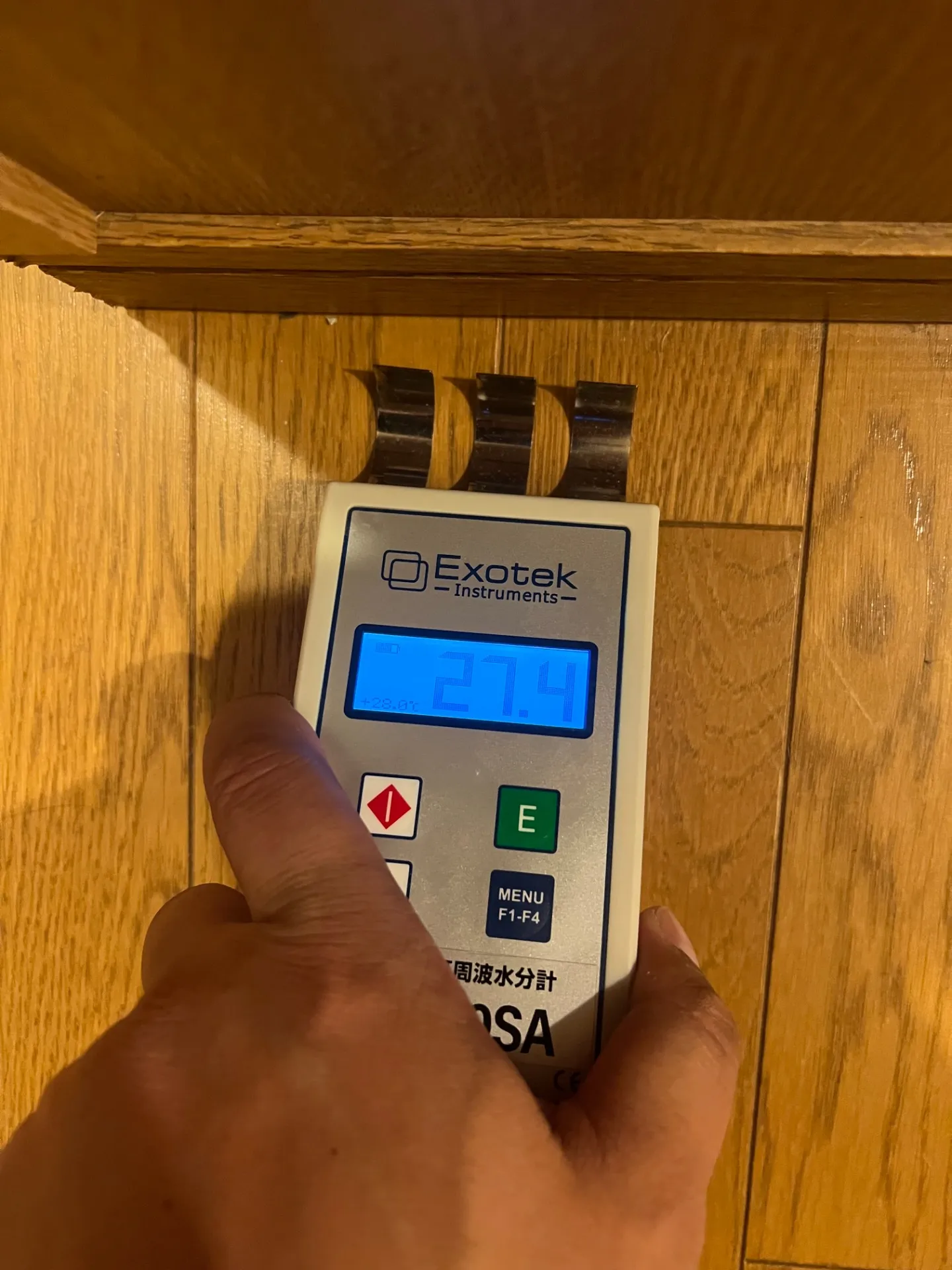
1. Surprising Reasons Mold Grows in Airtight, Highly Insulated Homes
Modern homes are designed to be energy-efficient and comfortable, with airtight and high-insulation construction becoming the standard. However, these very features can ironically create ideal conditions for mold, especially under the floor. Let’s explore why high-performance homes may unknowingly be at risk for mold growth.
1-1. Is Modern “High-Performance” Construction Causing Mold?
Airtight, highly insulated homes are built to minimize heat exchange with the outside environment, making them energy-efficient and easy to keep at a stable temperature. While this is excellent for comfort and cost savings, it can also lead to poor air circulation—a key factor in mold growth.
In traditional wooden homes, natural ventilation helped reduce moisture buildup. But in modern homes, the sealed structure can trap humidity inside. The underfloor area, in particular, tends to have stagnant air and poor ventilation, creating a humid environment that’s perfect for mold.
Moreover, any water leakage or condensation in such airtight spaces dries very slowly, further increasing the risk of mold. Ironically, the higher the performance of the house, the more vulnerable it may be to hidden moisture problems.
1-2. Why Is the Underfloor Area So Prone to Mold?
Because the underfloor space is out of sight, mold often goes unnoticed until significant damage occurs. It's naturally a damp, cool area with limited airflow, making it one of the most mold-prone areas in any home.
Additionally, being close to the ground, the underfloor is susceptible to moisture from the soil or rainwater seepage. If insulation is installed under the floor, and it absorbs this moisture, it remains damp and becomes a breeding ground for mold.
Construction issues like poorly placed vents or mistakes in foundation insulation can further restrict airflow, raising humidity levels. In such conditions, mold isn't the only concern—termites can also thrive. For these reasons, managing underfloor moisture is essential, especially in airtight, highly insulated homes.
3. The Relationship Between Ventilation and Insulation in Airtight Homes
In airtight, highly insulated homes, thermal efficiency and comfort are prioritized—but this often leads to reduced natural airflow. When air circulation is compromised, moisture tends to accumulate, especially under the floor. Understanding how insulation and ventilation interact is crucial to preventing mold growth.
3-1. How Different Types of Insulation Relate to Mold Growth
There are various types of insulation used in modern homes, such as glass wool, spray polyurethane foam, and extruded polystyrene. While all offer thermal benefits, their behavior in humid environments differs significantly.
For example, fiber-based insulation like glass wool can absorb moisture easily and dry slowly. Once wet, it creates an ideal environment for mold to develop—especially in the underfloor space where airflow and sunlight are minimal.
On the other hand, foam-based insulations like spray foam and polystyrene resist moisture penetration better. However, if gaps or poor installation occur, condensation can build up in those areas, still leading to potential mold issues. Therefore, choosing the right insulation type and ensuring precise installation are both vital.
3-2. How Airtightness and Poor Air Circulation Encourage Mold
The high airtightness of modern homes reduces the movement of air in and out, which helps maintain stable temperatures and saves energy. However, this also limits the natural ventilation that would normally help control humidity levels.
In underfloor areas, which are often sealed with insulation and vapor barriers, air movement is minimal. This stagnation allows moisture to linger, leading to condensation and mold formation. Worse, because these areas are hidden, homeowners may not notice the problem until it’s advanced.
Thus, the very features that make a home energy-efficient—tight seals and strong insulation—can inadvertently increase the risk of mold if ventilation isn’t properly accounted for. That’s why a well-balanced approach between insulation and airflow is critical in high-performance home design.
4. Serious Risks of Ignoring Mold Under the Floor
Mold under the floor often goes unnoticed until it causes serious damage. Because it's out of sight, it can silently affect the structural integrity of your home and pose health risks to those living inside. Recognizing these potential consequences is essential to preventing costly problems later on.
4-1. Structural Decay and the Domino Effect of Termite Infestations
One of the most serious consequences of underfloor mold is the gradual decay of building materials—especially wood. When mold grows on wooden components, it slowly eats away at them, weakening the structure and compromising the home’s safety.
Worse yet, damp, moldy conditions attract termites, which thrive in moist environments. When mold is left untreated, it creates a perfect habitat for termites to invade and accelerate wood destruction. This dangerous cycle—mold, then termites, then full structural degradation—can result in expensive repairs and reduced property value.
In extreme cases, floors may sag, become unstable, or even collapse. The longer mold is ignored, the more extensive the damage becomes, and the more difficult and costly the repairs.
4-2. Impact on Indoor Air Quality and Health Risks
Even if mold stays hidden under the floor, its spores can travel through the air and infiltrate living spaces. Inhaling mold spores can lead to respiratory issues such as asthma, allergies, bronchitis, and chronic fatigue—especially for children, the elderly, or people with weakened immune systems.
Mold also produces a musty odor that can spread throughout the home, making the space uncomfortable and potentially affecting mental well-being. This degraded air quality reduces overall indoor comfort and increases the risk of long-term health problems.
Because of these risks, underfloor mold isn’t just a structural issue—it’s a serious health concern. Regular inspections and early intervention are crucial to maintaining a safe and healthy home environment.
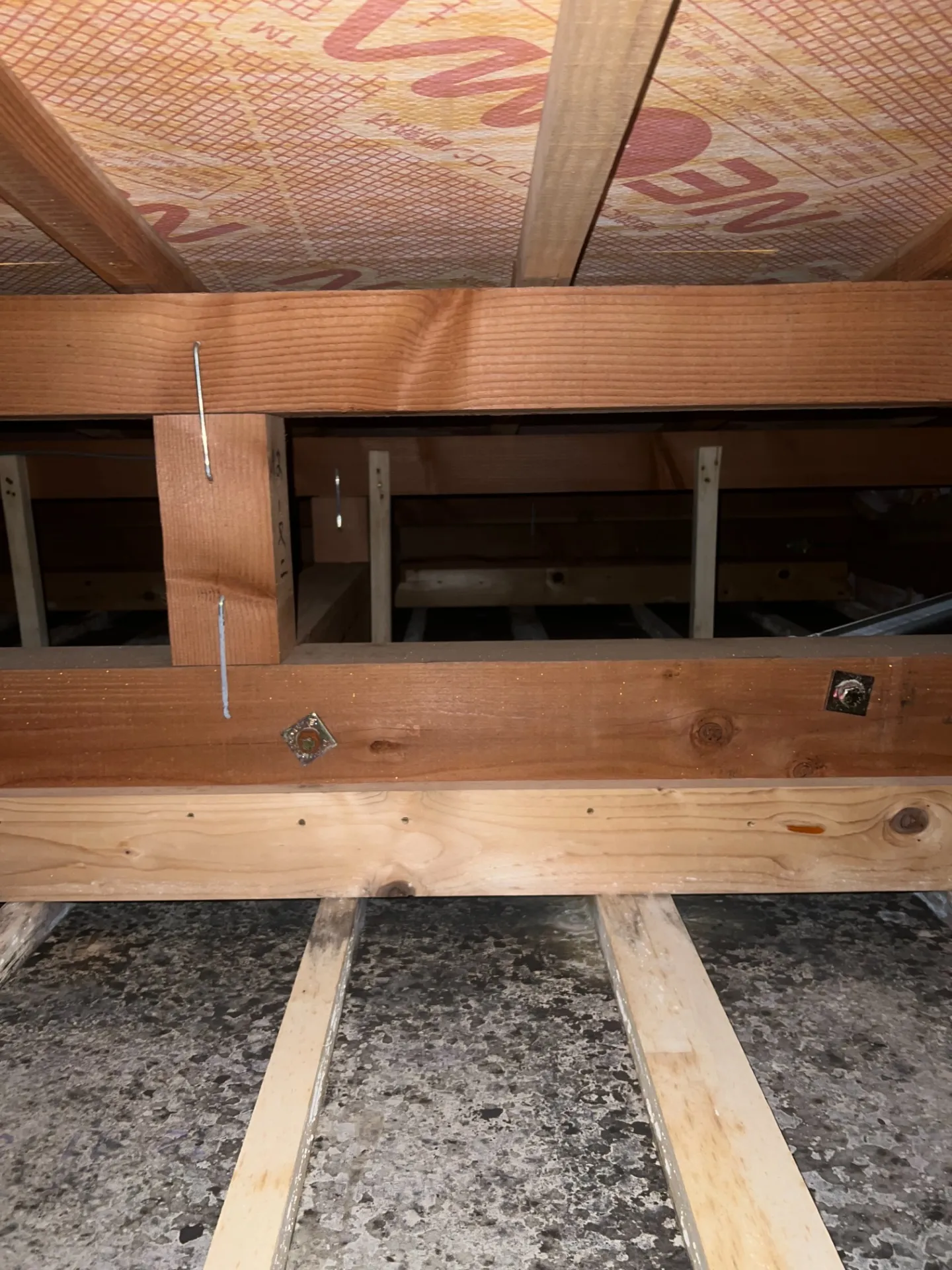
5. How to Detect Mold Under the Floor in Airtight, Insulated Homes
Because the underfloor area is rarely seen, mold growth can go unnoticed until significant damage occurs. Especially in airtight and highly insulated homes, signs of mold may be harder to detect. However, recognizing early indicators is key to preventing severe structural and health problems. Here’s how to spot the warning signs.
5-1. Hidden Clues That Mold May Be Present
Mold under the floor often doesn’t show visible symptoms, and due to the airtight nature of modern homes, odors may not easily reach living spaces. Still, there are subtle clues that may indicate mold is growing.
For example, if your floors feel unusually cold or damp, creak when walked on, or you notice a faint musty smell in the house, mold could be the culprit. Dark stains near baseboards or in closets—especially near the floor—may also point to excess moisture coming from below.
These signs often appear during humid seasons like the rainy season or after prolonged heater use in winter. Being alert to these changes can help you identify a mold issue early before it causes serious damage.
5-2. Why Professional Inspections Are Essential
While DIY detection may catch some signs, accurately identifying mold under the floor requires a professional inspection. Experts can access crawl spaces, check humidity levels, and assess insulation or wood damage with specialized tools like moisture meters and infrared cameras.
They’re also trained to distinguish mold from ordinary stains and detect condensation-prone areas that may otherwise go unnoticed. Professionals can diagnose not just the presence of mold, but also its cause—whether it's poor ventilation, leaks, or construction flaws.
Attempting to assess or treat underfloor mold without proper knowledge or tools may result in missed warning signs or even worsen the problem. For peace of mind and long-term protection, consulting a mold removal specialist is highly recommended if anything seems off.
6. Practical Ways to Prevent Mold Under the Floor
Mold removal can be costly and time-consuming once it spreads, which is why prevention is key—especially in airtight, highly insulated homes where moisture tends to linger. Here, we explain effective, proactive steps you can take to reduce the risk of underfloor mold growth.
6-1. Managing Moisture and Improving Airflow
The first step in mold prevention is controlling humidity. Underfloor areas can become especially damp during the rainy season or in winter, so creating a moisture-resistant environment is essential. Effective strategies include:
・Ensuring proper placement and number of underfloor ventilation openings
・Installing mechanical ventilation systems to enhance airflow
・Laying down vapor barriers or moisture-blocking sheets to stop ground moisture from rising
In homes with foundation insulation (especially sealed crawl spaces), it’s important to regularly ventilate and inspect for trapped humidity. In some cases, consulting a ventilation specialist can help redesign airflow to better suit your home's structure and climate.
6-2. Mold Prevention Treatments and Routine Maintenance
Alongside moisture control, applying anti-mold treatments can offer long-term protection. Over-the-counter sprays offer temporary relief, but professional-grade treatments are far more effective, especially in hard-to-reach areas like under floors.
For example, the MIST Method®, offered by experts like Kabibusters, uses specialized agents tailored to the building materials. The treatment deeply penetrates surfaces without scrubbing or scraping, removing mold at the root without damaging the material. After removal, a finishing anti-mold coating helps prevent future growth.
Equally important is routine inspection. Checking underfloor conditions at least once a year—monitoring for humidity, odors, and signs of material degradation—can help catch problems early. Mold prevention isn't a one-time effort; it requires continuous attention to maintain a safe and healthy home.
7. Can You Handle Underfloor Mold Yourself? Important Cautions
When people discover signs of mold under their floor, many consider tackling the issue themselves to save time and money. While some basic moisture control measures can be done DIY, the underfloor environment is complex and potentially hazardous. Here’s what you need to know before attempting mold removal on your own.
7-1. Is Using Store-Bought Mold Removers a Bad Idea?
Many store-bought mold removers contain strong bleaching agents that are effective at removing visible surface mold. However, these products only address the symptoms, not the root cause. Underfloor mold often grows deep into materials like wood and insulation—far beyond what surface cleaners can reach.
Simply wiping mold off the surface leaves the deeper roots untouched, allowing it to return quickly. Additionally, using strong chemicals in poorly ventilated areas like under the floor can be hazardous to your health. There's also the risk of damaging sensitive materials if the cleaner is too harsh or inappropriate for the surface.
In other words, DIY solutions might seem effective in the short term, but they can cause more harm than good in the long run.
7-2. Safe and Effective Prevention Strategies
While mold removal should generally be left to professionals, there are some safe, preventative steps homeowners can take. These include placing moisture absorbers under the floor, laying down vapor barriers, and ensuring underfloor vents are clean and functional. These actions help manage humidity levels and reduce the risk of mold forming.
However, these are only preventative measures. If mold has already developed, DIY efforts may be insufficient or even unsafe. For effective removal and long-term prevention, it’s best to hire professionals with the right tools, experience, and products.
Professional services not only eliminate mold at its root but also identify and resolve the underlying causes—such as poor insulation, water leaks, or improper ventilation. When it comes to the health of your home and family, trusting a certified expert is always the safer route.
8. Professional Solutions for Preventing and Removing Underfloor Mold
Because underfloor mold is difficult to detect and remove completely, relying on a professional is often the most reliable and safe option. Experts not only remove mold but also address its root causes and prevent it from returning. Here's a look at the professional methods used to deal with mold effectively.
8-1. Features and Benefits of the MIST Method®
The MIST Method®, developed and used by Kabibusters, is a unique mold removal technique that targets mold deep within materials without damaging them. Unlike traditional methods that involve scrubbing or scraping, the MIST Method® uses a non-invasive approach tailored to each material's sensitivity.
Specialized anti-mold agents are adjusted based on the type of material—whether it’s wood, insulation, or even delicate surfaces in historic buildings. These agents are safe for both people and the environment, making them ideal for homes with children or elderly residents.
Despite its strong mold-killing power, the MIST Method® is gentle on materials and does not compromise the structure’s integrity. It ensures a thorough removal process that’s both highly effective and environmentally responsible.
8-2. Why It Solves the Root Problem Without Damaging Materials
The MIST Method® works by applying a fine mist of anti-mold agent that penetrates deep into surfaces, reaching areas where mold spores hide and multiply. This allows the treatment to decompose and eliminate mold from the inside out—unlike surface treatments that only offer a temporary solution.
After the mold is removed, a long-lasting protective coating is applied. This coating has three main strengths: rapid action, extended durability, and high safety. It continues to work even in poorly ventilated underfloor spaces, keeping mold at bay for the long term.
Another advantage of the MIST Method® is its clean finish—there are no visible traces of treatment, preserving the aesthetic and structural integrity of your home. It’s a comprehensive solution that not only removes mold but also helps maintain a healthy, long-lasting living environment.
9. Why Underfloor Mold Comes Back and How to Prevent It
Even after removing mold, many homeowners find it reappears over time. This is often due to treating only the visible symptoms rather than addressing the root causes. To keep mold from coming back, it’s essential to understand why it returns and what proactive steps can prevent recurrence.
9-1. Temporary Fixes Often Lead to Mold Returning
The most common reason mold returns is that only surface-level cleaning was done. For instance, using a mold spray to remove visible spots might make the area look clean, but the mold roots often remain hidden within insulation or wood. Over time, it resurfaces—sometimes even worse than before.
If the environment that caused the mold (such as excess moisture or poor ventilation) hasn't changed, the conditions for mold growth remain intact. Airtight, highly insulated homes are especially vulnerable because moisture has nowhere to escape.
In some cases, insulation and structural materials are already compromised and hold hidden mold. Without a thorough, root-level treatment, mold can easily reappear—even after a seemingly successful cleanup. That’s why it’s critical to combine mold removal with long-term environmental improvements.
9-2. Continuous Monitoring and Professional Maintenance Are Key
The best way to prevent mold from returning is to maintain a healthy underfloor environment after removal. Start by addressing any underlying problems—such as leaky pipes, poor drainage, or cracked foundations—that contribute to excess moisture.
Even if a long-lasting anti-mold agent was applied, its effects don’t last forever. Over time, humidity levels can rise again, especially in certain seasons or climates. That’s why regular inspections and retreatments are necessary to maintain protection.
Professional services often offer ongoing maintenance plans, which include periodic humidity checks, visual inspections, and reapplication of mold prevention treatments as needed. This ensures your home remains mold-free, structurally sound, and safe for your family.
Preventing recurrence isn’t about doing more—it’s about doing it right, consistently. By combining expert removal, environmental improvements, and routine care, you can protect your home from mold in the long term.
10. What an Ideal Underfloor Environment Looks Like to Prevent Mold
Preventing mold isn’t just about removing it once—it’s about maintaining an environment where it can’t grow back. Especially in airtight, highly insulated homes, balancing insulation with proper moisture control and airflow is key. Here’s what makes an underfloor space truly mold-resistant.
10-1. The Right Balance of Humidity, Temperature, and Ventilation
An ideal underfloor environment keeps mold away by maintaining stable humidity, minimizing temperature differences, and ensuring air can circulate. Key characteristics of such an environment include:
Humidity levels consistently below 60%
Minimal condensation thanks to proper insulation
Sufficient airflow through natural or mechanical ventilation
Protection from ground moisture or rainwater seepage
To achieve this, installing vapor barriers, sealing foundation cracks, and ensuring proper drainage around the home are crucial. If underfloor ventilation is poorly designed—too few vents, or in the wrong positions—air stagnates, increasing moisture buildup. In such cases, mechanical ventilation systems or layout adjustments may be needed to promote air movement throughout the crawl space.
10-2. Long-Term Stability with Anti-Mold Treatment and Routine Inspections
Once the underfloor environment is optimized, adding professional mold prevention treatments offers additional protection. For example, the MIST Method® applies a long-lasting anti-mold coating that continues to work even in areas where airflow is limited.
However, no treatment lasts forever. That’s why regular inspections—at least once a year—are recommended to check for signs of moisture, odors, or material damage. Reapplying mold-prevention agents when needed helps maintain a strong defense against mold over the long term.
An ideal underfloor environment isn’t created in a day—it’s maintained over time. By following the three golden rules—no trapped moisture, no mold-friendly conditions, and no neglect—you can preserve a healthy, clean, and durable home environment.
Mold Removal & Remodeling Services by Kabibusters Osaka and Kabi Reform Tokyo & Nagoya
To truly resolve mold problems under your floor, you need not just removal—but long-term prevention and, when necessary, structural repair. That’s why Taikou Kensou Co., Ltd. offers a unique all-in-one service that combines professional mold removal with high-quality remodeling.
Our specialized brands, Kabibusters Osaka and Kabi Reform Tokyo & Nagoya, provide region-specific solutions tailored to the unique climate and housing styles in each area. Whether you're dealing with underfloor mold in a humid Kansai home or tight urban housing in Tokyo, we deliver results with safety, precision, and long-term effectiveness.
One-Stop Service: Mold Removal + Full-Scale Remodeling
At Taikou Kensou, we don’t just remove mold—we fix the underlying cause and restore your home at the same time. Using our proprietary MIST Method®, we eliminate mold deep within materials without damaging the structure. Then, we can immediately move on to repair or renovate any affected areas—such as replacing floors, fixing insulation, or refreshing interiors.
This seamless process saves homeowners the hassle of coordinating multiple contractors. With one team handling everything, you get faster results, better communication, and more cost-effective solutions.
About Our Home Remodeling Services
Taikou Kensou’s remodeling division covers a wide range of services, including:
Underfloor repairs and insulation upgrades
Interior renovations affected by moisture or mold
Full home remodels (interior and exterior)
Kitchen, bathroom, and toilet modernizations
Barrier-free adaptations for elderly or family-friendly homes
We specialize in remodeling projects where moisture, aging, or structural damage are involved—offering not only visual improvements but also functional upgrades that extend the lifespan of your home. After renovations, we also apply long-lasting anti-mold and antibacterial treatments to ensure a clean and healthy living environment.
Tailored Services by Location
Kabibusters Osaka: Focused on the Kansai area, addressing high humidity and wooden home structures common in the region.
Kabi Reform Tokyo: Specializes in mold removal and ventilation improvements for urban housing and apartment complexes.
Kabi Reform Nagoya: Offers comprehensive services for detached homes, adapting solutions to central Japan’s specific climate and construction styles.
If you suspect mold under your floor or want to prevent future issues, Taikou Kensou Co., Ltd. is ready to help. With expert diagnostics, cutting-edge removal methods, and top-tier remodeling—all under one roof—we offer complete peace of mind for your home.
---------------------------------------------------------------------
カビ取リフォーム
東京営業所
〒141-0022
東京都品川区東五反田2-5-2 YHE CASK GOTANDA6階
電話番号:090-8321-4408
名古屋本社
〒465-0028
愛知県名古屋市名東区猪高台1-1301 タイコウビル1F
電話番号 : 0120-588-766
サイト:https://taikou-kensou.co.jp/
大阪営業所
〒532-0003
大阪府大阪市淀川区宮原1-19-23
電話番号:080-6978-3068
カビバスターズ大阪
https://kabibusters-osaka.com/
【検査機関】
一般社団法人微生物対策協会
https://kabikensa.com/
----------------------------------------------------------------------