“7 Reasons Why Mold Doesn’t Grow Even in Old Houses”
2025/11/02
Many people living in old homes worry about mold growth. However, due to proper humidity control and ventilation, even aged homes can remain mold-free.
You'll understand why mold is less likely to develop in old houses, the structural reasons behind it, and practical daily steps you can take to prevent mold from forming.
This article equips you with essential knowledge to create a comfortable, mold-free living space even in older homes, ensuring peace of mind and longevity in your residence.

1. Structural Reasons Why Mold Is Less Likely to Grow in Old Houses
Even in older homes, mold doesn’t always grow easily—and much of that comes down to the building’s structural features. Traditional design and natural materials help naturally regulate moisture and airflow, creating an environment that resists mold. Below, we’ll explore the key architectural characteristics that make old houses more mold-resistant.
1-1. Natural Ventilation Through Traditional Design
Old houses typically have lower airtightness compared to modern homes, allowing for more natural airflow. Sliding doors, paper screens, and raised flooring help promote ventilation and reduce moisture buildup. High ceilings also support good air circulation, making it harder for humidity to linger in one spot. These passive design features work together to prevent mold from thriving, even without modern equipment.
1-2. Moisture-Regulating Properties of Natural Materials
Many old houses use materials like natural wood and earthen walls, which naturally absorb and release moisture. This creates a self-regulating indoor environment where humidity levels remain stable. For example, earthen walls can absorb excess moisture during humid days and release it when the air is dry, reducing the chance of mold formation. These natural materials act as a built-in humidity buffer, offering mold resistance without chemicals or machines.
2. Basic Environmental Controls to Prevent Mold Growth
Beyond structural design, everyday environmental management plays a crucial role in preventing mold growth. With simple adjustments to humidity, temperature, and cleanliness, even old homes can remain mold-free. Here, we explain the foundational practices to create a mold-resistant indoor environment.
2-1. Control Indoor Humidity and Temperature Differences
Mold thrives in environments with humidity above 60% and temperatures between 20–30°C (68–86°F). Keeping indoor humidity around 50% is ideal. During rainy seasons or winter, when condensation becomes a problem, using a dehumidifier or air conditioning with a dehumidifying function is effective. Also, large differences between indoor and outdoor temperatures can cause condensation on windows and walls—an ideal breeding ground for mold. Proper ventilation and insulation help mitigate this issue and maintain a balanced indoor climate.
2-2. Regular Cleaning to Reduce Mold Nutrients Like Dust and Dirt
Mold feeds on organic matter such as dust, skin cells, and food residue. Therefore, regular cleaning is essential to reduce potential mold nutrients. Pay special attention to areas behind furniture, inside closets, and along window sills, where dust and moisture tend to accumulate unnoticed. Using a vacuum, dry cloth, or occasionally a mold-killing spray (suitable for the material) can make a significant difference. Consistent cleaning habits are a simple yet powerful defense against mold.
3. Key Risk Factors That Make Old Houses Prone to Mold
While old houses can be resistant to mold due to natural ventilation and materials, certain conditions can actually make them more vulnerable. Aging structures, modern renovations, or improper use of space may create hidden mold risks. Let’s take a closer look at specific factors that increase the likelihood of mold in older homes.
3-1. Excessive Airtightness and Poor Ventilation After Renovations
Modern renovations sometimes increase the airtightness of old houses, eliminating their natural ventilation pathways. For example, replacing traditional windows with tightly sealed modern sashes or fully insulating walls without proper air circulation can trap moisture indoors. Additionally, placing furniture directly against walls restricts airflow, creating damp, stagnant zones ideal for mold. When updating an old home, it’s essential to balance energy efficiency with adequate ventilation.
3-2. Degraded Insulation and Moisture Barriers Leading to Condensation
As insulation and moisture-proofing materials age, they become less effective. This increases the risk of condensation inside walls, under floors, and in ceilings—areas where mold can thrive unseen. Water damage from roof leaks or plumbing issues can accelerate this process. Because these hidden areas aren’t easily monitored, regular inspections are critical. Neglecting internal moisture can lead to serious structural damage and health concerns, making proactive maintenance vital for mold prevention.
4. Practical Mold Prevention Strategies for Old Houses
While older homes have inherent advantages against mold, they still require proactive care to prevent moisture buildup—especially as the structure ages or modern living habits reduce airflow. Fortunately, many effective strategies can be implemented without major renovations. Below are practical actions homeowners can take to keep mold at bay.
4-1. Ensure Airflow Through Windows, Doors, Crawlspaces, and Attics
Maximizing natural ventilation is one of the simplest and most effective mold prevention tactics in old homes. Open windows daily and leave closets or sliding doors ajar regularly to allow air circulation. Also check crawlspaces, attics, and storage areas to ensure they’re not sealed off, as trapped moisture can lead to hidden mold growth. If natural airflow isn’t sufficient—especially during rainy seasons—use dehumidifiers or circulator fans to help moisture escape and keep air moving. These small efforts go a long way toward maintaining a dry, healthy interior.
4-2. Use Moisture-Appropriate Materials and Repairs During Interior Updates
When repairing or updating an old house, choose materials that match the home’s existing moisture-handling properties. For example, replace damaged walls with breathable, humidity-regulating materials like plaster or diatomaceous earth. Around windows, install thermal insulation film or consider double-glazing to reduce condensation. For flooring and external walls, applying waterproofing treatments helps prevent moisture infiltration. Smart repairs using the right materials not only enhance comfort but also preserve the home’s long-term value while deterring mold.
5. Strengthening Mold Prevention Through Renovation in Old Houses
In aged homes, deterioration over time can lead to increased mold risk. Renovating or retrofitting key areas not only restores comfort but also reinforces mold prevention. Whether it's a minor update or a full remodel, focusing on moisture control during renovations can significantly improve long-term indoor health. Here are two effective ways to approach mold-resistant remodeling in old homes.
5-1. Upgrade Insulation, Moisture Barriers, and Humidity-Control Materials
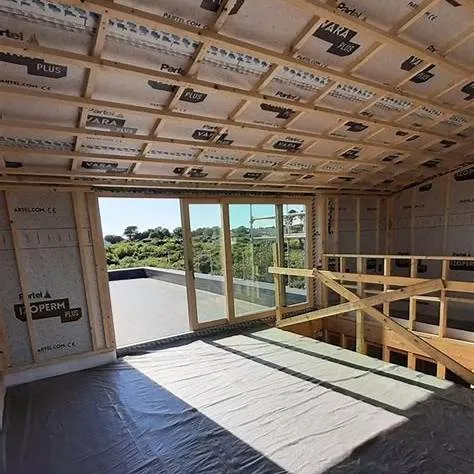
When renovating, it's crucial to reassess the condition of insulation, vapor barriers, and wall or floor materials. Damaged or outdated components often allow moisture to accumulate in hidden spaces. Replacing them with modern, high-performance alternatives—such as breathable insulation, moisture-resistant panels, or humidity-regulating finishes like lime plaster or diatomaceous earth—can greatly reduce the risk of mold. Installing ground moisture barriers in crawlspaces is also highly effective. Renovation isn’t just about aesthetics; it’s an opportunity to eliminate unseen moisture problems at their source.
5-2. Integrate Ventilation Systems, Dehumidifiers, and Air Circulators
Older homes weren’t designed for today’s lifestyles or climate conditions. To supplement natural airflow, consider installing 24-hour ventilation systems that continuously exchange stale, humid indoor air with fresh air from outside. In particularly damp rooms, portable dehumidifiers can remove excess moisture directly. Using air circulators to move air through stagnant areas like corners or behind furniture helps prevent mold-prone zones from forming. Though these systems require an initial investment, they provide consistent moisture control—protecting both the home and its occupants over the long term.
6. Hidden Mold Hotspots to Watch for in Your Daily Living
Mold doesn’t always appear in obvious places. In fact, some of the most serious growth occurs quietly in hidden corners or out-of-sight areas. Especially in old homes, trapped moisture can collect behind walls, under floors, or inside closets—leading to mold problems that go unnoticed until they become serious. Here’s how to spot and manage those hidden mold-prone zones.
6-1. Closets, Cabinets, and Behind Furniture: Low-Airflow Zones
Spaces like closets, storage areas, and behind large furniture often have limited airflow, making them ideal environments for moisture buildup. When furniture is placed flush against walls, especially on exterior-facing walls, condensation can form and remain trapped—creating a breeding ground for mold. To prevent this, keep a small gap between furniture and walls, use moisture-absorbing products like silica gel, and occasionally open closet doors to let air circulate. These simple habits go a long way in stopping hidden mold before it starts.
6-2. Behind Plumbing, Inside Walls, and Under the Floor: The Invisible Risks
Bathrooms, kitchens, and laundry areas are especially vulnerable to hidden moisture. Leaks or condensation behind pipes can saturate surrounding materials, while outdated waterproofing behind walls may no longer hold up. Similarly, if your flooring has deteriorated over time, moisture from the ground can rise unnoticed into your home. Be alert for musty smells, wall discoloration, or floor warping—these may be early signs of hidden mold. For added peace of mind, consider occasional professional inspections to catch problems before they spread.
7. The Link Between Maintenance and Mold Risk in Old Houses
Maintaining an old home goes beyond repairs—it’s about preserving a safe and healthy living environment. Without consistent upkeep, even the most structurally sound homes can develop mold problems over time. Conversely, routine inspections and preventative care greatly reduce mold risk. Let’s explore how ongoing maintenance and changing climate conditions affect mold in aged homes.
7-1. Routine Maintenance and Inspections Help Keep Mold Away
Roof damage, cracked walls, or degraded waterproofing can allow moisture to seep in, raising indoor humidity and setting the stage for mold. Regularly checking areas like roofs, exterior walls, crawlspaces, and plumbing—especially after heavy rain or typhoons—is essential. Annual professional inspections are highly recommended to catch minor issues before they escalate. Addressing small cracks, leaks, or ventilation blockages early helps maintain proper moisture control and keeps your home mold-free. When it comes to older homes, preventive maintenance is not optional—it’s vital.
7-2. Climate Change Is Increasing Mold Risks in Older Homes
Rising temperatures, prolonged rainy seasons, and stronger typhoons—all effects of climate change—are making mold control more challenging than ever. Homes that previously had no moisture issues may now experience new problems due to changing weather patterns. Traditional ventilation methods or insulation may no longer suffice. It's important to adapt to the current climate by updating your mold prevention strategies, even in homes that have historically stayed dry. Proactive adjustments now can help preserve comfort, safety, and structural integrity in the face of a shifting environment.
8. Mindset for Mold Prevention: Living Comfortably in an Old Home
Living in an older home doesn't mean you have to accept mold as inevitable. With the right mindset and small daily habits, you can maintain a clean, healthy living space. Mold prevention starts with awareness—recognizing the risk and taking proactive steps. Here’s how to shift your thinking and habits to support a mold-free life in any aged property.
8-1. Assume Mold Can Spread Silently—Stay Vigilant
One of the biggest dangers with mold is how quietly it can grow. By the time it becomes visible, it often means the problem has already spread beneath the surface. That’s why it’s important to live with the mindset that mold is always a possibility, especially in hard-to-see areas. Open closets regularly, check behind furniture, and monitor rooms that feel unusually damp. Mold isn’t an enemy you eliminate once—it’s a natural organism that must be managed over time with consistent attention and care.
8-2. Small Daily Habits Create a Long-Term Mold-Free Space
You don’t need expensive equipment or major renovations to fight mold—often, it’s the little habits that make the biggest difference. Dry off wet windows or surfaces immediately, avoid hanging damp clothes indoors, and keep bathroom doors open after showers to release moisture. These simple actions, when done consistently, prevent humidity buildup and mold growth. By making mold prevention part of your daily routine, you can enjoy the charm of an old home without the stress of persistent mold problems.
9. Common Mistakes to Avoid When Preventing Mold in Old Houses
Even with the best intentions, improper mold prevention efforts can sometimes cause more harm than good—especially in older homes with delicate materials and outdated structures. To ensure your mold control efforts are effective, it’s important to be aware of common pitfalls. Here are two major mistakes to watch out for when managing mold in aged homes.
9-1. Using Harsh Chemicals That Damage Traditional Materials
Many commercial mold sprays contain strong chemicals like bleach, which can harm natural materials commonly found in old homes—such as wood, papered walls, or earthen plaster. These chemicals may leave stains, cause discoloration, or even weaken the material itself. Moreover, surface cleaning alone won’t solve the problem if moisture sources are left untreated. Always choose cleaning solutions appropriate for the material, and when in doubt, seek help from a professional with experience in older structures.
9-2. Over-Sealing During Renovations Can Trap Moisture
Trying to modernize an old house by sealing every gap or insulating every wall may seem like a good idea—but if done without proper ventilation planning, it can backfire. Excessive airtightness reduces natural airflow, causing moisture to build up inside. This is especially dangerous if insulation is added without introducing new ventilation routes. When renovating, always pair insulation upgrades with ventilation solutions like vents, exhaust fans, or breathable materials. Think of insulation and airflow as a team—both are necessary to create a mold-resistant home.
10. Why Hiring a Professional for Mold Prevention Is Worth It
While DIY mold prevention has its place, older homes often require specialized care that goes beyond simple cleaning. With their unique structures and materials, they benefit greatly from expert evaluation and treatment. Here’s why working with a professional mold specialist is often the best choice for long-term results.
10-1. Expertise to Eliminate Hidden Mold at the Source
Professionals have the tools and knowledge to detect mold in places the average homeowner can’t see—such as inside walls, under floors, or in ceiling cavities. Using specialized equipment, they can assess moisture levels, locate hidden growth, and treat the root causes rather than just surface symptoms. This reduces the chance of recurring mold and protects the health of both the house and its residents. For complex or persistent problems, expert intervention is not just helpful—it’s essential.
10-2. Material-Specific Treatments That Preserve Your Home’s Value
Old homes often feature fragile, traditional materials like wood, earthen walls, or Japanese paper that can be easily damaged by harsh cleaning methods. Professionals understand how to safely treat mold on these surfaces without compromising the structure or appearance. In addition, many provide preventative treatments such as long-lasting antifungal coatings or moisture barriers. This approach ensures both immediate relief and long-term protection—helping to preserve the aesthetic and structural value of your home for years to come.
Mold Busters Osaka & Mold Removal Renovation Tokyo/Nagoya: Total Solutions by Taikou Kensou
If you're dealing with mold in an older home—or considering renovation and mold prevention together—Mold Busters Osaka and Mold Removal Renovation Tokyo & Nagoya, operated by Taikou Kensou Co., Ltd., offer a comprehensive solution tailored for aged buildings.
We use our proprietary MIST Method®, a unique mold removal technology that thoroughly eliminates mold without damaging delicate materials like wood, earthen walls, or traditional surfaces. This method avoids scrubbing or harsh chemicals and instead uses a safe, deep-penetrating agent that destroys mold at the root. It’s powerful, safe for people, and ideal for maintaining the original character of your home.
What sets Taikou Kensou apart is our ability to handle both mold removal and renovation in one seamless process. Many companies specialize in one or the other—but we do both. This means we not only eliminate existing mold but also improve your home's ventilation, insulation, and moisture resistance to prevent future problems—all under a single trusted provider.
Our renovation services cover a wide range of projects, including full home remodeling, commercial renovations, structural reinforcements, and thermal upgrades. We prioritize both aesthetics and functionality—offering personalized designs that match your lifestyle while enhancing comfort, safety, and property value.
Whether you want to restore the charm of an old home or simply make it healthier and more livable, trust Mold Busters Osaka and Mold Removal Renovation Tokyo & Nagoya for expert care and long-term solutions. Let Taikou Kensou help you protect your investment—and live mold-free with peace of mind.
---------------------------------------------------------------------
カビ取リフォーム
東京営業所
〒141-0022
東京都品川区東五反田2-5-2 YHE CASK GOTANDA6階
電話番号:090-8321-4408
名古屋本社
〒465-0028
愛知県名古屋市名東区猪高台1-1301 タイコウビル1F
電話番号 : 0120-588-766
サイト:https://taikou-kensou.co.jp/
大阪営業所
〒532-0003
大阪府大阪市淀川区宮原1-19-23
電話番号:080-6978-3068
カビバスターズ大阪
https://kabibusters-osaka.com/
【検査機関】
一般社団法人微生物対策協会
https://kabikensa.com/
----------------------------------------------------------------------