Understanding Mold Problems in Schools: Safe and Effective Removal Methods
2025/10/26
In school facilities, mold tends to develop due to poor ventilation or aging buildings. If left untreated, it can cause health issues and damage the school’s reputation among parents and the community.
This article explains why mold occurs in schools, how to properly remove it, and how to prevent it from returning. It also introduces safe removal techniques and tips on choosing a professional service provider.
By reading this article, you'll gain practical knowledge to confidently handle mold issues in school settings and learn how to maintain a safe and clean environment for students and staff.
1. What Is the Reality of Mold Problems in Schools?
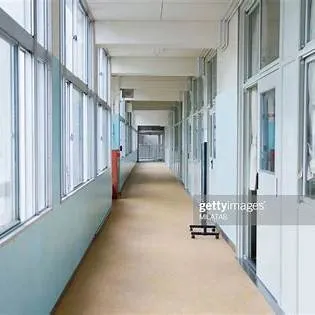
Mold issues in school buildings have become increasingly serious in recent years. Especially during the rainy season and summer months, poor ventilation and aging infrastructure create an ideal environment for mold growth. Mold often hides in less visible areas like behind walls, inside air conditioners, and in storage rooms or gym mats—places used daily but rarely inspected. This poses health risks to students and staff. In this section, we’ll explore the locations and seasons most prone to mold and the real health impacts being seen in schools today.
1-1. Common Locations and Seasons for Mold Growth
Mold frequently appears in parts of the school where humidity tends to build up and regular cleaning is difficult. Common spots include around sinks in the infirmary or science labs, corners of gymnasiums, storage rooms, restrooms, and inside air conditioning units. Between June and September, high temperatures and humidity create the perfect conditions for mold to thrive. In recent years, even autumn and winter have seen cases of mold due to indoor condensation or overuse of humidifiers, making mold a year-round concern.
1-2. Health Impacts on Students and Staff
Health issues caused by mold go beyond allergies and respiratory discomfort. In more severe cases, mold exposure can lead to skin conditions and asthma. Children, with their developing immune systems, are particularly vulnerable. Mold-related symptoms often show up as coughing, sneezing, or itchy eyes in classrooms, sometimes without the source being immediately recognized. Teachers and staff may also experience health problems due to prolonged exposure. Clearly, mold is not just a hygiene issue—it directly affects the school environment and educational effectiveness.
2. Why Does Mold Develop in Schools?
Mold problems in schools often stem from structural issues and limitations in facility maintenance. Older buildings are especially prone to trapping humidity due to poor ventilation, creating an environment where mold can thrive. In this section, we explain the unique factors behind mold growth in school settings and why these spaces are especially vulnerable.
2-1. Impact of Building Structure and Aging Facilities
Many schools in Japan are decades old, with outdated designs that lack adequate moisture control. Wooden school buildings and even reinforced concrete structures can trap humidity when ventilation systems are not properly functioning. Cracks in roofs or walls and water leaks can allow moisture to seep in, providing the perfect breeding ground for mold. When routine inspections and repairs fall behind, these problems tend to worsen, leading to more severe mold infestations over time.
2-2. Inadequate Ventilation and Humidity Control
Proper ventilation and humidity control are essential to prevent mold, but schools often face challenges in these areas. Windows are not always kept open due to safety and security concerns, especially after school hours or on weekends. Excessive use of humidifiers or ignoring window condensation also contribute to rising indoor humidity. If air conditioning units are not regularly cleaned, they can become breeding grounds for mold and may release mold spores into the classroom air when in use. These overlooked areas can become sources of long-term health risks for students and staff alike.
3. What Are the Risks of Neglecting Mold Removal?
When mold is discovered in a school, it's often downplayed with the assumption that a small patch poses little threat. However, ignoring mold can lead to significant consequences—not only health-related but also reputational. In this section, we explore the dangers of leaving mold untreated in school environments and the broader impacts it can have.
3-1. Mold’s Threat Beyond Health Issues
Mold exposure can cause allergies, asthma, and skin irritations, but its effects don’t stop there. Mold spores can deteriorate indoor air quality and damage school materials and structures. Even if surface mold is wiped away, the roots often remain and continue to grow. Worse, airborne spores can circulate throughout the building, exposing everyone to invisible health risks. Over time, the presence of mold can contribute to a negative perception of the school’s hygiene and maintenance standards, harming its public image.
3-2. Loss of Trust from Parents and the Community
Parents are naturally concerned about their children’s health and safety. If they discover mold in the school—or suspect it’s linked to illnesses—their trust in the institution may quickly erode. In today's digital age, such concerns can be amplified through social media or local news, leading to reputational damage that takes years to repair. Transparent communication and prompt action are essential to maintaining trust and showing a genuine commitment to student well-being.
4. Common Mold Removal Methods Used in Schools
When mold is found in a school, initial action is often taken by staff or facility managers using temporary measures. However, these methods frequently fail to eliminate the root cause, resulting in recurring issues. In this section, we review the typical mold removal practices used in school settings and the limitations of each.
4-1. Temporary Responses by School Staff
In most cases, school staff will respond to visible mold using over-the-counter mold sprays or alcohol-based cleaners. While this may remove surface mold temporarily, it often fails to reach mold growing beneath the surface. As a result, the mold frequently returns. In some cases, strong chemicals may be used without proper ventilation or safety precautions, posing potential health risks to both students and staff. Teachers or custodians involved in cleanup efforts may also be exposed to mold or chemical hazards if appropriate protection is not used.
4-2. Standard Methods Used by Contractors
Some schools hire professional cleaning or construction companies for mold removal. These contractors often use chlorine-based disinfectants to bleach and kill the mold. While this can provide a quick visual improvement, the harsh chemicals may damage building materials or leave behind strong odors. Additionally, these methods may only treat the surface level, failing to fully eliminate mold roots hidden in porous materials. In environments where children spend extended periods, safety and thoroughness must be prioritized, making it essential to evaluate whether conventional methods truly meet the school's needs.
5. Advantages of the MIST Method® for Mold Removal
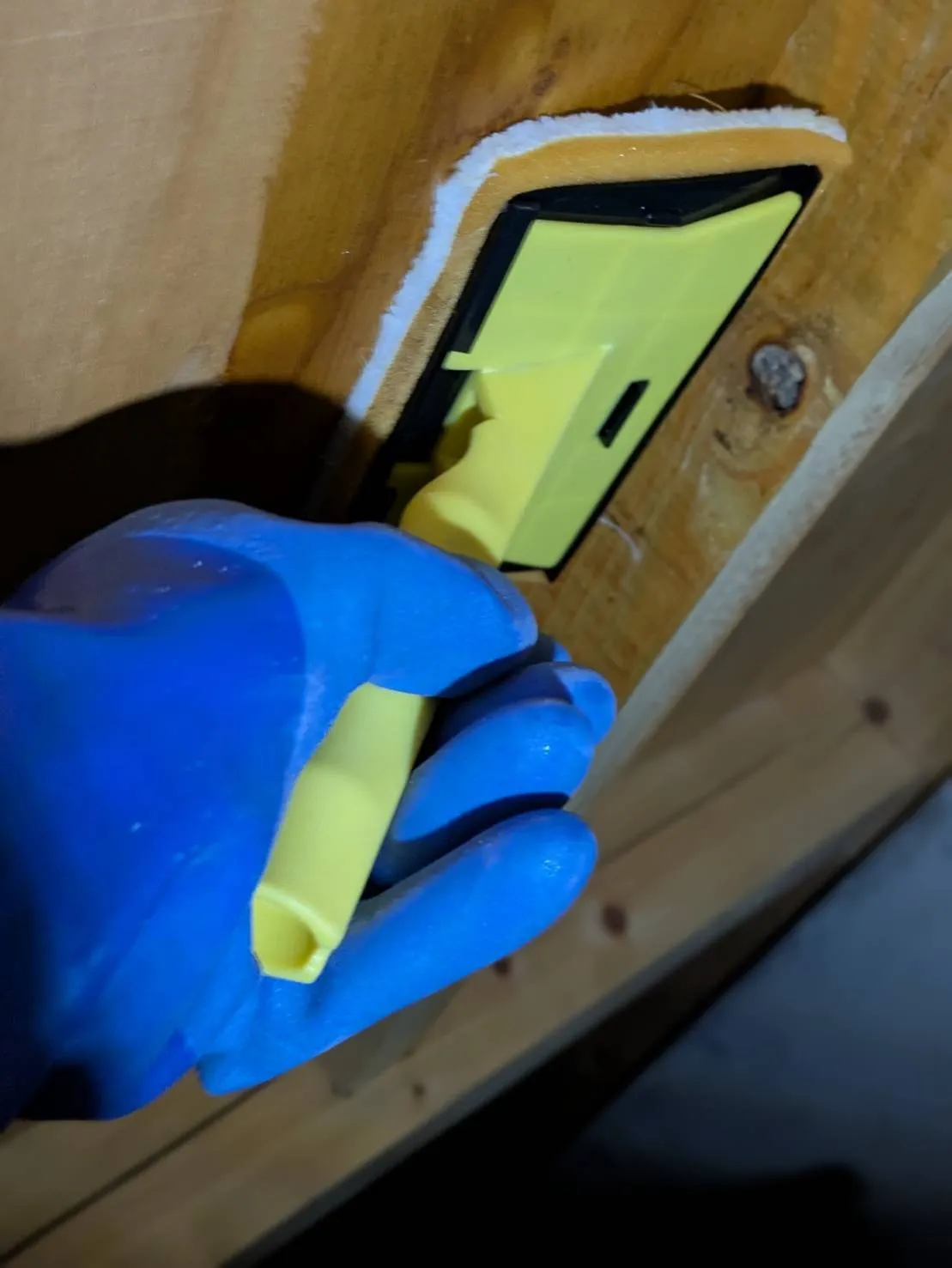
Traditional mold removal techniques often focus on temporary visual fixes and may not be suitable for environments like schools, where safety and long-term prevention are critical. The MIST Method® offers a safe, material-friendly, and highly effective approach that addresses the root of the problem. This section highlights why the MIST Method® stands out, especially for use in educational facilities.
5-1. Effective in Large Spaces Like Classrooms and Gymnasiums
School facilities include not only classrooms, but also gymnasiums, music rooms, storage areas, and kitchens. The MIST Method® uses a fine mist spray that allows treatment across wide and hard-to-reach areas. This makes it ideal for tackling mold infestations in large spaces without requiring extensive closures or long construction periods. Its portability and efficiency enable schools to maintain operations with minimal disruption during treatment.
5-2. Uses Child-Safe, Non-Damaging Solutions
One of the major strengths of the MIST Method® is its use of specially developed agents that are both highly effective against mold and safe for human health. The solutions produce minimal chemical odors and pose no harm to children, elderly individuals, or those with allergies—making them suitable for sensitive environments like schools. Safety has been verified through various environmental and industrial safety tests, and the method is trusted in hospitals and childcare facilities as well. With the MIST Method®, schools can confidently conduct mold removal without risking student health or damaging building materials.
6. Real-World Case Studies of Mold Removal in Schools
Understanding how mold removal works in theory is helpful, but real-life examples provide even greater insight. In this section, we highlight two case studies where the MIST Method® was used to eliminate mold in school facilities—each with different challenges and outcomes.
6-1. Case Study: Wooden School Building
In a school building over 50 years old, black mold had spread widely across wooden hallway panels and classroom walls. The problem was especially severe near windows and on the north-facing side of the building. Conventional cleaning with bleach removed the surface stains, but mold kept returning. After switching to the MIST Method®, mold was broken down at the root level without damaging the wood. Odors were significantly reduced, and preventive treatments were applied after removal. Six months later, there had been no recurrence, and both parents and teachers praised the results.
6-2. Case Study: Reinforced Concrete School Building
Even newer buildings are not immune to mold. At one middle school, mold had formed inside the air conditioning units and around ceiling tiles. Students and staff complained of unpleasant smells when the systems were running. Using the MIST Method®, technicians were able to penetrate deep into the units with misted solutions that dissolved the mold completely. Preventive treatments were then applied to improve long-term air quality. Since the intervention, the school reported fewer complaints of respiratory symptoms and a significant improvement in classroom air freshness.
7. Post-Removal Prevention and Maintenance Strategies
Mold removal is only the beginning—true mold control requires ongoing prevention and consistent management. In schools, where humidity and traffic fluctuate daily, the risk of recurrence remains high without proper upkeep. This section outlines specific measures that help prevent mold from returning after treatment.
7-1. Ventilation and Humidity Control to Prevent Recurrence
Keeping air flowing and humidity levels low is essential for preventing mold growth. During the rainy season or in winter when condensation is common, regularly opening windows, using fans or ventilation systems, and avoiding stagnant air are key steps. When indoor humidity exceeds 60%, mold becomes much more active. Installing a humidity meter and using dehumidifiers in problem areas—such as science labs, restrooms, or staff rooms—can make a big difference. Moisture-prone spaces where water is frequently used should be monitored closely.
7-2. Importance of Routine Inspections and Cleaning
Mold often begins growing in hidden or overlooked areas, making regular inspections and cleaning critical. Common hotspots include air conditioner filters, window frames, and room corners. These should be checked periodically, and any signs of mold should be addressed immediately. Using dry cloths and alcohol-based disinfectants during cleaning can help suppress early mold growth. Additionally, applying mold-prevention treatments on a scheduled basis provides long-term protection. Involving both facility managers and teachers in daily monitoring fosters a culture of cleanliness and proactive care.
8. Communicating with Parents and School Boards
When mold removal is carried out in a school, clear and proactive communication with parents and school boards is essential. Mold directly impacts student health, so building trust through transparency and proper explanation plays a crucial role. In this section, we explore how to effectively communicate the need for and safety of mold removal efforts.
8-1. Explaining the Necessity and Safety of Mold Removal
Parents are most concerned about whether their children will be exposed to any health risks during or after mold removal. That’s why it’s important to clearly explain the potential dangers of mold—such as allergic reactions or respiratory issues—using real-world examples. Equally important is reassuring them that the removal process uses safe and non-toxic agents. Schools should provide details about the methods and materials used, including safety certifications and test results when available. Emphasizing that proper ventilation and cleaning are conducted during and after treatment can help ease concerns.
8-2. Building Confidence in Professional Contractors
When outsourcing mold removal, it’s critical to demonstrate that the contractor is trustworthy and experienced. Sharing past case studies—especially from other schools or public institutions—helps show credibility. If the MIST Method® is being used, explaining its safety record and effectiveness in sensitive environments like hospitals or childcare facilities adds further reassurance. Providing written reports after treatment or offering to hold informational meetings for stakeholders can also strengthen confidence. Openness and a willingness to answer questions are key to maintaining trust and cooperation.
9. How to Choose a Reliable Mold Removal Contractor for Schools
Mold removal requires specialized skills, making the choice of contractor a crucial decision. In school environments—where children’s health and safety are at stake—it’s essential to select a provider with both technical capability and a strong track record. This section outlines the key factors schools should consider when hiring a mold removal contractor.
9-1. Confirming Experience, Expertise, and Responsiveness
Start by checking whether the contractor has experience specifically with schools or public facilities. Unlike homes, schools have large, complex spaces that require tailored solutions. A contractor who specializes in mold removal and offers thorough services—from on-site inspections to detailed reports—is more likely to meet school-specific needs. It’s also helpful to review case studies, certifications, and whether the company can respond quickly in case of urgent situations.
9-2. Checking for Aftercare Services and Guarantees
Even after mold has been removed, there's always a chance it could return. That’s why it’s important to choose a contractor who provides comprehensive aftercare, such as follow-up inspections, ongoing monitoring, and preventive treatments. Some providers also offer warranties or service agreements that include response measures in case of recurrence. Schools should also assess whether the contractor offers clear documentation, post-treatment verification, and additional support for reporting to school boards or parents. A contractor’s responsiveness and transparency are strong indicators of reliability.
10. Early Response Is Key to Effective Mold Control
The longer mold is left untreated, the more it spreads and the harder it becomes to remove. That’s why early detection and swift action are essential. In schools, catching mold problems at the first sign not only protects student health but also helps minimize maintenance costs and operational disruptions. This section explores why early intervention is so critical and how to take the first steps effectively.
10-1. Don’t Ignore the Small Signs
Mold often starts with subtle indicators—slight discoloration on walls or a musty smell in the air. But even these small signs can point to deeper, hidden mold growth. If ignored, spores can spread through the air and penetrate walls, floors, and furniture. For example, if a classroom smells damp or students frequently sneeze or cough, it may be a sign of mold. Creating a system for regular inspection and responding quickly to suspected cases is essential to keeping mold at bay.
10-2. Consult with Experts like Kabibusters Osaka or Kabi Reform Tokyo/Nagoya
When mold is suspected but its severity is unclear, consulting with experienced professionals can make all the difference. Kabibusters Osaka and Kabi Reform Tokyo/Nagoya are trusted experts who offer tailored support based on your facility’s specific needs. Using the MIST Method®, they provide safe and highly effective mold removal services while also supporting schools with follow-up care, reporting, and communication with school boards and parents. Taking action at the early stage helps avoid bigger problems later—and ensures a cleaner, safer environment for everyone.
For Mold Removal and Renovation, Trust Kabibusters Osaka and Kabi Reform Tokyo/Nagoya
Mold problems in schools, public buildings, and residential facilities are rarely solved with simple cleaning. That’s where Kabibusters Osaka and Kabi Reform Tokyo/Nagoya come in—trusted mold removal services operated by Taikou Kensou Co., Ltd., a company known for its expertise in both mold remediation and full-scale renovation.
The hallmark of Kabibusters' service is the MIST Method®, a proprietary, non-invasive mold removal technique that completely breaks down mold at the root without damaging surfaces. This method uses highly effective, human-safe agents that are ideal for environments where children or sensitive individuals are present, such as schools and healthcare facilities.
What sets Taikou Kensou Co., Ltd. apart is its ability to handle both mold removal and renovation in one comprehensive service. After mold has been removed, the company can also restore and improve affected areas—replacing damaged walls or flooring, upgrading ventilation systems, and implementing preventive architectural solutions. This integrated approach reduces time, cost, and the burden of coordinating multiple contractors.
In addition to mold-related services, Taikou Kensou’s renovation division handles a wide range of projects including residential, commercial, and public facility renovations. Services cover everything from interior and exterior remodeling to equipment upgrades, barrier-free accessibility improvements, and energy-efficient solutions. Known for high-quality craftsmanship and personalized project management, Taikou Kensou ensures that each space is not only clean and safe, but also functional, beautiful, and sustainable.
If you're looking to solve a mold problem and enhance your facility’s overall quality, look no further than Kabibusters Osaka and Kabi Reform Tokyo/Nagoya. Backed by the comprehensive capabilities of Taikou Kensou Co., Ltd., you’ll receive professional support from assessment to final renovation—with lasting results.
---------------------------------------------------------------------
カビ取リフォーム
東京営業所
〒141-0022
東京都品川区東五反田2-5-2 YHE CASK GOTANDA6階
電話番号:090-8321-4408
名古屋本社
〒465-0028
愛知県名古屋市名東区猪高台1-1301 タイコウビル1F
電話番号 : 0120-588-766
サイト:https://taikou-kensou.co.jp/
大阪営業所
〒532-0003
大阪府大阪市淀川区宮原1-19-23
電話番号:080-6978-3068
カビバスターズ大阪
https://kabibusters-osaka.com/
【検査機関】
一般社団法人微生物対策協会
https://kabikensa.com/
----------------------------------------------------------------------