Eliminate Mold in Schools! Complete Guide to Preventing Mold in Gymnasiums, Pools, and Science Rooms
2025/10/17
Schools and educational institutions often experience high humidity and poor ventilation, especially in gymnasiums, pool facilities, locker rooms, and science labs. These conditions lead to condensation and mold growth—including black mold, blue mold, and eurotium—posing risks to health and building integrity.
This article explains where and why mold tends to grow in schools, the types of mold commonly found, and how to effectively treat and prevent it. You’ll also learn best practices for long-term maintenance and facility management.
You’ll gain practical knowledge and real-world examples for mold control in schools—from daily management to structural improvements. This can help protect students and staff while reducing long-term maintenance costs.
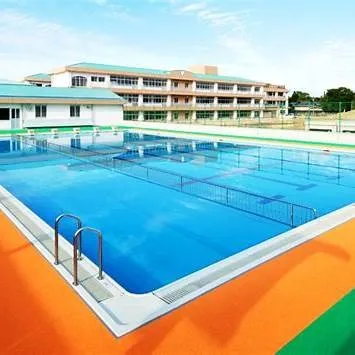
1. Mold Problems in School and Educational Facilities
Schools and educational buildings are places where many people gather daily, making them environments prone to high humidity. Additionally, the structure and usage of such buildings often create ideal conditions for mold to thrive. Gymnasiums, pool facilities, locker rooms, and science labs are particularly vulnerable to mold due to condensation, poor ventilation, and frequent moisture. Mold growth in these areas is not only unsightly but can also pose serious health risks and lead to structural damage.
1-1. Why Mold Easily Grows in Schools
School facilities tend to trap humidity due to constant human activity and frequent changes in indoor temperature. In Japan’s climate, mold growth is especially common during the rainy season and winter when condensation forms easily. Poor ventilation and hidden corners often go unnoticed during cleaning, allowing moisture and dust to accumulate—perfect conditions for mold. Areas with infrequent use or storage rooms that are rarely checked are also hotspots for mold growth, emphasizing the need for consistent monitoring.
1-2. Common Mold-Prone Areas (Gymnasiums, Pools, Locker Rooms, Science Labs)
Certain areas in schools are especially susceptible to mold. Gymnasium subfloors and walls often experience condensation caused by temperature differences during physical activities, leading to black mold formation. Pool facilities, locker rooms, and showers constantly deal with high humidity. Without adequate ventilation, mold such as blue and black mold can spread across ceilings and walls. In science labs and prep rooms, mold like Eurotium can grow around water tanks or on dusty chemical shelves. These areas often have high usage but are not always thoroughly maintained, making them particularly vulnerable to mold outbreaks.
2. Types and Characteristics of Mold: Black Mold, Blue Mold, and Eurotium
Several types of mold can grow in school environments, each with different appearances, growth conditions, and health risks. The most common types found in educational facilities are black mold, blue mold, and Eurotium (commonly known in Japan as “Kawakikouji mold”). Understanding the traits of each type helps identify the problem quickly and apply the most appropriate treatment and prevention strategies.
2-1. Black Mold (Stachybotrys and others): Traits and Dangers
Black mold appears as dark, sticky patches and thrives in damp, poorly ventilated areas. It is frequently found in gymnasiums, under floors, on walls, and in poolside changing areas. This type of mold is particularly harmful because it releases airborne spores that can cause allergic reactions, asthma attacks, skin irritation, and other health issues, especially in children and the elderly. Moreover, black mold can penetrate deep into construction materials, making it very difficult to remove completely and accelerating the deterioration of the building.
2-2. Blue Mold (Penicillium) and Eurotium (Kawakikouji Mold)
Blue mold usually grows in cool, humid environments and is recognizable by its blue-green, powdery appearance. It commonly appears on ceilings and walls in shower rooms and locker areas that remain moist and have poor ventilation. Blue mold can spread quickly, often covering wide areas before it’s even noticed.
Eurotium, or Kawakikouji mold, is unique in that it can grow even in relatively dry conditions. It’s often found around water tanks, chemical storage areas, and behind dusty equipment in science labs. This type of mold can contaminate supplies and is a sign of poor environmental management. Both blue mold and Eurotium release spores into the air, which can circulate through ventilation systems and spread throughout the facility, making early detection and complete removal essential.
3. Common Cases of Mold Growth in School Facilities
Mold problems in schools differ depending on the purpose and structure of each space. Areas such as gymnasiums, pool facilities, locker rooms, and science labs are particularly vulnerable due to the combination of moisture, water usage, and poor ventilation. This section outlines typical mold growth scenarios in schools and highlights key risk factors for each location.
3-1. Gymnasiums: Mold from Subfloor Moisture and Wall Condensation
Gymnasiums are large indoor spaces that often become warm and humid during student activities. In colder seasons or during Japan’s rainy months, the temperature difference between indoor and outdoor air can cause condensation on walls, windows, and beneath flooring. This creates ideal conditions for black mold to form. Subfloor areas with poor airflow can trap moisture, allowing mold to thrive unnoticed. If left untreated, this can lead to rotting floorboards, foul odors, and even compromise the structural safety of the facility.
3-2. Pool Areas and Locker Rooms: High Humidity and Poor Ventilation
Swimming pools, locker rooms, and shower areas are constantly exposed to water, making them highly susceptible to mold. Old or inadequate ventilation systems allow humid air to accumulate, leading to the growth of blue and black mold on ceilings, walls, and around fixtures. Wet towels and swimsuits often left to dry indoors further contribute to trapped moisture. In severe cases, mold stains become visible, emitting unpleasant odors and giving the impression of poor hygiene—resulting in complaints from students and parents. Regular ventilation and humidity control are essential to prevent rapid and widespread mold infestations in these areas.
4. The Impact of Mold: Health, Structural, and Operational Risks
Mold in schools is more than just a cosmetic issue—it can have serious consequences for human health, facility durability, and day-to-day operations. In educational environments where children’s health and safety must come first, addressing mold is a critical responsibility. This section explains the specific risks that mold poses in school facilities.
4-1. Health Risks for Students and Staff (Allergies, Respiratory Issues, etc.)
Mold releases spores into the air that, when inhaled, can trigger a range of health problems. Black and blue mold are known to cause allergic reactions such as sneezing, runny nose, itchy eyes, and skin irritation. For individuals with asthma or other respiratory conditions, mold exposure can lead to serious complications, including asthma attacks. Prolonged exposure may result in chronic symptoms such as headaches, fatigue, or bronchitis. Since schools house many children with developing immune systems, the risk of mold-related health issues is especially high and should not be underestimated.
4-2. Damage to Building Materials and Facility Integrity (Degradation, Odor, Appearance)
Mold doesn’t just grow on surfaces—it can penetrate deeply into building materials like wood, leading to decay and weakening of structural components. This is particularly dangerous for flooring and wall panels in gyms or older classrooms. Mold also produces a distinctive, musty odor that negatively affects indoor air quality, distracting students and teachers and diminishing the learning environment. Visibly stained ceilings and walls further damage the school’s image and may raise concerns among parents. Taking mold seriously is essential not just for safety, but also for maintaining the credibility and functionality of the institution.

5. Fundamental Principles of Mold Prevention: Environmental Management and Design Strategies
Preventing mold is far more effective and cost-efficient than removing it after it appears. In schools, proactive environmental control and thoughtful facility design are key to creating mold-resistant environments. This section outlines the core strategies for reducing mold risks before they start.
5-1. Temperature and Humidity Control, Preventing Condensation
Mold thrives in environments where humidity exceeds 60%. Therefore, maintaining proper indoor humidity is crucial. In facilities like gymnasiums, locker rooms, and science labs, condensation often occurs due to temperature differences between indoor air and outdoor surfaces—particularly during rainy seasons or winter. Installing dehumidifiers, improving insulation, and using thermally efficient windows can help prevent moisture buildup. Keeping humidity monitors in classrooms and facility rooms allows staff to respond quickly to rising humidity levels. Additionally, ensuring that subfloor areas and wall cavities have sufficient airflow reduces hidden moisture and prevents mold from forming in unseen areas.
5-2. Improving Ventilation and Airflow Design
Poor air circulation allows moisture to linger, creating ideal conditions for mold growth. Schools should not rely solely on natural ventilation. Installing mechanical ventilation systems, such as humidity-sensor-controlled fans in pool or shower areas, ensures consistent air exchange. Even small design changes—like adding ventilation grilles to ceilings or walls in locker rooms or science labs—can significantly improve airflow. During renovations or new construction, air circulation pathways should be planned to avoid stagnant zones, which are common mold hotspots.
5-3. Material Selection and Surface Finishing Choices
Choosing appropriate building materials is essential for long-term mold resistance. Moisture-absorbent or untreated wood surfaces are particularly vulnerable. Instead, schools should use materials that are water-resistant or pre-treated with anti-mold agents. In wet areas like locker rooms or poolside floors, slip-resistant and water-repellent materials help prevent water infiltration. On walls and ceilings, mold-resistant coatings and antimicrobial wallpapers can help suppress mold growth. These treatments should be reapplied periodically to maintain effectiveness and extend the life of school facilities while maintaining hygiene standards.
6. Dealing with Mold After It Appears: Removal and Prevention of Recurrence
Despite preventive efforts, mold can still develop in school facilities. Once mold appears, it must be promptly and properly removed to avoid health hazards and further spread. Effective response involves not only cleaning but also implementing long-term prevention measures. This section explains how to handle mold once it’s found, from early action to professional treatment and future-proofing.
6-1. Early-Stage Action (Cleaning, Wiping, Drying)
If mold is detected at an early stage and is still confined to surface areas, it can often be removed with alcohol-based sprays or commercial mold removers. Regular cleaning and drying of visible surfaces—such as walls, window frames, and ventilation areas—help stop mold before it penetrates deeper. During cleaning, it is crucial to wear masks and gloves to avoid inhaling spores. After wiping, ensure thorough drying of the area and apply an anti-mold spray to prevent recurrence. Surface mold may seem harmless, but without complete drying and follow-up, it often returns.
6-2. Severe or Widespread Mold: Professional Intervention
When mold spreads behind walls, under flooring, or into ceilings, or if it covers a large area, regular cleaning is no longer sufficient. In such cases, professional mold remediation is essential. Experts use specialized agents and techniques tailored to the materials and environment to thoroughly break down and remove mold. Advanced methods, such as the MIST Method®, treat the root of the mold without damaging delicate surfaces. After removal, professional services also include preventive coatings and treatments to reduce the risk of mold returning. For schools, where safety is paramount, using non-toxic and effective methods is especially important.
6-3. Anti-Mold Treatments and Antibacterial Coatings
Areas where mold once grew are at higher risk of recurrence. Therefore, post-removal treatment is a crucial step. Today, options include mist-applied anti-mold agents and long-lasting antibacterial surface coatings that can protect large areas like walls, floors, and ceilings. These treatments not only prevent future mold growth but also neutralize airborne spores that may spread through HVAC systems. Techniques such as the MIST Method® penetrate deep into materials to eliminate mold at its root, then apply protective layers to prevent re-infestation. These comprehensive treatments are essential for maintaining safe, mold-free environments in school facilities.
7. Real-World Examples: Successful Mold Prevention in Schools
Understanding actual cases of mold removal and prevention helps translate theory into practice. Here, we present two successful case studies from school facilities—demonstrating how different types of mold issues were resolved through professional intervention and structural improvements. These examples offer valuable insights for other schools facing similar problems.
7-1. Mold Removal Beneath a Gymnasium Floor
At one junior high school, a persistent moldy odor would emerge in the gymnasium during the rainy season, prompting complaints from students. An investigation revealed excessive moisture trapped under the floor, with significant black mold growth on wooden subfloor structures. The primary causes were poor ventilation and insufficient drainage, leading to condensation.
A professional mold remediation team applied the MIST Method®, which allowed for deep cleaning and mold removal without dismantling the floor. Specialized agents were misted into the subfloor area, effectively decomposing the mold. Additionally, moisture-proof sheets were installed, and ventilation vents were added to improve airflow. After treatment, the odor disappeared, and follow-up humidity checks confirmed a safe environment.
7-2. Pool Locker Room Renovation and Ventilation Upgrade
In another case at a high school, mold had spread across the ceiling and walls of the pool locker room, even causing paint to peel. The root cause was an outdated ventilation system and a sealed structure with no windows, allowing humidity to accumulate.
A full renovation was carried out, starting with complete mold removal and replacement of damaged ceiling materials. A high-performance ventilation fan system was installed to ensure constant air exchange. Walls were treated with anti-mold coatings, and moisture-resistant, slip-proof flooring materials were introduced. Since the renovation, no new mold growth has been observed, and both students and parents have expressed greater confidence in the facility’s cleanliness and safety.
8. Ongoing Maintenance and Monitoring Methods
Even after mold has been removed and preventive measures applied, consistent monitoring and upkeep are essential to keep facilities mold-free. In school environments, where multiple factors like weather, usage patterns, and facility age intersect, a structured maintenance plan helps ensure long-term protection. This section outlines effective methods for maintaining a mold-resistant environment.
8-1. Regular Inspections (Visual Checks, Humidity Meters, Thermal Imaging)
Early detection is key to preventing mold spread. Basic visual inspections by school staff should include checking for stains, musty odors, or condensation on walls, ceilings, and corners. Installing humidity meters in classrooms and equipment rooms allows real-time monitoring—ideally keeping humidity between 40–60%. For hidden areas like subfloors or behind walls, thermal imaging cameras can detect temperature variations that suggest moisture buildup. Scheduling inspections monthly, or even seasonally, helps catch problems before they become serious.
8-2. Cleaning Plans and Routine Check Systems
A well-organized cleaning schedule is essential for mold prevention. High-risk areas such as locker rooms, under sinks, ventilation ducts, and behind equipment should receive special attention. Routine inspections and cleaning tasks should be standardized with a checklist and assigned to specific staff members. Creating a simple reporting protocol—where issues like stains or odors are immediately documented and escalated—helps avoid delays in response. Keeping detailed cleaning and inspection records also provides a reference for identifying patterns and optimizing the maintenance plan over time.
8-3. Response Protocol for Mold Detection
When mold is detected, quick and structured action is vital. A predefined response flow ensures clarity and speed: for example, “observe mold → photograph and record → notify maintenance department → initiate surface cleaning or professional contact if needed.” Sharing this protocol with all staff ensures that even minor issues are reported and handled appropriately. Creating a mold risk map, highlighting historically problematic areas within the facility, can help prioritize resources and inspections. Ultimately, a culture of awareness and open communication is the foundation of effective long-term mold control.
9. Legal Standards and Guidelines from the Ministry of Education and Related Authorities
Mold prevention in schools should be based not only on individual effort but also on established public guidelines. Government and educational authorities, including Japan’s Ministry of Education, Culture, Sports, Science and Technology (MEXT), have issued hygiene and facility maintenance standards that include mold control measures. Incorporating these official policies into school management ensures both legal compliance and safer learning environments.
9-1. Insights from MEXT’s “School Environmental Sanitation Standards”
MEXT’s official sanitation guidelines specify ideal indoor conditions for schools, including temperature, humidity, air exchange, and air cleanliness. Humidity levels should be maintained between 40–70% to reduce mold risks. Additionally, regular ventilation—preferably multiple times per hour—is strongly recommended. These standards emphasize the need for properly functioning HVAC systems and periodic inspections. Following these government-issued guidelines helps schools maintain a healthy indoor environment and reduces the likelihood of mold outbreaks caused by preventable environmental issues.
9-2. Design and Maintenance Considerations for Educational Facilities
Mold prevention should be incorporated from the design phase of school construction or renovation. This includes choosing materials with moisture resistance, installing proper drainage systems, ensuring insulation to prevent condensation, and designing airflow paths to promote ventilation. Maintenance-wise, high-risk areas like gymnasiums, pools, locker rooms, and science labs should be regularly monitored with a structured inspection system in place. Aligning these practices with government guidelines demonstrates a school’s commitment to student health and facility integrity. It also builds trust among parents and the wider community by showing transparency and professionalism in facility management.
10. Promoting Mold Awareness and Collaboration Within the School Community
Effective mold prevention in schools requires more than facility management—it demands awareness and cooperation from the entire school community, including staff, students, and even parents. Ongoing education and communication play a crucial role in detecting early signs of mold and ensuring long-term cleanliness. This section outlines how schools can promote awareness and create a culture of shared responsibility.
10-1. Training and Awareness for Staff and Cleaning Personnel
The first step is ensuring that teachers, maintenance workers, and cleaning staff are trained to recognize mold risks and take appropriate action. Understanding the causes of mold, how to spot early signs (such as musty odors or condensation), and basic response procedures allows staff to act quickly. High-risk areas—such as behind lockers, around ventilation units, and near water sources—should be part of routine cleaning protocols. Conducting periodic training sessions and distributing easy-to-understand checklists or posters can reinforce awareness and keep mold prevention top of mind throughout the school year.
10-2. Informing Students and Parents, and Creating Reporting Systems
Students and parents should also be informed about the dangers of mold and encouraged to report any suspicious signs. For example, if a student notices a strange smell or discoloration on walls or ceilings, they should feel empowered to tell a teacher or report it to school staff. Schools can use newsletters, bulletin boards, or parent meetings to share basic mold prevention tips and explain what steps are being taken to ensure safe environments. Sharing knowledge about mold not only increases vigilance but also builds trust and cooperation between families and the school.
Mold Removal and Prevention by Kabibusters Osaka / Kabi Reform Tokyo & Nagoya
If you're dealing with mold issues in your school or educational facility, we highly recommend contacting Kabibusters Osaka or Kabi Reform Tokyo & Nagoya. These services are operated by Taiko Kensou Co., Ltd., a company with top-tier expertise in both mold remediation and renovation work. We offer an all-in-one solution that handles everything from mold removal to facility restoration.
Our proprietary MIST Method® eliminates mold from deep within building materials without scrubbing or damaging surfaces. The method uses specialized, safe chemical agents that are gentle on both people and the environment—making them ideal for schools, childcare facilities, and nursing homes. After mold removal, we apply long-lasting anti-mold and antibacterial treatments to prevent recurrence.
Why Choose Taiko Kensou: Complete Mold Removal + Renovation in One Service
Unlike many providers who only handle mold removal or remodeling separately, Taiko Kensou offers a unified service—allowing us to address both the cause and the damage in one go. If mold has damaged your walls, ceilings, or floors, we can immediately follow up with expert renovation tailored to the facility’s needs, all within the same project.
This all-in-one service eliminates the hassle of coordinating between different contractors, reducing costs and ensuring smooth communication from diagnosis to final repair. For schools in particular, where safety and durability are critical, this streamlined approach provides both peace of mind and long-term value.
Our Renovation Services
Our renovation division offers a wide range of services tailored to educational facilities, including:
Interior renovations (wallpaper, flooring, ceiling replacements)
Thermal insulation and soundproofing (to prevent condensation and regulate temperature)
Ventilation system upgrades
Full-scale renovation of aging school buildings
Integration of antimicrobial and antiviral materials
Our renovations go beyond aesthetic improvement—they focus on creating mold-resistant environments for long-term safety. Every solution we provide is designed with the health of students and staff in mind, as well as the structural integrity of the building.
Mold can have lasting impacts on student health, learning environments, and building safety.
Let Kabibusters Osaka and Kabi Reform Tokyo & Nagoya, powered by Taiko Kensou, help you remove mold at its root—and create cleaner, safer spaces for the future.
Contact us today to learn how we can support your school’s hygiene and maintenance needs with expert care and lasting results.
---------------------------------------------------------------------
カビ取リフォーム
東京営業所
〒141-0022
東京都品川区東五反田2-5-2 YHE CASK GOTANDA6階
電話番号:090-8321-4408
名古屋本社
〒465-0028
愛知県名古屋市名東区猪高台1-1301 タイコウビル1F
電話番号 : 0120-588-766
サイト:https://taikou-kensou.co.jp/
大阪営業所
〒532-0003
大阪府大阪市淀川区宮原1-19-23
電話番号:080-6978-3068
カビバスターズ大阪
https://kabibusters-osaka.com/
【検査機関】
一般社団法人微生物対策協会
https://kabikensa.com/
----------------------------------------------------------------------