How to Prevent Hidden Mold in High-Insulation Homes: A Complete Guide from Crawl Space to Ventilation
2025/10/16
Even in high-insulation, airtight homes, many homeowners experience unexpected mold issues—such as odors from crawl spaces or stains on walls. Because these homes are highly sealed, trapped moisture often becomes a breeding ground for mold.
This article explains why mold forms in high-performance homes and how to detect, remove, and prevent it—from crawl space inspections to long-term management strategies that keep your home healthy and clean.
Reading this article will help you eliminate the fear of hidden mold, avoid repeated outbreaks, and learn practical solutions to maintain both your home’s air quality and structure for years to come.

1. The Relationship Between High-Insulation, Airtight Homes and Mold
High-insulation, airtight homes provide a comfortable indoor environment by minimizing air leakage, but they also have a hidden weakness: poor ventilation can lead to moisture buildup, creating an ideal environment for mold growth. In this section, we explore why mold tends to develop more easily in these types of homes and the structural factors behind it.
1-1. Why Mold Develops Easily in High-Insulation, Airtight Homes
These homes are designed to reduce energy loss by tightly sealing off the interior from outdoor air. However, this also limits natural air circulation, causing indoor humidity to accumulate. Daily activities like cooking, bathing, and drying laundry indoors release moisture that remains trapped. In humid climates, this trapped moisture can seep into walls, ceilings, and crawl spaces—areas prone to mold. Because the home is so airtight, this moisture has nowhere to escape, allowing mold to grow in hidden places over time.
1-2. Risks of Condensation and Trapped Moisture
A major concern in airtight homes is condensation caused by temperature differences between indoor air and cold surfaces like windows or exterior walls, especially in winter. When warm, moist air touches these cooler areas, water droplets form, often inside walls or under floors—places not easily visible. Over time, this hidden condensation can create perfect mold-growing conditions. If insulation or wood structures inside walls retain moisture, it can go unnoticed until the mold has spread extensively. Additionally, the crawl space under the floor can trap moisture from the ground, further raising the risk of mold and decay. In high-insulation homes, condensation and trapped humidity are key triggers for mold infestations.
2. Common Areas for Mold Growth and Early Warning Signs
Mold can grow in places that are not immediately visible, making it difficult to detect until the problem becomes severe. In highly airtight and insulated homes, moisture tends to stay trapped, which accelerates mold development. This section outlines the typical areas where mold is likely to appear and the early signs that indicate a problem may be developing.
2-1. Hidden Spots Like Behind Walls, Ceilings, and Around Window Frames
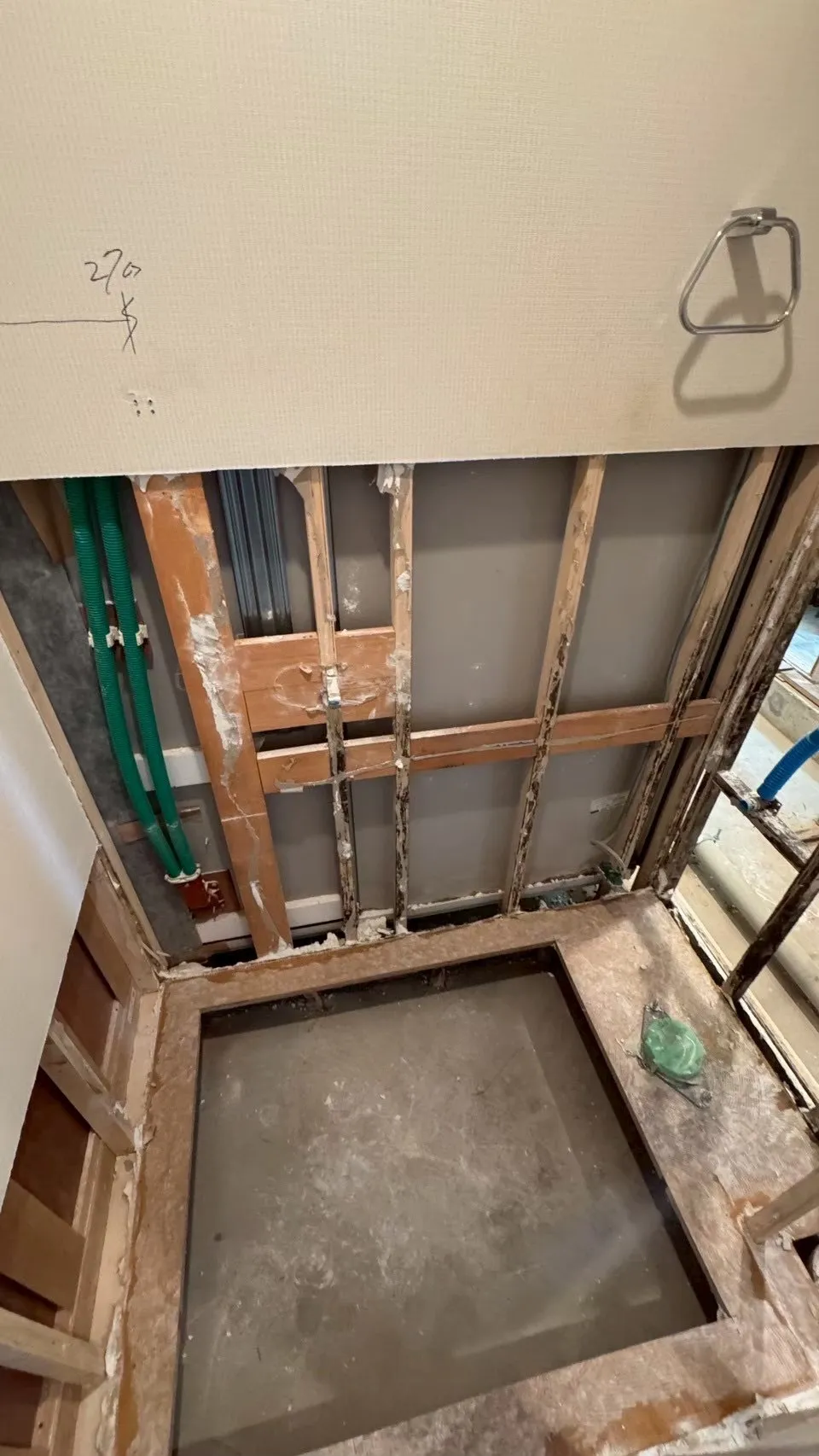
Even if walls and ceilings appear clean, mold may be growing behind them—especially if there's poor ventilation and insulation is improperly installed. Condensation can form behind the insulation layer, creating the perfect conditions for mold. Window frames and sashes are also high-risk areas due to temperature differences that cause condensation. The water can seep into rubber seals or wood surfaces, promoting mold growth. Signs include a musty odor near windows, peeling wallpaper, or subtle discoloration on walls—all of which indicate hidden moisture and possible mold behind the surfaces.
2-2. Crawl Spaces and Foundation Areas to Monitor Closely
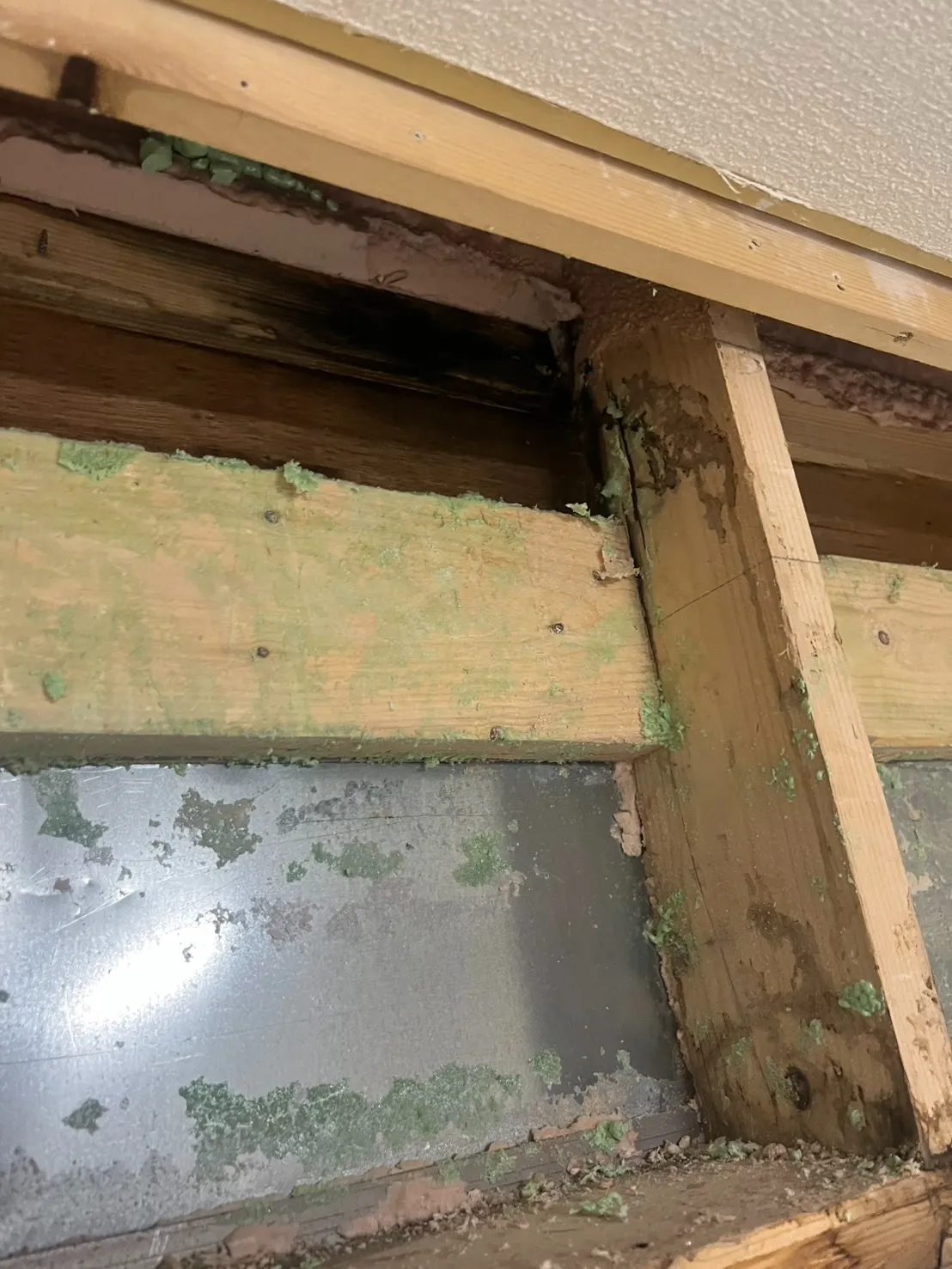
Crawl spaces are especially prone to high humidity and moisture accumulation. Moisture rises from the soil and can become trapped if ventilation is insufficient. Signs of mold in these areas include musty odors, black discoloration on wooden joists, or specks on insulation materials. Even without visible mold, high moisture levels (over 20% wood moisture content) can signal a serious risk. If your home has an access hatch to the crawl space, routine checks for damp air or unusual smells can help detect early mold problems. Ignoring these signs can lead not only to mold but also attract pests like termites and lead to wood rot.
3. Key Points and Methods for Inspecting Crawl Space Mold
Since the crawl space is typically out of sight, it can easily become a hidden breeding ground for mold. In highly airtight and insulated homes, trapped moisture in this area poses a serious risk. Conducting regular and effective inspections is essential for early detection and prevention. This section explains the critical points and practical methods for checking mold under your home.
3-1. Installing an Access Hatch and Ensuring Accessibility
To inspect the crawl space, an access hatch is necessary. This is usually a panel built into the floor that allows professionals or homeowners to enter and assess the area. In newer homes, such hatches are standard, but in older houses or those built with cost-saving methods, they may be missing. If your home lacks one, it must be installed before any inspection or treatment can take place. Even when present, the hatch should be kept free of storage or obstacles to ensure smooth access. Accessibility is essential for a thorough examination and potential treatment.
3-2. Key Inspection Items: Humidity, Moisture Content, and Mold Spores
Once inside the crawl space, the first priorities are checking humidity and the moisture content of wood. A hygrometer and moisture meter can give precise readings. If wood moisture exceeds 20%, the risk of mold or rot increases significantly. Also, visual signs such as black spots or white fuzzy growths on wood or insulation are possible indicators of mold presence. In some cases, air sampling or professional testing may be required for accurate assessment. If any abnormalities are found, immediate action should be taken—either by improving ventilation or scheduling professional mold remediation.
4. Specific Methods for Anti-Mold Renovation and Disinfection Work
If mold has already developed, wiping it away or using air fresheners is not enough to resolve the problem. Especially in hidden areas like crawl spaces or within walls, mold can persist or reappear unless professionally treated. In this section, we’ll explain the specific procedures used in anti-mold renovations and disinfection work, and how to improve your home's environment to prevent future outbreaks.
4-1. Mold Removal, Disinfection, and the Use of Specialized Chemicals
The first step is removing the mold and disinfecting the affected areas. Store-bought bleach products only treat surface mold and often leave mold embedded deep in materials like wood or concrete. Professionals use specialized anti-mold agents and disinfectants tailored to each material. For example, methods like the MIST system can remove mold without damaging delicate surfaces, making it suitable for historic buildings or natural wood interiors. After removal, a disinfectant with long-lasting effects is applied to eliminate spores and prevent regrowth.
4-2. Improving Ventilation, Installing Moisture-Control Materials, and Adding Equipment
After removal, improving the home environment is essential to prevent mold from returning. Enhancing ventilation is a top priority—this may include installing forced-air fans in the crawl space or adding more vents in strategic locations. Moisture-absorbing materials can be placed under the floor to regulate humidity levels over time. Additionally, upgrading the existing ventilation system or installing a 24-hour airflow mechanism can significantly reduce moisture buildup. Without proper airflow, even the best mold removal efforts may be undone, so mold prevention should be approached as environmental design rather than just cleaning work.
5. Cost Estimates and Tips for Choosing Mold Removal and Prevention Services
When planning mold removal or anti-mold renovations, many homeowners are concerned about the cost and how to choose a reliable contractor. Opting for the cheapest option can sometimes result in poor-quality work, leading to mold recurrence or damage. In this section, we explain general price ranges and key points to consider when selecting a professional service.
5-1. Typical Costs for Crawl Space Mold Removal and Prevention
The total cost of mold treatment varies depending on the size of the area, the severity of the mold, and the home's structure. On average, crawl space mold removal can range from ¥100,000 to ¥300,000. Adding anti-mold treatment may increase the price by another ¥50,000 to ¥100,000. If you’re also installing ventilation equipment or moisture-control materials, the total cost may exceed ¥500,000. However, be cautious of services that offer unusually low prices, as they may use ineffective chemicals or skip essential steps. A trustworthy contractor will clearly break down the costs and provide before-and-after photos or data-based reports.
5-2. Key Points When Choosing a Contractor
The most important factor when selecting a contractor is whether they offer long-term prevention—not just surface-level cleaning. Look for companies that explain the root causes of the mold and propose solutions to prevent recurrence. Also, pay attention to whether the chemicals they use are safe, especially if children or elderly residents are present. Reputable services will use certified products that are safe for humans. Check for customer reviews, case studies, and warranty details. A lack of warranty may signal low confidence in their work. Lastly, observe their attitude during consultations. A contractor who listens carefully and offers a detailed inspection is likely to deliver more reliable results. Don’t base your decision on price alone—focus on trust, safety, and mold prevention expertise.
6. Daily Management and Maintenance to Prevent Mold Recurrence
Even after professional mold removal and prevention work, improper daily habits can lead to mold returning. In high-insulation, airtight homes, managing indoor moisture and airflow is especially important. This section outlines practical ways to prevent mold recurrence through everyday environmental control and scheduled maintenance.
6-1. Controlling Indoor Humidity and Proper Ventilation Use
To prevent mold, it’s ideal to keep indoor humidity between 40% and 60%. During humid seasons or winter, humidity levels can rise quickly, so using a hygrometer to monitor your environment is essential. Overusing humidifiers or drying laundry indoors can release excess moisture, so these activities should be managed carefully. If your home has a 24-hour ventilation system, keep it running at all times and clean the filters at least once a month to maintain performance. For areas with weak airflow, using a small circulator fan can help promote air circulation and reduce moisture buildup. Creating continuous airflow throughout the house is key to preventing damp areas where mold could thrive.
6-2. Importance of Regular Inspections and Early Action
Since mold often grows in hidden places, regular inspection is crucial. Inspect crawl spaces, attic corners, and storage areas once or twice a year. During inspections, check for musty odors, damp air, lifting wallpaper, or discoloration of wood. These are early signs of mold presence. If you spot anything unusual, act immediately instead of waiting. For uncertain cases, hiring a professional for air or surface testing is also a smart step. Combining regular self-inspection with daily moisture control significantly lowers the risk of mold coming back and keeps your home healthy over the long term.
7. Key Points and Common Mistakes to Avoid During Renovations
Even when renovations are done to improve comfort or energy efficiency, poor planning or improper construction can actually increase the risk of mold. In high-insulation, airtight homes, it's especially important to handle insulation and ventilation carefully. This section explains what to watch for during renovations and highlights common mistakes that lead to mold problems.
7-1. Risks of Poor Insulation Installation and Airtightness Failures
When adding or replacing insulation, any gaps, misalignment, or compressed materials can result in thermal bridges—spots where outside air seeps in and causes condensation inside walls. This hidden moisture creates the perfect conditions for mold to grow unnoticed. Similarly, if the air sealing (airtightness) is incomplete, indoor humidity can leak into wall cavities and condense there. Since these issues are invisible after walls are closed up, it's essential to hire a contractor experienced in airtight construction who uses vapor barriers, sealing tapes, and moisture control techniques. Mistakes at this stage are hard to detect but can lead to serious long-term problems.
7-2. Ventilation Flow Issues and Negative Pressure Problems
Another common renovation pitfall is poor ventilation design. In highly airtight homes, mechanical ventilation systems are essential. If only exhaust fans are strong while intake air is insufficient, negative pressure can occur inside the home. This draws in humid air from crawl spaces or wall cavities, increasing the risk of hidden mold. This is especially dangerous because homeowners may not realize the issue until a musty smell or visible mold appears. During renovations, make sure your contractor balances both intake and exhaust airflow, and designs proper ventilation paths for each room. If you notice poor airflow or lingering odors after a renovation, it’s important to reassess the ventilation system immediately. Mold prevention starts with understanding and controlling air movement throughout the home.
8. Real-Life Case Studies: Before and After Mold Solutions
Understanding how other homeowners successfully resolved mold issues provides valuable insight and reassurance. In this section, we present two real-world case studies showing how mold was discovered, treated, and prevented from returning—both under the floor and in airtight homes.
8-1. Crawl Space Mold Removal and Home Improvement Case
In a wooden home built eight years ago, residents began noticing a musty odor coming from the first floor during Japan's rainy season. Upon checking the crawl space via the access hatch, black mold was found on wooden beams. Moisture readings showed the wood’s moisture content exceeded 25%, indicating poor ventilation and moisture rising from the soil. A professional service used the MIST method to remove mold completely, followed by the installation of moisture-control materials and a crawl space fan to improve airflow. Six months after the treatment, no signs of mold reappeared, and indoor air quality noticeably improved. The space, once damp and moldy, is now clean and dry.
8-2. Preventing Recurrence in an Airtight High-Insulation Home
In a three-year-old high-insulation home, mold was discovered in a second-floor closet. The cause was insufficient air intake, which created a consistently humid indoor environment. The closet had poor airflow, allowing moisture to accumulate. After removing the mold and applying anti-mold treatment, a small ventilation port was added inside the closet to promote air movement. The home’s mechanical ventilation system was also rebalanced to ensure proper air intake and exhaust. For the next two years, no mold reappeared, and indoor humidity stabilized. The homeowner noted how essential it was to focus not only on removal, but on airflow and long-term moisture management.
9. Maintaining a Comfortable and Healthy Living Environment in Airtight, High-Insulation Homes
While high-insulation, airtight homes offer excellent energy efficiency and thermal comfort, they can also trap humidity and restrict airflow—leading to mold problems if not properly managed. To enjoy long-term comfort and durability, both at the design and lifestyle levels, homeowners must proactively address moisture and ventilation. This section covers essential practices and design tips to help maintain a mold-free, healthy home.
9-1. Design Features to Incorporate in New Homes
Preventing mold starts at the planning stage. When building or renovating a home, it’s vital to properly install insulation with vapor barriers to prevent interior condensation. Including air gaps (ventilation layers) behind walls allows trapped moisture to escape, keeping the structure dry. Thoughtful design should also include ventilation access in closets, crawl spaces, and storage areas—often overlooked zones prone to mold. The key is to create “moisture escape routes” throughout the house. By factoring in airflow and moisture control during construction, homeowners can achieve both energy efficiency and long-term health benefits.
9-2. Improvement Points for Existing Homes
Even if your home is already built, you can still take effective steps to reduce mold risk. Start by reviewing your ventilation system—make sure filters are clean and airflow is balanced. If air feels stagnant or moldy in certain areas, consider adding small vents or air grilles in closets and enclosed spaces. In the crawl space, laying moisture-control materials helps regulate humidity levels consistently. These upgrades don’t require full renovations and can greatly reduce hidden mold risks. With the right improvements, even existing homes can become significantly more mold-resistant and healthier.
10. Summary and Next Steps for Homeowners
High-insulation, airtight homes offer numerous advantages, but without proper moisture management, they can become vulnerable to mold. Especially in unseen areas like behind walls or under floors, mold can grow silently and cause serious health and structural issues. While mold removal and anti-mold treatments are important, ongoing maintenance and environmental awareness are key to lasting prevention. This section recaps the essential points and offers guidance on what steps to take next.
10-1. Key Takeaways and Essential Prevention Measures
This article covered the causes of mold in airtight homes, inspection methods for crawl spaces, effective renovation techniques, and tips for long-term prevention. Mold should never be ignored—it spreads quickly and can damage both your home and your health. That’s why regular inspections, professional support, and proper humidity and airflow control are crucial. Think of your home as a whole system where each part—from ventilation to insulation—plays a role in moisture control. By understanding and managing this, you can maintain a safe, clean, and durable living space.
10-2. When to Consult a Professional: Signs to Watch For
If you notice any of the following warning signs, it’s time to consult a mold specialist: a musty smell from the crawl space, black stains in closets or walls, persistent condensation, damp indoor air, or mold that keeps coming back even after cleaning. These are all signs of deeper moisture issues. A qualified mold removal professional can identify hidden problems and offer tailored solutions to ensure long-term protection. Start by assessing your own home today—and if anything seems off, take action early to safeguard your family and your home’s integrity.
For Complete Mold Solutions and Renovation: Trust Kabibusters Osaka and Kabi Reform Tokyo/Nagoya
Mold problems in airtight, high-insulation homes often go unnoticed until the damage is severe—especially in hidden areas like crawl spaces or behind walls. That’s why professional help is essential. Our specialized services—Kabibusters Osaka and Kabi Reform Tokyo/Nagoya—are here to help you tackle mold at its root while improving your home environment.
At Taikou Kensou Co., Ltd., we are one of the few companies in Japan that can provide both mold removal and home renovation in a single, integrated service. We don’t just eliminate mold; we also analyze the structure of your home and propose renovations to ensure long-term prevention. Our mold specialists and renovation experts work hand in hand to deliver seamless solutions tailored to your specific environment.
For mold removal, we use the MIST Method®, a proprietary technique that eliminates mold without damaging materials. It’s especially effective for delicate surfaces like wood, insulation, and even historic structures. After removal, we apply a long-lasting anti-mold treatment to help prevent recurrence.
Our renovation division offers a wide range of services to improve your home’s comfort and durability, including insulation upgrades, ventilation system installations, crawl space moisture control, and humidity management in storage areas. We approach renovation not as simple repair work, but as a way to rebuild your home into a healthy, mold-resistant space.
Whether you're looking to remove mold or use this opportunity to improve your entire living environment, Taikou Kensou Co., Ltd. can provide a comprehensive, expert solution. With years of experience and a track record of success, we’re ready to help you build a better home.
If you're concerned about mold in your home or want to prevent future problems, don’t hesitate to contact Kabibusters Osaka or Kabi Reform Tokyo/Nagoya. We are committed to protecting your family’s health and your home's long-term value with reliable, professional support.
---------------------------------------------------------------------
カビ取リフォーム
東京営業所
〒141-0022
東京都品川区東五反田2-5-2 YHE CASK GOTANDA6階
電話番号:090-8321-4408
名古屋本社
〒465-0028
愛知県名古屋市名東区猪高台1-1301 タイコウビル1F
電話番号 : 0120-588-766
サイト:https://taikou-kensou.co.jp/
大阪営業所
〒532-0003
大阪府大阪市淀川区宮原1-19-23
電話番号:080-6978-3068
カビバスターズ大阪
https://kabibusters-osaka.com/
【検査機関】
一般社団法人微生物対策協会
https://kabikensa.com/
----------------------------------------------------------------------