Prevent Mold Recurrence: Combining Renovation and Removal the Smart Way
2025/10/15
Dark stains on your walls or ceilings may be more than just cosmetic—they could signal hidden moisture or microbial contamination. Ignoring the signs can lead to repeated mold outbreaks.
This article explains how to detect invisible mold risks through moisture and microbial testing, and how to manage mold safely using comprehensive removal and coating techniques.
By reading this guide, you'll gain the confidence to choose reliable contractors, understand inspection results, and take preventative action to protect your home from recurring mold problems.
1. Understanding the Root of Mold Problems and the Importance of Moisture and Microbial Testing
Mold issues go beyond surface stains or odors—they can cause serious structural damage and health concerns if left untreated. Particularly when mold spreads inside walls or ceilings, it often goes unnoticed until it has already caused significant damage. That’s why moisture content testing and microbial testing are essential. These tests make hidden mold risks visible in measurable terms and serve as the starting point for effective and long-lasting solutions.
1-1. What Is Moisture Content and Why Is It Linked to Mold?
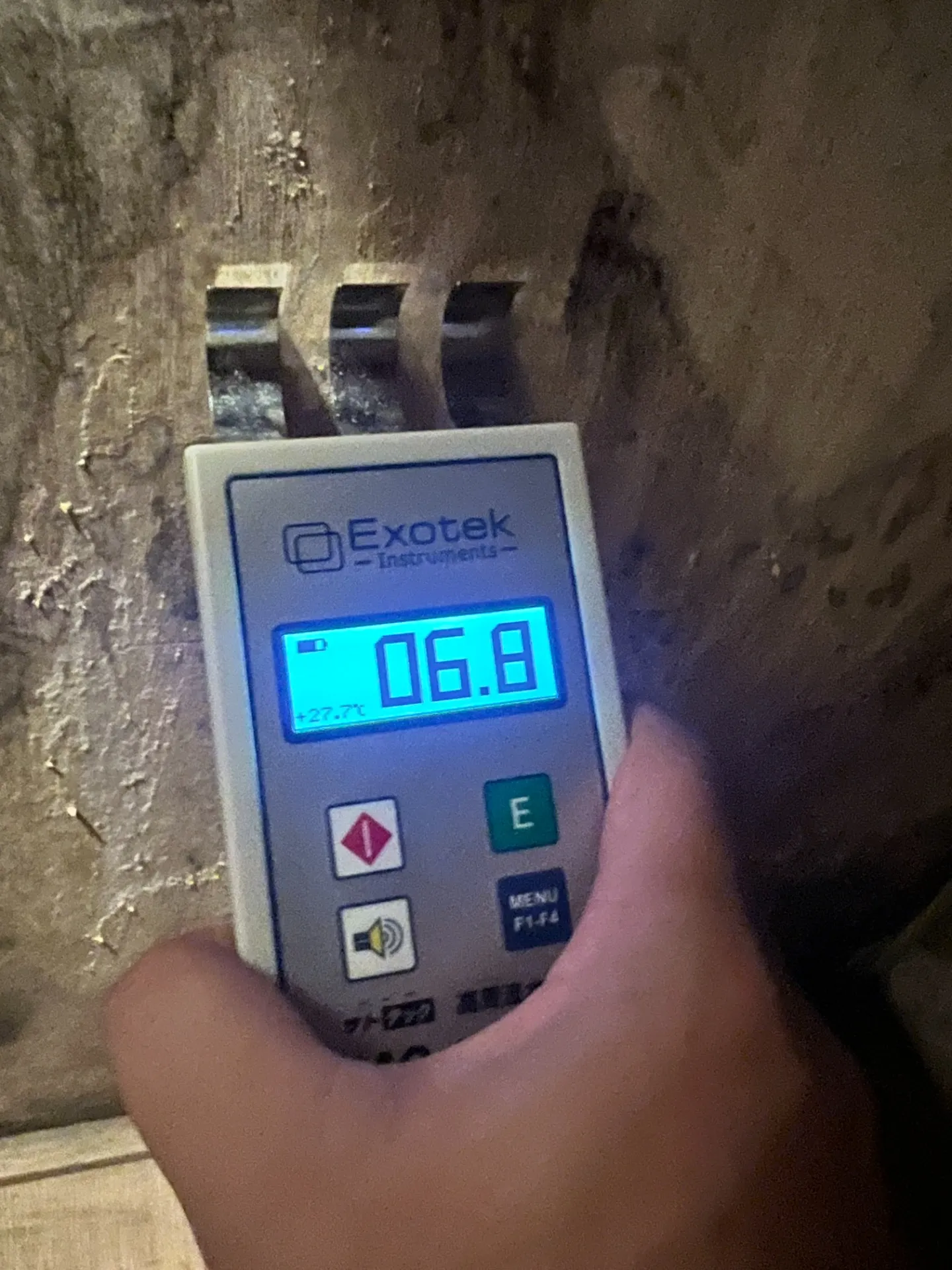
Moisture content refers to the percentage of water within building materials like wood or drywall. When the moisture level in materials—especially wood—exceeds a certain threshold, usually around 20%, mold growth becomes much more likely. Mold thrives in damp environments, so even slightly elevated moisture levels can create a breeding ground. Areas like attics, subfloors, or inside walls are especially vulnerable due to leaks, condensation, or poor ventilation. Measuring moisture content is essential not only for identifying current risks but also for preventing future outbreaks.
1-2. The Purpose and Value of Microbial Testing (Mold and Airborne Fungi)
Microbial testing is used to detect and quantify mold spores and other fungi on surfaces and in the air. Two common methods are surface swab tests and airborne mold sampling. Surface testing identifies how much mold exists on walls or ceilings, while air sampling shows the level of mold contamination in indoor air. These tests yield results in CFUs (colony-forming units), making mold levels quantifiable. Post-treatment testing also confirms whether mold has truly been removed. Especially in environments with vulnerable individuals—like children or the elderly—this data-driven approach is essential for health and safety.
2. Moisture Testing for Mold Risk Assessment: Methods and Standards
The presence and growth of mold are closely tied to the amount of moisture trapped in building materials. For that reason, accurately measuring moisture levels is a crucial step in any mold prevention or remediation plan. In this section, we’ll explore the acceptable moisture ranges for common materials, along with the tools and techniques used for precise measurement.
2-1. Acceptable Moisture Ranges by Material Type
Each type of building material has a moisture threshold that, if exceeded, increases the risk of mold growth. For example, wood is considered safe when its moisture content is under 15%. Between 16% and 20%, caution is needed, and anything above 20% indicates a high risk for mold and decay. Even materials like drywall or wallpaper, which may appear dry on the surface, can retain hidden moisture underneath. Concrete and mortar, although non-organic, can still harbor mold if their surfaces retain water. During moisture testing, professionals evaluate each material type based on these thresholds to assess the level of risk.
2-2. Measurement Tools, Accuracy, and Techniques
Two primary tools are used to measure moisture content: resistance meters and high-frequency meters. Resistance meters use probes that penetrate materials to measure electrical resistance—ideal for wood. High-frequency meters, on the other hand, are non-invasive and suitable for scanning larger areas without damaging the surface. Accurate readings depend not only on the tool but also on proper conditions such as ambient temperature and humidity. Measurements are typically displayed digitally, allowing for real-time analysis on-site. For reliable testing, equipment calibration and operator expertise are essential. A well-conducted test provides the foundation for sound mold prevention and treatment decisions.
3. Microbial Testing: Identifying Mold Types and Assessing Health Risks
Visible mold is just the tip of the iceberg. The real concern lies in the type and quantity of mold spores that may be present in your environment. Microbial testing makes it possible to detect and quantify mold, helping to evaluate both the extent of contamination and potential health risks. This section explains the main testing methods and what they can reveal about indoor mold problems.
3-1. Surface and Airborne Mold Testing: How It Works and What It Shows
Surface mold testing (also known as contact or swab testing) involves collecting samples from walls, ceilings, or other surfaces to determine how many mold colonies are present. In contrast, airborne mold testing—often done through gravity settling or active air sampling—detects how much mold is floating in the air. Both testing types express results in colony-forming units (CFU), which quantify the presence of mold spores. A reading exceeding 100 CFU on a surface often indicates a moderate to high contamination level. Accuracy depends on consistent sampling methods and conditions such as air circulation and humidity. These tests make invisible mold exposure measurable, improving the effectiveness of subsequent removal or prevention measures.
3-2. Species Identification and the Importance of Recognizing Allergenic Mold
There are hundreds of mold species, and some are significantly more harmful than others. Species such as Cladosporium, Penicillium, and Aspergillus are known to trigger allergies, asthma, and skin irritation in sensitive individuals. Identifying the specific species present requires further analysis through species identification tests, often involving microscopy or DNA analysis. This process helps determine whether the detected mold poses a high risk to occupants’ health. Facilities like daycare centers, hospitals, and senior residences should especially prioritize these tests to ensure a safe environment. Knowing not just the quantity but the type of mold present allows for more targeted and effective treatment strategies.
4. Advantages and Considerations of Combining Mold Removal and Renovation
When dealing with mold problems, many people focus only on visible damage, such as stained walls or peeling wallpaper. As a result, they often opt for surface-level renovations like repainting or wallpaper replacement, without addressing the underlying mold issue. However, unless the root cause—moisture and microbial growth—is treated, mold will likely return. That’s why combining mold removal and renovation into a single, integrated process can lead to more effective and lasting results.
4-1. Risks of Using Separate Contractors for Mold Removal and Renovation
Most general renovation companies specialize in aesthetic repairs but lack the expertise to properly handle mold removal. If mold behind walls or under flooring is not thoroughly eliminated before remodeling, it can quickly reappear—even through brand-new surfaces. When mold removal and renovation are handled by separate companies, miscommunication or scheduling issues may occur, leading to incomplete work or higher overall costs. Worse yet, responsibility can become unclear if problems arise later. For example, if mold reappears after renovations, it’s not always clear whether the removal or renovation company is accountable.
4-2. Benefits of Integrated Services and What to Watch For
An integrated service that handles both mold remediation and renovation ensures smoother coordination, eliminates unnecessary delays, and reduces costs. It also allows for mold prevention strategies to be built into the renovation process itself. For example, a professional team can improve ventilation, replace moisture-retaining materials, and apply anti-mold coatings during the remodel.
However, it's important to confirm whether the contractor truly has expertise in mold. Some renovation companies offer mold cleaning services as an add-on, but without proper testing or long-term prevention. Look for providers that offer moisture and microbial testing before and after treatment, use proven remediation methods, and explain each step clearly. Choosing an experienced, mold-focused team helps ensure the issue is addressed at its source—not just hidden beneath fresh paint or wallpaper.

5. Mold Removal Technologies and How to Choose the Right One (Including Coatings)
Not all mold removal methods are the same. Depending on the material and extent of contamination, using the wrong technique can damage surfaces or lead to recurring issues. Selecting the right mold removal method—along with proper prevention treatments like anti-mold coatings—is essential for lasting results. In this section, we explore the safest and most effective techniques currently available.
5-1. Non-Damaging Methods Like the MIST® Technique
The MIST® method is a proprietary mold removal technique developed by KaBi Busters (カビバスターズ), designed specifically to protect delicate materials like wood and stone. Rather than scrubbing or sanding, it uses a misted solution tailored to the specific surface and contamination level. This approach breaks down mold without harming the underlying material. After application, the decomposed mold and dirt are rinsed away, leaving the surface clean and undamaged.
The solution used in MIST® is formulated to be safe for humans and the environment, making it ideal for use in homes, hospitals, and facilities with children or elderly residents. It's an ideal choice when you need both effectiveness and material preservation.
5-2. Types and Features of Anti-Mold Coatings, Photocatalysts, and Antibacterial Paints
After removal, preventive treatments are key to keeping mold from returning. Anti-mold coatings form a protective barrier on the surface to prevent spores from settling and spreading. These treatments are fast-acting and offer long-term protection.
Photocatalytic coatings use light-activated reactions to break down mold spores and organic pollutants. They are ideal for ceilings and walls that receive natural or artificial light and can even purify the air over time.
Antibacterial paints contain agents that resist microbial growth. When applied during repainting or renovation, they provide passive mold prevention in high-risk areas like bathrooms and kitchens.
Each method has its own strengths, and choosing the right one depends on your environment, building materials, and goals. A professional consultation can help identify the most suitable treatment for your situation.
6. Case Studies and Scientific Evaluation of Mold Removal Effectiveness
Evaluating the success of mold removal isn't just about visual improvement—true effectiveness must be backed by data. By comparing pre- and post-treatment measurements of moisture content and microbial levels, professionals can scientifically verify the results of their work. This section introduces real-world case studies and how data-driven assessments can prove successful mold remediation.
6-1. Moisture Reduction and Mold Count Improvement: A Real Example
In one residential case, mold was discovered in an attic area. Moisture content readings showed that the wood structure had a moisture level of 23%, well above the safe threshold. After applying the MIST® method and improving ventilation and insulation, follow-up tests one month later showed moisture levels had dropped to around 15%.
Additionally, microbial testing before the treatment showed over 150 CFUs (colony-forming units) on surface samples—indicating significant contamination. After remediation, those levels fell below 10 CFUs, well within acceptable safety ranges. These measurable changes demonstrate that effective mold treatment can be validated with clear, scientific data.
6-2. Comparing Successful and Failed Mold Prevention Outcomes
The difference between a successful mold remediation and a failed one lies in whether recurrence occurs. In a successful case, comprehensive mold removal was followed by anti-mold coating, ventilation upgrades, and regular moisture monitoring. One year later, no new mold growth had been observed.
In contrast, a failed case involved only superficial cleaning of visible mold, with no treatment of underlying moisture issues. Within just three months, mold returned to the same area. This contrast highlights the importance of holistic, multi-step prevention—not just surface-level cleaning. Lasting success depends on addressing both the immediate contamination and the environmental conditions that allowed mold to grow in the first place.
7. Ongoing Maintenance and Monitoring to Prevent Recurrence
Even after successful mold removal, the job isn't truly finished. Mold can return if the underlying environmental conditions—such as high humidity or poor ventilation—are not addressed. Continuous monitoring and routine maintenance are crucial to keeping mold at bay and maintaining a safe, clean indoor environment over the long term.
7-1. Moisture Monitoring and Microbial Testing: Tools for Long-Term Prevention
One of the most effective post-remediation strategies is to perform regular moisture checks and periodic microbial testing. Areas with a history of water damage or mold growth should be monitored every few months to detect early warning signs. Moisture meters can reveal increases in humidity before visible damage appears, while microbial testing can detect airborne or surface mold that may be re-emerging.
Some modern solutions even involve IoT-based humidity sensors, which can track indoor conditions in real time via smartphone apps. With these tools, property owners can respond to environmental changes before they lead to a mold problem.
7-2. Daily Habits for Humidity Control, Ventilation, and Mold Prevention
Preventing mold doesn’t always require professional intervention—many effective steps can be taken during daily life. The most important factor is controlling humidity. Keeping indoor humidity around 50% significantly reduces the likelihood of mold growth. During rainy seasons or cold winters, dehumidifiers and ventilation fans can help manage moisture levels.
Good ventilation is also key, especially in enclosed areas like closets, bathrooms, and laundry rooms. Regularly opening windows, using exhaust fans, and creating airflow behind furniture can prevent stale, damp air from accumulating. In addition, habits like drying wet towels immediately, wiping down damp surfaces, and spacing furniture away from walls can all contribute to a mold-resistant home.
Ultimately, mold prevention is about combining professional remediation with smart daily routines—a partnership between the homeowner and mold control specialists.
8. Choosing a Contractor and Understanding Cost Estimates
Mold remediation and prevention involve specialized knowledge and equipment, and costs can vary greatly depending on the extent of the damage, the location, and the methods used. That’s why it’s essential to choose the right contractor and understand the breakdown of estimates before committing to a project. Knowing what to look for will help ensure fair pricing and effective treatment.
8-1. What to Look for in a Detailed Estimate: Testing, Removal, and Treatment
A trustworthy contractor will begin with a thorough on-site inspection, assessing moisture levels, visible mold, and the condition of affected materials. A clear and professional estimate should include:
Moisture content testing with documented results
Microbial testing (e.g., surface swabs and airborne spore counts)
Specific mold removal methods and materials to be used
Details of any anti-mold coatings or preventive treatments
A breakdown of the scope of work and project timeline
If an estimate lacks these details or seems vague, there may be hidden costs or incomplete services. Always confirm whether pre- and post-treatment testing is included, and make sure all expected services are clearly listed before signing a contract.
8-2. Regional and Structural Factors That Influence Cost
The cost of mold remediation and related renovation depends on multiple factors, including building size, structure type (e.g., wood, concrete, steel frame), and the severity of the contamination. Local labor costs, material availability, and travel expenses can also affect pricing depending on the region.
Because of these variations, it's wise to obtain estimates from multiple contractors for comparison. However, don’t base your decision on price alone—evaluate each provider’s communication, track record, and inspection process. A company that offers in-depth testing, transparent pricing, and a clear explanation of their methods is more likely to deliver long-lasting results and peace of mind.
9. Common Questions and Misconceptions About Mold Control
When dealing with mold, many people have uncertainties and may rely on common myths or misunderstandings. This section clears up some of the most frequently asked questions and misconceptions about mold detection, treatment, and long-term prevention.
9-1. How Can You Tell If Mold Has Been Completely Removed?
A clean surface doesn’t always mean the mold is gone. Mold spores can remain in the air or behind walls even after visible signs have disappeared. To confirm successful removal, it's essential to perform pre- and post-treatment testing, including moisture content measurements and microbial sampling.
Surface swabs and air tests reveal the presence of mold in measurable units (CFUs), offering clear, scientific evidence of contamination. Comparing results before and after treatment shows whether the mold problem has truly been resolved. This transparent, data-based approach gives homeowners confidence in the effectiveness of the work performed.
9-2. Misconceptions About Mold and Long-Term Solutions
One common misunderstanding is that mold removal is a one-time solution. In reality, mold spores are always present in the environment, and if humidity or poor ventilation returns, mold can easily grow again. That’s why proper remediation must be followed by ongoing environmental control.
Another misconception is that store-bought cleaning sprays are enough to deal with mold. These may remove surface stains, but they rarely eliminate mold roots embedded deep within materials. Without professional intervention, mold is likely to reappear in the same spot.
True mold control means addressing both the contamination and its underlying causes. Combining professional remediation with proactive maintenance—like controlling humidity, improving airflow, and regular inspections—is the key to long-lasting protection.
10. Summary: How Moisture and Microbial Testing Lead to Reliable Mold Prevention
Mold problems can't be solved simply by cleaning what’s visible. The true risks often lie hidden—within wall cavities, under flooring, or in the air you breathe. That’s why tackling mold effectively requires scientific diagnosis using moisture and microbial testing, followed by comprehensive and targeted treatment.
10-1. Visualizing Mold Risk with Data Improves Credibility
By measuring moisture content and detecting mold spores, professionals can “visualize” invisible contamination. These data points not only guide effective removal but also provide solid proof of treatment success. When mold remediation is backed by numbers—not just appearances—it becomes more reliable and trustworthy.
10-2. Taking the First Step: Consultation and Inspection
If you notice signs like musty odors, wall stains, or frequent condensation, it’s time to take action. Begin with a consultation or site inspection from a mold control specialist. Many offer free evaluations, and they can assess your situation with professional tools. Once results from moisture or microbial testing are available, a customized treatment plan can be created—ensuring effective removal and long-term prevention. The key is to look beyond surface-level symptoms and treat the root causes of mold growth.
Mold Removal and Renovation: Trust KaBi Busters Osaka & Mold Reform Tokyo/Nagoya
If you're facing persistent mold issues—or want to combine mold removal with renovation in one seamless process—look no further. At Taikou Kensou Co., Ltd., we offer integrated mold remediation and renovation services under the brands KaBi Busters Osaka and Mold Reform Tokyo/Nagoya. We specialize in tackling mold from its root cause, while also restoring and improving living spaces in a safe, efficient, and cost-effective manner.
Why Integrated Mold Removal and Renovation Matters
In many cases, mold removal and renovation are handled by separate contractors. This can lead to miscommunication, duplicated costs, or even recurrence of mold due to untreated sources. At Taikou Kensou, we eliminate that risk by handling both processes in-house. Our team of mold specialists and renovation professionals work together from inspection to completion, ensuring a smooth, unified response that delivers real, long-lasting results.
Before we begin any renovation, we perform moisture content testing and microbial inspections to identify hidden risks. Based on these results, we apply the appropriate treatment—using non-damaging, material-safe techniques like the MIST® method—and then move forward with renovation that enhances both the aesthetics and functionality of your space.
Comprehensive Renovation Services by Taikou Kensou Co., Ltd.
With over 30 years of experience in the construction and interior finishing industry, our company has built a strong reputation across residential, commercial, and institutional projects. Our renovation services include:
Kitchen, bathroom, toilet, and laundry space remodeling
Interior upgrades including wallpaper, flooring, and ceiling refinishing
Insulation and moisture control improvements
Barrier-free remodeling for senior or care-focused households
Office and shop layout redesigns, including restoration work
Not only do we remove the mold that threatens your health and property—we rebuild your space to make it cleaner, safer, and more comfortable for years to come.
At KaBi Busters Osaka and Mold Reform Tokyo/Nagoya, we don’t just eliminate mold.
We create environments where mold won’t return.
If you're ready to protect your home or facility with professional, science-based solutions, contact Taikou Kensou Co., Ltd. today.
We’re here to bring you peace of mind—starting from the foundation.
---------------------------------------------------------------------
カビ取リフォーム
東京営業所
〒141-0022
東京都品川区東五反田2-5-2 YHE CASK GOTANDA6階
電話番号:090-8321-4408
名古屋本社
〒465-0028
愛知県名古屋市名東区猪高台1-1301 タイコウビル1F
電話番号 : 0120-588-766
サイト:https://taikou-kensou.co.jp/
大阪営業所
〒532-0003
大阪府大阪市淀川区宮原1-19-23
電話番号:080-6978-3068
カビバスターズ大阪
https://kabibusters-osaka.com/
【検査機関】
一般社団法人微生物対策協会
https://kabikensa.com/
----------------------------------------------------------------------