6 Key Tips to Detect Invisible Mold: The Ultimate Guide to Hidden Mold
2025/10/13
1. What Is Invisible Mold?
When we think of mold, we usually imagine the visible black or green patches on surfaces. However, in reality, most mold grows in places we cannot see. Especially in humid climates like Japan, mold tends to thrive inside walls, under floors, or in insulation. This section explores what invisible mold really is and how it forms.
1-1. Differences Between Mold Spores and Visible Mold
Mold is a type of microorganism that grows by extending thread-like structures called hyphae. What we usually see as mold is just the tip of the iceberg—the visible result of extensive fungal growth. In fact, countless microscopic mold spores are constantly floating in the air, undetectable to the naked eye. These spores settle in humid areas with nutrients and start growing long before they become visible. Materials like gypsum board and insulation are especially vulnerable, allowing mold to spread beneath the surface.
1-2. How Hidden Mold Develops Behind the Scenes
The three key conditions for mold growth are humidity, warmth, and nutrients. Spaces such as wall cavities, poorly insulated areas, or the subfloor near bathrooms often retain moisture, creating the ideal environment for mold. Organic materials like wood, dust, or wallpaper paste serve as nutrients. Poor airflow in these hidden areas makes detection difficult, and by the time signs appear, extensive damage may have occurred—often requiring costly repairs.
2. Where Does Hidden Mold Lurk?
Mold doesn’t limit itself to areas we can easily see. It often hides deep inside building structures or behind furniture. Even when surfaces appear clean, mold could be growing in concealed places. Let’s explore the most common hidden mold locations in a home or building.
2-1. Inside Walls, Ceilings, Under Floors, and Insulation
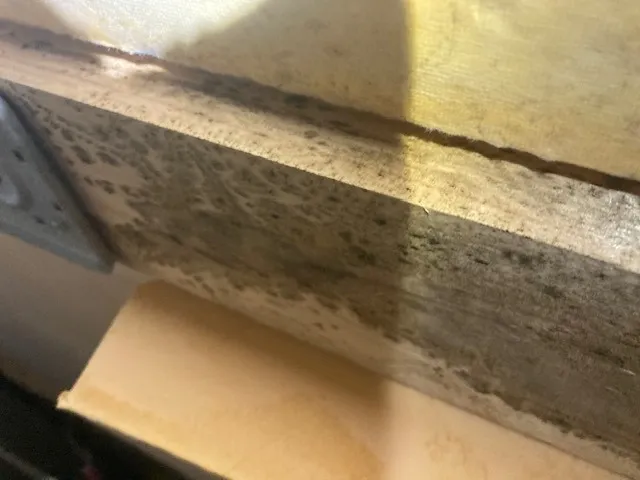
Inside walls and ceilings, insulation and structural materials can retain moisture due to condensation or leaks. These areas are difficult to inspect and often go unnoticed. Especially in corners with temperature differentials, hidden mold can grow and remain undetected for years. Gypsum board and insulation are porous materials that absorb moisture and promote deep-rooted mold growth.
2-2. Behind Plumbing, Ducts, Furniture, and Wallpaper
Pipes and HVAC ducts are common sources of condensation. When surrounded by poorly ventilated wall or ceiling cavities, mold finds a perfect breeding ground. Furniture placed against walls blocks airflow, trapping moisture and encouraging mold growth on the wall’s surface or even behind wallpaper. Musty odors or recurring allergic reactions are often early signs of such hidden mold.

3. Risks of Invisible Mold
Mold growing unseen can still have serious consequences. Even if a room looks clean, airborne mold spores can spread and impact both human health and building integrity. In this section, we’ll highlight two major risks associated with invisible mold.
3-1. Health Effects: Respiratory Issues and Allergies
Microscopic mold spores can easily be inhaled during everyday activities. These can trigger coughing, sneezing, sore throats, and even worsen asthma or allergic rhinitis. For vulnerable individuals such as the elderly, infants, or those with chronic illnesses, mold exposure may lead to more severe health issues. Since invisible mold isn’t easily noticed, health problems may persist without identifying the root cause.
3-2. Structural Damage to Building Materials
When mold penetrates building materials, it compromises their strength and integrity. Wood may rot, gypsum boards can disintegrate, and the overall structure may weaken. Over time, floors may sag or walls warp due to prolonged mold activity. Moist subfloor areas and wall cavities are especially prone to such damage. Repairs often require invasive work and high costs if the issue is not addressed early.
4. Signs of Hidden Mold on Construction Sites and How to Diagnose It
Invisible mold poses a significant risk in construction and renovation. At first glance, everything might seem intact, but beneath the surface, moisture damage and mold may be spreading. Professionals use both sensory and technical methods to identify hidden mold before proceeding with repairs.
4-1. Initial Inspection Using Sight, Smell, and Touch
The first step in mold detection on-site is using the five senses. Visually, professionals check for signs like wallpaper peeling, discoloration, or uneven wall surfaces. A sour or musty odor can indicate mold presence even if it's not visible. Touch can also help—damp or cool surfaces, especially on walls or floors, may point to internal condensation and mold growth.
4-2. Professional Tools: Infrared Cameras, Moisture Meters, and Endoscopes
To confirm mold presence, experts use tools like infrared thermography to detect temperature variations caused by moisture accumulation. Moisture meters measure water content inside materials, while endoscope cameras allow direct visual inspection inside wall cavities without major demolition. Combining these tools enables accurate diagnosis of invisible mold, reducing unnecessary damage and improving remediation efficiency.
5. Mold Infiltration Patterns and Countermeasures by Building Material
Mold infiltration varies significantly depending on the type of building material. Each material reacts differently to moisture, temperature changes, and ventilation, which affects how mold penetrates and grows. Understanding these characteristics is critical for choosing the right remediation methods on-site.
5-1. Characteristics of Mold Growth in Gypsum Board, Plywood, and Insulation
Gypsum board is highly absorbent and vulnerable to internal mold growth, especially when condensation or leakage occurs. Often, by the time surface symptoms appear, the board must be completely replaced. Plywood, despite surface coatings, allows water to seep between layers, providing ideal conditions for deep-rooted mold. Insulation materials like fiberglass or urethane foam are difficult to dry once wet, and mold can significantly reduce their thermal performance. In most cases, full removal and replacement are required to restore material integrity.
5-2. Treatment Methods for Concrete, Wood, and Steel Frame Structures
While concrete may seem mold-resistant, it absorbs moisture through capillary action, especially at foundations. Waterproof coatings or breathable membranes are recommended. In wooden structures, excess moisture not only causes mold but also attracts rot fungi and termites, sometimes requiring structural replacement. For steel frame buildings, the primary concern is not the steel itself but condensation-induced mold in insulation or interior finishes. Upgraded insulation and better thermal planning are key to preventing recurring issues.
6. Important Points and Steps in Mold Remediation Work
Mold remediation isn't just about surface cleaning—it requires in-depth removal of mold within building materials and measures to prevent recurrence. This section outlines key precautions and standard procedures during mold removal projects.
6-1. When Full or Partial Demolition Is Necessary
If mold has spread deep into materials, surface cleaning is insufficient. For example, if gypsum board or plywood feels soft or spongy to the touch, mold may have reached structural layers. In such cases, partial or full demolition is needed. However, unnecessary demolition should be avoided—moisture meters and thermal imaging can help pinpoint affected areas, minimizing work. During demolition, it's essential to use containment and dust control measures to prevent airborne spore spread.
6-2. Post-Remediation Upgrades: Waterproofing, Ventilation, and Insulation
After removing mold and replacing materials, it’s vital to address the underlying cause. Waterproofing involves sealing external walls and repairing leaks. Improving ventilation—by adding air vents or installing mechanical systems—helps reduce humidity buildup. Upgrading insulation minimizes internal condensation, which is a major mold trigger. These steps not only prevent mold but also improve indoor comfort and building longevity.
7. Preventing Mold Recurrence and Long-Term Maintenance
Remediation is only the beginning. Without changes to the environment, mold can easily return. Long-term prevention involves both regular monitoring and integrating mold resistance into building design.
7-1. Continuous Monitoring and Environmental Optimization
Post-remediation, tracking temperature and humidity is essential. Hygrometers or smart environmental sensors can help identify high-humidity zones. Keeping indoor humidity below 60% is ideal. Adjusting furniture placement to improve air circulation and using dehumidifiers or underfloor ventilation systems can further stabilize conditions. Routine inspections and small adjustments go a long way in preventing mold from coming back.
7-2. Modern Design Trends in Mold-Resistant Architecture
Today’s building design increasingly incorporates mold prevention from the planning stage. Examples include combined foundation insulation and subfloor ventilation, balanced air circulation, and high-performance HVAC systems. Choosing mold-resistant materials for interior finishes and substrates also plays a key role. These proactive design choices not only reduce mold risk but also enhance building durability and occupant comfort.
8. Real-World Case Studies: Successes and Failures in Mold Remediation
Mold remediation is not just theory—real experience on-site matters. Even when mold looks similar, the outcome depends greatly on how and when the problem is addressed. In this section, we’ll share two actual cases from construction sites: one that succeeded through early detection and decisive action, and another where delayed response led to serious consequences.
8-1. Deep Mold Discovered During a Renovation Project
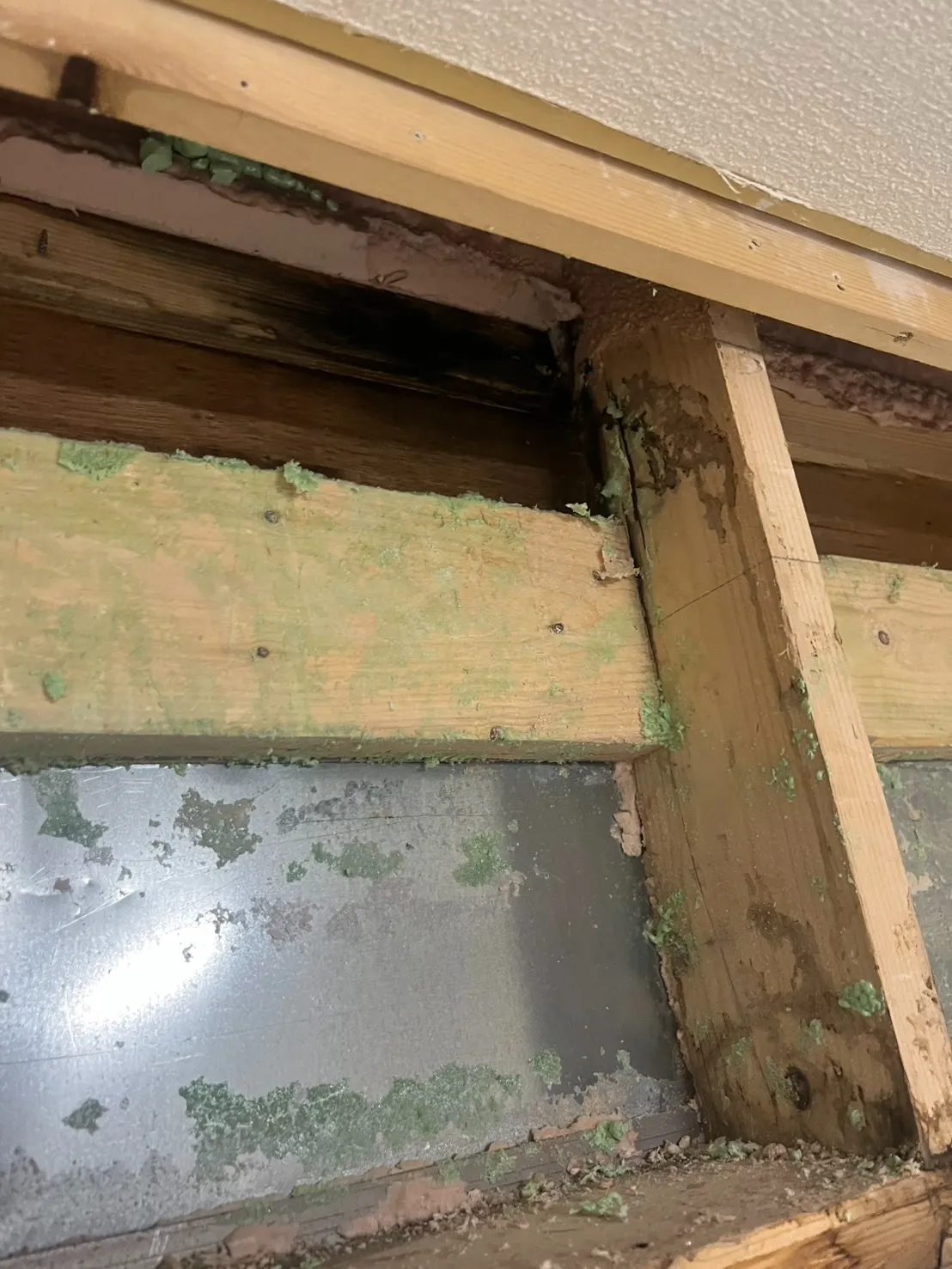
During a renovation of a 25-year-old wooden home, contractors discovered extensive black mold behind a traditional Japanese-style room’s wallboard. The front surface showed no signs of staining or odor, and the residents were unaware of any issues. The mold had spread deep into the insulation and wooden framing. The affected walls were fully dismantled, the framing treated with disinfectants, and new insulation was installed. The team also added a ventilation layer and performed an anti-mold treatment. Thanks to early intervention and comprehensive remediation, the health risks and repair costs were kept to a minimum.
8-2. A Missed Opportunity Leads to Recurring Mold Damage
In another case, early signs of mold were found under the bathroom floor, but the homeowner opted for a basic surface-level treatment. A year later, mold had returned—and this time, it had spread throughout the floor structure. The result was a costly and invasive repair involving structural wood replacement. The root cause—poor ventilation and moisture-trapping insulation—had not been addressed. This case highlights the importance of taking early signs seriously and committing to thorough inspections and treatment. Preventive action at the right time can mean the difference between a simple fix and a major renovation.

Professional Mold Removal and Prevention with Kabi Reform Tokyo/Nagoya & Kabi Busters Osaka
If you're struggling with invisible mold, it's essential to rely on professional support. At Kabi Reform Tokyo/Nagoya and Kabi Busters Osaka, we’ve handled mold removal and long-term prevention in a wide range of environments—including private homes, commercial spaces, schools, and medical facilities. Our trusted method is the proprietary MIST Method®, a system designed to eliminate mold at its root without damaging building materials. Safe for both people and the environment, this method can be applied to delicate components such as gypsum board and insulation with confidence.
With the MIST Method®, we adjust our special mold-fighting solution for each project based on the material and contamination level. The treatment deeply penetrates surfaces to break down and sterilize mold colonies. After removal, we apply an anti-mold coating to ensure lasting protection. The process also targets airborne spores, significantly improving the indoor air quality across the entire space.
Our long-standing partner, Taiko Kensou, brings deep field expertise to every project. As a certified MIST Method® contractor, they provide detailed inspections and building-specific recommendations from an architectural perspective. Whether it's determining the need for demolition, identifying compromised materials, or improving insulation and ventilation, their comprehensive approach ensures lasting results.
Don’t rely on surface-level fixes—consult specialists with the knowledge and experience to handle hidden mold effectively. Based in Tokyo, Nagoya, and Osaka, we proudly serve clients across Japan. Let us help you reclaim a safe, mold-free living environment. Contact us today for a consultation.
---------------------------------------------------------------------
カビ取リフォーム
東京営業所
〒141-0022
東京都品川区東五反田2-5-2 YHE CASK GOTANDA6階
電話番号:090-8321-4408
名古屋本社
〒465-0028
愛知県名古屋市名東区猪高台1-1301 タイコウビル1F
電話番号 : 0120-588-766
サイト:https://taikou-kensou.co.jp/
大阪営業所
〒532-0003
大阪府大阪市淀川区宮原1-19-23
電話番号:080-6978-3068
カビバスターズ大阪
https://kabibusters-osaka.com/
【検査機関】
一般社団法人微生物対策協会
https://kabikensa.com/
----------------------------------------------------------------------