Even ZEH Homes Need Caution! Hidden Mold Risks in Airtight Homes and How to Prevent Them
2025/10/11
Even in ZEH and airtight homes, “invisible moisture” can silently threaten both the structure and your health. Because these homes trap air effectively, internal humidity tends to build up, making them structurally prone to mold.
This article explains why ZEH and airtight homes are more prone to mold, the mechanisms of mold formation, health impacts, preventive measures during design and daily life, and how to properly treat mold if it appears.
You'll gain practical knowledge to protect both your home and your family’s health. By understanding and controlling moisture, you can enjoy the full benefits of energy-efficient housing with peace of mind.
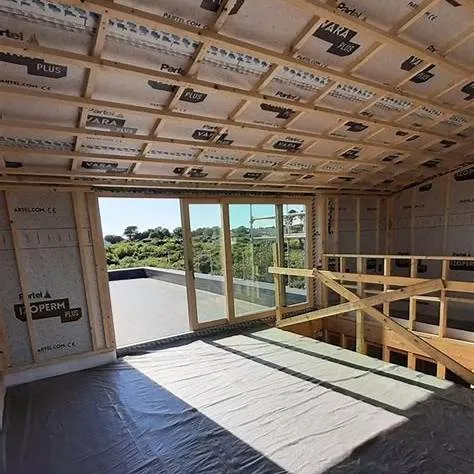
1. The Hidden Mold Risk in ZEH and Airtight Homes
ZEH (Net Zero Energy Houses) and airtight, high-insulation homes are celebrated for their comfort and energy efficiency. However, these homes are also structurally prone to trapping moisture, which can lead to mold issues if proper ventilation and humidity control are not maintained. Despite their high performance, these modern homes require more careful attention to indoor air quality than traditional ones.
1-1. Key Features of ZEH and Airtight Homes: Insulation, Airtightness, and Energy Saving
ZEH homes are designed to minimize energy consumption and offset it with renewable energy sources such as solar panels, achieving net-zero energy usage. To do this, they rely on tight insulation and airtight construction, reducing the need for heating and cooling by maintaining stable indoor temperatures.
However, this airtightness also restricts airflow, meaning that moisture generated from daily activities like cooking, bathing, or even breathing becomes trapped indoors. During winter, the temperature difference between indoor and outdoor surfaces can cause condensation on walls and windows, creating ideal conditions for mold to grow.
1-2. Why High-Performance Homes Are at Higher Risk for Mold
The more airtight and insulated a home is, the more easily moisture can accumulate in places where it can’t escape. In highly sealed homes, vapor barriers and insulation materials can trap moisture in wall cavities or under floors. If even small gaps allow humid indoor air into these spaces, condensation can form and go unnoticed for long periods—creating a breeding ground for mold.
Additionally, ventilation systems in airtight homes are critical. If vents are poorly placed or if the 24-hour ventilation system is turned off (often due to noise or energy-saving concerns), airflow becomes stagnant. Stale air allows mold spores to circulate and settle throughout the home.
The misconception that “high-performance homes are mold-resistant” needs to be addressed. In reality, these homes require more active mold prevention due to their sealed design. Understanding and managing indoor humidity is essential to truly enjoy the benefits of energy-efficient living.
2. How Indoor Mold Develops: Causes and Contributing Factors
Airtight, high-insulation homes are excellent at blocking outdoor air and retaining heat, but this same design makes it harder for indoor moisture to escape. In ZEH and similar homes, moisture can accumulate even when rooms appear clean and dry. Understanding how mold forms—and where—is essential to effective prevention.
2-1. Indoor Moisture Sources: Humidity, Condensation, and Water Vapor
Most indoor moisture comes from everyday life: cooking, bathing, drying laundry indoors, and even breathing. All of these release water vapor into the air. If this moisture isn't properly ventilated, indoor humidity rises. When humid air comes into contact with cooler surfaces—like walls, ceilings, or windows—condensation occurs, forming droplets of water.
In winter, when indoor and outdoor temperatures differ greatly, condensation becomes more frequent, especially on windows and exterior walls. If left unaddressed, this moisture provides the perfect environment for mold to begin growing—often within just a few days. Mold thrives in humidity levels above 60%, and its growth accelerates rapidly once levels exceed 70%.
2-2. Hidden Mold in Wall Cavities, Floors, and Ceilings
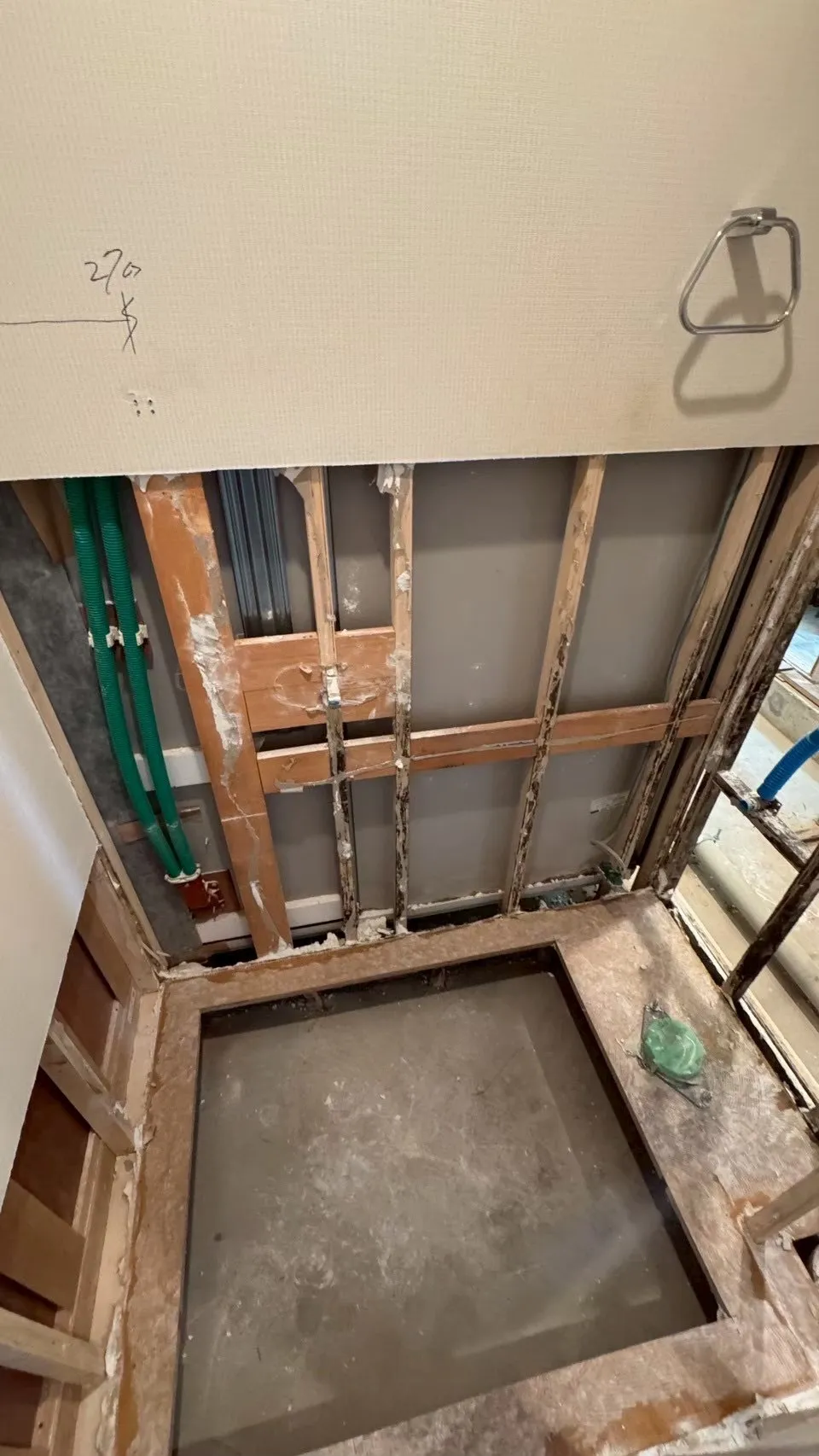
The most troublesome mold isn’t always visible. It often develops in hidden areas such as behind walls, under floors, or in ceilings—places where moisture lingers and airflow is minimal. Insulation materials, wooden framing, and vapor barriers in these spaces can trap moisture, making it very difficult for the area to dry out naturally.
For example, mold can grow inside walls near bathrooms, around plumbing, or under floorboards—completely undetected until it becomes a serious problem. What makes this worse is that hidden mold releases spores that circulate in the air, spreading throughout the home and affecting indoor air quality.
These hidden risks highlight the importance of regular inspections and proactive moisture control, especially in homes where the tight building envelope can easily trap humidity.
3. Health Risks: Symptoms and Impacts of Indoor Mold
Mold isn't just a cosmetic issue—it poses real health risks, especially in airtight homes where mold spores can linger in the air. Even individuals without preexisting conditions may experience symptoms, and for vulnerable populations like children, the elderly, or those with allergies, the dangers are even greater. Understanding the health effects of mold is crucial for maintaining a safe living environment.
3-1. Allergic Reactions, Bronchitis, and Asthma
When mold spores are inhaled, the body may react with allergic responses such as sneezing, runny nose, nasal congestion, itchy eyes, and skin rashes. These symptoms often resemble a persistent cold or seasonal allergies, making it difficult to identify mold as the true cause.
More serious respiratory issues can also occur, including chronic coughs, bronchitis, or worsening asthma. Mold spores can inflame the airways, especially at night, leading to breathing difficulties and prolonged discomfort. In homes with poor air circulation, these spores remain suspended in the air and increase exposure.
These reactions are directly linked to indoor air quality, which is more difficult to manage in sealed environments like ZEH or high-insulation homes. What appears to be a simple irritation may, in fact, be a sign of ongoing mold exposure.
3-2. Mold’s Impact on Immunocompromised Individuals
For those with weakened immune systems—such as the elderly, infants, pregnant women, or individuals with chronic illnesses—mold exposure can be particularly hazardous. In some cases, it can lead to severe conditions such as hypersensitivity pneumonitis or fungal infections, which may require hospitalization if left untreated.
People with atopic dermatitis or asthma may also experience worsening symptoms. Mold spores are constantly floating through the air, often unnoticed, but constant exposure over time can gradually wear down the body’s defenses.
This is why mold prevention and control in the home isn’t just about cleanliness—it’s a key component of protecting your family’s health, especially in modern, airtight homes where mold can easily become a hidden threat.
4. Design-Stage Strategies to Prevent Mold in ZEH Homes
In ZEH and airtight homes, mold prevention should start before the home is built. While high insulation and airtight construction boost energy efficiency, they can also trap moisture. That’s why it's crucial to consider mold risk during the design phase—not just after problems appear. Proper material choices, ventilation planning, and moisture control can make all the difference.
4-1. Choosing the Right Insulation, Airtightness, and Vapor Permeability
The type and placement of insulation materials greatly influence how a home handles moisture. Some insulation traps humidity, while others allow it to escape. Using low-permeability materials on outer walls, for instance, can trap internal moisture, leading to condensation inside the walls.
In highly airtight homes, every detail matters. Even small gaps in vapor barriers can allow humid indoor air to enter wall cavities, where it condenses and supports mold growth. That’s why a balanced wall assembly—with vapor-resistant materials on the inside and vapor-permeable materials on the outside—is essential. This allows interior moisture to gradually move outward without getting trapped.
Designers should also plan for moisture to flow out of the structure, using building layers in this order: vapor control → insulation → vapor permeability.
4-2. Ventilation System Selection and Airflow Planning
In tightly sealed homes, the ventilation system acts like the home’s “lungs.” Whether it's a mechanical ventilation system (Type I or Type III), the placement of supply and exhaust vents must be carefully considered. If the layout disrupts airflow—due to poor placement, blocked ducts, or improper equipment—humidity will accumulate in certain zones.
High-moisture areas such as bathrooms, kitchens, and laundry rooms require dedicated exhaust systems. If these are underpowered or not used properly, localized humidity will rise—especially during winter when windows remain closed.
During the design phase, simulations should be used to visualize airflow patterns, ensuring that air moves effectively through every room. Strategic placement of vents and fans not only improves comfort but also prevents stagnant zones where mold can thrive.
5. Everyday Habits for Preventing Indoor Mold
Even with excellent home design, mold can still grow if moisture builds up in daily life. In airtight, high-insulation homes like ZEH, managing indoor humidity becomes the resident’s responsibility. Proper habits and a proactive mindset can go a long way in preventing mold from forming in the first place.
5-1. How to Manage Indoor Humidity Effectively
Mold thrives in environments with humidity above 60%, so maintaining indoor humidity between 40% and 60% is ideal. The first step is to place hygrometers in key rooms such as bathrooms, kitchens, bedrooms, and laundry areas to monitor moisture levels regularly.
Use dehumidifiers or the dehumidifying mode on your air conditioner during humid seasons. After showers or cooking, ensure exhaust fans are used and left running for a while. In winter, moisture tends to condense on cold surfaces like windows—wipe down any visible water and avoid leaving it to evaporate into the room.
Also, be mindful of hidden moisture sources like excessive use of humidifiers or keeping many houseplants indoors. These can raise humidity to unsafe levels without you realizing it. Adjust usage depending on the season and room conditions.
5-2. Furniture Layout, Ventilation, and Airflow Tips
Mold often grows in places with poor airflow, such as behind large furniture pressed against walls. Always leave a gap of at least 5 cm (2 inches) between furniture and walls to allow air to circulate. Check these areas periodically, especially in colder months.
Closets and storage spaces are also prone to moisture buildup. Open closet doors occasionally to allow air exchange, and consider placing moisture absorbers inside. However, these are not a substitute for proper ventilation.
Open windows during cooler times of day to refresh the air, and use fans or air circulators to promote airflow in rooms that feel stuffy. By incorporating small habits like these into daily life, you can significantly reduce the risk of mold—even in airtight homes.
Ultimately, effective mold prevention depends not just on a home's design but on how it's lived in. Awareness and consistency are your strongest defenses.
6. What to Do If Mold Appears: Treatment and Removal Methods
Despite your best efforts, mold may still appear—especially in hidden or humid areas of airtight homes. When that happens, taking immediate and appropriate action is crucial. Whether you choose DIY products or professional help, understanding the pros and cons of each approach is the first step toward effective and safe removal.
6-1. DIY Products vs. Professional Mold Removal Services
For small, visible mold spots, over-the-counter mold removal sprays may offer temporary relief. These products are readily available and can be useful for surface-level cleaning. However, they are often ineffective against mold that has penetrated porous materials like wood, wallpaper, or insulation. In many cases, they only bleach the surface without killing mold roots.
Professional mold removal services go far beyond surface cleaning. Experts begin by identifying the underlying cause of mold, then use specialized equipment and safe, high-performance solutions to thoroughly eliminate it. This includes mold in hard-to-reach places like wall cavities, ceilings, and under floors.
One key benefit of hiring professionals is that they also provide post-treatment protection, such as anti-mold coatings to prevent recurrence. When choosing a service, be sure to ask whether they use methods that preserve the integrity of materials and are safe for indoor environments—especially important for families with children or elderly residents.
6-2. Non-Damaging Methods and Long-Term Prevention
An essential factor in mold removal is whether the process damages the material. Scrubbing or using harsh chemicals on delicate surfaces—like wood or insulation—can shorten their lifespan and compromise structural integrity.
This is where innovative methods like the MIST Method® come in. This proprietary technology uses a fine mist of custom-formulated agents that penetrate deep into materials, dissolving mold at the root without scraping or sanding. It's ideal for sensitive materials and does not harm surfaces, making it suitable for use in homes, historical buildings, or facilities with vulnerable occupants.
After removal, a professional team will typically apply anti-mold treatments to ensure long-lasting protection. These treatments destroy airborne mold spores, disrupt their cell membranes, and prevent new colonies from forming. The result is a healthier, safer indoor environment that resists mold over time.
When dealing with mold, focus not only on cleaning the visible problem but also on identifying the source and eliminating it completely. That’s the key to preventing mold from coming back.
7. Real Cases and Key Lessons: Mold Issues in ZEH Homes
Even in high-performance homes like ZEH, mold problems do occur. In many cases, the root cause is a small oversight during construction or a misunderstanding about how airtight homes should be lived in. Let’s look at some real-life examples that highlight common pitfalls and what to watch out for.
7-1. Case Study: Mold in Floor Structure and Foundation Area
In one ZEH home, mold appeared in the crawlspace less than a year after the homeowners moved in. The problem was traced to poor execution of foundation insulation and underfloor airtightness, which led to condensation forming under the floor due to temperature differences between indoor and outdoor air.
Since the home lacked a crawlspace inspection hatch, the mold went unnoticed until it began to damage wooden structural elements. This situation could have been avoided with better moisture control planning and by allowing access for regular inspections.
To prevent this kind of problem, it’s essential to combine foundation insulation with proper moisture simulations and ventilation planning—not just thermal performance. And always include access points for future maintenance.
7-2. Case Study: Window Area and Wall Surface Condensation
In another case, black mold began growing around windows and on wallpaper during the winter. The home used high-quality windows with Low-E glass and tight sealing, yet condensation still formed. The cause? The homeowners had turned off their 24-hour ventilation system at night and were running a humidifier excessively in the bedroom.
As a result, moisture built up around cold window frames, and the surrounding curtains and walls absorbed it—creating a breeding ground for mold. Family members began experiencing allergy symptoms, prompting further investigation.
This case shows how important it is to understand how airtight homes rely on mechanical ventilation. Turning off the system, even temporarily, disrupts airflow and traps humidity—making mold problems far more likely.
Ultimately, both cases illustrate that mold control in ZEH homes depends not only on proper design and construction but also on how the home is used. Education and ongoing support from builders or architects play a vital role in long-term indoor health.
8. How to Choose a Mold-Resistant ZEH Home: What to Ask Before You Build
To enjoy the full benefits of ZEH or airtight homes, it’s essential to start with the right builder and specifications. Mold prevention isn’t just about daily maintenance—it begins with careful planning and the right construction approach. Here are key points to consider when selecting a builder or reviewing a home’s specifications.
8-1. Essential Specifications to Confirm with Builders
When evaluating a builder for a ZEH home, don’t just focus on insulation values (UA value) or airtightness levels (C value). Ask whether they incorporate moisture management and condensation control into their design strategy.
Key questions to ask include:
What type of insulation is used, and does it allow vapor to escape?
How is the airtight layer constructed and sealed?
Is the wall structure designed to allow moisture to flow outward?
Do they conduct condensation simulations during design?
Also, pay close attention to the ventilation system. ZEH homes often use mechanical ventilation systems (e.g., balanced Type I ventilation). Ask about filter maintenance, air volume control, energy efficiency, and noise levels. These affect both comfort and long-term air quality.
A knowledgeable builder will be transparent about these systems and how they work together to prevent mold.
8-2. Key Points to Inspect After Moving In
After moving in, regular maintenance and inspection are critical. No matter how well the home is built, daily activities and seasonal changes can introduce moisture. Focus on areas that tend to accumulate moisture, such as:
Window frames (check for condensation)
Crawlspace or underfloor areas (check humidity levels)
Ventilation system filters and airflow performance
It’s also helpful if your builder provides post-construction support or scheduled inspections. This ensures that potential issues are caught early before they become serious.
Finally, choose a builder who educates homeowners on how to live in airtight homes—especially when it comes to ventilation and humidity control. A good home design is only as effective as the lifestyle it supports.
9. Frequently Asked Questions About Mold in ZEH Homes
Many homeowners have similar concerns when it comes to mold in airtight or ZEH homes. Here, we answer some of the most common questions, with practical tips and key numbers that help you stay in control of your indoor environment.
9-1. “What humidity level is safe to prevent mold?”
The ideal indoor humidity level is between 40% and 60%. Mold starts to become active when humidity exceeds 60%, and it grows rapidly once it goes over 70%. Even if the room feels fine, mold can still develop behind furniture or inside walls, where local humidity is much higher.
To keep conditions safe, place hygrometers in multiple rooms, especially in areas like bathrooms, kitchens, and bedrooms. Use dehumidifiers or your air conditioner’s dehumidifying function as needed. Aim for around 50% humidity for a good balance between comfort and mold prevention.
Be aware that too-low humidity can cause dry skin and throat irritation, so the key is balance, not extremes.
9-2. “Is it okay to turn off my 24-hour ventilation system?”
In short: No, it’s not recommended. In airtight homes, natural air exchange is minimal. Turning off your 24-hour ventilation system causes airflow to stop, which allows humidity and stale air to build up. This not only increases the risk of mold, but also raises CO₂ levels, affecting your overall health.
People sometimes turn off ventilation due to noise or to save electricity, but the long-term risks outweigh the benefits. Instead, look for systems with adjustable airflow or quiet operation modes.
Also, clean the ventilation filters regularly, as clogged filters reduce effectiveness and can lead to more humidity buildup indoors.
10. Summary and Future Outlook
ZEH and airtight, high-insulation homes offer the ideal combination of comfort and energy efficiency. However, these very strengths can also create vulnerabilities—especially when it comes to trapped moisture and mold growth. Mold not only damages your home’s structure and finishes, but it also poses serious health risks. That’s why understanding and managing this invisible threat is essential for anyone living in a modern high-performance home.
10-1. Living Comfortably with Mold Prevention in Mind
Preventing mold starts long before construction begins. It requires thoughtful design, smart material choices, proper ventilation systems, and—most importantly—daily awareness and habits. Just because a home is new or high-spec doesn’t mean it’s immune to mold. In fact, the more airtight a home is, the more careful you need to be with ventilation and humidity.
By combining smart construction with responsible living, you can fully enjoy the benefits of ZEH housing without compromising indoor air quality. Take charge of moisture control and stay proactive to protect both your family and your home.
10-2. The Evolution of ZEH Technology and the Ongoing Challenge of Mold
As building technologies continue to advance, ZEH and high-performance homes will become even more sophisticated. Innovations in insulation, air control, and smart ventilation systems promise to reduce mold risk dramatically in the future.
However, mold is a natural phenomenon—and as long as moisture exists, some risk will always remain. This means that human understanding, daily routines, and ongoing maintenance will continue to be crucial.
Rather than relying solely on technology, homeowners must also learn how to live with and manage moisture in the context of their environment. The future of healthy living in ZEH homes depends on both innovation and education.
Mold Removal & Prevention by Kabibusters Osaka and Mold Reform Tokyo & Nagoya
If you’re facing mold issues in your home, we highly recommend reaching out to Kabibusters Osaka or Mold Reform Tokyo & Nagoya. These specialized services are operated by Taikou Kensou Co., Ltd., a professional mold removal and renovation company. They are known for their use of the proprietary MIST Method®, which safely removes mold without damaging the materials underneath.
One-Stop Solution: Mold Removal + Renovation
Taikou Kensou is one of the rare companies in Japan that offers both mold removal and full-scale renovation under one roof. In many cases, mold damage not only requires removal but also reconstruction or repair of walls, floors, or finishes to prevent recurrence and restore the space.
With Taikou Kensou, you don’t need to contact multiple contractors. From investigating the root cause to executing a long-term mold-proof renovation, everything is handled in-house, efficiently and reliably.
MIST Method®: Safe, Non-Damaging, and Long-Lasting Mold Removal
Our original MIST Method® uses a gentle mist of customized mold removal agents that penetrate deeply into materials without the need to scrub, sand, or scrape. This prevents damage to sensitive surfaces such as wood, wallpaper, and insulation.
The solution is both powerful against mold and safe for humans, making it ideal for homes with children, elderly residents, or those with respiratory concerns. After removal, we also apply a high-performance anti-mold treatment to prevent regrowth, ensuring long-term protection.
MIST treatment has also been used successfully in historic buildings, where preserving original materials is essential. Its effectiveness and safety make it a trusted choice for any mold-prone space.
About Taikou Kensou: More Than Just Mold Removal
At Taikou Kensou, our mission is to “protect the health of people and buildings.” That’s why our services go beyond mold removal—we offer comprehensive renovation solutions that improve your indoor environment while maintaining aesthetic appeal and structural integrity.
Our renovation services include:
Interior remodeling: Wall, ceiling, and flooring replacement with mold-resistant materials
Bathroom & kitchen upgrades: Integrated with moisture control and anti-mold systems
Exterior renovations: Painting, waterproofing, and exterior mold/algae protection
Thermal insulation retrofitting and condensation control
Barrier-free design & floor plan modifications for long-term comfort and safety
By offering both renovation and mold solutions as one seamless service, Taikou Kensou ensures that your home remains clean, safe, and healthy—not just today, but for years to come.
If you want to protect your home from mold while enhancing its comfort and functionality, contact Kabibusters Osaka or Mold Reform Tokyo & Nagoya today.
Taikou Kensou Co., Ltd. is here to deliver safe, high-quality solutions tailored to your needs.
---------------------------------------------------------------------
カビ取リフォーム
東京営業所
〒141-0022
東京都品川区東五反田2-5-2 YHE CASK GOTANDA6階
電話番号:090-8321-4408
名古屋本社
〒465-0028
愛知県名古屋市名東区猪高台1-1301 タイコウビル1F
電話番号 : 0120-588-766
サイト:https://taikou-kensou.co.jp/
大阪営業所
〒532-0003
大阪府大阪市淀川区宮原1-19-23
電話番号:080-6978-3068
カビバスターズ大阪
https://kabibusters-osaka.com/
【検査機関】
一般社団法人微生物対策協会
https://kabikensa.com/
----------------------------------------------------------------------