"Mold in Luxury Condos? Essential Prevention and Renovation Tactics Revealed"
2025/10/12
Do you believe that mold doesn’t affect luxury homes? In fact, due to their airtight and highly insulated construction, moisture tends to accumulate easily, and mold can spread unseen behind beautiful interiors.
This article helps you understand why mold grows even in high-end homes, and guides you through daily practices, renovation strategies, and advanced techniques to effectively control and prevent mold.
By reading this, you'll gain actionable insights to protect your home or rental property from mold damage. You'll also be equipped to choose reliable contractors and maintain a healthier, more comfortable living environment.
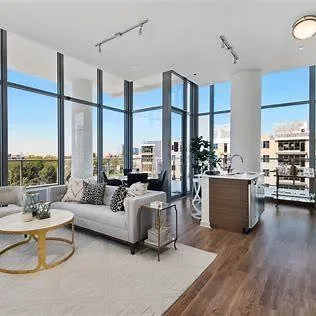
1. Why Even Luxury Homes Are at Risk of Mold
At first glance, luxury condominiums and upscale homes appear to be clean, modern, and well-maintained. However, these properties are not immune to mold growth. In fact, their tightly sealed, highly insulated structures can make them more vulnerable to moisture buildup, which is the root cause of mold. Even with premium finishes and high-end amenities, if humidity is not properly managed, mold can spread unnoticed behind walls, floors, or furniture. In this section, we explore two main reasons why mold can thrive even in luxury residences.
1-1. Moisture Risks in Airtight, Highly Insulated Structures
Modern luxury homes are often built using airtight and high-insulation construction techniques to improve energy efficiency and comfort. While this helps maintain a stable indoor climate, it also traps air — and with it, moisture — inside the building. Without proper ventilation, this creates a humid environment where mold can flourish. In colder seasons, temperature differences between indoor air and external surfaces often lead to condensation, particularly on windows, behind walls, and inside closets. Because these areas are rarely checked, mold can spread significantly before it becomes visible. Ironically, the very features that make luxury homes comfortable can also create hidden risks for mold growth.
1-2. Invisible Condensation and Ventilation Limits Caused by Premium Materials
Luxury properties typically feature high-end materials like natural wood, stone, and fabric-covered walls that are aesthetically pleasing but can also absorb and retain moisture. Additionally, soundproofing and design features that limit airflow can unintentionally trap humidity in hidden corners and behind fixtures. For example, custom-built closets or wall panels with little airflow can become mold hotspots. Furthermore, tight-fitting furniture placed directly against walls may block air circulation, increasing the chance of condensation and mold. These factors highlight how design choices in high-end homes — while visually stunning — can sometimes create the perfect environment for mold to take hold without early warning signs.
2. Everyday Practices to Prevent Mold: Humidity, Ventilation & Furniture Layout
To prevent mold in luxury homes and high-end condos, proper daily management is essential. No matter how advanced the design or materials may be, habits that trap moisture indoors can quickly lead to mold problems. In this section, we’ll explore how to effectively manage humidity, enhance airflow, and make smart layout choices to keep mold at bay.
2-1. Ideal Indoor Humidity Levels and Monitoring Methods
Mold tends to thrive when indoor humidity exceeds 60%, and it becomes particularly active in humid seasons or during winter when heating systems dry out the air unevenly. The ideal indoor humidity level is between 40% and 60%. Monitoring humidity in each room is crucial, especially in areas like closets, bathrooms, and bedrooms where air tends to stagnate. Placing a hygrometer (humidity gauge) in each major area of the home allows residents to stay aware of changing conditions. If using a humidifier, it’s essential to balance it with real-time readings to avoid over-humidifying the space. On high-humidity days, using a dehumidifier or air conditioner’s dehumidifying mode can significantly reduce mold risks.
2-2. Improving Airflow Through 24/7 Ventilation and Layout Design
Many luxury residences come equipped with 24-hour ventilation systems, yet they’re often underutilized. Turning off the system or neglecting to clean its filters can cause stale, moist air to build up. For optimal performance, the system should remain on at all times, and filters should be cleaned or replaced every few months. It’s also important to ensure that furniture or curtains aren’t obstructing air vents. Additionally, daily habits like opening windows after showers or cooking, even for a short time, can rapidly reduce moisture levels. In bathrooms or toilets without windows, keeping the ventilation fan running longer is an effective countermeasure. Good airflow throughout the entire space plays a vital role in mold prevention.
3. Anti-Mold Renovation by Area: Strengthening Critical Points
When dealing with mold in luxury properties, routine cleaning alone is often not enough. Especially in older high-end residences or luxury condos with years of use, mold can accumulate in hidden areas. In such cases, renovation is an effective way to not only eliminate the mold but also strengthen the home’s resistance to future growth. This section explains how targeted renovations in specific areas like walls, ceilings, and windows can drastically improve mold resistance.
3-1. Wall, Ceiling, and Wallpaper Material Choices and Mold-Resistant Paint
Walls and ceilings are common sites of hidden mold growth, particularly behind wallpaper where moisture can become trapped. In anti-mold renovations, it’s crucial to first assess the condition of existing materials and replace them with mold-resistant options when necessary. Mold-resistant wallpaper (or wall coverings) often includes moisture-absorbing or humidity-regulating properties. For painted surfaces, using specialized mold-resistant paint can prevent future outbreaks while maintaining a clean appearance. These coatings contain anti-fungal agents that remain effective over time. Choosing the right materials from the outset plays a major role in long-term mold prevention.
3-2. Window and Insulation Upgrades to Reduce Condensation
Large glass windows and sleek aluminum frames are common features in luxury homes, but they are also prime spots for condensation — a major cause of mold. Upgrading to double- or triple-glazed windows with enhanced insulation can significantly reduce temperature differences that cause condensation. Installing secondary (interior) windows is another highly effective solution for boosting insulation. Around the window frames, applying anti-mold sealants helps block moisture from seeping into gaps. These renovations not only improve energy efficiency but also reduce the chances of mold forming on walls, floors, and frames near windows. Combined with improved ventilation, they offer a powerful defense against mold in moisture-prone areas.
4. Professional Mold Removal and Advanced Prevention Techniques
In luxury residences, dealing with mold requires more than just standard cleaning methods. Preserving delicate finishes, maintaining aesthetics, and ensuring long-term protection are key priorities. That’s why partnering with professional mold specialists who offer advanced, non-damaging methods is essential. In this section, we introduce effective mold removal techniques and cutting-edge prevention methods used specifically for high-end homes.
4-1. Non-Invasive Methods Like the MIST System for Delicate Materials
One of the most effective modern approaches to mold remediation is non-invasive removal using the MIST System®, a technology designed to preserve delicate materials while eliminating mold thoroughly. Unlike traditional scraping or scrubbing methods, the MIST System uses fine mist sprays of specially formulated agents that penetrate deep into surfaces. The formula is customized based on the type of mold and the material it’s affecting, ensuring maximum effectiveness without damaging finishes such as wood, stone, or wallpaper. Additionally, the MIST treatment neutralizes airborne mold spores, helping to purify the entire indoor environment — not just the visible areas.
4-2. Long-Term Defense with Anti-Mold Coatings and Antimicrobial Treatments
Removing mold is only half the battle; preventing it from returning is equally important. That’s where anti-mold coatings come in. These treatments are applied to surfaces like walls, ceilings, floors, and cabinetry to create a protective barrier that resists future mold growth. Some advanced products even release antimicrobial agents into the air to neutralize airborne spores before they settle. When paired with a method like the MIST System, these coatings significantly extend the mold-free lifespan of your interior. Regular inspections and light maintenance following treatment can further boost durability and long-term effectiveness, making them ideal for maintaining the pristine condition of luxury homes.

5. Maintenance Strategies for Luxury Rentals and Investment Properties
In luxury rental properties and high-end investment real estate, tenant satisfaction and long-term asset value are top priorities. Mold issues can quickly lead to complaints, vacancy risks, and property devaluation. Therefore, implementing both proactive and preventive maintenance strategies is critical. In this section, we’ll explore effective approaches for managing tenant relationships and maintaining property quality.
5-1. Educating Tenants on Humidity Control and Mold Prevention
Tenants in luxury properties often have high expectations regarding comfort and cleanliness — and they may not be aware that daily habits can contribute to mold growth. Common issues include poor ventilation, excessive humidifier use, and placing furniture too close to walls. That’s why it’s essential to provide tenants with clear guidance on mold prevention during move-in. Educating them on proper ventilation techniques, recommended humidity levels, and smart furniture placement can go a long way in avoiding problems. Offering printed or digital “Mold Prevention Guides” and seasonal reminders further enhances cooperation and reduces the risk of mold-related issues.
5-2. Scheduled Inspections and Contractor Guarantees to Preserve Asset Value
For landlords and property managers, routine inspections are key to detecting hidden mold issues before they escalate. Annual or biannual property check-ups help identify problem areas such as bathroom walls, closets, underfloor spaces, and behind built-in furniture. Engaging professional mold remediation services with strong warranties is also crucial — particularly for high-value properties. Contractors who offer long-term anti-mold protection and back their work with service guarantees provide peace of mind and financial protection. Proactive maintenance not only builds tenant trust but also reduces long-term repair costs, helping preserve the prestige and value of the investment.
6. Case Studies of Successful Renovations and Mold Control
Even when the importance of mold control is understood, it can be difficult to visualize what an effective renovation or treatment plan looks like in practice. In this section, we’ll introduce real-world examples of mold remediation and renovation in luxury properties. These case studies demonstrate how combining technical expertise with strategic upgrades leads to long-lasting, mold-free environments.
6-1. Renovation Example from a Luxury Condo with Mold Remediation
In a 12-year-old luxury condominium located in Minato Ward, Tokyo, mold was discovered inside a closet, spreading to clothes and storage boxes. Investigation revealed that poor insulation and tightly placed furniture had created a pocket of trapped moisture. The renovation began with replacing outdated insulation materials with high-performance options. Mold-resistant wallpaper was installed, and the MIST System® was used to thoroughly eliminate hidden mold within the wall. A mold-resistant treatment was applied afterward to prevent recurrence. As a result, no further mold has been reported, and the indoor air quality improved noticeably. This case highlights the value of addressing both the source of the moisture and implementing long-term mold prevention strategies.
6-2. Typical Costs and Strategic Planning for Effective Implementation
The cost of anti-mold renovation varies depending on the area and technology used. For instance, using the MIST System® can cost approximately ¥20,000–¥30,000 per square meter, and full-scale renovation projects can run into the hundreds of thousands of yen. While these costs may seem high initially, they are significantly lower than the potential damage caused by mold left untreated — which may include replacing structural materials or dealing with tenant complaints. Strategic planning involves assessing the specific risk areas of your property, prioritizing rooms with past mold issues, and scheduling work in phases if necessary. This ensures effective, budget-conscious implementation while maintaining the value and safety of the property.
7. Summary and How to Choose the Right Contractor
Mold issues in luxury homes and condos are often hidden behind walls, ceilings, or within ventilation systems, making early detection and professional intervention essential. Success in mold prevention and remediation hinges not only on timing but also on choosing the right contractor. In this final section, we summarize the key takeaways and provide practical advice on selecting a trusted specialist.
7-1. What to Check: Methods, Safety, Guarantees, and Track Record
When choosing a mold remediation contractor for a high-end property, it’s crucial to understand the techniques they use. Are the methods non-invasive? Do they protect delicate materials like wood or stone? Technologies like the MIST System® are highly recommended for luxury properties due to their gentle yet powerful approach. It’s also important to confirm whether the contractor provides post-treatment guarantees — and what those guarantees cover. Ask detailed questions about warranty periods, reapplication policies, and follow-up services. Finally, review their past work. A contractor with experience handling luxury interiors or heritage homes is more likely to deliver results without compromising aesthetics or structure.
7-2. Benefits of Early Detection and Fast Response
The longer mold is left unaddressed, the more damage it can cause — both to materials and to indoor air quality. Early detection allows for simpler treatments and reduces the need for major renovations. Signs like musty odors, discolored wallpaper, or condensation around windows should never be ignored. Consulting a specialist at the first sign of trouble can prevent the problem from spreading. Additionally, establishing a schedule for routine inspections helps detect potential risks before they escalate. In mold prevention, acting before the problem appears — not after — is the most effective strategy to maintain a clean, safe, and valuable home.
Mold Control and Renovation Solutions by Mold Busters Osaka & Mold Reform Tokyo/Nagoya
For high-end residences and luxury investment properties
When it comes to professional mold control for premium homes and luxury condominiums, Mold Busters Osaka and Mold Reform Tokyo/Nagoya provide specialized services tailored to the unique demands of upscale environments. Operated by Taiko Kensou Co., Ltd., our teams offer a rare combination of advanced mold remediation techniques and comprehensive renovation capabilities — all handled seamlessly under one roof.
Unlike standard contractors, we don’t just treat visible mold — we address the underlying causes while preserving the value and beauty of your home. By integrating both mold treatment and renovation into a single streamlined process, we eliminate the need for separate vendors, reduce delays, and ensure consistently high-quality results.
Our renovation services include:
Repair and restoration of mold-affected areas with high-end finishes
Structural improvements to enhance insulation and airflow
Mold-resistant remodeling of bathrooms, kitchens, and utility spaces
Custom interior renovations using elegant and durable materials
Long-term maintenance solutions for rental and investment properties
We also apply our proprietary MIST System®, a non-invasive technique that penetrates deep into materials like wood, wallpaper, and stone without causing damage. This method targets mold at its root while maintaining a safe, chemical-conscious environment — ideal for families, seniors, or sensitive occupants. Once remediation is complete, we follow with anti-mold coatings and preventive treatments to ensure long-lasting protection.
Initial property assessments and consultations are available upon request, allowing us to evaluate your building’s unique conditions and provide tailored recommendations. If you value a clean, healthy, and visually uncompromised living space, our team is ready to support your mold prevention and renovation needs with precision and care.
---------------------------------------------------------------------
カビ取リフォーム
東京営業所
〒141-0022
東京都品川区東五反田2-5-2 YHE CASK GOTANDA6階
電話番号:090-8321-4408
名古屋本社
〒465-0028
愛知県名古屋市名東区猪高台1-1301 タイコウビル1F
電話番号 : 0120-588-766
サイト:https://taikou-kensou.co.jp/
大阪営業所
〒532-0003
大阪府大阪市淀川区宮原1-19-23
電話番号:080-6978-3068
カビバスターズ大阪
https://kabibusters-osaka.com/
【検査機関】
一般社団法人微生物対策協会
https://kabikensa.com/
----------------------------------------------------------------------