The Complete Guide to Moisture and Mold Prevention: Habits for Keeping Wet Areas Clean
2025/10/10
Thank you for visiting our blog today.
“I keep finding mold in the bathroom, sink, and washbasin—and I can’t keep up with the cleaning.” “No matter how often I remove it, it just comes back.”
These are common and serious concerns for many households. Wet areas in particular are the perfect environment for mold, as they combine moisture, dirt, and warmth—all ideal for mold growth.
By reading this article, you’ll gain a clear understanding of how mold forms in wet areas, what to watch out for in specific locations, everyday prevention techniques, effective methods for removing stubborn mold, and how to keep it from coming back.
With the right knowledge and practical solutions, you can finally break the cycle of “remove mold → it returns” and keep your bathrooms, kitchens, and sinks clean, dry, and comfortable. You’ll also find that your daily cleaning routine becomes much easier and less stressful.
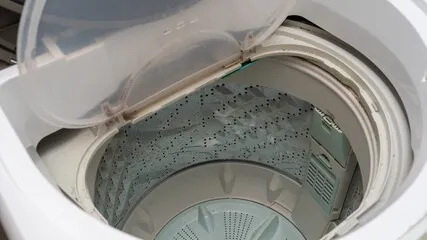
1. What Causes Mold to Grow in Wet Areas?
Kitchens, bathrooms, and washbasins are some of the most common places in the home where mold tends to appear. The reason is simple: these areas provide all three key conditions that mold thrives on—humidity, warmth, and nutrients.
In this section, we’ll clearly explain the main causes of mold growth in wet areas from three essential perspectives.
1‑1. Humidity and Temperature: The Ideal Conditions for Mold Growth
Mold thrives in environments where the humidity exceeds 70% and the temperature ranges between 20–30°C (68–86°F). These conditions are easily met in Japanese homes—especially in wet areas such as bathrooms and washrooms.After taking a bath, steam often lingers in the room. During cooking, vapor is released. Even splashes from handwashing can accumulate. If this moisture is left unaddressed, it creates prolonged periods of high humidity. Without adequate ventilation, this damp environment becomes the perfect breeding ground for mold.
1‑2. Presence of Nutrients: Soap Scum, Grease, and Dirt
Mold spores are constantly floating in the air, and when they land on a surface with organic matter, they begin to grow. Wet areas are full of nutrients mold can feed on—soap residue, skin oils, grease from cooking, and general grime.
These substances tend to build up on bathroom walls and floors, around kitchen sinks, and especially in drains. Even if the dirt isn't visible, it's often enough to support mold growth. That’s why regular cleaning, even of seemingly clean areas, is essential for prevention.
1‑3. Poor Ventilation, Inadequate Drying, and Condensation
One of the most overlooked issues in wet areas is the lack of drying habits. For example, shutting the bathroom door right after use or turning off the exhaust fan too soon can trap moisture inside. In winter, condensation from temperature differences causes windows and walls to become wet—creating even more surfaces for mold to take hold.
Ensuring proper ventilation, using dehumidifiers or air circulators when necessary, and maintaining a dry environment are critical steps in preventing mold from forming.
2. Mold Characteristics and Risk Areas by Location
Although we often refer to “wet areas” as a single category, the conditions and mold-prone spots vary depending on the location—bathrooms, kitchens, washbasins, and toilets each have their own unique characteristics. By understanding the specific mold tendencies and high-risk points in each area, you can take more targeted and effective preventive measures.
2‑1. Bathroom: Walls, Caulking, Ceiling, and Underside of the Tub
The bathroom is arguably the most mold-prone area in any home. Key spots to watch include the tile joints, caulking, ceiling, and the space beneath the bathtub. Caulking around tile or wall panels tends to trap moisture and body oils, making it an ideal breeding ground for black mold.
The ceiling, often overlooked, is another high-risk area—steam rises and condenses, creating damp surfaces where mold can develop. In addition, the apron area beneath the bathtub usually has poor ventilation and remains dark and moist, making it especially vulnerable. Regular disassembly and cleaning of this area are highly recommended.
2‑2. Kitchen Sink Area: Sink Corners, Drain, and Rubber Gaskets
In the kitchen, mold commonly grows around the sink and drain area. Food scraps and oil splatter from cooking combine with moisture to create a mold-friendly environment. Mold tends to form in corners of the sink, inside the drain, and behind rubber gaskets, where grime easily accumulates.
Other frequently overlooked spots include under dish racks and around sponges, where moisture tends to linger. To prevent mold from spreading, daily cleaning and thorough drying are essential.
2‑3. Washroom & Toilet: Basin, Wall Surfaces, and Around Mirrors
Washrooms and toilets are also susceptible to mold due to frequent splashing and high humidity. Problem areas include the edges of the sink, drain openings, puddles beneath mirrors, and corners of wall surfaces. If wallpaper or wood is used in these areas, mold can penetrate deep into the materials, making it difficult to remove once it appears.
In toilets, moisture tends to collect around bidet nozzles and beneath the rim of the bowl. Regular cleaning and disinfection of these hidden spots play a crucial role in keeping mold at bay.
3. Everyday Mold Prevention Tips
Mold in wet areas can be significantly reduced through simple daily habits. You don’t need special tools—just a small shift in how you care for your bathroom, kitchen, or sink after each use can make a big difference in preventing mold.
In this section, we’ll introduce practical and effective mold prevention tips that you can easily incorporate into your everyday routine.
3‑1. Wipe Down Surfaces After Use: A Simple Yet Powerful Habit
One of the most effective ways to prevent mold is to remove moisture immediately after using wet areas like the bathroom, washroom, or kitchen.
For example, after a bath or shower, use a squeegee to remove water from walls and floors, and wipe down faucets and shelves with a dry towel.
In the kitchen or washbasin, quickly wiping off splashes or water droplets helps prevent lingering humidity.
This small extra step of “leaving no moisture behind” is one of the easiest and most effective ways to keep your space clean and mold-free.
3‑2. Ventilation and Dehumidification: Make the Most of Fans, Windows, and Dehumidifiers
Proper ventilation is crucial for keeping moisture levels under control.
Bathroom, kitchen, and washroom fans should be run not just during use, but for some time afterward to clear out residual humidity.
Opening windows to create airflow is also very effective.
In more humid seasons or rooms with limited ventilation, using a dehumidifier or air circulator can help remove moisture efficiently.
Aim to maintain indoor humidity at 50–60% or lower to prevent mold growth.
3‑3. Reduce Clutter and Use Floating Storage Solutions
Clutter in wet areas can trap moisture and become a breeding ground for mold.
For example, shampoo bottles placed directly on the bathroom floor or storage boxes sitting in corners of the washroom can collect water underneath—ideal spots for mold.
To prevent this, try minimizing items and switching to wall-mounted or hanging storage to improve airflow and make cleaning easier.
Keeping the floor clear and avoiding tight corners helps eliminate the hidden damp spots where mold likes to grow.
4. How to Remove Mold When It Appears
No matter how carefully you try to prevent it, mold can still appear over time in wet areas that are used frequently. When that happens, it's important to remove it safely and effectively using methods appropriate for the surface or material.
In this section, we’ll explain some of the most common and practical mold removal techniques you can use at home, along with important tips and precautions to keep in mind during the process.
4‑1. Using Chlorine-Based Bleach and Sodium Hypochlorite: How to Apply and What to Watch Out For
For stubborn black mold, chlorine-based bleach or sodium hypochlorite is a common and effective solution. These are especially useful for rubber gaskets and caulking in bathrooms, and spray-type mold removers are widely available.
When using these products, it is essential to ensure proper ventilation and wear rubber gloves and a mask. Never mix with acidic cleaners, as this can release toxic gas.
For best results, spray the affected area, let it sit for a while, and then rinse thoroughly with water. However, be careful not to overuse it—these chemicals can damage materials if used too frequently or in large quantities.
4‑2. Natural Alternatives: Citric Acid, Baking Soda, and Sodium Percarbonate
For a more eco-friendly approach, many people turn to citric acid, baking soda, and sodium percarbonate.
Citric acid works well on light mold and water stains—just spray, wait a bit, and wipe off. Baking soda is great for kitchens, as it removes both grease and the organic matter mold feeds on.
Sodium percarbonate releases oxygen bubbles that lift grime and disinfect surfaces, making it ideal for sinks and drains.
These methods are gentle on materials and require little scrubbing, making them perfect for regular maintenance.
4‑3. Material-Specific Cautions: Rubber, Silicone, Tile, and Wood
When removing mold, it’s crucial to consider how different materials react. For instance, rubber gaskets can be damaged by chlorine bleach, leading to cracking or discoloration with overuse. Silicone can also deteriorate over time if exposed repeatedly.
Tile and porcelain surfaces are generally more durable, but be cautious with grout lines and small crevices.
Wood, however, requires special care. Because it absorbs moisture, mold can penetrate deeply into the material, not just the surface. Treatment must take this into account to prevent regrowth.
Choosing the right method for each material is key to effective mold removal and long-term prevention.
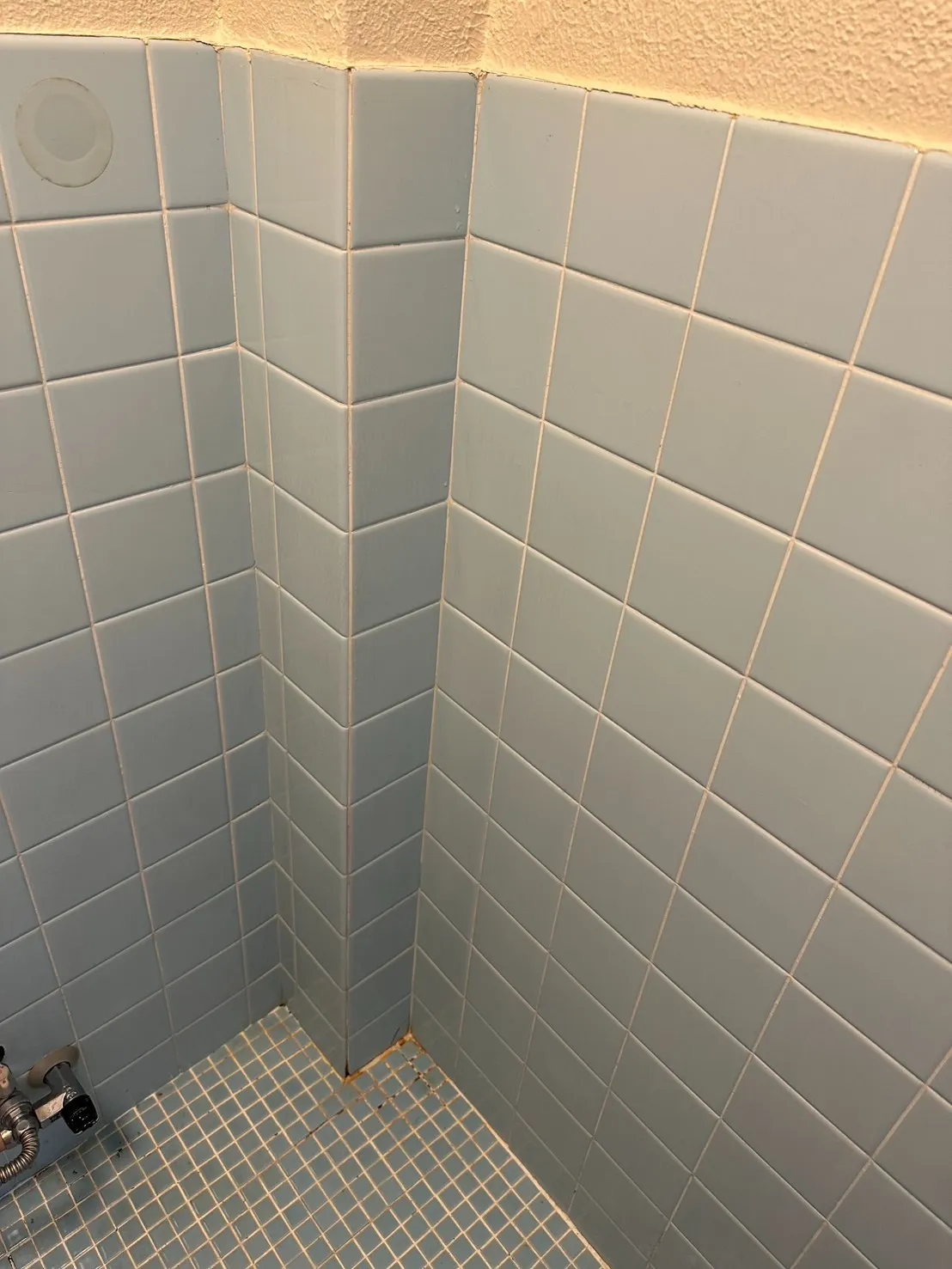
5. Strategies to Prevent Mold from Coming Back & Long-Term Anti-Mold Treatments
Even after removing mold, it can quickly return if the environment remains unchanged. To avoid facing the same problem again, it's important to take preventive measures that address mold at its source.
In this section, we’ll introduce effective anti-mold treatments and daily habits that help stop mold from coming back.
5‑1. Choosing Between Anti-Mold Sprays and Coating Agents
To effectively prevent mold, using commercial anti-mold sprays or coating products can be very helpful. Spray types are easy to apply over wide areas like walls and ceilings, and they can inhibit mold growth for several weeks to months after application.
Coating agents form a long-lasting protective barrier that repels moisture and dirt, making them ideal for grout lines and rubber seals in bathrooms and kitchens—areas where mold commonly develops.
These products not only enhance daily cleaning but also increase overall mold resistance. Since each product differs in terms of longevity and compatible surfaces, it’s important to choose the right one based on your specific needs.
5‑2. Regular Maintenance: Weekly and Monthly Checks
Regular inspections and light maintenance play a key role in mold prevention. For example, doing a quick check of bathroom walls and drains once a week and wiping away any early signs of mold can make a big difference.
Once a month, inspect hard-to-see areas like behind the bathtub apron or inside the exhaust fan filter. Cleaning these hidden spots helps eliminate mold before it has a chance to spread.
Turning these checks into a regular habit can reduce the need for major cleaning efforts and significantly lower the risk of mold recurrence.
5‑3. Automate Ventilation and Humidity Control
To consistently prevent mold, it's ideal to automate your home’s ventilation and humidity management.
For example, setting the bathroom fan on a timer to run 1–2 hours after use, or running a dehumidifier on auto mode, ensures your environment stays dry without constant attention.
Installing a hygrometer to monitor humidity levels makes it easier to spot high humidity and take immediate action.
When you’re able to respond quickly to rising moisture levels, your chances of mold returning dropdramatically.
6. Seasonal Tips for Mold Prevention
Mold in wet areas can appear year-round, but the timing and type of precautions you should take vary by season.
Especially during periods of sharp changes in humidity and temperature, your usual routine may not be enough to keep mold away.
In this section, we’ll highlight key mold prevention tips tailored to each season—spring, summer, fall, and winter.
6‑1. Rainy Season & Summer: Strengthen Moisture Control During Humid Months
The rainy season through summer is the time of year when mold spreads the fastest.
With consistently high humidity and temperatures ranging from 25–30°C (77–86°F), mold can grow rapidly if left unchecked.
During this season, thorough ventilation is essential—leave bathroom and washroom doors open, use dehumidifiers regularly, and actively monitor humidity levels.
Also, apply anti-mold sprays more frequently during this time to prevent outbreaks.
Be sure to check hidden areas like inside washing machines and under-sink cabinets, where mold can quietly take hold.
6‑2. Winter: Balancing Heating and Ventilation
Winter may feel dry, but condensation in wet areas makes it a high-risk season for mold.
Heating creates a strong temperature difference between indoors and outdoors, leading to condensation on windows and walls, which can foster mold if left unaddressed.
To combat this, ensure regular ventilation and promptly wipe down any condensation you find.
If you use a humidifier, monitor it carefully with a hygrometer to avoid excessive humidity.
Although cleaning in winter can be unappealing due to the cold, frequent checks and light cleaning are key to preventing mold recurrence.
6‑3. Typhoon & Rainy Periods: Keep Air Flowing and Surfaces Dry
During typhoons or prolonged rainy seasons, it's harder to ventilate, and outdoor humidity can seep indoors.
It’s often impractical to open windows in wet weather, which limits air circulation.
Use dehumidifiers or air circulators to keep the air moving and reduce trapped moisture.
If rain enters the home and wets the floor or walls, wipe it up immediately and use a fan or hairdryer to ensure complete drying.
Also, regularly inspect hidden storage areas, like closets and underfloor compartments, to check for any trapped humidity.
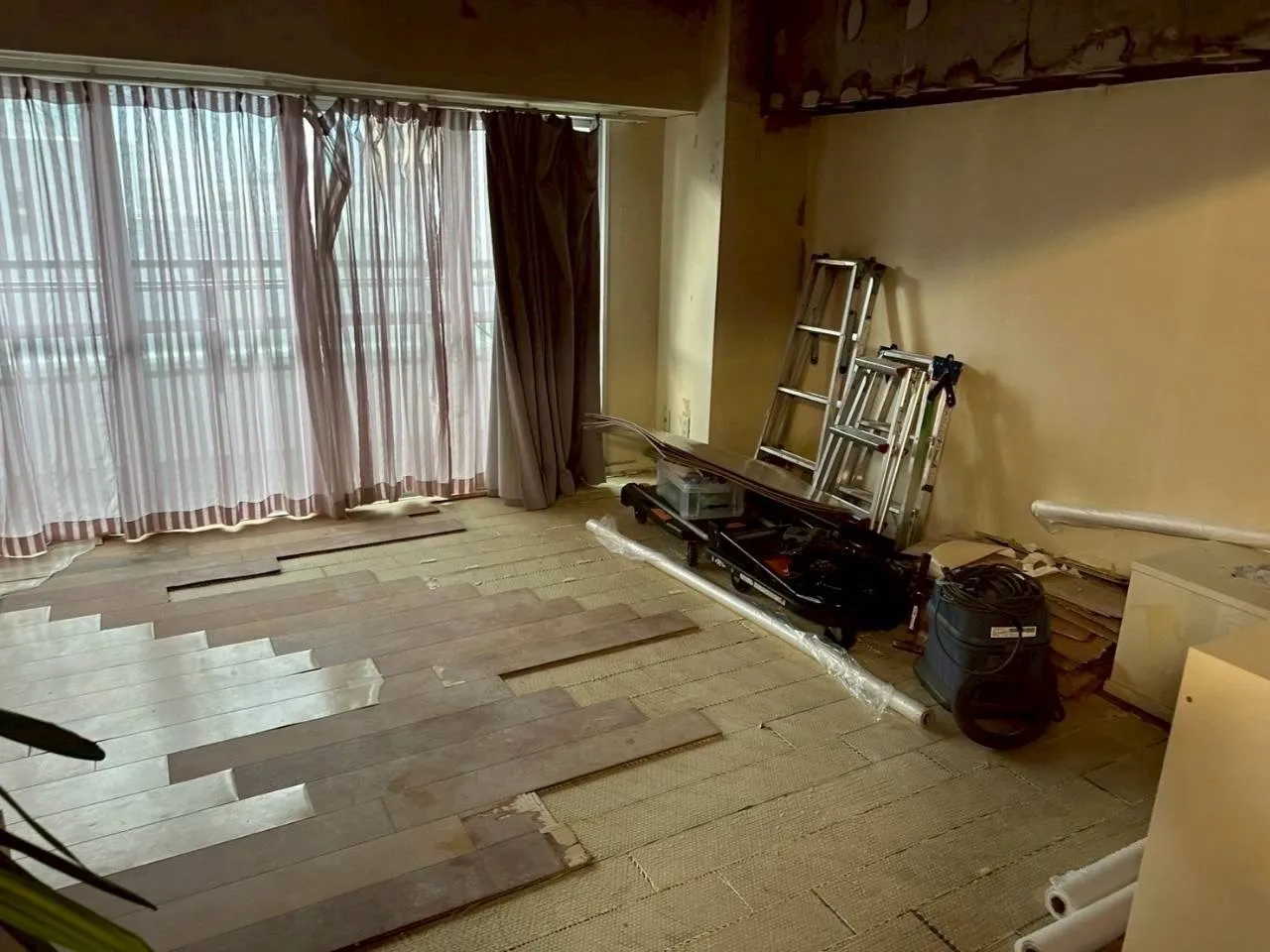
For Mold Removal and Prevention, Trust Kabi-Tori Reform Tokyo & Nagoya and Kabi Busters Osaka.
Troubled by mold in wet areas that just keeps coming back no matter how often you clean? Please leave it to Kabi Busters Osaka and Kabi‑Tori Reform Tokyo & Nagoya. We use a proprietary removal technique called MIST Method®, one of the few specialist services capable of removing mold safely and thoroughly without damaging materials.
The MIST Method® is tailored for each site: we carefully assess the type of mold and the condition of the substrate, then adjust our specialized agents accordingly. It works even on delicate materials such as wood, stone, and caulking. Our mold removers are proven safe for human exposure, so they’re suitable for homes with children or elderly residents. And because we perform anti-mold treatment in the same session, we greatly reduce the risk of recurrence.
The Advantage of Taikou Kensou: One-Stop for Mold Removal and Renovation
At Taikou Kensou Co., Ltd., we have both mold-removal specialists and renovation professionals on staff. That means you don’t have to hire separate contractors for mold removal and renovation. Usually, people would need one mold-removal company and another for remodeling, leading to cost and scheduling issues. We handle it all: from root mold removal to repairs of old wet-area plumbing, replacing wall or floor materials, upgrading ventilation, and more—with proposals that focus on preventing future mold problems.
About Taikou Kensou’s Renovation Business
Taikou Kensou is a comprehensive remodeling company that handles interiors for homes, apartments, and commercial facilities. We also work on exterior repairs, waterproofing, painting, and seismic reinforcement. In particular, for wet-area renovations (bathrooms, kitchens, washrooms, toilets), we handle full or partial remodeling, equipment replacement, barrier-free upgrades, storage improvements, and designs that respect the flow of daily life.
We also specialize in replacing walls or floors damaged by mold, giving priority to hygiene and long-term durability—not just aesthetics. When you consider remodeling after mold removal, we propose optimal plans that take the risk of recurrence into account.
For projects that require both mold removal and renovation handled by true professionals—that’s what Kabi Busters Osaka, Kabi‑Tori Reform Tokyo & Nagoya, and Taikou Kensou deliver. Feel free to reach out for a consultation. We are committed to helping you keep your living environment clean, comfortable, and reliable for the long term.
---------------------------------------------------------------------
カビ取リフォーム
東京営業所
〒141-0022
東京都品川区東五反田2-5-2 YHE CASK GOTANDA6階
電話番号:090-8321-4408
名古屋本社
〒465-0028
愛知県名古屋市名東区猪高台1-1301 タイコウビル1F
電話番号 : 0120-588-766
サイト:https://taikou-kensou.co.jp/
大阪営業所
〒532-0003
大阪府大阪市淀川区宮原1-19-23
電話番号:080-6978-3068
カビバスターズ大阪
https://kabibusters-osaka.com/
【検査機関】
一般社団法人微生物対策協会
https://kabikensa.com/
----------------------------------------------------------------------