"Complete Mold Solutions for Hotel Rooms and Bathrooms – Premium-Grade Prevention Techniques"
2025/10/09
Even with excellent service, the slightest hint of moldy odor or visible mildew in a hotel room can damage a guest's impression and lead to negative reviews. In luxury hotels, cleanliness isn't just expected—it's essential. Mold issues can directly threaten your brand value.
This article explains how mold grows in guest rooms and bathrooms, the causes of hidden mold odors, effective removal methods, advanced mold-proofing technologies for high-end hotels, and long-term prevention strategies.
By reading this guide, hotel managers will be equipped to reduce mold-related complaints and maintain a hygienic, comfortable environment. You'll learn how to invest wisely in long-lasting, safe mold treatments that align with your branding and operational goals.

1. Mold Risks and Odor Problems in Hotel Guest Rooms
Mold growth in hotel rooms isn’t just a matter of cleanliness—it’s a direct threat to guest satisfaction, brand perception, and revenue. Even in visually clean rooms, the presence of a musty odor can instantly trigger discomfort, impacting reviews and bookings. In this section, we explore the direct impact of mold and mold odor on hotel operations and customer perception.
1-1. How Mold and Odors Affect Review Scores
Cleanliness is one of the top criteria guests evaluate when rating their stay. Unfortunately, even if a room looks spotless, a lingering moldy smell can lead to perceptions of poor hygiene. Complaints such as “the room smells damp,” “the air conditioning smells bad,” or “the hotel feels old” are common signs that guests are picking up on mold presence—even if it's not visible. These negative impressions often result in low ratings on review platforms, which can lower the property’s overall score and deter future bookings. For hotels, especially those targeting premium guests, maintaining a fresh, odor-free environment is crucial to protecting their online reputation.
1-2. Mold as a Health and Sanitation Hazard
Beyond reviews and reputation, mold also presents real health risks. Guests with allergies, asthma, or weakened immune systems are especially vulnerable to symptoms caused by mold spores, such as sneezing, coughing, skin irritation, or breathing difficulties. In many cases, mold develops behind walls, under carpets, or within HVAC systems, silently spreading without being noticed until the damage is done. Should a guest fall ill or complain of symptoms linked to mold, hotels face not only service recovery costs but potential liability. To ensure a truly hygienic environment, addressing mold risks proactively is no longer optional—it’s essential.
2. Causes and Conditions of Mold Growth in Guest Rooms and Bathrooms
Hotel guest rooms and bathrooms create an ideal environment for mold to thrive due to factors like humidity, temperature, and limited ventilation. Even if surfaces appear clean, mold can grow in hidden areas or from unnoticed moisture buildup. This section outlines the key causes behind mold formation, helping facility managers identify and mitigate risks effectively.
2-1. Humidity, Condensation, and Steam as Key Factors
Mold thrives in high humidity—especially when levels exceed 60%. Bathrooms, in particular, generate significant moisture from showers and bathtubs, and if not properly ventilated, humidity can linger above 80% for extended periods. Additionally, condensation forms when warm indoor air meets cooler surfaces like windows or exterior walls, creating damp conditions where mold can easily take hold. Without sufficient drying time, surfaces like tiles, silicone joints, and grout lines become hotspots for mold growth.
2-2. Poor Ventilation, HVAC Systems, and Structural Issues
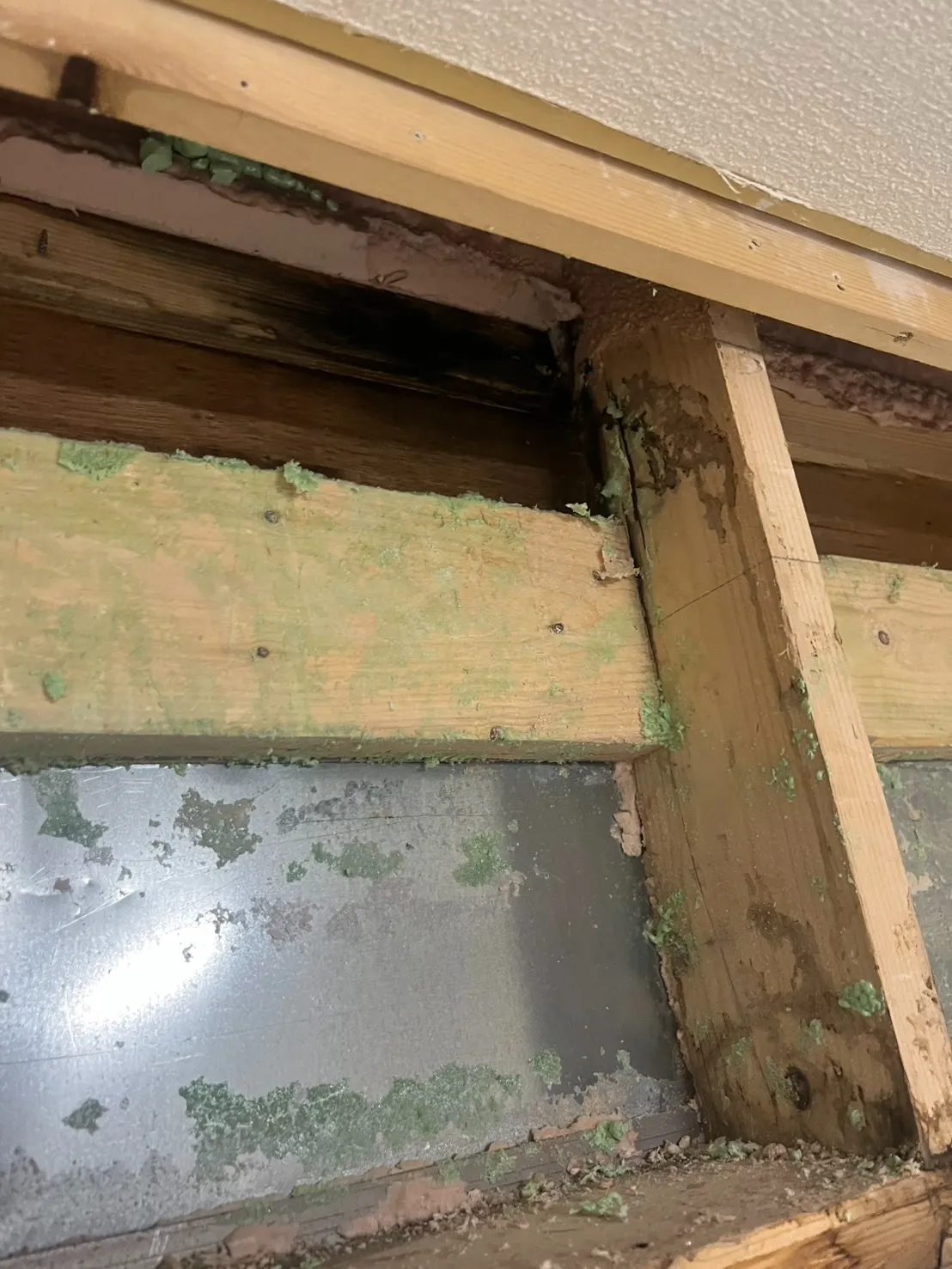
Modern hotel buildings are designed for energy efficiency, often making natural airflow limited. This lack of ventilation causes moisture to become trapped in rooms, especially in tight spaces like behind furniture or under beds. HVAC systems can also contribute to the problem—when filters or ducts collect dust and retain moisture, they can become breeding grounds for mold, spreading spores throughout multiple rooms. In some cases, structural flaws like insufficient insulation or improperly sealed gaps can lead to hidden condensation inside walls and ceilings, providing the perfect environment for mold.
2-3. Dirt, Body Oils, and Soap Scum as Nutrient Sources
Mold doesn’t only need moisture—it also feeds on organic material like dead skin cells, body oils, soap scum, and dust. These substances often accumulate in hard-to-clean areas such as bathroom corners, air vents, and around drains. Even in frequently cleaned spaces, residual buildup can provide enough nutrition for mold to begin colonizing. In luxury hotel environments where appearance is critical, even minor mold outbreaks can leave a lasting negative impression if not addressed promptly and thoroughly.
3. The Hidden Causes Behind Mold Odors
In hotels, one of the most troublesome issues is not visible mold but the persistent musty odor it produces. This odor often lingers even when no mold is seen, creating discomfort and damaging the perceived cleanliness of a room. These odors are caused by microscopic mold spores or volatile organic compounds (VOCs) released during mold metabolism. Understanding the sources of invisible mold is key to preventing both odors and further contamination.
3-1. Mold Growth in Hidden Piping and Wall Cavities
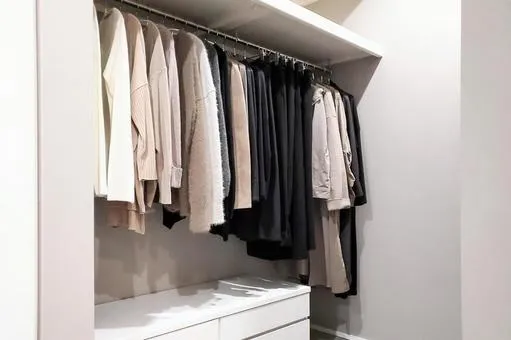
A major cause of mold odors is hidden growth behind walls, under flooring, or around plumbing systems. These are areas rarely accessed or visible during routine maintenance. For example, condensation around poorly insulated pipes or undetected water leaks can provide enough moisture for mold to thrive unnoticed. Similarly, behind headboards, wardrobes, or under carpets, moisture buildup may go undetected until guests begin to notice an unpleasant smell. In such cases, mold often spreads extensively before detection, potentially requiring costly renovations or structural remediation.
3-2. Mold Spread Through Air Conditioning Units and Ducts
Air conditioning systems are another common source of invisible mold and odors. When moisture accumulates in filters, coils, or ducts, mold can grow inside the units and release spores into the room with every use. This not only causes unpleasant smells but also spreads mold throughout multiple guest rooms if connected via central HVAC systems. As these areas are out of sight, regular visual inspections may not be enough. Without scheduled professional maintenance and internal cleaning, mold inside air systems can remain unnoticed until a widespread problem arises.
4. Effective Mold Removal Methods for Guest Rooms and Bathrooms
Once mold appears, swift action is essential to prevent it from spreading and becoming deeply rooted in walls, tiles, or air systems. In hospitality settings, timing and method matter. Whether you're managing a quick fix or organizing professional remediation, choosing the right approach for the situation can make all the difference. This section outlines mold removal strategies ranging from small-scale cleaning to advanced professional solutions.
4-1. DIY Techniques for Small-Scale Mold Issues
For limited mold spots—such as surface mold on bathroom tiles, window sills, or caulking—hotel cleaning staff can often handle removal with off-the-shelf products. Commercial mold cleaners or diluted bleach can be effective, but must be used with proper ventilation, gloves, and masks to avoid chemical exposure. Always test the solution on a discreet area first, as harsh agents may discolor or damage certain materials. After cleaning, ensuring the area is completely dry is crucial to prevent mold from returning. However, if the same spot keeps developing mold, it may indicate a deeper, unresolved moisture problem.
4-2. Cautions When Using Commercial-Grade Mold Removers
Industrial mold removal chemicals can deliver powerful results but carry significant risks if misused. Strong chemical agents may cause material degradation, discoloration, or even structural damage—especially on sensitive surfaces like wood, wallpaper, or silicone. Moreover, residual chemical odors can linger and affect guest comfort. To avoid such risks, it's essential to follow manufacturer instructions closely or consult professionals. Misapplication not only jeopardizes materials but can also trigger guest complaints related to air quality and safety.
4-3. Professional Mold Removal Procedures
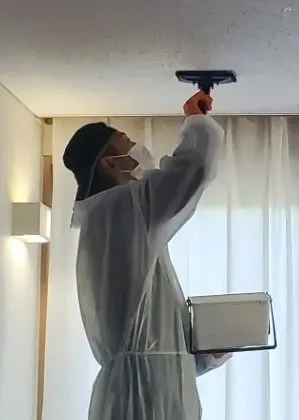
For widespread or recurring mold problems, professional intervention is strongly recommended. Mold remediation specialists conduct thorough inspections to identify the full extent of contamination—including hidden mold inside walls or ductwork. Advanced techniques like the MIST Method®, which uses custom-developed, non-abrasive cleaning agents, allow for deep mold breakdown without damaging surfaces. This makes it ideal for luxury accommodations, where maintaining material integrity is essential. Most professional services also include preventive coatings post-removal to inhibit mold regrowth, offering long-term protection and reducing future maintenance needs.
5. Advanced Mold Prevention for Luxury Hotels
In luxury hospitality, maintaining a pristine, odor-free, and visually flawless environment is a non-negotiable standard. Guests paying premium rates expect not only comfort but immaculate cleanliness—and that includes the total absence of mold or musty odors. To meet these expectations, advanced mold prevention solutions that are effective, long-lasting, and material-safe are essential. This section explores cutting-edge mold-proofing technologies suited for high-end facilities.
5-1. Coating Technologies: Photocatalysts, Antibacterial Paint, MIST Method
Modern mold prevention leverages innovative technologies beyond traditional cleaning. Photocatalytic coatings, which react to light to break down organic matter like mold, are increasingly used in humid areas such as bathrooms. Similarly, antimicrobial paints infused with silver or copper ions help inhibit microbial growth on walls and ceilings. However, one of the most effective solutions for delicate surfaces is the MIST Method®. This technique uses specially formulated agents tailored to the material, requiring no scrubbing or abrasion. It safely penetrates and eliminates mold while preserving the aesthetics and integrity of wood, wallpaper, and stone—making it ideal for luxury hotel interiors.
5-2. Ensuring Long-Term Effects and Safety Through Proper Materials
It’s not enough for an anti-mold treatment to work temporarily—it must be long-lasting. Facilities that experience high guest turnover need protection that endures without frequent reapplication. The MIST Method® includes a final anti-mold coating that significantly extends protection duration while remaining safe for humans and the environment. This is especially important for spaces used by children, the elderly, or individuals with respiratory sensitivities. Unlike harsh chemical treatments, MIST-certified agents have passed industrial safety tests and meet eco-conscious standards, making them suitable for even the most sensitive applications.
5-3. Balancing Aesthetic Appeal with Maintenance Efficiency
In luxury settings, mold prevention methods must never compromise interior design. Abrasive techniques or chemicals that damage textures or finishes are unacceptable. That's why non-invasive methods like the MIST Method® are preferred—they maintain the look and feel of high-end materials while effectively removing mold. Moreover, the simplicity of reapplication and minimal downtime makes it easier to incorporate into regular maintenance routines. For historic properties, boutique hotels, or designer suites, such non-destructive solutions are invaluable in preserving both form and function.
6. Key Points for Mold Reoccurrence Prevention and Daily Maintenance
Removing mold is only the first step—keeping it from coming back is the real challenge. In hotel environments where moisture, temperature changes, and high turnover are common, mold can easily return if daily maintenance routines aren’t optimized. To ensure lasting cleanliness and protect the guest experience, proactive environmental control and staff training are essential. This section outlines practical strategies for long-term mold prevention.
6-1. Ideal Humidity Control and Ventilation Practices
Humidity is the most critical factor in mold growth. To inhibit mold, indoor humidity levels should be maintained between 40% and 60%. In bathrooms and laundry areas, levels can spike above 80% after showers, making proper ventilation vital. Solutions include continuous use of exhaust fans, scheduled window ventilation, or installing dehumidifiers. Luxury hotels often utilize humidity sensors connected to smart HVAC systems, which automatically adjust airflow and moisture levels in real time. Monitoring and managing this balance is crucial for preventing both visible and hidden mold.
6-2. Cleaning Frequency, Procedures, and Checklists
Routine cleaning should target not only visible surfaces but also high-risk mold areas—such as tile joints, behind furniture, and air vents. Staff must be trained to identify early signs of mold and apply proper cleaning techniques. Regular refresher training and detailed cleaning checklists can help ensure consistency and reduce oversight. Special attention should be given to drying wet areas after cleaning. Leaving moisture behind—such as damp rags or wet floors—can quickly undo even the best cleaning efforts. Dryness is as important as cleanliness in mold control.
6-3. Establishing Periodic Inspections and Monitoring Systems
Beyond daily cleaning, scheduled inspections play a critical role in long-term prevention. Professional inspections every 6–12 months can detect hidden mold, structural moisture issues, or HVAC-related risks before they escalate. Additionally, incorporating environmental monitoring systems—such as IoT-based sensors for humidity, temperature, and air quality—provides real-time alerts when conditions become conducive to mold. This data can also support audit trails, allowing management to refine cleaning and maintenance strategies based on historical trends. A proactive, tech-assisted approach ensures comprehensive, future-proof mold prevention.
7. Real-World Implementation Cases and Success Stories
Understanding real-life applications of mold prevention solutions can help hotel managers make informed decisions. From improving guest reviews to increasing occupancy rates, successful implementation proves that proper mold control has measurable benefits. This section introduces actual cases where hotels overcame mold-related challenges and outlines the key factors behind their success.
7-1. Mold Control Case Studies in Japanese Hotels and Inns
At a mid-size urban hotel, repeated guest complaints about a “musty smell” led to a drop in online ratings—from 4.2 to 3.2 in just three months. After a full inspection, the facility applied the MIST Method® to treat air ducts and behind-wall spaces across all rooms. Within three months of treatment, odor-related complaints disappeared entirely, and review scores rebounded to 4.0. Guest satisfaction improved, and repeat bookings increased.
In another case, a historic luxury inn faced black mold issues on wooden bathroom surfaces. Standard cleaning methods risked damaging the wood, so the management opted for a non-abrasive MIST-based approach. The treatment preserved the original materials while eliminating mold at its source. Over a year later, the mold had not returned, and guests frequently commented on the fresh, clean atmosphere in reviews.
7-2. Key Success Factors and Cost-Effectiveness Analysis
These success stories share common elements: early detection, the right contractor selection, and ongoing post-treatment maintenance. Rather than masking the problem or using harsh chemicals, these hotels invested in precision-based mold removal and prevention tailored to their unique environments.
From a financial standpoint, while advanced methods like the MIST Method® require an initial investment, they significantly reduce long-term costs related to guest compensation, reputation damage, and frequent re-cleaning. For hospitality businesses, where revenue heavily depends on perception and online feedback, the return on investment is clear. Cleanliness sells—and mold-free environments lead to happier guests and stronger brand loyalty.
8. Handling Guest Complaints About Mold During Their Stay
Even with thorough mold prevention in place, complaints can still arise—especially related to odor, which is highly subjective. How a hotel responds to such issues can determine whether a guest leaves angry or becomes a loyal fan. This section highlights real-world examples of complaint handling and outlines best practices for turning negative situations into positive outcomes.
8-1. Immediate Response Process for Odor Complaints
At a mid-size hotel, a guest reported a “moldy smell” shortly after check-in. The front desk staff responded within minutes, arranging an immediate room change. Within 10 minutes, the guest was moved to a different room, and the original room was taken offline for inspection. The cleaning team identified a buildup in the AC filter, which was thoroughly cleaned and deodorized the same day.
Because of the swift, professional response, the guest left a positive review noting how seriously the issue was handled. The key to this success was a clear protocol: acknowledge the complaint, act quickly, explain the situation, and offer an alternative. This four-step process helps retain guest trust and protect reputation, even when issues arise.
8-2. Room Transfers, Compensation, and Regaining Guest Trust
In the case of a luxury hotel, a guest in a premium suite noticed a musty odor coming from the bathroom. Upon reporting it, the staff immediately upgraded the guest to a top-tier suite free of charge and followed up with a handwritten apology and a complimentary amenity package.
This high-touch response not only diffused the situation but left the guest impressed with the service level. Their review praised the staff's attentiveness and stated they would “absolutely return.” These types of gestures may seem costly, but they can actually boost customer satisfaction and drive repeat business. A mold issue might be a short-term problem, but thoughtful service can leave a long-lasting positive impression.
9. Pitfalls and Cautions When Implementing Mold Solutions
While mold prevention and removal are critical for hotel hygiene and reputation, improper methods or poor planning can lead to unintended consequences. Especially in high-end properties where materials are delicate and guest expectations are high, selecting the wrong approach may cause more harm than good. This section outlines common pitfalls to avoid and important considerations when implementing mold control solutions.
9-1. Material Damage Risk from Improper Chemicals or Techniques
Not all mold removal products are safe for every surface. Using the wrong chemical—especially strong chlorine-based agents—can discolor wallpaper, corrode wood, or damage bathroom sealants. This is especially risky in luxury hotels where interior finishes are custom-made or costly to replace. Additionally, some cleaning services rely on abrasive methods like scrubbing or sanding, which can permanently damage surfaces.
For this reason, any mold treatment plan must begin with a careful inspection and material assessment. Methods such as the MIST Method®, which rely on custom-formulated, non-abrasive agents, are ideal for protecting sensitive finishes. These solutions clean deeply while preserving the original look and texture of materials, making them particularly suited for upscale properties.
9-2. Safety Standards, Regulatory Compliance, and Eco-Friendly Measures
Chemical use also raises concerns about guest safety and environmental compliance. Some mold treatments leave behind strong odors or residues that may cause allergic reactions or respiratory discomfort—especially in children, the elderly, or sensitive individuals. Using unregulated products or skipping post-treatment ventilation can result in guest complaints or even legal liability.
Modern mold control must meet both performance and sustainability standards. Products should be tested for safety, biodegradable where possible, and free from harmful volatile organic compounds (VOCs). Professional service providers must understand local regulations, health codes, and environmental best practices. Choosing a contractor with proven safety protocols and certifications is essential to ensuring long-term success without unintended side effects.
10. Future Trends and Industry Recommendations for Hotels
As public awareness of hygiene continues to rise, hotels must evolve beyond traditional cleaning. Mold control is no longer just a behind-the-scenes concern—it’s a critical part of maintaining a trustworthy, premium guest experience. To stay competitive, the industry must adopt forward-thinking strategies that prioritize prevention, safety, and sustainability. This section explores emerging trends and practical recommendations for modern hotel operators.
10-1. IoT and Sensors for Humidity Monitoring and Predictive Control
The use of IoT-based environmental monitoring is growing rapidly in hospitality. Smart sensors that track room temperature, humidity, and air quality in real time can alert staff when conditions are ripe for mold growth. For example, if a bathroom’s humidity remains above 70% for a prolonged period, the system can trigger alerts or automatically activate ventilation.
This approach not only helps prevent mold before it forms, but also improves maintenance efficiency and reduces labor costs. Over time, recorded data can help identify patterns—such as which rooms are most prone to mold—and guide targeted upgrades or insulation improvements. This predictive, tech-enabled method is key to future-proofing hotel facilities.
10-2. Mold Prevention as Part of ESG and Sustainability Strategies
Today’s guests are increasingly eco-conscious, and corporate responsibility matters more than ever. That’s why mold prevention must also align with Environmental, Social, and Governance (ESG) initiatives. Using low-impact, non-toxic, and biodegradable mold treatments shows a commitment to guest health and environmental protection.
Hotels housed in historical or culturally significant buildings must also balance preservation with hygiene. Non-invasive solutions like the MIST Method® allow these properties to control mold without damaging valuable architecture or décor. Highlighting such sustainable and safe maintenance practices can enhance brand image, support ESG goals, and attract modern travelers who value both cleanliness and conscience.
For Mold Removal and Renovation, Trust Taikou Kensou Co., Ltd.
If your hotel or lodging facility is facing both mold problems and aging infrastructure, Taikou Kensou Co., Ltd. offers the ideal one-stop solution. Through our specialized services—Kabi Busters Osaka and Kabi Reform Tokyo & Nagoya—we provide comprehensive mold removal and renovation services in one streamlined process.
Our proprietary MIST Method® is a highly advanced mold removal technique that targets deep-rooted mold without damaging sensitive materials such as wood, wallpaper, or stone. Unlike traditional methods that involve scrubbing or harsh chemicals, MIST uses specially developed agents that decompose mold at the root while remaining safe for human health and the environment. It is ideal for premium hotels and historically significant buildings that require both cleanliness and preservation.
But we don’t stop at mold. As a licensed and experienced construction firm, Taikou Kensou Co., Ltd. also specializes in high-quality renovation projects. From full-scale bathroom remodels and guestroom upgrades to waterproofing and interior design, we elevate your facility’s overall value. Our ability to combine mold remediation with structural renovation allows us to efficiently address both hygiene and functionality—saving you time, cost, and coordination.
If you’re seeking a long-term solution that goes beyond cleaning—one that protects your reputation, enhances guest comfort, and upgrades your facility’s appeal—look no further. Kabi Busters Osaka and Kabi Reform Tokyo & Nagoya are here to help. Contact us today for a free on-site consultation and discover how we can restore both cleanliness and beauty to your property.
---------------------------------------------------------------------
カビ取リフォーム
東京営業所
〒141-0022
東京都品川区東五反田2-5-2 YHE CASK GOTANDA6階
電話番号:090-8321-4408
名古屋本社
〒465-0028
愛知県名古屋市名東区猪高台1-1301 タイコウビル1F
電話番号 : 0120-588-766
サイト:https://taikou-kensou.co.jp/
大阪営業所
〒532-0003
大阪府大阪市淀川区宮原1-19-23
電話番号:080-6978-3068
カビバスターズ大阪
https://kabibusters-osaka.com/
【検査機関】
一般社団法人微生物対策協会
https://kabikensa.com/
----------------------------------------------------------------------