Top Mold-Prone Areas Ranked & Prevention Tips from the Experts
2025/10/07
Thank you for visiting our blog again today.
Mold often appears on bathroom walls or in the corners of rooms before you even notice it. Even if you clean thoroughly, it comes back quickly… Many households face this frustrating issue.
In this article, we’ll explain the causes of mold growth and how to prevent it, categorized by location—such as throughout the house, in the bathroom, and on walls. We’ll also introduce daily care tips and how to choose the right products for each area.
By simply reading this, you’ll gain a full understanding of mold prevention methods for your home and learn how to naturally incorporate prevention habits into your daily routine. The content is easy to understand, offering expert-level knowledge in a simple way.
1. Causes of Mold Growth and Basic Prevention Measures
To prevent mold growth, it's essential to first understand why mold appears in the first place. In many homes, mold can rapidly multiply when certain conditions are met. This article explains the key factors that contribute to mold growth and outlines the basic prevention measures to combat it effectively.
1-1. Environments Mold Thrives In (Humidity, Temperature, Nutrients)
There are several common conditions that make it easier for mold to grow. First is humidity. Mold thrives when humidity exceeds 70%. Areas with poor ventilation—especially during the rainy season or in winter due to condensation—are particularly prone to mold growth.
Next is temperature. Mold prefers temperatures between 20–30°C (68–86°F), which coincides with the average temperature of our living spaces. This means that most indoor environments are ideal for mold development.
Finally, nutrients. Mold feeds on organic materials such as dust, soap scum, body oils, wood, and paper. Any area that is not regularly cleaned or retains traces of daily human activity becomes a perfect breeding ground.
When these three conditions—humidity, temperature, and nutrients—are met, mold can spread rapidly.
1-2. Essential Basic Measures to Take (Ventilation, Drying, Cleaning Habits)
The key to preventing mold is disrupting at least one of the "ideal conditions" mentioned above. The first and simplest step is ventilation. Circulating indoor air helps reduce humidity levels. In moisture-prone areas like bathrooms, kitchens, and laundry rooms, be sure to use exhaust fans or open windows immediately after use.
Next is drying. Leaving water droplets behind provides a perfect surface for mold to grow. After bathing, wipe down walls and floors to dry the space thoroughly.
Lastly, cleaning. Don’t just focus on visible dirt—regularly remove dust and grease, which serve as nutrients for mold. Even cleaning once a week can significantly reduce the risk of mold.
By incorporating these small steps into your daily routine, you can drastically prevent mold growth. In the next section, we’ll dive deeper into specific mold prevention techniques for different areas of your home.
2. Whole-House (Indoor Space) Mold Prevention Methods
When thinking about mold prevention, most people focus on specific areas like bathrooms or kitchens. However, the risks hidden throughout the entire home—including living rooms, bedrooms, and hallways—should not be overlooked. Mold can often grow in unseen spots such as room corners or behind furniture where moisture tends to accumulate. In this section, we’ll explain the fundamental mold prevention methods you can apply throughout your entire home.
2-1. Ventilation Planning and Creating Airflow
To prevent mold, proper ventilation and maintaining a smooth flow of air throughout your home are essential. To keep humidity from building up indoors, open your windows once or twice a day for about 5–10 minutes to refresh the air. Ideally, open at least two windows at opposite ends of a room to create an “air pathway” that efficiently releases moisture.
In areas where air tends to stagnate—such as behind furniture or inside storage units—simply leaving a small gap between the wall and furniture can greatly improve airflow and reduce mold risk. Pay special attention to furniture and beds placed against exterior walls, as these spots are particularly prone to condensation and mold.
Using a circulator fan or air purifier to keep indoor air moving is also effective. Even during heating or cooling seasons, preventing air from becoming stagnant makes it harder for moisture—and thus mold—to accumulate.
2-2. Using Moisture-Regulating Materials and Humidity-Control Items
In recent years, moisture-regulating building materials and humidity-absorbing items have gained attention as effective tools for mold prevention. For example, natural materials like diatomaceous earth or plaster (shikkui) used on walls can absorb and release moisture from the air, helping to maintain a stable indoor humidity level.
It’s also effective to place moisture-absorbing sheets or dehumidifying agents in closets and storage spaces, where humidity tends to build up. Many of these products now come in stylish designs that blend well with modern interiors.
Additionally, using a dehumidifier with a humidity sensor allows for efficient moisture control—it activates only when humidity exceeds a certain level. By consciously managing humidity throughout your entire home, you can greatly reduce the conditions that allow mold to thrive.
3. Complete Bathroom Mold Prevention: Expert Tips on Moisture Control and Smart Tools
Keep mold away with just a few simple post-bath habits. Learn how to combine ventilation, drying, and anti-mold products to maintain a clean and comfortable bathroom.
3-1. Post-Bath Water Removal and Ventilation Rules
The most important rule for bathroom mold prevention is “don’t leave moisture behind.” After bathing, make it a habit to wipe down or squeegee the walls, floors, mirrors, and other wet surfaces to remove water droplets. This simple task takes only a few minutes, but it dramatically reduces humidity and significantly lowers the chance of mold growth.
In addition, keep the exhaust fan running for at least one hour after bathing. Ideally, maintain continuous 24-hour ventilation, but if that’s not possible, focus on extending ventilation time after use. Slightly opening the bathroom door or window helps create airflow, allowing moisture to escape more efficiently.
Also, don’t forget to regularly remove and dry items that trap water, such as shampoo bottles, soap trays, and bath accessories. Keeping these areas dry prevents mold from taking hold in hidden spots.
3-2. How to Use Anti-Mold Sprays, Fumigation Products, and Dehumidifying Tools
Commercial anti-mold sprays and fumigation-type mold prevention agents are highly effective for bathroom maintenance. Spray types are easy to use daily—simply apply them directly to walls, floors, and rubber seals to prevent mold before it appears. Using them once or twice a week is generally sufficient.
Fumigation products, on the other hand, are ideal for monthly use. They release disinfecting vapor throughout the bathroom, reducing mold spores and bacteria. Since they’re easy to use—just activate with water—they work well as a finishing step after cleaning.
Additionally, placing dehumidifiers or moisture-absorbing tiles inside the bathroom can help maintain dryness. Many modern designs are stylish enough to blend with your interior while effectively controlling humidity.
By combining these items with consistent habits of drying and ventilation, you can keep your bathroom clean and free from mold all year round.

4. Mold Prevention Methods for Walls, Ceilings, and Wallpaper
4-1. Choosing the Right Wall Materials and Wallpaper (Anti-Mold Paints & Humidity-Control Wallpapers)
When building a new home or remodeling, selecting materials and wallpapers with anti-mold or humidity-control properties is highly effective. For example, using anti-mold paint helps prevent dirt and organic matter from adhering to the surface—removing potential nutrients for mold and inhibiting its growth. This is especially recommended for high-humidity areas such as bathrooms and toilets.
Wallpapers with humidity-regulating functions can absorb excess moisture when humidity levels are high and release it when the air becomes dry. Many modern options combine both functionality and stylish design, allowing you to maintain a comfortable and mold-resistant interior. By choosing these materials, you can create an environment where everyday mold prevention happens almost automatically.
4-2. Condensation Prevention and Wallpaper Maintenance
One of the most common causes of wall mold is condensation. When warm indoor air meets cold surfaces such as windows or exterior walls, condensation forms. The absorbed moisture can then seep into the wallpaper, allowing mold to spread underneath. To prevent this, improving the insulation of windows and walls is essential. Even simple measures—like applying thermal insulation sheets or window films—can significantly reduce condensation.
During winter, it’s also important not to overuse humidifiers. Maintaining an optimal indoor humidity level between 40% and 60% helps prevent excessive moisture buildup. Installing a hygrometer can serve as a helpful guide to monitor and control your indoor humidity effectively.
5. Mold Prevention Methods for Kitchens, Washrooms, and Toilets
Areas such as kitchens, washrooms, and toilets are hotspots for both moisture and grime. Water splashes during cooking, handwashing, or draining, and plenty of organic matter accumulates—creating ideal conditions for mold growth. That’s why regular care is essential. In this section, we’ll introduce specific mold prevention methods you can easily implement in these moisture-prone spaces.
5-1. Managing Areas Prone to Water Splashes and High Humidity
In kitchens, pay close attention to areas around the sink and stove; in washrooms, around faucets; and in toilets, behind the bowl or near the tank. These spots are prone to water splashes and tend to retain moisture—if not wiped regularly, mold can develop quickly.
To minimize splashing, use absorbent mats or waterproof sheets around wet areas. After each use, make it a habit to wipe off water droplets with a paper towel or cloth instead of leaving them to dry naturally. This is especially important at night or before going out, when humidity can remain trapped indoors, allowing mold to grow unnoticed. A quick wipe before bedtime or leaving the house can make a big difference.
Also, don’t forget to use exhaust fans properly or open windows regularly to improve ventilation and prevent moisture buildup.
5-2. Measures for Under-Sink Storage, Air Vents, and Drains
A commonly overlooked area is the space beneath sinks and around drains. These areas are dark, poorly ventilated, and tend to trap moisture—perfect conditions for mold growth. Regularly open under-sink cabinets to let air circulate, and consider placing moisture absorbers, charcoal, or even newspaper to help absorb excess humidity.
Air vents and ducts can also accumulate dust, which restricts airflow and contributes to mold buildup. Clean or replace filters periodically to maintain proper ventilation.
Drains, too, often collect organic matter such as soap scum and body oils—ideal food sources for mold. Using a specialized drain cleaner once a week or disassembling and cleaning the drain trap monthly can greatly reduce mold and odor problems. By keeping these hidden areas clean and dry, you can maintain a more hygienic and mold-free home environment.
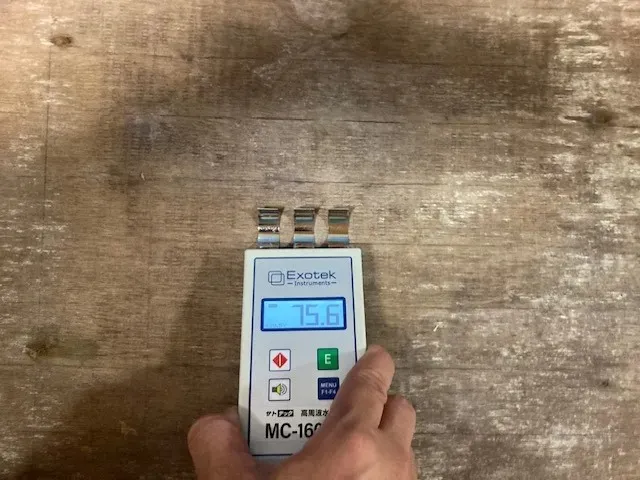
6. Mold Prevention Tips for Different Materials (Wood, Mortar, Concrete, etc.)
6-1. Mold Risks and Prevention for Wood, Structural Timber, and Paneling
Wood naturally has moisture-regulating properties, but when it retains humidity for an extended period, it becomes a favorable environment for mold to take root. Structural beams, hidden paneling, and underfloor wooden components are particularly vulnerable since these areas tend to trap moisture and dry slowly.
To prevent mold on wooden surfaces, ensuring proper ventilation and airflow is essential. Placing furniture slightly away from walls helps maintain air circulation, allowing humidity to escape more easily.
Using anti-mold-treated wood is also an effective measure. During new construction or renovation, pre-treating structural and finishing materials with anti-mold and anti-decay coatings can help suppress mold growth over the long term.
If mold does appear, it can often be wiped off with alcohol or neutral detergent when it’s only on the surface. However, if the mold has penetrated deep into the wood, complete removal becomes difficult, and consulting a professional specialist is recommended.
6-2. Mold Prevention for Mortar, Concrete, and Exterior Walls
Although mortar and concrete may seem resistant to mold, their porous surfaces have tiny irregularities where dirt and moisture can accumulate—creating ideal conditions for mold growth. North-facing walls or shaded areas that rarely receive sunlight are especially prone to green or dark-colored mold stains.
Effective mold prevention for exterior walls and concrete surfaces includes regular pressure washing and the use of mold-removal cleaning agents. Applying anti-mold paints or water-repellent coatings also helps prevent dirt and moisture from adhering, keeping surfaces clean for extended periods.
For interior concrete walls and mortar bases, maintaining ventilation and dryness is equally important. In poorly ventilated spaces such as basements or storage rooms, consider installing dehumidifiers or exhaust fans to maintain humidity at a stable, low level.
Because mold that penetrates these materials can be difficult to remove completely, early detection and prompt action are critical. If you notice dampness, discoloration, or a musty odor on the surface, inspect and address the problem immediately.
7. Seasonal and Climate-Based Mold Prevention Strategies
Mold can develop throughout the year, but special attention is needed during seasonal transitions or periods of sudden changes in temperature and humidity. During the rainy season and humid summer months, or in winter when condensation forms, the risk of mold growth varies depending on the season. In this section, we’ll outline key mold prevention strategies tailored to each season’s unique challenges.
7-1. Humidity Control During the Rainy Season and Summer
Mold is most active from the rainy season through the summer. During this time, temperatures are high and humidity often exceeds 80%, creating ideal conditions for mold growth. Continuous rainy days can make ventilation difficult, causing humidity to build up indoors.
To combat this, it’s highly recommended to use a dehumidifier, maintaining indoor humidity between 50–60% to effectively suppress mold growth. Using an air conditioner’s “dry” (dehumidify) mode along with cooling is also effective in reducing moisture.
Additionally, fabrics such as curtains, mats, and towels tend to retain moisture easily. Wash and dry them thoroughly before reuse. Whenever there’s a break in the rain, open windows to ventilate, and make a habit of airing out enclosed spaces like closets and storage rooms. These simple habits can significantly reduce the risk of mold throughout your home.
7-2. Managing Condensation and Dryness in Winter and During Heating Use
Although the risk of mold may seem lower in winter due to colder temperatures, condensation can lead to mold formation on walls and windows. When heating devices are used, the temperature difference between indoor air and the cold outside causes condensation on glass surfaces and exterior walls.
To prevent this, it’s important to control indoor humidity. When using a humidifier, keep the humidity level below 60%, checking frequently with a hygrometer. Applying anti-condensation film to windows or placing absorbent tape in window sashes can also help prevent water buildup.
At night or when you’re away, closing curtains helps prevent sudden drops in room temperature, reducing condensation. Make it a daily habit to wipe away any condensation on windows or walls in the morning to keep mold from developing.
As the risks of mold vary by season, adjusting your prevention methods accordingly will help maintain a clean, comfortable, and mold-free living environment all year round.
8. Early Detection and Effective Response to Mold Growth
No matter how careful you are, mold can sometimes appear unexpectedly. If left untreated, it not only affects the appearance of your home but can also cause structural damage and health problems. That’s why early detection and proper response are crucial. In this section, we’ll explain how to recognize the early signs of mold growth and how professional treatment using the MIST Method® can effectively address the problem.
8-1. How to Identify Early Signs: Small Black Spots and Pink Stains
Mold often begins as tiny black specks or faint discoloration. Be especially cautious of black dots or pinkish slime that appear in less noticeable areas, such as on bathroom caulking, wallpaper seams, or beneath windows. These can all be early signs of mold growth.
If the mold reappears despite frequent cleaning, it’s likely that it has already penetrated below the surface. Over-the-counter mold removers can only clean surface-level growth, which is why mold often returns after a short time.
In such cases, a professional deep-cleaning solution is required to remove mold from its roots rather than relying solely on household products.
8-2. When Store-Bought Cleaners Don’t Work — Choose the MIST Method®
The MIST Method® is a proprietary mold removal technology developed by Kabi Busters. Unlike traditional methods that involve scrubbing or sanding, this approach removes mold thoroughly without damaging the material. It’s particularly effective for delicate surfaces like wood, wallpaper, and aged wall materials, earning high praise for its gentle yet powerful performance.
What sets the MIST Method® apart is its custom-formulated cleaning agent and fine mist application. The mist penetrates deep into the material, breaking down mold at its roots. Despite its strong cleaning ability, it is also safe for humans and pets, making it suitable for use in nursing homes, childcare facilities, and other sensitive environments.
Additionally, after removing the mold, the process includes antibacterial and anti-mold treatments that prevent regrowth for an extended period. The MIST Method® reaches deep areas that store-bought products cannot, making it the ultimate and most reliable solution for those struggling with persistent mold problems.

For Mold Removal and Prevention, Contact “Kabi Reform Tokyo & Nagoya” or “Kabi Busters Osaka”
Daily prevention is essential for keeping mold away, but if mold has already appeared or keeps coming back, there’s only so much you can do on your own. That’s when it’s time to consult Taiko Kensou Co., Ltd.
Our company provides professional mold removal and prevention services through “Kabi Busters Osaka” in the Kansai area and “Kabi Reform Tokyo” and “Kabi Reform Nagoya” in the Kanto and Chubu regions. We take pride in delivering high-quality, community-based service tailored to each area’s needs.
Our greatest strength lies in our ability to handle both mold removal using our proprietary MIST Method® and renovation work in one integrated process. This means we don’t just remove mold—we can also repair damaged wallpaper, restore affected building materials, and complete full interior renovations. By managing everything in-house, we eliminate the need to coordinate multiple contractors, saving our clients both time and cost.
In cases where walls or ceilings have been damaged by mold, our comprehensive three-step approach—removal, repair, and prevention—is what sets us apart. As both a mold-removal specialist and a renovation contractor, we can provide complete, long-term solutions that restore and protect your living environment.
In addition, Taiko Kensou’s renovation division handles a wide range of interior construction for homes, shops, and apartments, including wallpaper replacement, flooring renewal, and water fixture upgrades. We offer customized renovation plans designed to meet each customer’s specific needs, focusing on both aesthetic improvement and long-term mold prevention.
If you’re thinking,
“I want to use this opportunity to completely refresh my home,”
or “I’d like to handle both mold removal and interior renovation at once,”
then Kabi Busters Osaka and Kabi Reform Tokyo/Nagoya are here to help.
We provide total support to create a clean, comfortable, and mold-free living space for you.
---------------------------------------------------------------------
カビ取リフォーム
東京営業所
〒141-0022
東京都品川区東五反田2-5-2 YHE CASK GOTANDA6階
電話番号:090-8321-4408
名古屋本社
〒465-0028
愛知県名古屋市名東区猪高台1-1301 タイコウビル1F
電話番号 : 0120-588-766
サイト:https://taikou-kensou.co.jp/
大阪営業所
〒532-0003
大阪府大阪市淀川区宮原1-19-23
電話番号:080-6978-3068
カビバスターズ大阪
https://kabibusters-osaka.com/
【検査機関】
一般社団法人微生物対策協会
https://kabikensa.com/
----------------------------------------------------------------------