The Health Risks of Mold: What You Must Know! A Guide to Early Prevention
2025/10/06
Thank you for visiting our blog again today.
Without realizing it, mold may be spreading inside your home. What you might usually overlook as harmless could actually be affecting your health, potentially triggering unexplained illnesses or allergies.
In this article, we’ll explain in detail how mold can impact our bodies—covering a wide range of issues from allergies to toxic reactions and infections. We’ll also share tips to help you detect mold-related health issues early and introduce practical preventive measures you can take in daily life.
By reading this article, you’ll gain deeper insight into mold prevention—going beyond simply wiping it away. By rethinking how you manage humidity and clean your home, you’ll be better equipped to protect your family’s health and reduce future health risks.
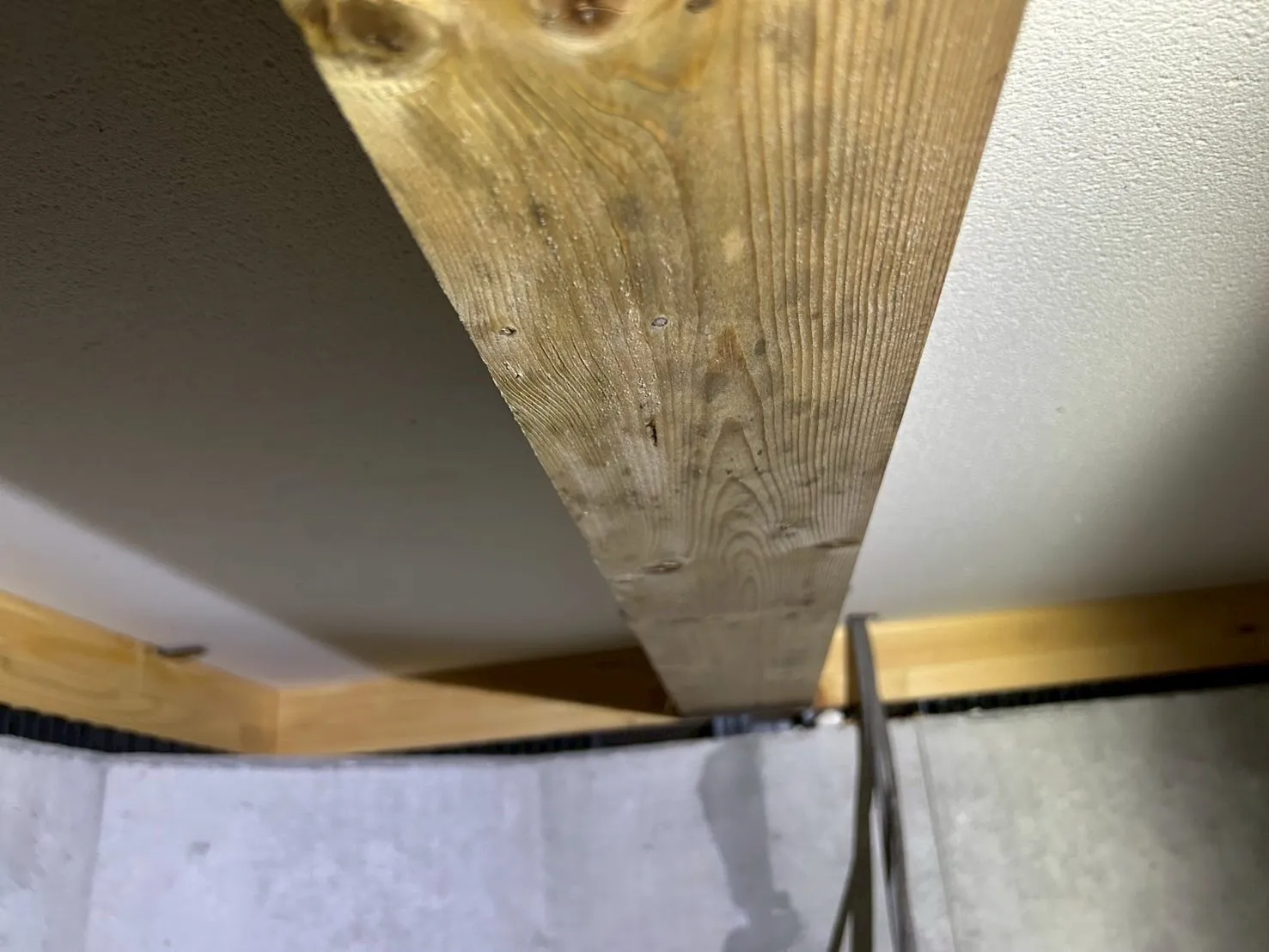
1. What Is Mold?
Mold is a type of microorganism that naturally exists in our living spaces. It thrives in humid environments such as the air, building materials, food, and bathrooms. While it’s often visible as black or green spots, mold can also exist as invisible airborne spores, potentially affecting our health without us even realizing it. Understanding the types and characteristics of mold is essential for taking preventive measures against health risks.
1-1. Definition and Growth Mechanism of Mold
Mold belongs to a group of organisms called fungi and plays an essential role in nature by breaking down dead leaves, animals, and other organic matter. However, when mold develops indoors, it becomes more than just an unsightly or foul-smelling nuisance—it can also pose serious health risks. Mold thrives in environments with temperatures between 20–30°C (68–86°F) and humidity levels above 70%. It feeds on substances like dust, body oils, and soap scum. Airborne mold spores can land on walls, ceilings, and other surfaces, where they germinate and spread.
1-2. Common Types of Indoor Mold
Several types of mold are commonly found inside homes. For example, Cladosporium (black mold) often appears in bathrooms, closets, and behind wallpaper, forming dark, spotty patches. Penicillium (blue or green mold) frequently grows on food items like bread and fruit. Additionally, molds like Aspergillus and Koji mold float in the air and can be inhaled, potentially affecting human health. Since different molds vary in where they appear and the risks they pose, early detection and appropriate action are crucial.
2.Major Health Risks Caused by Mold
Mold is more than just a visual or odor issue—it can have serious effects on our health. It poses a significant risk, especially for people with allergies or respiratory conditions. Inhaling airborne mold spores can trigger allergic reactions and respiratory illnesses, making mold a health hazard that should not be overlooked.
2-1. Allergic Reactions (Nose, Eyes, Skin)
Mold-induced allergic reactions can occur year-round, unlike seasonal allergies like hay fever. Common symptoms include nasal congestion, sneezing, itchy or red eyes, as well as skin irritation or rashes. These reactions happen when the body overreacts to mold spores or their components floating in the air. Mold hidden in places like bedding, carpets, or inside air conditioners can worsen symptoms without being immediately noticeable in daily life.
2-2. Respiratory Effects (Asthma, Bronchitis, Hypersensitivity Pneumonitis)
Mold-related respiratory issues can be severe and are frequently reported. For people with asthma, inhaling mold spores can trigger attacks. In some cases, exposure may lead to bronchitis or pneumonia, and for individuals with weakened immune systems, the effects can be life-threatening. One serious condition, known as “hypersensitivity pneumonitis,” occurs when the immune system overreacts to organic substances like mold, causing lung inflammation. If left untreated, this can lead to a decline in lung function over time.
3. Infection and Toxicity Risks and Their Mechanisms
3-1. Mold-Related Infections (e.g., Aspergillosis)
While mold infections are rare in healthy individuals, they can become a serious threat to those with weakened immune systems. A particularly dangerous mold is Aspergillus, which can cause a severe illness known as aspergillosis. This infection typically affects the lungs and sinuses, where inhaled spores germinate and spread, damaging bronchial tubes and lung tissue. Symptoms may include coughing, fever, and chest pain. For people undergoing cancer treatment or recovering from organ transplants, aspergillosis can be life-threatening due to their suppressed immune function.
3-2. Mycotoxin Poisoning and Long-Term Effects
Some types of mold produce toxic substances called mycotoxins as they grow on food or building materials. Prolonged ingestion or inhalation of mycotoxins can lead to liver and kidney damage, neurological disorders, and has even been linked to cancer. These toxins are heat-resistant and cannot be neutralized through cooking, making them especially dangerous. Particular care should be taken with grains, nuts, or old building materials stored in humid environments. Since mycotoxins are not always detectable by sight or smell, maintaining proper environmental hygiene is crucial.
4. The Connection Between Sick House Syndrome, Sick Building Syndrome, and Mold
In recent years, more people have reported feeling unwell after spending extended periods in enclosed spaces like homes or offices. These symptoms are known as Sick House Syndrome or Sick Building Syndrome, and one of the major contributing factors is the presence of mold. This is especially common in newly built or recently renovated buildings, where poor ventilation and trapped moisture create ideal conditions for mold growth, negatively impacting indoor air quality and health.
4-1. Volatile Compounds (MVOCs) and Unexplained Health Complaints
As mold grows, it releases gases known as MVOCs (Microbial Volatile Organic Compounds). These can range from odorless to having a distinct musty smell and may cause irritation in the nose and throat, headaches, fatigue, and general discomfort. Since these compounds are invisible and don’t produce immediate symptoms, they can lead to a gradual decline in health without obvious warning signs. If you're experiencing vague symptoms like constant tiredness, difficulty concentrating, or irritability—often categorized as “unexplained complaints”—mold contamination in your indoor environment could be a contributing factor.
4-2. Relationship with Indoor Building Conditions
The causes of Sick House and Sick Building Syndrome go beyond chemical pollutants. Factors like humidity, poor ventilation, and moisture levels in construction materials are deeply linked to building design and how spaces are used. Mold easily adapts to such environments, often growing unnoticed behind walls or ceilings. Highly airtight buildings, while seemingly comfortable, can trap moisture inside, creating ideal conditions for mold growth. To protect your health, it's essential to choose mold-resistant building materials, ensure proper ventilation, and maintain optimal indoor humidity levels.

5. People Most at Risk and Warning Signs to Watch For
Health issues caused by mold can affect anyone, but people with weaker constitutions or compromised immune systems tend to be more vulnerable. In many cases, everyday symptoms that seem minor may actually be linked to mold exposure. To protect yourself and your family, it's essential to understand who is most at risk and recognize the key warning signs that may indicate mold-related health problems.
5-1. Children, the Elderly, and Immunocompromised Individuals
Children, whose immune systems are still developing, and elderly individuals, whose immune function may be declining with age, are particularly vulnerable to the effects of mold. People with chronic illnesses or those undergoing treatments like chemotherapy or organ transplants are also at higher risk due to their immunocompromised state. Even small amounts of mold spores can cause serious infections or respiratory issues in these groups. Households with such individuals must pay close attention to indoor humidity levels and maintain a high standard of cleanliness to minimize exposure.
5-2. Persistent Cough, Fatigue, and Worsening Allergies
Health issues caused by mold can often be mistaken for common colds or general fatigue. If you experience symptoms like a lingering cough, sore throat upon waking, or decreased effectiveness of allergy medications, mold might be the hidden cause. Other subtle signs include difficulty concentrating, poor sleep quality, and a general decline in well-being. If symptoms seem to worsen only in specific rooms or areas, it’s a strong indicator that mold contamination may be present in your indoor environment.
6. Everyday Prevention and Countermeasures Against Mold
Once mold begins to grow, removing it can be time-consuming and increase health risks—making daily prevention essential. Fortunately, you don’t need complex equipment to keep mold at bay. With a few simple habits and adjustments, you can effectively reduce the chances of mold growth. Learning easy, practical steps to incorporate into everyday life will help protect your home and your family’s health.
6-1. Humidity and Ventilation Control
Humidity plays a major role in mold growth. When indoor humidity exceeds 70%, mold can quickly multiply. Ideally, you should keep humidity levels between 50% and 60%. Using a hygrometer to monitor the humidity daily is highly recommended—especially during the rainy season or in winter when condensation is common. Opening windows at least once a day to refresh the air and improve ventilation significantly reduces the risk of mold. Be sure to also ventilate enclosed spaces like closets and behind furniture, where air tends to become stagnant.
6-2. Cleaning, Mold Removal, and Material Choices
Frequent cleaning is essential for mold prevention. In moisture-prone areas like bathrooms and kitchens, thoroughly wiping down surfaces after use is crucial. After cleaning with detergent, using mold-prevention sprays or products can help reduce the chances of recurrence. Choosing mold-resistant materials is also a smart long-term strategy. For instance, since mold tends to grow on wood and fabric, opting for materials treated with anti-mold coatings is advisable. Placing furniture slightly away from walls can also help by improving airflow and minimizing damp buildup.
7.When to Call in Professionals and How Mold Is Treated
While regular cleaning and prevention can help manage mold to some extent, there are situations where DIY methods fall short. Mold that spreads internally or keeps reappearing despite efforts may require professional intervention. Since mold is not always visible or easy to assess, relying on experts ensures that the problem is addressed thoroughly and safely. Consulting a professional at the right time can help minimize damage and protect your health.
7-1. Cases Where DIY Removal Is Difficult
If mold keeps returning even after cleaning, if you notice dark patches spreading behind wallpaper or in hard-to-reach areas like ceilings, or if a persistent musty smell lingers, it’s time to consider consulting a professional. Mold that has penetrated structural components or insulation cannot be effectively removed with surface-level cleaning alone. In households where mold-related health issues persist, there’s a strong chance the problem is more severe than it appears.
7-2. What to Look for When Hiring a Professional
When choosing a mold remediation specialist, be sure to check the safety of the chemicals they use, their experience, and the range of services they offer. It's important to confirm whether they can remove mold thoroughly without damaging surfaces and whether they provide treatment to prevent recurrence. Choosing a company that offers clear post-treatment explanations and aftercare services will give you peace of mind. Additionally, opt for services that use mold removal methods with minimal impact on both human health and the environment. Getting quotes from multiple companies and comparing them will help you find a service that meets your needs and budget.

8.Safe and Reliable Mold Remediation with the MIST Method®
8-1. What Is the MIST Method®? Features and Safety
The MIST Method® is a specialized mold remediation technique that combines uniquely developed mold removal agents with a proprietary treatment process. It is designed to be gentle on materials like wood and concrete while thoroughly penetrating and breaking down mold deep within surfaces. This method avoids abrasive actions like scrubbing or scraping, preserving the original appearance and value of the materials. The agents used have passed industrial wastewater safety tests and are formulated with ingredients that are safe for human health. This makes the MIST Method® ideal for homes and facilities where children or elderly individuals live.
8-2. Full-Process Mold Control—From Removal to Prevention
One of the key benefits of the MIST Method® is its comprehensive approach—not only does it remove mold, but it also prevents it from returning. The process involves misting a specially formulated mold removal agent, which penetrates deep into materials to eradicate even the invisible roots of mold. Following this, an anti-mold treatment is applied to protect the area over the long term. This ensures not only the removal of visible mold but also the suppression of airborne spores, purifying the entire indoor environment. Known for its speed, long-lasting results, and safety, the MIST Method® is widely used in sensitive environments such as medical facilities and historic buildings.
For Mold Removal and Prevention, Trust Kabi Busters Osaka and Kabi Reform Tokyo & Nagoya
As health risks from mold become more serious, simply “cleaning what you can see” is no longer enough to solve the problem. At Kabi Busters Osaka and Kabi Reform Tokyo & Nagoya, we offer comprehensive services that go beyond mold removal—we also repair and improve the structure of your building. This all-in-one service is made possible by Taikou Kensou Co., Ltd., a highly experienced renovation company.
Our unique MIST Method® completely breaks down mold without damaging the material. Using specially formulated agents proven to be safe for human health, we treat a wide range of materials including wood, wallpaper, wall coverings, and concrete. After removal, we apply a long-lasting anti-mold treatment that helps maintain a healthy and mold-free space.
But that’s not all. Taikou Kensou is one of the few companies in Japan that can handle both mold remediation and renovation in a single project. If your walls, ceilings, or flooring have deteriorated or been stained by mold, we can repair and restore them at the same time. This reduces the hassle of hiring multiple contractors, shortens project timelines, and optimizes costs.
About Taikou Kensou’s Renovation Services
Taikou Kensou Co., Ltd. is a full-service renovation company with years of experience handling interior and exterior remodeling for houses, condominiums, commercial spaces, and public facilities. We offer everything from wallpaper replacement and flooring repairs to bathroom and kitchen renovations, even large-scale projects like layout changes and barrier-free upgrades—all with consistently high-quality workmanship.
In cases where mold has caused wallpaper to peel or wood to rot, surface cleaning alone won't prevent recurrence. At Taikou Kensou, we tackle the root causes of mold while selecting materials and improving structural elements to prevent future growth.
We have expert staff based in Osaka, Tokyo, and Nagoya, allowing us to provide tailored solutions suited to each region’s climate and conditions. As your one-stop partner in creating healthy, beautiful living spaces, we invite you to leave your mold and renovation needs in our capable hands.
---------------------------------------------------------------------
カビ取リフォーム
東京営業所
〒141-0022
東京都品川区東五反田2-5-2 YHE CASK GOTANDA6階
電話番号:090-8321-4408
名古屋本社
〒465-0028
愛知県名古屋市名東区猪高台1-1301 タイコウビル1F
電話番号 : 0120-588-766
サイト:https://taikou-kensou.co.jp/
大阪営業所
〒532-0003
大阪府大阪市淀川区宮原1-19-23
電話番号:080-6978-3068
カビバスターズ大阪
https://kabibusters-osaka.com/
【検査機関】
一般社団法人微生物対策協会
https://kabikensa.com/
----------------------------------------------------------------------