"The Mold Problem in Fitness Facilities: Causes, Hotspots, and Effective Countermeasures"
2025/10/05
In fitness clubs and sports facilities, mold is often found in high-humidity areas like shower rooms, poolside zones, and locker rooms. If left untreated, it can pose health risks and harm the facility's reputation.
This article explains the conditions where mold thrives, types of mold commonly found in sports facilities, health hazards they pose, and effective professional removal and prevention techniques.
By understanding and implementing proper mold countermeasures, you can maintain a safe and comfortable environment for users, reduce cleaning costs, and protect the value of your facility.
1. What Kind of Environment Encourages Mold Growth?
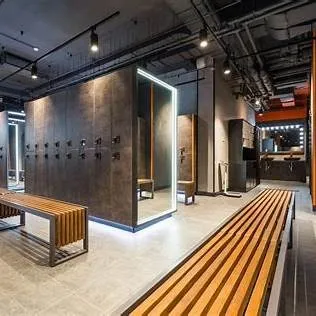
Mold begins to thrive rapidly when certain conditions align, especially in environments with constant exposure to moisture and heat—just like in fitness clubs and sports facilities. Spaces such as locker rooms, saunas, and shower areas provide an ideal breeding ground for mold if not properly maintained. In this section, we’ll explore the environmental factors that contribute to mold growth and why sports facilities are particularly susceptible.
1-1. High Humidity, Condensation, and Poor Ventilation
Mold requires three main elements to grow: warmth, moisture, and nutrients. High humidity is one of the biggest enablers. Areas like shower rooms and saunas are naturally humid due to steam and body heat, and when ventilation is inadequate, condensation builds up on surfaces such as tiles, ceilings, and walls—creating the perfect environment for mold to develop.
When relative humidity exceeds 60%, mold spores can activate, and above 70%, they begin to grow and multiply rapidly. This makes controlling humidity a critical step in any mold prevention strategy. Without adequate air circulation and dehumidification, even clean-looking spaces can harbor hidden mold deep within building materials.
1-2. Sweat, Water, and Organic Residue as Nutrient Sources
Mold doesn’t just need water; it also feeds on organic materials. In fitness facilities, this includes sweat, soap scum, hair, dead skin cells, and dust that accumulate in hard-to-reach areas like floor corners, tile grout, and locker interiors. These residues act as nutrients that allow mold to settle and multiply.
The high usage of such facilities means that organic debris builds up quickly if not properly cleaned, making regular sanitation and disinfection critical. When moisture and nutrients are present together, mold can begin to form in a short time—appearing as dark stains, slimy patches, or even invisible spores that pose health risks.
2. Common Mold Hotspots in Sports and Fitness Facilities
Not all areas in a sports facility are equally vulnerable to mold. Certain spaces, due to their constant exposure to moisture, warmth, and organic materials, are especially prone to mold development. Understanding where mold is most likely to appear helps prioritize cleaning efforts and apply targeted prevention methods. Let’s examine the three most common hotspots for mold growth in fitness environments.
2-1. Shower Rooms and Saunas: Black and Pink Mold Risks
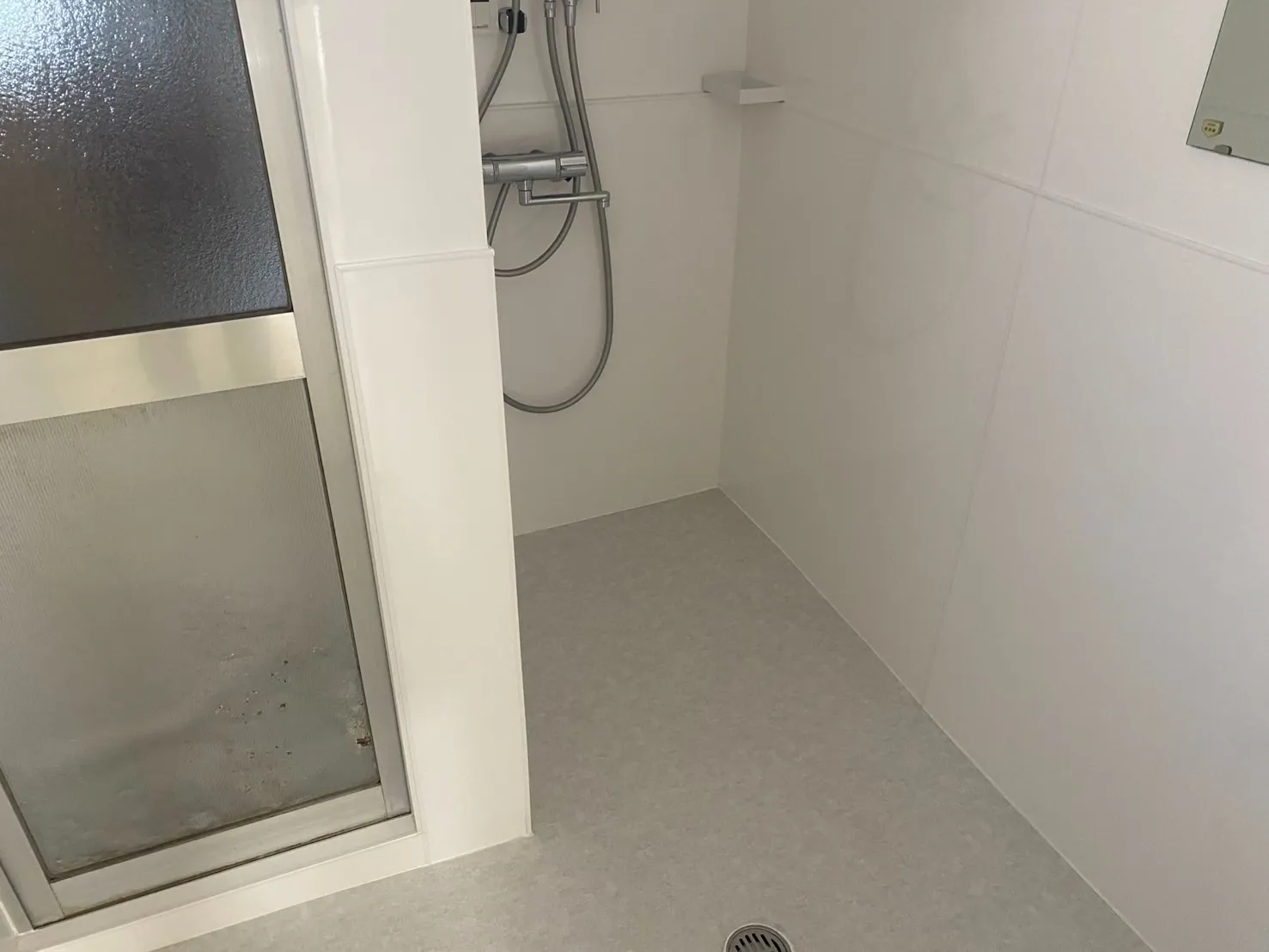
Shower rooms and saunas are among the highest-risk areas for mold, as they are consistently warm and humid. Black mold typically appears in tile grout, on ceilings, or along the walls in the form of dark stains. It thrives in moist environments and can quickly spread if not addressed.
Pink mold, which is often caused by Rhodotorula, is another common contaminant in these areas. It forms slimy, reddish-pink patches and feeds on soap residue, skin oils, and other organic waste. In saunas, the use of wood surfaces adds an additional risk, as the material absorbs moisture easily and can allow mold to penetrate deep into the grain. Once embedded, it becomes harder to remove with conventional cleaning methods.
2-2. Poolside and Tile Grout: White Mold and Mixed Colonies
Poolside areas may look clean, but they are often overlooked breeding grounds for mold. Constant splashing and puddles of water make these surfaces slow to dry, especially in tile grout lines or small cracks in concrete. These moist, shaded areas are ideal for white mold, which may appear as powdery white spots and often goes unnoticed in the early stages.
In many cases, mixed colonies of black, pink, and white mold coexist, making identification and treatment more complex. Mold in pool areas also poses a safety hazard—wet, slimy surfaces can increase the risk of slips and falls, making proper maintenance not only a hygiene issue but also a safety priority.
2-3. Locker Rooms: Mold in Lockers and on the Floor
Locker rooms are another high-risk area, especially when wet towels, clothes, or bags are left inside lockers. Without proper ventilation, these enclosed spaces retain moisture and become breeding grounds for mold. Black or pink mold may appear in locker corners, around ventilation gaps, or on locker floors.
Additionally, locker room flooring often collects sweat, oils, and other organic debris, particularly in barefoot areas. Without frequent disinfection, this leads to mold colonies forming on the surface and even penetrating into porous flooring materials. These issues can easily compromise the perceived cleanliness and trustworthiness of a fitness facility.
3. Common Types of Mold and Their Characteristics
Various types of mold can be found in fitness and sports facilities, each with its own appearance, behavior, and impact on health. While they may look similar on the surface, different types of mold require different treatment strategies. In this section, we introduce the three most common types of mold typically found in high-humidity environments like gyms and pools.
3-1. Black Mold (Cladosporium, Aspergillus, etc.)
Black mold is the most commonly seen type in fitness environments. It appears as dark brown or black stains on tiles, grout, ceilings, or walls—especially in humid areas like saunas and showers. Common species include Cladosporium and Aspergillus, both of which release airborne spores that are easily inhaled by humans.
These spores can trigger respiratory problems such as asthma, allergic rhinitis, coughing, and even more serious health issues in vulnerable individuals. One of the biggest concerns with black mold is its ability to grow deep into porous materials, making it difficult to eliminate without professional intervention. Even if the surface appears clean, mold may still remain hidden beneath.
3-2. Pink Mold (Rhodotorula) and White Mold (Penicillium, etc.)
Pink mold is not technically a mold, but a type of yeast—Rhodotorula. It commonly appears as slimy, reddish or pink films on shower walls, around drains, or inside lockers. It thrives in moist environments rich in organic waste, such as soap scum and body oils. While it’s easier to notice early on, pink mold can become a recurring nuisance if not fully eradicated.
White mold, often caused by species like Penicillium, presents as powdery white patches and is commonly found in poolside grout, on concrete surfaces, and in damp fabrics within lockers. White mold may be harder to detect initially but spreads quickly once it takes hold. Like black mold, it can cause allergic reactions, unpleasant odors, and poor air quality.
Both pink and white molds contribute to the overall degradation of hygiene in a facility and should be addressed promptly to prevent widespread contamination.
4. Health Risks and Operational Impacts of Mold in Fitness Facilities
Mold problems in sports and fitness facilities aren’t just about aesthetics or unpleasant odors—they can pose serious risks to the health of users and significantly impact the facility’s reputation and operations. Understanding both the health and business implications is essential for effective facility management.
4-1. Health Risks: Allergies and Respiratory Issues
Mold spores are microscopic and easily become airborne, making them highly inhalable by people using the facility. Inhaling these spores can trigger a range of health problems such as allergic rhinitis, asthma attacks, coughing, sneezing, eye irritation, and sore throat. Individuals with weakened immune systems, such as the elderly, children, or those with pre-existing respiratory conditions, are particularly vulnerable.
Spaces like shower rooms and saunas—where ventilation is often limited—tend to accumulate higher concentrations of mold spores in the air. Prolonged exposure can lead to more severe reactions, including hypersensitivity pneumonitis or chronic respiratory issues. Even isolated complaints from users can damage the facility’s reputation and lead to a loss of customer trust.
4-2. Operational Consequences: Reputation Damage and Increased Costs
Visible mold growth in showers, locker rooms, or poolside areas conveys an impression of poor hygiene and lax facility management. If users see mold or experience mold-related odors, they may feel uncomfortable or even unsafe, which can result in negative reviews, declining memberships, and loss of brand value.
Additionally, once mold becomes deeply rooted in surfaces, regular cleaning methods are often ineffective. Facilities may then need to invest in professional mold remediation services, which come with associated costs in terms of time, materials, and potential temporary closures. The longer mold issues are left unresolved, the more expensive and disruptive they become. Proactive mold management not only safeguards health but also helps reduce long-term maintenance and operational expenses.
5. Effective Mold Removal and Cleaning Techniques for Fitness Facilities
In environments like fitness clubs and sports centers, mold cannot be fully addressed with surface-level cleaning alone. Successful mold control requires a comprehensive approach tailored to the facility’s materials, usage patterns, and environmental conditions. This section outlines practical methods for removing and preventing mold, with a focus on safety, effectiveness, and long-term results.
5-1. Routine Cleaning vs. Professional Mold Remediation
Routine cleaning may help improve appearances, but it rarely reaches the mold colonies embedded deep within materials such as tile grout, wood, or concrete. Mold often grows beneath the surface, making it difficult to eliminate with standard cleaning products. As a result, visible mold tends to return shortly after cleaning.
Professional mold remediation, on the other hand, involves identifying the specific mold species and using targeted techniques and specialized solutions to eliminate it at the root. These services often include proper containment measures to prevent spore spread, followed by thorough disinfection to ensure that the environment is safe for use again. Facilities that experience recurring mold problems or visible spread should strongly consider partnering with a mold removal specialist.
5-2. MIST Method® – A Non-Damaging, Material-Safe Solution
For facilities with sensitive materials such as wooden sauna walls or tile-lined locker rooms, traditional chemical treatments may be too abrasive. That’s where the MIST Method®, developed by our company, offers a significant advantage. This proprietary approach uses custom-blended mold removal agents that adjust in concentration depending on the material type and mold severity.
The MIST Method® does not require scrubbing or abrasive tools, which means surfaces remain intact and undamaged. The agents are also designed with human safety in mind, making the process suitable for environments used by children, seniors, and sensitive populations. After mold removal, an anti-mold treatment is applied to help prevent recurrence—ensuring long-lasting protection without strong chemical odors or facility downtime.
5-3. Anti-Mold and Antibacterial Treatments
Mold removal is only the first step; prevention is just as important. Applying anti-mold coatings helps keep surfaces mold-resistant by creating a barrier that inhibits spore attachment and growth. These treatments are especially useful in persistently damp environments like poolside tiles or shower walls.
Additionally, airborne mold spores pose another risk—especially in enclosed spaces. Our finishing process using the MIST Method® includes airborne disinfection, which neutralizes floating mold spores by breaking down their cellular membranes. This provides a full-environment solution that not only cleans visible surfaces but also purifies the surrounding air, enhancing the overall hygiene and safety of the facility.
6. Preventive Measures and Management Strategies to Stop Mold from Returning
Even after mold has been thoroughly removed, the risk of recurrence remains if the underlying environmental conditions are not properly managed. That’s why ongoing prevention and routine facility management are essential. This section outlines practical strategies for reducing the risk of mold returning by focusing on environmental control, maintenance, and operational practices.
6-1. Improved Ventilation, Dehumidification, and Air Circulation
Controlling humidity is the foundation of any mold prevention plan. Without proper ventilation, moisture builds up in high-use areas like showers, locker rooms, and saunas—providing mold with the perfect breeding environment. Installing or upgrading ventilation fans, dehumidifiers, and air circulation systems helps ensure consistent airflow and dry surfaces.
To further enhance monitoring, facilities can install humidity and temperature sensors. These devices allow staff to detect problematic conditions early and take prompt action. Regular maintenance of air filters and ventilation equipment is also crucial to keep the system running efficiently and the indoor air clean and dry.
6-2. Scheduled Inspections and Proactive Cleaning Routines
Mold prevention isn’t just about cleaning visible dirt—it’s about staying ahead of buildup before it becomes a problem. Facilities should establish structured cleaning schedules, focusing on high-risk areas on a weekly or biweekly rotation, and using disinfectants or anti-mold agents as needed.
Seasonal adjustments, such as increasing cleaning frequency during the humid summer or cold, condensation-prone winters, are also key. Even if surfaces appear clean, mold can still be growing beneath, so incorporating periodic inspections by professionals—once or twice a year—is a smart way to catch hidden mold early and avoid major issues later.
6-3. User Awareness and Staff Education
Facility staff cannot fight mold alone. Ensuring mold prevention is a shared responsibility between staff and users is essential. For example, posting gentle reminders for users to dry off thoroughly before entering locker rooms or avoid placing wet towels directly into lockers can significantly reduce humidity and mold risks.
Staff training is equally important. Cleaning crews should be educated about mold-prone zones and taught best practices for thorough sanitation. Creating simple checklists and protocols ensures consistency in cleaning quality, regardless of who performs the task. Empowered and informed staff help maintain a clean, safe environment that meets users’ expectations and health standards.
7. Real-World Case Study: Mold Removal in Fitness Facilities
Understanding how mold problems are handled in actual facilities can help illustrate the effectiveness of professional mold removal services. This section introduces a real-life example of a sports gym that faced serious mold issues—and how those issues were successfully resolved using specialized techniques.
7-1. Mold Remediation in a Mid-Sized Urban Fitness Gym
A mid-sized gym located in an urban area had been receiving complaints from users about persistent musty odors and visible black mold stains in its shower and sauna areas. Despite daily cleaning by staff, mold continued to reappear, especially in the grout lines and ceiling corners. The facility had reached the limit of what standard cleaning could achieve.
Our team conducted a site inspection and implemented a mold remediation plan using the MIST Method®, our proprietary technique. The process began with isolating the affected areas and selecting custom-mixed agents tailored to the specific mold types and materials present. The key advantage: no scrubbing or surface damage was required, even in moisture-sensitive areas like wooden sauna panels.
After the mold was thoroughly removed, we applied a long-lasting antimicrobial treatment to help prevent future growth. The results were immediate—users noticed a significant improvement in air quality and cleanliness, and management reported increased satisfaction from members.
7-2. Measurable Improvements Before and After Treatment
Before treatment, humidity levels in the shower area consistently exceeded 70%, and visual mold was widespread. There was also a strong musty smell. Following remediation, humidity control measures and anti-mold coatings helped maintain a significantly drier and cleaner environment. Three months later, during a scheduled inspection, no mold recurrence was detected.
Additionally, we performed air sampling before and after treatment. The number of airborne mold spores dropped by over 80%, leading to improved indoor air quality. A user feedback survey conducted afterward showed increased satisfaction, with many respondents noting the noticeable improvement in cleanliness and comfort.
This case demonstrates that combining proper diagnosis, safe removal methods, and long-term prevention strategies can lead to tangible improvements and greater trust among facility users.
8. Frequently Asked Questions and Key Considerations
When considering mold removal for fitness and sports facilities, many managers and operators have similar concerns. This section addresses some of the most common questions, offering clear answers to help dispel misconceptions and guide effective decision-making.
8-1. Are Strong Chemicals Safe to Use? Will They Damage Facility Materials?
One frequent concern is that strong mold-killing agents might damage delicate surfaces like tile grout, wood, or stainless steel. However, modern mold remediation technology offers solutions that are both effective and material-safe. For example, the MIST Method® we use relies on customized formulations that are adjusted to match the surface type and severity of the mold, ensuring safe and thorough treatment.
Unlike traditional chemical scrubbing, our method does not rely on abrasion. Instead, it breaks down mold at the root without harming the substrate. This makes it ideal for sensitive environments such as saunas, wooden interiors, and high-end locker rooms. Our products are also designed to be safe for human contact, making them suitable for spaces used by children and older adults.
8-2. Can Mold Removal Be Done Without Shutting Down the Facility?
Another common question is whether operations need to be suspended during treatment. In most cases, the answer is no. Mold remediation can be scheduled during off-hours or less busy periods, with minimal disruption to facility use.
Thanks to quick-drying, low-odor treatment agents, areas can often be returned to service within hours of treatment. Our team coordinates closely with facility managers to create a schedule that avoids operational downtime, whether it's targeting one room at a time or performing treatments in overnight shifts. With proper planning, mold removal can be done seamlessly and efficiently—without sacrificing user experience or business continuity.
Professional Mold Removal and Renovation by Kabibusters Osaka & Mold Removal Renovation Tokyo/Nagoya
When it comes to mold problems in fitness clubs and sports facilities, effective action requires more than just basic cleaning—it calls for professional intervention and long-term solutions. That’s exactly what we provide at Taikou Kensou Co., Ltd., operating under:
Kabibusters Osaka (serving the Kansai region)
Mold Removal Renovation Tokyo (Kanto region)
Mold Removal Renovation Nagoya (Chubu region)
We specialize in MIST Method® mold removal, a proprietary process that safely eliminates mold from deep within surfaces without damaging the material. This technique is not only highly effective, but also safe for people and environmentally conscious—ideal for public facilities frequented by a wide range of users.
What sets us apart is our ability to handle both mold remediation and renovation in one integrated service. We are proud to be among the few companies in Japan that can provide comprehensive mold removal and interior renovation in a single, streamlined process.
◉ Renovation Services by Taikou Kensou Co., Ltd.
Our renovation business is not simply about aesthetics—it is designed with hygiene, durability, and functional improvement in mind. We specialize in:
Installing mold-resistant and waterproof construction materials
Upgrading to easy-to-clean surfaces and finishes
Enhancing airflow and reducing humidity through structural modifications
Tailoring renovation solutions to specialized areas like saunas, shower rooms, and locker facilities
By combining mold removal with renovation, we not only restore the appearance of damaged areas but also reinforce the facility’s ability to resist mold in the long term. This holistic approach helps improve customer satisfaction, reduce maintenance needs, and protect the facility’s long-term value.
Looking to solve persistent mold problems and upgrade your facility’s interior at the same time?
With Kabibusters Osaka and Mold Removal Renovation Tokyo/Nagoya, you can count on reliable diagnostics, effective treatment, and high-quality renovation—all delivered by one trusted partner. We’re here to help you create a cleaner, safer, and more inviting space for everyone.
---------------------------------------------------------------------
カビ取リフォーム
東京営業所
〒141-0022
東京都品川区東五反田2-5-2 YHE CASK GOTANDA6階
電話番号:090-8321-4408
名古屋本社
〒465-0028
愛知県名古屋市名東区猪高台1-1301 タイコウビル1F
電話番号 : 0120-588-766
サイト:https://taikou-kensou.co.jp/
大阪営業所
〒532-0003
大阪府大阪市淀川区宮原1-19-23
電話番号:080-6978-3068
カビバスターズ大阪
https://kabibusters-osaka.com/
【検査機関】
一般社団法人微生物対策協会
https://kabikensa.com/
----------------------------------------------------------------------