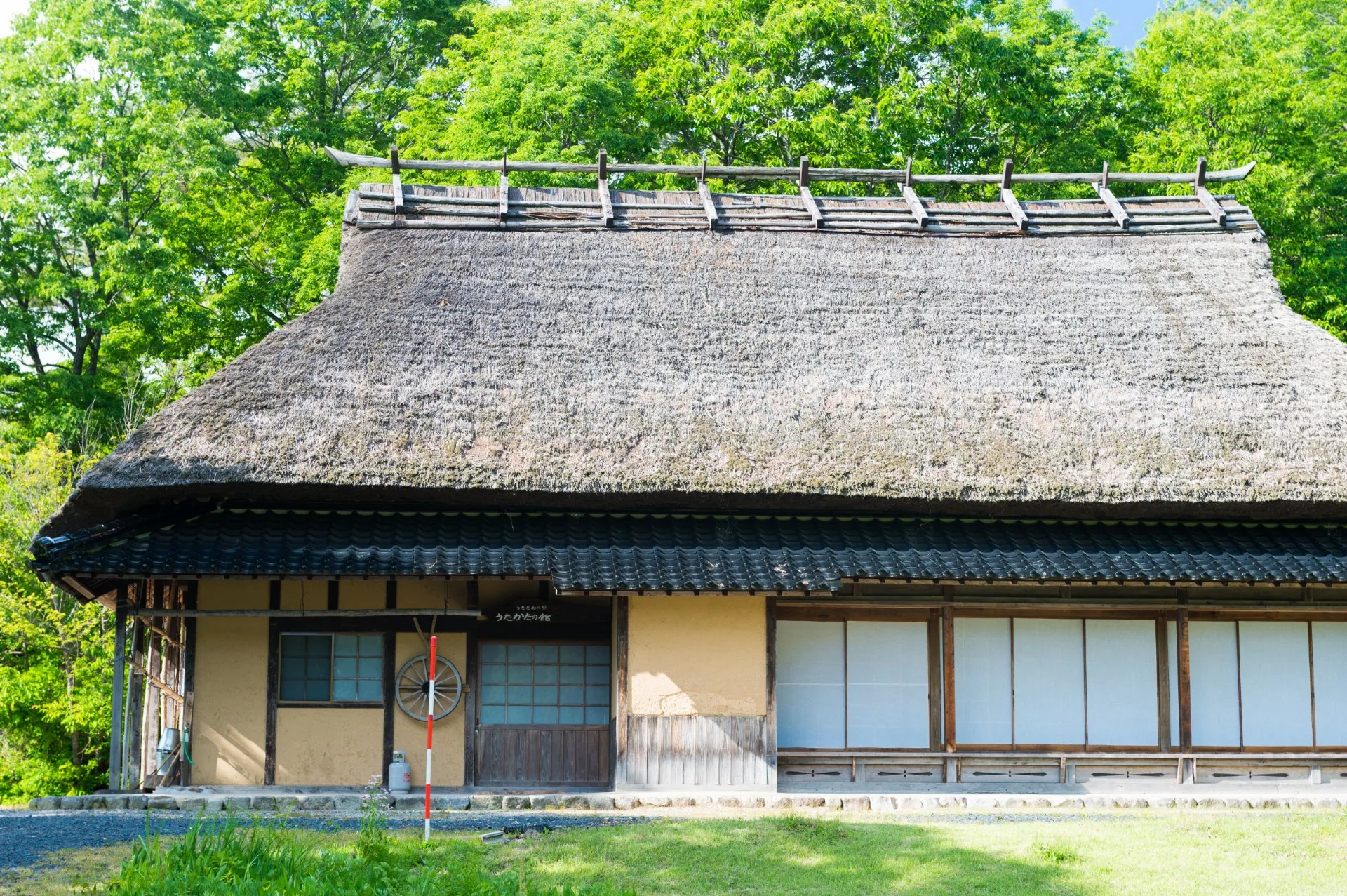
"The Hidden Danger of Mold in Embassy Residences: Health and Structural Risks Uncovered"
2025/10/04
Even embassy residences, with their luxurious appearance and high construction standards, often conceal mold issues due to poor ventilation and trapped moisture. For diplomats and their families, mold poses a serious threat to health and comfort.
This article explains the causes of mold in embassy residences, its health and structural impacts, how to detect hidden mold, and effective prevention and professional removal strategies.
By reading this guide, embassy staff, property managers, and residents will gain the knowledge to detect early signs of mold, respond appropriately, and maintain a safe, healthy living environment.
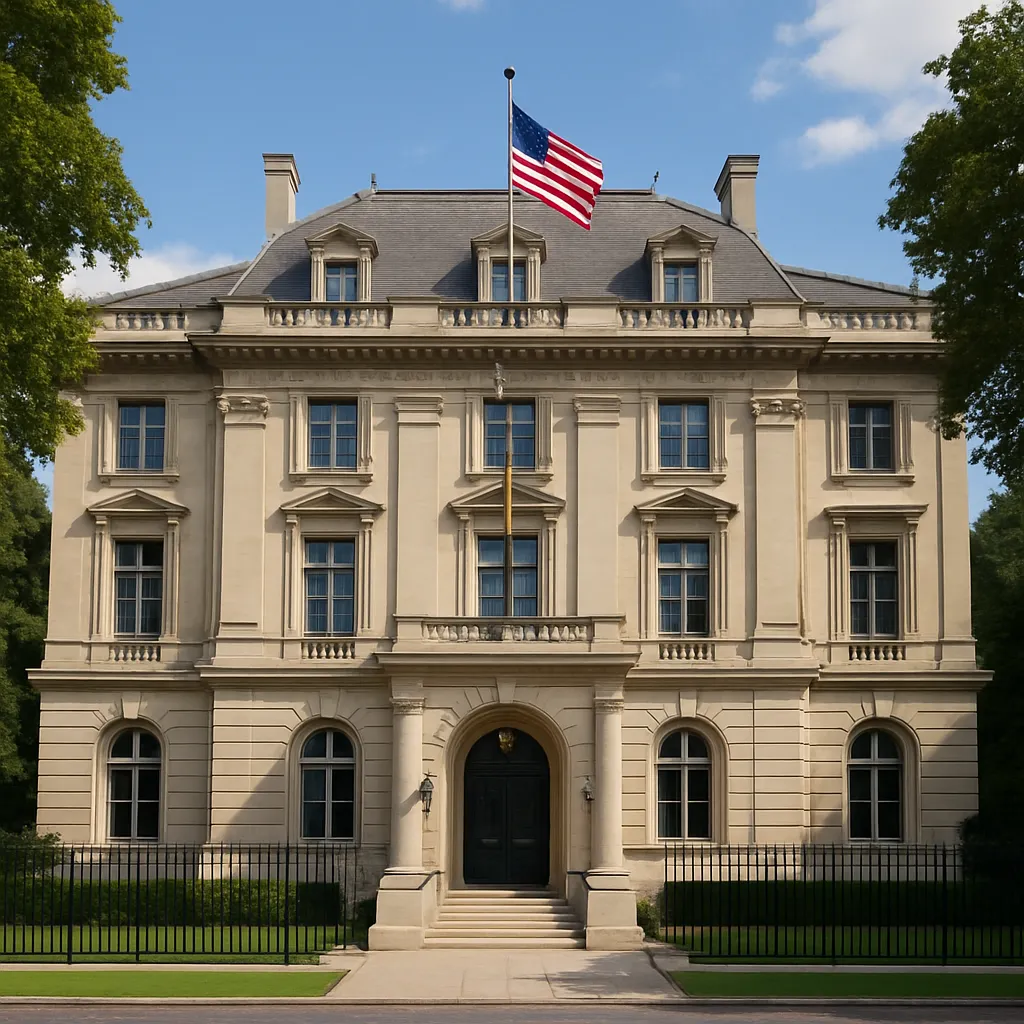
1. Understanding Mold Problems in Embassy Residences
Embassy residences are expected to uphold high standards of quality and functionality, yet they often face hidden risks such as mold growth. This issue is especially common in Western-style structures or tightly sealed buildings with poor ventilation, where moisture easily accumulates, degrading the indoor environment significantly.
1-1. Why Does Mold Develop in Residential Spaces?
Mold thrives when three conditions are met: moisture, warmth, and organic material. Japan’s climate, with its high humidity during the rainy season and summer, provides an ideal breeding ground for mold. In embassy residences, security concerns often limit window ventilation, resulting in trapped humidity. Mold frequently appears in poorly ventilated areas like basements, closets, behind furniture, and inside HVAC systems. Even luxurious building materials can become breeding grounds for mold if airflow is limited.
1-2. Unique Risks Specific to Embassy Residences
Embassy residences present distinct challenges not typically found in ordinary housing. Many are built in Western architectural styles not well-suited to Japan’s humid climate. Moreover, foreign residents may not be familiar with local mold prevention practices. During long absences or tenant transitions, stagnant air and inactive HVAC systems increase the risk of mold growth. These unique conditions make embassy residences particularly vulnerable to mold-related issues.
2. Health and Structural Impacts of Mold
Mold is more than an eyesore—it poses serious threats to both human health and the structural integrity of buildings. In embassy residences, where multiple individuals, including diplomats and guests, live or visit, mold-related issues can escalate into major problems if not addressed promptly.
2-1. Health Risks for Residents
Mold releases airborne spores that, when inhaled, can cause a variety of health issues such as sore throat, coughing, nasal congestion, skin irritation, and exacerbated allergies. Individuals with weakened immune systems, including young children and the elderly, are particularly at risk. For foreign residents unfamiliar with mold symptoms, these issues may be mistaken for colds or seasonal allergies. Some mold species even produce mycotoxins—harmful substances that can lead to long-term illnesses such as Sick Building Syndrome or chronic respiratory conditions. Therefore, even seemingly minor mold problems should not be ignored.
2-2. Damage to Building Materials and Interiors
Mold doesn’t just affect surfaces—it infiltrates deep into materials like drywall, wood, and insulation, gradually weakening them. Over time, this can compromise the structural safety of the residence. Embassy residences often feature high-end finishes, making mold damage particularly costly and complex to repair. Once mold penetrates deep into materials, surface cleaning alone is ineffective, and the mold often returns. In many cases, even if the surface appears clean, underlying damage continues to progress undetected. Early detection and professional remediation are essential to prevent extensive structural deterioration.
3. Common Mold Occurrence Patterns and Causes in Embassy Residences
Mold tends to appear in predictable ways within embassy residences, driven by building design, resident lifestyle, and Japan’s unique climate. Understanding where and why mold typically develops helps prevent costly damage and health risks.
3-1. Humidity, Condensation, and Poor Ventilation
One of the most frequent causes of mold is trapped humidity. Japan’s humid climate—especially during the rainy season—can push indoor humidity above 60%, a prime environment for mold growth. Embassy residences, often built with airtight construction for security, lack adequate natural ventilation. This results in persistent moisture buildup, especially in areas like behind furniture, inside closets, or under floorboards. Condensation on windows and walls is another red flag, indicating excessive indoor moisture and poor air circulation—conditions that mold thrives in.
3-2. Plumbing Leaks, Water Intrusion, and Hidden Moisture
Another critical factor is water intrusion from plumbing leaks or rain. Aging or damaged water pipes may leak into wall cavities, creating the perfect conditions for mold to spread unnoticed. Similarly, worn-out waterproofing on rooftops or balconies can allow rainwater to enter the building structure. Western-style embassy residences may have design vulnerabilities that don’t align well with Japan’s wet climate. In such cases, mold can spread deep into materials like insulation or framing. These “hidden molds” are often invisible on the surface but can cause significant structural damage if not addressed early.
4. Case Studies and Reports from Diplomats and Other Nations
Mold issues in embassy residences are not limited to Japan—they are a global concern. Diplomats stationed in various countries have reported mold-related problems affecting both health and daily life. These real-life cases shed light on how different embassies approach the issue.
4-1. Complaints from Diplomatic Residences
A European diplomat stationed in Tokyo reported severe indoor humidity problems in his embassy residence, which eventually led to widespread mold behind walls and ceilings. His child developed persistent coughing, later suspected to be caused by mold allergies. A professional inspection revealed extensive mold growth within the wall cavities, requiring full-scale remediation. In another case, a diplomat returned to their residence after an extended absence to find a strong mold odor and black mold covering much of the furniture. With ventilation and air conditioning systems turned off during their time away, the entire interior was compromised, and most furnishings had to be discarded.
4-2. Mold Management Policies at Foreign Missions
Some countries include mold management in their official embassy housing policies. For example, certain American and German embassies conduct routine humidity checks, HVAC maintenance, and require immediate reporting of any mold signs. Residents may also be asked to submit regular environmental condition reports to detect early signs of trouble. In serious cases involving health concerns, temporary relocation or alternative housing is arranged promptly. These proactive approaches help ensure the health and safety of diplomats and their families while minimizing the long-term impact of mold-related damage.

5. How to Detect Mold: Inspection Tips and Warning Signs
Mold often develops in hidden areas such as behind walls, inside ceilings, or beneath flooring. In embassy residences—typically large and structurally complex—early detection is crucial. This section explains key warning signs and inspection methods for uncovering mold before it spreads.
5-1. Odors, Condensation, and Visible Signs
One of the first indicators of mold is a musty or damp smell—often resembling old paper or cardboard. If such odors are persistent in rooms or closets, mold may be growing out of sight. Condensation on windows, walls, or around furniture is another red flag, signaling high humidity levels that foster mold growth. Visibly, mold may appear as black spots, white fuzz, or discoloration on walls, ceilings, or storage areas. These surface signs should not be ignored, as they often point to more extensive mold colonies hidden underneath. Staying alert to subtle environmental changes can significantly increase the chances of early detection.
5-2. Professional Mold Testing (e.g., Fungal Analysis)
When visual or olfactory checks aren’t enough, professional mold testing becomes essential. In high-end embassy residences, accurate identification is key to preventing long-term damage. There are several testing methods: air sampling (to detect airborne spores), swab sampling (for surface analysis), and in-depth material testing (to find mold within walls or insulation). These tests reveal the type, concentration, and spread of mold—helping determine the best course of action. Testing is especially recommended for residences with past water leaks, persistent humidity, or residents with allergies or respiratory conditions. Periodic mold inspections by specialists provide peace of mind and help avoid costly remediation later.
6. Preventive Measures and Daily Maintenance
The key to controlling mold in embassy residences lies in proactive prevention and consistent environmental management. Given the size and complexity of these buildings—and the frequent change in residents—establishing daily routines and structural precautions is essential to keeping mold at bay.
6-1. Best Practices for Humidity and Ventilation Management
Maintaining indoor humidity below 50–60% is the foundation of mold prevention. During Japan’s humid seasons, using dehumidifiers or the dehumidify mode on air conditioners is highly effective. Regular ventilation is also vital. In rooms where windows cannot be opened for security reasons, 24-hour ventilation systems and exhaust fans should be utilized. Bathrooms, kitchens, and laundry areas—where moisture accumulates—should be ventilated immediately after use. Placing furniture 5–10 cm away from the wall allows air to circulate and helps prevent condensation and mold buildup behind or underneath.
6-2. Care for Furnishings, Fabrics, and Interior Materials
Mold can easily grow on fabric and wood-based materials such as curtains, rugs, and upholstered furniture. These items should be dried regularly in sunlight or with dryers to remove moisture. Cleaning behind and beneath furniture is equally important, as dust accumulation in these areas traps moisture and creates ideal mold conditions. Additionally, be cautious around houseplants and humidifiers, which may increase moisture levels in confined areas. Managing their placement and usage carefully helps keep indoor humidity in check. These daily habits, though simple, form a powerful defense against mold infestations.
7. Professional Mold Removal and Repair Approaches
In embassy residences, where architectural complexity and high-end materials are common, mold cannot be effectively treated with basic cleaning or over-the-counter products. Specialized expertise is required to eliminate mold thoroughly without damaging the building’s structure or interior finishes. This section explains professional methods for mold removal and long-term prevention.
7-1. Safe and Material-Friendly Removal Techniques
Professional mold remediation prioritizes both effectiveness and safety. Mold roots often penetrate deep into materials, making surface cleaning ineffective. One advanced solution is the MIST Method®, used by our team, which eliminates mold through deep penetration without scrubbing or scraping. This technique breaks down and neutralizes mold using specially formulated agents that are gentle on wood, wallpaper, and other sensitive materials. The method is ideal for embassy residences, where preserving aesthetic and structural integrity is critical. It’s also safe for environments occupied by children, seniors, or individuals with health concerns, as the agents are non-toxic and environmentally friendly.
7-2. Long-Term Prevention and Maintenance Plans
Effective mold control doesn’t stop at removal—it also involves preventive treatments and structural improvements. After remediation, professionals apply long-lasting anti-mold coatings that eliminate spores and reduce future growth. For areas with recurring mold problems, specialists may recommend ventilation upgrades or material changes to regulate moisture more effectively. Embassy residences benefit greatly from scheduled inspections and maintenance contracts, where experts visit regularly to monitor conditions and respond to early warning signs. This proactive approach not only preserves the property but also ensures a healthy and stress-free living environment for diplomats and their families.
8. Legal Responsibilities and Handling Mold Issues in Embassy Residences
When mold appears, one of the most common sources of conflict is determining who is responsible for addressing the issue. Embassy residences involve multiple parties—property owners, management companies, and tenants (such as diplomats or embassy staff). Clarifying responsibilities and having a clear action plan are essential for smooth resolution and prevention of further damage.
8-1. Defining Responsibilities: Management vs. Residents
In most embassy residences, structural issues or aging-related mold (e.g., from pipe leaks or roof damage) fall under the responsibility of the landlord or management company. These are not caused by the tenant’s actions. However, mold caused by lifestyle habits—such as not ventilating rooms, overusing humidifiers, or neglecting moisture-prone areas—may be considered the tenant’s responsibility. It is crucial to check the rental agreement and building policies in advance. If unclear, residents should proactively negotiate and document who is accountable for mold-related issues to prevent future disputes.
8-2. How to Negotiate and Report Mold Problems
If mold is discovered, immediate documentation and communication are key. Take clear photos or videos and contact the property manager or landlord promptly. For diplomatic staff, contacting your home country’s embassy or foreign affairs ministry may also provide support. In disputes over responsibility or repair costs, a third-party mold inspection report can serve as valuable evidence. If health issues arise, a doctor’s certificate linking symptoms to mold exposure can strengthen your case. While legal action may be a last resort, timely reporting and clear communication are the best first steps toward resolution.
9. Importance of Long-Term Maintenance and Monitoring
Mold issues don’t end once they’re cleaned. Embassy residences, with frequent turnover of residents and complex building structures, require ongoing monitoring to ensure mold does not return. Proactive maintenance helps preserve indoor air quality, building integrity, and resident health over the long term.
9-1. Regular Inspections and Environmental Monitoring
Long-term care involves periodic professional inspections to assess humidity levels, mold spore concentrations, and material deterioration. Especially in areas with a history of mold or water damage, these routine checks are essential. Advanced IoT sensors are now available to track temperature and humidity in real time, offering early warnings for potential mold growth. Implementing these systems in embassy residences can reduce labor costs while improving detection accuracy. They also provide data that helps property managers adjust conditions and prevent issues before they escalate.
9-2. Rapid Response Systems for Unexpected Issues
Despite best efforts, sudden incidents—like plumbing leaks or unexpected condensation—can still occur. That’s why having a fast-response system in place is critical. Embassy housing managers should provide residents with educational materials on mold signs and offer 24-hour emergency contacts. Additionally, keeping records of past inspections and repairs in a shared database can streamline communication and trend analysis. A well-maintained system ensures the property meets the high standards expected of diplomatic residences while protecting the well-being of all occupants.
10. Summary and Advice for Residents and Embassy Staff
Mold in embassy residences is not just a cosmetic issue—it can compromise health, damage valuable interiors, and disrupt diplomatic operations. This article has explored the causes, risks, detection methods, prevention strategies, and response protocols. Here, we conclude with key recommendations for both residents and facility managers.
10-1. A Shared Awareness of Mold Prevention Is Key
The most effective defense against mold is a shared, ongoing awareness of how to prevent it. Controlling humidity, ensuring regular ventilation, and responding quickly to environmental changes can drastically reduce mold risks. This mindset should extend beyond residents to include cleaning staff and property managers. Everyone involved in maintaining the residence must be aligned in their understanding of mold prevention to ensure long-term indoor safety and comfort.
10-2. Collaborate with Experts and Integrate Preventive Maintenance
Embassy residences, due to their high standards and special uses, require collaboration with trusted mold specialists. Rather than reacting to problems after they appear, a proactive maintenance approach—including scheduled inspections, expert support, and proper recordkeeping—helps avoid major disruptions. Experts can also provide recommendations for improving building materials and ventilation systems to enhance mold resistance. Working with professionals ensures both the longevity of the property and the well-being of its residents.
Mold Removal and Renovation: Trust Kabibusters Osaka and Kabi Reform Tokyo/Nagoya
When mold develops in high-end residences like embassy homes, it’s not just an aesthetic issue—it can cause serious structural damage and health problems. In such cases, the best solution is a service provider that can handle both professional mold removal and full-scale renovation in one package: Taikou Kensou Co., Ltd.
Our Strength: One-Stop Solution for Mold and Renovation
Taikou Kensou operates two specialized brands:
Kabibusters Osaka, focusing on mold elimination
Kabi Reform Tokyo/Nagoya, offering restoration and remodeling after mold damage
What sets us apart is our ability to provide comprehensive support, from diagnosis and removal to full renovation. Whether it’s restoring damaged interiors, replacing mold-affected materials, or upgrading to mold-resistant designs, we handle everything with our in-house team. This ensures consistent quality, transparency in pricing, and faster turnaround times.
Safe and Effective Mold Removal with MIST Method®
We utilize the proprietary MIST Method®, a cutting-edge mold removal technology that safely penetrates deep into materials without scrubbing or damaging the surface. This method is ideal for sensitive materials such as wood, wallpaper, and antique structures often found in embassy residences. It effectively breaks down and eliminates mold while using agents that are harmless to humans and the environment, making it safe for families, children, and elderly residents.
Comprehensive Renovation Services by Taikou Kensou
Our renovation services are not just about fixing what’s broken—they aim to enhance the functionality and comfort of your living space. We offer:
Repairs of mold-damaged walls, ceilings, and flooring
Full bathroom, kitchen, and water-related renovations
Upgrades using moisture-resistant and ventilated materials
Interior redesign with a focus on air quality and mold prevention
Commercial, residential, and heritage property renovation
All services are performed by our own team, ensuring high standards of craftsmanship and detailed project management.
Whether you’re a diplomat, embassy staff member, or property manager, Kabibusters Osaka and Kabi Reform Tokyo/Nagoya—powered by Taikou Kensou—are here to protect your residence from mold and restore it to a safe, beautiful, and functional space.
Contact us today for an on-site inspection or consultation. We’re here to help.
---------------------------------------------------------------------
カビ取リフォーム
東京営業所
〒141-0022
東京都品川区東五反田2-5-2 YHE CASK GOTANDA6階
電話番号:090-8321-4408
名古屋本社
〒465-0028
愛知県名古屋市名東区猪高台1-1301 タイコウビル1F
電話番号 : 0120-588-766
サイト:https://taikou-kensou.co.jp/
大阪営業所
〒532-0003
大阪府大阪市淀川区宮原1-19-23
電話番号:080-6978-3068
カビバスターズ大阪
https://kabibusters-osaka.com/
【検査機関】
一般社団法人微生物対策協会
https://kabikensa.com/
----------------------------------------------------------------------