“A Complete Guide to Mold Prevention in Luxury Basements and Wine Cellars”
2025/09/30
Luxury homes are often associated with cleanliness and safety, but hidden areas like basements and wine cellars can be breeding grounds for mold, making the risk even more serious in high-end residences.
This article explores why luxury homes are prone to mold, the health and financial risks involved, and comprehensive solutions ranging from professional removal techniques to preventive design practices.
By reading this article, you’ll gain clear insight into how to identify mold risks in your home, choose the right professionals, and implement long-term strategies to protect your investment and well-being.
1. Hidden Mold Risks in Luxury Homes
Luxury homes are typically associated with cleanliness and safety, but the reality is more complex. Spaces like basements, wine cellars, and sealed rooms in high-end residences can create the perfect environment for mold to thrive. Even though premium materials are often used in construction, those very materials can sometimes retain moisture, leading to hidden mold growth. Mold can quietly damage both the home and the health of its occupants, making it a serious but often overlooked threat.
1-1. Why Luxury Homes Are Prone to Mold
Luxury homes are built with superior insulation and airtight designs, which can lead to poor air circulation if not managed properly. Spaces like basements and inner wall cavities can trap humidity and develop condensation, especially in underground areas or rooms without windows. Moreover, the limited natural ventilation in soundproof or private rooms exacerbates the issue. High-end natural materials such as imported wood or stone, while beautiful, are often highly absorbent and can harbor mold within. In this way, the same high-quality elements that define a luxury home can ironically make it more vulnerable to mold infestations.
1-2. Mold Problems Unique to Affluent Homes
Luxury homes often include specialized spaces such as wine cellars, home theaters, and private wellness rooms, all of which are prone to humidity buildup and limited airflow. These environments, if not properly controlled, can become ideal for mold growth. Expensive furniture, antique woodwork, and rare materials are also more susceptible to mold damage, leading to a significant decrease in property value. In some cases, residents may suffer from unexplained health issues like allergies or respiratory symptoms, only to later discover that hidden mold was the cause. Despite their aesthetic and structural superiority, high-end homes often conceal mold-related risks beneath the surface.
2. Health Risks Posed by Mold
Mold isn’t just unsightly—it can cause serious health problems, especially when it goes unnoticed in a tightly sealed luxury home. Because high-end homes often prioritize insulation and energy efficiency, mold spores can linger in the air longer, increasing the likelihood of inhalation. This is particularly dangerous for children, the elderly, or anyone with a weakened immune system. Let’s explore the specific health effects mold can have, both in the short and long term.
2-1. Allergy and Respiratory Risks
The most common symptoms caused by mold exposure are allergic reactions. These include sneezing, runny nose, itchy eyes, and persistent coughing—symptoms that closely resemble seasonal allergies. In more severe cases, individuals may experience asthma attacks or chronic respiratory inflammation. For people with existing respiratory issues, exposure to airborne mold spores can worsen their condition. Since luxury homes are often tightly sealed to maintain interior temperature, mold spores tend to circulate within the home longer, making indoor air quality a hidden danger. In some cases, mold exposure can lead to a lifelong increase in sensitivity, effectively triggering chronic allergic conditions.
2-2. Long-Term Exposure and Immunocompromised Individuals
Long-term mold exposure can lead to more serious conditions beyond basic allergies. Chronic sinus infections, hypersensitivity pneumonitis, and even skin rashes can result from continued contact with mold. In cases where the immune system is weakened—due to illness, age, or stress—fungal infections known as "mycoses" can occur. Certain types of mold, such as Aspergillus, can infiltrate the lungs and cause severe complications. One of the biggest issues is that these symptoms often appear gradually and are not immediately linked to mold exposure. As a result, many residents of luxury homes may suffer for months or even years before realizing that their home environment is the root cause of their health issues.
3. How Mold Develops in Basements and Wine Cellars
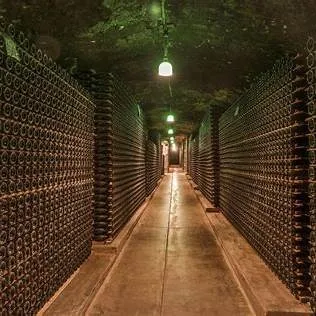
Basements and wine cellars are considered valuable features in luxury homes, but they are also among the most mold-prone areas in a residence. Due to their underground location, these spaces are naturally exposed to moisture and often lack proper air circulation. Combined with temperature fluctuations and insulation challenges, these rooms can easily become breeding grounds for mold. Understanding how and why mold forms in these areas is key to effective prevention.
3-1. Moisture, Condensation, and Temperature Fluctuations
Wine cellars and basements are typically designed to maintain consistent temperatures year-round. However, temperature differences between the inside and outside often lead to condensation, particularly on walls and ceilings. When this moisture accumulates in unseen areas, mold can begin to grow without any visible warning signs. In wine cellars, the required humidity level (usually around 60–70%) can also contribute to mold growth if ventilation is inadequate. High humidity combined with limited airflow allows mold spores to settle on shelves, bottle labels, and wooden racks, potentially damaging your wine collection and contaminating the air in the process.
3-2. Structural Weak Points: Concrete and Insulation Materials
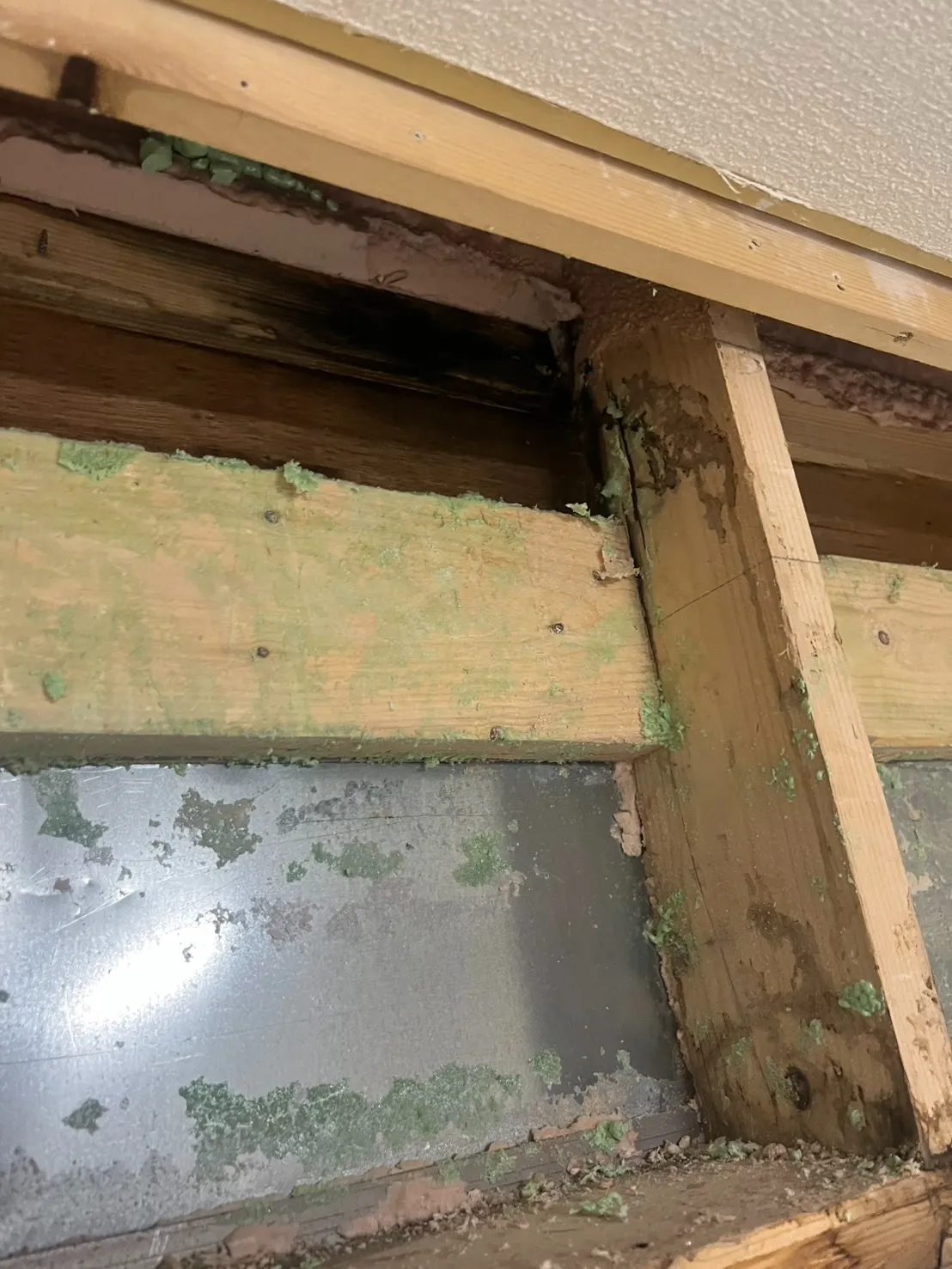
While basements are commonly built with concrete, this material is not mold-proof. Concrete is porous and can absorb moisture over time. Furthermore, if the wrong type of insulation is used—or if it deteriorates due to age—it can trap moisture inside the walls, creating ideal conditions for mold. Even small cracks in the foundation or poorly installed waterproofing systems can allow moisture to seep in, leading to hidden mold growth behind walls or under flooring. These structural weaknesses are particularly problematic in luxury homes, where the quality of materials is high, but the complexity of the design makes thorough inspection and maintenance more challenging. Once mold takes hold in these hidden areas, it often spreads unnoticed until the damage is extensive.
4. Mold in Wine Cellars: Threats to Taste and Asset Value
Wine cellars are more than just storage spaces—they're part of a luxury lifestyle and a form of investment. However, if not properly maintained, wine cellars can become hotspots for mold, threatening not only the quality of your wine but also the value of your collection and the integrity of the storage environment. Let’s explore how mold can negatively impact both the enjoyment and financial worth of your wine cellar.
4-1. How Mold Affects Wine and Labels
When mold begins to grow on wine bottles, the first visible signs often appear on the labels. Mold can discolor, peel, or stain labels, reducing the resale value of rare or vintage wines—especially among collectors, for whom label condition is critical. Additionally, mold growth around the cork area raises the risk of airborne spores infiltrating the bottle and altering the wine’s aroma or taste. In severe cases, an entire collection may be compromised due to mold spores circulating throughout the storage space. Mold contamination not only diminishes the pleasure of drinking fine wine but also results in financial losses that can be significant depending on the value of the inventory.
4-2. Ideal Environmental Controls for Mold Prevention
To prevent mold in wine cellars, it’s crucial to maintain the right balance of temperature, humidity, and airflow. While the ideal storage temperature ranges between 12°C and 15°C (54°F to 59°F), humidity should be kept around 60% to 70%—but not higher. Excess humidity without proper ventilation creates a closed-loop system where moisture stagnates and mold thrives. Using anti-mold materials for racks and shelves, installing air circulation systems, and regularly monitoring humidity levels are essential strategies. High-quality air purifiers and scheduled inspections can also help maintain a clean and safe environment. For luxury wine collectors, investing in environmental control is not just about preservation—it's a critical measure to protect a long-term asset.
5. Mold-Resistant Design Strategies for High-End Renovations
When renovating a luxury home, it's essential to go beyond aesthetics and consider the hidden risks—especially mold. Poor planning or shortcuts during remodeling can result in long-term moisture issues, even in the most elegant spaces. By integrating mold prevention into the design phase, homeowners can ensure both beauty and durability in their upgraded living environments.
5-1. Choosing Materials with Waterproofing, Insulation, and Breathability
Effective mold prevention starts with selecting the right materials for insulation, waterproofing, and moisture control. Areas like basements, bathrooms, and exterior walls should have properly installed waterproof barriers to stop moisture intrusion. Insulation materials must not only provide thermal protection but also allow moisture to escape—highly breathable insulation combined with vapor-permeable membranes is ideal. For instance, spray foam insulation offers excellent sealing performance, but if improperly applied, it can trap humidity within walls. Likewise, when using natural woods or premium finishes, it’s crucial to opt for those that are pre-treated with anti-fungal and anti-microbial agents. A well-balanced material strategy ensures that the renovation enhances both comfort and resistance to mold growth.
5-2. Designing Optimal Ventilation and Dehumidification Systems
Airtight homes, while energy efficient, are more prone to moisture retention. That’s why it’s critical to plan an advanced ventilation and dehumidification system from the start. Installing whole-house ventilation systems, such as energy recovery ventilators (ERVs), helps maintain a healthy air exchange rate without losing indoor climate stability. In specific areas like wine cellars or basements, automated dehumidifiers with built-in humidity sensors offer continuous control. Planning for ventilation ducts, electrical wiring, and maintenance access points during the design phase ensures efficient long-term operation. These technologies not only prevent mold but also enhance indoor air quality and overall living comfort.
6. Early Detection and Diagnosis of Mold
In luxury homes, where construction materials and design are often complex, mold can be difficult to spot in its early stages. Especially in enclosed areas such as basements, wine cellars, or behind wall panels, hidden mold can grow unnoticed until it causes visible damage or health issues. To prevent such outcomes, homeowners must understand how to detect mold early and when to seek professional inspection.
6-1. Visual Clues, Odors, and Humidity Monitoring
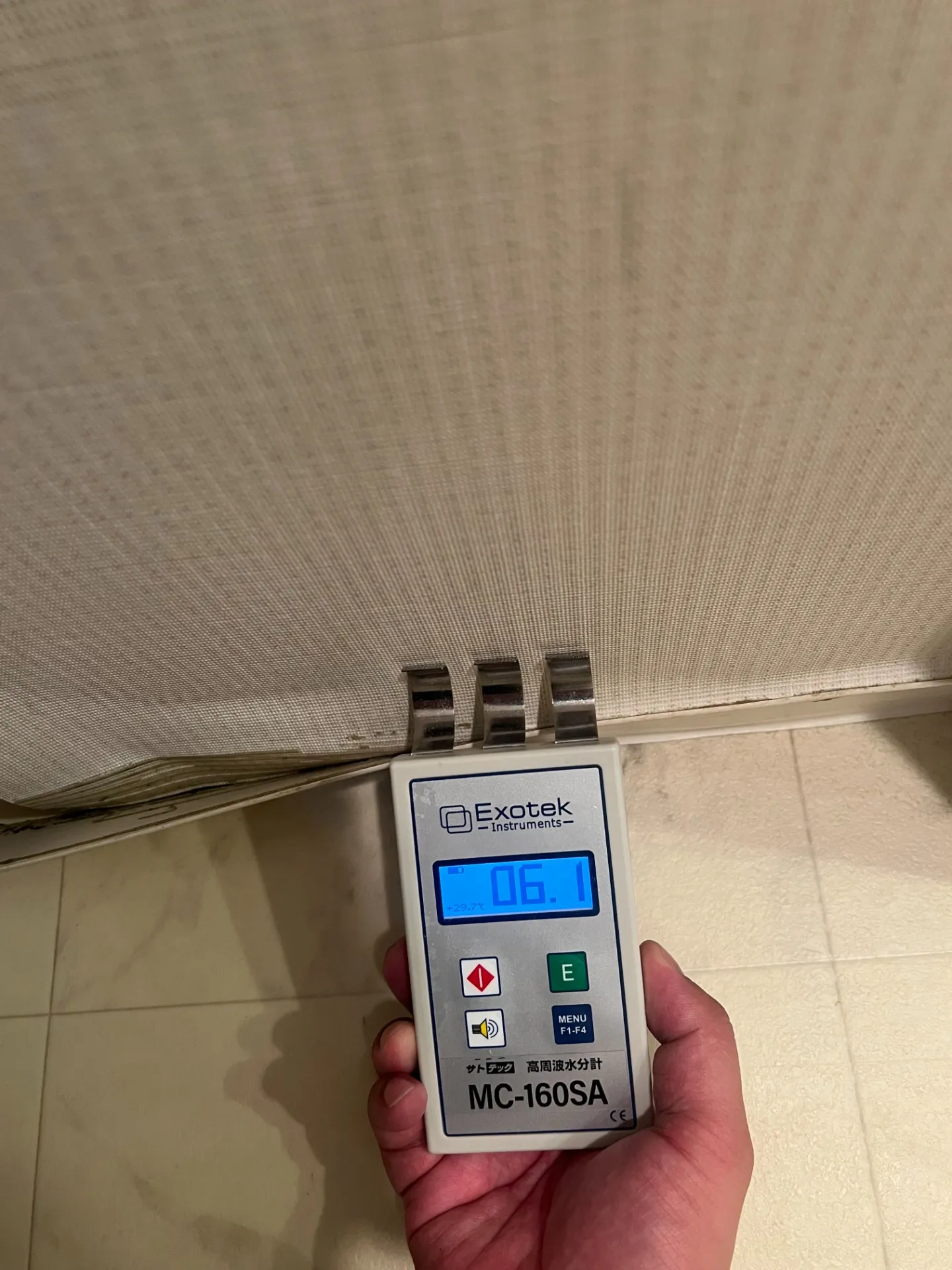
One of the earliest signs of mold is a distinct musty odor—commonly noticed in closed or low-ventilation spaces like storage rooms and basements. Discoloration on walls, wallpaper peeling, and moisture under furniture or carpets can also indicate mold development. However, these signs often appear only after mold has already spread. Regularly monitoring humidity levels is a proactive way to detect early risk; any space that consistently exceeds 60% humidity is a potential breeding ground for mold. Installing digital hygrometers and routinely checking the data allows for early intervention before mold becomes a serious problem.
6-2. Professional Testing: Air and Surface Sampling
When visual checks aren’t enough, professional mold testing becomes essential. Air quality testing can detect the concentration of mold spores in the air, while surface sampling reveals the type and severity of contamination. This is especially useful in luxury homes, where mold may be concealed within walls, ventilation ducts, or under premium flooring materials. Based on test results, experts can recommend targeted solutions—often saving homeowners from unnecessary renovations or treatments. Regular professional inspections, especially in high-risk areas like basements or wine storage rooms, are a cost-effective way to preserve both health and home value.
6. Early Detection and Diagnosis of Mold
In luxury homes, where construction materials and design are often complex, mold can be difficult to spot in its early stages. Especially in enclosed areas such as basements, wine cellars, or behind wall panels, hidden mold can grow unnoticed until it causes visible damage or health issues. To prevent such outcomes, homeowners must understand how to detect mold early and when to seek professional inspection.
6-1. Visual Clues, Odors, and Humidity Monitoring
One of the earliest signs of mold is a distinct musty odor—commonly noticed in closed or low-ventilation spaces like storage rooms and basements. Discoloration on walls, wallpaper peeling, and moisture under furniture or carpets can also indicate mold development. However, these signs often appear only after mold has already spread. Regularly monitoring humidity levels is a proactive way to detect early risk; any space that consistently exceeds 60% humidity is a potential breeding ground for mold. Installing digital hygrometers and routinely checking the data allows for early intervention before mold becomes a serious problem.
6-2. Professional Testing: Air and Surface Sampling
When visual checks aren’t enough, professional mold testing becomes essential. Air quality testing can detect the concentration of mold spores in the air, while surface sampling reveals the type and severity of contamination. This is especially useful in luxury homes, where mold may be concealed within walls, ventilation ducts, or under premium flooring materials. Based on test results, experts can recommend targeted solutions—often saving homeowners from unnecessary renovations or treatments. Regular professional inspections, especially in high-risk areas like basements or wine storage rooms, are a cost-effective way to preserve both health and home value.
7. Professional Mold Removal Methods and How to Choose the Right Specialist
In luxury homes, mold problems are rarely solved with DIY cleaning products. Hidden mold in walls, HVAC systems, or delicate architectural materials requires advanced knowledge and specialized equipment. Engaging a qualified mold removal professional is crucial—not just for effective remediation, but also for preserving the structural integrity and value of your home. Here's what you need to know about the available methods and how to choose the right expert.
7-1. Comparing Removal Methods: Spraying, Surface Treatments, and MIST Technology
There are various mold removal techniques, ranging from surface sprays to deep-penetrating treatments. One of the most effective for luxury homes is the MIST method®, a proprietary technology that removes mold without scrubbing, sanding, or damaging materials. This method uses a specially formulated mist that penetrates deep into materials, breaks down mold at the cellular level, and neutralizes spores without affecting delicate surfaces such as wood, fabric, or historical finishes. In contrast, some budget services rely on harsh chemicals or abrasive methods that may damage expensive materials. Choosing the right technique can make a significant difference in both the appearance and durability of your home's interiors.
7-2. Key Factors When Selecting a Mold Removal Specialist
When choosing a specialist, prioritize companies that demonstrate proven experience and offer transparency. Look for providers who share detailed case studies or portfolio examples involving luxury properties, especially those with basements, wine cellars, or high-end finishes. The company should clearly explain what products they use and confirm that their solutions are safe for humans and pets. It’s also important to verify whether they offer a comprehensive service—from initial inspection to post-treatment prevention. A trustworthy provider will offer preventative options such as anti-mold treatments and humidity control solutions. Don’t be swayed by low prices alone; evaluate whether the service covers deep remediation, material protection, and long-term prevention to ensure peace of mind.
8. Preventing Mold Recurrence and Building a Maintenance System
Even after professional mold removal, recurrence remains a major concern—especially in high-end homes where humidity, insulation, and complex layouts can work against you. That’s why mold control should not end with cleaning; it must be supported by a proactive, long-term maintenance strategy to protect both health and property value.
8-1. Regular Inspections and Cleaning Schedules
Routine inspections and cleanings are essential for preventing mold from returning. Key times include the rainy season and the months following winter, when condensation and moisture levels are typically higher. Areas to monitor include basements, wine cellars, bathrooms, and exterior walls. Engaging professionals to conduct periodic visual inspections helps catch early signs of moisture intrusion or system malfunctions. HVAC filters, ventilation ducts, and dehumidifiers should also be cleaned on a scheduled basis, as they often harbor hidden mold. In luxury homes, we recommend working with a property management firm or specialist to establish a seasonal inspection and cleaning calendar that aligns with the home’s specific features.
8-2. Combining Mold Prevention Treatments, Air Filtration, and Humidity Control
Mold prevention is most effective when multiple measures are used in tandem. Periodic application of anti-mold coatings on surfaces can significantly reduce the likelihood of regrowth. In addition, using high-performance air purifiers helps eliminate airborne spores, maintaining healthy indoor air quality. Controlling indoor humidity is arguably the most important factor—dehumidifiers with built-in sensors can keep levels consistently below 60%, a critical threshold for mold prevention. These tools, when used together, form a robust defense system that can dramatically reduce the chance of future infestations.
9. Case Studies: Mold Control Successes and Failures in Luxury Homes
When it comes to mold prevention and remediation, real-world examples can be the most valuable source of insight. In luxury homes, where unique materials and architectural features are involved, standard approaches often fall short. Below are two case studies—a successful mold remediation and a costly failure—to highlight what works and what doesn’t in high-end residential settings.
9-1. Success: Mold Removal in a Luxury Home Basement
In an upscale residence located in central Tokyo, the homeowner had a large basement housing a home theater and storage room. Within a few years, mold began to appear under the carpet and on parts of the walls. The primary cause was moisture seeping through the foundation and inadequate ventilation. Initially, the homeowner tried store-bought dehumidifiers, which offered only temporary relief. After contacting professionals, a detailed inspection revealed mold growth behind the walls. The remediation team applied MIST technology®, which removed the mold without damaging the surfaces. They also redesigned the insulation and added humidity sensors and an automatic ventilation system. Five years after treatment, no recurrence was reported. The key to success: early detection, thorough inspection, appropriate remediation, and proactive prevention.
9-2. Failure: Wine Cellar Mold Due to Poor Renovation Planning
In another case, a luxury vacation home was renovated to include a custom wine cellar. Unfortunately, aesthetics were prioritized over functionality, and no proper moisture barrier was installed. Though the room was equipped with a temperature control unit, there was no active ventilation system. Within two years, black mold appeared on wooden racks and bottle labels. By the time it was discovered, dozens of valuable bottles had to be discarded. A post-analysis showed that poor ventilation and failing insulation allowed moisture to accumulate behind the walls. The lesson: in high-end renovations, ignoring mold prevention in the design phase—even in visually perfect spaces—can lead to severe financial and structural consequences.
10. Summary and Next Steps
Luxury homes, while admired for their beauty and comfort, are not immune to hidden risks—mold being one of the most underestimated threats. Basements, wine cellars, and sealed rooms may provide privacy and elegance, but they also present ideal conditions for mold growth if not properly managed. This article has covered the key causes, health impacts, prevention methods, and real-world examples to help you protect your investment and well-being. Now, let’s review what actions you should take moving forward.
10-1. Immediate Actions to Take
Begin by evaluating your home's current humidity levels and checking for early warning signs of mold. Use digital hygrometers to monitor moisture levels—any reading consistently above 60% is a red flag. Perform visual inspections in common risk areas such as basements, corners of rooms, closets, and under furniture. Look for discoloration, peeling surfaces, or musty odors. If you have specialized rooms like a wine cellar, consider scheduling a professional air quality or surface mold test. Early detection is crucial, especially if residents are experiencing unexplained allergies or respiratory issues.
10-2. When and Why to Consult Professionals
Mold control in high-end homes requires more than basic cleaning—it demands expert knowledge, advanced technology, and tailored solutions. For example, the MIST method® offers deep mold removal without damaging delicate materials. If you are planning a renovation or have already experienced mold issues, it’s time to work with specialists who understand both architectural design and microbiological risks. A consultation can provide clarity on your home’s vulnerabilities, prevent unnecessary costs, and help you build a long-term protection strategy. Trusting experienced professionals is the smartest way to preserve both the beauty and safety of your luxury property.
Mold Removal and Luxury Renovation: Trust Taikou Kensou Co., Ltd.
At Taikou Kensou Co., Ltd., we offer an all-in-one solution for luxury mold removal and renovation—something only we can provide with confidence and precision.
We proudly operate “Kabibusters Osaka”, and our specialized services also extend to “Mold-Proof Renovation Tokyo” and “Mold-Proof Renovation Nagoya.” Our approach is tailored to the unique climate, architecture, and lifestyle requirements of each region, combining professional mold remediation with high-end renovation in one seamless service.
MIST Method® – Our Proprietary Technology for Mold Removal
Our original MIST Method® is a breakthrough mold removal system that eliminates mold at its root without scrubbing or damaging materials. It safely breaks down mold spores using a fine mist of proprietary solutions designed to preserve delicate materials like wood, stone, and plaster used in luxury homes. It’s also certified as safe for children, seniors, and pets, making it ideal for family residences and health-sensitive environments.
Taikou Kensou’s Renovation Division
We’re not just a mold removal company—we are also a renovation expert specializing in structural design, insulation, ventilation, and premium material handling. Our renovation services in the Kansai, Kanto, and Tokai areas include:
Custom remodeling of basements, wine cellars, home theaters, and private offices
Natural wood and imported material interior design and installation
High-insulation and moisture-controlled wall system upgrades
Universal design renovations (barrier-free access, kitchen and bath upgrades, etc.)
Complete mold diagnostics and integration into remodeling plans
One-Stop Service with Trust and Technical Expertise
Unlike companies that only handle mold removal or only do remodeling, Taikou Kensou offers both through a single point of contact. Our experts are trained in both microbiology and architecture, ensuring your home is not just beautiful—but also structurally sound and mold-free for the long term. From inspection and remediation to full-scale renovations and preventive planning, we deliver high-quality solutions tailored to luxury homes.
Don’t let invisible mold ruin your home’s value and your health.
Start with a free consultation and on-site inspection—Taikou Kensou is here to protect your lifestyle.
▼ Our Service Locations:
Kansai Region: Kabibusters Osaka (Head Office)
Kanto Region: Mold-Proof Renovation Tokyo (Tokyo, Kanagawa, Saitama)
Tokai Region: Mold-Proof Renovation Nagoya (Nagoya and greater Aichi Prefecture)
---------------------------------------------------------------------
カビ取リフォーム
東京営業所
〒141-0022
東京都品川区東五反田2-5-2 YHE CASK GOTANDA6階
電話番号:090-8321-4408
名古屋本社
〒465-0028
愛知県名古屋市名東区猪高台1-1301 タイコウビル1F
電話番号 : 0120-588-766
サイト:https://taikou-kensou.co.jp/
大阪営業所
〒532-0003
大阪府大阪市淀川区宮原1-19-23
電話番号:080-6978-3068
カビバスターズ大阪
https://kabibusters-osaka.com/
【検査機関】
一般社団法人微生物対策協会
https://kabikensa.com/
----------------------------------------------------------------------