Shut Out Mold with Condensation Control! Design-Stage Strategies for Prevention
2025/09/29
Thank you for reading our blog today.
Have you ever noticed your windows covered in water droplets or the corners of your walls feeling damp during the colder months? This isn’t just a cosmetic issue—it's a sign that condensation may be creating the perfect conditions for mold to take root in your home.
By reading this article, you’ll understand why condensation occurs and where the risks lie. You'll also gain a comprehensive understanding of effective design strategies—from insulation, airtightness, and ventilation, to specific solutions for different areas of a building and renovation methods.
Architects and builders will be able to offer more reliable design proposals, while homeowners can maintain a healthy, mold-free living environment over the long term. Additionally, it will help reduce the risk of construction errors and enable more cost-effective, durable design decisions.
1. What Is Condensation? – The Difference Between Surface and Internal Condensation
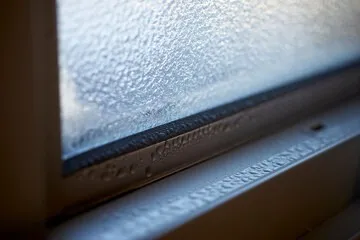
Condensation is a phenomenon where moisture in the air turns into water droplets when it comes into contact with a cold surface. At first glance, it may seem like nothing more than a bit of water, but when this occurs repeatedly, it can lead to serious issues such as mold growth, internal structural damage, and a decline in insulation performance. There are two main types of condensation: "surface condensation" and "internal condensation," each requiring different causes to be addressed and specific countermeasures.
1-1. Mechanism of Surface Condensation
Surface condensation occurs when cold surfaces such as window glass or walls are chilled during winter, and warm, humid indoor air comes into contact with them. It is especially common during nighttime, when temperatures drop and indoor humidity levels remain high, making it easier for water droplets to form on cold surfaces. This is a natural phenomenon that happens when the surface temperature falls below the dew point—the temperature at which moisture in the air condenses into water. While surface condensation is easily visible and therefore often noticed, it usually points to deeper issues such as poor insulation, inadequate airtightness, or insufficient ventilation. Simply wiping off the moisture does not address the root cause.
1-2. Risks of Internal Condensation (Within Walls and Structural Elements)
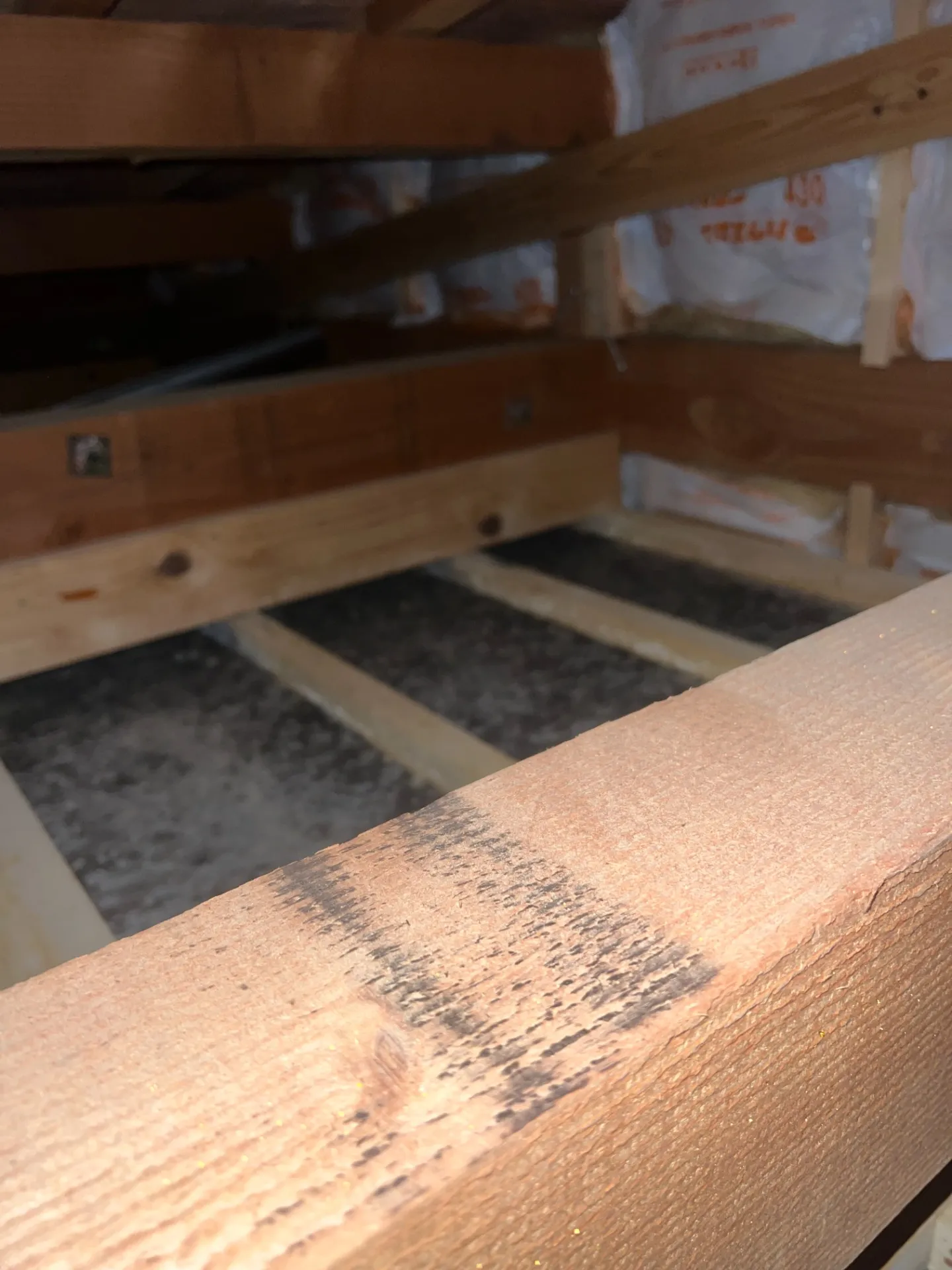
Internal condensation occurs inside structural components such as walls, under floors, or in attics. Because it happens out of sight—both from inside and outside—it often goes unnoticed for long periods. By the time signs appear, significant damage may have already occurred, including mold growth, degradation of insulation, and wood rot. Internal condensation happens when indoor moisture penetrates the wall cavity and condenses into water droplets upon reaching colder areas exposed to outside air. Preventing this requires proper placement of insulation, airtight construction, and well-designed vapor barriers. Since internal condensation can significantly shorten the lifespan of a building, preventive measures must be incorporated during the design phase.
1-3. How to Distinguish Between Surface and Internal Condensation
Because surface and internal condensation have different characteristics, they require different approaches. To distinguish them, first observe where and how the moisture appears. Surface condensation shows up as visible water droplets on cold surfaces such as windows, aluminum frames, or entrance doors. If you see dripping windows or damp curtains on winter mornings, it is likely surface condensation. In contrast, internal condensation cannot be seen directly. Signs may include wallpaper discoloration or peeling, musty odors, creaking floors, or deteriorating insulation—often only noticed when the damage is already extensive. One important point is that neglecting surface condensation can lead to internal moisture buildup, eventually causing internal condensation. This is especially critical in tightly sealed homes, where air circulation is limited, allowing moisture to remain trapped and cause serious structural damage. Early detection and intervention are essential—not just identifying the type, but also taking proactive steps.
2. Why Does Condensation Cause Mold? — Conditions and the Underlying Connection
Mold growth requires certain conditions to be met, and among these, "moisture" is the most critical factor. Condensation serves as a constant source of that moisture, creating an ideal environment for mold to thrive. In other words, wherever condensation occurs, the conditions are essentially primed for mold to develop. In this section, we’ll explore the specific conditions that promote mold growth and explain how condensation is directly connected to that process.
2-1. The Three Conditions Necessary for Mold Growth (Temperature, Humidity, and Nutrients)
For mold to grow, three specific conditions must be met: temperature, humidity, and a source of nutrients. Mold thrives in temperatures between 20°C and 30°C (68°F to 86°F) and in environments with relative humidity above 70%. As for nutrients, mold feeds on common organic materials such as dust, human skin oils, wood, paper, and fabric—substances that are almost always present in our daily living spaces. Among these three conditions, humidity is the most variable and the hardest to control. When indoor humidity rises and turns into condensation, it creates the kind of consistently damp environment that mold loves.
2-2. From Condensation to Standing Moisture to Mold Growth
When condensation occurs, moisture accumulates and remains in place. In the case of surface condensation, water collects on window frames or the lower parts of walls. With internal condensation, moisture seeps into the wall cavities or structural components. This standing water provides the perfect environment for mold to grow. In poorly ventilated areas or within insulation that holds moisture and dries slowly, the risk of rapid mold proliferation is especially high. Once mold takes root, it becomes difficult to remove, and the longer it's left untreated, the greater the risk to both health and building materials. In this sense, condensation isn't just an annoying side effect of winter weather—it's a mechanism that actively promotes mold growth. Preventing condensation is the first and most crucial step in stopping mold before it starts.
2-3. The Health and Structural Impacts of Mold Damage
Mold not only looks unpleasant, but it can also have serious consequences for both human health and building integrity. From a health perspective, mold spores can become airborne and, when inhaled, may cause allergic rhinitis, asthma, skin irritation, or even pneumonia. Vulnerable groups such as young children, the elderly, or those with weakened immune systems are particularly at risk and must not be overlooked. In addition, the musty odor that mold emits can degrade overall quality of life, making extended occupancy stressful. As for structural impacts, mold resulting from internal condensation can degrade insulation, lead to wood rot, and compromise the building’s thermal performance. This not only increases energy costs and reduces comfort but can also shorten the overall lifespan of the structure. Mold damage is a serious issue that affects both health and housing, making it essential to prevent condensation and implement thorough, long-term countermeasures.
3. Three Key Elements for Preventing Condensation at the Design Stage: Insulation, Airtightness, and Ventilation
When it comes to preventing condensation, after-the-fact solutions have their limitations. The most effective approach is to design a home structure from the ground up that inherently resists condensation. The three essential elements in achieving this are insulation, airtightness, and ventilation. These components do not function independently; rather, they work in synergy to effectively prevent condensation and suppress mold growth. In this section, we’ll explore how each of these elements contributes to creating a condensation-resistant home.
3-1. High-Performance Insulation to Maintain Surface Temperatures
A well-insulated design helps keep indoor air from being affected by outdoor temperatures, maintaining higher surface temperatures on interior walls and windows. This reduces the likelihood of the surface temperature dropping below the dew point, thereby preventing surface condensation. Key strategies include the proper placement of insulation materials and attention to thermal bridges—areas like metal components or structural joints that can transfer cold into the building. Not only the thickness but also the type of insulation and the precision of its installation are crucial. Any gaps can allow cold air to seep in, creating localized cold spots that can lead to condensation. In short, high-performance insulation is not just about energy efficiency—it’s a foundational element for both health and the long-term durability of the building.
3-2. Airtight Construction and the Role of Vapor Barriers
Enhancing airtightness prevents humid indoor air from penetrating into the walls, which helps avoid internal condensation. This is especially critical in winter, when the temperature difference between indoors and outdoors is substantial. If water vapor enters the wall and reaches the colder outer side, it will condense. To prevent this, a vapor barrier should be installed on the interior side to block moisture, while the exterior should use breathable materials to allow any trapped humidity to escape—maintaining a proper "vapor balance" between inside and outside. Airtight sealing with membranes and tapes is also essential. By incorporating an airtightness strategy at the design stage and ensuring precise installation, internal condensation—which provides a breeding ground for mold—can be effectively avoided.
3-3. Ensuring Ventilation Layers and Moisture Escape Routes
No matter how well a building is insulated and sealed, it won’t be effective if moisture is trapped inside. This makes “ventilation” and “moisture drainage” crucial. A ventilation layer within the wall structure allows humidity to escape, and moisture pathways in the roof or eaves help guide it out. Preventing prolonged exposure of insulation and structural materials to moisture is key to minimizing condensation risks. Additionally, integrating indoor ventilation systems—such as continuous 24-hour ventilation—into the overall design helps expel humidity throughout the building. These invisible air passages and drainage paths play an essential role in maintaining a dry environment and are vital for effective condensation control.
4. Design Considerations and Countermeasures by Building Component
4-1. Condensation Countermeasures Around Windows and Sashes
Among all areas in a home, windows are the most visibly affected by condensation. This is because glass and aluminum sashes are highly susceptible to outside temperatures, creating a large temperature difference between the interior and exterior. Effective countermeasures include using double-glazed or triple-glazed windows and installing resin (vinyl) sashes, which significantly improve insulation and help maintain higher surface temperatures on the glass. It's also crucial to insulate around the window frames properly to eliminate thermal bridges. Additionally, ensuring that curtains and blinds do not block air circulation on the interior side can help prevent condensation buildup, so planning for proper ventilation around windows is equally important.
4-2. Wall, Ceiling, and Underfloor Structure and Internal Condensation Prevention
Walls, ceilings, and underfloor areas are particularly prone to internal condensation. When moisture accumulates within these structural components, it creates ideal conditions for mold growth and material deterioration. To prevent this, it's essential to design proper airtight and vapor barrier layers inside the walls and install insulation without any gaps. Underfloor areas, which are in direct contact with outdoor air, tend to have higher humidity levels and should include vents or foundation pads to ensure airflow. In ceiling spaces and between the roof and attic, providing adequate ventilation layers prevents moisture accumulation and stagnation. Since these areas are often difficult to inspect visually, installing humidity sensors and establishing a routine inspection system is also important. Understanding the unique risks of each component and applying tailored design and construction methods is the key to effective condensation prevention.
5. Indoor Environmental Design: Humidity Control and Ventilation Strategies
No matter how well insulation, airtightness, and ventilation are designed, condensation cannot be prevented without proper indoor humidity control. How you design the quality of indoor air and the routes for moisture to escape is key to creating a comfortable, mold-free living environment. In this section, we will explain essential design points for maintaining appropriate humidity levels and explore effective ventilation strategies.
5-1. Designing to Maintain Indoor Humidity Below 60%
Indoor relative humidity is a crucial factor that affects both comfort and the risk of condensation. The ideal humidity range is considered to be between 40% and 60%. When it exceeds this range, mold and dust mites are more likely to thrive, leading to potential health problems. To effectively manage humidity, it’s important to first identify the sources of moisture—such as cooking, bathing, and drying laundry indoors. Strategically placing ventilation systems in each room can help control moisture levels, and integrating humidity sensors with automated control systems is also effective. Additionally, using interior materials with moisture-regulating properties (discussed in the next chapter) can help prevent sudden spikes in humidity through passive design.
5-2. Ventilation Planning (24-Hour, Spot, and Natural Ventilation)
Under Japan’s Building Standards Act, new homes are required to be equipped with 24-hour ventilation systems, but simply installing them is not enough. What matters most is ensuring effective airflow, especially in areas where moisture tends to accumulate. Bathrooms, laundry rooms, and kitchens should have dedicated exhaust fans to remove moisture directly. Incorporating natural ventilation through open spaces or operable windows can also promote air circulation year-round. The key to effective ventilation lies in clearly designing both the "inlets" and "outlets" for air. Avoiding "dead zones" where air becomes stagnant—particularly in high-moisture areas—is essential. A well-thought-out ventilation plan that accounts for air movement throughout the entire home directly contributes to preventing condensation.
6. Mold Prevention and Condensation Control Using the MIST Method
Mold growth caused by condensation requires not only preventive measures at the design stage but also effective treatment for mold that has already developed. One highly regarded solution is the "MIST Method®," which completely eliminates mold at its root without damaging the underlying materials and provides long-lasting prevention. Unlike traditional scrubbing or chemical treatments, this innovative approach preserves both the appearance and structural integrity of the building while thoroughly removing mold.
6-1. Features of the MIST Method: Thorough Mold Removal Without Damaging Materials
The MIST Method is a proprietary technique that adjusts the concentration and formulation of its special agents according to the condition of the mold and the surface being treated. This allows for complete mold decomposition and elimination without the need for scrubbing or scraping, thereby preserving the integrity of the material. The mold removal agents used are composed of ingredients that are safe for humans, making the method suitable not only for homes but also for sensitive environments such as hospitals, daycare centers, and historical buildings. It can be applied to a variety of materials including wood, wallpaper, and plaster, ensuring that their natural appearance remains intact after treatment. As a result, the MIST Method doesn’t just remove visible mold—it solves the problem at its root cause.
6-2. Disinfection and Anti-Mold Treatment for Long-Term Condensation and Mold Control
Another major advantage of the MIST Method is the anti-mold treatment performed after mold removal. A specially formulated anti-mold agent is sprayed in a fine mist, allowing it to penetrate deep into wall materials and wood, effectively preventing mold from returning. This agent is both fast-acting and long-lasting, and it also targets airborne mold spores, making the environment much less conducive to mold growth—even if moisture builds up again due to future condensation. Additionally, the anti-mold treatment helps protect materials from further deterioration, thereby enhancing the overall durability of the building. By incorporating such treatments alongside thoughtful design, it becomes possible to significantly reduce the risk of mold—even if condensation does occur.
7. For Mold Removal and Prevention, Trust Kabi Reform Tokyo/Nagoya and Kabi Busters Osaka
Designing to prevent condensation and carefully selecting materials are crucial for maintaining a building’s performance and ensuring a healthy living environment. However, even with the best design, mold can sometimes appear in unexpected areas due to real-life usage conditions or aging structures. In such cases, you can rely on Kabi Reform Tokyo/Nagoya and Kabi Busters Osaka.
We are professionals in mold removal, using our proprietary MIST Method®, which eliminates mold at its root without damaging the surface. This non-destructive treatment doesn’t involve scrubbing or scraping, making it suitable for delicate materials like wood and plaster. Moreover, the special mold-removal agents we use have passed safety tests such as industrial wastewater evaluations, so our services are safe even for facilities used by children and the elderly.
In addition to mold removal, we also perform thorough anti-mold treatment using a mist of protective agents that penetrate deep into materials and eliminate airborne mold spores. This offers long-lasting protection and significantly reduces the chance of mold returning. The MIST Method is a complete mold solution that not only preserves the appearance of your home but also helps extend the lifespan of the building itself.
Whether you’re dealing with visible mold, persistent odors, or concerns about health risks, our experienced specialists will respond with care and precision. If you're struggling with mold caused by condensation, don’t hesitate to contact Kabi Reform Tokyo/Nagoya or Kabi Busters Osaka. We’ll provide the most effective solution to protect both your home and your health.
---------------------------------------------------------------------
カビ取リフォーム
東京営業所
〒141-0022
東京都品川区東五反田2-5-2 YHE CASK GOTANDA6階
電話番号:090-8321-4408
名古屋本社
〒465-0028
愛知県名古屋市名東区猪高台1-1301 タイコウビル1F
電話番号 : 0120-588-766
サイト:https://taikou-kensou.co.jp/
大阪営業所
〒532-0003
大阪府大阪市淀川区宮原1-19-23
電話番号:080-6978-3068
カビバスターズ大阪
https://kabibusters-osaka.com/
【検査機関】
一般社団法人微生物対策協会
https://kabikensa.com/
----------------------------------------------------------------------