Complete Guide to Mold Types and Causes in High-Insulation, Airtight Homes: Identifying Hidden Risks and How to Prevent Them
2025/09/23
Thank you for visiting our blog today.
High-insulation, airtight homes are designed to offer comfort and energy efficiency. However, they can also trap humidity indoors, leading to an increasing number of mold problems in unexpected places. Hidden mold behind walls, black stains near windows, and musty odors from under the floor are just a few signs that mold could be silently threatening your home’s comfort.
In this article, we’ll explain in detail the types of mold that tend to occur in airtight, highly insulated homes, along with their causes, the mechanisms behind condensation and humidity, and how housing structure and daily habits contribute to the problem. We’ll also share real-life case studies, practical countermeasures, and tips for managing humidity effectively.
By reading this article, you’ll gain a deeper understanding of how to maintain the comfort and durability of high-performance homes, and prevent health issues or structural damage caused by mold. From overlooked warning signs to actionable prevention methods, this article is a must-read for designers, builders, and homeowners alike.

1. What Are Highly Airtight and Well-Insulated Homes?
Highly airtight and well-insulated homes are designed to improve energy efficiency for heating and cooling, while maintaining a comfortable indoor environment throughout the year. By minimizing air leakage and preventing the transfer of heat between the interior and exterior, these homes make it easier to control both temperature and humidity. Although they have become increasingly popular due to growing awareness of energy conservation and sustainability, poor design, construction, or maintenance can lead to unexpected drawbacks.
1-1. Definition and Recent Performance Standards (Insulation, Airtightness, Ua Value, C Value)
"High insulation" refers to the ability of a home’s exterior envelope—including the roof, walls, floors, and windows—to block the external temperature and retain indoor comfort. The Ua value (average heat transfer coefficient) is commonly used to measure insulation performance. Lower Ua values indicate better insulation. For example, in colder regions like Hokkaido, a Ua value of 0.36 W/㎡·K or lower is recommended, while in central Honshu, 0.6 W/㎡·K or lower is typical.
On the other hand, "high airtightness" means minimizing air leakage in the home’s structure. This is quantified by the C value (equivalent leakage area). A C value of 1.0 cm²/m² or less is considered highly airtight, with values of 0.5 or lower regarded as exceptional.
When these two elements are properly balanced, the result is a home that requires minimal energy to maintain comfort. Even a single air conditioner can regulate the entire house, reducing energy bills and minimizing temperature fluctuations that can cause issues like heat shock.
1-2. Benefits and Potential Drawbacks
The benefits of highly airtight and well-insulated homes are numerous. First and foremost is indoor comfort. In winter, warmth stays inside; in summer, heat is kept out—creating a consistently comfortable environment in every room. This not only leads to lower energy bills, but also supports eco-conscious living.
High insulation also means that walls and floors remain warmer, reducing the risk of cold-related health issues. Furthermore, the improved airtightness contributes to enhanced soundproofing, offering a quieter indoor environment.
However, there is a significant caveat: moisture can easily become trapped. Airtight structures prevent air—and thus moisture—from escaping naturally. Everyday activities like cooking, bathing, doing laundry, or even breathing all add moisture to the indoor air. Without proper ventilation, this can result in condensation forming behind walls, around windows, or under floors—ultimately leading to mold growth.
Therefore, to truly enjoy the benefits of a high-performance home, ventilation design and humidity control are just as essential as insulation and airtightness.
2. What Is Mold? A Basic Understanding of Fungi
To properly address mold issues in residential environments, it’s essential to first understand what mold is, how it grows, and why it appears in homes. In this section, we’ll explore the biological nature of mold and the environmental factors that allow it to thrive.
2-1. The Biology of Mold and the Conditions It Needs to Grow
Mold is a type of microorganism classified as a fungus. It releases invisible spores into the air and, when the right conditions are present, it can begin growing almost anywhere. Residential spaces where we live are often ideal environments for mold to thrive.
There are four main elements mold needs to grow:
Humidity (Moisture): Mold becomes active when relative humidity exceeds 60%, and its growth accelerates rapidly above 70%.
Temperature: Mold grows most actively in temperatures between 20°C and 30°C (68°F–86°F), with optimal growth occurring around 25°C (77°F).
Nutrient Sources: Mold feeds on organic materials such as dust, skin oils, textile fibers, paper, and wood—all commonly found throughout homes.
Oxygen: Mold is aerobic, meaning it requires oxygen to grow.
When these four conditions are present and sustained over time, visible mold contamination can develop. As modern homes become more airtight and better insulated, they tend to create ideal conditions for mold growth—making this an important issue to manage.
2-2. Common Types of Mold Found in Japanese Homes
Several common types of mold are frequently found in Japanese homes, each with distinct appearances and environmental preferences. Understanding their characteristics is key to early detection and prevention.
The most common is black mold (such as Cladosporium species). It appears as dark spots on areas that retain moisture, like bathroom tiles, rubber window gaskets, and the corners of wallpaper. These areas, especially those prone to condensation or located near water sources, require close attention.
Next, blue and green molds (like Penicillium species) often appear on the surfaces of organic materials such as paper and wood. They are commonly found in poorly ventilated areas like closets or behind furniture. Items such as fabric, cardboard, or books left in humid environments are especially susceptible.
Soot molds or dust molds thrive by feeding on dust and grease. These often appear around kitchen areas or near air vents. Visually, they resemble black or dark powdery patches and may also be found near heating appliances.
A growing concern in recent years is hidden mold—the type that develops inside walls, beneath floors, or in attics. These areas are not visible in daily life, making detection difficult until odors arise or damage becomes evident. Such hidden mold can seriously impact indoor air quality and the integrity of building materials. Regular inspections and humidity control are essential to prevent serious damage.
3. Why Mold Easily Occurs in Highly Airtight and Well-Insulated Homes (Structure, Environment, and Daily Habits)
While highly airtight and well-insulated homes offer comfort and energy efficiency, their tightly sealed nature can also create an environment where mold is more likely to grow. The combination of structure, indoor climate conditions, and everyday living habits can unintentionally provide the perfect setting for mold development.
3-1. Sources of Moisture and Causes of Trapped Humidity
In highly airtight homes, the main problem is that moisture has fewer opportunities to escape. Everyday activities such as cooking, showering, doing laundry, and even breathing produce indoor humidity. In traditional homes, natural airflow or small leaks might have carried this moisture outside. But in airtight homes, without proper ventilation, humidity tends to build up indoors.
Another often overlooked source of moisture is construction-related dampness. If materials like wood or insulation absorb moisture during the building phase, or if they’re sealed before drying completely, that trapped moisture can linger inside walls or floors long after move-in. Additionally, outdoor moisture—such as from rainfall or ground humidity—can also penetrate through poorly sealed areas and accumulate inside the structure.
If not managed properly, this trapped moisture becomes the breeding ground for mold, especially in enclosed spaces like wall cavities, under floors, or in ceiling voids.
3-2. Temperature Differences and How Condensation Forms
In high-performance homes, thermal insulation reduces temperature fluctuations within rooms—but it can also lead to temperature imbalances between surfaces and air. During colder seasons, for example, indoor air remains warm while exterior walls or window surfaces become cold. When warm, moist air comes into contact with these cold surfaces, condensation occurs. This creates wet areas that can foster mold growth.
A particularly troubling issue is interstitial condensation—condensation that forms inside walls, ceilings, or under floors where it is not visible. This happens when insulation or vapor barriers are not installed properly, allowing moisture-laden air to enter and condense out of sight. Over time, these hidden areas can support mold growth that goes undetected until it becomes a serious problem.
3-3. Poor Ventilation, Insulation Issues, and the Impact of Construction Quality
Lack of airflow: High airtightness minimizes natural ventilation, so homes rely heavily on mechanical systems to move air. If these systems are inadequate, broken, or used improperly, moisture doesn't escape and instead builds up.
Ventilation system failure or misuse: Even when a home has a high-performance ventilation system, issues like clogged filters, insufficient airflow, or residents turning off the system (due to noise or energy use) can render it ineffective. As a result, humidity levels rise quickly—especially during winter, when indoor and outdoor temperatures vary greatly.
Insulation material and installation problems: If insulation is poorly installed—leaving gaps or using inappropriate materials—thermal bridges may form, causing localized cold spots where condensation can occur.
Thermal bridging (cold spots): Areas where insulation is interrupted, such as at window frames, beams, or structural joints, become cold relative to the indoor air. These surfaces are especially prone to condensation, and therefore mold.
Together, these factors mean that, even in homes built to high energy performance standards, mold can become a serious issue unless ventilation, moisture control, and construction quality are carefully managed.

4. Specific Types of Mold and Where They Commonly Occur
In residential environments—especially in highly airtight and well-insulated homes—mold can appear in a variety of forms, depending on the conditions and materials involved. Understanding the types of mold and where they are likely to grow helps homeowners and professionals alike identify problems early and take appropriate action before they worsen.
4-1. Black Mold (Cladosporium) – Bathrooms, Window Frames, and Areas with Standing Moisture
Black mold is one of the most common types found in homes and is typically dark gray or black in color. It thrives in environments with high moisture levels, especially in areas where water tends to remain for extended periods. You’ll often find it on:
Bathroom tiles and grout lines
Rubber seals around windows
The corners of wallpaper near exterior walls
Surfaces prone to condensation or frequent contact with water
These areas, particularly bathrooms and windows in poorly ventilated rooms, provide ideal conditions for black mold growth.
4-2. Blue and Green Mold (Penicillium, Aspergillus) – Paper, Wood, and Poorly Ventilated Areas
Blue and green molds often develop on organic materials such as paper, wood, and fabric. They are especially common in:
Closets and storage spaces with limited air circulation
Behind furniture placed flush against walls
On cardboard boxes or old books stored in humid rooms
On wooden shelves, tatami mats, or window sills
When ventilation is poor and humidity is not properly controlled, these molds can spread quickly across a wide surface area.
4-3. Sooty Mold / Dust Mold – Kitchens, Vents, and Near Heating Appliances
Soot mold and dust mold feed on dirt, grease, and airborne particles. They often appear as black or gray powdery patches, and are typically found:
Around cooking areas or above stoves
Near air vents or filters with accumulated dust
On walls or ceilings close to gas heaters or radiators
These molds may go unnoticed until they start producing odors or staining surfaces, especially if cleaning is infrequent in those areas.
4-4. Hidden Mold – Inside Walls, Under Floors, and in Attics
Perhaps the most serious type is hidden mold, which grows in areas not visible to the naked eye. These include:
Inside wall cavities, especially in exterior-facing walls
Under floorboards or baseboards
Beneath insulation or vapor barriers
In attics or crawl spaces with limited airflow
Hidden mold can remain undetected for years while silently degrading the structure of the home and negatively impacting indoor air quality. In many cases, it’s discovered only after damage becomes visible, or occupants begin experiencing health issues such as allergies or respiratory problems.
By recognizing these mold types and their typical locations, homeowners can monitor at-risk areas and take preventive measures more effectively. Regular inspections, especially in high-humidity zones, are key to protecting both health and the longevity of the home.
5. Climate Characteristics of the Kanto Region and Challenges in Japanese Housing
Understanding regional climate is essential when evaluating mold risk in homes. The Kanto region, which includes Tokyo, Kanagawa, Chiba, and surrounding areas, has a distinct climate that contributes significantly to mold problems—especially in modern Japanese houses with high insulation and airtight construction.
5-1. High Humidity and Seasonal Temperature Shifts
The Kanto region experiences hot, humid summers and cold winters, with large fluctuations in temperature and humidity between seasons. During the rainy season (tsuyu) in June and July, and again in the late summer typhoon period, the air becomes saturated with moisture, often pushing indoor humidity levels above 70%.
These conditions, combined with the enclosed nature of high-performance homes, can lead to frequent condensation, especially around windows, in closets, and on exterior-facing walls. In winter, while indoor air is warmed with heating systems, the colder outside temperatures can cause thermal bridges and cold spots—ideal locations for hidden condensation and mold to form.
Additionally, during spring and autumn, when the use of HVAC systems is reduced, people tend to open windows less frequently, leading to stagnant air and trapped moisture inside the home.
5-2. Common Construction Practices and Their Limitations
Modern Japanese houses are increasingly built with energy efficiency in mind, utilizing high insulation and tight sealing to reduce heating and cooling costs. While this improves comfort, it also reduces natural ventilation—making proper mechanical ventilation systems essential.
However, several challenges arise:
Inconsistent construction quality: Variability in contractor skill and oversight can lead to gaps in insulation or poorly sealed areas that allow moisture to accumulate inside walls.
Limited crawl space ventilation: Many homes in Japan still have traditional crawl spaces (yuka-shita), which often lack adequate airflow and become breeding grounds for mold.
Overuse of moisture-sensitive materials: Paper-based wallpaper, tatami mats, and plywood can readily absorb moisture, providing nutrients for mold if humidity is not properly managed.
Inadequate maintenance culture: Unlike in some Western countries, regular deep inspections of wall cavities, attic spaces, or underfloor areas are rare, allowing hidden mold problems to go unnoticed for years.
These structural and cultural factors, combined with the Kanto region’s climate, create an environment where mold can easily thrive if proper countermeasures are not taken.
6. By the Numbers: Humidity, Temperature, and Mold Growth Thresholds
Understanding mold growth isn’t just about observing visible signs—it’s also about knowing the exact environmental conditions that encourage it. Mold does not appear randomly; it thrives within specific ranges of humidity and temperature. Monitoring and managing these factors with measurable data is crucial for preventing mold, especially in airtight, insulated homes.
6-1. Ideal Conditions for Mold Growth Based on Data
Numerous studies and field observations have identified the critical thresholds at which mold begins to grow:
Humidity:
Mold becomes active when relative humidity exceeds 60%. Once it reaches 70% or more, mold growth accelerates significantly. Even short periods of high humidity—just a few hours a day—can lead to visible mold over time, especially on organic materials like wood or wallpaper.
Temperature:
Mold thrives in temperatures between 20°C and 30°C (68°F–86°F). The sweet spot for rapid growth is around 25°C (77°F). These are typical indoor temperatures during the spring and summer months in most Japanese homes.
Time:
Even if humidity and temperature levels are optimal for mold growth, the duration of exposure is also key. Mold typically requires 24 to 48 hours of sustained high humidity to begin forming. However, repeated cycles of condensation and drying can also cause cumulative damage.
These parameters form what experts often call the "mold triangle": moisture, warmth, and time. If all three are present, mold is almost guaranteed to appear—unless preventative action is taken.
6-2. Monitoring Tools and Data-Based Mold Prevention
To prevent mold effectively, it’s important not to rely on intuition alone. Instead, quantitative monitoring using tools like hygrometers and smart sensors can help visualize the risks in real time.
Digital hygrometers and thermometers: Allow residents to measure indoor climate conditions easily and identify high-risk areas such as closets, under sinks, or near windows.
Smart home humidity sensors: Can send alerts when humidity exceeds safe levels, allowing for timely ventilation or dehumidifier use.
Data logging systems: Used by professionals to track moisture levels in walls or flooring over time—especially useful for investigating hidden mold or diagnosing moisture problems in airtight homes.
By using data to anticipate and respond to changes in the indoor environment, both homeowners and builders can take proactive steps to stop mold before it starts.
7. Construction and Design Mistakes and Lifestyle Habits That Worsen the Problem
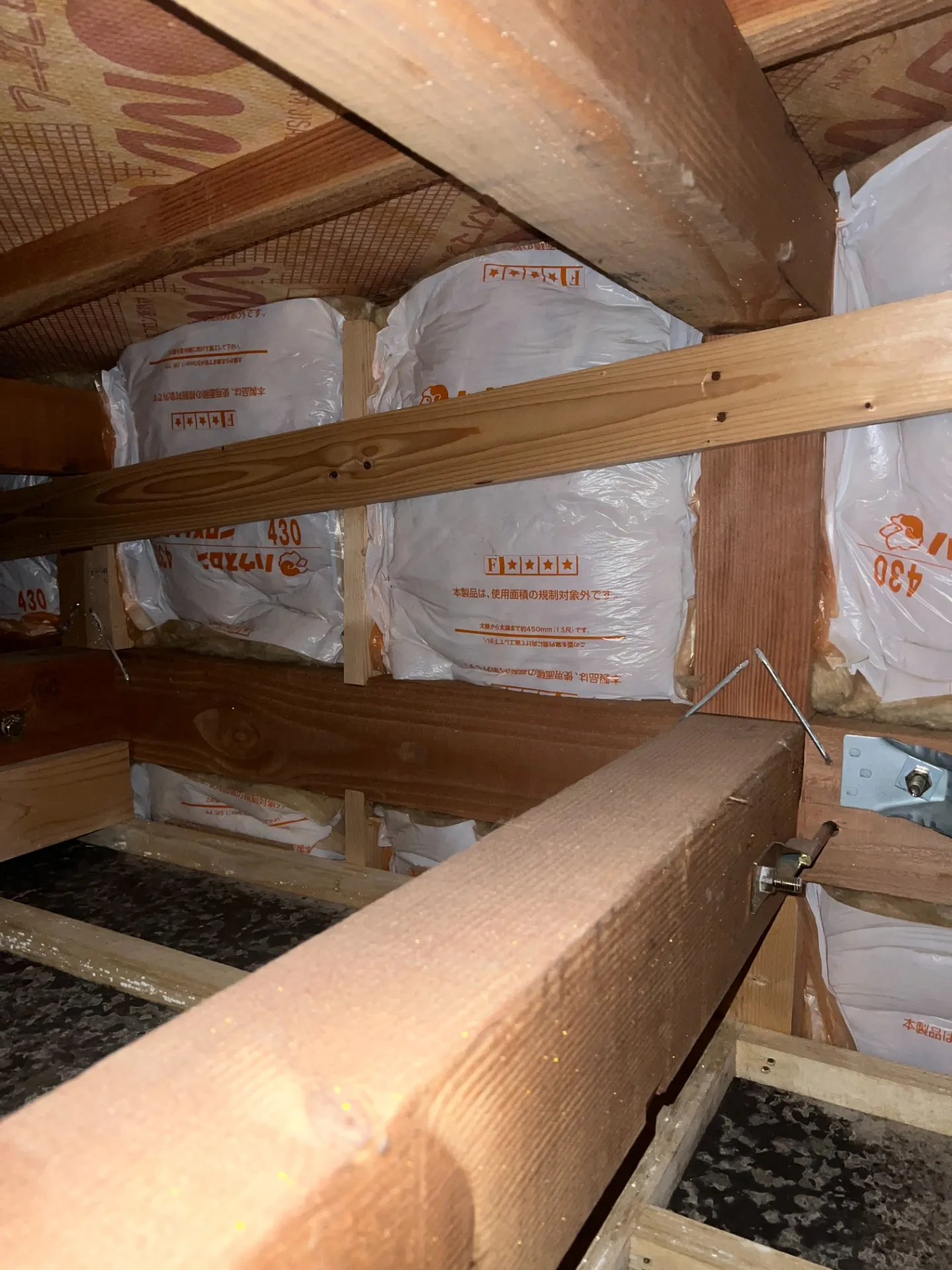
One of the factors that can turn the high airtightness and thermal insulation performance of modern homes into a disadvantage is their tendency to trap moisture. Furthermore, when combined with design or construction flaws and poor lifestyle habits after moving in, the risk of mold growth increases significantly.
7-1. Improper Insulation Installation, Gaps, and Thermal Bridges
If insulation is unevenly installed or vapor barriers are not properly applied, small gaps can form inside the walls. Air can flow into these gaps, and when temperature differences occur, condensation is likely to form. This moisture becomes a breeding ground for mold.
Thermal bridges—also known as “cold bridges”—are another issue that cannot be ignored. These occur where insulation is not continuous, allowing cold external temperatures to easily transfer inside. This creates concentrated points of temperature difference, making condensation more likely in those areas and increasing the risk of hidden mold growth.
Even in high-performance homes, if construction quality is poor, there’s a real danger that mold will silently spread inside the walls without the residents knowing. Proper insulation and moisture control during construction are crucial to preventing mold problems.
7-2. Ventilation System Failures or Shutoff
In airtight homes, controlled ventilation is essential for maintaining a healthy indoor environment. While many homes are designed with 24-hour ventilation systems, in real life, occupants may turn them off due to noise or concerns about electricity costs.
If the ventilation system’s filters become clogged or the ducts deteriorate due to humidity, the system will fail to perform as intended. When ventilation doesn’t work properly, indoor moisture continues to accumulate, eventually leading to condensation and mold.
This problem is especially critical in winter when the temperature difference between indoors and outdoors is large. Shutting off the ventilation system during this time can quickly cause condensation on windows and walls, creating ideal conditions for mold growth behind the scenes.
7-3. Indoor Laundry Drying, Bathroom Moisture, and Poor Airflow in Daily Habits
Moisture problems can also arise from everyday habits. One of the most common causes is drying laundry indoors. Wet clothes release large amounts of moisture into the air, and without proper ventilation, humidity levels rise rapidly.
Opening the bathroom door after bathing or turning off the exhaust fan too early can also trap moisture inside the house. In addition, habits like placing furniture directly against walls or keeping closets and storage spaces shut for long periods can hinder airflow and encourage dampness.
Even in homes with excellent performance, such small “moisture accumulations” in daily life can become a major cause of mold. Reviewing and improving these habits is a simple yet effective step toward preventing serious mold problems.
8. Early Signs of Mold Growth and Inspection Checkpoints
Mold, once it begins to grow, tends to penetrate not just the surface but deep into the material itself. This is especially true in highly airtight and well-insulated homes, where hidden mold can spread out of sight. Therefore, early detection and prevention are crucial.
In this section, we will explain the signs you should regularly check for in your daily life, as well as the "MIST Method®"—an effective professional approach for inspection and mold removal.
8-1. Early Signs of Mold Growth and Self-Check Methods
Before mold becomes a serious issue, it often shows certain early warning signs. By regularly checking the following points, you can prevent serious damage:
Visible changes: Peeling or discolored wallpaper, stains, black spots around window frames, or faint marks on floors and ceilings.
Musty odors: A damp or moldy smell coming from closets, underfloor areas, or storage spaces.
Moist surfaces: A cool or slightly damp feeling when touching walls, floors, or around windows.
Health symptoms: Persistent coughing, sneezing, sore throat, or skin irritation without a clear cause.
If you notice any of these signs, it may indicate that mold is already growing in hidden areas such as behind walls, under floors, or above ceilings.
8-2. Professional Mold Diagnosis and Safe Treatment with the MIST Method®
For areas where self-checks are insufficient or mold damage has already progressed, professional inspection and treatment are necessary. One highly recommended solution is the MIST Method®, an exclusive technology developed by Kabibusters.
The MIST Method is a patented technique that removes mold at its root without scrubbing or scraping, preserving the integrity of delicate materials like wood and wallpaper.
Here’s how the process works:
Visual and instrument-based mold inspection
Specialists examine hidden areas using dedicated equipment to check for mold presence, moisture levels, and material deterioration.
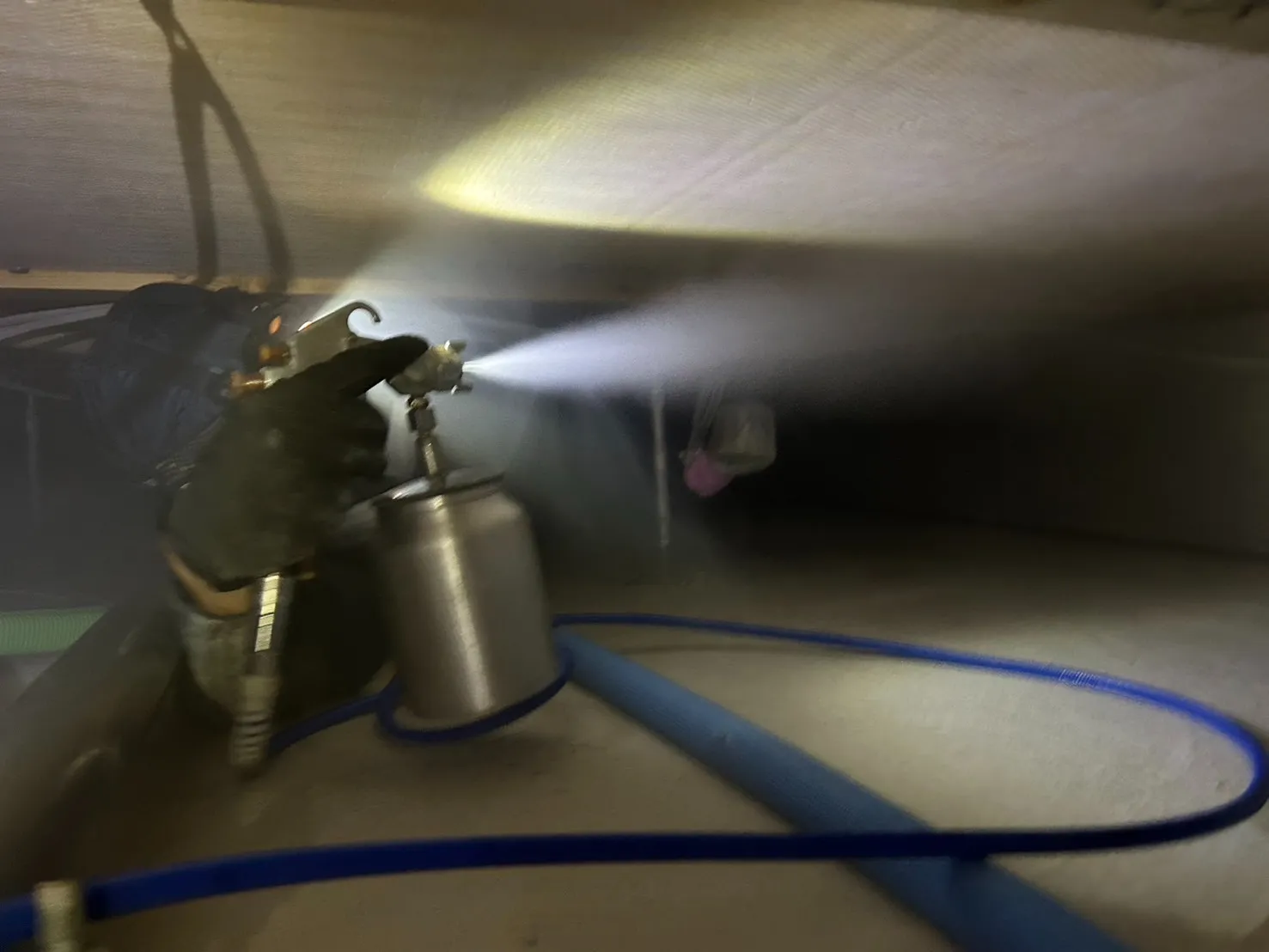
Custom mixing and spraying of mold removal agents
The removal solution is adjusted on-site to match the pH balance of materials such as wood, concrete, or drywall, ensuring no damage is done to the surface.
Deep penetration with mist spraying for complete removal
A fine mist is used to reach and break down mold roots that aren’t visible to the eye, preventing regrowth from the source.
Long-lasting prevention with anti-mold treatment
After removal, an anti-mold agent is applied to prevent airborne mold spores from settling again. The MIST Method offers fast, long-lasting, and safe protection—giving homeowners peace of mind.
Why Choose the MIST Method?
Gentle on materials: Safe enough to be used on historic buildings, thanks to its non-damaging approach.
Safe for people and the environment: All agents are tested for safety, making it suitable for homes with babies or the elderly.
Thorough, long-term protection: Not only does it remove existing mold, but it also prevents recurrence through environmental improvements.
In airtight, well-insulated homes, “invisible mold” is often the biggest threat. If left untreated, it can lead to health issues, structural damage, and a decline in property value. Detecting early signs and considering professional mold inspection and removal using the MIST Method is the most reliable course of action.
For Mold Removal and Prevention, Contact “Kabi Reform Tokyo/Nagoya” or “Kabibusters Osaka”
Highly airtight and well-insulated homes offer comfort and energy efficiency—but if you overlook the risk of humidity and condensation, it can lead directly to mold issues, affecting both your health and your home’s property value.
To address mold problems lurking in such homes, “Kabi Reform Tokyo/Nagoya” and “Kabibusters Osaka” offer specialized mold prevention and removal services.
Our exclusive MIST Method® is a patented mold removal technology that penetrates deep into materials like wood and wallpaper, eliminating mold at its root without damaging delicate surfaces. The concentration and application of our treatment solutions are tailored to each site, ensuring thorough removal without scrubbing, scraping, or compromising the value of your building materials.
All of our cleaning agents are certified safe for human health, making them suitable for households with small children or the elderly. After removal, we also apply anti-mold treatment to significantly reduce the risk of recurrence.
If you're facing mold issues in the Tokyo or Nagoya area, contact Kabi Reform Tokyo/Nagoya. For those in the Kansai or Osaka region, Kabibusters Osaka is here to help.
If you notice musty odors, wall discoloration, or excess humidity in your home or facility, don’t hesitate to reach out. We provide comprehensive support—from on-site inspections and diagnosis to mold removal and long-term prevention.
We’re committed to helping you reclaim a clean, mold-free, and healthy living environment.
---------------------------------------------------------------------
カビ取リフォーム
東京営業所
〒141-0022
東京都品川区東五反田2-5-2 YHE CASK GOTANDA6階
電話番号:090-8321-4408
名古屋本社
〒465-0028
愛知県名古屋市名東区猪高台1-1301 タイコウビル1F
電話番号 : 0120-588-766
サイト:https://taikou-kensou.co.jp/
大阪営業所
〒532-0003
大阪府大阪市淀川区宮原1-19-23
電話番号:080-6978-3068
カビバスターズ大阪
https://kabibusters-osaka.com/
【検査機関】
一般社団法人微生物対策協会
https://kabikensa.com/
----------------------------------------------------------------------