Mold Caused by Autumn Condensation! 10 Mold Prevention Tips You Should Start Now
2025/09/18
As autumn arrives, temperature differences between morning and evening cause condensation to form on windows and walls. If left unaddressed, this moisture can lead to mold growth, which not only affects the appearance of your home but can also harm your health.
This article explains why condensation is more common in autumn, the areas where it tends to form, how it promotes mold growth, and practical prevention techniques such as ventilation, insulation, humidity control, and effective cleaning.
By starting your mold prevention efforts now, you can greatly reduce the risk of condensation-related mold during the winter months. It also helps maintain a cleaner, more comfortable living space, and protects your family’s health while saving time and money on repairs in the long run.
1. Why Does Condensation Increase in Autumn?
Autumn is a pleasant season, but it’s also a time when condensation tends to occur more frequently—creating the perfect breeding ground for mold. Understanding the reasons behind this can help you take early preventive action.
1-1. Temperature Differences Between Day and Night, and Indoors vs. Outdoors
In autumn, temperatures often fluctuate drastically between day and night. While indoor spaces stay warm due to daily activities or heating, the outside air gets much cooler, especially in the early morning and late at night. When this warm, humid indoor air meets cold window surfaces or walls, it cools rapidly and turns into droplets—this is condensation.
This happens when the surface temperature drops below the “dew point,” which is the temperature at which air becomes saturated and moisture begins to condense. For example, at an indoor temperature of 20°C with 60% humidity, condensation will begin to form on surfaces cooler than about 12°C. These conditions are very common in autumn, making condensation a frequent problem during this season.
1-2. Rising Humidity and Ideal Conditions for Mold Growth
Condensation is more than just water droplets—it creates a localized area of high humidity. If this moisture is left to sit on surfaces like window frames or wallpaper, it can quickly lead to mold growth. Autumn tends to have relatively high humidity levels while still maintaining moderate temperatures, which together provide an ideal environment for mold to thrive.
When humidity levels rise above 60%, mold spores begin to activate. In areas where condensation regularly forms, it’s not uncommon to see humidity levels spike above 70–80%, making mold growth almost inevitable if left untreated. Places like behind furniture or inside walls also tend to be poorly ventilated, keeping conditions stable for mold to spread quietly.
In short, autumn provides the perfect trio for mold: warmth, moisture, and organic material (like dust and skin cells). That’s why preventing and managing condensation before it turns into a mold problem is so important this time of year.
2. Common Areas Where Condensation Occurs and Their Characteristics
Condensation can appear throughout the home, but it’s particularly common in places where air doesn’t circulate well, surfaces get cold, or moisture tends to collect. Knowing which areas are most at risk allows you to take targeted, effective preventive measures.
2-1. Risks Around Window Glass and Frames
The most visible place for condensation is on window glass. Single-pane windows and aluminum frames are especially prone to cooling down quickly, making them prime spots for moisture buildup when warm, humid indoor air hits the cold surface.
Window sashes and rubber gaskets also tend to collect droplets, which can linger and become a breeding ground for mold—especially in corners or grooves where water pools. These areas are often covered by curtains, reducing airflow and sunlight, which further encourages mold growth.
Bay windows and north-facing windows are particularly vulnerable due to greater exposure to cold air. Applying insulating window film or condensation-absorbing tape is a simple and effective way to prevent issues in these areas.
2-2. Hidden Spots Like Closets and Behind Furniture
Less obvious but equally risky are areas like closets, wardrobes, and behind large furniture. These locations are poorly ventilated and often pressed against exterior walls, making them susceptible to cold air exposure and trapped humidity.
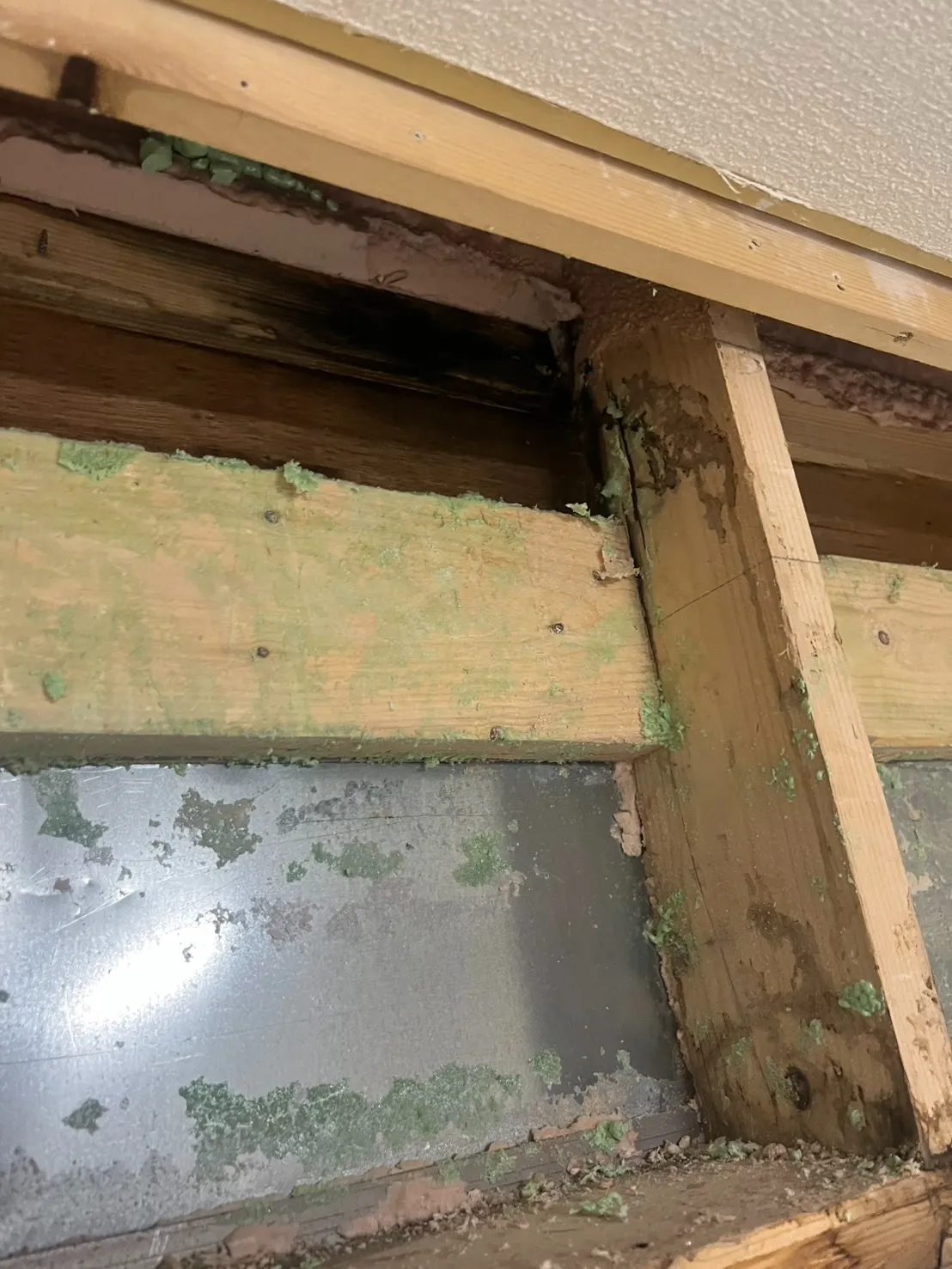
For example, when furniture is placed flush against the wall, air can’t circulate behind it. As a result, humidity gets trapped, condensation forms, and mold starts to grow—often without anyone noticing. It’s not uncommon for homeowners to discover extensive mold growth when moving furniture for the first time in months.
Closets are another hotspot, especially when tightly packed with clothing and bedding. The moisture from these items contributes to a humid microclimate. Without proper ventilation or the use of moisture absorbers, condensation can collect on the walls or floors, eventually leading to mold.
Since these spots are out of sight, mold often spreads silently. That’s why inspecting and ventilating them proactively—especially in autumn—is crucial for long-term prevention.
3. Autumn Mold Damage Is More Serious Than You Think! Health Risks Explained
Mold is not just an aesthetic or odor issue—it can also impact your health. Autumn, with its moderate temperatures and high humidity, provides ideal conditions for mold to grow and spread. If left unchecked, mold can trigger various physical symptoms, especially in vulnerable individuals. Let’s explore the real health risks mold poses during the fall season.
3-1. Allergies and Health Issues Caused by Mold
When mold grows, it releases tiny spores into the air. These spores can easily be inhaled and enter the body, especially in enclosed indoor environments. Mold spores and their byproducts can act as allergens, triggering allergic reactions and respiratory problems.
Common symptoms include sneezing, nasal congestion, itchy eyes, sore throat, and persistent coughing. In some cases, individuals may also experience asthma flare-ups or chronic bronchial symptoms that are mistakenly attributed to seasonal colds or fatigue.
Additionally, people often report feeling generally unwell—experiencing fatigue, headaches, or a sense of brain fog—without realizing that mold exposure may be the underlying cause. Improving indoor air quality by controlling mold can lead to noticeable improvements in overall wellness.
3-2. Mold Risks for Children and the Elderly
Those most affected by mold exposure tend to be people with weaker immune systems—particularly young children and the elderly. In children, mold can exacerbate conditions like asthma and atopic dermatitis, while seniors may develop more serious issues such as respiratory infections or chronic bronchitis.
Homes with infants or aging parents need to be especially cautious about indoor mold, as the health consequences can be far more serious and harder to reverse in these populations.
Mold has also been linked to “sick building syndrome”, a condition in which prolonged exposure to indoor contaminants (including mold) leads to chronic physical symptoms and discomfort. These symptoms often include fatigue, dizziness, irritability, and poor concentration—and they can persist until the source is addressed.
Though autumn may feel like a safe season, it’s important not to let your guard down. Proactive mold prevention through ventilation, humidity control, and regular cleaning is essential for protecting your health and your home.
4. Basic Condensation Prevention to Avoid Mold
The best way to prevent mold is to eliminate its primary trigger: condensation. While it may seem complicated at first, there are many simple, everyday actions you can take to reduce moisture buildup in your home. This section introduces practical and easy-to-implement strategies for preventing condensation before it leads to mold.
4-1. Habits for Proper Ventilation and Air Circulation
The first and most important rule is to ventilate regularly. When indoor air becomes stagnant, humidity builds up and increases the risk of condensation. Especially in autumn, people tend to keep windows closed, so it's crucial to open them at least 2–3 times a day to let in fresh air. Even short bursts of ventilation can significantly lower indoor humidity.
Using fans or air circulators can also help distribute air evenly and prevent moisture from accumulating in one spot—particularly around windows and corners. These devices help maintain a balanced temperature and humidity level throughout the room.
Pay special attention to high-humidity areas like kitchens and bathrooms. Always run the exhaust fan during and after cooking or bathing, and leave doors open afterward to promote airflow and quicker drying.
4-2. How to Control Indoor Humidity
Managing indoor humidity is essential to preventing condensation. The ideal humidity range is between 40% and 60%. Anything higher increases the chance of moisture forming on cold surfaces, leading to mold.
Start by using a hygrometer to monitor humidity levels in real time. If the numbers creep up, turn on a dehumidifier or use your air conditioner’s dehumidify mode to bring the levels down. These appliances are particularly useful during humid autumn nights.
Be mindful of indoor drying of laundry, as it significantly increases humidity. If possible, hang clothes outside or use a bathroom with a ventilation system. If drying indoors is unavoidable, make sure to open windows and use a fan or circulator at the same time.
Other small but impactful changes include reducing the number of houseplants, checking the settings on your humidifier, and removing water sources near windows. Controlling the source of humidity is one of the most effective ways to prevent mold caused by condensation.

5. Stop Window Condensation! Simple Insulation Tips
Windows are the most common place for condensation to form, especially during the transition from autumn to winter when outside temperatures drop sharply. When warm, humid indoor air comes into contact with cold glass, water droplets appear. The most effective way to combat this is through window insulation. Here are some simple and affordable ways to keep condensation under control.
5-1. How to Use Insulation Sheets and Condensation Absorbing Tape
One of the easiest and most cost-effective methods is to use insulation sheets or condensation-absorbing tape, widely available at hardware or even 100-yen shops. Insulation sheets are applied directly to the window glass, creating a barrier that reduces the transfer of cold air indoors. This keeps the glass surface warmer, lowering the chance of condensation forming.
Application is simple: cut the sheet to size, lightly spray water or use the provided adhesive, and press it onto the glass. Transparent sheets are recommended, as they maintain visibility while providing insulation.
Condensation-absorbing tape is another useful tool. Applied along the window frame or sash, it absorbs water droplets before they pool or drip, preventing mold or wood rot from developing. This is especially beneficial for wooden window frames, which are highly susceptible to water damage.
Both options are inexpensive, easy to replace each season, and highly practical for households looking for a quick solution.
5-2. Choosing and Installing Curtains for Better Insulation
Curtains can also play a powerful role in insulation. Switching from thin lace curtains to thick thermal or insulated curtains helps create an air buffer between the cold window and the warm indoor environment. This reduces heat loss and condensation at the same time.
For maximum effectiveness, choose curtains that fully cover the window from top to bottom, ideally brushing the floor. If cold air leaks from the top or sides, consider adding a curtain box or side blockers to seal the gaps.
At night, keep curtains closed to block out cold air, and in the morning, open them early to allow sunlight and ventilation to dry any residual moisture. This simple daily routine helps reduce both condensation and mold risk.
Beyond condensation control, proper window insulation also improves energy efficiency, lowering heating costs in winter. By addressing condensation, you not only protect against mold but also create a more comfortable and cost-effective living space.
6. Useful Products for Condensation Prevention
During the autumn-to-winter season, fighting condensation can feel overwhelming. However, a variety of affordable and practical products are available to make daily prevention much easier. By choosing the right tools, you can save time and reduce the hassle of constantly wiping windows or cleaning mold. Here are some popular and effective items to consider.
6-1. Popular Dehumidifiers and How to Use Them
Dehumidifying products are essential for moisture control. Some require no electricity and simply absorb humidity passively, making them convenient for closets, window sills, and behind furniture.
Common types include closet dehumidifier boxes and moisture-absorbing containers, which trap excess water and prevent condensation from forming nearby. Once full, they can be easily replaced.
For a reusable option, silica gel dehumidifier packs or boxes are highly recommended. They can be reactivated by drying them in the sun or a microwave, making them eco-friendly and cost-effective.
In larger or high-moisture areas, an electric dehumidifier offers stronger and more consistent humidity control. Many models now feature automatic shutoff when the tank is full, making them safe and easy to use.
By strategically placing these dehumidifiers throughout the home, you can maintain optimal humidity levels and prevent condensation before it starts.
6-2. Commercial Anti-Condensation Sprays: Effects and Tips
Another handy solution is anti-condensation spray, which creates a thin protective layer on glass surfaces, preventing moisture from clinging and forming droplets.
Application is simple: clean the glass thoroughly, spray evenly, and let it dry. Depending on the product, the effect can last several days to a week, reducing the amount of condensation significantly.
However, there are a few precautions. On some window materials, the coating may cause cloudiness or reduced transparency, so it’s best to test on a small corner first. Also, protect surrounding areas like floors and curtains during application, as overspray may cause stains.
For even better results, sprays can be combined with insulation film, which offers long-term temperature control in addition to condensation prevention. This layered approach provides both immediate and lasting benefits.
By incorporating these tools into your daily routine, you can greatly reduce condensation buildup, minimize mold risk, and enjoy a more comfortable indoor environment.
7. What to Do If Mold Has Already Appeared
Even with regular condensation prevention, mold may already be present in some areas—especially hidden or poorly ventilated spots. In such cases, quick and proper action is essential to stop it from spreading. Here’s how to deal with mold depending on its stage and severity.
7-1. Effective Cleaning Methods for Early-Stage Mold
If the mold is still in its early stages—for example, light discoloration on a window gasket or faint spots on the wall surface—simple cleaning methods are often enough.
One of the most effective and safe solutions is alcohol-based disinfectant spray (such as rubbing alcohol or ethanol). Spray it directly on the affected area and wipe with a paper towel or cloth. This works well for surface-level mold and also helps disinfect at the same time.
Another natural option is a baking soda and vinegar spray. Sprinkle baking soda onto the mold, then spray vinegar on top. The bubbling reaction helps lift dirt and mold from the surface. This eco-friendly approach is especially useful for households with children or pets, as it avoids harsh chemicals.
After cleaning, be sure to dry the area thoroughly and improve airflow to prevent recurrence.
7-2. Cautions When Dealing with Stubborn Black Mold
For deeply rooted or stubborn black mold—often found in bathroom grout, wallpaper seams, or wood materials—regular household cleaners may not be enough. In these cases, a chlorine-based mold remover is necessary.
Products like bleach sprays are highly effective, but they come with important safety precautions. Always wear gloves, masks, and protective eyewear, and make sure the area is well-ventilated during use. Apply the spray, let it sit according to instructions, and then rinse or wipe away thoroughly.
That said, chlorine-based cleaners can damage delicate surfaces such as wood, textiles, or wallpaper. Always test on an inconspicuous spot first to avoid discoloration or material degradation.
If mold keeps coming back, spreads over a large area, or produces a persistent odor, it may already be growing behind the surface. In such cases, DIY solutions are often insufficient, and contacting a professional mold removal service is the safest option. Professionals have the right tools and treatments to eliminate mold at its root while protecting your home’s materials.
8. Signs It’s Time to Call a Mold Removal Specialist
Even with diligent cleaning, mold can sometimes persist or keep coming back. When you start noticing recurring issues or mold spreading in hidden areas, it may be a sign that DIY efforts are no longer enough. At that point, turning to a professional is the safest and most effective solution. Here are key indicators that it’s time to seek expert help.
8-1. Hidden Mold and Signs of Recurrence
If you find yourself saying, “I cleaned it, but it keeps coming back” or “The smell won’t go away”, these are strong warning signs. Such problems often mean the mold has penetrated deeper layers, such as wallpaper backing, wood, or even insulation.
Other clues include wall discoloration, peeling wallpaper, or a musty odor that lingers even after cleaning. These symptoms indicate that mold is spreading beyond visible areas.
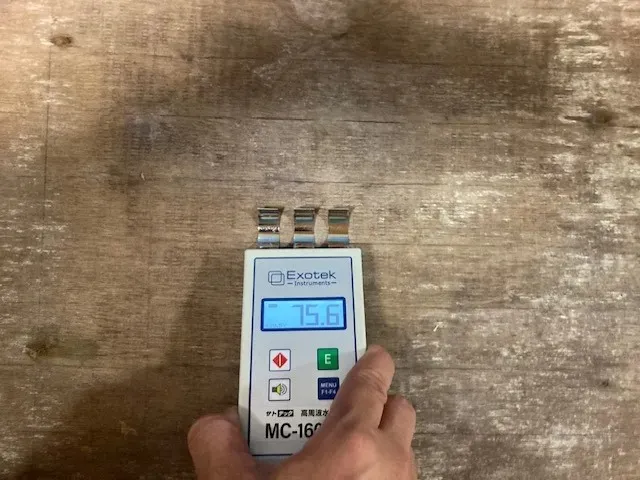
Since mold grows by extending microscopic filaments (hyphae) into materials, surface cleaning alone cannot remove it entirely. That’s why recurring outbreaks or expanding patches point to the need for professional intervention to stop the problem at its root.
8-2. The Benefits of Professional Mold Removal Without Damaging Materials
One of the biggest risks of DIY mold removal is damaging materials with harsh cleaners. Strong chlorine-based products can bleach or degrade delicate surfaces such as wood, fabrics, or wallpaper.
Professionals, on the other hand, can identify the exact type of mold and select a treatment tailored to the material. For example, Kabibusters Osaka and Kabitori Reform Tokyo/Nagoya, operated by Taikou Kensou Co., Ltd., use their proprietary MIST Method®. This unique process removes mold at the root without scrubbing or scraping, protecting the original surface while ensuring long-term results.
The treatment also includes preventive steps—such as applying safe, high-performance anti-mold coatings—to keep mold from returning. Importantly, the products are safe for households with children, seniors, or sensitive environments like nurseries and medical facilities.
By hiring specialists, you gain peace of mind knowing the mold is truly eliminated, not just temporarily hidden. If you’ve reached the point where DIY isn’t working, professional support is the most reliable way to restore a clean, healthy home.
9. Preventive Maintenance to Do Before Winter Hits
The best way to protect your home from condensation and mold is through proactive maintenance—not waiting until problems appear. Autumn is the perfect season for this, as the weather is mild and makes home inspection and improvement work easier. Here are some key preventive steps to take before winter sets in.
9-1. Improving Ventilation Throughout the House
One of the biggest culprits behind condensation and mold is stagnant air. Poor airflow creates pockets of moisture that quickly lead to condensation.
Start by reviewing your home’s layout: Is furniture pressed tightly against the wall? Are closets or storage spaces packed too tightly? These situations block air circulation and trap humidity.
To improve airflow, leave a 5–10 cm gap between furniture and walls, allowing air to move freely. In closets, consider using slatted shelves or moisture absorbers to keep the interior dry.
It’s also a good time to clean ventilation fans and air vents. Dust buildup reduces their efficiency, making it harder to circulate air properly. By refreshing these systems in autumn, you ensure they’ll work effectively during the humid winter months.
9-2. Where and When to Inspect Before Winter
Certain areas should always be inspected in autumn to prepare for winter’s harsh conditions. Windows are the top priority—check for drafts around the sashes, inspect rubber seals for cracks or wear, and ensure any insulation films are properly installed.
Look for wallpaper discoloration, warping, or peeling, which may indicate hidden mold beneath the surface. If such signs appear, consult a professional before the problem worsens.
Other areas to check include bathrooms, laundry spaces, basements, and attics—all of which are prone to high humidity. Pay attention to musty odors or damp surfaces, as these are early warnings of mold activity.
By addressing these issues in autumn, you’re essentially building a protective barrier before winter’s peak condensation season. Early action is the key to avoiding costly repairs and maintaining a healthy living space throughout the colder months.
10. Keep Mold Away for Good! Daily Habits Are the Key
While it’s nearly impossible to eliminate mold completely, you can create a living environment where it cannot thrive. The secret lies in making mold prevention a daily habit. By incorporating small, consistent routines into everyday life, you can stop mold before it ever becomes a problem.
10-1. Daily Routines to Prevent Mold
The most effective approach is simple: don’t let moisture linger. Start your day by opening windows for fresh air, even just for a few minutes. After cooking or bathing, run the exhaust fan for an extended period to clear out humidity. As much as possible, dry laundry outside—or if drying indoors, open windows and use a fan to keep air moving.
Another important habit is wiping away condensation immediately. Use a dry cloth or a window wiper to remove water droplets from glass and frames, then spray lightly with rubbing alcohol to disinfect. This quick routine prevents mold from settling in.
Also, don’t forget appliances. Clean air conditioner and dehumidifier filters regularly, and check ventilation systems monthly. By keeping equipment in top shape, you maintain strong airflow and reduce moisture buildup.
10-2. Using Seasonal Mold Prevention Checklists
A great way to stay on track is by using a seasonal checklist. Writing down specific tasks makes it easier to remember and ensures nothing gets overlooked.
For autumn, your checklist might include:
Inspecting window frames and gaskets for mold or damage
Checking behind furniture and inside closets for humidity or musty odors
Cleaning filters in ventilation fans and air conditioners
Monitoring humidity with a hygrometer
Refreshing anti-mold sprays or replacing moisture absorbers
You can keep this list on paper or in a smartphone app and even involve family members to make it a shared routine. By doing so, preventive measures become part of your lifestyle rather than a one-time task.
Remember: mold prevention isn’t about quick fixes—it’s about consistency. With simple daily habits and seasonal checkups, you can maintain a clean, comfortable, and mold-free home year-round.
Mold Removal & Prevention by Kabibusters Osaka and Kabitori Reform Tokyo/Nagoya
If you’re struggling with condensation and mold, Kabibusters Osaka and Kabitori Reform Tokyo/Nagoya, operated by Taikou Kensou Co., Ltd., provide specialized solutions. Unlike temporary cleaning or surface treatments, our services focus on completely eliminating mold at the root and preventing its recurrence.
At the core of our approach is the proprietary MIST Method®, developed in-house. This unique technique removes mold without scrubbing or scraping, ensuring that the underlying material is not damaged. Our specialized solutions break down and wash away mold, followed by long-lasting anti-mold treatment to stop it from returning.
Safety is also a priority. The cleaning agents we use are safe for homes with small children, elderly family members, and sensitive facilities such as hospitals and nurseries. You can trust our methods to be powerful against mold yet gentle on your living environment.
One-Stop Mold Removal and Renovation
In many cases, mold not only affects surfaces but also causes structural or cosmetic damage to walls, floors, and furniture. Typically, this would require hiring both a mold removal company and a separate renovation contractor. However, with Taikou Kensou, you can rely on us for both services under one roof.
Because we specialize in both mold removal and renovation, we can provide comprehensive solutions:
Eliminating mold safely and thoroughly
Repairing or replacing damaged walls, floors, and interior materials
Restoring aesthetics while ensuring long-term mold prevention
For example, if tatami mats or wallpaper have been damaged by mold, we can remove the mold, repair the affected areas, and restore the appearance all at once. This seamless process saves time, cost, and hassle.
About Taikou Kensou’s Renovation Services
Beyond mold treatment, Taikou Kensou Co., Ltd. offers a wide range of residential and commercial renovation services. Our expertise includes:
Interior remodeling and restoration
Exterior wall repairs and waterproofing
Kitchen, bathroom, and other water-related renovations
Installation of moisture-resistant and anti-mold building materials
Improving insulation and ventilation to prevent future condensation
We also specialize in preventive renovations, such as installing breathable wall systems, upgrading insulation, and incorporating humidity-regulating materials. These improvements not only restore comfort and aesthetics but also extend the life of your property by reducing mold risk in the long term.
For businesses—such as offices, restaurants, and healthcare facilities—we provide renovation solutions that combine hygiene, durability, and a professional appearance to meet industry standards.
If you’ve noticed mold, or want to protect your home and health before it becomes a problem, contact Taikou Kensou today. With Kabibusters Osaka and Kabitori Reform Tokyo/Nagoya, we deliver safe, effective, and lasting mold prevention—while also restoring and upgrading your living space.
---------------------------------------------------------------------
カビ取リフォーム
東京営業所
〒141-0022
東京都品川区東五反田2-5-2 YHE CASK GOTANDA6階
電話番号:090-8321-4408
名古屋本社
〒465-0028
愛知県名古屋市名東区猪高台1-1301 タイコウビル1F
電話番号 : 0120-588-766
サイト:https://taikou-kensou.co.jp/
大阪営業所
〒532-0003
大阪府大阪市淀川区宮原1-19-23
電話番号:080-6978-3068
カビバスターズ大阪
https://kabibusters-osaka.com/
【検査機関】
一般社団法人微生物対策協会
https://kabikensa.com/
----------------------------------------------------------------------