A Must-Read for Construction Companies: 7 Design Strategies to Prevent Mold Problems Caused by Condensation
2025/09/15
Thank you for reading our blog today.
In newly built or renovated homes, condensation and mold problems such as “black spots appearing on the wall” or “windows soaked with moisture in the morning” are not uncommon. These issues affect not only the appearance but also cause deterioration of building materials and health problems for residents.
In this article, we will explain what condensation is, why it occurs, and the fundamental design elements to control it—such as insulation, airtightness, and ventilation. We will also cover how to choose the right materials, specific countermeasures for different building parts, as well as construction management and maintenance practices.
By reading this, construction companies can reduce complaints and repair costs while achieving designs that improve durability and comfort. In addition, it helps earn the trust of homeowners and differentiate your housing quality from competitors.
1. What is Condensation? Types and Mechanisms of Formation
Condensation is one of the major causes of mold growth inside buildings. If it is not properly understood at the design stage, it can easily lead to problems after completion. In this section, we will review the basic knowledge of condensation and explain the essential information that construction companies should keep in mind.
1-1. Differences Between Surface Condensation and Interstitial Condensation
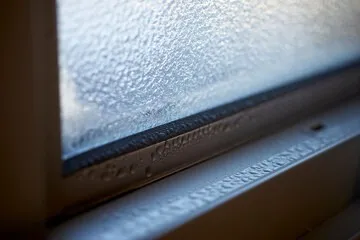
There are two main types of condensation: surface condensation and interstitial condensation. Surface condensation occurs when droplets form on window glass or wall surfaces in winter. This happens when indoor humidity comes into contact with cold surfaces.
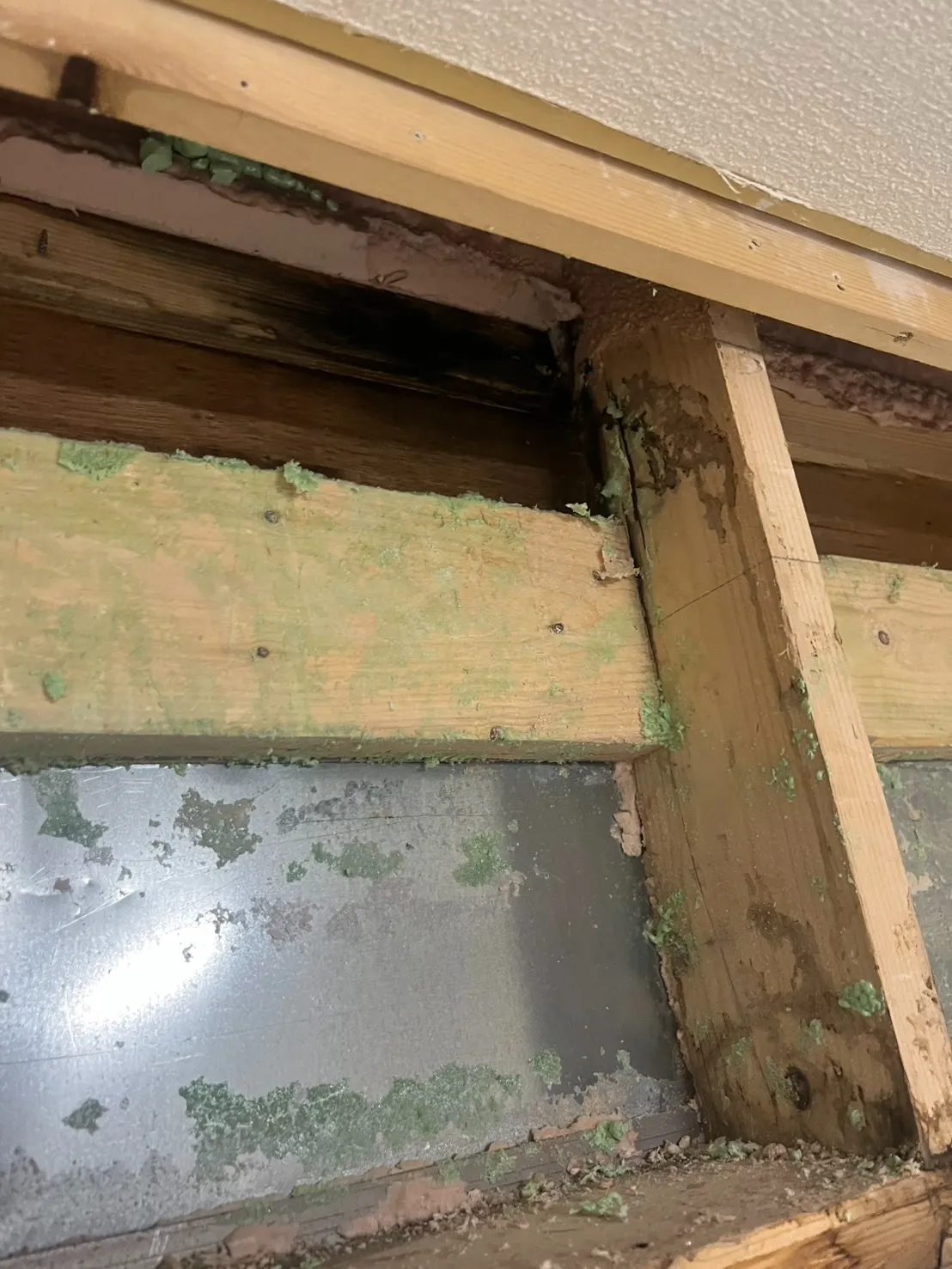
In contrast, interstitial condensation develops in hidden areas such as inside walls, attics, or under floors. It occurs when moisture penetrates insulation materials or structural components, where it cools and condenses into water.
Interstitial condensation is often detected late, only after building materials have begun to deteriorate or mold growth has advanced. While surface condensation is immediately visible, interstitial condensation causes greater damage to the building, making it essential to address during the design stage.
1-2. Conditions That Lead to Condensation (Temperature, Humidity, and Material Properties)
The three main factors that cause condensation are temperature differences, humidity levels, and material properties. For example, during winter, when outdoor temperatures are low and indoor spaces are heated, the interior surface temperature of window glass or walls may drop below the dew point, leading to condensation.
High indoor humidity also increases the risk. Bathrooms, kitchens, and other wet areas produce significant amounts of moisture, and without proper ventilation, condensation becomes likely. In addition, the thermal conductivity of materials plays an important role. Aluminum window frames and other metal components transfer heat easily, cool rapidly, and therefore become common starting points for condensation.
For construction companies, it is critical to consider these factors comprehensively and make design decisions based on the temperature and humidity differences between indoors and outdoors, as well as the performance of building materials.
2. Risks and Impacts of Mold Problems Caused by Condensation
Condensation does not merely affect the appearance of a building. Mold growth inside a home poses serious risks, including impacts on residents’ health and a shortened building lifespan. If construction companies fail to implement proper design and construction measures, they may face complaints and costly repairs after completion. For this reason, prior understanding and preventive strategies are essential.
2-1. Health Hazards and Allergy Risks
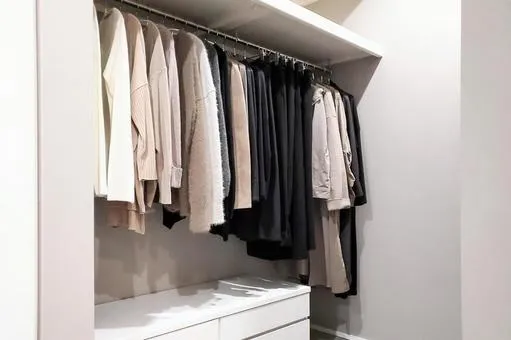
Mold thrives in environments with high humidity and insufficient ventilation. Areas prone to condensation, such as window frames, wall corners, and closets, create ideal conditions for mold growth. Once mold spores become airborne, they can negatively affect the health of occupants.
Specifically, exposure to mold can trigger allergic rhinitis, bronchial asthma, and skin inflammation. For children and the elderly, whose immune systems are weaker, the symptoms can be more severe, requiring special caution. Even invisible mold can impact indoor air quality, making it essential at the design stage to create an environment where mold is less likely to develop. This is the first step in protecting residents’ health.
2-2. Deterioration of Building Materials and Structural Damage
Mold problems not only affect health but also cause significant damage to buildings themselves. When interstitial condensation allows moisture to accumulate inside walls or in attics, wood can rot and insulation materials can lose their effectiveness. In addition, metal components may rust, compromising structural strength.
The appearance of the building can also be affected. Peeling wallpaper, dark stains, and musty odors can ruin the aesthetic and comfort of interior spaces. Repairs require both time and money, which is why preventive measures during the design phase are directly tied to reducing building costs.
For construction companies, understanding these risks and addressing them not simply with “insulation” or “ventilation,” but as part of a comprehensive mold prevention strategy, leads to higher customer satisfaction and enhances brand value.
3. Key Design Elements to Prevent Condensation at the Planning Stage
The most effective way to prevent condensation is not after the building is complete, but at the design stage. In this section, we explain the fundamental elements of insulation and airtightness, which are crucial in controlling condensation. These not only reduce the risk of condensation but also play an important role in creating a comfortable indoor environment.
3-1. The Importance of High Insulation and Airtight Design
Enhancing insulation performance is the foundation of condensation prevention. Proper insulation keeps the surface temperature of walls, ceilings, floors, and windows closer to the indoor air temperature, reducing the likelihood of surfaces dropping below the dew point and thus lowering the risk of surface condensation.
At the same time, airtightness prevents the infiltration of cold outdoor air and the leakage of warm indoor air. If airtightness is insufficient, the effectiveness of insulation is compromised, and unexpected condensation may occur in certain areas.
A highly insulated and airtight home also improves heating and cooling efficiency, leading to reduced energy costs. For construction companies, designing with both condensation prevention and energy efficiency in mind will become increasingly essential in the future.
3-2. Eliminating Thermal Bridges and Design Considerations
Thermal bridges are areas where heat is easily transferred, making them prime spots for condensation. Common examples include exposed metal components, the areas around windows, and parts where beams or columns penetrate insulation layers. These sections cool more easily, allowing moisture in the air to condense.
To avoid thermal bridges, it is critical to design with continuous insulation in mind. For example, using external insulation can wrap the entire structural frame in insulation, effectively reducing thermal bridging. Additionally, extra attention must be given to areas such as around window frames and ventilation ducts, ensuring that proper insulation is applied to avoid cold spots.
For architects and designers, accurately predicting heat transfer and minimizing thermal bridges through detailed planning is a key factor in creating high-performance, durable homes.
4. Ventilation Design and Humidity Control Measures
In condensation prevention, ventilation and humidity control are just as important as insulation and airtightness. If indoor air contains too much moisture, condensation can occur even in highly insulated buildings. For construction companies, incorporating a well-planned ventilation strategy and measures to maintain consistent indoor humidity levels at the design stage is essential.
4-1. Key Points for Planned Ventilation (Mechanical and Natural Systems)
Modern homes are becoming increasingly airtight, making natural ventilation more difficult. As a result, incorporating planned ventilation systems—such as 24-hour mechanical ventilation—into the design is indispensable. In particular, wet areas like bathrooms, toilets, and kitchens are prone to humidity buildup, making local exhaust systems highly effective in combination with general ventilation.
Depending on the scale of the building and the climate of the region, different systems may be appropriate:
Type 1 ventilation (mechanical supply and exhaust),
Type 2 ventilation (mechanical supply with natural exhaust),
Type 3 ventilation (natural supply with mechanical exhaust).
It is also important to carefully consider the placement of supply and exhaust vents to ensure smooth airflow throughout the space. By predicting air circulation and areas where humidity tends to accumulate during the design phase, companies can significantly reduce the risk of condensation and mold growth.
4-2. Design Features to Maintain Stable Indoor Humidity
Maintaining proper humidity levels requires not only ventilation but also strategies to reduce the sources of excess moisture. For example, in bathrooms and kitchens, doors, exhaust fans, and range hoods should be designed to prevent steam from spreading into living areas.
The use of interior finishing materials with humidity-regulating properties—such as diatomaceous earth, plaster, or humidity-control wall coverings—is also effective. These materials absorb excess moisture when humidity is high and release it when the air is dry, helping to stabilize indoor conditions.
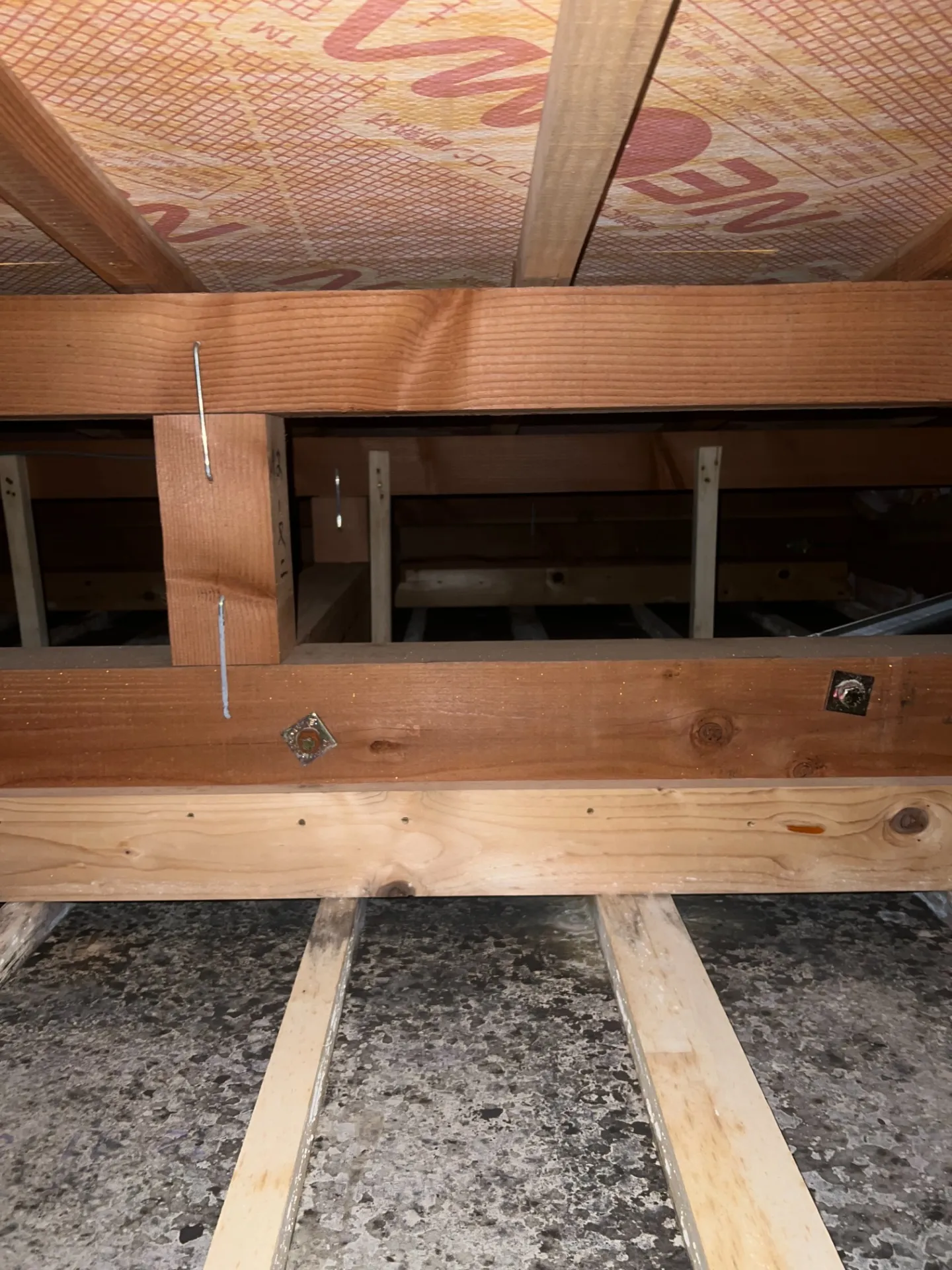
In addition, preventive measures in hidden areas, such as installing vapor barriers and ventilation layers in floors, walls, and attics, are crucial for preventing moisture buildup. By integrating these design details, builders can create homes that are highly resistant to condensation.
5. Countermeasures for Windows, Openings, Walls, and Floors
In residential buildings, condensation most commonly occurs at windows, openings, walls, and floors—areas in direct contact with the outside environment. These elements are vulnerable to temperature differences and heat transfer, making it essential to apply targeted measures for each part of the building.
5-1. Selection and Installation of Windows, Frames, and Glass
Windows are one of the areas most prone to condensation. Therefore, careful selection of glass and frames is crucial. Single-pane glass windows have low insulation performance and tend to cool quickly in winter, making condensation highly likely.
By contrast, double-glazed or triple-glazed windows, as well as Low-E glass, greatly improve insulation and help maintain higher surface temperatures, reducing the risk of condensation. Additionally, replacing traditional aluminum frames with resin frames or aluminum-resin composite frames further enhances thermal insulation around the window perimeter.
Attention must also be paid to the junctions between window frames and walls. If gaps are left or airtight and moisture-proofing measures are insufficient, cold air infiltration can occur, creating localized condensation. Ensuring precise installation and sealing is therefore critical to maintaining long-term performance.
5-2. Insulation, Vapor Barriers, and Ventilation Layers in Walls, Roofs, and Foundations
For walls and roofs, both insulation and moisture control must be balanced. To prevent interstitial condensation, insulation materials should be installed without gaps. Depending on the project, builders may choose from glass wool, urethane foam, cellulose fiber, or other materials, taking performance and cost into account.
A vapor barrier layer on the interior side of walls helps block indoor moisture from entering the wall cavity. At the same time, installing an exterior ventilation layer allows any moisture that does penetrate to escape, reducing the risk of hidden condensation.
For the foundation and subfloor, moisture rising from the ground can be a major source of condensation. Using moisture-proof sheets, concrete slabs, or subfloor ventilation systems ensures airflow and prevents trapped humidity. These measures collectively protect structural materials and contribute to a durable and mold-resistant home.
6. Practical Examples and Simulation Approaches
While knowledge of design and construction methods is important, the real challenge is how to apply them effectively on-site. In recent years, the use of scientific simulation tools and the accumulation of successful case studies have made it possible to implement condensation prevention strategies with greater accuracy and reliability.
6-1. Using Condensation Simulations Effectively
Condensation simulation tools allow construction companies to predict where condensation is most likely to occur before a building is even constructed. By inputting factors such as temperature, humidity, insulation performance, and external climate conditions, these programs can identify weak points where condensation is prone to form.
This visualization makes it possible to take corrective measures early on—for example, reinforcing insulation in colder areas such as north-facing walls or improving airtightness around windows. Simulations also help avoid unnecessary over-specifications, allowing for efficient and cost-effective design.
Moreover, presenting simulation results to clients provides a clear scientific basis for design choices. By showing why certain materials or specifications are necessary, builders can build greater trust and credibility with homeowners.
6-2. Successful Case Studies in Japanese Homes
There are numerous real-world examples of successful condensation prevention. In one cold-climate wooden house, the combination of external insulation, a balanced ventilation system, and wall structures with built-in ventilation layers achieved a condensation-free environment, even during harsh winters.
In another case, a three-story urban home on a narrow lot employed a dual-layer vapor barrier on the interior side of walls and ensured thorough cavity ventilation. Even after more than ten years, no mold issues have been reported, proving the long-term effectiveness of this approach.
These examples demonstrate how theoretical design concepts translate into practical success. For construction companies, learning from proven cases not only helps refine internal design standards but also provides valuable reference material when presenting proposals to clients, strengthening both technical expertise and customer confidence.
7. Construction Management and Aftercare to Prevent Condensation Issues
Even the best design can fail if mistakes occur during construction or if proper aftercare is neglected. Condensation and mold problems often stem from inadequate workmanship or insufficient follow-up after the handover. For construction companies, maintaining strict control during construction and providing long-term support after completion are key to earning client trust.
7-1. Ensuring Accuracy in Airtightness and Insulation Work
The effectiveness of condensation prevention depends heavily on how precisely insulation and airtight layers are installed. Insulation materials must be placed without gaps, and vapor barriers should be continuous and properly sealed. Small defects or oversights can become major sources of condensation later on.
Conducting airtightness tests provides measurable data that help identify problems early and ensure corrective action is taken before completion. Regular site inspections, detailed supervision, and continuous training for workers are also vital in maintaining a consistently high level of workmanship.
Ultimately, meticulous attention to detail—especially at junctions around windows, walls, and ducts—ensures that the building performs as designed and prevents future condensation risks.
7-2. Maintenance and Educating Homeowners
A building’s true test begins after people start living in it. Even if the design and construction are flawless, improper usage or changes in lifestyle can lead to condensation and mold. For this reason, homeowner education and ongoing maintenance are crucial.
Builders should explain practical measures such as cleaning ventilation filters, managing indoor humidity, avoiding excessive use of humidifiers, and ensuring proper airflow around curtains and furniture. Seasonal advice, such as opening windows briefly in winter or using dehumidifiers in summer, also helps prevent problems.
In addition, regular inspections and aftercare services allow early detection of warning signs such as musty odors or localized dampness. Offering proactive maintenance not only prevents costly repairs but also enhances customer satisfaction and loyalty, turning potential complaints into opportunities for long-term trust.
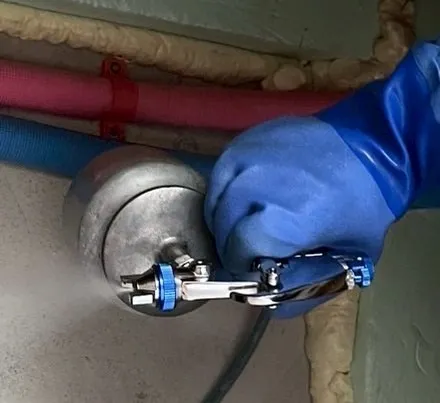
8. The Ultimate Solution for Condensation-Related Mold: The Power of the MIST Method®
Even with careful design and construction, mold may still develop in some cases. When this happens, the key to protecting a building is a reliable removal technology that eliminates mold at its root without damaging the materials. This is where KabiBusters’ proprietary MIST Method® comes into play. Known for its safety and effectiveness, this method has become a trusted next-generation solution for mold remediation in both residential and commercial buildings.
8-1. A Unique Technology That Removes Mold Without Damaging Materials
The greatest strength of the MIST Method® is that it removes mold completely without scrubbing or scraping. Instead, a specially formulated mold-removal agent is customized and adjusted on-site to match the type of material and the severity of contamination, and then applied as a fine mist.
Because the solution penetrates deeply, it is effective not only on surface mold but also on the roots of mold colonies. It is safe to use on delicate materials such as wood, plaster, stone, and paper, making it suitable for cultural properties and historic buildings where preservation is critical.
In addition, after the removal process, the agent helps wash away the dead mold and stains, restoring the material’s original appearance and texture. This combination of deep cleaning and material preservation sets the MIST Method® apart from conventional approaches.
8-2. Safety and Long-Lasting Protection Against Mold Recurrence
The specially developed agents used in the MIST Method® have undergone rigorous safety testing, including industrial wastewater evaluations, to ensure they are safe for humans and the environment. This makes them suitable for sensitive facilities such as childcare centers, nursing homes, and hospitals.
After mold removal, the process continues with a protective anti-mold treatment. This final step provides three key benefits: immediate effectiveness, long-term durability, and high safety. The mist penetrates deeply into building materials, eradicating residual spores while also treating the air for floating mold particles.
As a result, the treated area gains comprehensive mold protection, preventing recurrence and ensuring a healthier, safer indoor environment for years to come.
9. The Benefits of Using the MIST Method® for Construction Companies
While preventive design measures are crucial, unexpected mold problems can still arise after handover or during renovation projects. By incorporating the MIST Method®, construction companies can provide a reliable and effective solution, ensuring quick resolution of mold issues and strengthening their client support systems.
9-1. Enhancing After-Sales Support and Customer Satisfaction
In the construction industry, how companies respond to mold discovered during the warranty period can significantly impact customer trust. Even if the cause is not poor construction but environmental or lifestyle factors, clients expect effective solutions.
By partnering with KabiBusters and utilizing the MIST Method®, builders can provide a scientifically proven, material-safe, and human-friendly mold removal service. This allows them to handle mold complaints swiftly and professionally, turning potential conflicts into opportunities to build trust.
Furthermore, by informing clients in advance that such a solution is available, companies can reassure homeowners that they are fully supported even in unforeseen circumstances. This strengthens long-term confidence in both the home and the company that built it.
9-2. Differentiation in Renovation and Repair Projects
Renovation often uncovers hidden mold caused by interstitial condensation or past water damage. Mold inside wall cavities, under floors, or in attics is not visible at first glance and can be easily overlooked. Left untreated, however, it can lead to odors, health issues, or costly rework after the renovation is complete.
The MIST Method® is uniquely effective in addressing these challenges. The misted solution penetrates even into narrow gaps and hidden areas, eradicating mold at its source. In addition, the post-treatment anti-mold application ensures long-term prevention, making it highly reliable for renovation projects.
By incorporating the MIST Method® into their services, construction companies can differentiate themselves from competitors, offering proposals that emphasize health, safety, and durability. This not only enhances customer satisfaction but also strengthens the company’s reputation for quality and innovation.
For Mold Removal and Prevention, Contact Kabi Reform Nagoya & Tokyo, and KabiBusters Osaka
Condensation and mold problems cannot always be fully prevented through design and construction alone. If mold does occur, what is required is professional expertise that eliminates it from the root without damaging building materials. That is where the specialized mold removal companies Kabi Reform Nagoya & Tokyo and KabiBusters Osaka come in.
At Kabi Reform Nagoya & Tokyo and KabiBusters Osaka, we employ our proprietary MIST Method®, tailoring our mold-removal treatment to the type of building material and the extent of contamination. Because the formula is adjusted specifically for each material, it is safe even for delicate surfaces such as wood and plaster. Without scrubbing or scraping, the MIST Method® completely breaks down and eradicates mold at its source.
In addition, the agents used in the MIST Method® are highly safe for both humans and the environment, making it suitable for sensitive facilities such as nurseries, nursing homes, and hospitals. After removal, an anti-mold treatment is applied to provide long-lasting protection against recurrence.
For construction companies and architectural firms, our services can be seamlessly integrated as part of after-sales support, ensuring immediate response to unexpected mold problems. In renovation and repair projects, the MIST Method® also prevents the risks of hidden mold that might otherwise compromise the quality of the building.
“Mold is not inevitable—it is solvable.”
For complete mold countermeasures, rely on the MIST Method® of Kabi Reform Nagoya & Tokyo and KabiBusters Osaka. With professional expertise, we guarantee thorough removal and create safer, healthier spaces.
---------------------------------------------------------------------
カビ取リフォーム
東京営業所
〒141-0022
東京都品川区東五反田2-5-2 YHE CASK GOTANDA6階
電話番号:090-8321-4408
名古屋本社
〒465-0028
愛知県名古屋市名東区猪高台1-1301 タイコウビル1F
電話番号 : 0120-588-766
サイト:https://taikou-kensou.co.jp/
大阪営業所
〒532-0003
大阪府大阪市淀川区宮原1-19-23
電話番号:080-6978-3068
カビバスターズ大阪
https://kabibusters-osaka.com/
【検査機関】
一般社団法人微生物対策協会
https://kabikensa.com/
----------------------------------------------------------------------