Benefits of Introducing the Latest Method for Completely Eliminating Mold Without Damaging Materials
2025/09/12
Thank you for visiting our blog today.
While high airtightness and high thermal insulation houses developed by housing manufacturers are gaining attention for their energy efficiency and comfort, mold caused by condensation and poor ventilation has become a far more serious issue than expected. When mold spreads to invisible areas such as the structural interior or under the floor, it can not only shorten the lifespan of the building but also negatively impact the health of its residents.
This article explores why mold occurs in newly built homes and reveals commonly overlooked issues during the design and construction phases. We also provide concrete information on customer support after move-in, preventative measures, and the latest technologies and construction methods.
For design professionals, construction supervisors, and sales teams, this article offers valuable insights to improve construction quality and reduce complaints. For prospective homeowners, it provides essential knowledge to help them choose a safe and comfortable home with confidence.
1. Background of Increasing Mold Issues in Houses Built by Major Home Builders
In modern high-performance homes offered by major housing manufacturers, the focus on energy efficiency and comfort often leads to mold issues being overlooked. Especially in highly airtight and highly insulated houses, limited ventilation with the outside air causes moisture to become trapped inside the home and within its structure. As a result, mold is increasingly being found even in brand-new homes, particularly in areas like under the floor or inside the walls. This issue not only accelerates the deterioration of the building but also poses health risks to residents, making it essential to address these concerns from the design stage.
1-1. Advantages and Pitfalls of Highly Airtight and Insulated Homes
Highly airtight and well-insulated homes are designed to minimize the impact of outside air by using insulation materials and airtight sheets. This greatly improves the efficiency of heating and cooling, allowing for comfortable indoor temperatures year-round. However, this high performance can backfire when it comes to managing moisture. Because ventilation is limited, water vapor inside the house has difficulty escaping, making condensation more likely to occur. Moisture can build up not only around windows, but also behind furniture, inside storage spaces, and in some cases, even within walls and floors—creating ideal conditions for mold growth.
1-2. Japan’s Climate Characteristics and Their Link to Condensation
Japan experiences high humidity throughout the year, with especially high levels during the rainy season and winter heating periods—times when condensation is most likely. When the difference between indoor and outdoor temperatures is significant, moisture in the air condenses on cooler surfaces, forming water droplets that become breeding grounds for mold. Additionally, as modern homes become better insulated, moisture tends to concentrate around weak points like window frames and poorly ventilated areas. These overlapping factors of climate and structural design have made mold-related issues more prevalent than ever.
1-3. Health Risks Posed by Mold in the Home
Mold that develops inside a home is more than just an aesthetic or odor problem—it can seriously affect the health of residents. Mold spores easily become airborne and can be inhaled, potentially leading to respiratory conditions. Common symptoms include allergic rhinitis, asthma, coughing, and itchy eyes. These risks are especially high for young children and the elderly, who may have weaker immune systems. Furthermore, some types of mold produce harmful substances called “mycotoxins,” which, with prolonged exposure or inhalation, may lead to chronic health issues. Considering these health risks, mold prevention should be treated as a critical issue that goes beyond surface appearance and must be addressed from the design stage.
2. What Are the Main Causes of Mold Growth?
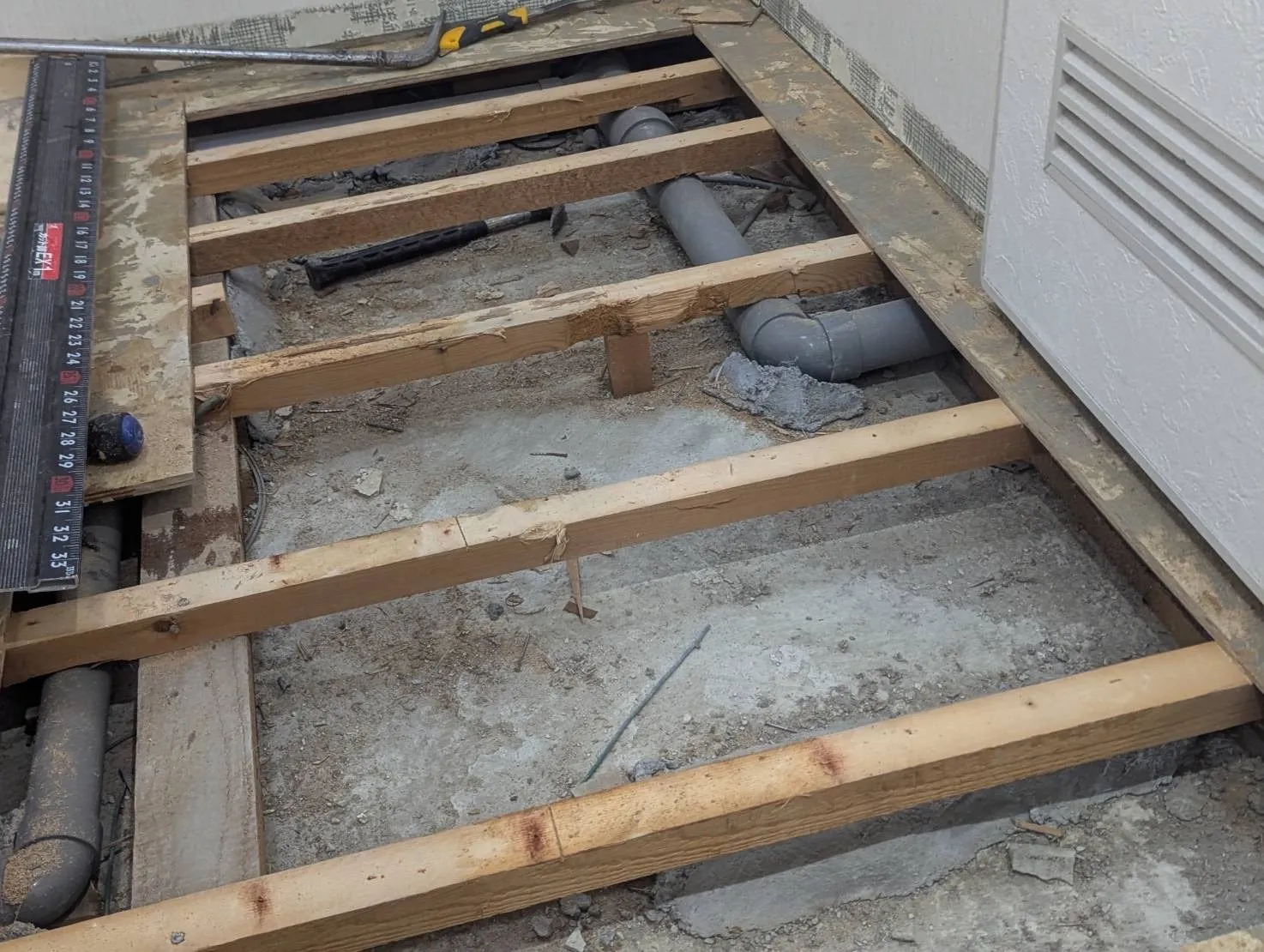
2-1. Poor Ventilation and Structural Issues (Underfloor and Wall Interiors)
Modern homes are built to be airtight, which means they cannot rely on natural ventilation. Without properly designed and functioning ventilation systems, moisture can become trapped within the structure. Underfloor areas are particularly vulnerable, as moisture from the ground can easily rise. If ventilation vents are poorly positioned or airflow is inadequate, mold can spread rapidly. Additionally, insulation inside walls may absorb moisture, and once damp, it is slow to dry—becoming a long-term breeding ground for mold. Ensuring clear airflow paths and a structure that dries easily is essential from the design phase.
2-2. Moisture from Air Conditioning Settings and Temperature Differences
The way air conditioning and HVAC systems are used has a significant impact on mold development. For example, overcooling a room during summer can create a large temperature difference between the inside and outside, causing condensation to form on chilled walls or windows. In winter, using a heater along with a humidifier can lead to excessive indoor humidity, which also promotes mold growth. It’s crucial to not only set HVAC systems appropriately but also to maintain good air circulation and avoid prolonged high humidity levels through proper home design and daily living habits.
2-3. Hidden Moisture Risks in Attics and Crawl Spaces
Attics and crawl spaces are areas that are rarely accessed and often have poor airflow, making them prone to moisture buildup. In winter, cold air under the roof can cause condensation when it meets warmer indoor air. This moisture can seep into insulation and wooden structures, remaining damp and allowing mold to spread unnoticed. Leaks from the roof or even small drips from pipes in the ceiling can also introduce moisture. Managing humidity in these hidden areas requires thoughtful ventilation planning during design and regular inspections after construction. In highly insulated homes, trapped moisture in insulation can reduce its effectiveness, so attic and crawl space moisture control is essential to maintain overall home performance.
3.Building Homes That Resist Mold: Pitfalls and Solutions in Foundation Insulation and Ventilation Design
Thermal performance alone isn't enough to protect a home. From material selection to on-site moisture control, this article explains the essential design and quality management strategies needed to create mold-free living environments.
3-1. Key Considerations for Foundation Insulation and Ventilation Design
While foundation insulation improves a home’s overall thermal performance, it also increases the risk of moisture accumulating under the floor. Therefore, when using foundation insulation, it is essential to plan for underfloor ventilation. Simply installing vents is not enough—designers must simulate airflow to ensure that moisture does not stagnate in any part of the space. Additionally, the layout of ducts and ease of maintenance must be carefully considered to ensure that the 24-hour ventilation system functions properly and continuously.
3-2. Material Selection and Consideration of Internal Structure
Building materials like wood and gypsum board are vulnerable to moisture and can become breeding grounds for mold. To combat this, it is effective to use mold-resistant building materials, as well as moisture barriers and humidity-regulating materials. Wall cavities, in particular, are prone to moisture buildup, so including ventilation layers within the walls helps promote air circulation and reduce the risk of internal condensation. Furthermore, insulation design should strike a balance—high airtightness must not come at the cost of adequate airflow.
3-3. Moisture Control and Quality Checks at Construction Sites
No matter how well a home is designed, insufficient attention to moisture during construction can significantly increase the risk of mold. For instance, installing flooring over concrete that hasn’t fully dried or enclosing wet structural materials after rain can trap moisture inside, creating ideal conditions for mold growth. To prevent this, on-site humidity levels should be monitored using hygrometers, and work should not proceed to the next phase until certain moisture thresholds are met. Implementing strict construction protocols, maintaining humidity management records via checklists, and documenting the process with photos can ensure both quality and transparency—key factors in building trust for housing manufacturers.
4. Post-Move-In Issues and Customer Support
Even with preventative measures in place during the design phase, mold issues may still arise after residents move in. In fact, moisture can accumulate unnoticed during daily life, leading to serious mold damage that may only become apparent months or even years later. This makes it essential for housing manufacturers to have a solid after-sales support system and the ability to respond promptly and appropriately when issues occur. In today’s market, where complaints can significantly impact brand reputation, having not just solid construction but also “trustworthy and responsive support” is the key to maintaining customer confidence.
4-1. Mold Complaints in New Homes and Overlooked Construction Issues
Mold-related complaints are not uncommon—even in newly built homes. In many cases, mold is discovered in hidden areas such as the back of storage spaces or under the floor, leading to residents experiencing allergic reactions or health issues. Investigations often reveal that moisture had accumulated behind insulation materials or that ventilation fans were improperly installed—clear oversights during construction. These types of issues are frequently missed during completion inspections and only come to light once the home is actually in use.
4-2. Building a Reliable Warranty and Maintenance System
Once mold problems occur, they can cause serious concern among residents, making a reliable and reassuring response essential. For housing manufacturers, it’s critical to provide regular inspections and establish a responsive consultation system to ensure continued peace of mind after construction. In the event that mold does appear, offering maintenance solutions that also prevent recurrence helps build trust. Including mold-related coverage in the warranty can serve as a major reassurance for homebuyers.
5. Specific Mold Prevention Methods and Maintenance Techniques
To prevent mold from developing in homes, it is essential to go beyond just good design—daily preventive measures and regular maintenance also play a crucial role. For housing manufacturers in particular, it's important to clearly communicate both “do-it-yourself mold prevention tips” and the “importance of professional maintenance” to customers after they move in. In this section, we introduce effective on-site prevention methods and key points for regular maintenance that can be practically implemented.
5-1. Practical Measures for Condensation Prevention and Humidity Control
To prevent mold—whose primary trigger is condensation—controlling indoor humidity is the most effective strategy. Mold tends to thrive when humidity exceeds 60%, so it's important to keep indoor levels around 50% by using dehumidifiers and ventilation fans. In poorly ventilated areas like behind furniture or inside closets, placing slatted boards or moisture-absorbing agents can help improve airflow and reduce moisture buildup. Enhancing the insulation performance of windows is also an effective way to prevent condensation; solutions such as double-glazed windows or insulating window films should be considered.
5-2. The Importance of Regular Inspections and Early Detection
In many cases, by the time mold becomes visible, it has already spread significantly—making early detection absolutely critical. Housing manufacturers should establish a system that includes thorough checks of high-risk areas such as under the floor, in the attic, and inside walls during regular post-handover inspections. It's also effective to provide residents with educational materials—via brochures or mobile apps—so they can recognize early signs of mold, such as musty odors or discoloration on walls. Detecting mold at an early stage not only prevents further damage but also helps reduce repair costs.
6. New Technologies and Construction Methods That Housing Manufacturers Can Propose
With conventional mold prevention methods reaching their limits, recent advancements in building materials and specialized technologies have introduced more effective and safer ways to eliminate and prevent mold. For housing manufacturers, actively adopting these cutting-edge solutions can lead to stronger differentiation from competitors and higher customer satisfaction. In this section, we introduce specific new technologies designed to eliminate mold at its source and prevent recurrence.
6-1. MIST Method and Other Techniques for Removing Mold Without Damaging Materials
The “MIST Method®” is a groundbreaking mold removal technology that eliminates mold deeply rooted within materials without causing any damage. This method involves spraying a specialized chemical in a mist form, allowing micro-particles to penetrate deep into the material. While breaking down mold at the cellular level, it preserves the original texture and strength of surfaces like wood and wall panels. There is no need for scrubbing or sanding, making it safe and gentle enough to be used even on historic buildings. After treatment, antimicrobial and mold prevention coatings can also be applied to significantly reduce the risk of recurrence. This technology serves as a highly effective “last resort” in addressing post-occupancy mold issues, providing strong reassurance for both builders and homeowners.
6-2. Enhancing Ventilation Systems and Optimizing Airflow Design
One of the key innovations housing manufacturers can implement from the design phase is "airflow-conscious design." For example, ensuring airflow paths from the attic to the underfloor space, or installing 24-hour heat-recovery ventilation systems, can help prevent moisture buildup. Recently, IoT-enabled systems have emerged that automatically detect humidity levels in each room and adjust ventilation accordingly. By incorporating such advanced technologies, builders can create homes where mold growth is virtually unnoticeable—enhancing peace of mind and building customer trust through reliable, high-performance living environments.
7. What is the MIST® Method? Kabibusters' Unique Mold Removal Technology
As a fundamental solution to mold problems, the “MIST® Method” is now gaining significant attention. This technique was independently developed by Kabibusters, a company specializing in mold removal, and it stands apart from conventional methods by combining both safety and effectiveness. One of its most notable advantages is its ability to eliminate mold down to the roots without damaging materials, making it a major contributor to the longevity and aesthetic preservation of homes and buildings.
7-1. Core Mechanism of the MIST® Method and How It Differs from Other Techniques
The MIST® Method is a mold-removal technology that adjusts a proprietary solution based on the mold’s condition and the material's characteristics, then sprays it in a fine mist to penetrate deep and destroy mold at the root level. Its greatest advantage lies in its non-invasive approach—no scraping, no scrubbing, and no surface damage. This makes it safe for use on delicate materials like wood, stone, and even paper. Unlike other companies that use strong chemicals with a one-size-fits-all approach, the MIST® Method fine-tunes the pH and concentration of the solution to suit each situation, achieving powerful mold removal while preventing material degradation. Since the micro-particles penetrate deep into the material, the process goes beyond surface-level cleaning, significantly reducing the chance of recurrence.
7-2. Why the MIST® Method Is Preferred and Its Benefits for Home Builders
The MIST® Method offers a comprehensive solution—not just removal, but also long-term prevention. After mold is eliminated, an antimicrobial and anti-mold finish is applied to reduce the risk of recurrence for an extended period. The proprietary solution has passed industrial wastewater safety tests and has been proven safe for use in homes with children or elderly residents. For homebuilders, incorporating the MIST® Method provides a clear differentiator in post-construction support and maintenance, making it a powerful tool for reducing customer complaints and enhancing long-term satisfaction. It’s an effective solution for balancing construction quality and customer peace of mind.
7-3. Versatility of the MIST® Method: From Historic Buildings to Modern Homes
What makes the MIST® Method particularly appealing is not only its effectiveness but also its wide range of applications. It is used not only in general residential housing but also in cultural properties, historic buildings, temples, shrines, and traditional Japanese homes where material preservation is critical. Its flexibility in dealing with delicate materials such as wood, plaster, and washi paper sets it apart from other mold removal methods. In cases involving culturally valuable structures, mold removal must be done without compromising the building’s aesthetic or structural integrity. By adjusting the pH and concentration of the solution to suit the material, the MIST® Method ensures thorough yet gentle treatment. This adaptability also translates well to modern homes, enabling effective maintenance while minimizing the aging effects on materials like wood and interior finishes. For housing manufacturers, it provides a valuable means of preserving long-term home value.
If You're Looking for Mold Prevention Professionals, Contact Kabitori Reform Tokyo/Nagoya or Kabibusters Osaka
To fulfill their responsibility, housing manufacturers must go beyond design and construction-phase precautions and ensure they have reliable partnerships with professional mold specialists in case problems arise. That’s where “Kabitori Reform Tokyo/Nagoya” and “Kabibusters Osaka” come in.
We offer advanced mold removal technology using our independently developed MIST® Method, which eliminates mold down to its roots without damaging delicate materials such as wood or wallpaper. Unlike traditional methods that involve scrubbing or scraping, our approach preserves the home's appearance and structure while effectively targeting and removing only the mold.
Our proprietary solutions are made from ingredients that are safe for both people and the environment, making them ideal for homes with small children or elderly residents. After mold removal, we also apply anti-mold treatments to prevent recurrence, ensuring long-term protection.
For housing manufacturers, having a reliable system in place to quickly address any mold issues can play a crucial role in maintaining brand trust. Join us—Kabitori Reform Tokyo/Nagoya and Kabibusters Osaka—in creating the next generation of worry-free, healthy homes that protect both your customers and the quality of your builds.
---------------------------------------------------------------------
カビ取リフォーム
東京営業所
〒141-0022
東京都品川区東五反田2-5-2 YHE CASK GOTANDA6階
電話番号:090-8321-4408
名古屋本社
〒465-0028
愛知県名古屋市名東区猪高台1-1301 タイコウビル1F
電話番号 : 0120-588-766
サイト:https://taikou-kensou.co.jp/
大阪営業所
〒532-0003
大阪府大阪市淀川区宮原1-19-23
電話番号:080-6978-3068
カビバスターズ大阪
https://kabibusters-osaka.com/
【検査機関】
一般社団法人微生物対策協会
https://kabikensa.com/
----------------------------------------------------------------------