"Invisible Enemy in Luxury Homes: Mold Prevention Strategies to Protect Property Value"
2025/09/14
Even in luxury residences and vacation homes, mold can quietly spread in hidden spaces like behind walls, under floors, and in attics. If left unchecked, this can impact not just appearance and health, but also significantly lower the property’s value.
This article reveals the hidden risks of mold in upscale properties, how it affects asset value, and introduces advanced removal methods that preserve delicate materials. You'll also learn practical daily habits and technologies for prevention.
With the knowledge from this article, you’ll be able to maintain a safe, beautiful living environment while protecting your investment. You’ll also improve indoor air quality and ensure your property retains high market appeal for resale or rental.
1. The Hidden Risk of Mold in Luxury Homes
In luxury residences, the emphasis on design, natural materials, and airtight comfort often leads to the oversight of mold risks—especially in hidden or non-visible areas. High insulation and airtight construction can create environments where moisture becomes trapped, providing the perfect conditions for mold growth without being immediately detected.
1-1. How High Insulation and Airtight Construction Trap Moisture
High-end homes often feature advanced insulation and airtight structures to ensure temperature stability and energy efficiency. However, these benefits can backfire when it comes to moisture. Spaces like behind walls, under floors, or attics can trap humidity due to limited air circulation. This hidden moisture can lead to mold formation that remains unnoticed for months. Additionally, systems like radiant floor heating and whole-house ventilation can create thermal uniformity, preventing condensation in visible areas but inadvertently supporting hidden mold colonies.
1-2. The Relationship Between Natural Building Materials and Mold
Luxury homes often use natural materials like solid wood, lime plaster, and marble—materials prized for their beauty but known for being sensitive to moisture. These materials, while adding elegance, can also absorb humidity over time. For example, wood has high moisture permeability and may retain dampness internally, leading to internal mold growth invisible to the eye. While lime plaster is said to regulate humidity, it too has limitations under constant exposure to moisture. Once mold attaches to these materials, removal becomes challenging without professional expertise, as improper methods can damage the surfaces irreversibly.
2. How Mold Damage Affects Property Value
In high-end real estate, mold is not just an issue of cleanliness—it can significantly reduce a property's market value and appeal. Whether during a sale, rental, or appraisal, the presence of mold can signal poor maintenance and create concerns about long-term habitability. For luxury properties, where every detail contributes to the impression of care and exclusivity, mold—even unseen—can become a costly liability.
2-1. How Mold Impacts Real Estate Appraisals and Sales
When selling or renting a luxury home, potential buyers and appraisers evaluate not only what they can see but also what they sense. Even slight discoloration, odors, or signs of moisture can raise red flags. Buyers may worry about hidden structural issues or expensive repairs, leading to reduced offers or withdrawal. Mold issues often result in appraisal deductions due to anticipated remediation costs. More importantly, mold diminishes the perception that a property is "well cared for," which is critical in the high-end market.
2-2. The Health and Air Quality Concerns That Hurt Perception
Mold spores in the air can create invisible yet harmful effects, especially for families with children, elderly members, or individuals with allergies. During property viewings, unpleasant odors or air that “feels heavy” can leave a lasting negative impression. Furthermore, any hint of mold can damage a home's image, suggesting neglect or health risks. For luxury homes, where buyers expect pristine condition and wellness-focused environments, such concerns can quickly derail a deal. Thus, the presence of mold not only lowers physical value but also inflicts what can be called an “image cost.”
3. Mold Challenges Unique to Vacation Homes and Second Residences
Vacation homes and second residences often face a unique set of mold-related challenges due to prolonged periods of unoccupancy. Unlike primary homes, these properties are not regularly ventilated or monitored, allowing humidity to accumulate silently. The natural surroundings and materials often used in these buildings can further increase the risk, making proactive and specialized mold prevention essential.
3-1. Managing Humidity and Ventilation During Vacant Periods
One of the main risks for vacation homes is the buildup of humidity during unoccupied periods. Japan’s climate, with its rainy season, typhoons, and winter condensation, adds to this problem. Automated ventilation systems or smart sensors that monitor and control humidity remotely can help mitigate these risks. Installing humidity-absorbing materials, dehumidifiers with timers, or air purifiers with dehumidification features are effective. Regular professional inspections, especially before and after high-risk seasons, are also highly recommended to ensure early detection and prevention.
3-2. A Practical Checklist for Mold Prevention When the Home is Unused
Preventing mold while the property is unoccupied starts with good preparation. Before leaving, wipe down all water-prone areas like bathrooms, sinks, and kitchens. Leave space between furniture and walls to allow air circulation and slightly open closet doors to prevent trapped humidity. Use programmable dehumidifiers or smart remotes to operate air conditioning remotely. Before long-term closures, it's advisable to apply professional-grade mold-resistant coatings or treatments. By turning these actions into routine habits, you can ensure your vacation home stays clean, comfortable, and mold-free all year round.
4. Advanced Mold Removal Methods That Protect Materials
In luxury homes and vacation properties, where materials like natural wood, marble, and specialty plasters are often used, mold removal must be done with extreme care. Traditional cleaning methods may damage these sensitive surfaces. To address this, advanced techniques have been developed that eliminate mold effectively without harming the structure or appearance of high-end materials.
4-1. The Benefits of Professional Methods Like the MIST Method®
The MIST Method® is a proprietary mold removal technology designed specifically to treat mold without scrubbing or damaging surfaces. By applying a specially formulated cleaning agent as a fine mist, it penetrates deep into materials to break down and remove mold at its roots. Unlike abrasive methods, this process is gentle enough for delicate materials such as untreated wood, lime plaster, or fabric-covered walls. In addition, the cleaning agents used are certified safe for humans and pets, making them ideal for homes with children or elderly residents. After removal, a long-lasting anti-mold treatment is applied to prevent recurrence, offering both peace of mind and preserved beauty.
4-2. Using Mold Testing and Moisture Analysis to Identify Root Causes
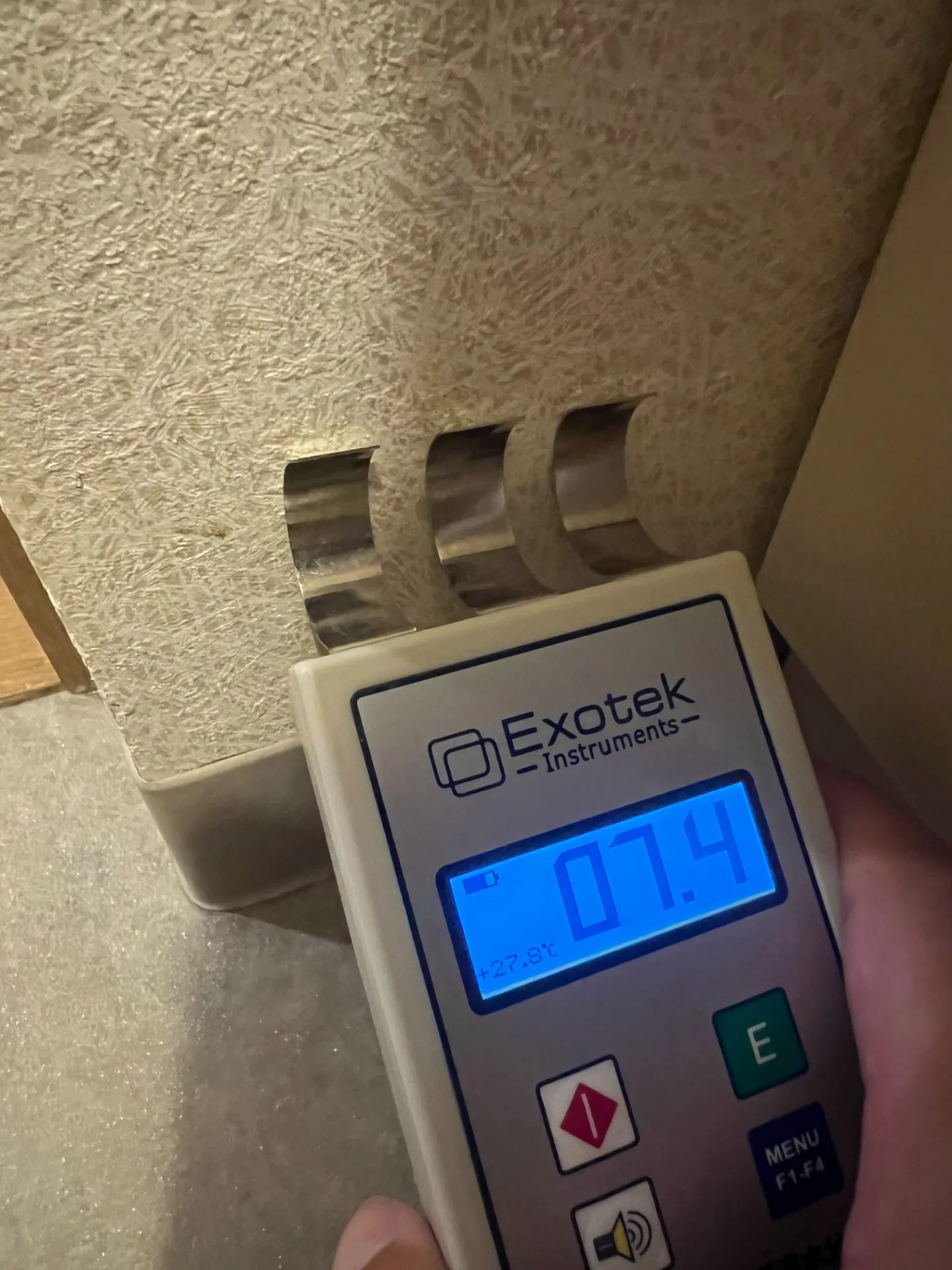
Effective mold remediation begins with identifying the underlying cause. Modern mold professionals utilize tools like mold spore testing and moisture meters to determine whether internal condensation or hidden dampness is promoting mold growth. Spore testing helps identify the types and concentration of mold in the air or on surfaces, which guides the choice of removal method. Moisture analysis detects unseen water retention within walls or floors, revealing hidden risks. These diagnostics enable a customized, precise response—removing not only the visible mold but also preventing future growth by addressing the conditions that caused it.
5. Daily Maintenance Tips and Smart Investments for Luxury Homes
In luxury residences, preserving value goes beyond the choice of materials and design. Daily habits and small but strategic investments can make a significant difference in mold prevention. You don't need major renovations—simple, consistent practices can protect your home's beauty, air quality, and long-term value.
5-1. Managing Humidity, Whole-House Ventilation, and Insulation Performance
Controlling humidity is key to preventing mold. While luxury homes often feature whole-house ventilation and high-performance insulation, these systems still require regular maintenance. Clogged filters or unbalanced airflow can cause moisture to accumulate in certain rooms, becoming a breeding ground for mold. Insulation degradation may also lead to hidden condensation inside walls. Scheduling seasonal inspections of these systems helps ensure consistent air circulation and optimal humidity control, keeping your environment healthy and comfortable.
5-2. Leveraging Air Purifiers, Dehumidifiers, and Protective Coatings
Easy-to-implement solutions like air purifiers and dehumidifiers offer great results in mold prevention. Because luxury homes often have many rooms with varying usage levels, it's important to manage humidity in each space individually. Smart dehumidifiers can be remotely controlled via apps, allowing for consistent management even when away. For added protection, anti-mold and antibacterial coatings can be applied to vulnerable areas like bathrooms, closets, wall surfaces, or natural wood features. These small investments help prevent future damage and preserve both aesthetics and indoor air quality.
6. How to Plan Mold Prevention in Vacation Homes and High-End Condos
For luxury properties such as vacation homes and high-rise condominiums, mold prevention should be integrated from the very beginning—not just as a reaction to visible problems. Proactive planning during the design or purchase phase, followed by scheduled professional maintenance, ensures long-term protection of both property value and living comfort.
6-1. Design and Contract-Phase Features That Prevent Mold
The best mold prevention starts before construction or purchase. Material selection is key—avoid using highly moisture-absorbent materials in areas prone to dampness, such as bathrooms or north-facing rooms. Instead, opt for mold-resistant or treated surfaces. Whole-house ventilation systems and balanced airflow designs are essential for airtight buildings, as natural airflow is limited. Also, consider installing access panels in hidden areas like ceilings and underfloors to allow for future inspections. Proper structural planning prevents mold from the ground up.
6-2. Maintenance Schedules and the Role of Professional Inspections
Sustained mold prevention requires regular professional maintenance—not just casual cleaning. Many high-end homeowners now schedule inspections once or twice a year, with added checks before and after humid seasons. Professional mold specialists can inspect behind walls or inside air ducts—areas that are otherwise impossible to monitor. For vacation homes that remain vacant for months, seasonal inspections are especially crucial. Technologies like the MIST Method® provide non-damaging solutions ideal for delicate materials. With a clear, proactive schedule and expert support, mold can be eliminated and recurrence effectively prevented.
7. Common Misconceptions and Mistakes in Mold Prevention
When it comes to mold, many homeowners rely on common sense or general cleaning knowledge. However, in luxury homes—where delicate materials and high standards of cleanliness are the norm—such assumptions can lead to costly mistakes. Understanding the most frequent misconceptions is crucial to avoid damaging your property or worsening the mold problem.
7-1. The Risks of Using Store-Bought Mold Cleaners on Delicate Materials
Store-bought mold cleaners are often the first solution people turn to, but they can pose serious risks—especially in luxury homes with sensitive materials like solid wood, lime plaster, marble, or fabric wall coverings. Many of these cleaners contain harsh chemicals such as bleach or acidic agents that can cause discoloration, surface damage, or even corrosion. Worse, they typically remove only the surface mold, allowing spores deep within the material to remain and reappear later. In homes with children, pets, or people with sensitivities, leftover fumes or residue can also be a health concern. For these reasons, it’s safer and more effective to consult with professionals who use material-safe methods.
7-2. Why “If You Can’t See It, It’s Fine” Is a Dangerous Assumption
A common mistake is assuming that if mold isn’t visible, there’s no problem. In reality, mold often begins growing in hidden areas—inside walls, under floors, above ceilings, and inside HVAC systems. These colonies can release spores into the air long before visible signs appear, impacting indoor air quality and causing allergic reactions or musty odors. Luxury homes often use breathable, organic materials that can harbor mold beneath the surface without any external indication. That’s why regular inspections and professional air quality testing are critical. Trusting what you can’t see can cost you far more in the long run.
8. Innovative Mold Prevention in Luxury Homes
In the world of luxury homes and vacation estates, owners are increasingly adopting advanced, proactive mold prevention techniques. These properties often feature sensitive natural materials and complex layouts, requiring custom solutions beyond conventional cleaning. Below are two examples of cutting-edge approaches successfully implemented in high-end residences.
8-1. MIST Method®: A Case Study in Cultural-Property-Level Mold Removal
In a 30-year-old luxury home in a prestigious residential district, high-end materials such as natural wood, lime plaster, and marble were widely used. Traditional mold removal methods risked damaging these surfaces. Instead, the homeowner chose the MIST Method®—a technology also used in historical preservation. Custom-blended anti-mold agents were misted onto affected surfaces, penetrating deeply to decompose mold without abrasion. Following removal, a protective anti-mold treatment was applied to prevent recurrence. The result was a flawlessly restored living space, with no damage to materials and long-term prevention in place—demonstrating how professional intervention can preserve both beauty and property value.
8-2. Smart Mold Management with IoT in a Remote Vacation Home
In another case, a vacation home located in a humid mountain area was left unoccupied for much of the year, leading to recurring mold issues. To solve this, the owner installed an IoT-based smart humidity management system. The system included sensors, dehumidifiers, and ventilation units that automatically activated when humidity levels rose above a certain threshold. The entire setup could be monitored and controlled remotely via smartphone. As a result, the mold problem was eliminated, air quality improved, and the home became a safe, worry-free retreat. This case illustrates how modern technology can support luxury lifestyles while ensuring mold-free living.
9. When to Call a Professional for Mold Control in High-End Homes
In luxury homes, where value, aesthetics, and air quality must all be preserved, mold control requires more than a do-it-yourself approach. While minor surface cleaning might suffice in standard cases, there are clear situations where professional intervention is essential. Recognizing these scenarios can help prevent costly damage and long-term health risks.
9-1. When the Mold Problem Is Beyond Surface Cleaning or in Hidden Areas
If mold is spreading across wide areas, keeps returning, or is suspected in places like ceilings, behind walls, under floors, or inside air systems, it's time to contact a specialist. Persistent musty smells or unexplained health symptoms can also indicate hidden mold. These are situations where consumer products or casual cleaning won’t reach the root of the problem. In high-end homes, mold often develops in places that are difficult to access or invisible to the naked eye. Professional tools and knowledge are needed to inspect and treat the source safely and effectively.
9-2. When Your Home Includes Delicate or Expensive Materials
Luxury residences frequently use high-value, sensitive materials—such as solid wood, silk wall coverings, marble, and custom cabinetry—that can be permanently damaged by improper cleaning techniques or harsh chemicals. These materials require non-invasive, tailored treatment methods, such as the MIST Method®, which eliminate mold without compromising the integrity or appearance of the surfaces. Additionally, valuable furniture and textiles can be affected by airborne spores, making it essential to treat the whole indoor environment—not just the visible spots. Entrusting the job to experts ensures both thorough remediation and preservation of your investment.
10. How Affluent Homeowners Choose the Right Mold Specialist
For owners of luxury homes, choosing a mold remediation specialist isn’t just about removing stains—it’s about safeguarding high-value properties, delicate materials, and long-term investment. The right expert will not only eliminate mold safely but also understand the construction, aesthetics, and expectations of premium residences. Here’s what to look for when selecting a trustworthy partner.
10-1. Look for Proven Experience, Case Studies, and Advanced Techniques
Start by checking whether the company has experience handling luxury homes, historic properties, or second residences. Review case studies or ask for references. A true specialist should offer more than basic cleaning—they should be equipped with advanced methods like the MIST Method®, and offer diagnostic tools such as mold spore testing and moisture mapping. Beware of low-cost services that focus on superficial cleaning without addressing the root cause. A reliable provider customizes their approach to the property’s materials, architecture, and usage patterns.
10-2. Evaluate Their Communication, Transparency, and Aftercare Support
Trustworthy professionals communicate clearly and patiently from the first contact. During an initial inspection, they should explain findings in plain language and answer your questions in detail. It's also important to confirm whether they offer aftercare services, such as periodic inspections, warranties against recurrence, or preventive treatments. These extra layers of service ensure peace of mind, especially in properties that are unoccupied for long periods. Ultimately, choose a provider who treats your home not just as a building, but as a valuable asset worth protecting with care and expertise.
Mold Control & Prevention by Kabibusters Osaka / Kabi Reform Tokyo & Nagoya
Luxury homes, vacation residences, and high-rise condominiums require mold control solutions that go far beyond ordinary cleaning. That’s where Kabibusters Osaka and Kabi Reform Tokyo & Nagoya come in—providing expert mold removal services designed specifically for high-value properties, delicate materials, and complex structural conditions. These services are operated by Taiko Kensou Co., Ltd., a specialist construction and renovation company with deep expertise in both mold remediation and high-end home renovation.
MIST Method®: Complete Mold Removal Without Damaging Materials
Our signature solution, the MIST Method®, is a patented technology developed to safely and thoroughly eliminate mold from even the most delicate surfaces—without scrubbing, scraping, or causing damage. Used in historical building preservation and luxury homes alike, this method involves the application of a fine, custom-formulated mist that penetrates deeply into materials to break down and remove mold at its root.
The treatment concludes with the application of long-lasting anti-mold agents that help prevent recurrence. Our cleaning agents are rigorously tested and proven safe for children, pets, and the elderly, making them ideal for health-conscious homeowners.
One-Stop Service: Mold Removal and Renovation in a Single Package
What sets Taiko Kensou Co., Ltd. apart is our ability to offer integrated mold removal and renovation services. When mold damage occurs, we not only eliminate the cause but also immediately begin renovation and restoration, eliminating the need to coordinate between multiple contractors. This reduces stress, downtime, and costs for our clients.
Our approach is not simply to repair visible damage—we also propose improvements that enhance mold resistance for the future, such as upgraded insulation, enhanced ventilation, and moisture control systems. Because we are both mold specialists and experienced builders, our recommendations are grounded in deep technical knowledge.
Premium Renovation Services by Taiko Kensou Co., Ltd.
Beyond mold removal, Taiko Kensou offers full-scale renovation services tailored to the needs of discerning homeowners. Our capabilities include:
・Interior redesigns that enhance luxury and functionality
・Full upgrades to bathrooms, kitchens, and washrooms
・Waterproofing and insulation renovations for exterior walls and roofs
・Barrier-free designs for senior living or care environments
・Performance upgrades for soundproofing, moisture control, and energy efficiency
We are especially experienced in “preventive renovations” that address recurring mold issues in bathrooms, north-facing rooms, or poorly ventilated areas. From design consultations to post-renovation maintenance, we support homeowners seeking not just repairs—but value-added living spaces.
Your luxury home deserves expert care. Trust Kabibusters Osaka / Kabi Reform Tokyo & Nagoya and Taiko Kensou Co., Ltd. to protect your property’s health, beauty, and long-term value with specialized mold removal and premium renovation services. For consultations or inspections, please feel free to contact us.
---------------------------------------------------------------------
カビ取リフォーム
東京営業所
〒141-0022
東京都品川区東五反田2-5-2 YHE CASK GOTANDA6階
電話番号:090-8321-4408
名古屋本社
〒465-0028
愛知県名古屋市名東区猪高台1-1301 タイコウビル1F
電話番号 : 0120-588-766
サイト:https://taikou-kensou.co.jp/
大阪営業所
〒532-0003
大阪府大阪市淀川区宮原1-19-23
電話番号:080-6978-3068
カビバスターズ大阪
https://kabibusters-osaka.com/
【検査機関】
一般社団法人微生物対策協会
https://kabikensa.com/
----------------------------------------------------------------------