"7 Steps to Completely Prevent Mold in Wet Areas That Keeps Coming Back"
2025/09/13
Have you ever removed mold from your bathroom, only for it to come back in a few days? Persistent mold not only affects appearance and smell but can also cause hygiene and health issues, leading to daily frustration.
You'll learn why mold keeps coming back in wet areas like bathrooms and kitchens, and discover practical solutions for daily care, material-specific cleaning, and effective long-term prevention methods.
By applying the right measures, you’ll significantly reduce cleaning time and frequency, maintaining a clean and comfortable environment. You'll also protect your family's health by using safe and effective mold removal and prevention techniques.
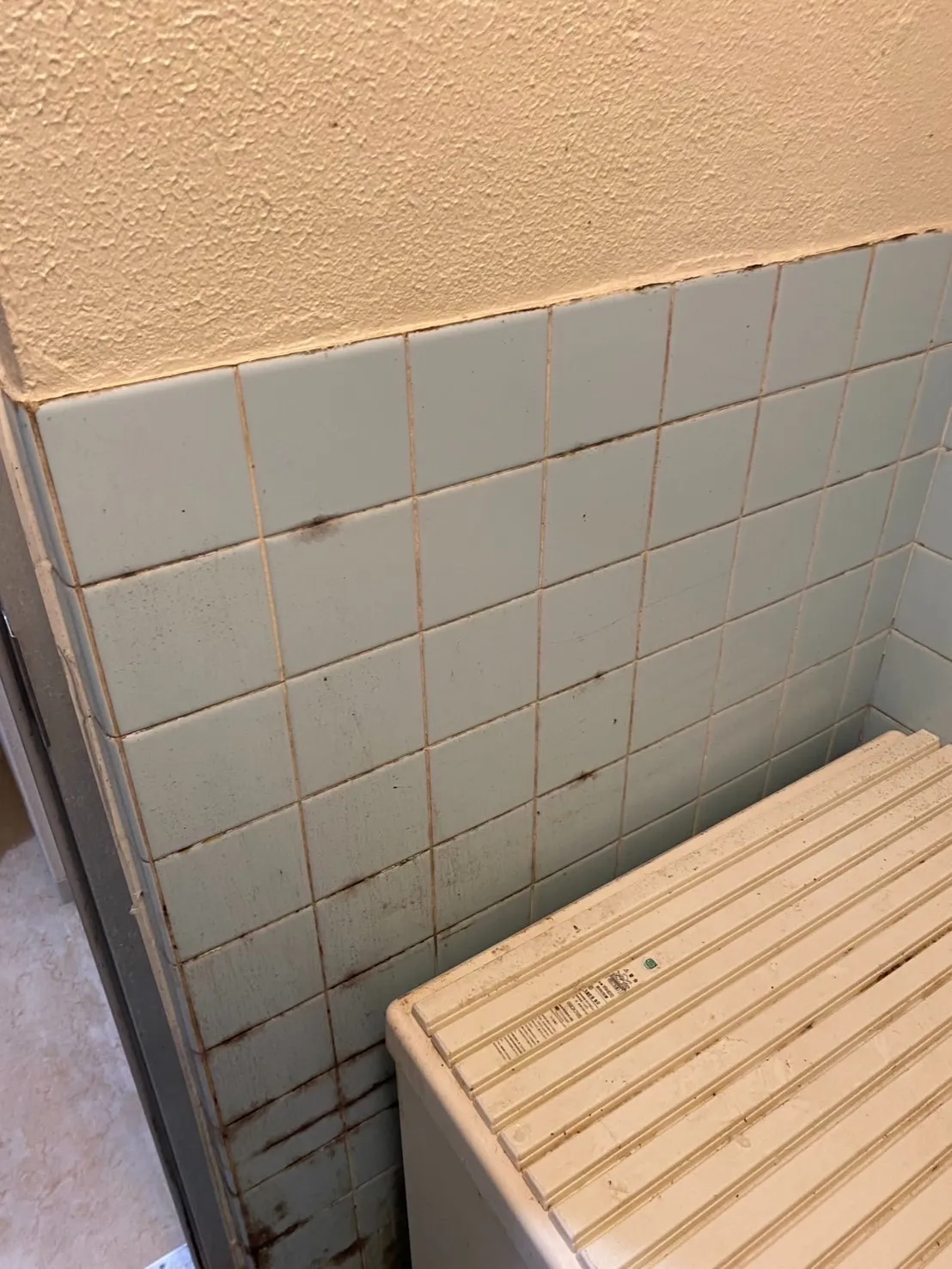
1. The Real Reasons Mold Keeps Coming Back in Wet Areas
Mold in wet areas like bathrooms and sinks often reappears even after it’s been cleaned. That’s because removing mold from the surface isn’t enough to solve the problem—if the underlying causes remain, mold will return. Understanding the hidden factors behind mold growth is key to preventing recurrence. In this section, we explain the three main reasons why mold continues to come back in wet environments.
1-1. Why Moisture and Humidity Are Constant Issues
The biggest contributors to mold growth are high humidity and lingering moisture. Mold starts growing when humidity exceeds 60%, and spreads rapidly at levels above 80%. Wet areas like bathrooms are naturally prone to high humidity due to daily water use. Even if surfaces appear dry, moisture can remain in the tiny gaps of rubber seals, grout, or porous materials—creating the perfect conditions for mold. The longer moisture stays, the more likely mold will take hold. To combat this, it's essential to ensure surfaces dry quickly and thoroughly after use.
1-2. How Poor Ventilation and Condensation Contribute to Mold
Poor air circulation allows moisture to accumulate, accelerating mold growth. Condensation is a major problem, especially in winter or during rainy seasons. When warm, humid air hits cold surfaces like mirrors or tiled walls, water droplets form and stay there. In poorly ventilated spaces with no windows or ineffective exhaust fans, this trapped moisture creates an ideal breeding ground for mold. Without proper airflow, even after cleaning, mold will continue to grow in the same spots again and again.
1-3. Dirt, Soap Scum, and Dust as Mold Nutrients
In addition to moisture, mold needs nutrients to grow. In wet areas, it feeds on organic matter like skin oils, hair, soap residue, and dust—all of which accumulate easily in bathrooms and kitchens. These materials collect in corners, on rubber seals, around drains, and in tile grout—areas that are often overlooked during cleaning. Even if surfaces look clean, microscopic buildup can provide mold with everything it needs to thrive. To truly stop mold from returning, it’s vital to remove both visible mold and the hidden grime that feeds it.
2. Everyday Habits to Prevent Mold Recurrence
Preventing mold from coming back doesn’t always require expensive products or special tools. Often, the most effective approach is to adjust your daily habits. Since wet areas are naturally prone to moisture and grime, small actions taken consistently can drastically reduce the chance of mold returning. In this section, we introduce simple but powerful everyday practices to help you stop mold at its source.
2-1. How to Ensure Proper Ventilation Daily
Good ventilation is the most basic and effective method of preventing mold. After using the bathroom or sink, always open windows or run an exhaust fan to release trapped humidity. Bathrooms, in particular, become very humid during and after showers, so keeping the door open to allow airflow can also help. If your exhaust fan only runs for a short time, it may not be enough—ideally, it should run for 30 to 60 minutes after use. Using a small fan or air circulator can further speed up moisture evaporation and improve air movement.
2-2. Water Removal and Wiping Techniques After Use
Mold thrives on leftover water, so it’s important to dry surfaces after use. In the bathroom, use a squeegee or towel to remove water from walls, floors, and fixtures after each shower. Pay special attention to areas like rubber seals and caulking, where water tends to linger. After wiping, use a dry cloth to remove remaining moisture, especially in corners and crevices. Make sure to wash and dry the cloth or towel you use regularly to prevent it from becoming a mold source itself. These small, consistent actions greatly reduce the moisture mold needs to grow.
2-3. Humidity Management: Target Levels and Useful Tools
Keeping indoor humidity below 60% is ideal for mold prevention. A digital hygrometer is a simple yet effective tool to monitor humidity in your bathroom or laundry area. For moisture-prone spots, place dehumidifying products such as silica gel, charcoal, or store-bought moisture absorbers. If electricity is available, a compact electric dehumidifier can significantly improve air quality and reduce mold risk. Be sure to check and maintain these items regularly, especially during humid seasons like the rainy period or summer.
3. Material-Specific Mold Care and Precautions
Wet areas consist of a variety of materials, each requiring specific care. Mold attaches and grows differently depending on the material, so using the wrong cleaning method can damage surfaces or worsen the problem. In this section, we focus on the types of materials most prone to mold and how to treat them effectively and safely.
3-1. Special Care for Rubber Seals, Silicone, and Caulking
Rubber seals, silicone joints, and caulking are among the most common places for mold to grow. These materials are soft and slightly porous, making it easy for moisture, dirt, and mold spores to settle in. Once mold takes root, it often penetrates deep into the material, which makes it difficult to remove with regular cleaners. To prevent buildup, regularly scrub these areas with a soft brush or an old toothbrush to remove soap scum and body oils. After every use, thoroughly wipe away any moisture to keep the area dry. For stubborn mold, gel-type mold removers are more effective as they can penetrate and clean deeply without damaging the material.
3-2. Proper Cleaning of Tiles, Grout, and Wall Materials
While tiles themselves are relatively easy to clean, the grout between them can absorb water and collect dirt, making it a prime area for mold growth. Grout is often overlooked during routine cleaning, but it needs special attention using a narrow brush or dedicated grout cleaner. On the other hand, porous wall materials or wooden surfaces are even more vulnerable. Once mold sets in, it can spread internally, making surface cleaning ineffective. For such materials, ensure good ventilation, and consider applying an anti-mold treatment to protect from future outbreaks. Regularly checking for signs of mold and maintaining surface cleanliness can prevent small issues from turning into major problems.
4. Effective Mold Removal Methods
When it comes to mold removal, simply scrubbing or using bleach isn’t always enough. To truly eliminate mold and prevent it from returning, you need to understand how mold behaves and choose the right method for the surface and severity of the infestation. In this section, we explore three main approaches to removing mold—commercial cleaners, natural remedies, and professional services.
4-1. Choosing Between Chlorine and Non-Chlorine Cleaners
Commercial mold removers are the most commonly used products for dealing with black mold, especially those that contain chlorine. Chlorine-based cleaners are powerful and provide quick visible results, making black mold disappear rapidly. However, they can also be harsh, producing strong odors and potentially causing discoloration or damage to certain materials. Always use gloves, a mask, and ensure proper ventilation when using these products. Non-chlorine cleaners, on the other hand, are milder, less irritating, and safer for frequent use. They don’t have the same bleaching power but are a better choice for delicate surfaces or households with children or pets. Knowing when to use each type is key to safe and effective mold removal.
4-2. Natural Remedies: Using Baking Soda and Vinegar
If you prefer chemical-free options, baking soda and vinegar are popular natural mold-fighting agents. Baking soda, which is mildly alkaline, helps remove organic buildup like body oils and soap scum—both of which feed mold. You can make a paste with water and apply it directly to moldy areas, then scrub with a brush after a short wait. Vinegar is slightly acidic and has natural antibacterial properties, making it useful for killing light mold growth and preventing regrowth. When combined, baking soda and vinegar create a fizzing reaction that can help loosen grime. While these methods are safer and eco-friendly, they may not be strong enough for deeply rooted mold, so use them for light cases or maintenance.
4-3. When and Why to Hire Mold Removal Professionals
For mold that returns again and again, or has penetrated deep into walls, flooring, or caulking, hiring a professional mold removal service is often the best solution. Professionals can accurately identify mold types and the materials they’ve affected, using specialized tools and techniques to completely eliminate mold—not just on the surface but also at the root level. This is particularly important for porous materials like wood or insulation, where household cleaners may fail. Many companies also provide preventive treatments after removal to keep mold from returning. When choosing a provider, look for experience, safe products, clear pricing, and follow-up support to ensure long-term results and peace of mind.
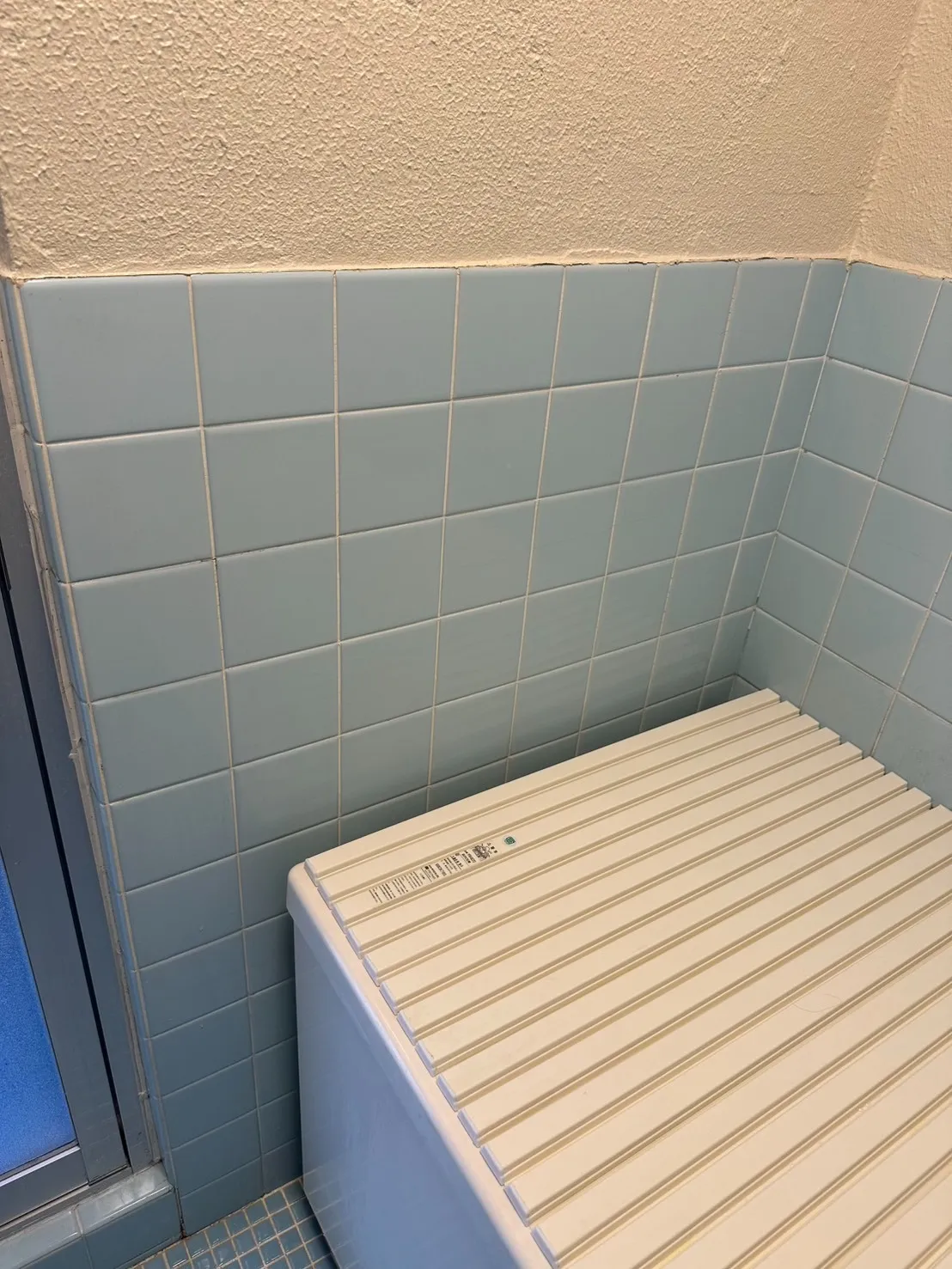
5. Mold Prevention and Coating Treatments
Even after removing mold, if no preventive measures are taken, it’s only a matter of time before it comes back. Especially in high-moisture areas like bathrooms and kitchens, mold spores can easily settle again. To maintain a mold-free environment, it’s essential to apply proper anti-mold treatments and maintain cleanliness. This section covers effective prevention products and long-term maintenance methods to keep mold away for good.
5-1. Types and Effects of Anti-Mold Sprays and Coatings
Anti-mold sprays and coatings are useful tools for stopping mold before it starts. Spray-type products are easy to use and can be applied regularly to high-risk areas such as caulking, tile grout, and rubber seals. Some products offer months of protection and even contain antibacterial or deodorizing agents. For longer-lasting protection, consider applying anti-mold coatings, which can protect surfaces for several months or even longer, depending on the product. These coatings are especially effective in corners and hard-to-reach spots where regular cleaning is difficult. Always choose a product that matches the surface material, and follow the instructions carefully to maximize its effect.
5-2. Long-Term Maintenance Tips to Keep Mold Away
No matter how strong your anti-mold treatment is, it won’t last forever without regular upkeep. Monthly inspections of hidden or rarely cleaned areas—like corners, under sinks, or behind appliances—can help catch early signs of mold before they spread. If you spot any discoloration or musty odor, act quickly with a gentle cleaner or anti-mold spray. Weekly cleaning is also key: soap scum and body oils are food sources for mold, so remove them with a neutral cleaner. Seasonal changes are a good time to refresh your mold prevention efforts—reapply sprays, check dehumidifiers, and reassess ventilation. Consistent maintenance is the most powerful long-term strategy to protect your home.
6. Case Studies: Common Mistakes and How to Fix Them
Even when you’re actively trying to prevent mold, it can keep coming back—sometimes because of small but critical oversights. In fact, well-intentioned efforts may actually worsen the situation if done incorrectly. In this section, we’ll look at common real-life mistakes people make when dealing with mold in wet areas and explain how to fix them effectively.
6-1. Why Bathroom Rubber Seals Get Moldy Easily and How to Prevent It
One of the most common complaints is: “I clean my bathroom regularly, but the rubber seals keep turning black.” This is usually due to residual moisture being left behind after cleaning or bathing. While rinsing down surfaces may feel like enough, water tends to stay trapped in crevices—especially in rubber seals and joints—where mold can quickly take hold. In some cases, even if you clean often, the detergent may not reach deep into the material, and soft sponges may fail to remove embedded dirt. To fix this, always use a squeegee to remove excess water after showering, followed by wiping the area with a dry cloth. Apply a mold-prevention spray regularly, and use a targeted gel-type cleaner for stubborn mold buildup. These simple steps make a big difference in keeping rubber seals mold-free.
6-2. Moisture Traps in Laundry Rooms and Sink Areas
Laundry rooms and sink areas are often overlooked when it comes to mold prevention, but they are surprisingly vulnerable. A common mistake is ignoring moisture buildup behind appliances or inside cabinets. For example, water can accumulate behind washing machines, especially if there is poor airflow or minor leaks. Stored items like towels or detergent under the sink can also retain moisture, creating the perfect environment for mold. To prevent this, ensure there’s enough space between walls and appliances for air to circulate. Use moisture absorbers or dehumidifiers, especially during humid seasons. For storage spaces, place drying agents like silica gel and occasionally open doors or drawers to ventilate. These habits go a long way toward keeping hidden mold at bay.
7. Health and Safety Concerns Related to Mold
Mold in wet areas isn't just a cosmetic issue—it can pose serious risks to your health and safety. Prolonged exposure to mold spores or improper handling of mold removal products may lead to physical discomfort or even illness. In this section, we’ll explore the health effects of mold and important precautions you should take when cleaning it.
7-1. How Mold Spores Affect Your Health
Mold spreads through tiny spores that become airborne and can be inhaled without notice. For sensitive individuals—such as those with asthma, allergies, young children, or the elderly—these spores may trigger symptoms like coughing, sneezing, runny nose, or even skin rashes. In more serious cases, long-term exposure can worsen respiratory conditions or cause fatigue and headaches. If you notice persistent symptoms, especially after spending time in a damp area, mold may be the culprit. That’s why it’s critical to treat mold not just as a cleaning issue, but also as a health hazard to address promptly.
7-2. Safety Precautions When Using Mold Cleaners
Mold cleaners—especially chlorine-based types—can be harmful if not used properly. Always ensure adequate ventilation when cleaning: open windows, turn on fans, and avoid working in closed spaces. Wear rubber gloves to protect your skin, and use a mask to avoid inhaling strong fumes. If you’re using spray products, protective eyewear can also help prevent accidental contact. Never mix cleaning agents, as combining chemicals (like bleach and ammonia) can release toxic gases. Read product instructions carefully, and in case of irritation or accidental contact, rinse immediately and seek medical advice if needed. Proper safety measures make mold removal more effective and protect your health during the process.
8. Why You Should Choose Kabibusters Osaka & Mold-Removal Renovation Tokyo/Nagoya
If you’re struggling with recurring mold in your home—even after repeated cleaning—it may be time to call in the professionals. Kabibusters Osaka and Mold-Removal Renovation Tokyo/Nagoya offer expert mold removal services using the proprietary MIST Method®, designed to eliminate mold from its roots without damaging materials. Whether it’s a stubborn case in your bathroom or mold hidden behind walls or flooring, we provide thorough removal and prevention treatments tailored to your home.
8-1. What Is MIST Technology? Safe and Deep Mold Elimination
The MIST Method® is an innovative mold removal technique developed to target mold growth based on the material and severity of contamination. Unlike traditional methods that rely on scrubbing or bleaching, the MIST approach uses custom-formulated agents that safely penetrate the surface and destroy mold at the microbial level—without harming the material. These agents are proven safe for human environments, passing industrial wastewater and safety testing. Even delicate materials such as wood, insulation, or historical structures can be treated effectively and safely. It’s a solution trusted in schools, hospitals, and commercial buildings.
8-2. Long-Term Prevention with Professional Anti-Mold Treatment
Our services don’t end with mold removal. After eliminating the visible and hidden mold, we apply a fog-based anti-mold agent that seeps deep into surfaces and prevents regrowth. This specialized treatment offers fast-acting, long-lasting protection with high safety standards. The product neutralizes airborne mold spores, prevents new colonies from forming, and disrupts the mold’s cellular structure. Whether you're dealing with an ongoing issue or want to proactively protect your space, our services cover both removal and prevention to keep your home mold-free for the long haul.
Integrated Services by Taikou Kensou Co., Ltd.
What truly sets us apart is that Kabibusters and Mold-Removal Renovation are operated by Taikou Kensou Co., Ltd., a company with a strong track record in both mold control and professional remodeling. This allows us to offer a one-stop solution for customers who not only want to remove mold but also renovate damaged or outdated areas. For example, if your bathroom walls have been affected by mold, we can simultaneously remove the mold and replace the walls, upgrade tiles, or even install better ventilation systems—all under one contract.
Taikou Kensou's remodeling services include water area renovations (bathrooms, kitchens, laundry), interior and exterior upgrades, barrier-free conversions, and energy-efficient home improvements. Every project is handled with care, focusing on functionality, hygiene, and comfort. Whether it’s a small repair or a full remodel, we tailor the solution to your needs—making your home not only mold-free but also safer, more beautiful, and easier to live in.
If you’re in Osaka, Tokyo, or Nagoya and want a reliable partner who can both remove mold and remodel your space, Taikou Kensou Co., Ltd. is your go-to expert. Let us help you restore a clean, comfortable, and mold-free home.
---------------------------------------------------------------------
カビ取リフォーム
東京営業所
〒141-0022
東京都品川区東五反田2-5-2 YHE CASK GOTANDA6階
電話番号:090-8321-4408
名古屋本社
〒465-0028
愛知県名古屋市名東区猪高台1-1301 タイコウビル1F
電話番号 : 0120-588-766
サイト:https://taikou-kensou.co.jp/
大阪営業所
〒532-0003
大阪府大阪市淀川区宮原1-19-23
電話番号:080-6978-3068
カビバスターズ大阪
https://kabibusters-osaka.com/
【検査機関】
一般社団法人微生物対策協会
https://kabikensa.com/
----------------------------------------------------------------------