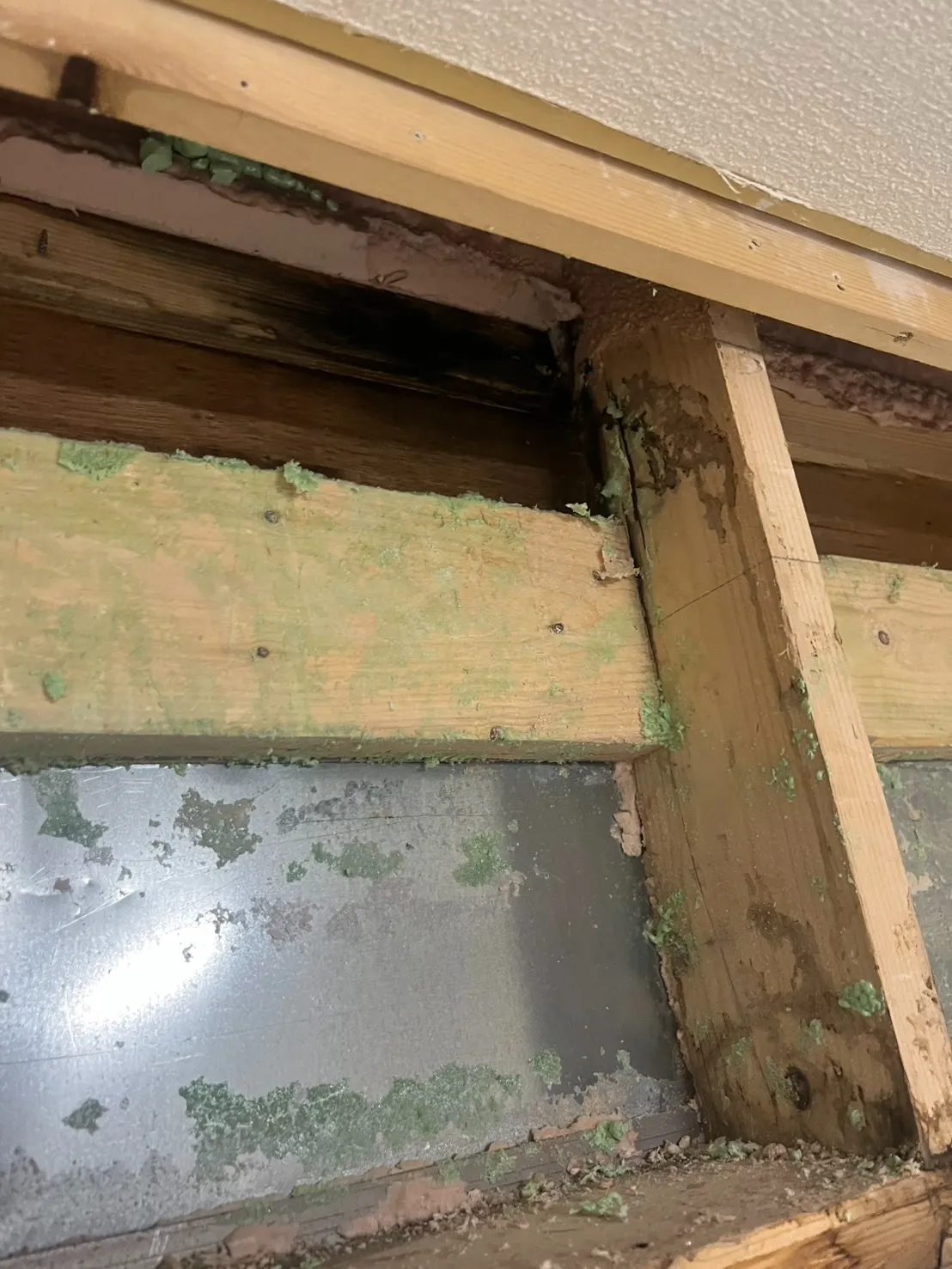
Mold Keeps Coming Back? Your Ultimate Guide to Stopping Recurrence
2025/09/09
You removed mold, only to find it returning again. If that sounds familiar, you’re not alone. Simply cleaning the surface won’t stop mold from coming back.
This article explains the real causes of mold recurrence, practical daily countermeasures, and how professional solutions like the MIST method prevent mold for good.
By understanding both the causes and solutions, you’ll gain the knowledge to stop mold from returning and create a healthier, mold-free living space.
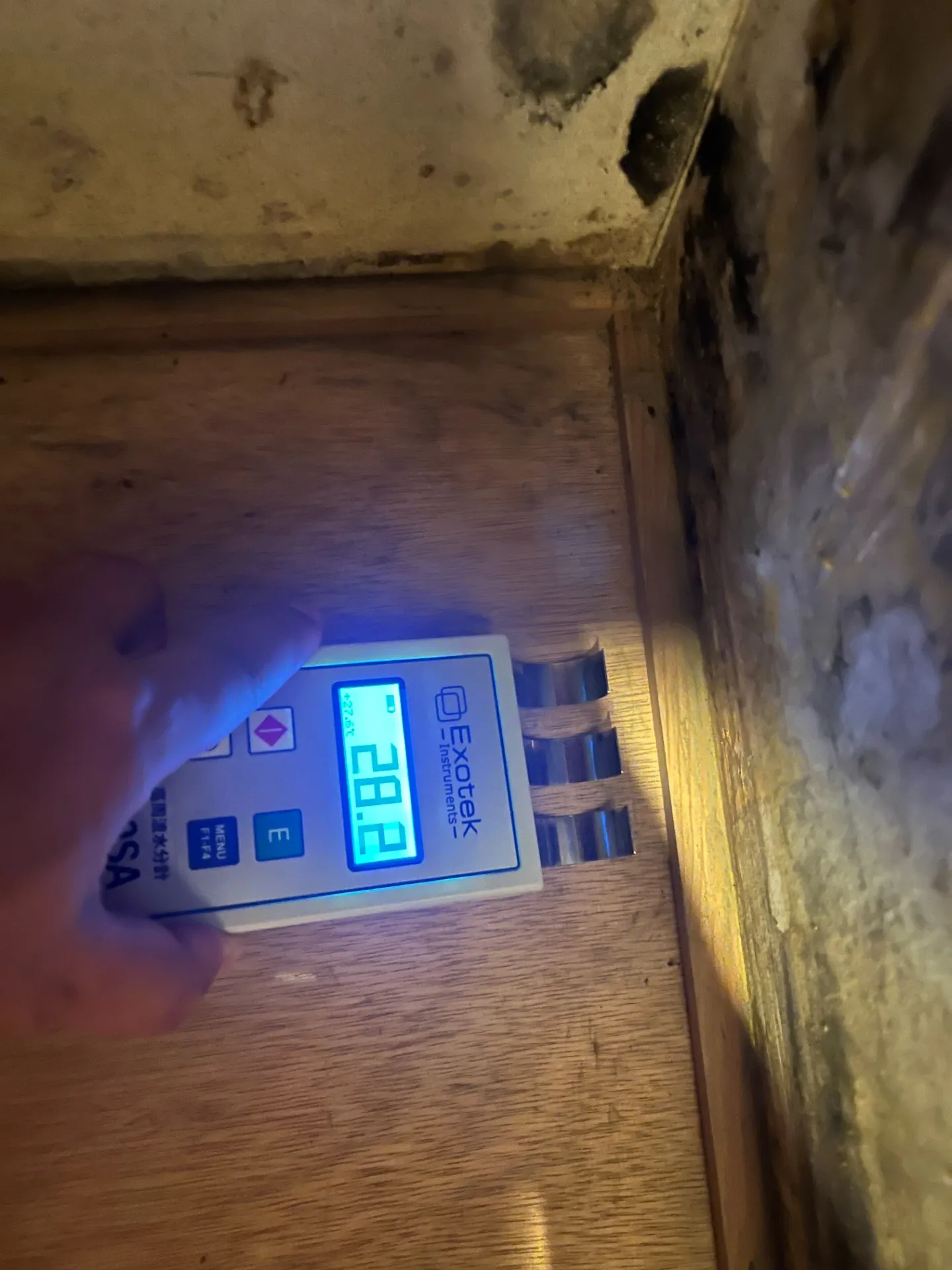
1. What Really Causes Mold to Come Back?
You’ve removed the mold, yet it keeps reappearing in the same spot. If this sounds familiar, you’re not alone. The real reason mold keeps coming back isn't simply due to “not cleaning thoroughly”—it’s often because the underlying conditions that promote mold growth are still present. In this section, we’ll explore the true causes behind recurring mold and what’s often overlooked.
1-1. How "Humidity, Condensation, and Poor Ventilation" Lead to Recurrence
The three major environmental factors that contribute to mold recurrence are humidity, condensation, and poor ventilation. When humidity remains high for extended periods, dormant mold spores become active again. During the rainy season or in areas with fluctuating temperatures, condensation forms on walls and windows—creating perfect conditions for mold. Poor ventilation worsens this by trapping moisture in stagnant air, allowing mold to thrive. For example, placing furniture directly against walls blocks airflow, allowing hidden moisture buildup behind it. These unseen environmental triggers are the root of persistent mold problems.
1-2. Why Surface-Only Cleaning Isn’t Enough
Using store-bought mold sprays or bleach may make surfaces look clean, but this only removes mold from the surface. In reality, mold can grow deep within porous materials like wood or behind wallpaper—far beyond what’s visible. Even after cleaning, if these mold roots remain alive inside the material, the black stains and growth will return. That’s why just wiping or spraying isn't a long-term solution. To truly stop mold from recurring, you need to eliminate it completely, including the parts hidden from view.
2. Simple Daily Habits to Prevent Mold Recurrence
While professional treatment is important, everyday habits play a crucial role in preventing mold from coming back. Proper humidity control and maintaining airflow are especially effective. This section introduces practical tips you can implement right away to create a mold-resistant environment in your home.
2-1. How to Maintain Indoor Humidity Between 40–60%
Mold thrives in environments with humidity levels above 70%. By keeping your indoor humidity between 40–60%, you significantly reduce the risk of mold growth. Start by placing a hygrometer to monitor humidity levels. If the air is too damp, use a dehumidifier or the dry mode on your air conditioner. During rainy seasons or in winter when condensation is common, avoid drying laundry indoors. In bathrooms and kitchens, always wipe down wet surfaces after use and use ventilation fans. These small efforts, when done consistently, help stop mold before it starts.
2-2. Ventilation Tips to Keep Air Circulating
Poor ventilation causes moisture to build up and creates the stagnant conditions that mold loves. Even on rainy or cold days, it’s important to open windows several times a day to let fresh air in. Using a fan or air circulator can also help even out moisture levels throughout a room. Furniture placement also matters—keep sofas or wardrobes a few centimeters away from walls to allow air to flow behind them. Just a 5 cm gap can make a big difference in reducing hidden moisture buildup. These simple tricks can help keep your home dry and mold-free.
3. Cleaning Habits That Starve Mold of Nutrients
Mold needs more than just moisture and warmth to grow—it also requires a food source. Everyday grime, dust, and organic debris can act as nutrients for mold. That’s why maintaining a clean environment is essential to prevent recurrence. This section covers effective cleaning habits that remove these mold-friendly substances from your home.
3-1. Why Dust and Grime Are Feeding Mold
Mold can feed on common household materials like skin oils, food crumbs, dust, and pet hair. Dust, in particular, can absorb moisture and provide a perfect foundation for mold growth. Hidden areas—such as under furniture, behind appliances, and inside air conditioner filters—often collect dust that goes unnoticed. To prevent mold, it’s important to vacuum regularly and use a dry cloth or mop to remove fine dust. Always begin with dry cleaning before introducing moisture or cleaning agents. This ensures that you’re not simply creating a wet environment for mold to thrive in again.
3-2. Making Water and Soap Scum Removal a Routine
Wet areas like bathrooms and kitchens often accumulate soap scum and detergent residue, both of which serve as nutrients for mold. Mold tends to grow in tile grout, shower corners, and under bottles or containers left on damp surfaces. After each use, take a moment to wipe down these areas thoroughly with a towel or squeegee. Letting exhaust fans run for 20–30 minutes after bathing or cooking helps eliminate excess humidity. Establishing a habit of wiping up moisture and removing residues consistently will starve mold of what it needs to grow, greatly reducing the chance of recurrence.
4. Room-by-Room Prevention: Targeted Mold-Proofing Techniques
Mold doesn’t grow just anywhere—it tends to appear in specific areas where moisture, heat, and dirt accumulate. That’s why mold prevention is most effective when tailored to each part of the home. In this section, we’ll go over common mold-prone areas such as bathrooms, kitchens, and closets, and explain how to keep each one mold-free with practical, targeted strategies.
4-1. Bathroom & Washroom: Moisture Removal and Ventilation
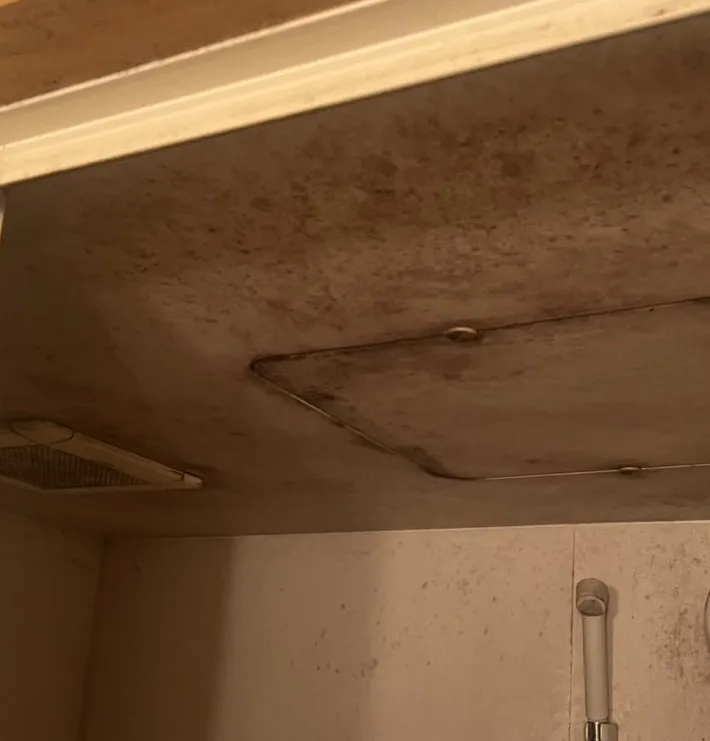
Bathrooms are among the most common places for mold to return. After bathing or showering, moisture lingers on floors, tiles, ceilings, and in rubber seals—creating the perfect environment for mold. The key to prevention is removing moisture quickly and thoroughly. After use, wipe down walls and floors with a squeegee or towel, and leave the exhaust fan running for at least 30 minutes. In washrooms, water splashes around the sink should also be wiped away promptly. These simple actions go a long way toward preventing mold from settling and regrowing in damp spaces.
4-2. Kitchen & Refrigerator: Clean Storage and Air Circulation
The kitchen is a high-risk area for mold due to steam from cooking, oil splatters, and leftover food particles. Spaces like under the sink or behind the refrigerator often lack ventilation and are easy to overlook when cleaning. To prevent mold, clean out storage areas regularly and consider using dehumidifying packs. In the refrigerator, watch for mold in the door seals or under trays where moisture collects. Also, don’t forget to clean range hoods and fans, as built-up grease and dust can combine with humidity to create mold-prone conditions.
4-3. Bedrooms & Closets: Furniture Spacing and Airflow
Bedrooms and closets are often overlooked but are common spots for hidden mold. Mold can grow behind wardrobes, under beds, or inside closets—especially when airflow is poor. To combat this, keep furniture at least 5–10 cm (2–4 inches) away from walls to allow for air circulation. In closets or under futons, use slatted platforms or moisture-absorbing products to keep humidity levels low. Opening closet doors periodically to let air circulate also helps. These small efforts can make a big difference in reducing the risk of mold recurrence in less obvious places.
5. Proper Use of Mold Control Products
Mold prevention products such as sprays and wipes are convenient tools, but if used incorrectly, they may not be effective—and in some cases, may even damage surfaces or pose health risks. In this section, we’ll explain how to safely and effectively use disinfectants and mold prevention items to maximize their benefits while minimizing potential harm.
5-1. Using Ethanol and Hypochlorous Acid Safely and Effectively
Ethanol and hypochlorous acid are commonly used for mold disinfection. Ethanol works well for mild mold or spores, offering quick sterilization. To use it properly, first wipe the affected area with a dry cloth, then spray ethanol and let it sit for a few minutes before wiping again. Be sure to avoid using ethanol near open flames and always ventilate the area during and after application. Hypochlorous acid offers stronger disinfection but may corrode metal or sensitive surfaces. It’s often used on bathroom tiles or rubber seals, but be sure to rinse thoroughly after application. Regardless of the product, always clean the surface first and ventilate well to ensure safe and effective use.
5-2. How to Maximize the Effectiveness of Sprays and Sheets
Store-bought mold sprays and prevention sheets can help stop mold from coming back when used correctly. Spray-type products are ideal as a finishing touch after cleaning. Applying them to bathroom ceilings, walls, or around sinks can create a protective layer against mold. However, overuse may leave residue, so follow the instructions carefully. Prevention sheets or packs are useful in enclosed spaces such as refrigerators, closets, or shoe cabinets. Some types offer both dehumidifying and mold-prevention effects. Replace them regularly, as expired products can become mold breeding grounds themselves. Understanding each product’s features and using them appropriately will help you maintain a clean, mold-free environment.
6. When to Call in the Pros: Why Mold Experts Are Necessary
Even with the best daily prevention habits, some mold problems are simply too persistent to handle alone. When mold keeps coming back—especially in hidden areas like behind walls or under floors—it’s time to consider professional intervention. In this section, we’ll explain when expert help is needed and why the MIST Method® offered by Kabibusters is a game-changer in mold prevention.
6-1. When Surface Treatment Isn’t Enough
Mold is often much deeper than what you can see on the surface. In many cases, it spreads into materials like wood, insulation, or drywall—places household cleaning products simply can’t reach. Even after visible mold is removed, hidden colonies can remain alive and spread again. Older homes, or buildings with poor ventilation or insulation, are especially vulnerable to recurring mold problems. In such situations, a thorough assessment and treatment by a mold specialist is essential. Experts can identify the mold type, analyze the cause, and apply deep-penetrating solutions that eliminate it from the source—preventing future outbreaks.
6-2. Key Benefits of the MIST Method by Kabibusters
At Kabibusters, we use our original MIST Method®, a non-abrasive, highly effective mold removal technique. Unlike conventional scrubbing or sanding, the MIST Method® safely breaks down mold at its root without damaging delicate materials like wood or wallpaper. This makes it ideal for homes, historic buildings, or any space requiring gentle care. Our proprietary solution is designed with both effectiveness and safety in mind—safe for children, elderly residents, and environmentally conscious households. After the mold is removed, we apply a specialized anti-mold coating to create long-lasting protection. It penetrates deep into materials and also addresses airborne mold spores, ensuring your entire indoor environment stays cleaner and healthier for longer.
Professional Mold Removal & Renovation by Kabibusters Osaka and Kabitori Reform Tokyo/Nagoya
Recurring mold issues require more than surface-level solutions—they demand expert intervention. At Taikou Kensou Co., Ltd., we operate under the names Kabibusters Osaka in the Kansai region and Kabitori Reform Tokyo/Nagoya in the Kanto and Chubu regions, offering specialized mold removal and full-scale renovation services. What sets us apart is our ability to handle both mold remediation and home renovation as a single, integrated service.
In typical cases, homeowners must hire two separate contractors—one for mold removal and another for remodeling. This often leads to delays, communication issues, and added costs. At Taikou Kensou, we eliminate those problems. Our team is fully equipped to perform mold removal using the advanced MIST Method® and follow through with renovation work such as redoing walls, floors, or ceilings, all managed by one team with a consistent vision.
About Our Renovation Services
With over 30 years of experience, Taikou Kensou Co., Ltd. has successfully completed a wide range of renovation projects—from private residences to commercial spaces, office buildings, and rental properties. Our expertise covers:
Bathroom, Kitchen, and Toilet Renovations
Enhancing functionality while preventing mold through smart material choices and design.
Interior Renovations (Walls, Floors, Ceilings, Storage)
We focus on both aesthetics and mold resistance, offering materials suited to humid environments.
Exterior and Waterproofing Projects (Roofing, Balconies, Wall Coatings)
Preventing leaks and condensation that often lead to hidden mold.
Rental Property Restoration and Post-Tenant Mold Solutions
We provide complete solutions for landlords and property managers, combining cleaning, repairs, and mold prevention.
Our strength lies in the fusion of professional renovation know-how and advanced mold removal expertise. This allows us to address not only the visible mold, but also the underlying structural issues that cause it—ensuring a safer, cleaner, and longer-lasting result.
Let’s Talk About Your Mold and Renovation Needs
If you’re facing stubborn mold problems or planning a renovation project and want to address both at once, Kabibusters Osaka and Kabitori Reform Tokyo/Nagoya are your go-to experts. We’ll work with you to propose a well-rounded plan tailored to your property’s condition and your needs—whether it's mold prevention, renovation, or both.
---------------------------------------------------------------------
カビ取リフォーム
東京営業所
〒141-0022
東京都品川区東五反田2-5-2 YHE CASK GOTANDA6階
電話番号:090-8321-4408
名古屋本社
〒465-0028
愛知県名古屋市名東区猪高台1-1301 タイコウビル1F
電話番号 : 0120-588-766
サイト:https://taikou-kensou.co.jp/
大阪営業所
〒532-0003
大阪府大阪市淀川区宮原1-19-23
電話番号:080-6978-3068
カビバスターズ大阪
https://kabibusters-osaka.com/
【検査機関】
一般社団法人微生物対策協会
https://kabikensa.com/
----------------------------------------------------------------------