Beware of Homes with Leaks and Condensation! Ensure a Safe Living Space with Mold Removal and Renovation
2025/09/07
Thank you for reading our blog today.
When carrying out renovations, focusing only on visual improvements risks overlooking hidden mold inside walls or under floors. If renovations proceed without addressing mold, unpleasant odors, stains, and even health issues can reappear in the living space.
In this article, we explain why mold removal and renovation must be done together, and the specific methods for achieving this. We will also share real case studies that show how an integrated approach of “mold removal + renovation” protects the long-term value of a home.
By combining renovation with mold removal, you not only restore the appearance of the home but also safeguard its durability and the health of its residents. Additionally, by learning about the strengths of Taikou Kensou Co., Ltd., you gain clear criteria for choosing a trusted partner for your renovation needs.
1.Why Should Mold Removal and Renovation Be Considered Together?
Home renovation is not only about refreshing appearances—it is an important process for improving comfort and increasing property value. However, if mold caused by leaks or condensation is left untreated during renovation, hidden problems may persist, undermining the entire project. In this section, we explain the importance of planning renovations with mold damage in mind and the benefits of doing so.
1-1. Problems in Homes with Advanced Mold Damage
Mold in homes is far more than just an unsightly stain. By the time black spots appear on walls or ceilings, mold hyphae have often already spread deep inside. Simply peeling and replacing wallpaper is not enough to prevent recurrence. In areas affected by leaks or condensation, mold can penetrate deep into wood and drywall, reducing the durability of the building materials themselves. This deterioration can weaken the structure, potentially compromising seismic resistance and overall safety.
Even more concerning is the impact on health. Mold spores and volatile compounds released into the air can cause respiratory issues and allergic reactions, with particularly severe effects on young children and the elderly. In other words, mold threatens not only the aesthetics of a home but also its lifespan and the health of its occupants. Therefore, when renovating a mold-damaged home, thorough mold removal is essential—otherwise, the benefits of renovation will be short-lived, and the same problems will resurface.
1-2. Why Renovation Alone Is Not Enough
Conventional renovations tend to focus on surface-level improvements such as new wallpaper or flooring. However, the core issue of mold lies in “hidden areas.” Mold lurking behind wallpaper, inside floor insulation, or above ceilings often goes unnoticed unless specifically addressed during renovation. As a result, even after a home looks freshly renovated, mold can reappear within months or years, bringing back odors and stains.
Additionally, unless the underlying causes of condensation or leaks are resolved, mold will inevitably return in the same spots. For instance, if poor insulation or inadequate ventilation is the root cause, replacing wallpaper alone will not solve the issue, and mold will reemerge within a few years. In short, renovation alone cannot tackle the “root cause,” making it insufficient as a true solution for improving the living environment. This is precisely why mold removal and renovation must be integrated, not treated as separate processes.
1-3. The Benefits of Integrating Mold Removal with Renovation
Combining mold removal with renovation offers significant advantages for protecting both the longevity of a home and the peace of mind of its residents. Renovation often involves opening walls or floors, providing the perfect opportunity to inspect and remove hidden mold thoroughly. This ensures that not only visible surfaces but also structural components and insulation deep inside are treated effectively.
Furthermore, carrying out insulation upgrades or ventilation improvements during mold remediation achieves both “mold prevention” and “enhanced home performance.” For example, using the MIST Method® for mold removal, followed by anti-mold treatment before replacing wallpaper, ensures both a clean appearance and long-term protection against mold. At the same time, addressing leaks or condensation during renovation minimizes the risk of the same problems recurring.
Ultimately, integrating mold removal with renovation eliminates the need for repeated repairs, reducing overall costs. For home builders and renovation companies, it helps prevent complaints, while for residents, it ensures a long-lasting, safe, and comfortable living environment. This dual benefit makes the integrated approach a far more effective and sustainable solution.
2.Areas in the Home Prone to Mold Growth and Their Connection to Renovation
Mold can develop in many areas of a home, but locations where moisture and humidity accumulate are particularly high-risk. These areas should be carefully reviewed during renovations, as proper improvements can help prevent mold from recurring. In this section, we will explain the most common mold-prone areas and the importance of addressing them through renovation.
2-1. Wet Areas (Bathroom, Washroom, Kitchen)
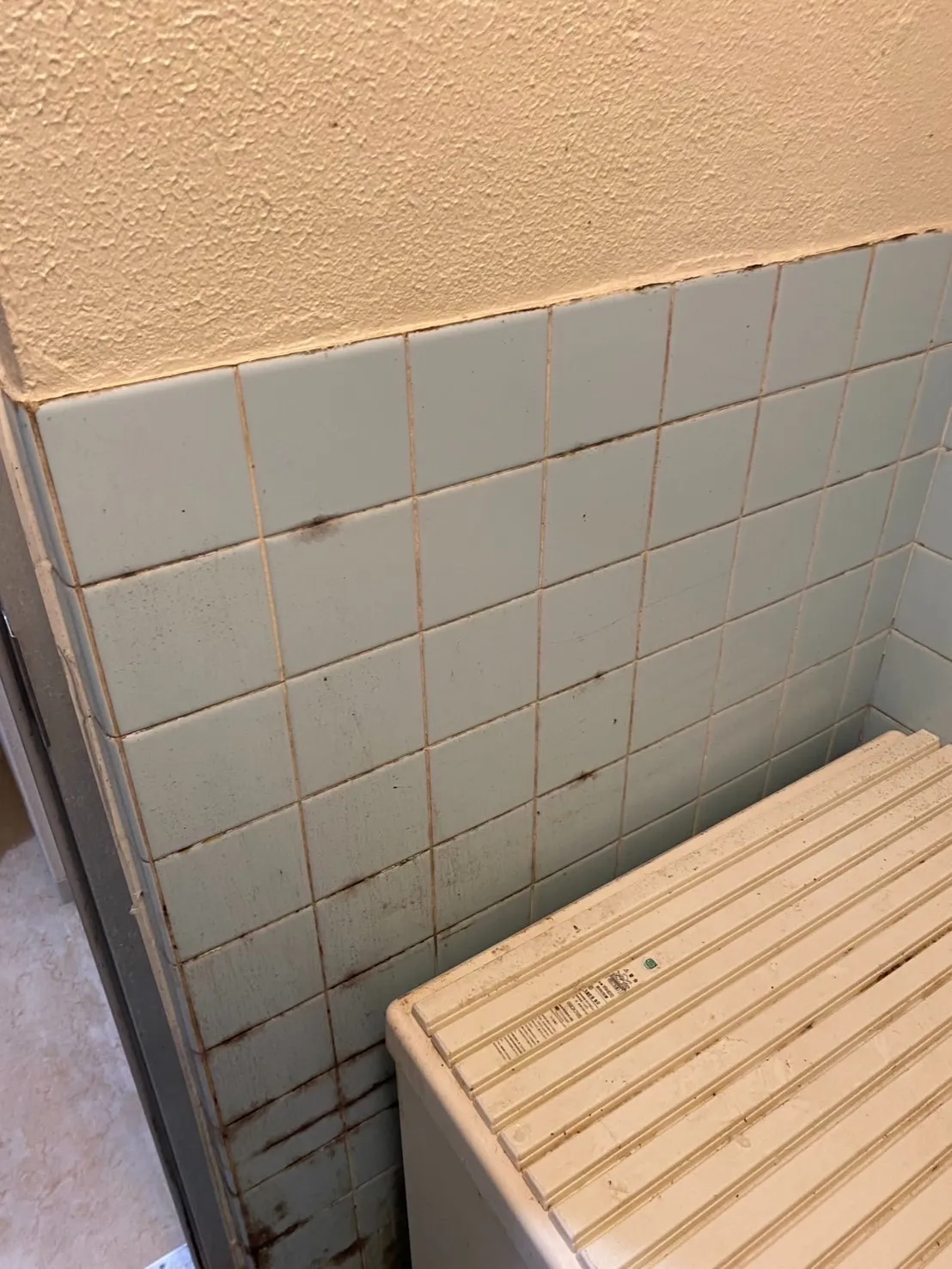
The most mold-prone areas in a home are the wet areas. In bathrooms, daily bathing creates a hot and humid environment, allowing mold to form in floor and wall joints, on ceilings, and, if ventilation is inadequate, even behind bathtubs and around plumbing. In washrooms, moisture from handwashing and washing machines tends to accumulate, leading to hidden mold growth inside cabinets and under floors. In kitchens, steam from cooking and grease can cause mold to thrive under sinks and inside ventilation ducts.
As a countermeasure, renovations should include mold-resistant building materials and high-performance ventilation systems. When replacing a bathroom with a unit bath, selecting panels with antibacterial and anti-mold finishes, or designs with fewer joints, helps reduce mold buildup. In washrooms and kitchens, improving cabinet ventilation and incorporating designs that minimize trapped humidity are effective. Additionally, removing existing mold thoroughly with the MIST Method® before renovation ensures not only visual improvement but also a clean and healthy living environment overall.
2-2. Inside Walls, Floors, and Ceilings
Much of the “hidden mold” in homes develops inside walls, floors, and ceilings. Moisture can infiltrate through roof leaks, plumbing leaks, or condensation, allowing mold to spread internally without any visible signs. Once mold penetrates insulation, drywall, or wood, it becomes difficult to remove, and by the time it is noticed, the entire house may already be deteriorating.
During renovation, it is important to open sections of walls or floors to measure moisture content and spore count, accurately assessing the interior condition. Based on the results, solutions such as replacing insulation, installing vapor barriers, or improving underfloor ventilation should be implemented. Simply replacing wallpaper or flooring provides only temporary cosmetic improvement, with mold often reappearing within months.
This is particularly true in modern airtight and highly insulated homes, where trapped moisture dries slowly, leading to long-lasting internal condensation. Therefore, renovation should not only address visible repairs but also focus on improving the internal environment, which is key to protecting the home in the long term.
2-3. Around Windows and Insulation Areas
Areas around windows are classic spots for condensation. In winter, temperature differences between outdoor air and indoor air cause water droplets to form on window glass, leading to mold growth on sashes, window frames, and curtains. If left untreated, wooden frames may rot, while black mold becomes highly visible on aluminum sashes, damaging the home’s appearance. Beyond windows, poorly insulated walls and ceilings can create cold spots where moisture accumulates, further encouraging mold growth.
To address this, renovations should include insulation and condensation-prevention measures. Replacing windows with double-glazed or resin sash types helps reduce condensation, while upgrading insulation in walls and ceilings prevents temperature-difference condensation. Adding vapor barriers during insulation renovations, combined with anti-mold treatment using the MIST Method®, provides long-term protection against mold caused by condensation and moisture.
Since window areas and insulation directly affect a home’s performance, renovations should aim not only at appearance but also at improving comfort and durability. By combining mold removal with renovation, homeowners can maintain a clean, healthy living environment for the long term.
3.The Process of Mold Removal Conducted Together with Renovation
When carrying out renovation work, it is important not only to replace wallpaper or flooring but also to remove hidden mold at the same time. In this section, we introduce the general process when combining renovation with mold removal.
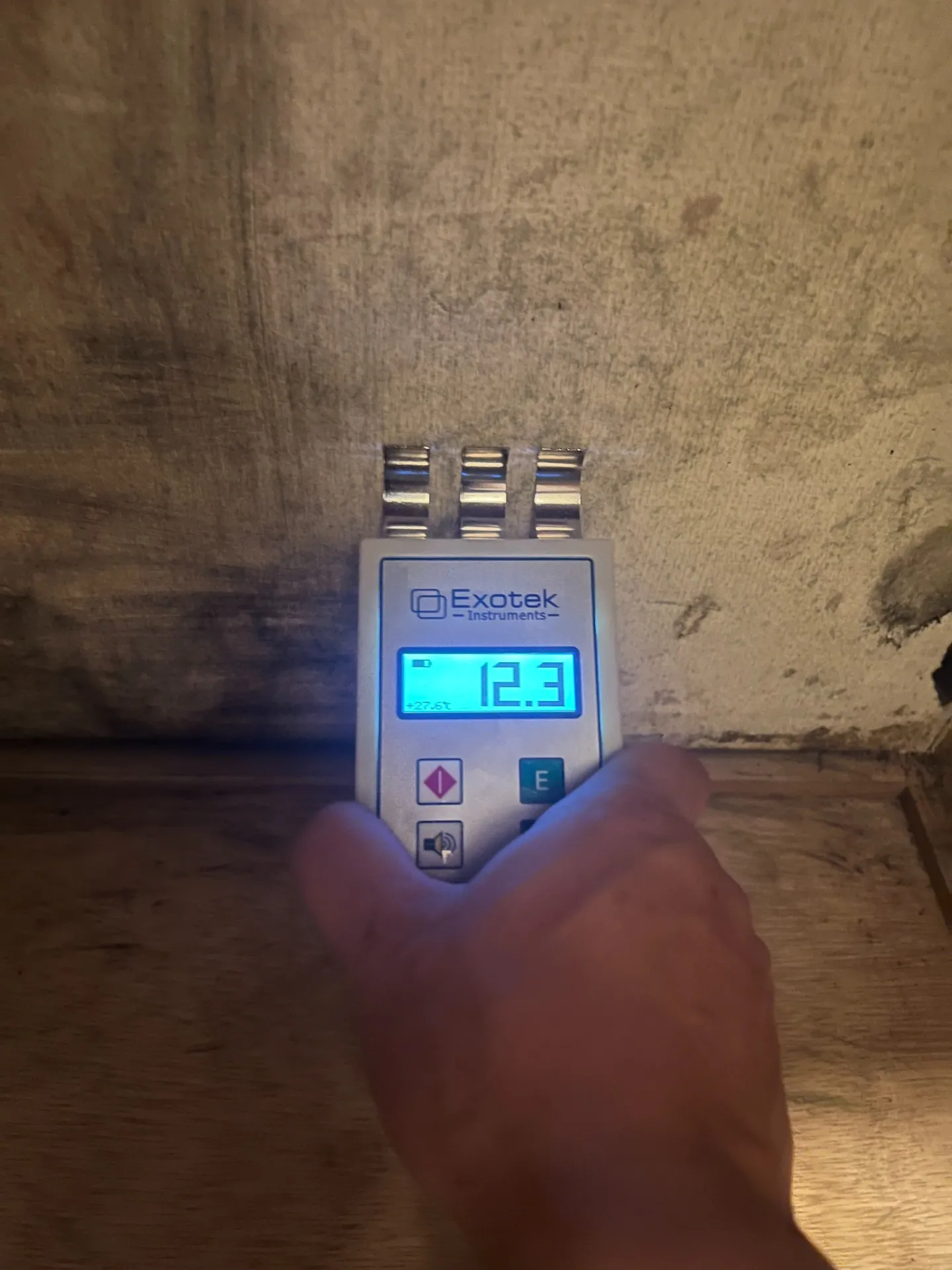
3-1. Initial Assessment (Moisture Content & Spore Count Measurement)
The first step in combining mold removal with renovation is a thorough initial assessment. While mold is sometimes noticed through visible stains or odors, in many cases it spreads unseen inside walls, floors, or ceilings. Relying only on appearance is highly risky.
This is where moisture content measurement and spore count testing become essential. Moisture measurement quantifies the water content in wood and other building materials to check their dryness. Generally, levels above 20% are considered conducive to mold growth, so drying below this threshold is crucial. Spore count testing measures the concentration of mold spores in the air and on surfaces, clarifying both the extent and the severity of contamination.
These investigations reveal “where mold is hiding” and “how much treatment is necessary,” enabling efficient and accurate planning for both mold removal and renovation. Skipping this step increases the risk of mold recurrence after renovation and may result in double the cost, making early assessment indispensable.
3-2. Safe Mold Removal with the MIST Method®
Once the assessment is complete, the next step is mold removal. At this stage, the MIST Method® proves especially effective. By spraying a specialized disinfectant in fine mist form, it penetrates deep into building materials where mold hyphae have spread, thoroughly decomposing and eliminating them. Unlike traditional methods that involve scraping or scrubbing—which risk damaging materials and often only treat the surface—the MIST Method® removes mold at its root while preserving the integrity of the material.
Moreover, the disinfectant used is safe for both people and the environment, making it suitable even for homes with children or elderly residents, as well as facilities such as hospitals and childcare centers. After treatment, an anti-mold process can also be applied to suppress airborne spores, providing not just immediate removal but also long-term prevention.
By carrying out this treatment in parallel with renovation, builders can prevent the situation where “the home looks new but mold is still spreading inside,” ensuring lasting comfort and safety.
3-3. Integration with Interior Renovation and Insulation Upgrades
After mold removal is complete, the renovation work begins. Here, it is critical to perform renovations that prevent recurrence. Simply replacing wallpaper or flooring is insufficient—condensation and moisture may return, bringing the same problems back within a few years. Addressing the structural causes of leaks and condensation alongside mold removal is therefore essential.
For example, when walls or floors are opened, insulation can be replaced with new materials, vapor barriers and airflow seals can be properly installed, and a more moisture-resistant environment can be created. In wet areas such as bathrooms and washrooms, using mold-resistant building materials and strengthening ventilation systems help suppress mold growth. Additionally, upgrading insulation around windows reduces condensation itself, offering a fundamental mold prevention strategy.
By integrating renovation with mold removal, both aesthetic improvements and healthy internal environments can be achieved simultaneously, ensuring long-term protection of property value. For residents, this provides greater peace of mind, while for renovation companies and home builders, it builds stronger trust and credibility.
4.Successful Case Studies of Renovations with Mold Removal
By carrying out mold removal alongside renovation, it is possible to protect the value of a home while restoring a comfortable living environment. In this section, we will introduce real case examples and explain the importance of integrating renovation with mold remediation.
4-1. Restoration Case of a Home Damaged by Water Leaks
In one detached house, a typhoon caused roof leakage, allowing a large amount of water to enter the walls and attic. The residents first noticed something was wrong weeks later, when black stains appeared on the ceiling. An inspection revealed high moisture levels in the wood and extensive mold growth within the insulation.
At this site, mold was first removed using the MIST Method®. The specialized solution was sprayed not only on surfaces but also deep inside the walls, killing mold spores rooted within the materials, followed by an anti-mold treatment. Afterwards, deteriorated insulation was replaced, and a vapor barrier was added as part of the renovation. Finally, wallpaper was replaced, achieving both a renewed appearance and a healthy interior environment.
This case showed that standard renovation alone would not have prevented recurrence. However, by combining mold removal with insulation and moisture-control renovation, residents reported being “more comfortable than before,” expressing high satisfaction.
4-2. Mold Removal + Renovation Case After Purchasing a Used Home
In another case, a family purchasing a pre-owned home discovered stains and a musty odor in parts of the interior when planning renovations before moving in. Since cosmetic renovation alone left concerns, an inspection was carried out and revealed mold spread within the insulation behind the walls.
Taking advantage of the timing before move-in, thorough mold remediation was performed. After mold was removed with the MIST Method®, insulation was replaced and ventilation was improved. In addition, mold-resistant wallpaper and flooring materials were used, ensuring both a clean finish and long-term mold prevention.
As a result, the family could move in with peace of mind, stating they could live “with the same sense of security as a new home.” In pre-owned home renovations, addressing hidden mold before occupancy greatly impacts both long-term comfort and property value.
Summary: Key Takeaways from These Success Stories
These cases clearly show that the best approach is not to separate mold removal from renovation. If renovations are done while leaving mold untreated, recurrence is highly likely within a short time, often doubling costs. Conversely, integrating mold removal with renovation preserves a home’s value across all aspects—appearance, durability, and occupant health.
5.Integrated “Mold Removal + Renovation” Services Provided by Taikou Kensou Co., Ltd.
The best way to ensure a long-lasting home and a safe, comfortable living environment is not to treat mold problems and renovation separately, but to address them together as one process. Taikou Kensou Co., Ltd., in collaboration with its specialized mold removal brand Mold Busters Osaka and Mold Removal Renovation Tokyo/Nagoya, meets the needs of both home builders and homeowners with unique technology and comprehensive expertise.
5-1. The Strength of Providing Mold Removal and Renovation Together
The greatest strength of Taikou Kensou Co., Ltd. lies in its ability to provide integrated mold removal and renovation services. Typically, mold remediation and renovation are handled by separate contractors, requiring extra coordination and management. At our company, however, everything from mold removal to finishing renovations can be handled seamlessly in one process.
Using our proprietary MIST Method®, we eliminate mold at its root without damaging building materials. Renovation work is then carried out after applying anti-mold treatment, ensuring not only a beautiful finish but also a healthy interior environment. Alongside surface-level updates like wallpaper replacement and flooring renewal, we can also perform structural improvements such as insulation replacement, moisture-proofing, and ventilation system installation.
For homeowners, this eliminates the common worry of “mold reappearing right after renovation.” For home builders and contractors, it helps reduce complaints and enhances credibility.
5-2. Creating Safe, Comfortable, and Long-Lasting Homes
Our renovation services go beyond simply “refreshing appearances.” They are designed to improve both comfort and durability, with a particular focus on creating living environments that are highly resistant to mold and moisture.
For example, in wet areas such as bathrooms and kitchens, we introduce mold-resistant building materials and equipment, while also strengthening ventilation to control humidity. Around windows and insulation areas, we use double-glazed windows and insulation upgrades to reduce condensation and build structures that prevent mold over the long term. By applying the MIST Method® before finishing work, we deliver not only visual beauty but also homes that are healthier and longer-lasting.
In addition, Taikou Kensou is fully equipped to handle requests from home builders and property management companies, covering a wide range of cases—from mold caused by construction defects in new homes to the restoration of pre-owned properties. Our mission is clear: “Eliminate mold and protect the value of homes through renovation.”
6.What Is the MIST Method®: Thorough Mold Removal While Protecting Materials?
6-1. Mechanism and Features of the MIST Method®
The MIST Method® is an innovative technique that sprays a specially formulated disinfectant in a fine mist, allowing it to deeply penetrate materials and completely break down and eliminate mold at its root. Unlike traditional methods that involve scraping or scrubbing, this approach does not damage delicate materials such as wood, drywall, or wallpaper.
Another key feature is that the disinfectant’s pH level can be adjusted to suit the specific material, enabling treatment without compromising the characteristics of the building components. While highly effective in breaking down mold, it also ensures safety for both people and the environment, making it suitable for sensitive settings such as nurseries, hospitals, and elder care facilities.
6-2. Mold Prevention Treatment That Combines Immediate Effect and Long-Term Protection
Another strength of the MIST Method® is that it not only removes mold but also prevents its recurrence. After mold elimination, an anti-mold treatment is applied to suppress airborne spores from settling and reproducing, keeping the environment clean for an extended period.
This preventive treatment provides both immediate and lasting effects. The specialized anti-mold agent penetrates into materials, destroying mold cell membranes and preventing new growth. Its long-lasting antimicrobial properties ensure that even in humid environments, the risk of recurrence is minimized. For home builders and homeowners, this eliminates concerns about mold returning after renovation.
6-3. Benefits of Introducing the MIST Method®
There are numerous benefits to adopting the MIST Method®. First, because it does not damage building materials, it minimizes the need for replacement or large-scale repairs, helping reduce costs and shorten project timelines. Second, the post-treatment mold prevention process significantly lowers the risk of recurrence, thereby extending the lifespan of the home. Third, its safety for people and the environment makes it a highly reliable technology that builders and property managers can confidently propose to clients.
The MIST Method® not only improves the appearance of a home but also enhances its internal environment and provides long-term peace of mind, making it truly a next-generation solution for mold control.

7.Conclusion – Protecting Home Value Through Renovation and Mold Removal
In this article, we have highlighted the areas of a home most prone to mold, explained the process of combining renovation with mold removal, and shared success stories demonstrating its importance. In particular, by using the MIST Method® for mold removal and combining it with anti-mold treatment, problems can be resolved at the root without damaging materials. When paired with renovations that improve insulation and ventilation, it creates a long-lasting, comfortable home while minimizing the risk of recurrence.
Taikou Kensou Co., Ltd. operates specialized mold removal divisions—Mold Busters Osaka and Mold Removal Renovation Tokyo/Nagoya—and also provides renovation services. Our mission goes beyond cosmetic improvements: we help extend the healthy lifespan of homes and create living environments where residents can feel truly safe and at ease.
The key is to approach mold removal and renovation as one integrated process, not separate issues. This is the new standard in modern homebuilding. If you are struggling with mold or moisture in your home, we encourage you to reach out to us for support.
---------------------------------------------------------------------
カビ取リフォーム
東京営業所
〒141-0022
東京都品川区東五反田2-5-2 YHE CASK GOTANDA6階
電話番号:090-8321-4408
名古屋本社
〒465-0028
愛知県名古屋市名東区猪高台1-1301 タイコウビル1F
電話番号 : 0120-588-766
サイト:https://taikou-kensou.co.jp/
大阪営業所
〒532-0003
大阪府大阪市淀川区宮原1-19-23
電話番号:080-6978-3068
カビバスターズ大阪
https://kabibusters-osaka.com/
【検査機関】
一般社団法人微生物対策協会
https://kabikensa.com/
----------------------------------------------------------------------