"Mold in Your Baby's Room!? Immediate, Safe & Effective Prevention Tips"
2025/09/08
Many parents fail to notice mold in their baby’s room until health issues emerge. Tiny spores may linger in hard‑to‑see spots, potentially triggering symptoms like sneezing, coughing, or skin irritation—making vigilance crucial.
This article walks you through why mold forms in a baby’s room, the health risks involved, and safe, effective ways to remove it. You’ll also get practical tips to prevent mold from coming back.
You’ll gain clear, actionable insights to protect your child’s wellbeing, plus easy‑to‑implement strategies that keep your living space safe and serene for your baby.

1. Why Mold in Your Baby’s Room Is a Serious Health Concern
Babies are incredibly sensitive to their environment, and mold can be a hidden but dangerous threat to their health. Though often invisible at first, mold spreads tiny spores through the air, which can be inhaled or come into contact with your baby’s delicate skin. Because infants have developing immune systems, even a small amount of mold exposure can trigger health problems. In this section, we’ll explore how mold affects babies and reveal the most common (yet often overlooked) areas in a baby’s room where mold tends to grow.
1‑1. Health Risks and Symptoms Mold Can Cause in Babies
Mold isn’t just a cosmetic problem—it’s a biological contaminant. For babies, exposure to mold spores can result in a range of symptoms that might be mistakenly attributed to allergies or colds. These include:
・Persistent coughing or nasal congestion
・Breathing issues or asthma‑like symptoms
・Skin irritation or worsening of eczema
・Loss of appetite or general discomfort
Because these signs often appear subtle or overlap with other childhood conditions, mold may go undetected as the root cause. That’s why it’s crucial for parents to consider their living environment when their baby seems unwell without an obvious reason.
1‑2. Surprising Places Mold Grows in a Baby’s Room
Even if your baby’s room looks clean at a glance, mold can grow in places that are easy to overlook. Here are some of the most common hiding spots:
・Under the crib or mattress: Limited airflow and sweat accumulation create moist conditions ideal for mold.
・Curtains and window frames: Condensation from temperature differences builds up, especially in winter.
・Toys and fabric storage boxes: Moisture from baby’s hands or from the air can encourage mold growth on soft surfaces.
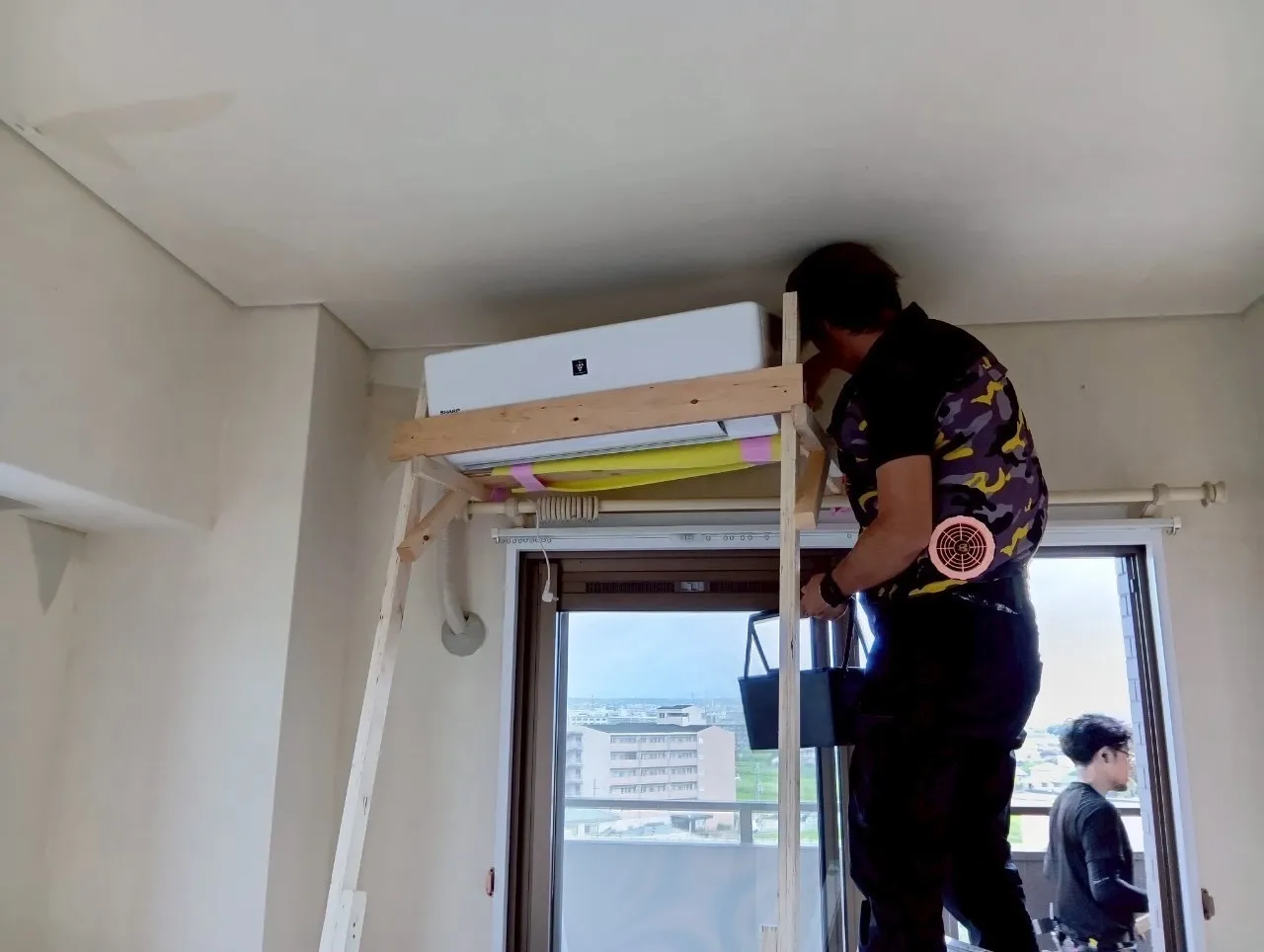
・Inside air conditioning vents: Mold can form in dark, damp internal components and spread spores throughout the room.
Routine checks and targeted cleaning of these areas are key steps in protecting your baby’s health and keeping the nursery safe.
2. Why Mold Forms and How Seasons Influence the Risk
Mold in a baby’s room isn’t just the result of poor cleaning habits—it’s often caused by environmental conditions that are easy to overlook. Mold spores are always present in the air, but they begin to grow rapidly when the right conditions are met. Unfortunately, baby rooms often provide the perfect environment: warm, humid, and sometimes poorly ventilated. In this section, we’ll examine the main causes of mold growth and explain why certain seasons make your baby’s room especially vulnerable.
2‑1. Humidity, Poor Ventilation, and Daily Habits That Encourage Mold
Mold thrives in environments with humidity above 70% and temperatures between 20–30°C (68–86°F)—conditions often found in baby rooms to keep infants comfortable.
Here are some everyday habits that can unknowingly encourage mold growth:
・Sealed diaper bins left too long without emptying
・Overuse of humidifiers without proper cleaning or monitoring
・Drying clothes indoors, which increases room humidity
・Poor condensation management on windows or walls during cold seasons
・Cribs or furniture placed directly against the wall, limiting air circulation
These seemingly harmless routines create the perfect environment for mold to flourish unless active measures are taken to manage moisture and air flow.
2‑2. Mold Risks Spike During the Rainy Season and Winter
While mold can grow any time of year, it’s especially aggressive during:
・The Rainy Season (typically June–July in Japan):
High humidity and warm temperatures create prime conditions for mold. Rooms tend to stay closed to keep out the rain, reducing ventilation.
・Winter (December–February):
While the air outside is cold and dry, heated indoor air meets cold window surfaces, leading to condensation. Moisture accumulates on windows, walls, and hidden areas like behind furniture.
During these seasons, people are less likely to ventilate due to the weather, yet this is exactly when mold prevention is most crucial. Regular checks and appropriate climate control are vital for a mold-free baby room.
3. Practical Mold Prevention Strategies for Your Baby’s Room
Preventing mold in your baby’s room doesn’t require complicated steps—it just takes consistent attention to temperature, humidity, and airflow. The key is creating a clean, dry environment that’s also safe and comfortable for your child. In this section, we’ll introduce specific, baby-friendly actions you can take daily to keep mold at bay without relying on harsh chemicals or invasive cleaning methods.
3‑1. Humidity and Temperature Management: Everyday Tips
Proper climate control is the foundation of mold prevention. Since babies need a warm and cozy space, it’s important to balance comfort with mold-resistant conditions.
Here are practical ways to manage humidity and temperature safely:
・Keep humidity between 40–60% using a hygrometer. If it rises above 60%, use a dehumidifier or open windows to regulate.
・Maintain a room temperature of 20–25°C (68–77°F)—ideal for both baby comfort and mold prevention.
・Clean humidifiers regularly to prevent mold from forming inside and being dispersed into the room.
・Wipe condensation off windows and walls, especially in the morning during colder months. Small amounts of moisture can become breeding grounds if left unchecked.
These small efforts go a long way in maintaining a safe and healthy atmosphere for your baby.
3‑2. Safe Cleaning and Ventilation Practices
While managing temperature and humidity is critical, daily cleaning and ventilation are equally important. However, when dealing with a baby’s room, safety is the top priority.
・Use natural cleaning agents like baking soda or vinegar instead of chemical-based mold removers. These are gentle, effective, and safe for babies.
・Don’t forget hard-to-reach areas such as under cribs, behind furniture, or around baseboards—places where dust and moisture can build up.
・Ventilate 2–3 times a day for 5–10 minutes, opening two windows if possible to create airflow.
・Take advantage of sunny days to fully air out the room—even in winter or rainy seasons.
Making ventilation and cleaning a daily habit ensures that mold spores never get the chance to settle and spread in your baby’s space.
4. Safe Mold Removal Products and Cleaning Tools for Baby’s Room
Some products may remove mold efficiently but can be harmful in a household with a baby. Be cautious of the following:
・Chlorine-based Mold Sprays (Bleach):
While powerful, these release fumes that can irritate a baby’s lungs or eyes. They’re also dangerous if left on surfaces the baby may touch or lick.
・Cleaners with Synthetic Fragrances or Additives:
Artificial ingredients can cause skin irritation or allergic reactions, even if the surface looks clean afterward.
・Strong Alkaline or Acidic Chemicals:
These can cause burns if accidentally spilled or touched. Babies exploring their surroundings are at high risk for accidental exposure.
Always check labels and choose products that are clearly marked as baby-safe or natural. Prevention and regular cleaning using gentle products are far better than relying on aggressive chemicals after mold has already spread.
5. Daily Habits and Smart Tips to Prevent Mold Before It Starts
The best way to deal with mold is to stop it from forming in the first place. For families with babies, prevention isn’t just about cleanliness—it’s about establishing smart routines and making subtle changes to the living space that naturally discourage mold growth. In this section, we’ll share practical lifestyle tips that can help you keep your baby’s room mold-free without stress.
5‑1. Bedding, Curtains, and Furniture Placement Tips
Soft furnishings and improperly placed furniture can create hidden spots where moisture collects and mold grows unnoticed. Here are a few key prevention points:
・Dry baby bedding regularly—at least once or twice a week. Use sunlight or a dryer to remove moisture and bacteria.
・Wash curtains every 2–3 months. These are often near windows where condensation occurs and mold forms easily.
・Place furniture at least 5–10 cm (2–4 inches) away from walls. This allows air to circulate and prevents humidity from building up behind large objects like cribs or dressers.
Even minor changes in layout and routine can dramatically reduce your risk of mold buildup.
5‑2. Daily Habits That Help Prevent Mold Naturally
A mold-free home starts with small but consistent efforts. These daily habits help keep your baby’s room fresh and healthy:
・Open windows each morning to release moisture that builds up overnight.
・Wipe sweat off your baby regularly and change clothes often to prevent moisture transfer to bedding or furniture.
・Dispose of diaper trash daily. Even if sealed, diaper waste produces heat and moisture that contribute to mold risks.
・Keep the floor clutter-free. Fewer items on the floor means better airflow and easier cleaning—both of which help prevent mold.
When these habits become part of your family’s daily routine, you’ll create an environment that is not only safe and clean, but also easier to maintain.
6. Why Mold Keeps Coming Back—And How to Stop It for Good
It’s frustrating to clean up mold only to see it return after a short time. If that sounds familiar, you're not alone. Many parents face recurring mold issues because the root causes weren’t fully addressed. Especially in baby rooms—where warmth and humidity are maintained for comfort—mold has a high chance of reappearing. In this section, we’ll explain the common reasons mold returns and how to prevent it long-term.
6‑1. Common Reasons Mold Comes Back Even After Cleaning
In many cases, mold seems gone on the surface but continues to grow underneath. Here’s what may be causing repeat outbreaks:
・Mold roots (mycelium) are left behind.
Mold removal that only scrubs the surface won’t eliminate the spores embedded in walls or fabrics.
・Cleaning frequency is too low.
Waiting until mold appears again allows spores to spread in the meantime. Preventive cleaning is key—especially during high-risk seasons.
・Moisture issues remain unresolved.
If windows continue to condensate or the room remains humid, mold will always have a place to return.
・Soft furnishings aren't properly maintained.
Items like baby bedding, curtains, and floor mats can trap moisture and encourage mold if not regularly cleaned and dried.
To prevent recurrence, it’s important to identify and correct both visible mold and its environmental causes.
6‑2. Long-Term Mold Prevention Methods That Work
Instead of repeatedly cleaning the same spots, focus on making your baby’s room resistant to mold in the first place. Here’s how:
・Use anti-mold sprays designed for safe home use.
Choose baby-safe products that can be applied to windows, walls, and furniture to stop spores from taking hold.
・Rearrange furniture for better airflow.
Proper spacing allows the room to "breathe" and prevents humid pockets from forming.
・Add dehumidifying tools to the room.
In addition to electric dehumidifiers, consider natural moisture absorbers like charcoal or diatomaceous earth.
・Consider professional treatment for severe or recurring mold.
Experts can safely eliminate mold from deep within surfaces and apply long-lasting anti-mold coatings to prevent future growth.
When long-term cleanliness and safety are your priority, these steps can save both time and stress—while giving your baby a healthier living environment.
7. How to Manage Air Conditioners, Humidifiers, and Air Purifiers to Prevent Mold
Devices like air conditioners, humidifiers, and air purifiers are essential for keeping your baby’s room comfortable—but if not properly maintained, they can become sources of mold themselves. Because these machines directly affect air quality and humidity, poor usage or cleaning can cause mold spores to spread throughout the room. This section explains how to manage these appliances safely and effectively to protect your baby's health.
7‑1. Hidden Mold Risks in Air Conditioners and Humidifiers
Air conditioners, especially during the cooling season, can trap moisture inside, making them ideal breeding grounds for mold.
・Clean the air filter every two weeks.
Dust buildup restricts airflow and raises humidity inside the unit, creating a perfect mold habitat.
・Use the "fan" or "dry" mode after cooling.
Running this mode for 30 minutes after turning off the AC helps dry internal moisture.
・Never leave water sitting in humidifier tanks.
Change the water daily and clean the tank frequently to prevent slimy mold growth.
・Be cautious with ultrasonic humidifiers.
These can release bacteria or mold into the air if the water or device is not clean.
A clean appliance helps maintain a healthy indoor environment; a dirty one silently spreads contaminants.
7‑2. Do Air Purifiers Really Help? Proper Use and Cautions
Air purifiers can capture airborne mold spores—but only when used and maintained correctly.
・Clean or replace filters regularly.
A clogged or dirty filter reduces effectiveness and may even circulate unclean air back into the room.
・Place the unit away from walls or furniture.
For best results, put it in a central, open area where it can circulate air freely.
・Use "quiet mode" continuously.
Running the purifier on a low setting 24/7 maintains air quality without disturbing your baby’s sleep.
Air purifiers are helpful, but they aren’t a substitute for cleaning or moisture control. Use them in combination with good ventilation and proper appliance maintenance for optimal results.
8. Common Mistakes Parents Make That Can Actually Encourage Mold
Even with the best intentions, some everyday habits in homes with babies can accidentally create the perfect environment for mold. While many parents focus on keeping the room warm and cozy, certain actions—if done incorrectly—can increase moisture and make mold prevention more difficult. In this section, we’ll cover common “don’ts” and explain why they may be putting your baby at risk.
8‑1. Are You Using Your Dehumidifier Correctly? Misuse Can Backfire
Dehumidifiers are excellent tools for preventing mold—but only when used properly. If misused, they may actually contribute to mold or negatively affect your baby’s health.
・Don’t leave the water tank full.
Stagnant water in the tank becomes a breeding ground for mold and bacteria. Always empty and clean it regularly.
・Avoid placing the unit too close to walls or furniture.
The airflow will be blocked, and moist air may accumulate in hidden areas instead of being eliminated.
・Watch out for over-dehumidifying.
If indoor humidity drops below 30%, the air can become too dry, irritating your baby’s skin and throat, and causing static electricity that stirs up dust and spores.
Use a humidity monitor to ensure the room stays in the ideal range—neither too damp nor too dry.
8‑2. Why Store-Bought Mold Sprays Can Be Dangerous Around Babies
Many parents want quick solutions to mold problems, and that often leads to using strong, store-bought sprays. However, these products are rarely safe in spaces where babies live or sleep.
・Most contain chlorine-based ingredients.
These release harmful gases during use, which can irritate your baby’s lungs or eyes—even after the smell is gone.
・Residue can linger on surfaces.
Babies touch, crawl on, and even lick furniture and floors. If toxic chemicals remain, they may be absorbed through the skin or ingested.
・Some sprays react dangerously with other cleaners.
For example, mixing chlorine with acidic cleaners can produce toxic gases. Accidental misuse is a serious risk in family homes.
If you must use a mold spray, make sure the baby is far away from the room, ventilate thoroughly, and wipe down all treated surfaces. When in doubt, use natural alternatives or contact a mold specialist.
9. When You Should Call in a Professional Mold Removal Service
While many parents prefer to handle mold on their own, there are times when expert help is not just recommended—it’s necessary. Mold can spread in places you can’t see or reach, and if your baby’s health is at risk, delaying professional intervention can make the situation worse. In this section, we’ll explain when it’s time to call a specialist and how to choose the right one for a baby-friendly environment.
9‑1. Signs That Mold Is Beyond DIY Cleaning
Some mold problems go deeper than surface stains and simple wipes. If you notice any of the following, it’s time to seek professional assistance:
・Dark patches behind wallpaper or on ceilings.
Mold often hides in places you can’t easily check—by the time you see stains, it may be widespread.
・Persistent musty odor even after cleaning.
A lingering smell suggests spores are still active somewhere, possibly inside walls, under floors, or in air ducts.
・Your baby has ongoing symptoms with no clear cause.
If coughing, rashes, or sneezing continue despite efforts to keep the room clean, mold could be the hidden culprit.
・Multiple areas of the room show signs of mold.
When it’s not isolated to one corner or item, the problem may be structural—requiring full-room treatment and environmental correction.
In such cases, professional equipment and expertise are essential to fully eliminate the mold and prevent recurrence.
9‑2. How to Choose a Mold Removal Specialist for Baby-Safe Homes
Not all mold removal services are created equal. When choosing a company to work in a baby’s room, safety and thoroughness are non-negotiable. Here’s what to look for:
Do they use baby-safe and non-toxic products?
Confirm the company avoids harsh chemicals and uses materials that are safe for use around children and sensitive individuals.
Do they offer long-term mold prevention treatments?
Removing mold is only half the battle—ask if they also provide protective coatings or anti-mold treatments to keep it from returning.
Do they clearly explain the process before and after treatment?
A reputable company will walk you through what they’ll do, why it’s necessary, and how to maintain results safely.
Do they have experience and visible success stories?
Look for online reviews, certifications, and photos of past projects. Companies with a strong track record in residential or childcare environments are ideal.
Choosing the right specialist ensures your home becomes—and stays—a safe place for your baby.
10. Practical Tips for a Mold-Free, Healthy Home for Your Baby
A mold-free home isn’t just about cleanliness—it’s about creating a space where your baby can grow, play, and sleep in comfort and safety. Mold thrives in hidden corners and under the right conditions, so maintaining a healthy environment requires a bit of planning and some simple daily habits. In this final section, we’ll share tips on how to set up your baby’s room and lifestyle for long-term mold prevention and overall wellness.
10‑1. Smart Room Setup to Prevent Mold Naturally
Your room layout and furnishings can either help mold grow—or help stop it. Use these strategies to make your baby’s room a clean, breathable space:
Avoid clutter on the floor.
Use furniture with wheels or elevated designs to make cleaning easier and allow air to flow.
Leave a gap between furniture and walls.
At least 5–10 cm (2–4 inches) of space improves airflow and reduces trapped moisture behind large items.
Limit indoor plants.
While decorative, too many plants can increase humidity and introduce mold-prone soil.
Choose mold-resistant materials.
Look for antibacterial curtains, moisture-wicking flooring, or LED lights with anti-mold coatings to passively protect the room.
These simple design choices make a big difference in your mold prevention efforts.
10‑2. How to Create a Clean and Comfortable Space for Your Baby
Daily actions are just as important as your room’s layout. With a few routines in place, your baby can enjoy a fresh, healthy environment without extra effort.
Check under the crib and furniture regularly.
Dust and moisture collect in hidden areas. Weekly inspections can catch mold early.
Use air-quality tools wisely.
Combine air purifiers and dehumidifiers to maintain a healthy indoor climate. Choose baby-safe models and run them quietly in the background.
Keep natural cleaners on hand.
Store items like baking soda spray or fragrance-free wipes for quick touch-ups when needed.
Make cleanliness a family habit.
Share mold prevention duties among parents, older children, or grandparents. A united effort makes the job easier and more consistent.
With a few thoughtful choices and good habits, you can ensure your baby’s room remains safe, clean, and joyful every day.
Professional Mold Removal by Kabibusters Osaka and Kabi-Reroform Tokyo & Nagoya
When it comes to protecting your baby’s health, safe and thorough mold removal is essential. Kabibusters Osaka and Kabi-Reroform Tokyo & Nagoya provide expert services using the proprietary MIST Method®, a non-invasive, chemical-safe approach to mold removal that doesn’t require scrubbing or scraping.
This unique method uses tailored anti-mold agents that penetrate deep into materials, breaking down and eliminating mold at the root—without damaging the surface. Despite its powerful effectiveness, it is completely safe for babies, elderly individuals, and sensitive environments.
After the mold is removed, a long-lasting anti-mold coating is applied. This creates a protective barrier that prevents new mold from forming, delivering ongoing safety and peace of mind.
Mold Removal and Home Renovation in One—Only with Taikou Kensou Co., Ltd.
At Taikou Kensou Co., Ltd., we don’t just remove mold—we also provide full-scale home renovation services. This combination allows us to solve both visible mold problems and their underlying causes in one unified process.
In many cases, mold is the result of deeper structural issues like:
Poor insulation
Condensation-prone windows
Damaged or worn interior materials
Our team begins by thoroughly diagnosing the mold source. Then, if needed, we conduct targeted renovations such as:
Adding insulation
Installing double-glazed windows
Replacing wallpaper with humidity-control materials
Updating bathrooms, kitchens, or laundry areas
By addressing both mold and its root causes, we help prevent recurrence while upgrading your home’s comfort and long-term value.
Home Improvement Services by Taikou Kensou
Taikou Kensou provides a full suite of remodeling services, including:
Interior renovation: walls, flooring, ceilings
Water area upgrades: kitchen, bathroom, washroom, toilet
Moisture & insulation solutions: for mold and condensation control
Exterior wall & roof repairs or painting
Barrier-free modifications for elderly care
Restoration for rental units or apartment complexes
Whether you're dealing with mold-damaged surfaces or planning a full renovation, we bring safety, beauty, and long-term durability to every project—especially in homes with infants or sensitive residents.
Let’s Create a Healthier Home Together
If you're looking for professional mold removal and renovation from a single, trusted provider, Taikou Kensou Co., Ltd. is your best choice. We offer free consultations and inspections nationwide, and we tailor our services to the unique needs of your family.
Don’t let mold affect your baby’s wellbeing—contact us today and take the first step toward a cleaner, safer home.
---------------------------------------------------------------------
カビ取リフォーム
東京営業所
〒141-0022
東京都品川区東五反田2-5-2 YHE CASK GOTANDA6階
電話番号:090-8321-4408
名古屋本社
〒465-0028
愛知県名古屋市名東区猪高台1-1301 タイコウビル1F
電話番号 : 0120-588-766
サイト:https://taikou-kensou.co.jp/
大阪営業所
〒532-0003
大阪府大阪市淀川区宮原1-19-23
電話番号:080-6978-3068
カビバスターズ大阪
https://kabibusters-osaka.com/
【検査機関】
一般社団法人微生物対策協会
https://kabikensa.com/
----------------------------------------------------------------------