Peace of Mind After Moving In! A Mold Prevention Guide for Homes That Withstands Seasonal Changes
2025/09/05
Thank you for visiting our blog today.
Seasonal transitions often bring changes in temperature and humidity, leading to increased risks of condensation and dampness—ideal conditions for mold growth inside the home. In particular, spring and autumn are critical times that homeowners should pay close attention to.
In this article, we’ll explore the common causes of mold during seasonal changes and offer concrete prevention strategies from a homebuilder’s perspective. These include both design and construction solutions, as well as everyday maintenance tips that residents can implement themselves.
By covering everything from architectural planning to homeowner care, this guide supports longer-lasting homes and a healthier living environment. It’s also a valuable resource for enhancing credibility as a trusted housing provider.
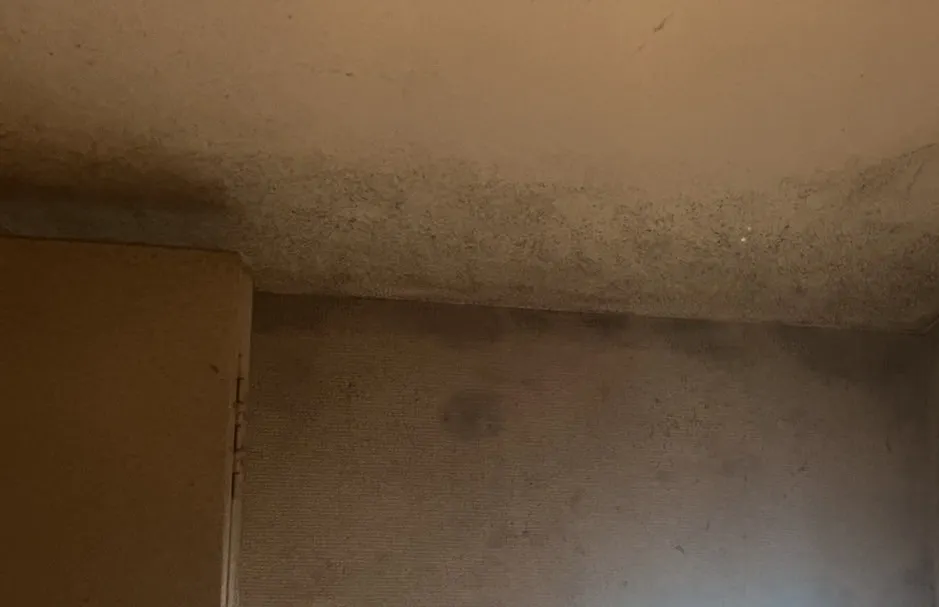
1. Why Does Mold Tend to Grow During Seasonal Changes?
During seasonal transitions such as early spring and late autumn, not only our physical health but also the home environment undergoes various changes. In particular, fluctuations in temperature and humidity directly affect airflow and condensation within the house, creating ideal conditions for mold growth. During this time, the temperature gap between indoor and outdoor air becomes more pronounced, increasing the risk of mold appearing in often-overlooked areas. This can impact not only the home's appearance but also the health of its residents. As a housing manufacturer, it’s essential to address these seasonal mold risks thoroughly to ensure that homeowners can continue living safely and comfortably even after moving in.
1-1. Sudden Changes in Humidity and Temperature & the Mechanism of Condensation
In spring and autumn, the temperature differences between morning, evening, and daytime can be significant, creating drastic contrasts between indoor and outdoor temperatures. During these times, especially around windows and exterior walls where surfaces cool quickly, moisture in the air can condense into water droplets—this phenomenon is known as condensation. If left untreated, this moisture can seep into building materials, becoming a hidden breeding ground for mold. Persistently high humidity doesn’t just promote mold; it also encourages dust mites, potentially triggering allergies or asthma. Understanding the mechanism of condensation and managing indoor humidity and temperature accordingly throughout the seasons is essential to maintaining a healthy and long-lasting home. This is particularly crucial in new builds or airtight homes, where temperature differences with the outside air tend to be more pronounced. Incorporating condensation prevention into the design phase is highly recommended.
1-2. Risks Brought by Seasonal Changes in the Living Environment
During spring and autumn, heating and cooling systems are often used less, leading to stagnant indoor air. For example, once temperatures stabilize and air conditioners are turned off while windows remain closed, insufficient ventilation becomes a concern. As a result, moisture can accumulate in poorly ventilated areas such as corners, storage rooms, closets, and wardrobes—creating ideal conditions for unnoticed mold growth. These transitional seasons also tend to coincide with seasonal wardrobe changes and furniture rearrangements, often resulting in temporarily overpacked or sealed storage areas, further encouraging mold. Additionally, when changing weather leads to more indoor laundry drying, humidity levels can rise even more, increasing mold risks. Being mindful of these seasonal environmental shifts and adjusting home design and living habits accordingly is key to building a healthy and mold-resistant home for the long term.
2. Seasonal Mold Risk Hotspots to Watch For
Mold can develop at any time of the year, but the most critical periods are during seasonal transitions. Sudden changes in temperature and humidity can cause moisture to accumulate in unexpected places, creating hidden breeding grounds for mold. For housing manufacturers, it is essential to accurately identify mold risks specific to each season and offer tailored home design and aftercare solutions accordingly. In this section, we focus on spring and autumn—two seasons when mold is particularly prone to appear—and introduce their unique characteristics along with key prevention tips.
2-1. Spring: Mold Risk from Rising Temperatures and Humidity
Spring marks a transition from cold to warmer weather, and as temperatures gradually rise, humidity levels also increase rapidly. This warm and humid environment creates ideal conditions for mold growth. From March to May, moisture levels in the outside air climb, and frequent rainfall further raises indoor humidity. Additionally, during the period right after turning off the heater, indoor temperatures can fluctuate, making condensation more likely to form. Water droplets often accumulate around windows, behind furniture, and inside storage spaces—areas that can harbor mold without being noticed. Furthermore, spring brings an increase in pollen and dust, which, when combined with moisture, serve as nutrients for mold, accelerating its spread. To prevent this, it’s important to ventilate rooms regularly, use a dehumidifier, and inspect and clean behind furniture and inside closets during the early spring months.
2-2. Autumn: Moisture Buildup from Temperature Fluctuations and Poor Ventilation
Autumn is characterized by warm days and cool mornings and evenings, creating significant temperature fluctuations. These changes increase the likelihood of condensation, as cooler walls and windows cause moisture in the air to condense into water droplets—an ideal condition for mold to thrive. In addition, people tend to use air conditioning less in autumn, reducing indoor dehumidification, and natural ventilation is also often neglected, allowing humidity to build up indoors. This season often overlaps with typhoons and prolonged rainfall, making it harder for indoor spaces to stay dry and increasing the risk of rapid mold spread. The seasonal wardrobe change also leads to more time with closets and storage spaces closed, decreasing airflow and causing mold to form on clothing and fabrics. To combat this, it’s essential to improve air circulation using dehumidifiers and fans, and to create an environment that doesn’t trap moisture.
3. Essential Humidity and Temperature Control Measures
Proper daily management of humidity and temperature is the most crucial factor in preventing mold growth. No matter how advanced the building materials or equipment may be, if indoor humidity remains high, mold will inevitably spread. On the other hand, by effectively controlling humidity and temperature, the risk of mold can be significantly reduced. For housing manufacturers, it’s important not only to focus on design and construction but also to provide homeowners with practical, ongoing advice on humidity management. This approach contributes to creating homes that are both long-lasting and highly satisfying to live in.
3-1. The Importance of Maintaining Ideal Indoor Humidity (40%–60%)
Mold begins to grow actively once humidity levels exceed 60%, and when levels remain above 70% for extended periods, mold can settle into materials like wood, wallpaper, and fabric—making it very difficult to remove. To prevent this, maintaining indoor humidity within the ideal range of 40% to 60% is key. This range not only suppresses mold growth but also supports a comfortable and healthy living environment for people. On the flip side, if humidity drops too low, it can cause dry skin and throat irritation and even increase the activity of viruses. Installing humidity meters in each room helps “visualize” indoor humidity levels, raising awareness and encouraging homeowners to adopt preventive measures more consistently in their daily lives.
3-2. Maintaining a Comfortable Home Through Ventilation and Dehumidification
Effective humidity control requires both proper ventilation and dehumidification. This is especially important in airtight, well-insulated homes where air circulation is limited. Planned ventilation is essential—utilizing 24-hour ventilation systems as well as opening windows for natural airflow, depending on the season and weather conditions. In areas with high moisture levels like bathrooms and kitchens, regularly using local exhaust fans is crucial to prevent moisture buildup before it becomes a problem. During periods of high outdoor humidity, such as the rainy season or long autumn rains, dehumidifiers and air conditioners with drying modes become vital tools. In poorly ventilated areas like bedrooms and closets, regular dehumidifying can effectively reduce mold risk. For even better humidity control, consider using moisture absorbers and circulating air with fans or air circulators.
4. High-Risk Areas for Mold and How to Inspect Them
Within the home, there are certain areas that are particularly prone to mold growth. These spots tend to accumulate moisture and are often overlooked in daily life, making regular inspection and proper maintenance absolutely essential. As a housing manufacturer, informing homeowners of these high-risk areas during handover or routine inspections can help prevent future problems after move-in. Below, we highlight the most critical locations to watch and introduce effective inspection and prevention methods for each.
4-1. Bathroom and Kitchen Moisture Control
Bathrooms and kitchens are among the most mold-prone areas in a home due to their constant exposure to water and high humidity levels. These spaces often maintain warm temperatures, creating ideal conditions for mold to thrive. In bathrooms, mold commonly appears in tile grout, behind shampoo bottles, and around drains—areas where moisture tends to linger. In kitchens, special attention should be paid to the storage under the sink, around drainage pipes, and behind the refrigerator. These areas should be thoroughly dried and cleaned at least once a week, and it's helpful to run exhaust fans for longer periods to improve ventilation. During humid seasons, using anti-mold sprays and dehumidifiers can significantly reduce mold risks.
4-2. Moisture Prevention in Closets and Storage Spaces
Closets and storage areas are another commonly overlooked mold hotspot. These enclosed spaces often have poor airflow and contain items like clothing and bedding that easily absorb moisture. Especially during seasonal transitions, people tend to stuff unused items into these spaces and keep them closed for extended periods, creating the perfect conditions for mold to develop. Installing a hygrometer inside closets and adding moisture absorbers when humidity exceeds 60% is an effective countermeasure. It's also important to open closet doors regularly to allow air circulation and to leave enough space between stored items for better ventilation. If possible, consider installing vents or small fans inside the storage area. Using anti-mold sheets and insect repellents can also help protect stored items from mold and other forms of deterioration.
4-3. Addressing Mold Risks in Equipment and Structural Areas: Air Conditioners, Window Frames, and Crawl Spaces
Often overlooked, places like air conditioners, window frames, and crawl spaces can also be major sources of mold. Inside air conditioners, condensation from cooling and heating combined with dust buildup on filters can lead to mold growth, which may then release spores into the living space when the unit is running. Regular cleaning of filters and seasonal internal maintenance are essential for prevention. Window frames are also vulnerable due to condensation from indoor-outdoor temperature differences. Mold frequently appears in the corners of window sashes and behind curtains. Applying anti-condensation films or upgrading to insulated glass windows can be effective solutions. Crawl spaces under the house are another high-risk area; when ventilation is insufficient, moisture builds up, potentially leading to structural rot and termite infestation. Installing crawl space vents and moisture barriers can help keep these areas dry and protected.
5. Mold Prevention in Building Materials and Structural Design Stages
When it comes to mold prevention, most attention tends to focus on post-occupancy habits like cleaning and ventilation. However, effective mold control actually begins much earlier—during the selection of building materials and structural design. By addressing mold risks at this stage, it's possible to create a home environment where mold is far less likely to develop in the first place. For housing manufacturers, this is the phase where they can have the greatest influence, especially in areas homeowners may not even be aware of. In this section, we’ll highlight key considerations for choosing materials and designing structures, focusing on three essential factors: ventilation, insulation, and condensation prevention.
5-1. Design Tips for Balancing Ventilation and Insulation
Modern homes often prioritize energy efficiency and comfort, leading to widespread adoption of airtight, highly insulated designs. However, excessive airtightness can hinder indoor airflow, resulting in trapped humidity and increased mold risk. That's why it's crucial to balance insulation with proper ventilation at the design stage. For example, installing ventilation layers inside walls can prevent condensation buildup, while adding vents in crawl spaces and attics helps manage overall indoor humidity. In floorplans that include many enclosed spaces like closets or storage rooms, incorporating air vents or using slotted doors improves airflow and reduces moisture accumulation. Areas with poor circulation are more likely to experience mold, so it’s important to plan ventilation routes from the earliest design phase to ensure hidden, long-term comfort and safety.
5-2. Choosing the Right Materials and Construction Methods to Prevent Condensation
Condensation is one of the most serious causes of mold growth, especially when it occurs inside wall cavities—known as interstitial condensation—which can remain undetected and cause structural damage over time. To prevent this, selecting the right materials and applying proper construction techniques is essential. For instance, using insulation materials like high-performance glass wool or rigid urethane foam, which resist moisture absorption, can reduce temperature differences and limit condensation. Around windows, where temperature differentials are most extreme, using double or Low-E glass along with highly insulated resin window frames helps block heat transfer and reduce condensation. Additionally, the proper installation of vapor barriers and breathable waterproof sheets can prevent moisture from penetrating and accumulating within building materials. These measures may not be visible to the eye, but they play a critical role in stopping mold at its source. By clearly communicating these “invisible protections” to homeowners, housing manufacturers can build stronger trust and deliver long-term peace of mind.
6. Mold Inspection and Care Recommendations as Part of After-Sales Service
The true measure of a home's quality doesn't end at completion—it's only just beginning once residents move in. When it comes to mold prevention, no matter how carefully a home is designed or what materials are used, it’s nearly impossible to eliminate all moisture and dirt that accumulate during daily life. That’s why after-sales services such as mold inspections and preventive care recommendations play a vital role. These services not only help ease homeowners’ concerns but also enhance the trustworthiness and brand value of the housing manufacturer.
6-1. Peace of Mind Through Regular Inspections: A Housing Manufacturer’s Strength
Many housing manufacturers offer regular post-handover inspections, but including mold risk assessments as part of these checkups can significantly boost homeowners’ peace of mind. For example, inspecting ventilation in the bathroom, checking humidity levels in closets, and observing condensation around windows can serve as valuable checklist items. Providing homeowners with feedback on early signs of mold, when necessary, adds further value. It’s not enough to simply point out the presence of mold—explaining why mold tends to form in certain areas and how to prevent its recurrence builds trust. Additionally, offering resources like mold prevention checklists or humidity control guides during inspections can encourage proactive homeowner behavior and long-term care habits.
6-2. Partnering with Professionals: Introducing Specialist Mold Solutions
For mold issues beyond the scope of what a housing manufacturer can handle alone, collaboration with specialized contractors is highly effective. Technologies like the MIST Method®, for example, provide a safe and thorough approach to mold removal without damaging surfaces. This technique decomposes and eliminates mold at the root using specially developed agents, followed by mold-resistant treatment—making it suitable for sensitive environments such as hospitals, daycare centers, and cultural heritage sites. By introducing reliable external services like these to homeowners and establishing a referral system when needed, manufacturers can strengthen their image as companies that provide support even after construction is complete. Using real-life examples and photos to explain these services can ease homeowner concerns and encourage earlier consultations or service requests. When manufacturers take the lead in supporting every stage from prevention to remediation, customer satisfaction and trust are sure to increase.

7. Achieving a Mold-Free Home with the MIST Method®
Mold issues in homes are more than just a matter of cleanliness—they pose serious threats to building materials and the health of residents. This is especially true during seasonal transitions, when sudden shifts in temperature and humidity often lead to mold growth in hidden areas. To address these challenges, housing manufacturers can offer a professional-level solution: the MIST Method® by Kabibusters. Unlike traditional approaches, this innovative mold removal technology is designed to eliminate mold at its roots without damaging building materials. It represents a new standard in mold prevention—thorough, gentle, and highly effective.
7-1. What Is the MIST Method®? How It Differs from Others and Its Three Key Strengths
The MIST Method® is a non-destructive mold removal technique independently developed by Kabibusters. Unlike conventional approaches, it does not require scrubbing or scraping. Instead, it involves a careful diagnosis of the mold type and material condition, followed by the tailored mixing of specialized agents on-site. This allows for deep-rooted mold elimination without damaging delicate materials such as wood, fabrics, wallpaper, or insulation.
The three main strengths of the MIST Method® are:
Safe treatment that protects materials
There’s no need for harsh scrubbing or abrasion, so materials like wood or wall coverings remain intact. It is also suitable for use in historic buildings.
Fast-acting and long-lasting results
After mold removal, the process is completed with a specialized anti-mold treatment that provides long-term protection against recurrence.
Safe for people and the environment
All agents used are composed of highly safe ingredients, making the method suitable even for homes with babies or elderly residents.
This approach is ideal for homeowners concerned about strong odors or harsh chemicals often found in traditional mold treatments, offering a solution that’s both effective and reassuring.
7-2. Expanding Mold-Free Living Through Collaboration with Housing Manufacturers
For housing manufacturers, offering peace of mind after move-in—not just during design and construction—will increasingly become a key differentiator. The MIST Method® pairs perfectly with this approach, serving as a reliable aftercare solution that can be offered to homeowners with confidence.
It’s especially valuable for renovation projects, resale of pre-owned homes, or during scheduled inspections. By providing a professional mold removal service that is both safe and effective, manufacturers can extend the lifespan of the home and significantly improve customer satisfaction.
The ability to document before-and-after conditions with photos and data enhances the credibility and transparency of the service. In today’s market, being a housing provider that can offer comprehensive mold solutions is a major competitive advantage. Integrating the MIST Method® into your offerings is a powerful way to elevate both the perceived value and trust in your homes.
---------------------------------------------------------------------
カビ取リフォーム
東京営業所
〒141-0022
東京都品川区東五反田2-5-2 YHE CASK GOTANDA6階
電話番号:090-8321-4408
名古屋本社
〒465-0028
愛知県名古屋市名東区猪高台1-1301 タイコウビル1F
電話番号 : 0120-588-766
サイト:https://taikou-kensou.co.jp/
大阪営業所
〒532-0003
大阪府大阪市淀川区宮原1-19-23
電話番号:080-6978-3068
カビバスターズ大阪
https://kabibusters-osaka.com/
【検査機関】
一般社団法人微生物対策協会
https://kabikensa.com/
----------------------------------------------------------------------