A Complete Guide to Mold Problems in Traditional Japanese Inns: How to Protect Historical Buildings
2025/09/02
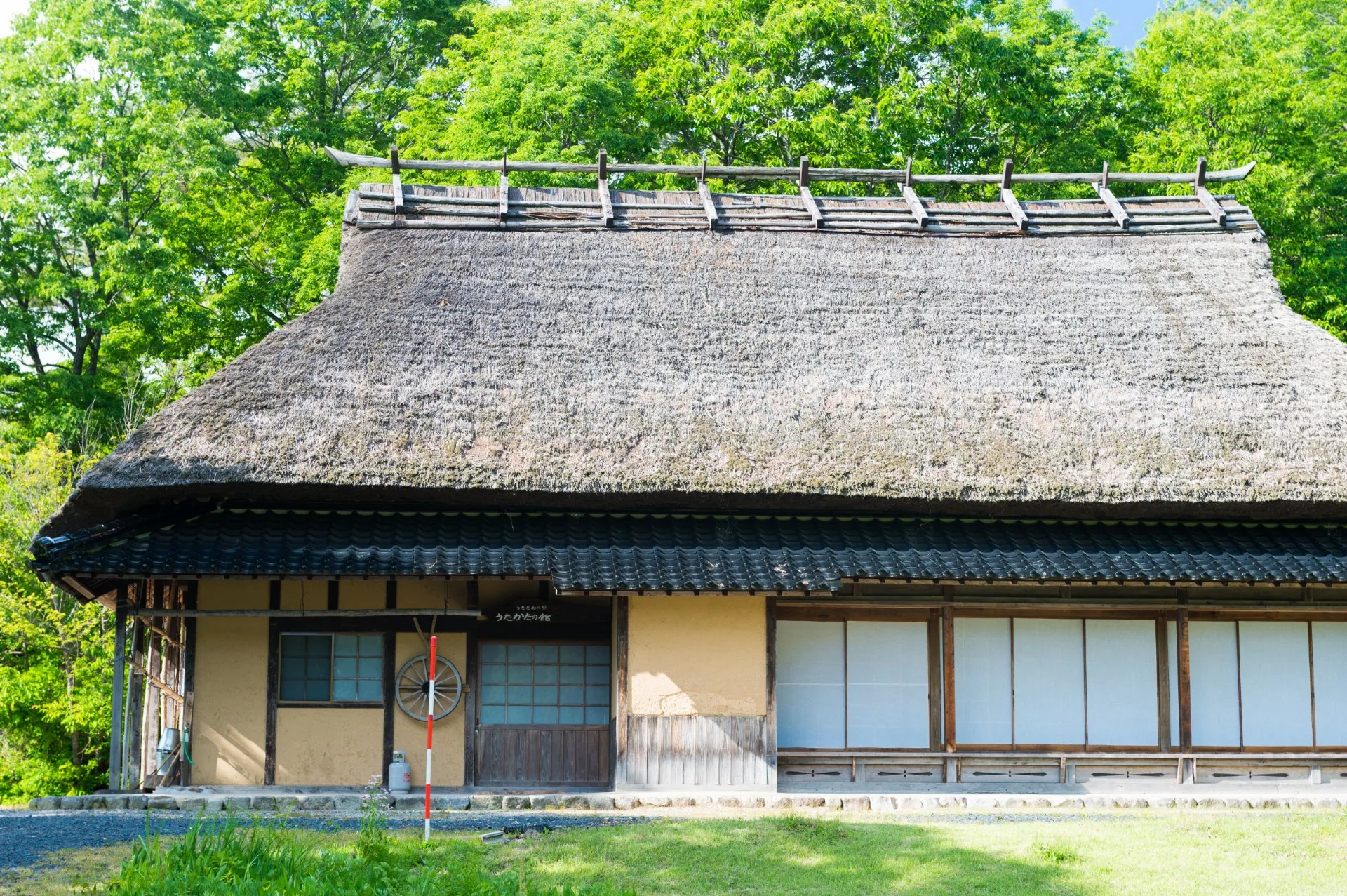
Traditional Japanese inns, beloved for their historical charm, face an often invisible but serious problem—mold. High humidity and aging infrastructure increase the risk of damage to the building and guests' health.
This article explains why mold occurs in traditional inns, the risks it poses, and effective removal and prevention methods using the latest professional techniques.
You'll gain a clear understanding of how to control mold in aging ryokan buildings, protect valuable materials, ensure guest safety, and maintain a strong reputation.
1. What Mold Problems Are Traditional Japanese Inns Facing?
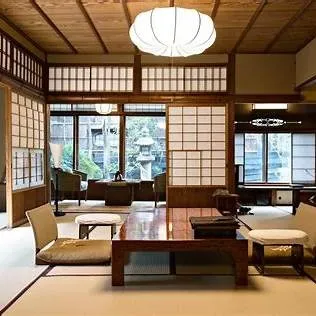
Traditional Japanese inns, known as ryokan, are cherished for preserving regional culture and architectural heritage. However, due to aging infrastructure, high humidity, and natural materials used in construction, many of these inns face a persistent and often hidden problem—mold. Maintaining a clean and healthy environment has become essential in today’s hospitality industry, making mold control a key issue for ryokan management.
1-1. Why Mold Grows Easily in Traditional Inns
Traditional inns often use materials like wood, plaster walls, and tatami mats—all of which are highly susceptible to moisture. Japan’s climate, with its humid rainy season and condensation-prone winters, creates ideal conditions for mold to thrive. Additionally, older buildings tend to have poor ventilation, allowing moisture to accumulate in walls, ceilings, and hidden structural areas.
Water damage from aging plumbing systems or condensation in crawl spaces and attics can create breeding grounds for mold. During off-peak seasons, when rooms are unused and ventilation is limited, mold can spread unnoticed. Thus, the architectural and operational characteristics of traditional inns contribute significantly to mold issues.
1-2. How Mold Affects Ryokan Business Operations
The presence of mold compromises the hygiene of the facility and poses health risks to guests. People with allergies, asthma, or weakened immune systems are particularly vulnerable, and symptoms such as sneezing, coughing, and itchy eyes can result from exposure.
Moreover, visible mold or musty odors often lead to complaints, damaging the inn's reputation. In today’s era of online reviews and social media, even a small hygiene issue can lead to significant reputational harm and a decline in bookings.
If mold problems are left unaddressed, they may even trigger administrative actions, including sanitation warnings or temporary closure orders. For any traditional inn, effective mold prevention is not merely an aesthetic concern but a critical component of sustainable operation and customer trust.
2. Architectural Features of Traditional Inns That Promote Mold Growth
Traditional Japanese inns, or ryokan, are admired for their craftsmanship and timeless beauty. However, the very elements that give these buildings their charm—wooden structures, earthen walls, and tatami flooring—are also what make them prone to mold. Understanding how architecture influences mold growth is essential for effective prevention in these delicate and culturally significant properties.
2-1. Vulnerabilities of Traditional Materials Like Wood and Plaster Walls
Most ryokans are built using natural materials such as wood, clay, and paper. While these materials offer natural breathability and temperature control, they also absorb and retain moisture easily, making them ideal environments for mold growth.
Wood, for example, readily absorbs moisture from the air. This moisture can seep deep into the material, leading to hidden mold colonies that are hard to detect and remove. Similarly, plaster walls and earthen surfaces have uneven textures that collect dust and organic matter, providing mold with nutrients.
Tatami mats, sliding doors (shoji), and traditional wooden furniture also retain humidity, especially during rainy seasons or in poorly ventilated rooms. If left unchecked, mold can spread from these surfaces to walls, floors, and even storage areas.
2-2. Hidden Moisture Traps in Complex Traditional Layouts
Many ryokans have undergone numerous renovations over the years, resulting in complex architectural structures that often include double ceilings, sealed wall cavities, and poorly ventilated spaces. These areas can trap moisture, creating ideal micro-environments for mold to flourish unnoticed.
For instance, behind decorative walls or above ceilings, condensation can accumulate due to temperature differences between inside and outside air. This moisture often goes unnoticed until serious damage or a persistent odor is detected.
Additionally, traditional inns often lack modern insulation and waterproofing, making them more susceptible to moisture-related problems. Without proper ventilation or humidity control, these blind spots become long-term mold hotspots.
Because many of these areas are hidden from daily view, routine visual inspections may not be enough. Periodic professional assessments are recommended to identify these problem areas early and implement non-invasive, material-sensitive solutions—especially important when preserving historical structures.
3. The Hidden Risks of Invisible Mold in Traditional Inns
In traditional ryokans, mold is not always visible. While surface-level mold can be identified and cleaned, hidden mold—lurking behind walls, in ceilings, or inside air systems—presents a far more dangerous and insidious threat. Because it often goes unnoticed, it can spread extensively and cause health issues, structural damage, and severe operational consequences before being detected.
3-1. Mold Behind Walls and Ceilings That Can’t Be Seen
Traditional Japanese inns are often old buildings with multiple layers of renovations. These architectural complexities create enclosed spaces—such as behind walls, under floors, or above ceilings—where moisture can accumulate and mold can thrive undetected.
Problems such as leaky pipes, roof leaks, and insufficient insulation can lead to condensation buildup inside structural cavities. Once mold takes hold in these hidden areas, it penetrates deeply into the building materials. At this stage, surface cleaning is ineffective, and only professional methods can remove it without causing damage to the structure.
Because these hidden colonies are not visible, they may be left unchecked for years, accelerating the degradation of the building. Preventive inspections using specialized tools and expertise are essential for identifying and treating these issues early—especially in historic buildings where preservation is key.
3-2. Mold Contamination in Air Conditioning and Plumbing Systems
Mold often takes root in air conditioning units and plumbing systems, especially in older inns where these installations have been in place for decades. Musty odors coming from vents or drains are common signs of internal mold contamination.
Condensation inside air conditioners creates moist environments where mold spores can multiply. As the system circulates air, it also spreads these spores throughout the room, posing a health risk to guests. If left uncleaned, this contamination can quickly spread from one room to another via the ventilation system.
Similarly, drains and plumbing systems—especially in bathrooms and kitchens—accumulate organic matter and moisture, making them ideal environments for mold. Even when no visible signs are present, a persistent musty smell could be a clear indicator of microbial growth inside.
Addressing these hidden mold sources often requires thorough cleaning, professional duct maintenance, or even replacing old equipment. Regular monitoring of air quality and quick response to abnormal odors are vital for maintaining a healthy and comfortable guest environment.
4. Health Risks for Guests and the Impact on Reviews
Mold is not just a visual or structural problem—it can directly affect the health and comfort of guests. In traditional inns, where visitors seek rest and healing, even a slight discomfort caused by mold can lead to negative experiences. As travelers increasingly value hygiene, ensuring a mold-free environment is essential for maintaining guest satisfaction and a strong reputation.
4-1. Allergic Reactions and Illnesses Reported by Guests
Mold releases microscopic spores into the air, which can be inhaled and cause allergic reactions or respiratory issues. Guests who are sensitive—such as those with asthma, allergies, or compromised immune systems—are especially vulnerable.
Common complaints include sneezing, coughing, itchy eyes, or difficulty breathing after spending time in mold-affected rooms. In some cases, guests have reported waking up feeling unwell or noticing persistent musty smells during their stay.
These health issues, even if mild, can significantly damage guest trust. In a ryokan setting where cleanliness and comfort are expected, the presence of mold can quickly turn a relaxing stay into a disappointing experience. And once word gets out, regaining trust becomes a major challenge.
4-2. Reputation Damage via SNS and Review Sites
Today’s guests often share their experiences online through social media, Google reviews, or travel booking sites. A single negative comment such as “The room smelled moldy” or “There was mold in the bathroom” can tarnish the inn’s image for future visitors.
These reviews remain online indefinitely and are often viewed by potential guests making booking decisions. Even if other services are excellent, poor hygiene impressions tend to dominate and discourage reservations.
For traditional ryokans, where reputation and heritage are the foundation of business, even minor cleanliness concerns can have outsized effects. To protect the brand image, it's crucial to not only maintain a mold-free environment but also train staff to recognize and respond to early signs before they impact guests.
5. Legal and Sanitary Risks of Neglecting Mold Control
For traditional inns, providing a clean and safe environment is not just about hospitality—it's a legal obligation. Ignoring mold problems can lead to administrative warnings, fines, and even temporary closure. From a risk management standpoint, proactive mold control is essential to protect not only the building but also the long-term viability of the business.
5-1. Violations of Lodging Business Regulations and Health Inspections
In Japan, ryokan operations are governed by the Ryokan Business Act (旅館業法), which requires strict hygiene standards. Local public health offices conduct regular inspections of lodging facilities to assess cleanliness, air quality, and moisture control.
Visible mold, musty odors, or signs of neglect in guest rooms, bathrooms, or shared spaces can result in administrative guidance or corrective orders. In severe cases, failure to comply may lead to suspension of business operations.
Ryokan buildings—especially those with wooden or traditional architecture—are subject to even more scrutiny due to their higher susceptibility to mold. Inconsistent maintenance can quickly turn into a legal issue, even if the inn has operated without incident for decades.
Proper documentation of cleaning protocols, inspection records, and mold prevention measures can be critical in showing compliance during audits. Neglecting mold doesn’t just damage your building—it can compromise your business license.
5-2. Importance of Regular Inspections and Maintenance
In addition to legal regulations, buildings in Japan must meet hygiene and safety standards under various laws, including the Building Standards Act and the Fire Service Act. Regular inspections are required to ensure structural safety and sanitary conditions, especially in older facilities.
For traditional inns, this includes checking for condensation on walls and windows, cleaning air filters, and inspecting plumbing and ventilation systems. These tasks should be incorporated into daily and seasonal maintenance routines.
Because mold often grows in hidden areas, relying solely on visual checks is insufficient. Professional inspections and preventative treatments, such as the MIST Method®, are recommended to maintain long-term cleanliness and avoid recurring issues.
Furthermore, training staff to identify mold-prone areas and encouraging a shared hygiene mindset throughout the facility can create a culture of awareness. For traditional inns that value trust and legacy, mold prevention is a critical part of responsible management.
6. Basic Mold Prevention Measures You Can Do Yourself
While professional mold removal is ideal for traditional inns with historic structures, there are still effective measures that staff can take to respond to minor mold issues. Early intervention can prevent serious outbreaks, and incorporating simple routines into daily maintenance helps maintain a consistently clean environment.
6-1. Using Ethanol and Hypochlorous Acid-Based Cleaners Safely
Two of the most common household mold treatments are ethanol (alcohol-based disinfectants) and sodium hypochlorite (bleach-based cleaners). When used correctly, these agents can eliminate surface-level mold and inhibit further growth.
Ethanol is especially suitable for delicate materials like wood, tatami mats, or shoji screens. It evaporates quickly and doesn’t leave harmful residues, making it safe for sensitive areas. Spraying directly on affected surfaces and wiping gently with a dry cloth can remove minor mold spots effectively. However, ethanol does not bleach dark stains caused by mold and is more of a preventive disinfectant.
Sodium hypochlorite, on the other hand, is very powerful and effective for killing mold and removing stains but should only be used on durable surfaces like tiles or plastic. It's not recommended for wooden or fabric-based materials, as it can cause discoloration or damage. Always wear gloves and a mask, ensure proper ventilation, and rinse thoroughly after application.
It's important to note that these treatments are not effective against mold that has penetrated deeply into building materials. In such cases, they should be considered temporary solutions until professionals can assess the situation.
6-2. Controlling Humidity Through Ventilation, Dehumidification, and Condensation Prevention
The key to preventing mold is moisture control. Mold begins to grow when indoor humidity exceeds 60%, so maintaining relative humidity around 50% is ideal.
Start with frequent ventilation. After guests check out, open windows and doors to circulate fresh air. This practice reduces moisture trapped indoors, especially in bathrooms, kitchens, and storage spaces.
Use dehumidifiers or air conditioners with dehumidifying functions during humid seasons or in rooms with poor airflow. Keeping the indoor environment dry is essential for breaking the mold cycle.
Condensation is another key issue—especially in winter. Wipe down windows and walls when water droplets appear. Applying anti-condensation sheets or insulating windows can also help. Positioning furniture a few centimeters away from walls allows air to circulate and prevents trapped moisture.
By embedding these habits into daily cleaning routines and ensuring all staff understand the importance of moisture control, traditional inns can greatly reduce the risk of mold development.
7. Professional Mold Removal Methods Recommended for Traditional Inns
While basic mold control can be effective in the short term, traditional inns—especially those with historical value—require more advanced and gentle methods for long-term mold elimination. When mold has spread into hidden structures or delicate materials, relying on professional techniques is essential. This section introduces expert approaches to deep mold removal, particularly suited for ryokans.
7-1. Importance of Professional Mold Diagnosis and Assessment
The first step in effective mold control is understanding the extent and location of the infestation. Mold is often not limited to visible areas; it can grow behind walls, in ceilings, ventilation ducts, or within plumbing systems. Without a proper diagnosis, any treatment may only provide superficial results.
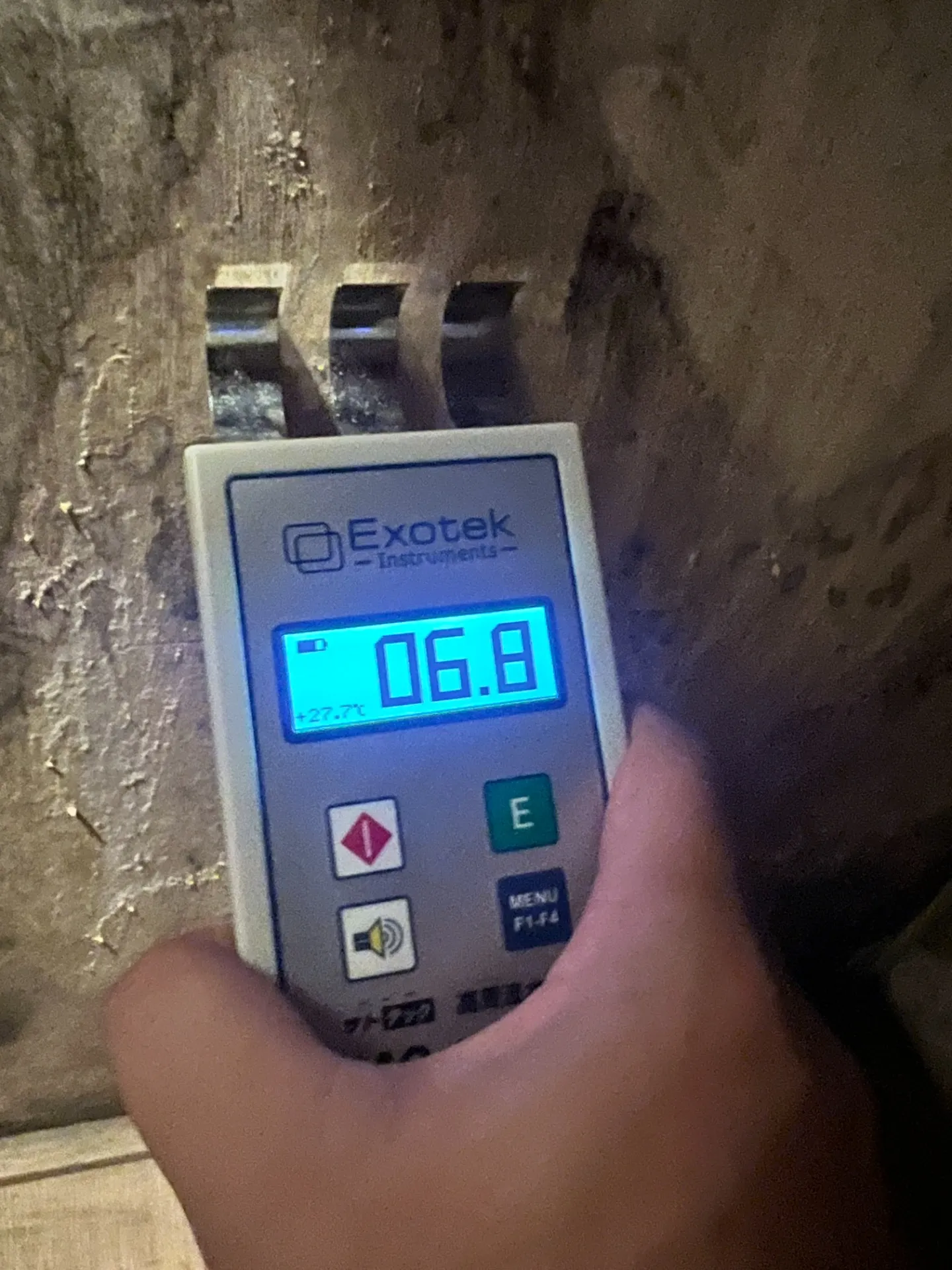
Professional services begin with a comprehensive assessment using specialized equipment to measure humidity, temperature, and airborne mold spore levels. This process helps visualize hidden mold and identify high-risk areas before visible symptoms appear.
By knowing exactly where and how severe the mold problem is, inn operators can prioritize resources and avoid unnecessary treatments. Professional assessments also uncover structural vulnerabilities—such as poor ventilation or insulation—that contribute to recurring mold growth.
Through this approach, inns not only address current mold issues but also lay the groundwork for long-term environmental control.
7-2. Advantages of the MIST Method® for Deep Mold Removal
One of the most recommended professional solutions for traditional ryokans is the MIST Method®, a non-invasive technique that removes mold without damaging historical materials. This method uses a fine mist of specially developed cleaning agents that gently penetrate deep into surfaces, targeting mold at the root.
Unlike harsh scrubbing or chemical bleaching, MIST does not require physical abrasion, making it ideal for treating wood, plaster walls, and other sensitive architectural elements commonly found in traditional inns.
MIST Method® solutions are formulated with safety in mind—harmless to humans and pets, and approved for use in spaces occupied by children and the elderly. This makes it particularly suitable for hospitality facilities that prioritize guest health and comfort.
Moreover, after the mold is eliminated, the MIST Method includes an anti-mold coating treatment to prevent recontamination. This coating repels mold spores in the air, ensuring long-lasting cleanliness and reducing the need for frequent maintenance.
Used in temples, historic buildings, and now in ryokans nationwide, the MIST Method® has proven to be a trusted and highly effective solution for deep, safe, and sustainable mold control.
8. Why the MIST Method® Is the Preferred Choice for Traditional Inns
When it comes to preserving both the aesthetic and structural integrity of a traditional ryokan, not all mold removal methods are created equal. The MIST Method® stands out as a highly effective and safe approach for mold control, particularly in historic and delicate buildings. Its unique advantages make it the ideal solution for traditional Japanese inns seeking lasting cleanliness without compromising cultural value.
8-1. Gentle Yet Powerful: Specialized Agents for Delicate Materials
Traditional inns are often constructed with materials such as wood, tatami, plaster walls, and shoji screens—all of which are highly sensitive to moisture and physical abrasion. Harsh chemicals or aggressive cleaning methods can easily damage these materials, diminishing the building’s historical and aesthetic value.
The MIST Method® utilizes custom-developed cleaning agents that are carefully adjusted to suit different material types. These agents are atomized into a fine mist and sprayed over affected areas, allowing them to deeply penetrate porous surfaces and break down mold from the inside—without the need for scrubbing or sanding.
This gentle approach ensures that even delicate architectural features remain intact. At the same time, the agents used are formulated with human and environmental safety in mind, making them suitable for use in inns that host children, elderly guests, or people with sensitivities.
By combining safety with precision, the MIST Method® delivers powerful mold elimination while preserving the craftsmanship and atmosphere that make ryokans so special.
8-2. Long-Term Protection Through Antifungal Coating
One of the key advantages of the MIST Method® is its two-step process: after removing existing mold, it applies a specialized antifungal coating to prevent regrowth. This treatment forms a protective barrier on surfaces, making it harder for airborne spores to settle and colonize.
The antifungal agents used are not only effective but also long-lasting. They continue to provide protection well after the initial treatment, reducing the frequency of maintenance and contributing to a consistently clean environment.
In addition, this coating process is quick-drying and safe for immediate reoccupation, minimizing disruption to daily inn operations. For facilities with high guest turnover, such efficiency is a major benefit.
The MIST Method® has been widely adopted by shrines, temples, and cultural heritage sites across Japan. Its proven effectiveness in such sensitive environments makes it a natural fit for ryokans seeking both reliability and respect for tradition.
9. Case Study: How the MIST Method® Transformed a Traditional Ryokan
The effectiveness of the MIST Method® is not just theoretical—it has been demonstrated in numerous real-world applications. For traditional ryokans struggling with mold-related issues, this method has provided lasting solutions while preserving architectural integrity. Below is a case study that highlights how one historic inn overcame serious mold challenges using MIST.
9-1. Before and After: A Clear Difference
One example involves an 80-year-old hot spring inn in rural Japan. Over time, the facility had developed a persistent musty odor in its guest rooms and bath areas, especially during the rainy season. Guests frequently reported symptoms like stuffy noses and difficulty sleeping. Despite routine cleaning and ventilation efforts, the staff couldn’t eliminate the problem.
A full building assessment using the MIST Method® revealed extensive hidden mold in walls, ceilings, and air conditioning systems. The treatment process began with targeted misting of all affected areas—guest rooms, hallways, bathrooms, and ducts—using custom-blended antifungal solutions.
After the treatment, the musty smell vanished completely. Staff reported that the air felt noticeably fresher, and guests began to leave overwhelmingly positive feedback: “The room felt clean,” “I slept better than ever,” and “The air seemed very pure.” The number of repeat visitors also increased significantly in the months following the treatment.
This case illustrates how the MIST Method® not only eliminates mold but also enhances the overall guest experience and supports a ryokan’s long-term business health.
9-2. Voices from Ryokan Owners and Guests
The inn’s owner shared their relief: “We thought the mold was just part of having an old building—we never imagined it could be removed without harming the materials. The MIST Method® exceeded our expectations.”
Guests, too, noticed the improvement. Prior to the treatment, online reviews mentioned the smell or discomfort; after the intervention, reviews shifted dramatically, focusing on comfort, cleanliness, and tranquility.
Social media posts praising the cleanliness and freshness of the rooms helped boost the inn’s reputation and attract new clientele. This positive public perception ultimately contributed to higher occupancy rates and stronger brand image.
These results prove that mold removal is more than just maintenance—it’s a smart investment in customer satisfaction and long-term preservation. For traditional inns, the MIST Method® provides the rare combination of deep cleaning, heritage protection, and business enhancement.
10. Mold Prevention Plans Traditional Inns Should Start Today
Mold prevention isn’t just a one-time fix—it’s an ongoing commitment, especially for traditional inns with aging structures. By creating a well-organized, seasonally adjusted mold prevention plan, ryokan operators can reduce risk, maintain cleanliness, and preserve their buildings for future generations. This section outlines a practical approach to mold control and long-term facility care.
10-1. Building a Year-Round Mold Control Schedule
Effective mold prevention starts with proactive planning. By analyzing the inn’s structure, usage patterns, and past mold incidents, you can establish a seasonal mold control schedule tailored to your facility’s needs. Here’s a sample yearly breakdown:
・Spring (March–May): Conduct full building inspections and improve ventilation as preparation for the humid season. Apply antifungal treatments before the rainy period begins.
・Rainy Season (June–July): Prioritize areas prone to moisture, like bathrooms, air conditioners, and storage spaces. Increase cleaning frequency and use dehumidifiers to maintain safe humidity levels.
・Summer (August–September): With higher guest turnover, focus on shared facilities and guest rooms. Check dehumidifiers and ventilation systems to ensure peak performance.
・Autumn (October–November): This is the best time for professional mold removal and preventive treatment, such as the MIST Method®, thanks to lower humidity and stable temperatures.
・Winter (December–February): Prevent condensation-related mold by wiping windows, inspecting walls, and monitoring less-used areas. Install anti-condensation materials as needed.
A structured, seasonal approach like this helps staff manage mold threats effectively, reducing the risk of costly damage and complaints.
10-2. Establishing a Sustainable System for Long-Term Cleanliness
To keep your ryokan clean and mold-free over time, it’s essential to implement a repeatable and team-driven system. Start by creating mold inspection checklists for different departments—cleaning, maintenance, and guest services. These lists can include daily and weekly tasks such as checking for condensation, inspecting filters, or wiping down moisture-prone surfaces.
Schedule at least one professional inspection per year, especially for hidden areas like attics, behind walls, or under flooring. If recurring mold is found in the same spot, it may indicate a structural issue that requires repair or renovation.
Most importantly, educate your staff. Hold periodic training sessions to build awareness and ensure everyone understands how mold affects guest comfort, health, and the facility’s reputation. When the whole team is invested in cleanliness, it’s easier to detect issues early and maintain a high standard.
By combining daily vigilance with professional expertise, traditional inns can achieve a level of cleanliness that protects both their physical buildings and the trust of their guests—ensuring their legacy endures.
Mold Removal and Prevention: Trust Kabibusters Osaka and Mold Reform Tokyo & Nagoya
Preserving the charm and cleanliness of a traditional ryokan requires more than just surface-level cleaning—it demands a specialized approach that protects the building’s materials, its history, and its guests. That’s why many traditional inns choose Kabibusters Osaka and Mold Reform Tokyo & Nagoya, trusted experts in mold removal using the MIST Method®.
The MIST Method® is a non-invasive, highly effective mold removal technique that penetrates deep into materials without damaging delicate surfaces. It not only eliminates existing mold but also prevents regrowth through a long-lasting antifungal coating. Safe for both humans and the environment, it’s ideal for hospitality facilities where comfort and hygiene are top priorities.
But mold control is only half the battle. Often, underlying structural issues or outdated materials contribute to recurring mold problems. That’s where Taiko Kensou Co., Ltd., the company behind Kabibusters and Mold Reform, offers a unique advantage.
One-Stop Solution: Mold Removal + Renovation
Taiko Kensou is more than just a mold removal specialist—we provide integrated mold remediation and renovation services, making us a one-stop solution for traditional inns. After removing mold using the MIST Method®, we can immediately follow up with necessary repairs or full-scale renovations, preventing recurrence and restoring the building’s full value.
This combined approach saves time, reduces costs, and ensures that mold does not return due to unresolved structural problems. It’s ideal for ryokans looking to maintain aesthetic charm while improving safety, function, and guest satisfaction.
About Taiko Kensou’s Renovation Services
Our renovation division specializes in:
・Bathroom and wet-area remodeling: Addressing moisture-prone areas with modern, hygienic designs.
・Floor, wall, and ceiling upgrades: Enhancing insulation, ventilation, and mold resistance without compromising traditional beauty.
・Tatami room renovations and traditional architecture restoration: Balancing heritage preservation with modern comfort.
・Facility-wide barrier-free conversions and energy-efficient upgrades: Ensuring accessibility and sustainability for a wider range of guests.
With a deep understanding of both mold behavior and traditional construction methods, Taiko Kensou delivers tailored solutions that not only solve current problems but also protect your property for decades to come.
Protect your inn’s legacy with the power of science and craftsmanship.
For long-lasting mold removal and thoughtful renovations, trust Kabibusters Osaka, Mold Reform Tokyo & Nagoya, and Taiko Kensou Co., Ltd.
---------------------------------------------------------------------
カビ取リフォーム
東京営業所
〒141-0022
東京都品川区東五反田2-5-2 YHE CASK GOTANDA6階
電話番号:090-8321-4408
名古屋本社
〒465-0028
愛知県名古屋市名東区猪高台1-1301 タイコウビル1F
電話番号 : 0120-588-766
サイト:https://taikou-kensou.co.jp/
大阪営業所
〒532-0003
大阪府大阪市淀川区宮原1-19-23
電話番号:080-6978-3068
カビバスターズ大阪
https://kabibusters-osaka.com/
【検査機関】
一般社団法人微生物対策協会
https://kabikensa.com/
----------------------------------------------------------------------